Uploaded Tactic
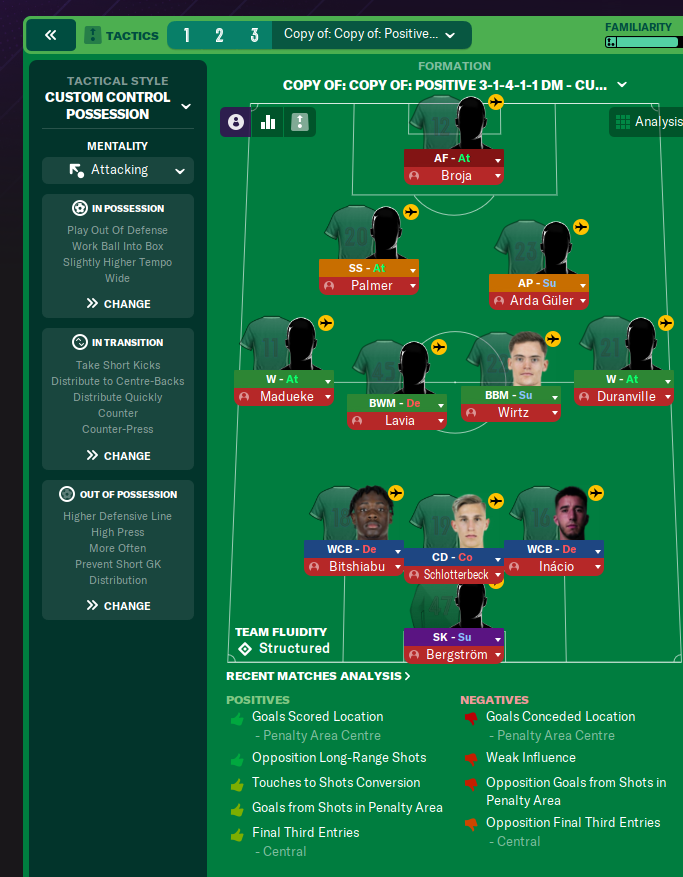
Formation & Style
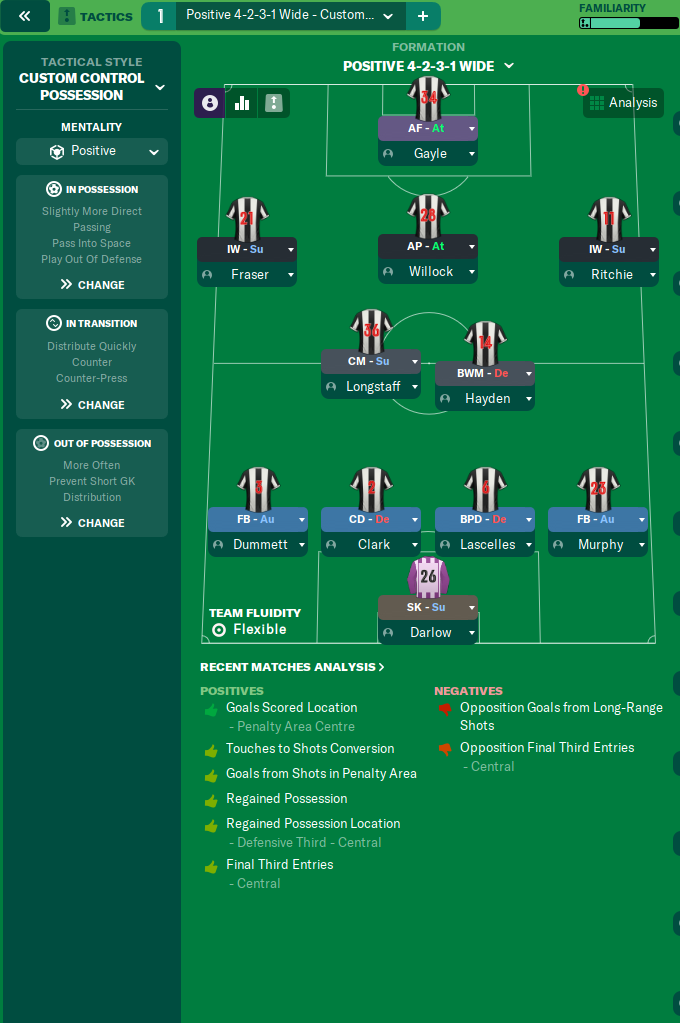
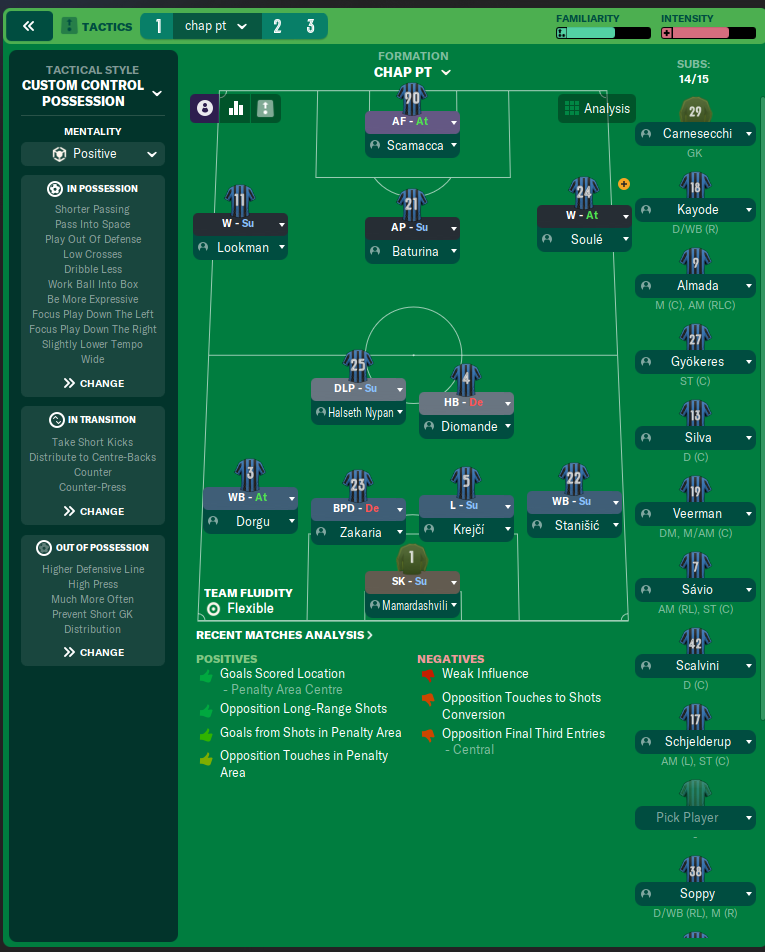
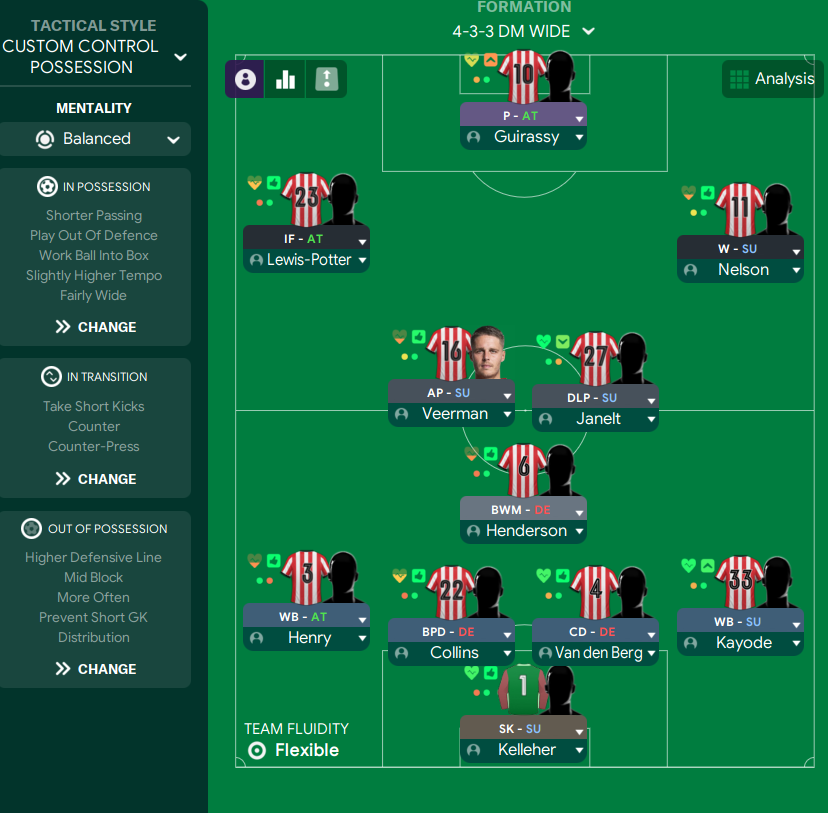
Tactical Style:Custom Control Possession
Mentality:Attacking
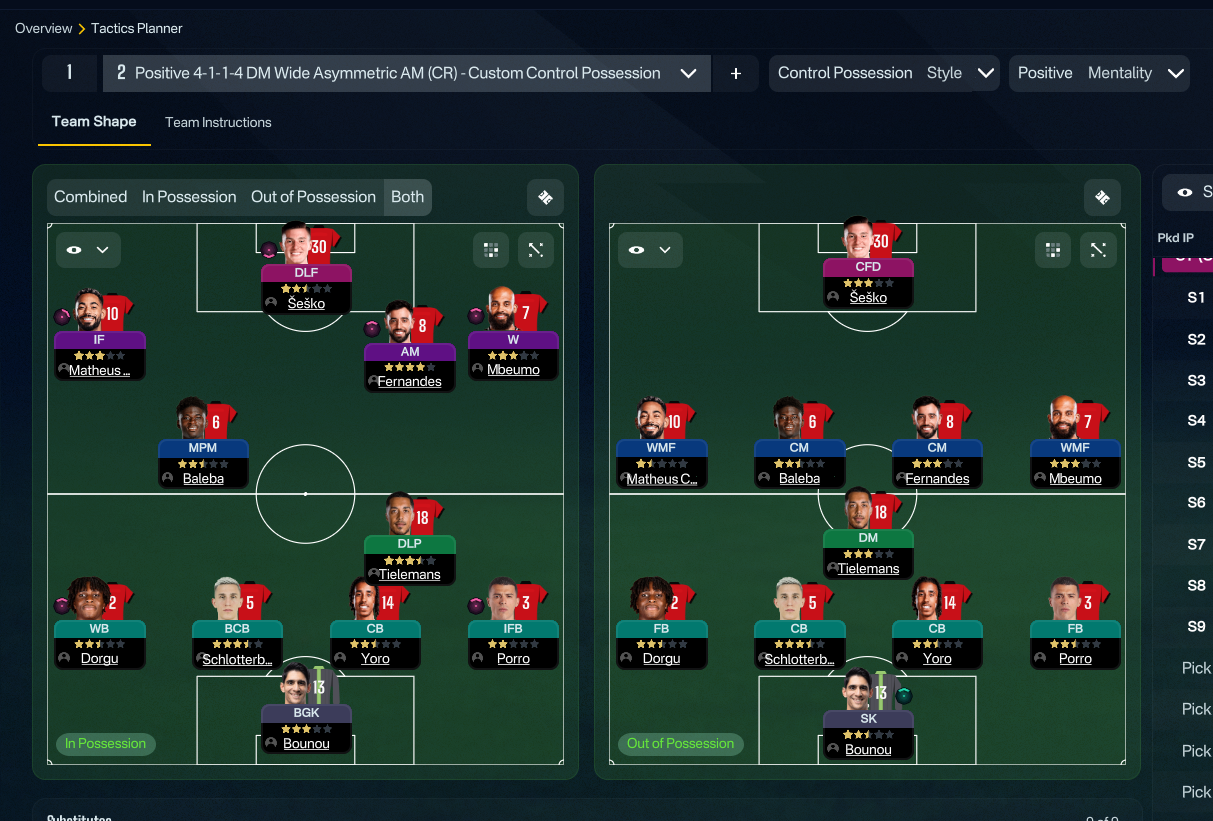
Formation:3-1-4-1 DM Narrow
Team Fluidity:Structured
In Possession
Play Out Of Defense
Work Ball Into Box
Slightly Higher Tempo
Counter-Press
In Transition
Take Short Kicks
Distribute to Centre-Backs
Distribute Quickly
Counter
Out of Possession
Higher Defensive Line
High Press
More Often
Prevent Short GK Distribution
Team Shape Without Ball
No team shape without ball data available
Team Shape With Ball
No team shape with ball data available
Key Strengths
Attacking Versatility
The use of both wide and central attacking options allows for versatile attacking plays, making it difficult for defenses to predict movements.
Controlled Possession
Focusing on playing out of defense and working the ball into the box enhances possession and builds attacks from the back.
High Press
The high pressing strategy when out of possession helps regain the ball quickly and puts pressure on opponents in their half.
Dynamic Midfield Roles
The combinations of the Ball-Winning and Box-to-Box midfielders create a solid foundation for both defensive duties and transitions to attack.
Conflicting Directions
High Line vs. Counter-Attacks
Using a higher defensive line with a high press can leave the team vulnerable against quick counter-attacks, especially if there is a lack of pace in the center-backs.
Structured Fluidity vs. Dynamic Play
A structured approach may sometimes limit the natural fluidity and movement that can enhance attacking phases, especially with overlapping runs from full-backs.
Advanced Playmaker and Shadow Striker Overlap
Both the AP and SS roles may occupy similar areas of the pitch, which could lead to congestion and hinder their effectiveness in the final third.
Defensive Midfielder vs. High Press
A Ball-Winning Midfielder on defend duty may not contribute effectively to the high press strategy, potentially leading to slower transitions after regaining possession.
Tactical Suggestions
Adjust Defensive Line
Consider lowering the defensive line to mitigate risks against quick counter-attacks that exploit the high line.
Increase Fluidity
Switch to a more fluid team approach to encourage better movement and interchange between attacking players.
Role Adjustments in Midfield
Consider changing the Box-to-Box Midfielder to an Advanced Playmaker to add more creativity and depth in midfield.
Wider Play Options
Introduce overlapping wing-backs to provide width and more options to stretch the opposition's defense.