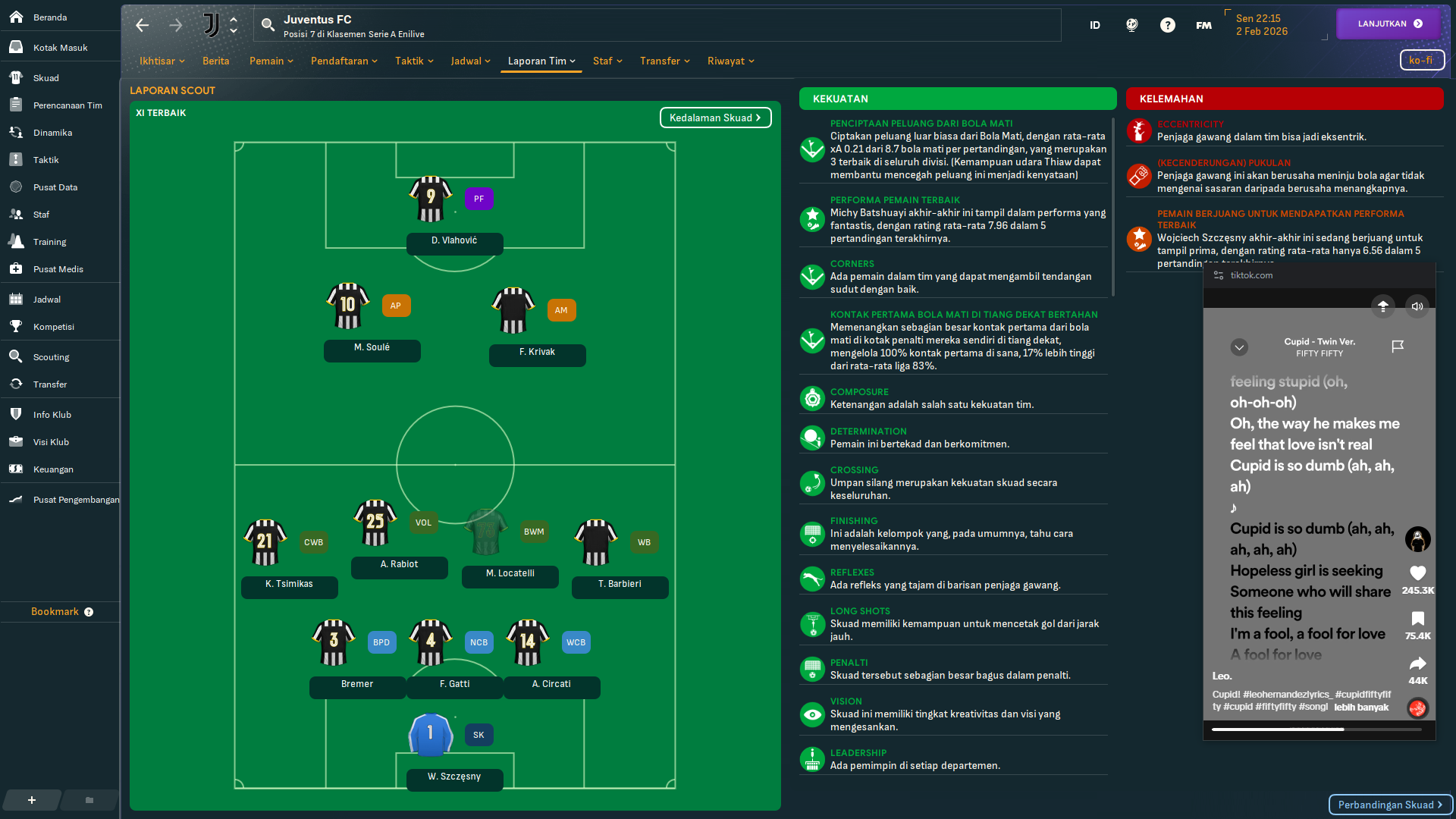
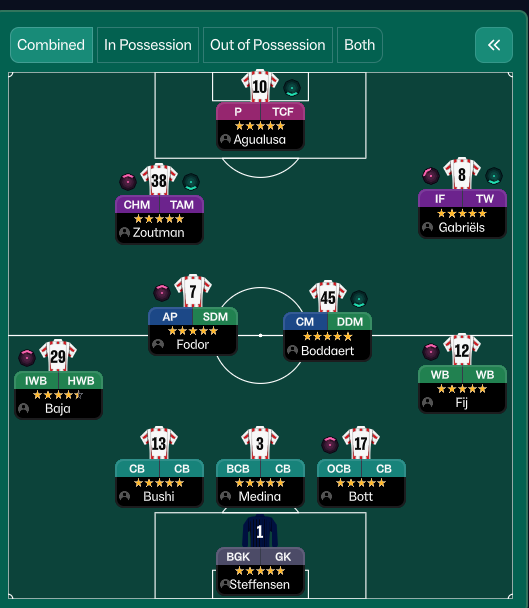
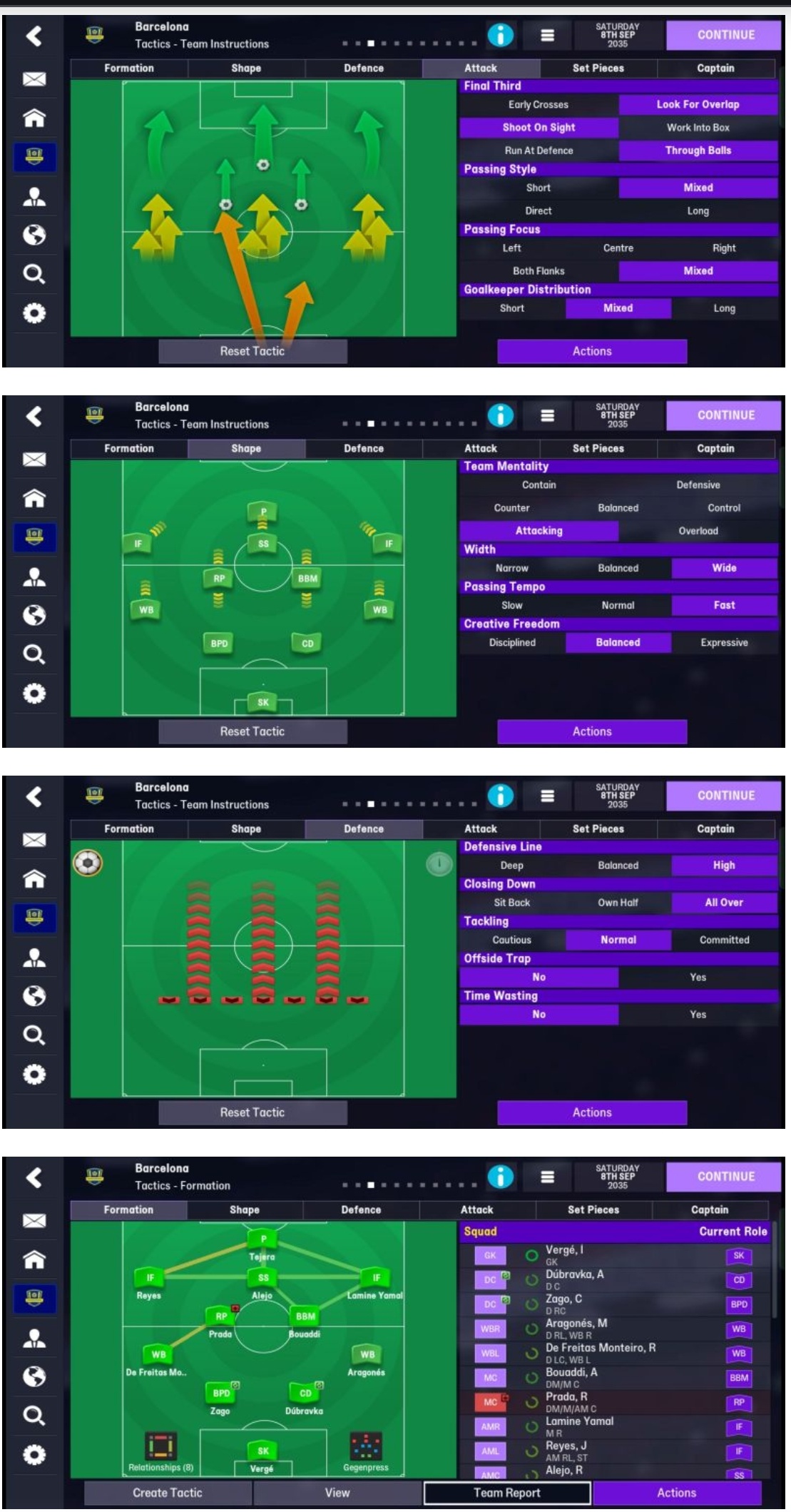
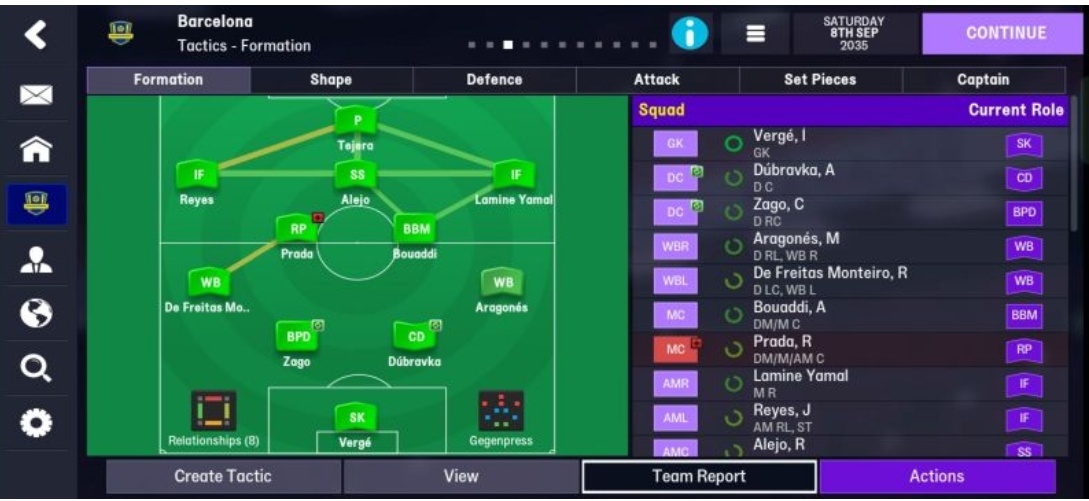
Uploaded Tactic
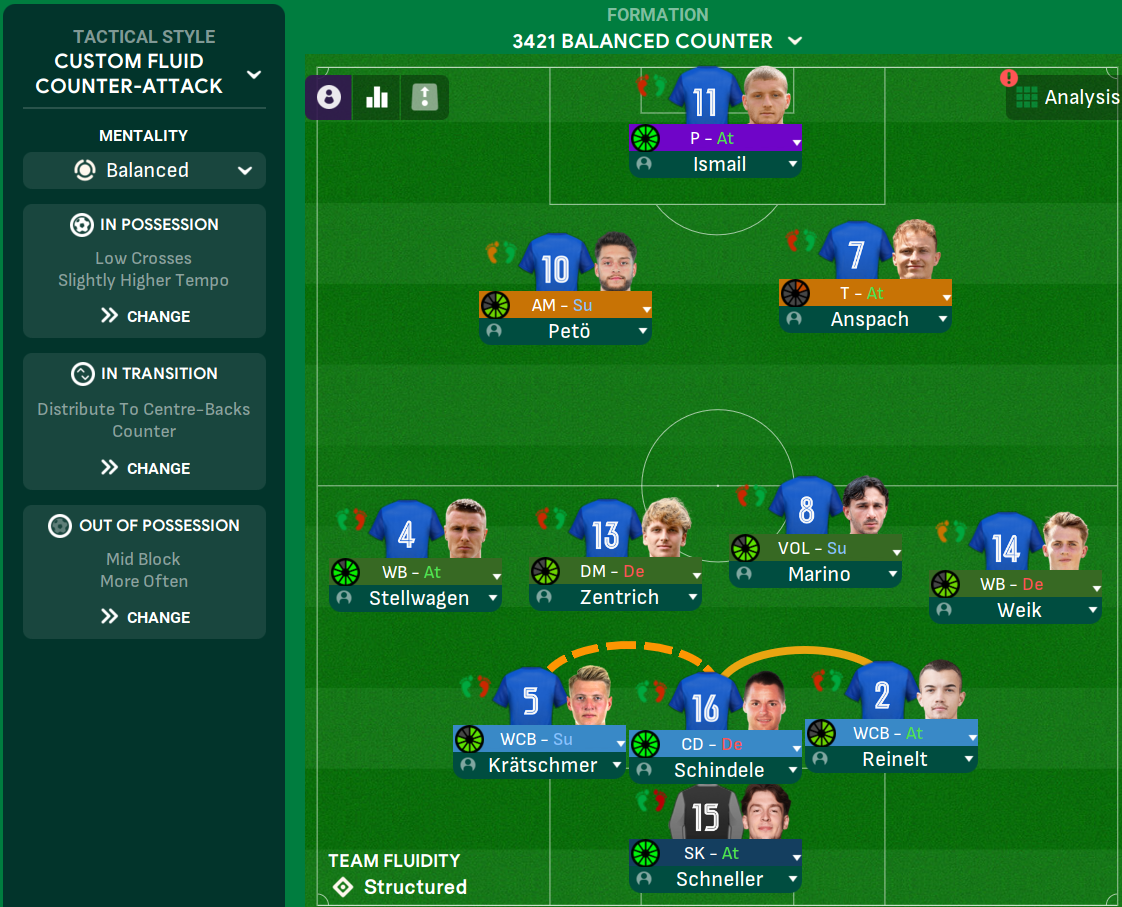
Formation & Style
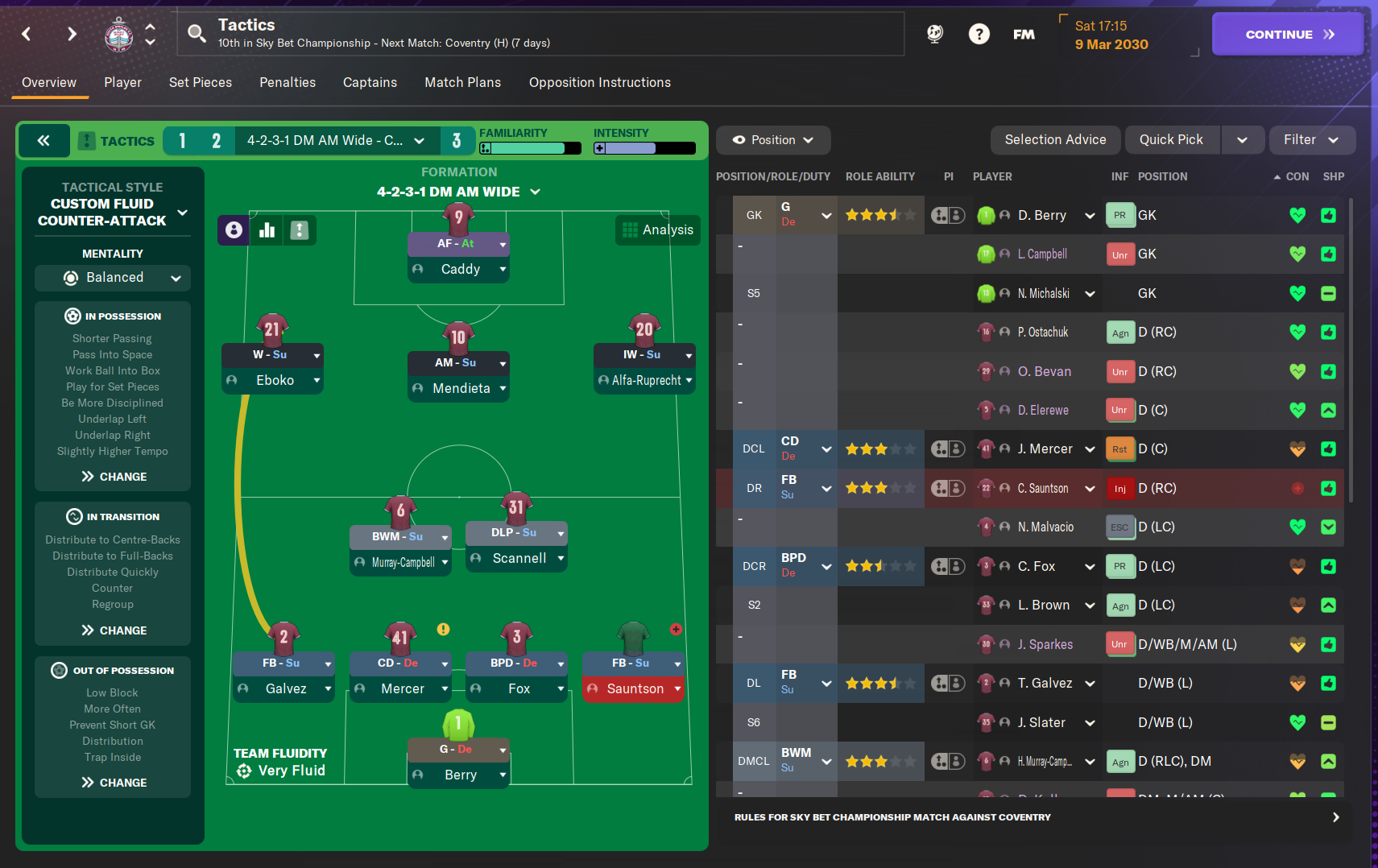
Tactical Style:Custom Fluid Counter-Attack
Mentality:Balanced
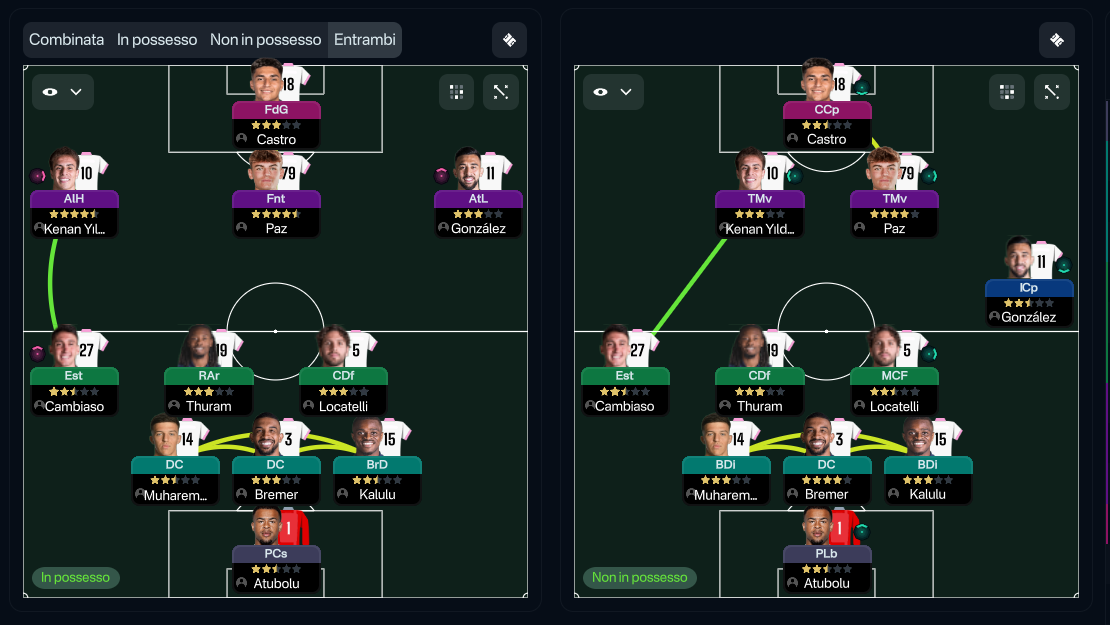
Formation:3-4-2-1
Team Fluidity:Structured
In Possession
Low Crosses
Slightly Higher Tempo
In Transition
Distribute To Centre-Backs
Counter
Out of Possession
Mid Block
More Often
Team Shape Without Ball
No team shape without ball data available
Team Shape With Ball
No team shape with ball data available
Key Strengths
Fluid Counter-Attacking
The formation is designed to quickly exploit spaces on the break, with fast transition from defense to attack utilizing the pace of the forwards.
Wide Play
The Wing Backs can provide width and support both defensively and offensively, helping stretch the opponent's defense.
Flexible Midfield
The presence of a Volante allows for fluidity in midfield, linking up play between defense and attack.
Defensive Solidity
The three central defenders provide a strong defensive base, capable of dealing with attacking threats effectively.
Conflicting Directions
Wide Play vs. Central Focus
While the tactic encourages wide play, the formation's central focus with the Target Man may cause congestion in the middle.
Structured Fluidity
A structured team fluidity might limit some of the creative freedom that a fluid system typically offers.
Mid Block Pressure
A mid block might not pressure opponents effectively high up the pitch, which could lead to vulnerability if the defense is caught out.
Counter vs. Build-Up Play
A focus on counter-attacking could conflict with a more methodical build-up style that the player roles may sometimes encourage.
Tactical Suggestions
Adjust Wing Back Roles
Consider setting one Wing Back to a support duty to provide balance while the other attacks, improving width and allowing more overlap.
Increase Mentality in Transitions
If the team is effective at winning the ball back, consider shifting to a more aggressive counter mentality to capitalize instantly on turnovers.
Alter Central Midfielder Duty
Switching Volante to attack duty could better support the forwards when in possession, creating more goal-scoring opportunities.
Review Defensive Line
Evaluate the depth of the defensive line; a higher line could support pressing tactics if the team has fast defenders.