Uploaded Tactic
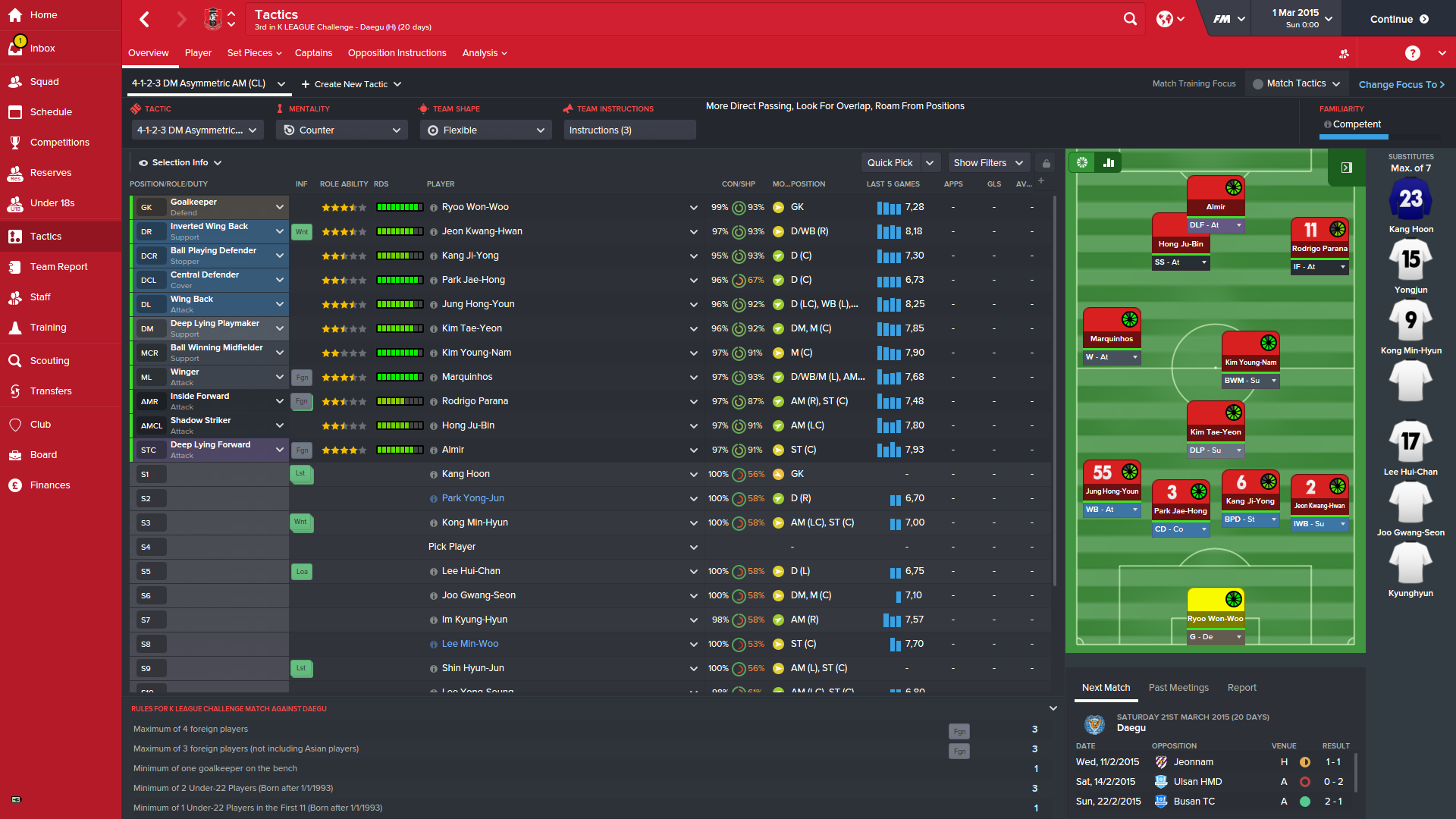
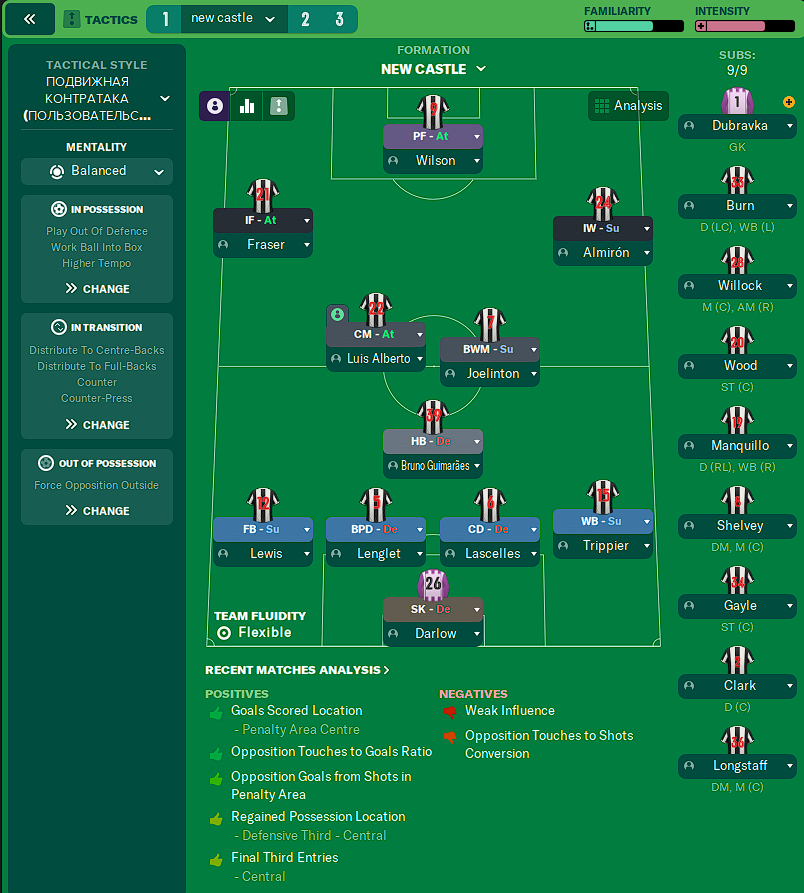
Formation & Style
Tactical Style:Counter
Mentality:Flexible
Formation:4-1-2-3 DM Asymmetric AM
Team Fluidity:Flexible
In Possession
More Direct Passing
Look For Overlap
Roam From Positions
In Transition
Counter
Hold Shape
Out of Possession
Higher Defensive Line
Press More
Team Shape Without Ball
No team shape without ball data available
Team Shape With Ball
No team shape with ball data available
Key Strengths
Dynamic Attack
The asymmetric formation allows for diverse attacking options through both wings and through the center.
Midfield Control
The presence of a Deep Lying Playmaker and Ball Winning Midfielder maintains a balanced midfield, allowing for both defending and quick transitions.
Width in Play
With an inverted winger and a traditional winger, the tactic utilizes width effectively, stretching the opposition defense.
Counter-Attacking Threat
The direct playing style and the focus on quick transitions make the team formidable on counter-attacks.
Conflicting Directions
Attack vs. Defensive Duties
The wing-backs are set to attack but playing against a higher defensive line could lead to gaps. Covering duties should be assessed.
Overlap vs. Roaming
If players are instructed to overlap while also being told to roam, it may create confusion in positioning and timing.
Pressing and Shape Maintenance
Higher pressing could disrupt the team's structure if they do not fall back quickly to maintain shape during transitions.
Inverted Wing Play
The inverted winger's role may conflict with the traditional winger's positioning, potentially leading to overcrowded areas.
Tactical Suggestions
Adjust Wing-back Duty
Consider changing the duties of one of the wing-backs to support to provide more stability when transitioning back to defense.
Focus on Balanced Midfield
Introduce a more defined midfield setup, possibly including another holding midfielder to provide extra cover.
Refine Pressing Strategy
Evaluate pressing triggers to ensure the team maintains shape and balance, especially when pressing high.
Enhance Flexibility
Encourage players to have specific roles that have defined duties in various phases of play to reduce ambiguity.
Ask Questions About Your Lineup
More Counter tactics
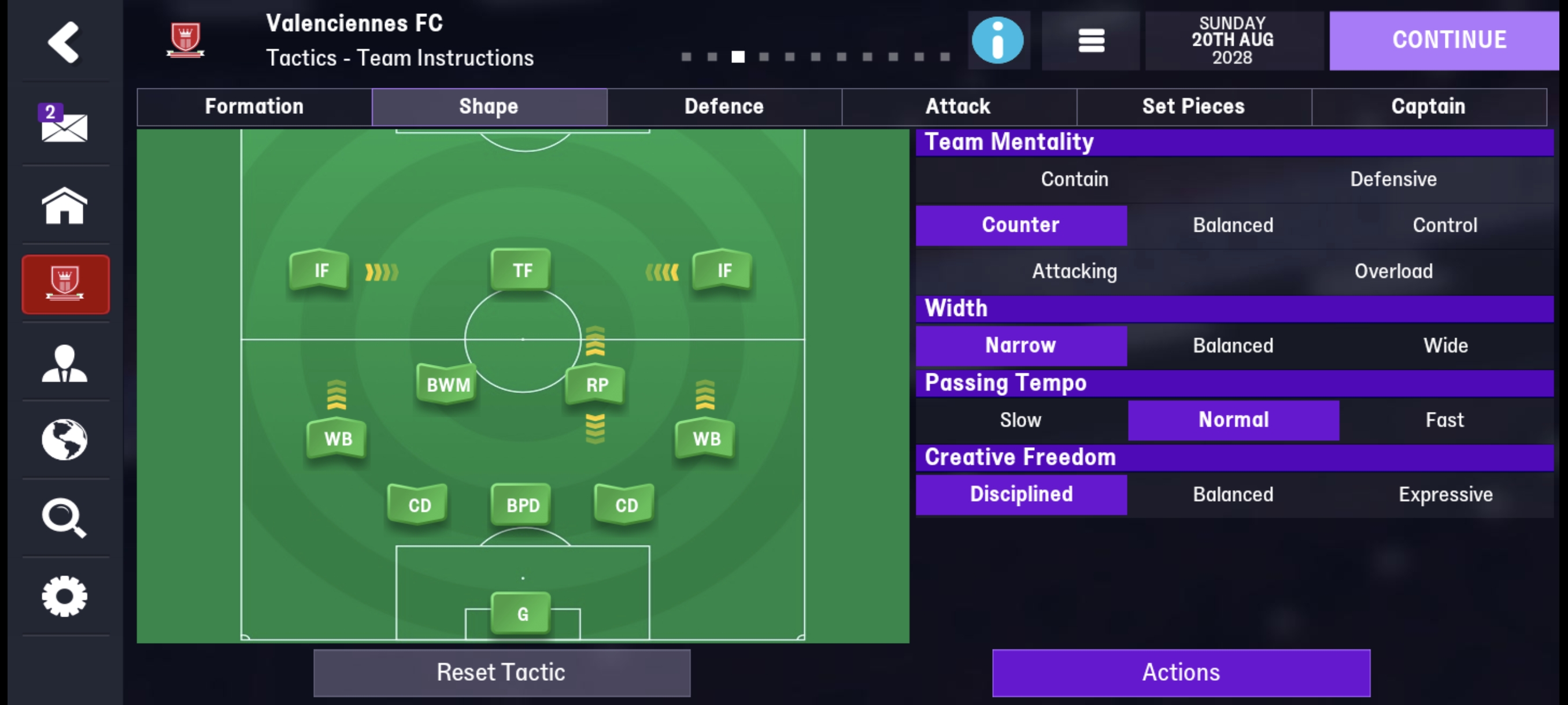
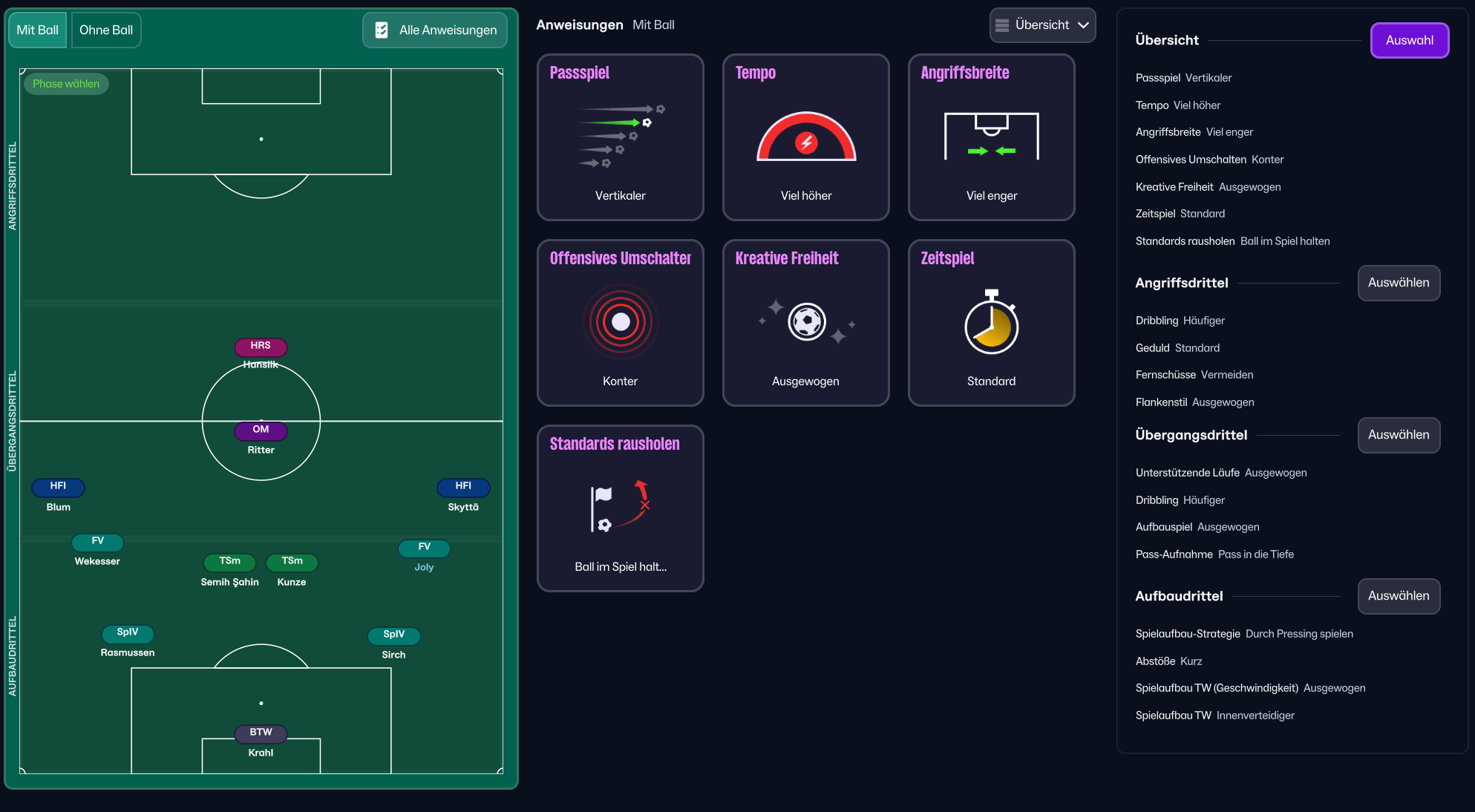
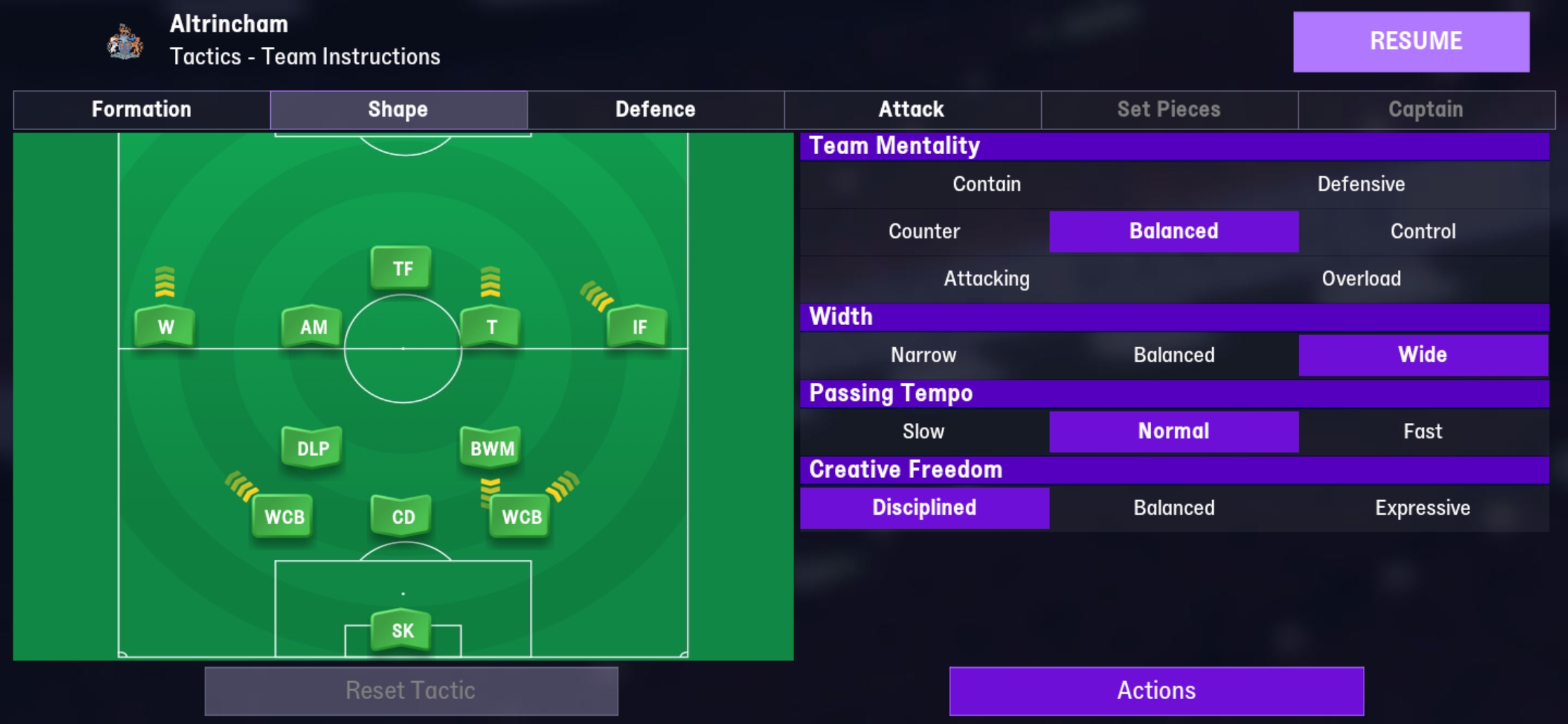
Guides for this formation
The tactical theory behind the 4-1-2-3 DM Asymmetric AM: roles, instructions, and the trade-offs that decide whether the system holds up.