Uploaded Tactic
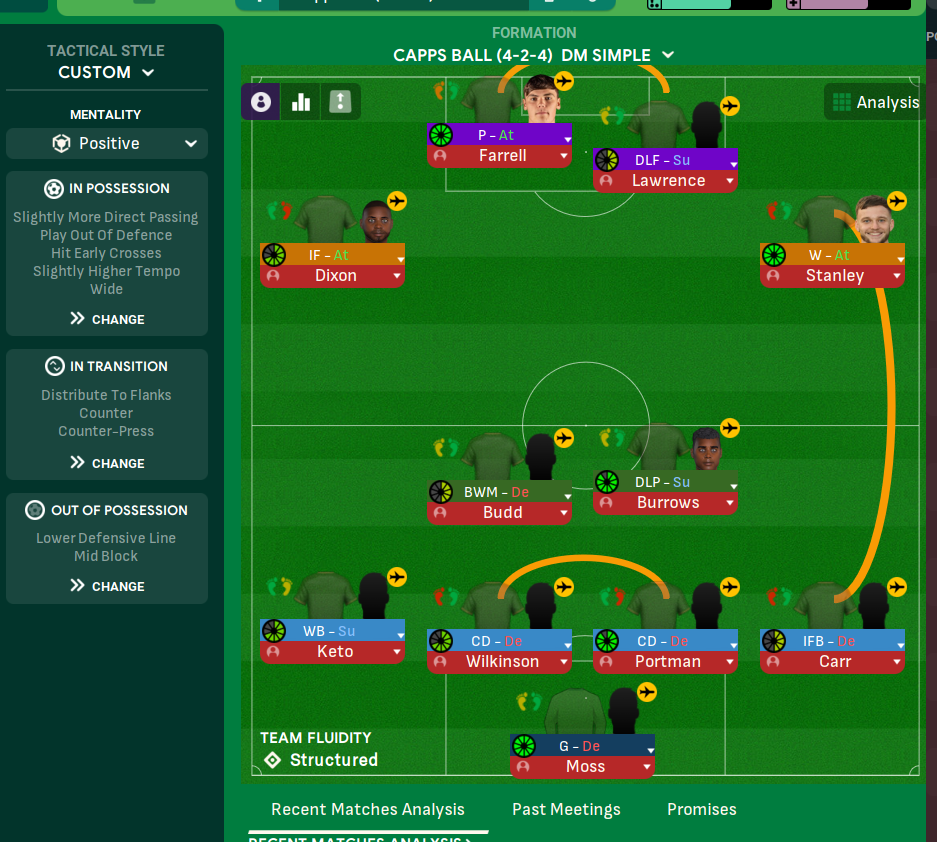
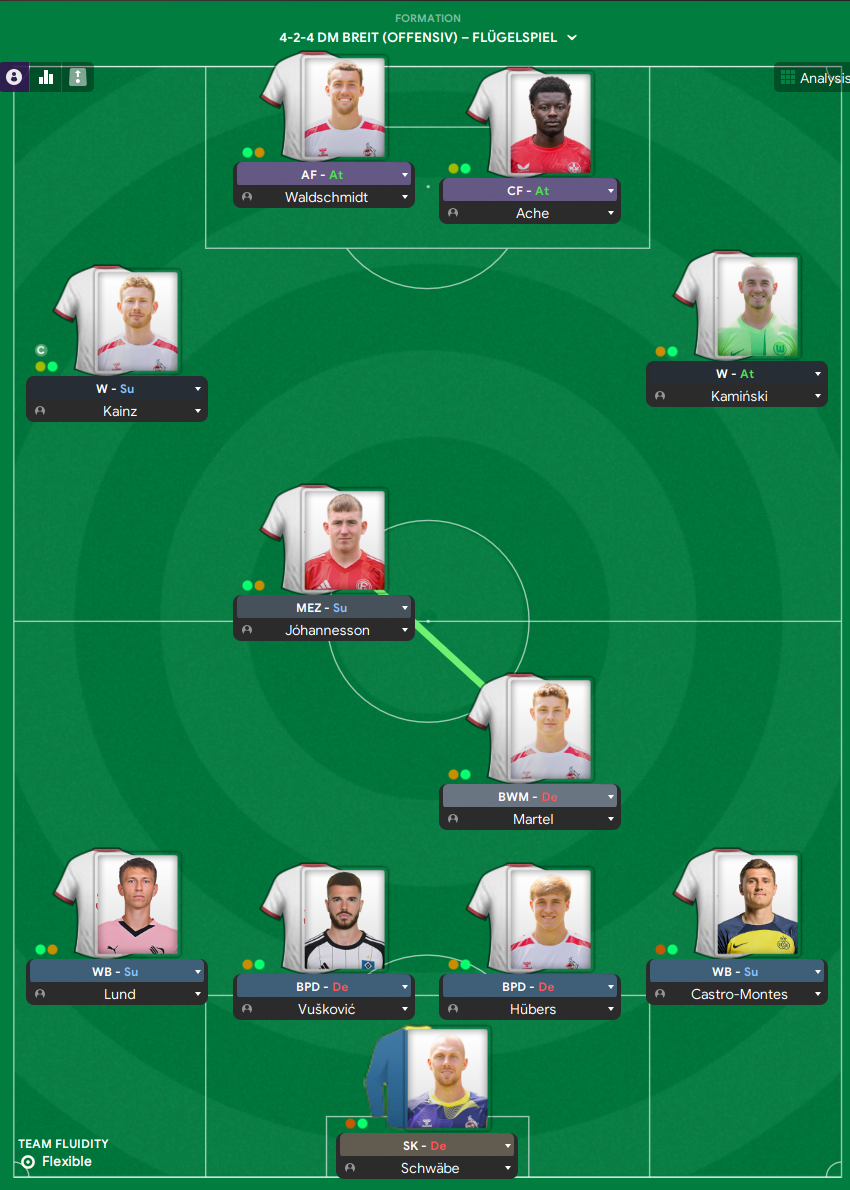
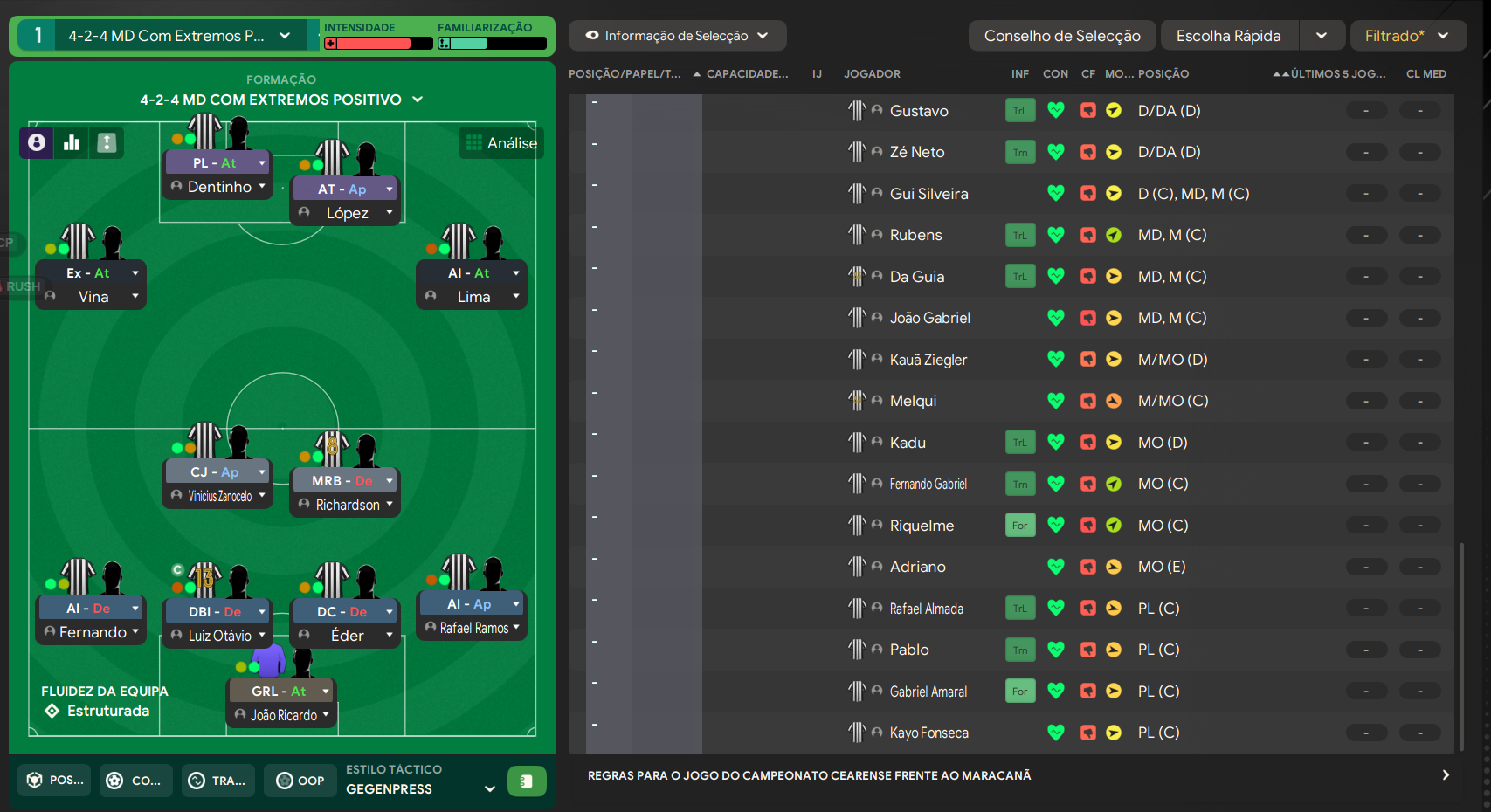
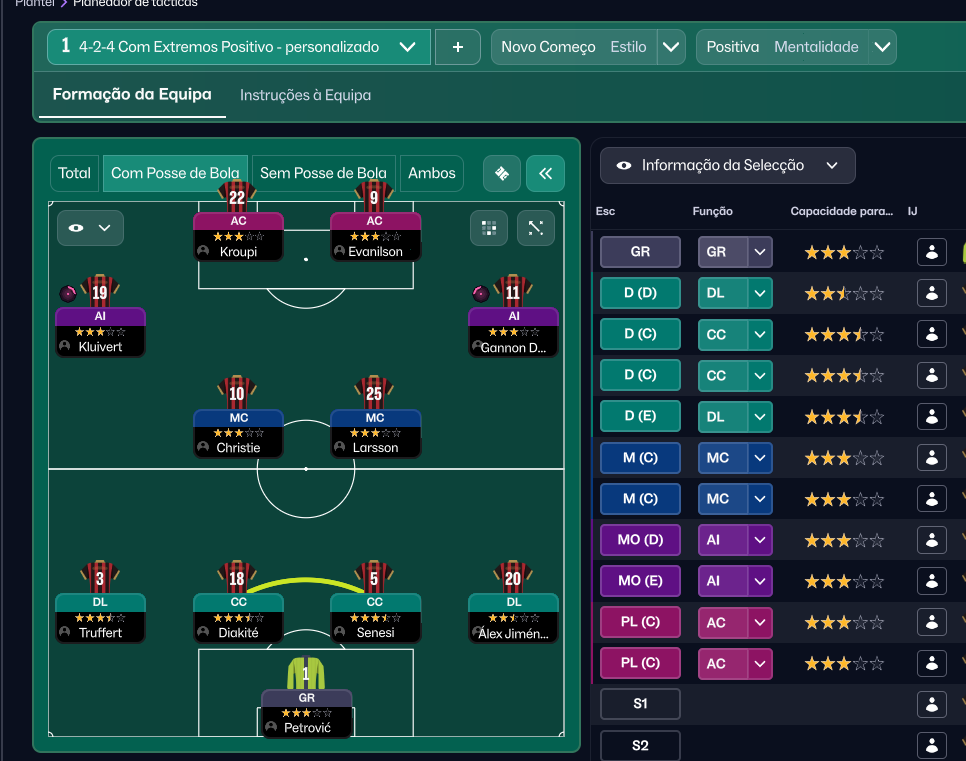
Formation & Style
Tactical Style:Custom
Mentality:Positive
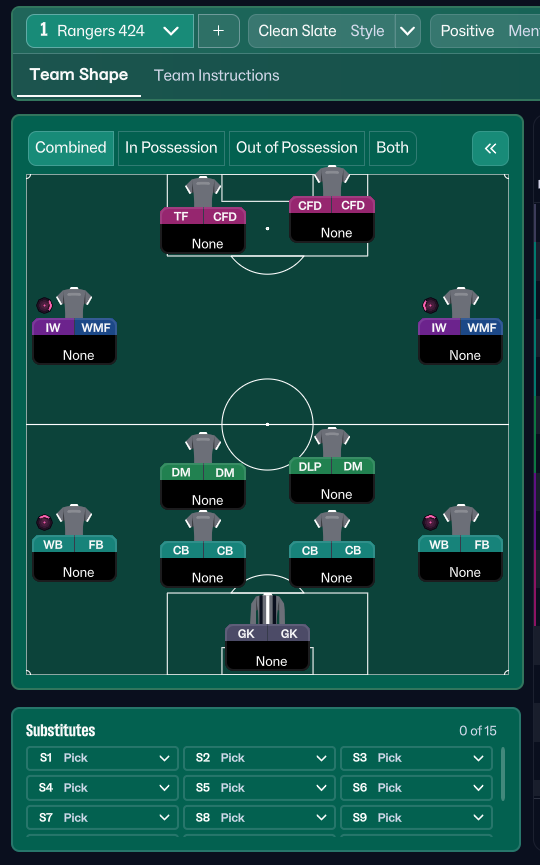
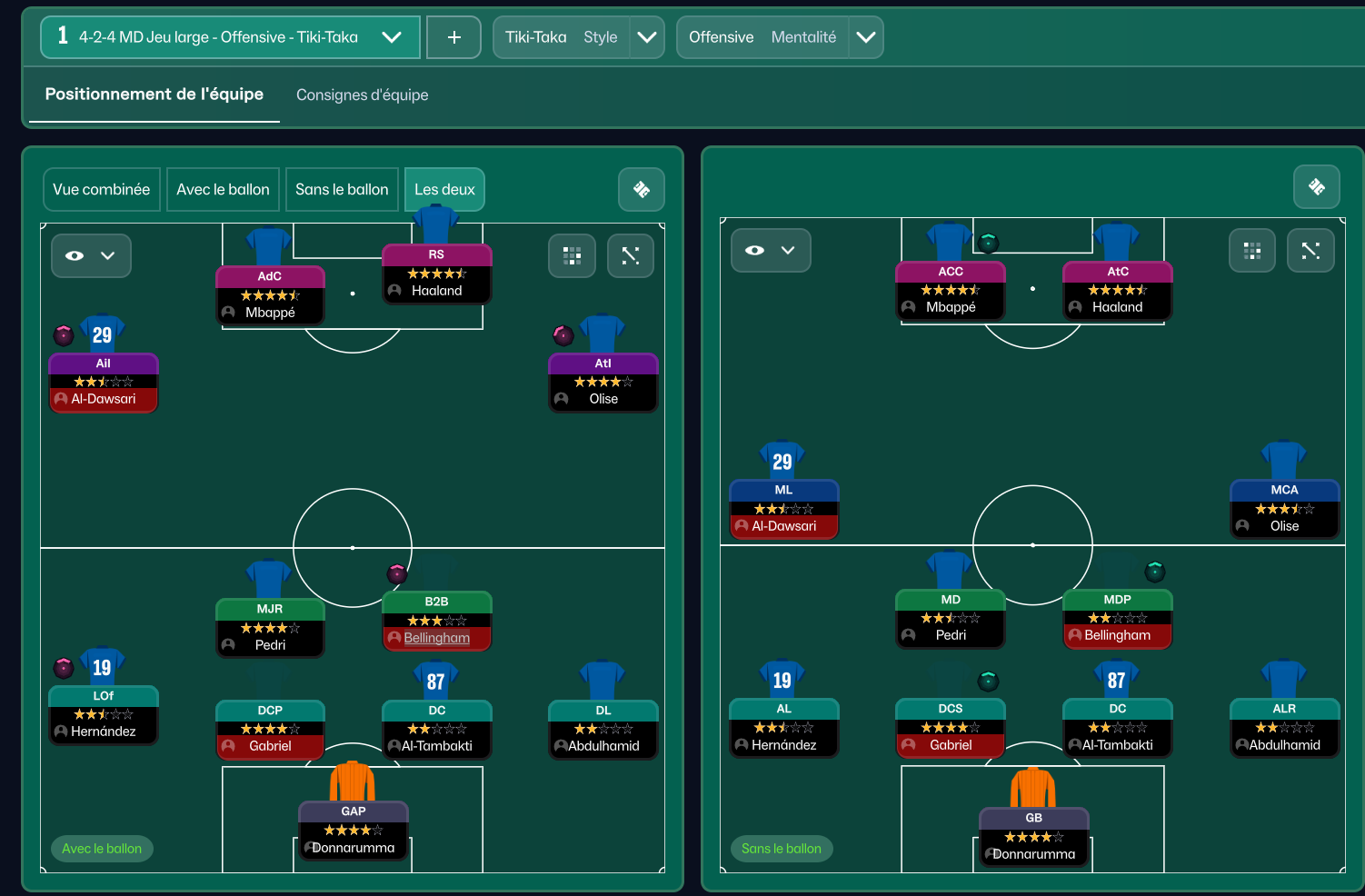
Formation:4-2-4
Team Fluidity:Structured
In Possession
Slightly More Direct Passing
Play Out Of Defence
Hit Early Crosses
Slightly Higher Tempo
Wider Width
In Transition
Distribute To Flanks
Counter
Counter-Press
Out of Possession
Lower Defensive Line
Mid Block
Team Shape Without Ball
No team shape without ball data available
Team Shape With Ball
No team shape with ball data available
Key Strengths
Attacking Width
Utilizing inside forwards and wingers stretches the opposition, creating space for attackers.
Counter-Attacking Potential
The emphasis on distributing to flanks and quick counter-attacking plays can exploit opponent gaps.
Balanced Midfield Roles
With a deep-lying playmaker and a ball-winning midfielder, the team can transition effectively between defense and attack.
Dynamic Forward Duo
The combination of an advanced forward and a deep-lying forward creates unpredictability in the attacking phase.
Conflicting Directions
Defensive Depth vs. Attacking Intent
While the setup has a lower defensive line, the attacking mentality could lead to vulnerability on the counter.
Wing Play Limitations
With two forwards occupying central spaces, effective wing play depends heavily on wide players' contributions.
Midfield Structure
The dual midfield roles could lead to a lack of support for the front line if not positioned carefully.
Transition Risks
Quick transitions may lead to defensive gaps, especially when wing-backs are caught upfield.
Tactical Suggestions
Adjust Defensive Line
Consider raising the defensive line to complement the team's attacking mentality and mitigate counter risks.
Increase Fluidity
Moving to a more fluid system can enhance attacking synergy and improve transitions between defense and attack.
Incorporate a Second Playmaker
Adding a secondary playmaker could enhance midfield creativity and support the attacking front.
Winger Role Adjustment
Experiment with the wingers' duties; switching one to a support role may balance attack and defense.
Ask Questions About Your Lineup
Related Tactics
Guides for this formation
The tactical theory behind the 4-2-4: roles, instructions, and the trade-offs that decide whether the system holds up.