Uploaded Tactic
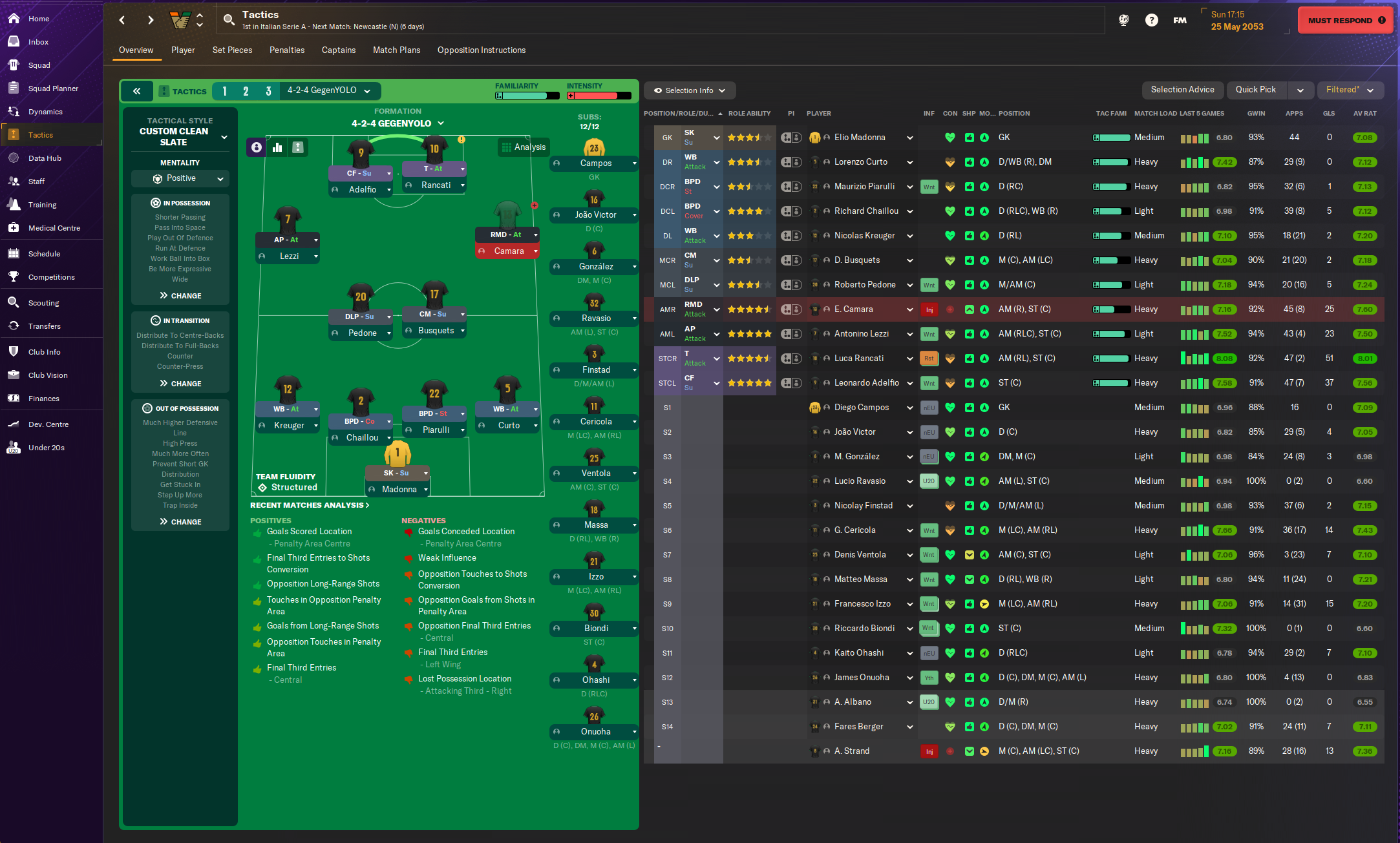
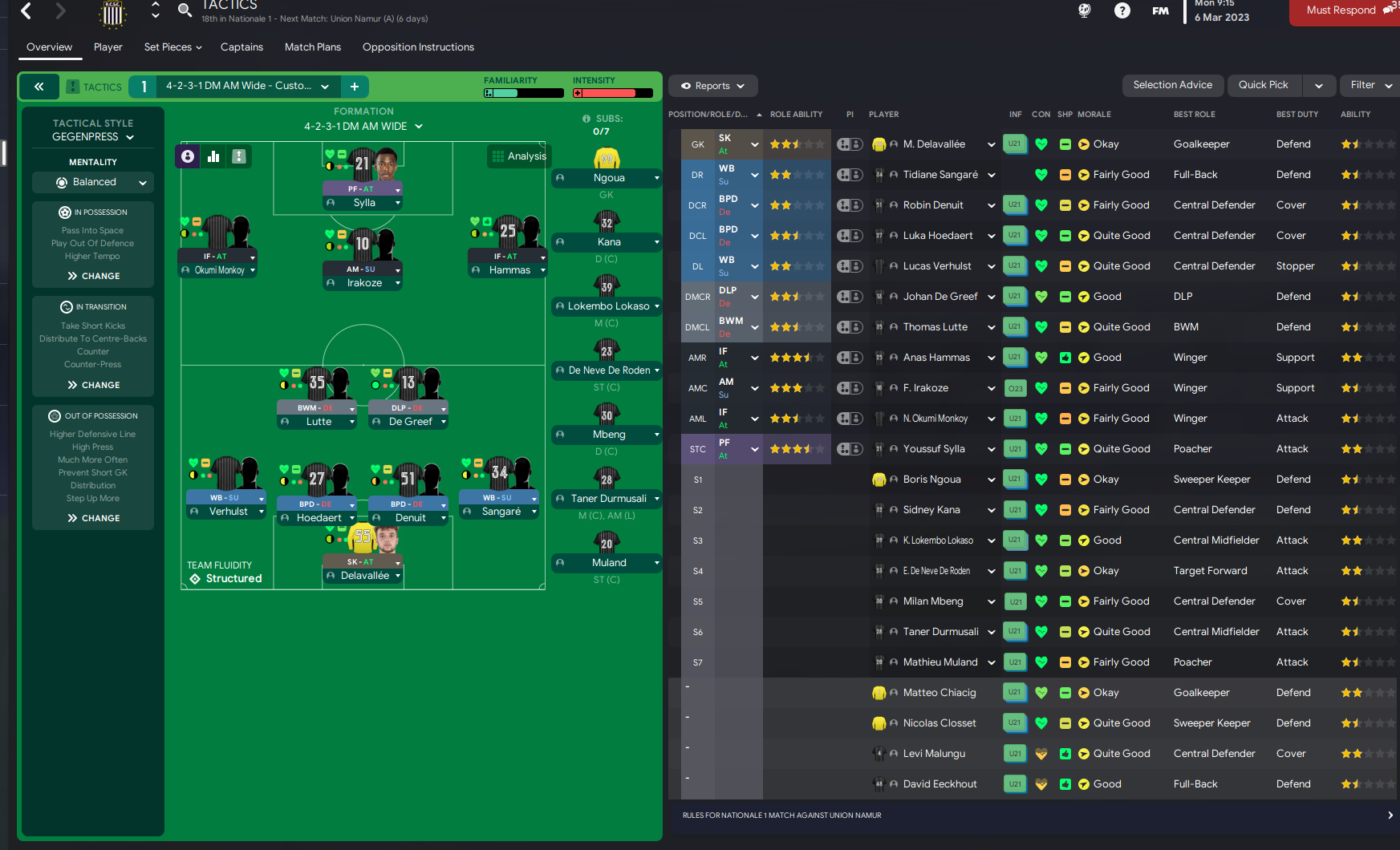
Formation & Style
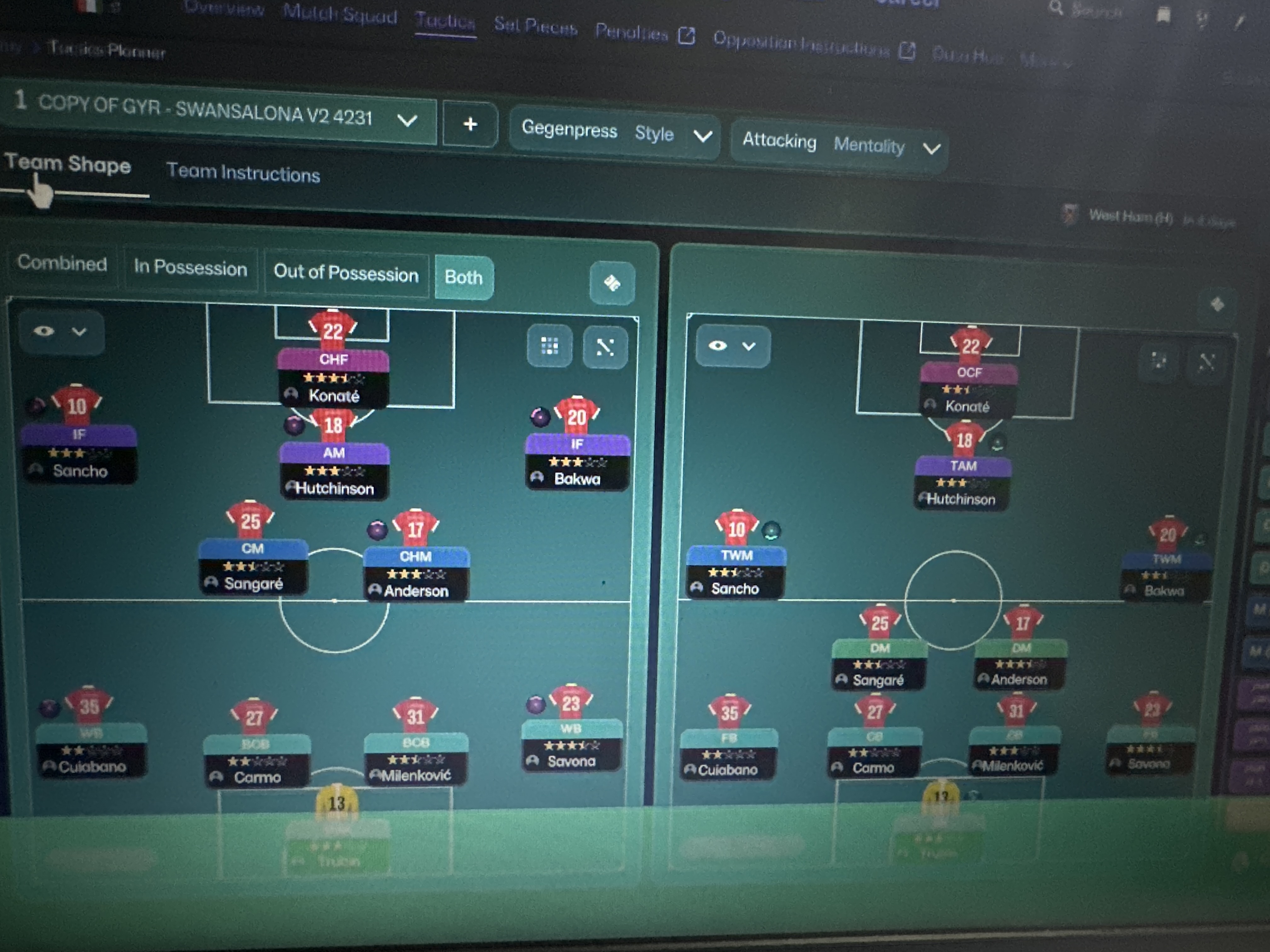
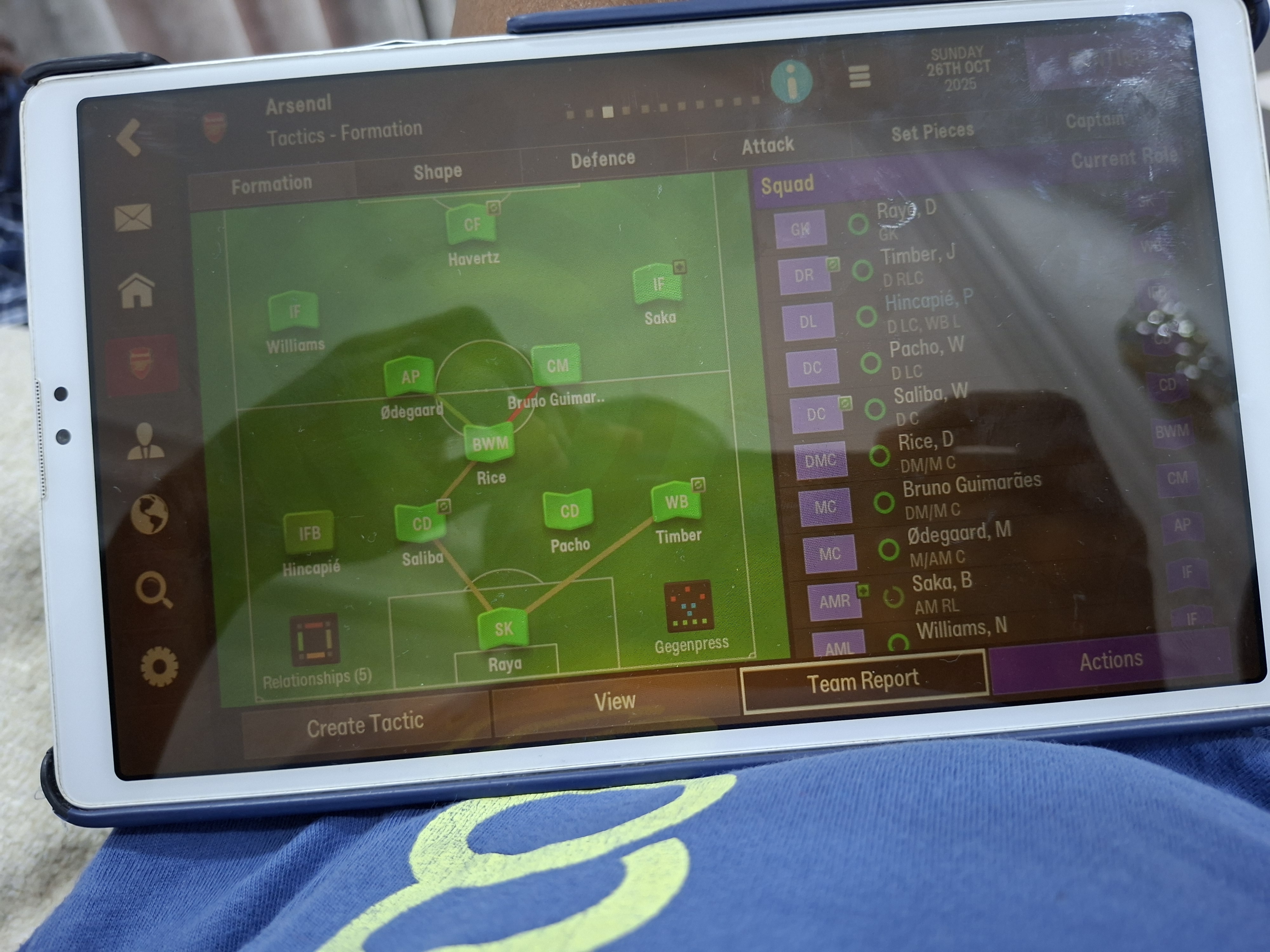
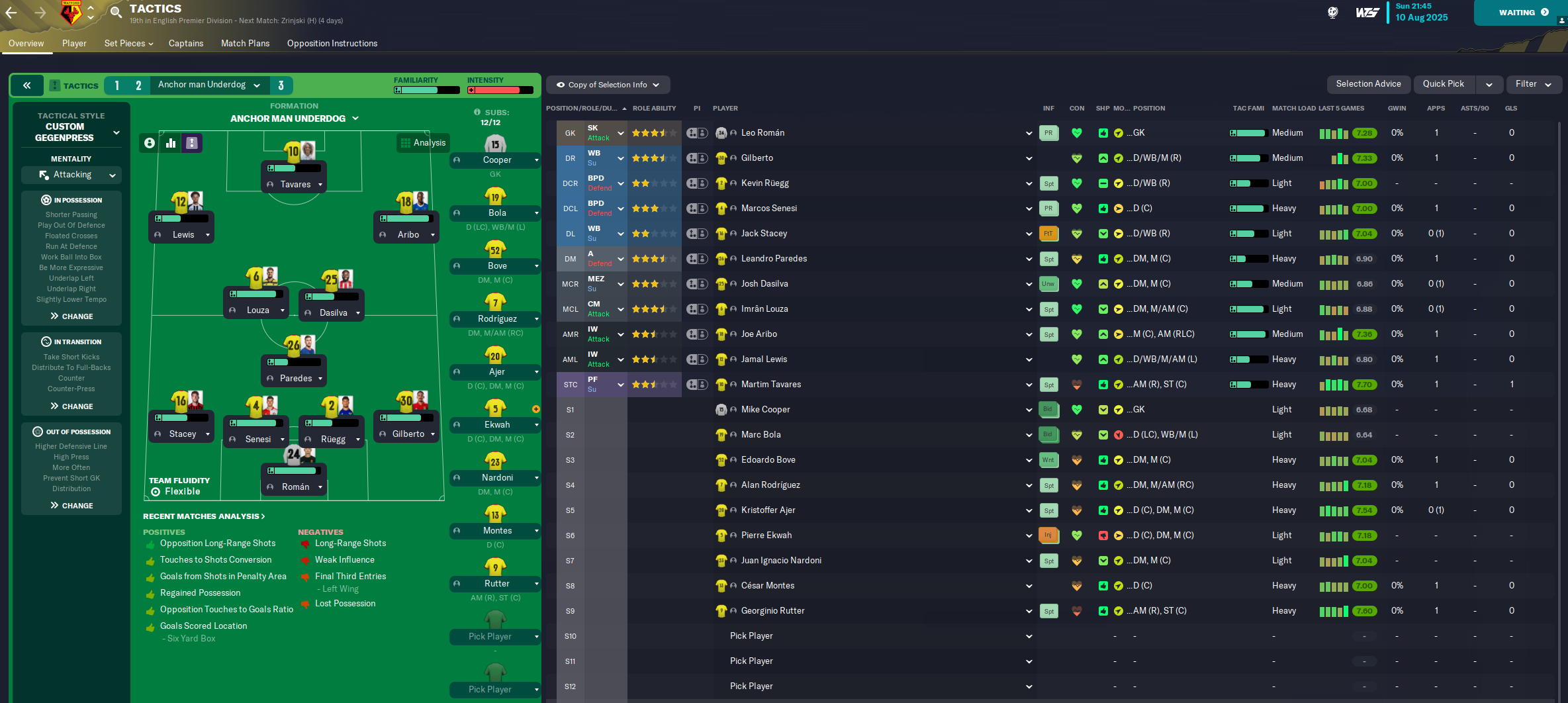
Tactical Style:Gegenpress
Mentality:Positive
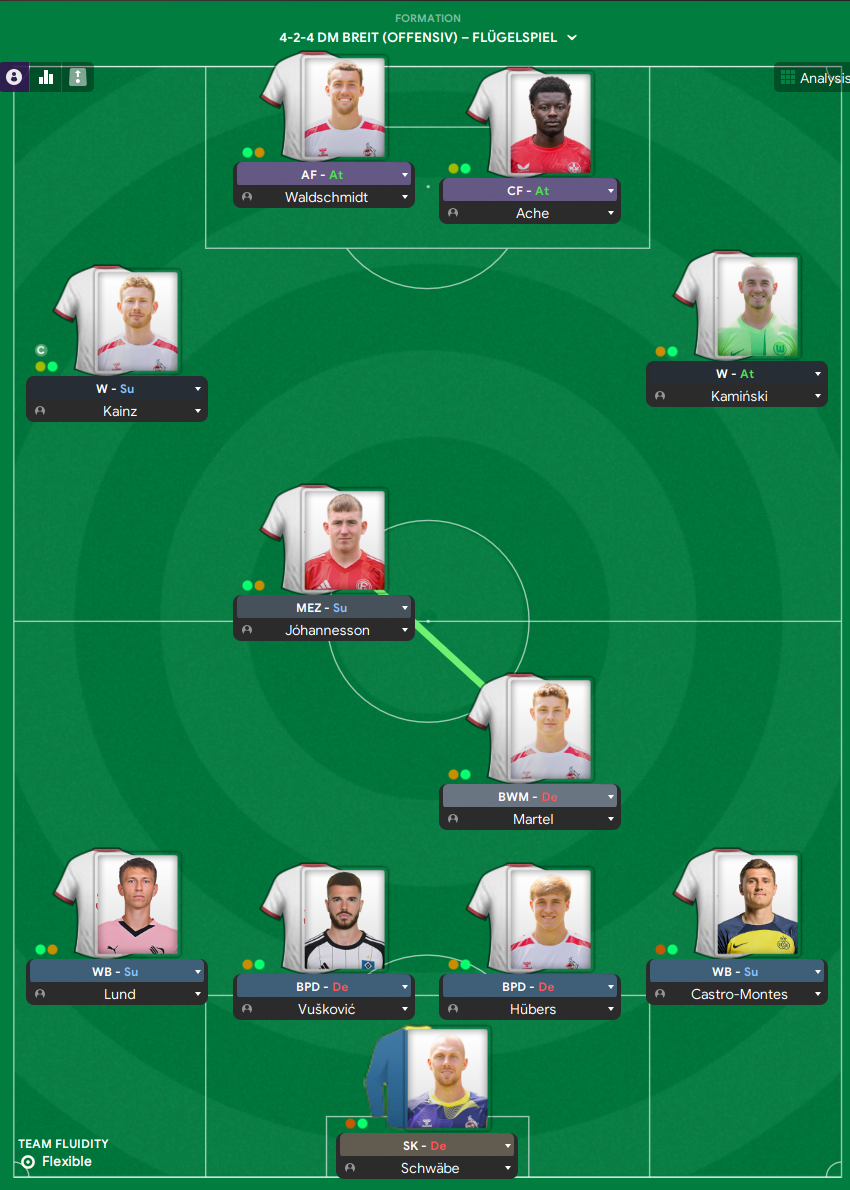
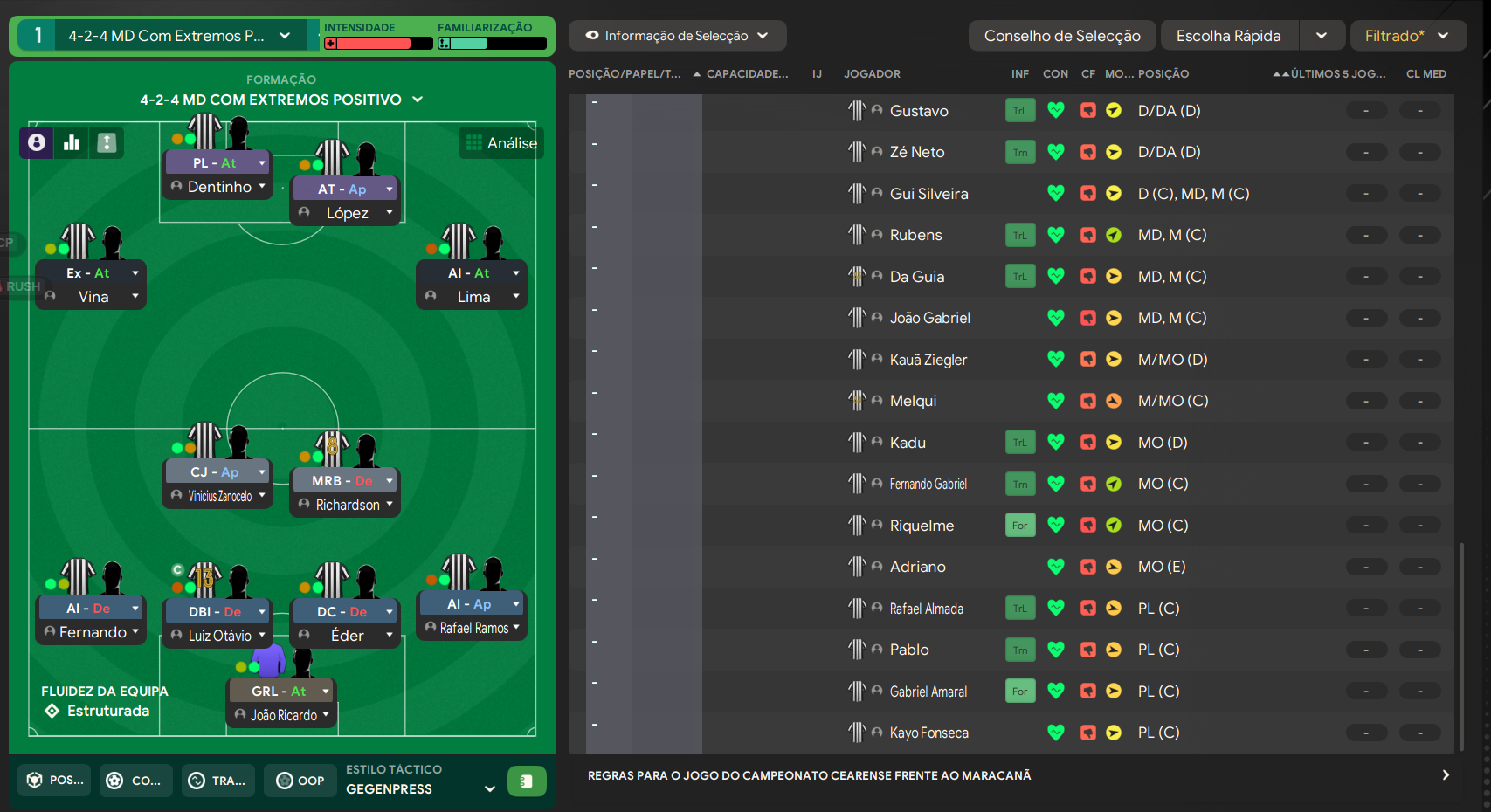
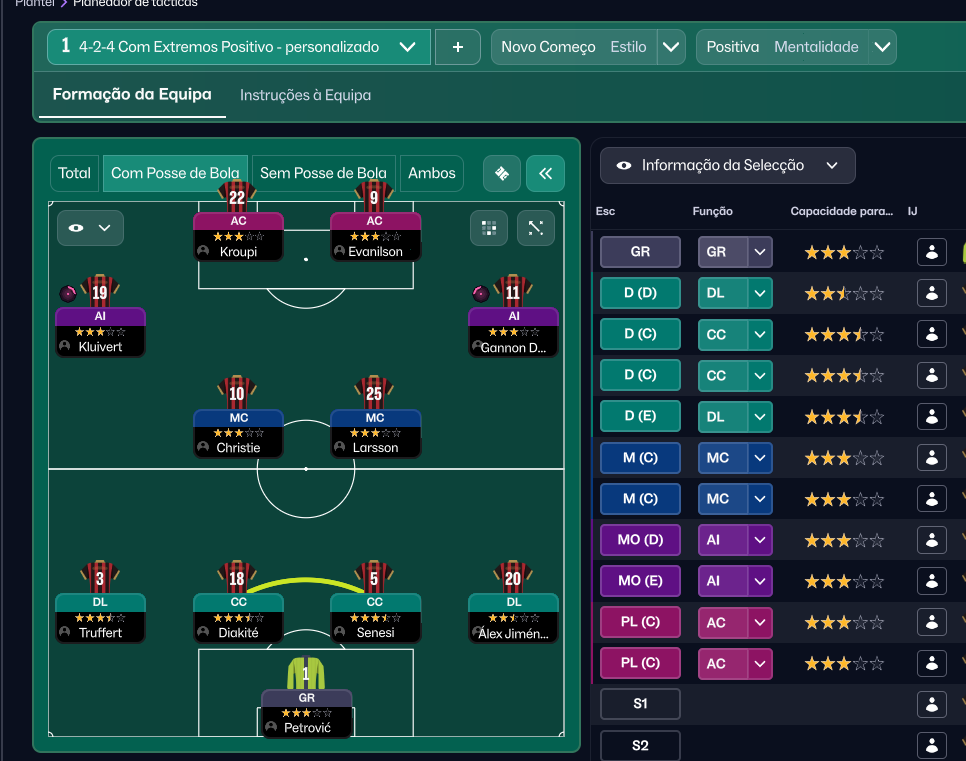
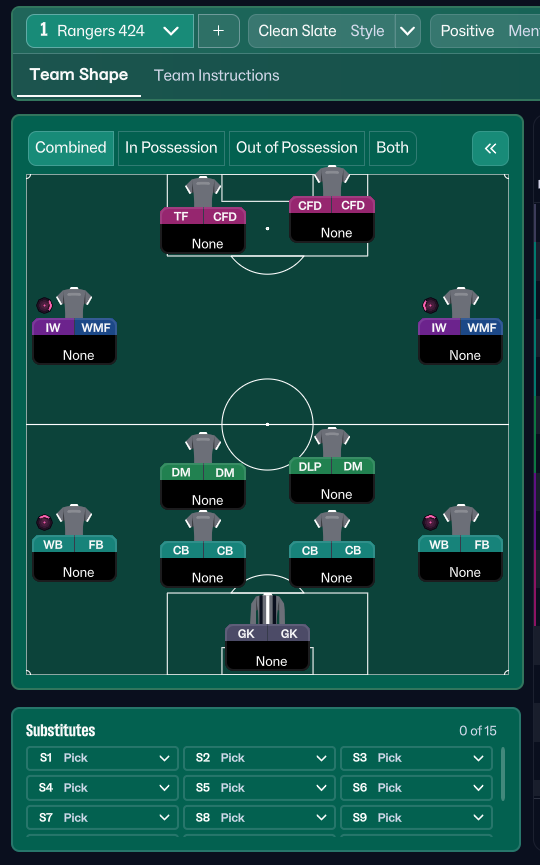
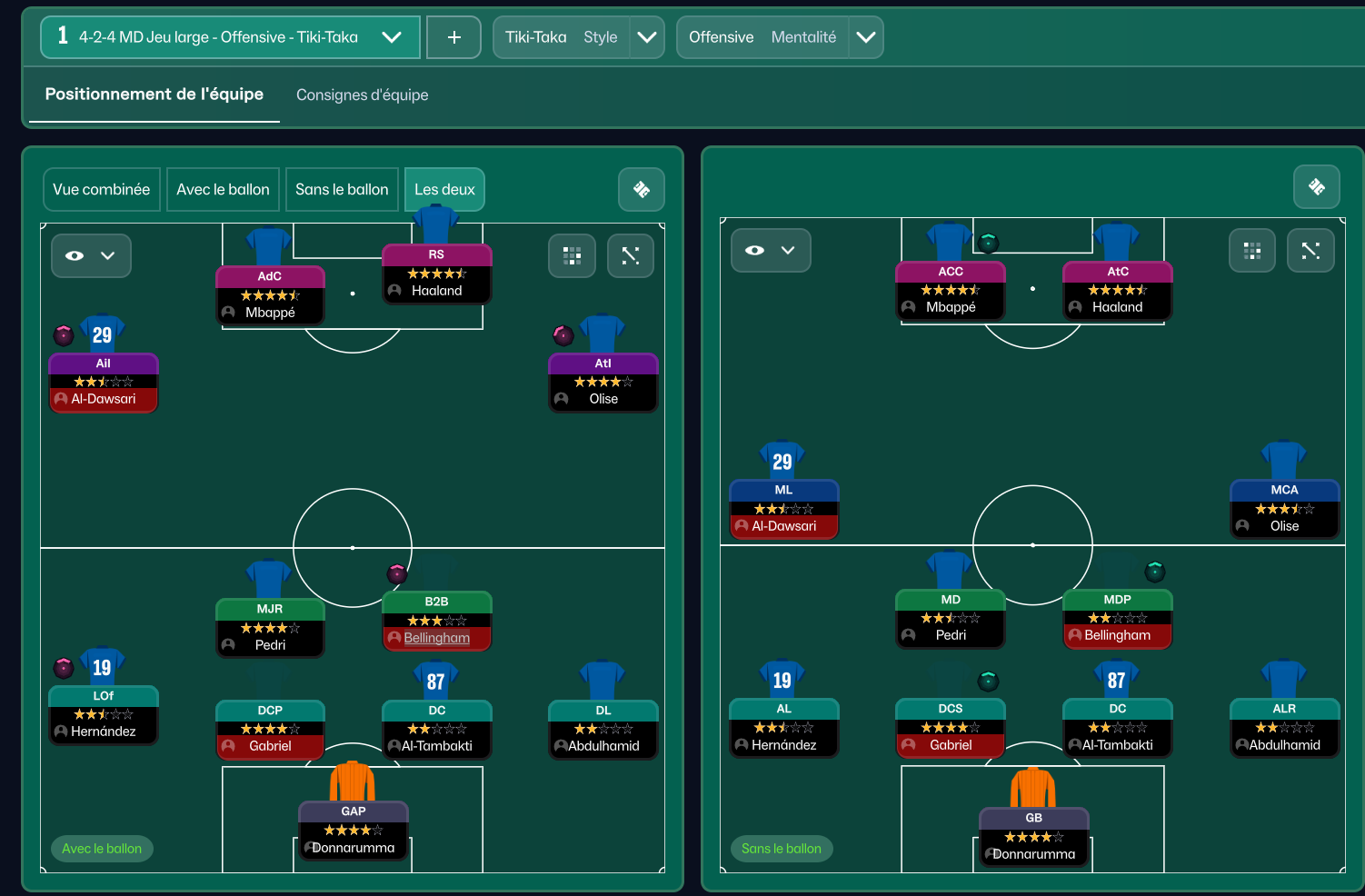
Formation:4-2-4
Team Fluidity:Structured
In Possession
High Tempo
Focus Play Down Right
Work Ball Into Box
Overlap Left
In Transition
Counter Press
Counter
Distribute To Full-Backs
Out of Possession
Higher Defensive Line
Use Offside Trap
Prevent Short Goal Kicks
Team Shape Without Ball
No team shape without ball data available
Team Shape With Ball
No team shape with ball data available
Key Strengths
Attacking Versatility
The 4-2-4 formation allows for a forward-heavy approach, making it difficult for opponents to predict where attacks will originate.
High Press
The Gegenpress style creates constant pressure on the opponent, often forcing errors and regaining possession quickly.
Central Control
A strong presence in the midfield with the Deep-Lying Playmaker and Advanced Playmaker promotes possession retention and build-up play.
Width in Attack
Wing-Backs pushing forward helps stretch the opponent’s defense, creating space for central attackers.
Conflicting Directions
Defensive Transition
The high pressing style may leave gaps during quick transitions, exposing the defensive line to counter-attacks.
Player Roles Synergy
The attacking responsibilities of both wing-backs and forwards can lead to congestion in the final third, reducing effectiveness.
Defensive Line vs. Offside Trap
Higher defensive line may create vulnerability if the offside trap fails, leading to one-on-ones with the goalkeeper.
Role of Deep-Lying Playmaker
The DLP may struggle with defensive duties in a high-press setup, potentially leaving gaps when the team loses possession.
Tactical Suggestions
Midfield Reinforcement
Consider adjusting the midfield to add a more defensive-minded midfielder to balance out the attack.
Adjust Defensive Line
Based on opposition, consider lowering the defensive line to alleviate vulnerability to through balls.
Role Optimization
Evaluate player roles, possibly adjusting one of the forwards to a more supportive role to better facilitate build-up play.
Crossing Tactics
Adjust crossing instructions to engage the wing-backs due to their advanced positions, ensuring they provide ample options.
Ask Questions About Your Lineup
Related Tactics
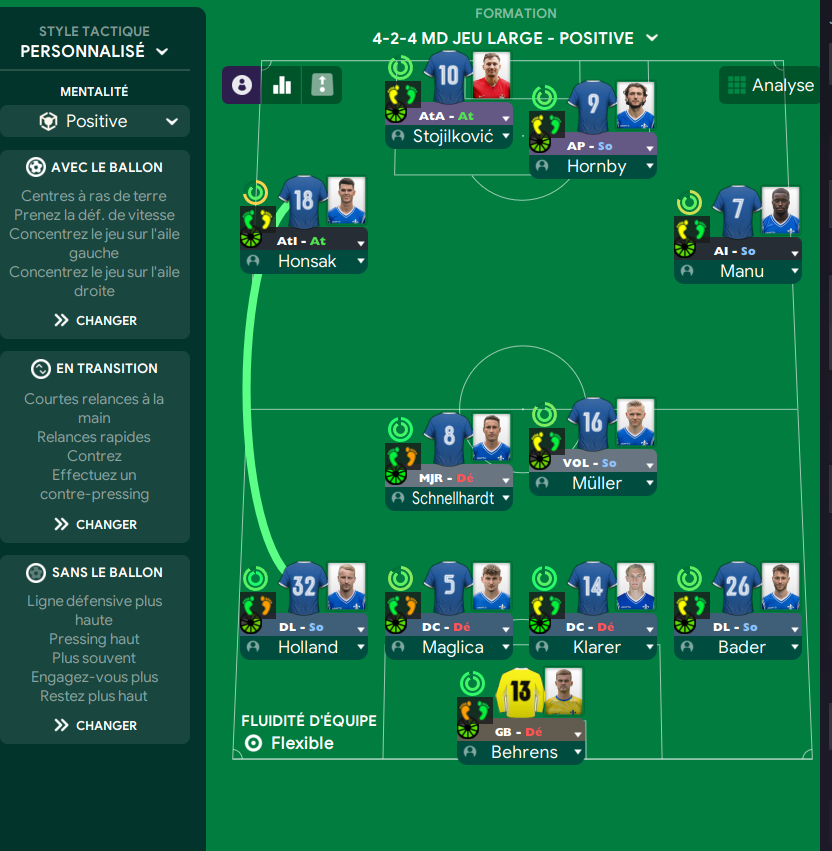
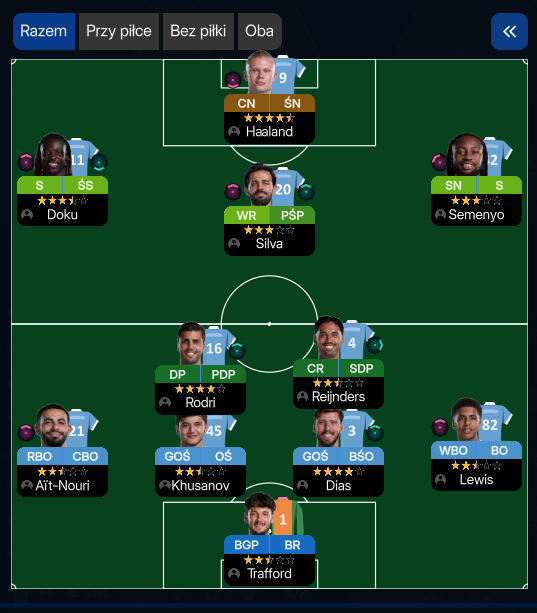
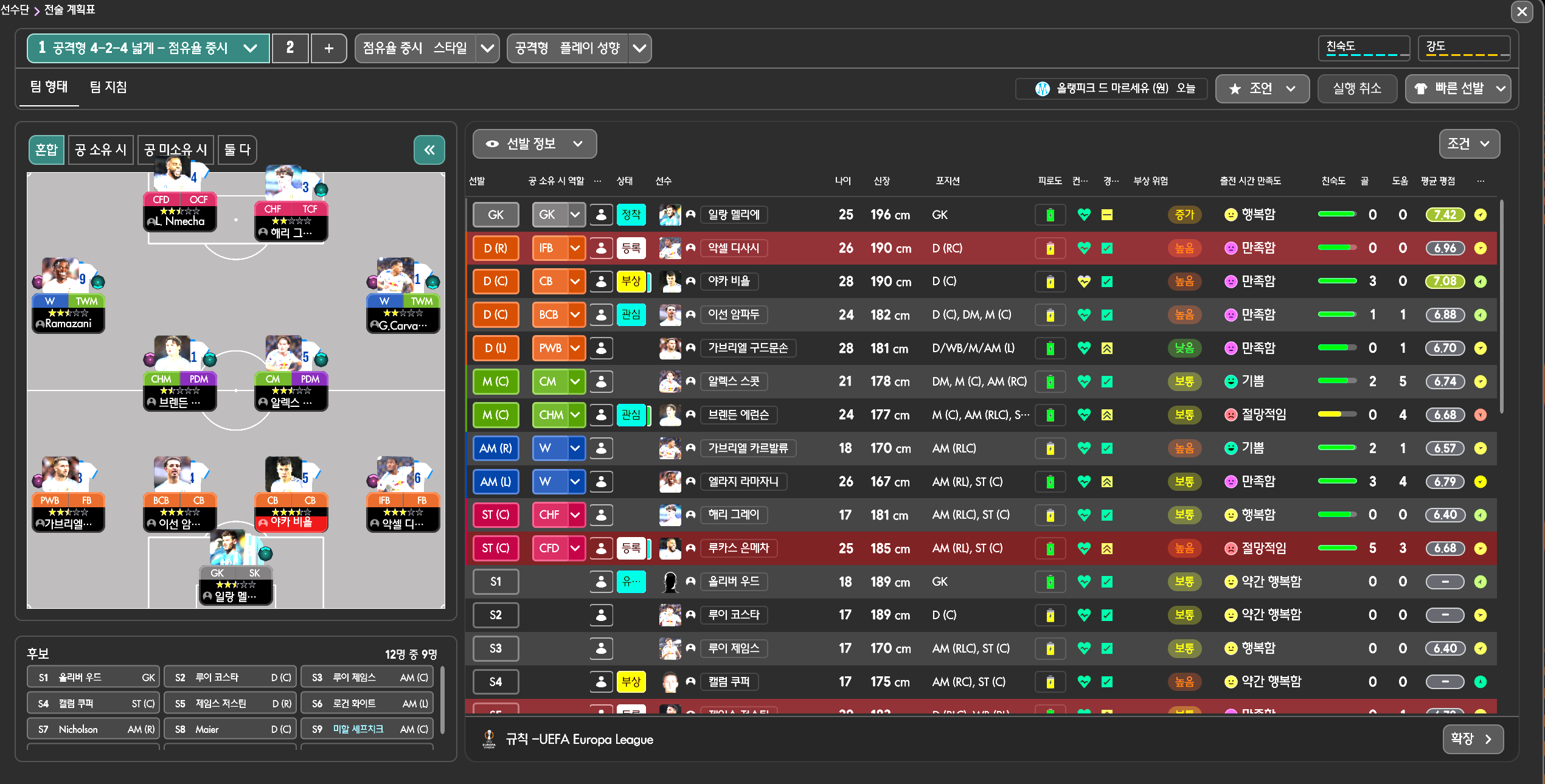
More Gegenpress tactics
Guides for this formation
The tactical theory behind the 4-2-4: roles, instructions, and the trade-offs that decide whether the system holds up.