Uploaded Tactic
Formation & Style
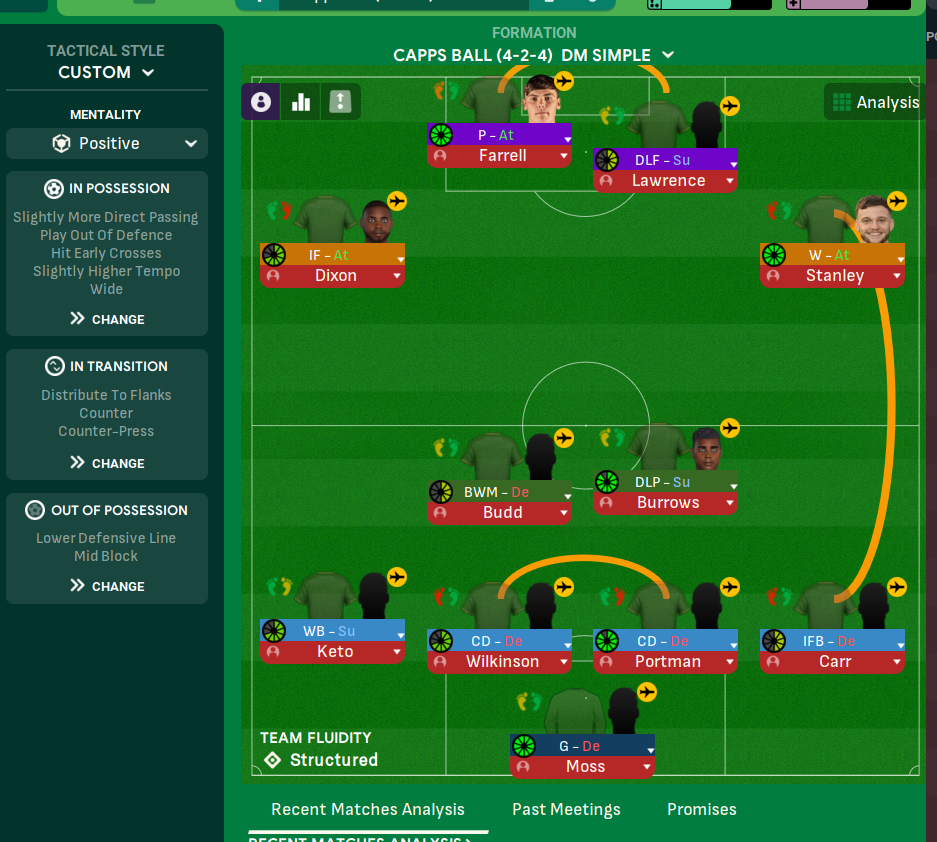
Tactical Style:Custom
Mentality:Positive
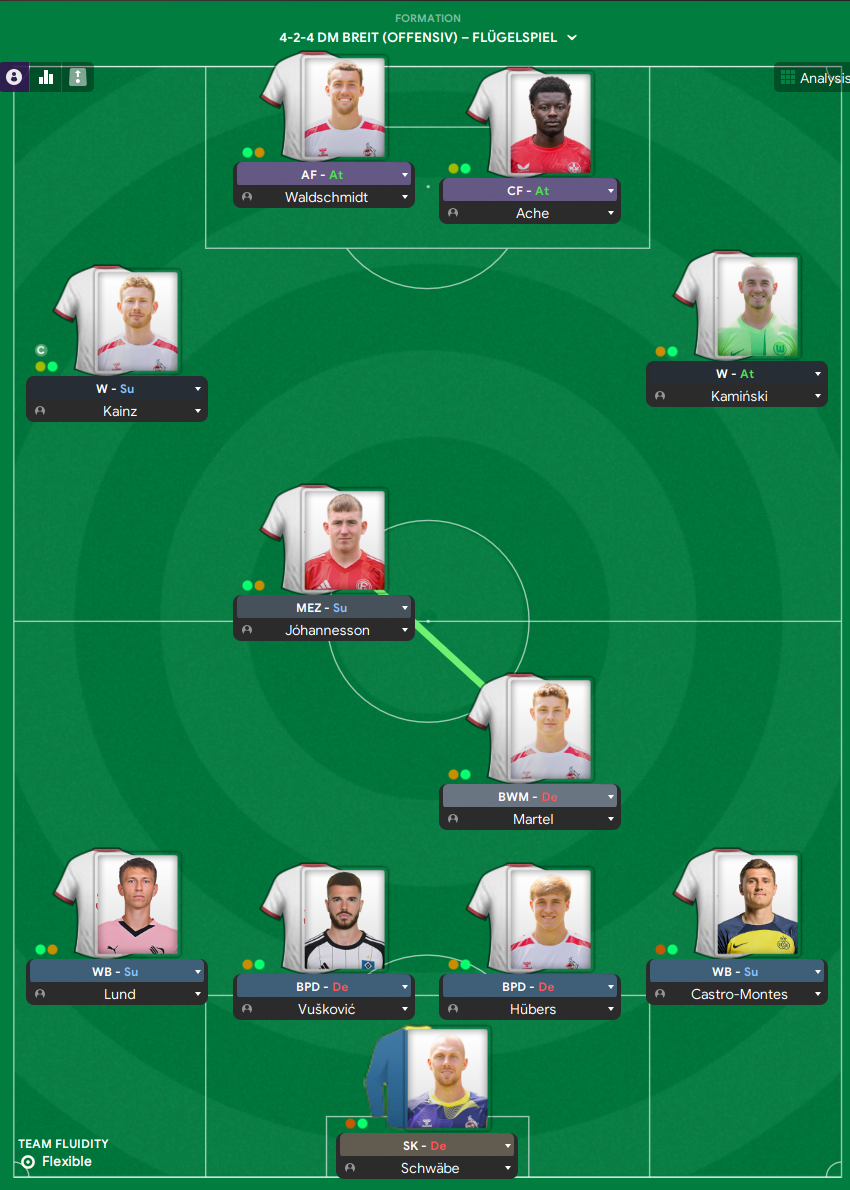
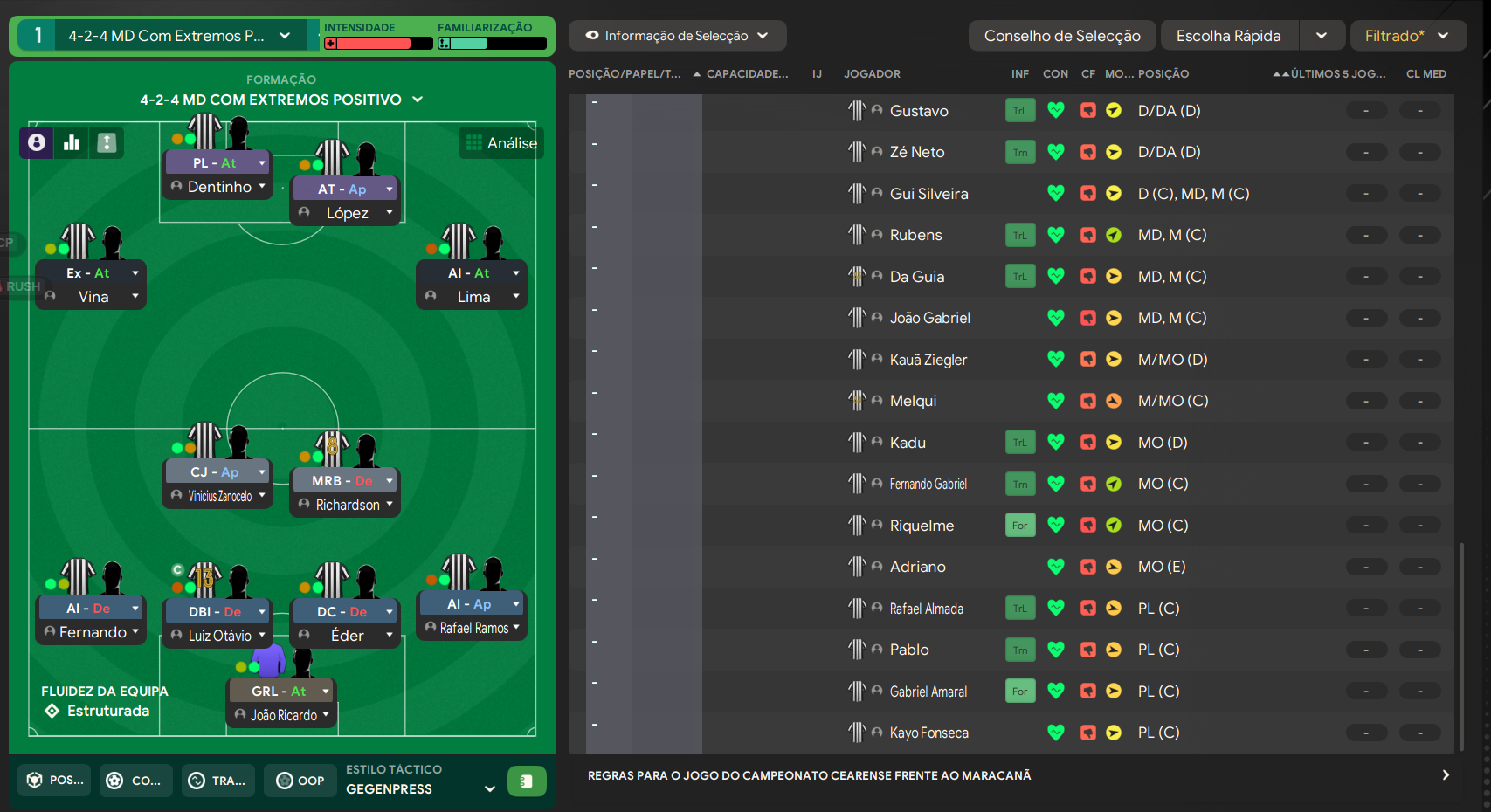
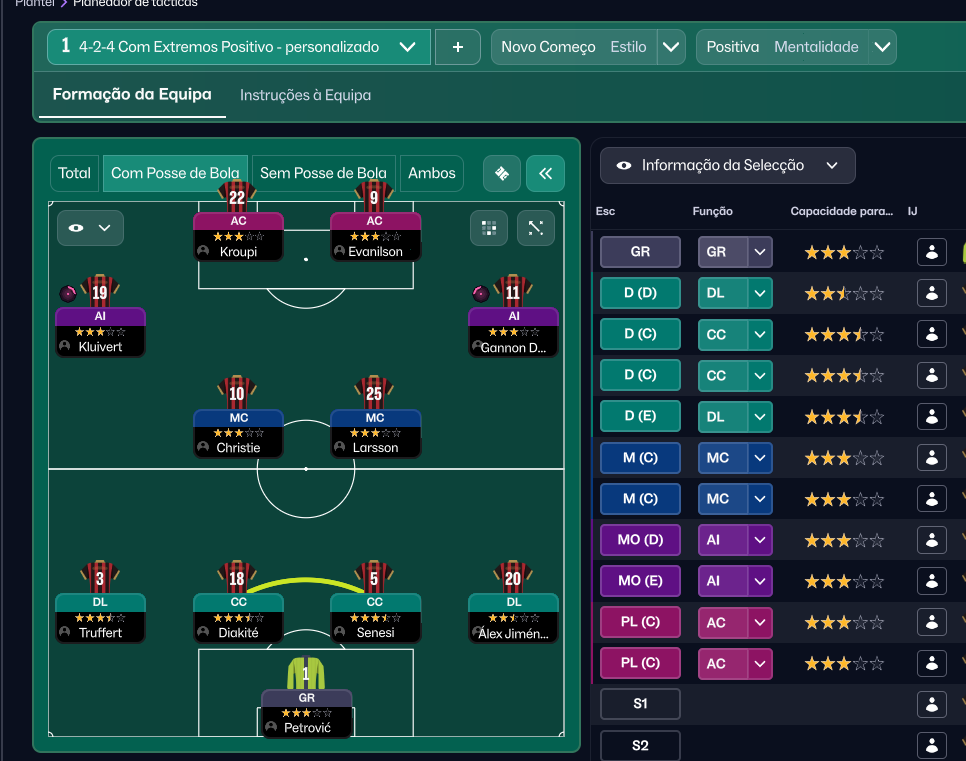
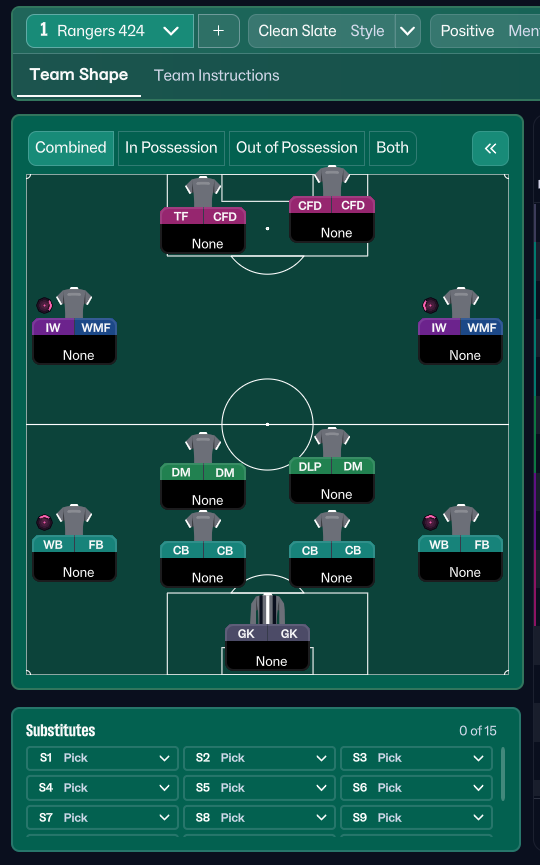
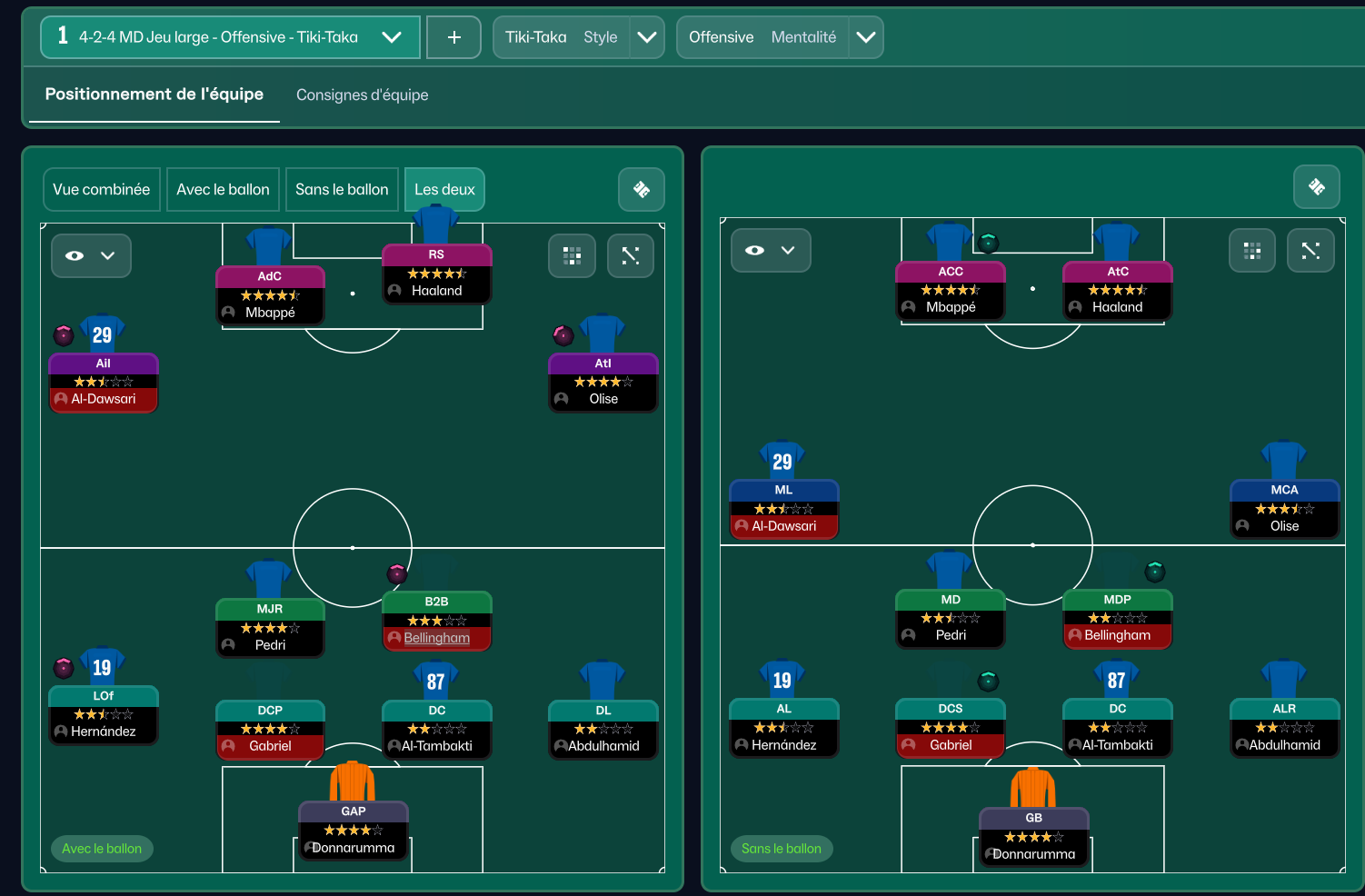
Formation:4-2-4
Team Fluidity:Structured
In Possession
Slightly More Direct Passing
Play Out Of Defence
Hit Early Crosses
Slightly Higher Tempo
Exploit The Flanks
In Transition
Distribute To Flanks
Counter
Counter-Press
Out of Possession
Lower Defensive Line
Mid Block
Team Shape Without Ball
No team shape without ball data available
Team Shape With Ball
No team shape with ball data available
Key Strengths
Attacking Width
Utilizing a Winger and Inside Forward, this tactic can stretch the opponent's defense and create space for central players.
Counter-Pressing
The inclusion of Counter-Press allows for quick recovery of possession after losing the ball, important in transitional play.
Direct Attacking Play
The team's preference for slightly more direct passing combined with high tempo allows for faster transitions into attack.
Defensive Stability
A lower defensive line and mid-block structure help maintain solidity at the back, reducing the likelihood of counter-attacks against them.
Conflicting Directions
Flat Midfield Configuration
The two central midfielders may struggle to cover the pitch effectively, potentially leaving gaps in transition.
Aggressive Pressing vs. Defensive Line
The high tempo and counter-press could contradict the lower defensive line, risking spaces behind the defense if not managed well.
Role Compatibility
Having a Ball Winning Midfielder and a Deep-Lying Playmaker may cause confusion on who dominates defensive duties.
Inside Forward vs. Winger Balance
Conflicting roles of inside forward and winger could lead to positional overlaps, reducing attacking efficiency.
Tactical Suggestions
Adjust Midfield Roles
Consider changing the DLP to a Box-to-Box Midfielder for more dynamism in transitions.
Increase Width in Attack
Encouraging the Winger and Inside Forward to maintain width can spread the defense more effectively.
Reassess Defensive Line
Evaluate whether a standard defensive line might be more effective to reduce space for fast counter-attacks.
Explore Player Instructions
Tailor specific player instructions to better suit individual player strengths, especially for the wide players.
Ask Questions About Your Lineup
Related Tactics
Guides for this formation
The tactical theory behind the 4-2-4: roles, instructions, and the trade-offs that decide whether the system holds up.