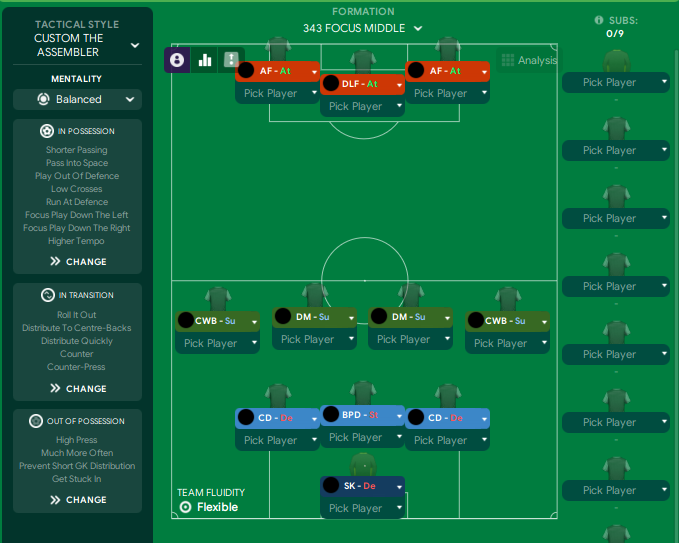
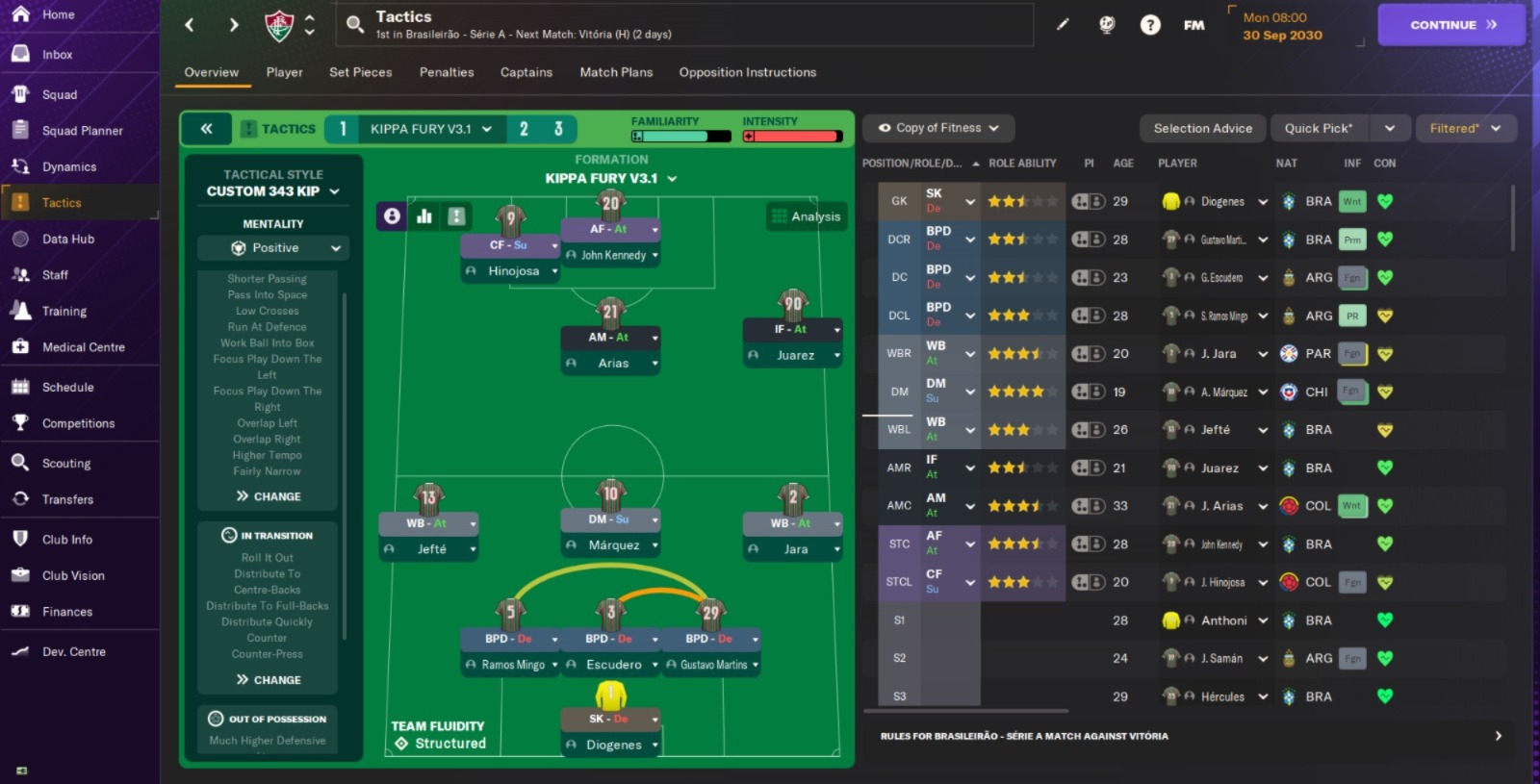
Uploaded Tactic
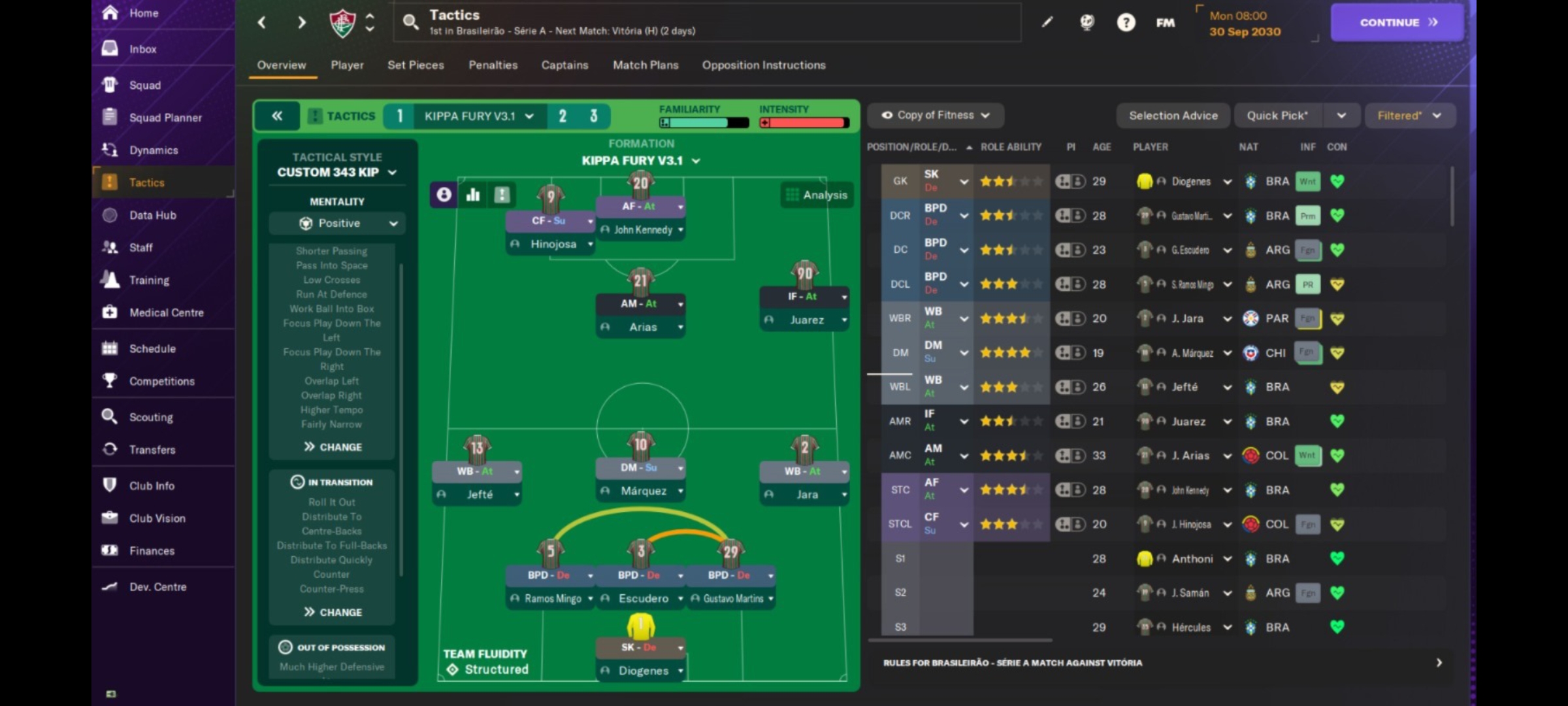
Formation & Style
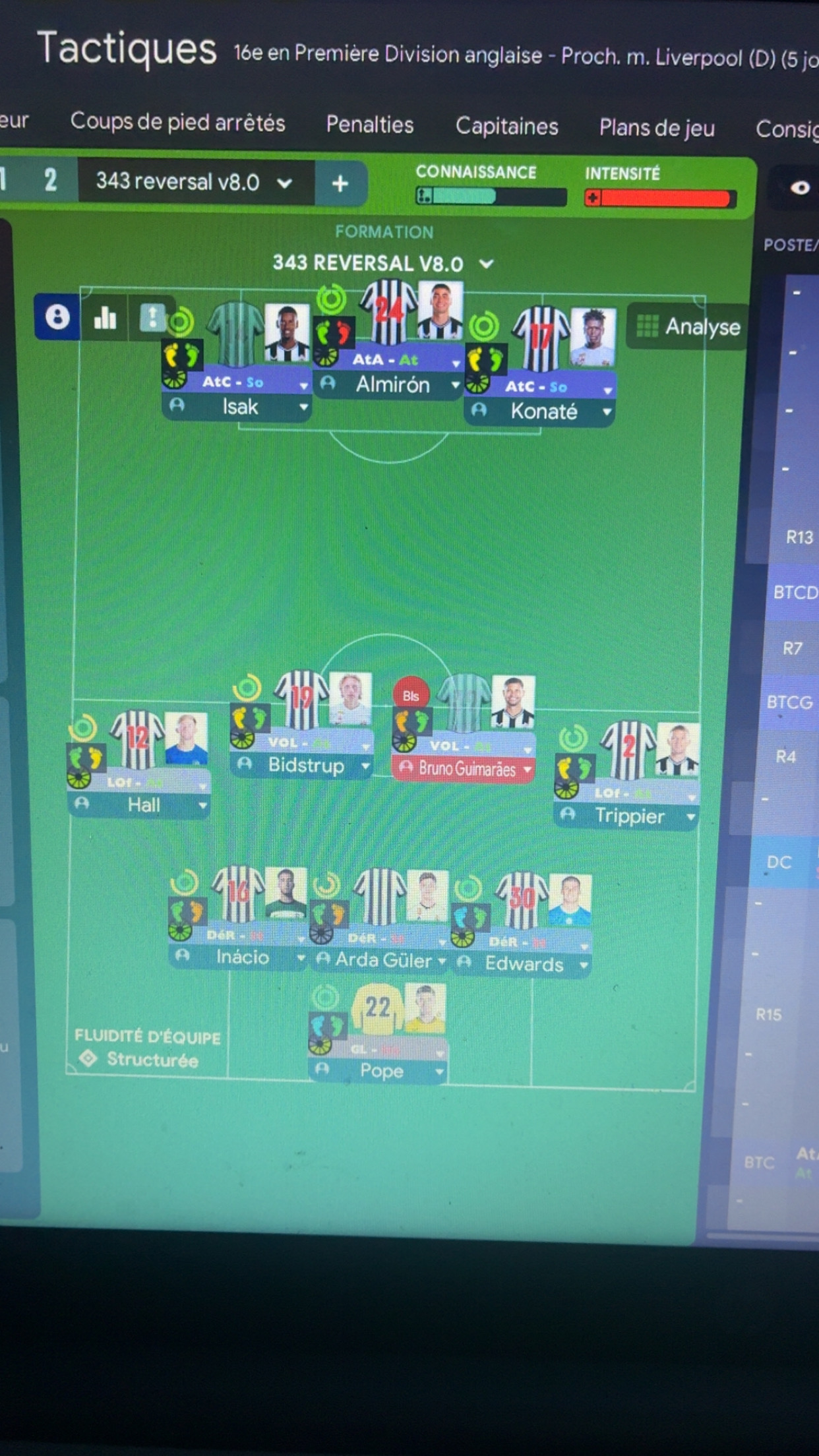
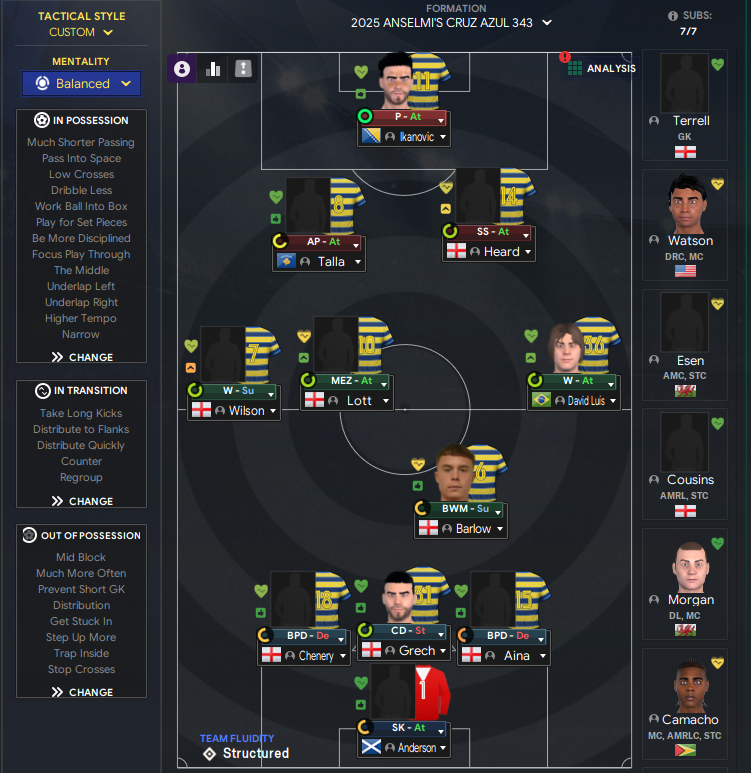
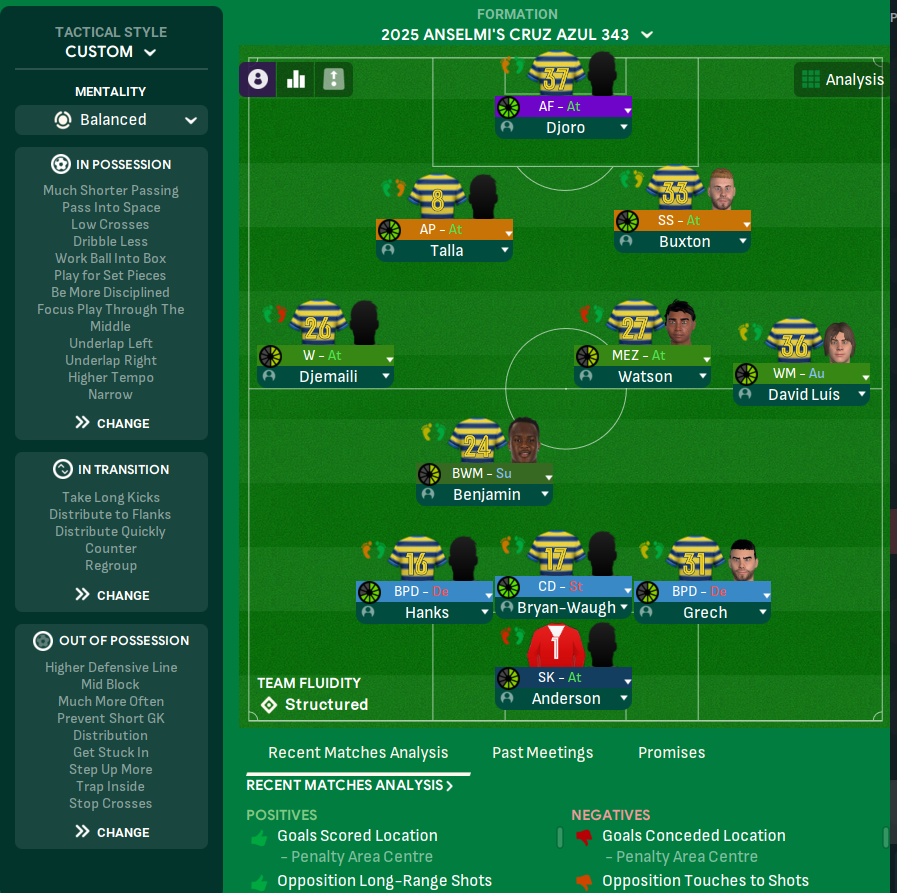
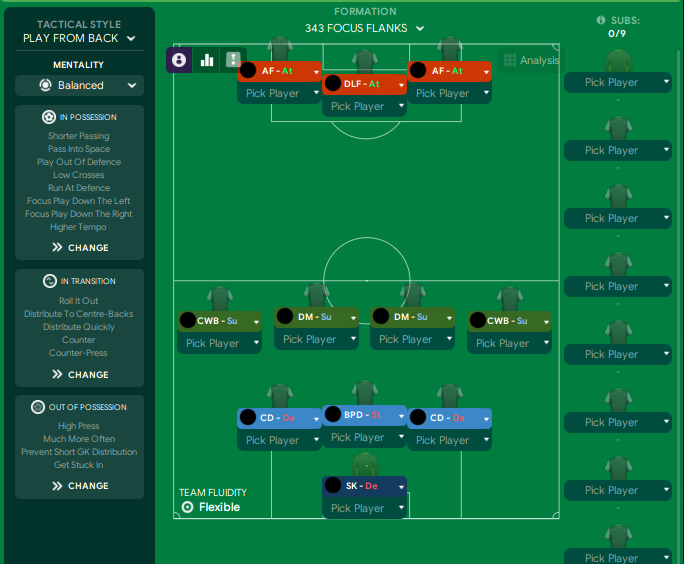
Tactical Style:Custom 343 KIP
Mentality:Positive
Formation:343
Team Fluidity:Structured
In Possession
Shorter Passing
Pass Into Space
Work Ball Into Box
Higher Tempo
In Transition
Roll It Out
Distribute To Centre-Backs
Counter
Counter-Press
Out of Possession
Much Higher Defensive Line
Team Shape Without Ball
No team shape without ball data available
Team Shape With Ball
No team shape with ball data available
Key Strengths
Attacking Width
Using three forwards and wing backs offers excellent width, allowing for rapid transition from defense to attack and exploiting spaces on flanks.
Ball Control in Midfield
The presence of a ball-playing defender and a defensive midfielder supports build-up play, facilitating control and composure in midfield.
Pressing Strategy
The counter-press approach combined with higher tempo encourages swift recovery of possession after losing the ball.
Dynamic Attacking Threat
With an advanced forward and attacking midfielder, there are multiple attacking avenues that can disrupt opponents' defenses effectively.
Conflicting Directions
High Defensive Line vs Quick Counter
While a much higher defensive line is utilized, it may leave space for opponents to exploit through quick counter-attacks.
Structured Fluidity vs Free-Flowing Attack
The structured fluidity can limit the creative freedom of attacking players, who may thrive better with more flexibility.
Wing Back Roles
Attacking wing-backs may sometimes pull defenders out of position, leading to vulnerabilities when caught upfield.
Defensive Midfielder Role
Having the DM on support may not provide enough cover for the back three, especially against teams with pace.
Tactical Suggestions
Adjust Defensive Line
Consider lowering the defensive line to prevent getting caught on the break against faster oppositions.
Fluidity Change
Test switching to a more flexible team fluidity to allow attackers greater freedom to exploit space.
DM Role Revision
Change the DM to a defensive duty to tighten up the midfield, providing more stability in defense.
Wing Back Instruction
Instruct wing-backs to hold position rather than overlapping too often to maintain defensive shape.