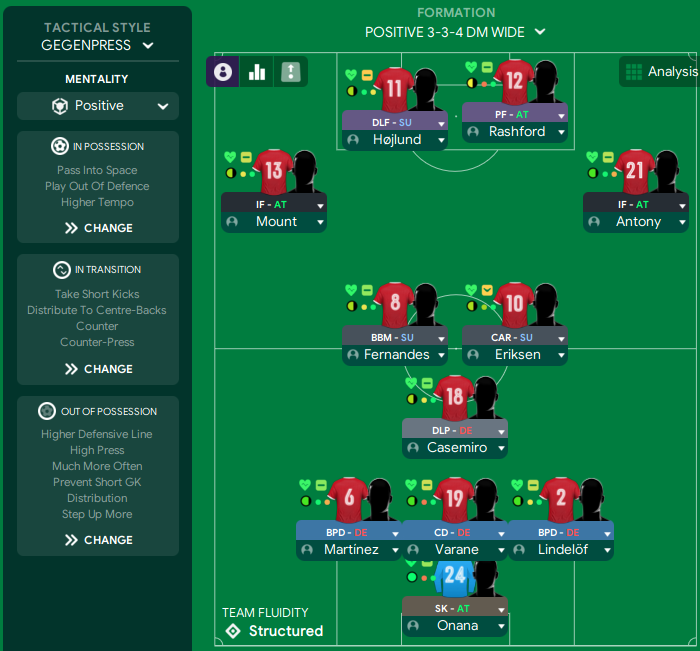
Uploaded Tactic
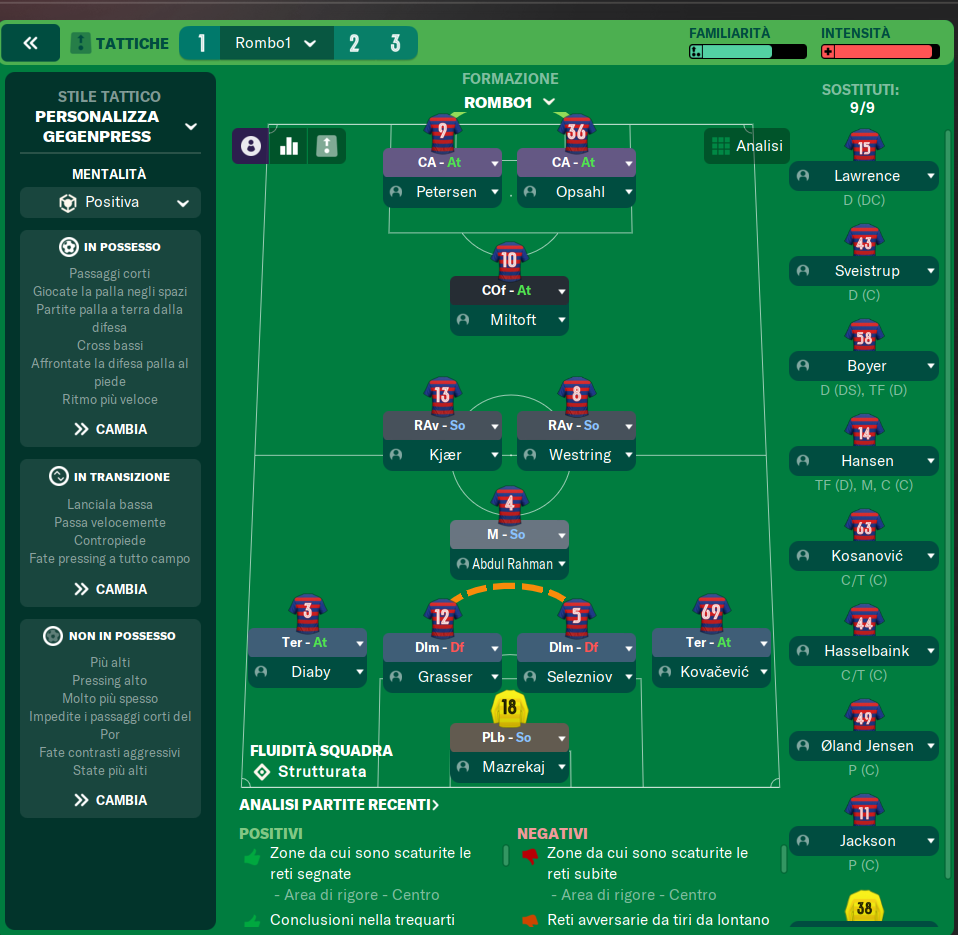
Formation & Style
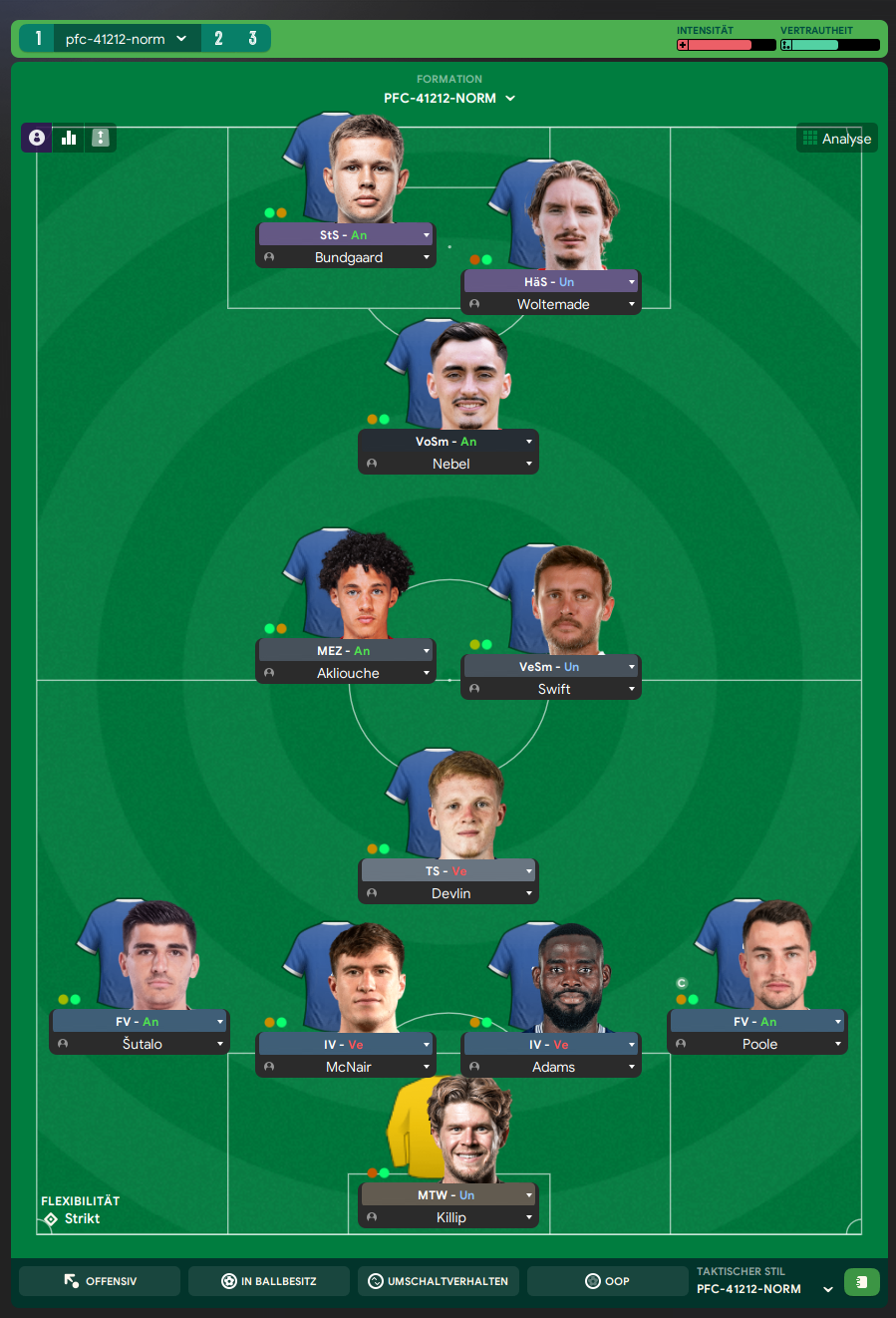
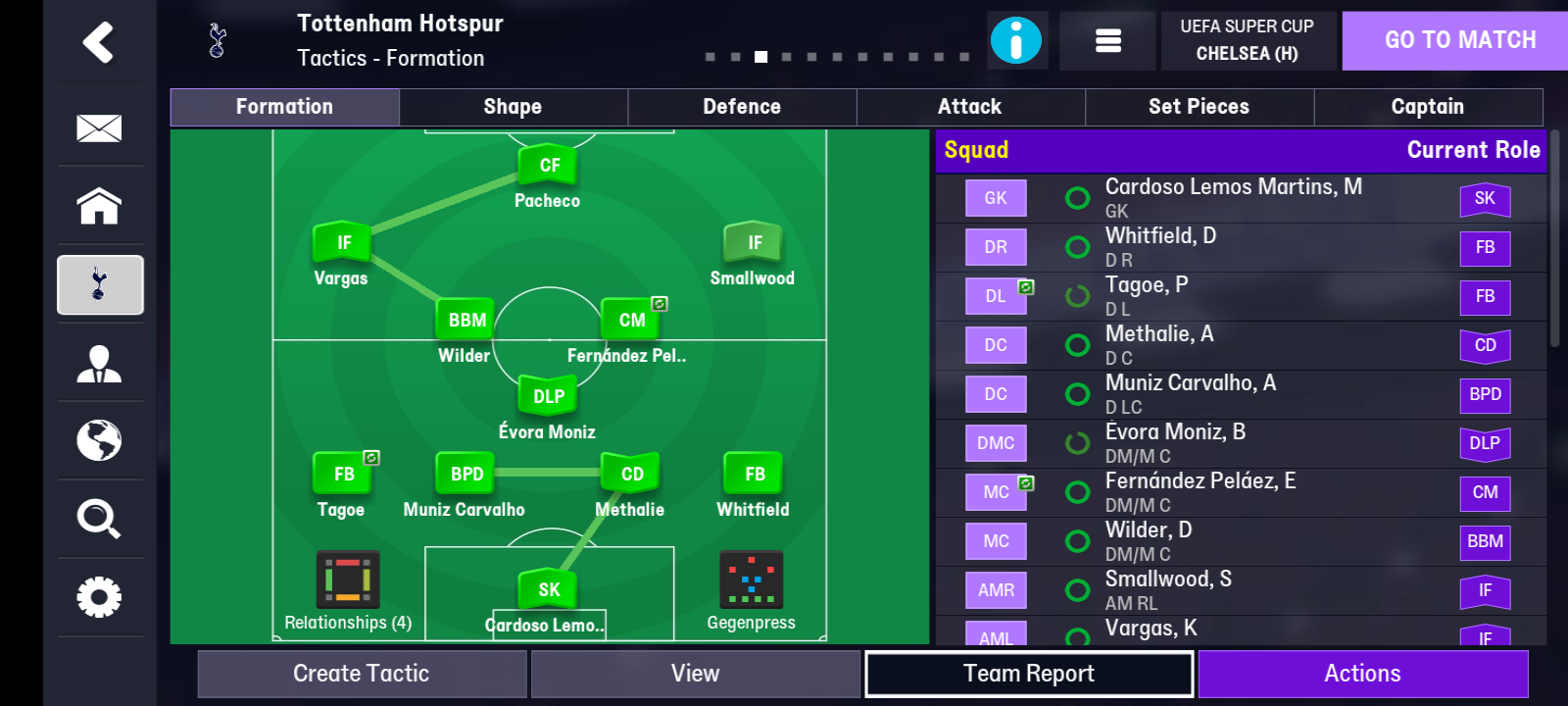
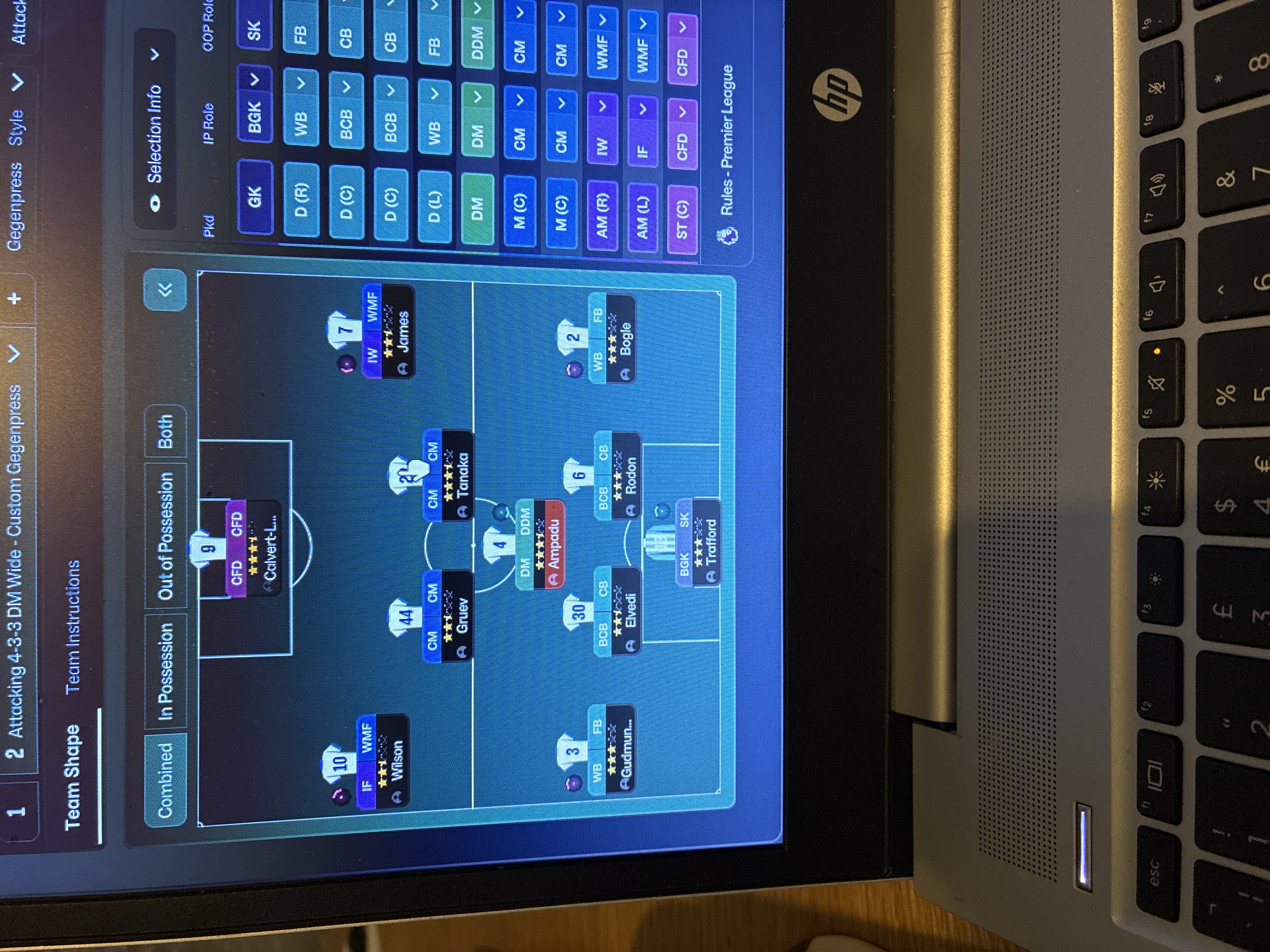
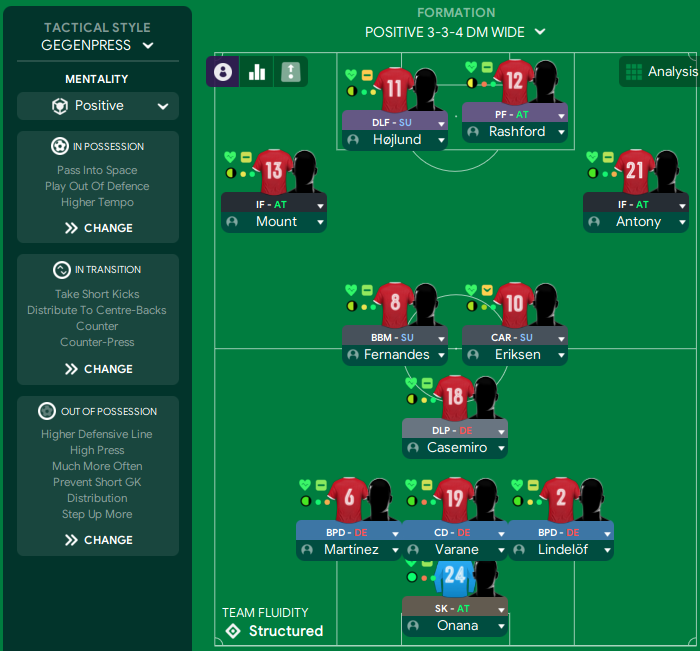
Tactical Style:Gegenpress
Mentality:Positive
Formation:4-1-2-1-2 Narrow
Team Fluidity:Structured
In Possession
Short passing
Play out of defence
Low crosses
Higher tempo
In Transition
Counter-attack
Distribute quickly
Counter-press
Out of Possession
Higher defensive line
High pressing
Tighter marking
Aggressive tackling
Team Shape Without Ball
No team shape without ball data available
Team Shape With Ball
No team shape with ball data available
Key Strengths
High Pressing
The high pressing strategy enables immediate recovery of the ball, putting pressure on opponents and forcing errors.
Dynamic Midfield
The combination of roles in midfield allows for fluid transitions between attack and defense, aiding in both ball retention and progression.
Compact Structure
The structured approach keeps the team compact, making it harder for opponents to penetrate the center, while also supporting quick transitions.
Counter-Attacking Potential
Quick transitions to attack, especially utilizing the pace of the forwards, can exploit spaces left by opponents when they lose possession.
Conflicting Directions
Defensive Vulnerabilities
The high defensive line and pressing can expose the team to counter-attacks, particularly if the ball is lost in advanced positions.
Wide Play Underutilization
With a narrow formation, the width provided by wing-backs might not be sufficiently exploited, leading to predictable play.
Role Overlap
The playing styles of the advanced forwards and attacking midfielder may occasionally conflict, causing congestion in the center.
Excessive Defensive Pressure
High pressing requires intense stamina; if players tire quickly, it could lead to lapses in defensive organization.
Tactical Suggestions
Adjust Defensive Line
Consider lowering the defensive line to reduce exposure to counters, especially against fast opposition forwards.
Wide Play Emphasis
Encourage your wing-backs to exploit the flanks more by increasing their attacking duties, stretching opponent defenses horizontally.
Player Rotation
Rotate key players regularly to maintain energy levels, ensuring consistent pressing and pace throughout matches.
Focus on Transitions
Implement specific drills to improve quick transitions from defense to attack, allowing for better counter-attacking opportunities.