Uploaded Tactic
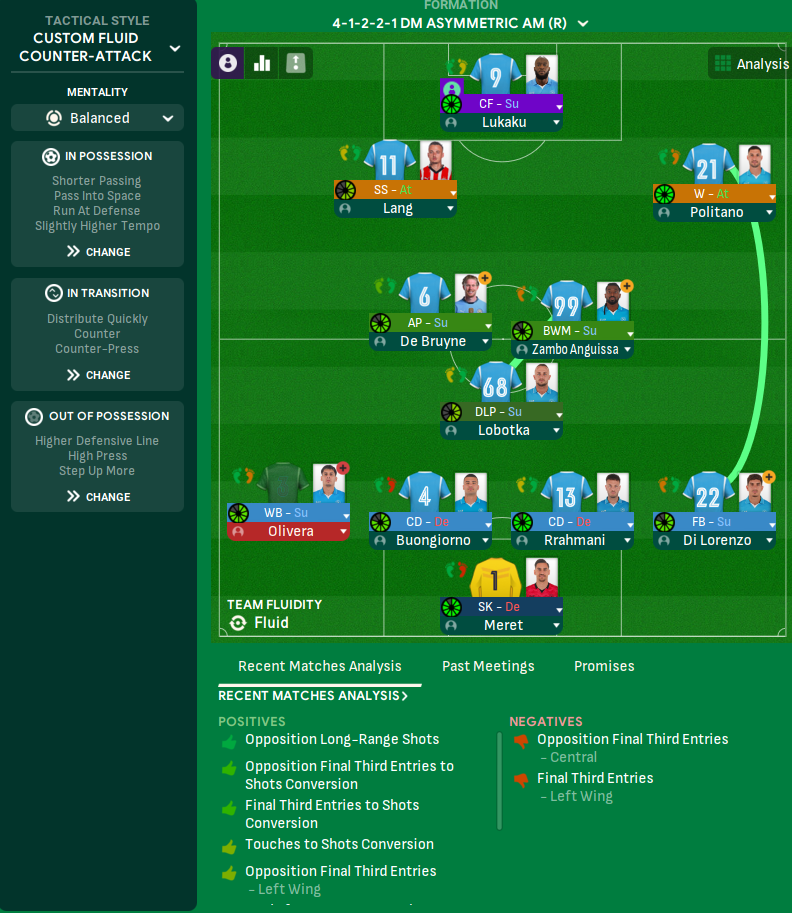
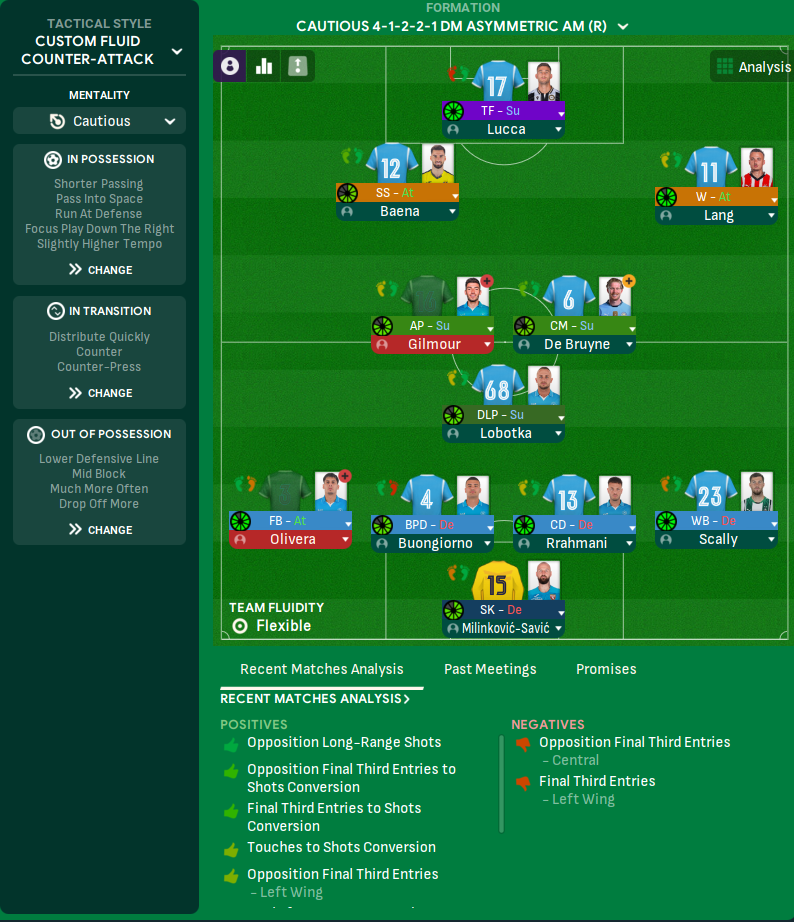
Formation & Style
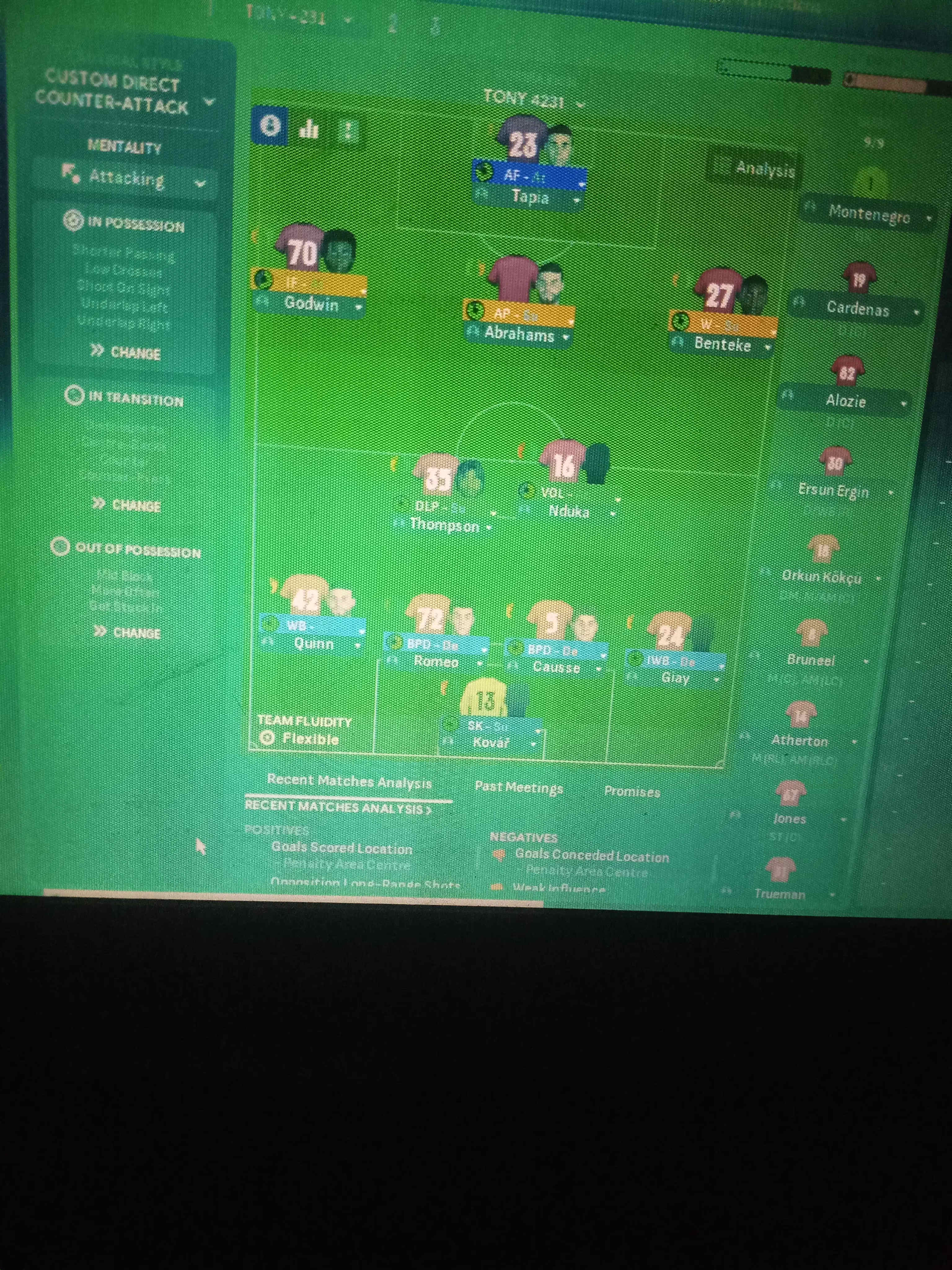
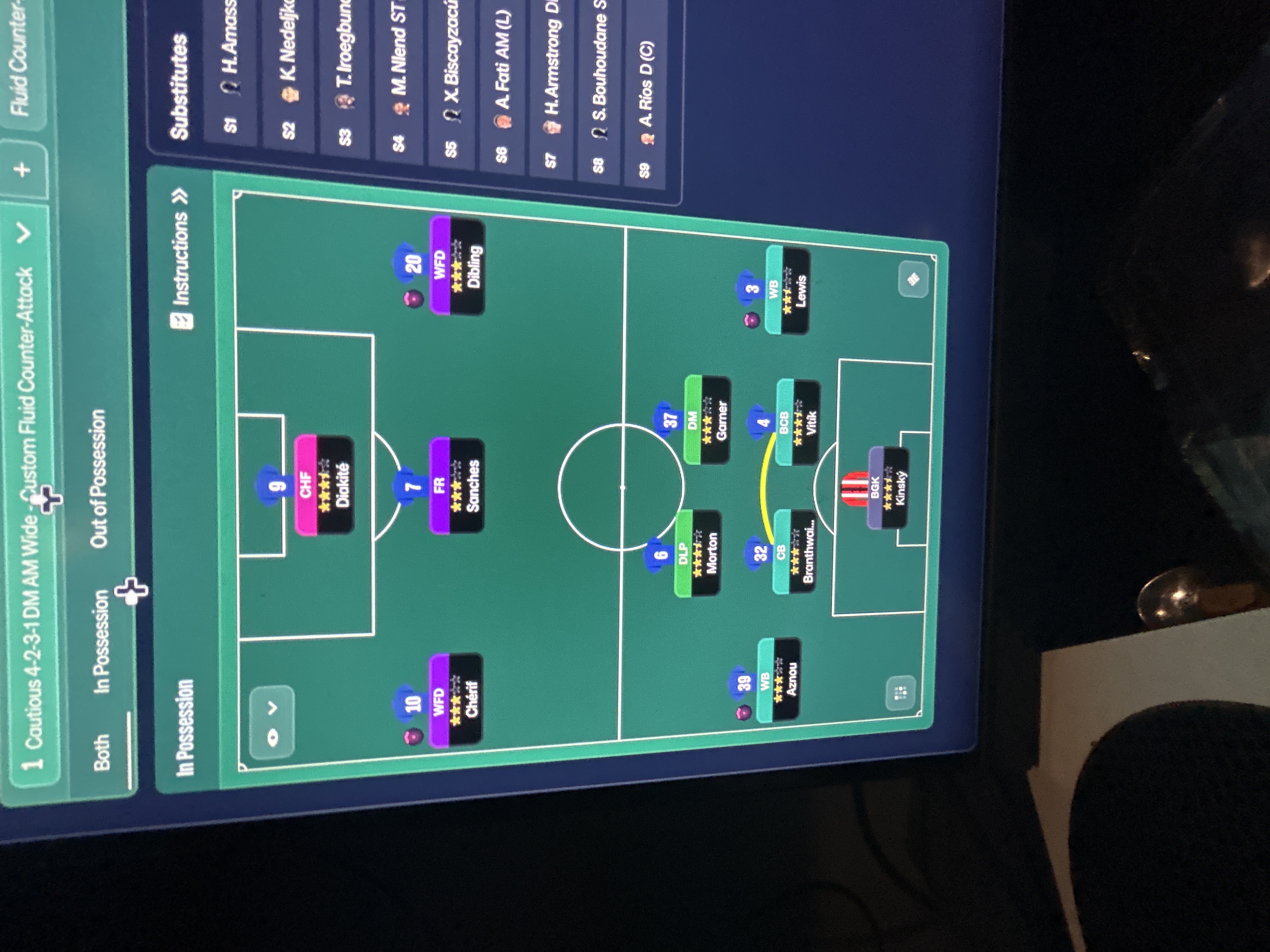
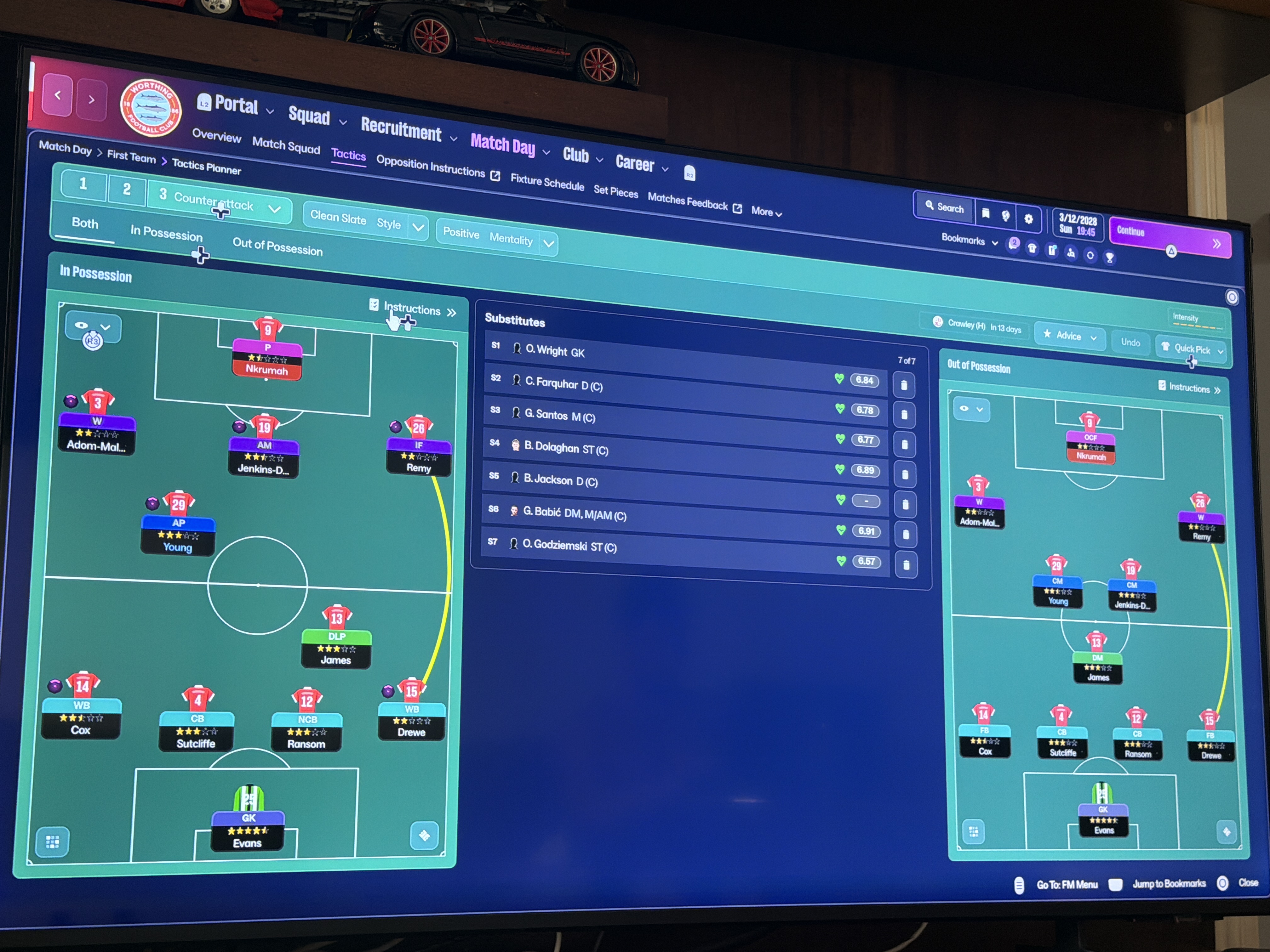
Tactical Style:Counter Attack
Mentality:Balanced
Formation:4-1-2-2-1 DM Asymmetric AM (R)
Team Fluidity:Fluid
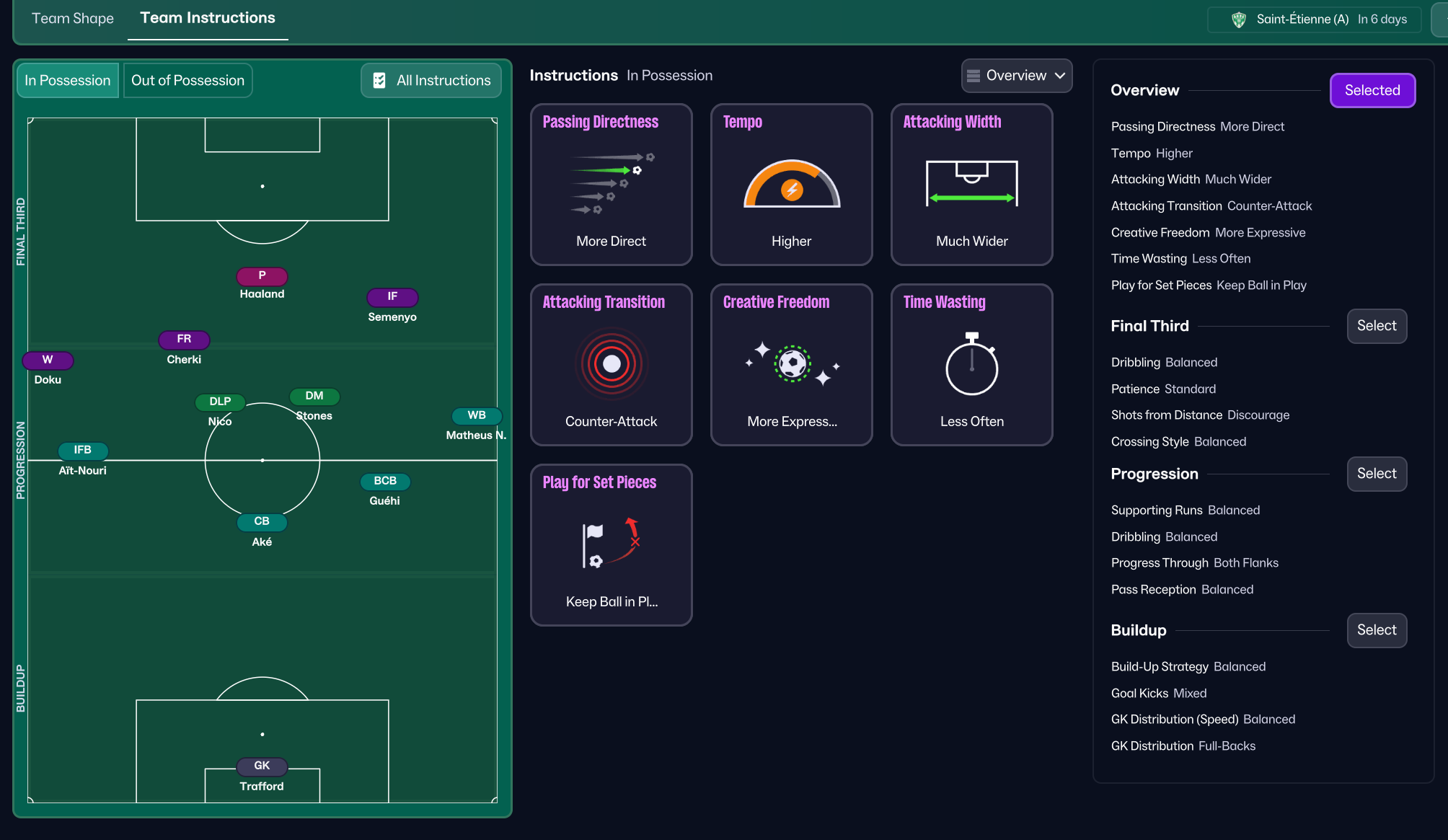
In Possession
Shorter Passing
Pass Into Space
Run At Defense
Slightly Higher Tempo
In Transition
Distribute Quickly
Counter
Counter-Press
Out of Possession
Higher Defensive Line
High Press
Step Up More
Team Shape Without Ball
No team shape without ball data available
Team Shape With Ball
No team shape with ball data available
Key Strengths
Counter-Attacking Threat
The setup allows for quick transitions, exploiting fast breaks with pacey attackers, particularly with the presence of wingers and a focal forward.
Midfield Control
The combination of a Deep-Lying Playmaker and a Ball-Winning Midfielder provides a robust midfield presence, allowing for both defensive coverage and playmaking opportunities.
Fluid Movement
Player roles and duties promote interchangeable positions, making it hard for the opponent to anticipate runs, especially from the second striker and wingers.
Defensive Solidity
A higher defensive line combined with a high press can force opponents into mistakes, creating opportunities for quick counter-attacks.
Conflicting Directions
Asymmetrical Formation
The asymmetry can lead to imbalance in the team structure, particularly when defending; if one flank is overloaded, it can expose the opposite side.
High Press vs. Defensive Line
A high press requires a quick recovery from midfielders and forwards to prevent gaps, which might not always happen given the roles assigned.
Short Passing vs. Counter-Attack
While shorter passing can help maintain possession, it may slow down counter-attacking opportunities that rely on quick, direct play.
Winger Duties
Both wingers are set on attack, which could lead to overcommitment and a lack of defensive cover on the flanks.
Tactical Suggestions
Balance the Asymmetry
Consider switching one winger to a more defensive role (like a wide midfielder) to maintain balance and defensive integrity.
Adjust Mentality
Switch to a more attacking mentality when ahead in matches to fully exploit the counter-attacking strengths.
Tweak Player Instructions
Adjust the wingers’ instructions to include more support runs rather than solely attacking focus to maintain defensive stability.
Increase Team Width
Widen the attacking width to stretch defenses, making full use of the wingers’ pace and creating space in the middle.
Ask Questions About Your Lineup
Related Tactics
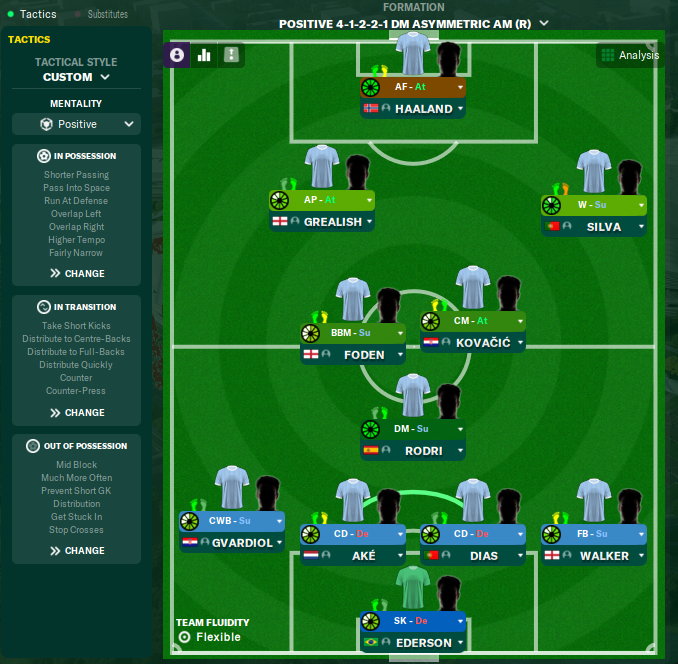
4-1-2-2-1 DM Asymmetric AM (R) Formation
Custom
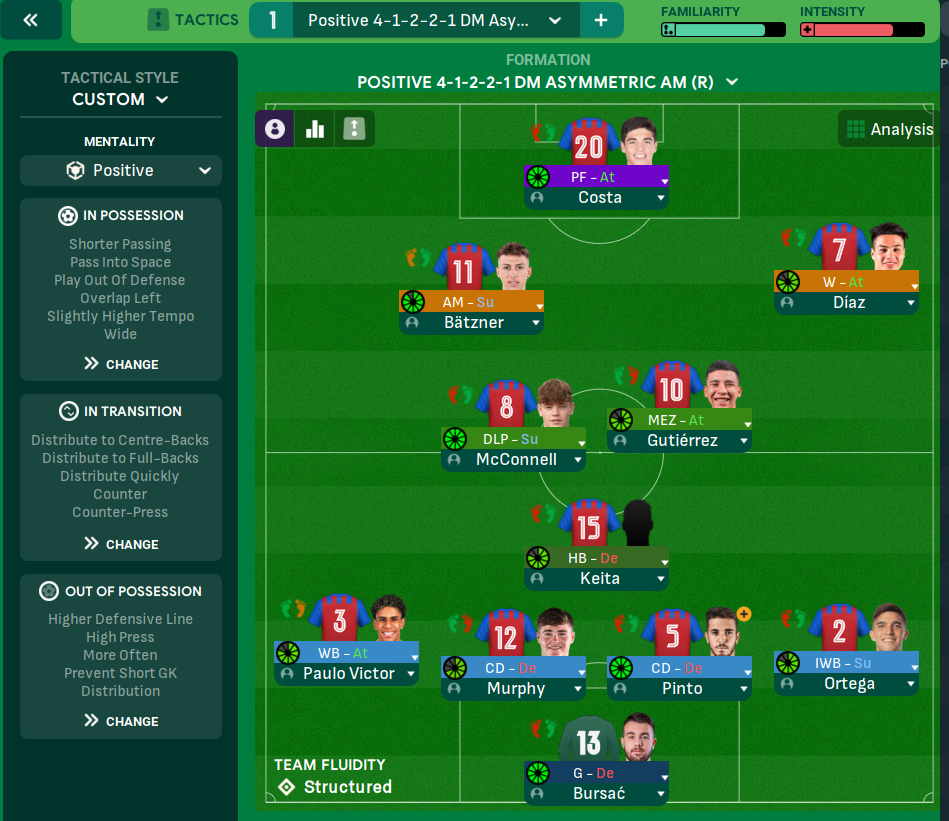
4-1-2-2-1 DM Asymmetric AM (R) Formation
Custom
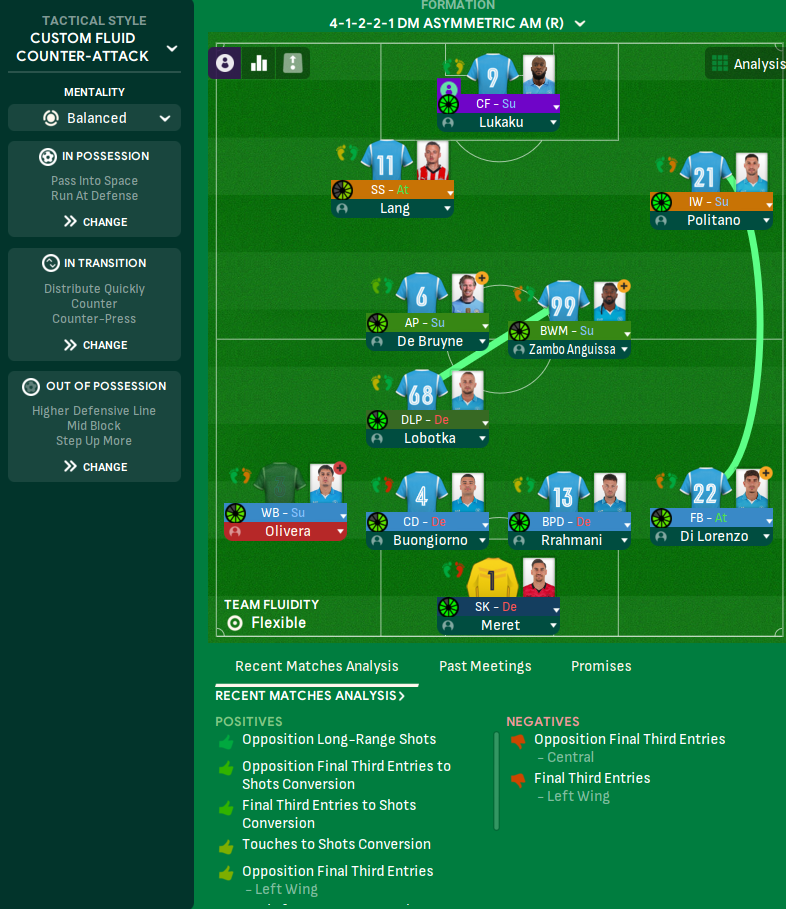
Counter-Attack 4-1-2-2-1 DM Asymmetric AM (R)
Counter-Attack
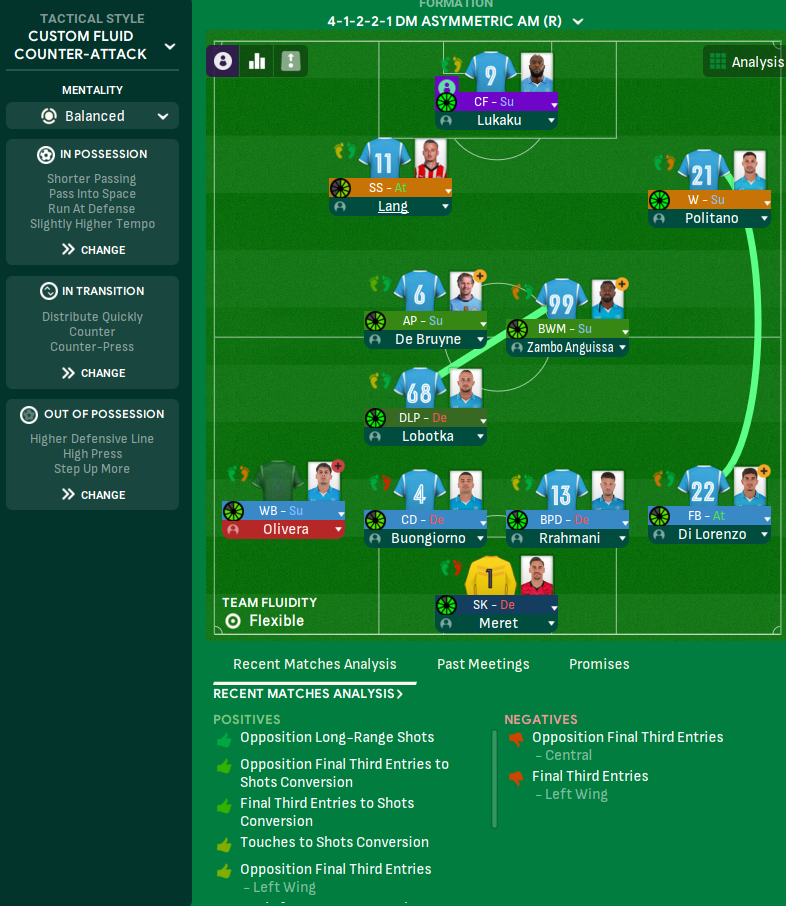
Counter-Attack 4-1-2-2-1 DM Asymmetric AM (R)
Counter-Attack
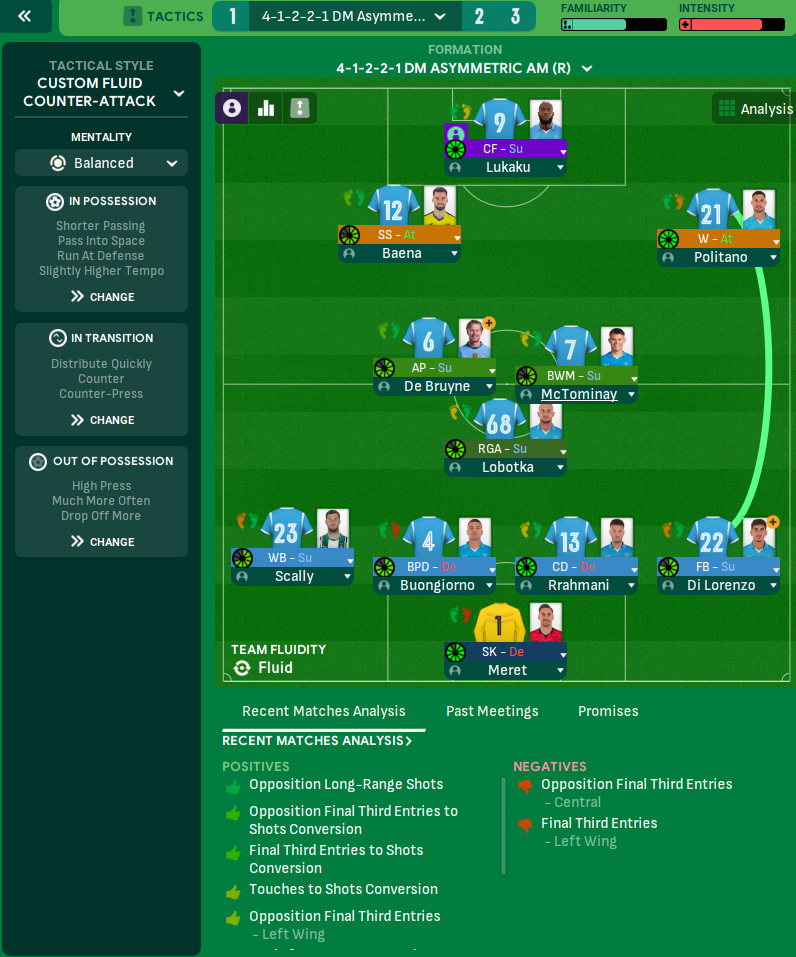
Fluid Counter-Attack 4-1-2-2-1 DM Asymmetric AM (R)
Custom Fluid Counter-Attack
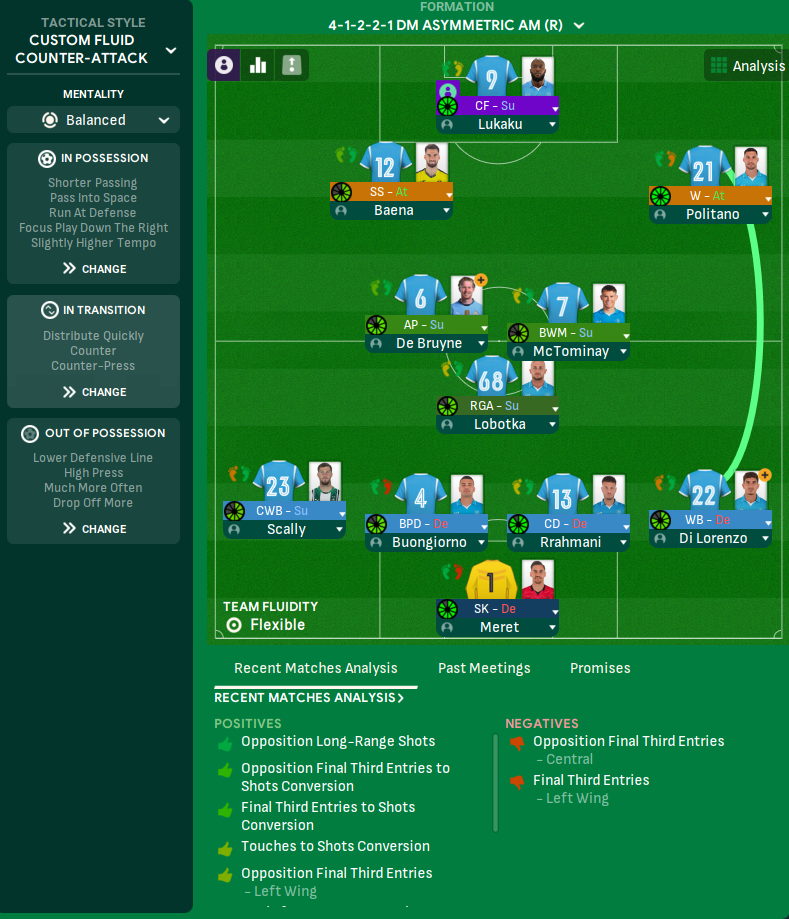
Counter-Attack 4-1-2-2-1 DM Asymmetric AM (R)
Counter-Attack
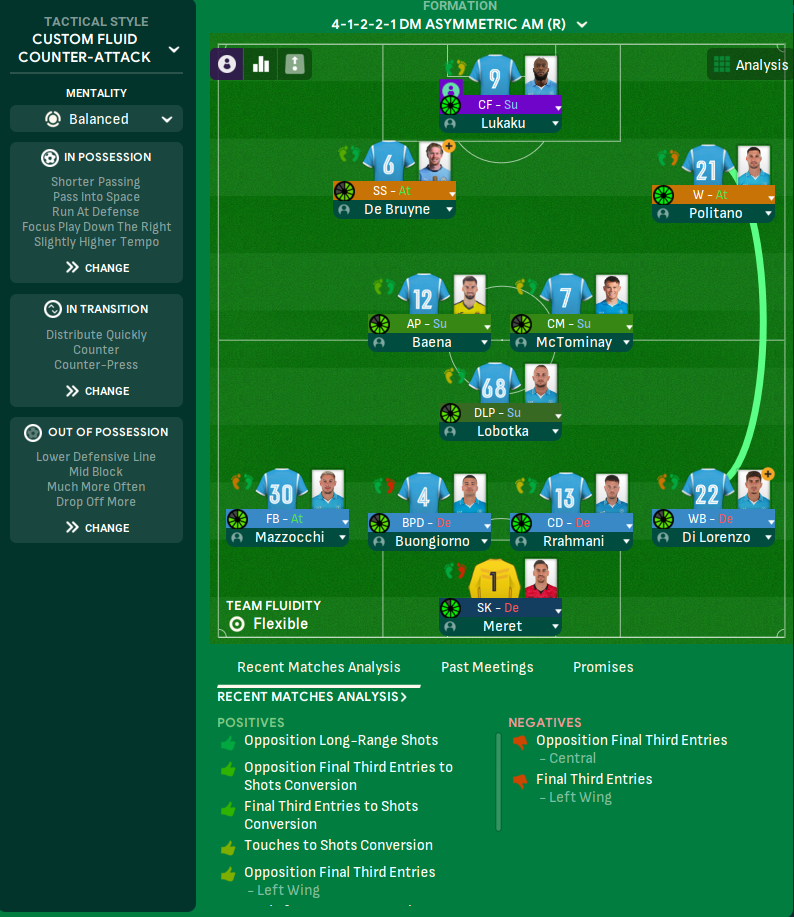
Counter-Attack 4-1-2-2-1 DM Asymmetric AM (R)
Counter-Attack
Counter-Attack 4-1-2-2-1 DM Asymmetric AM (R)
Counter-Attack