Uploaded Tactic
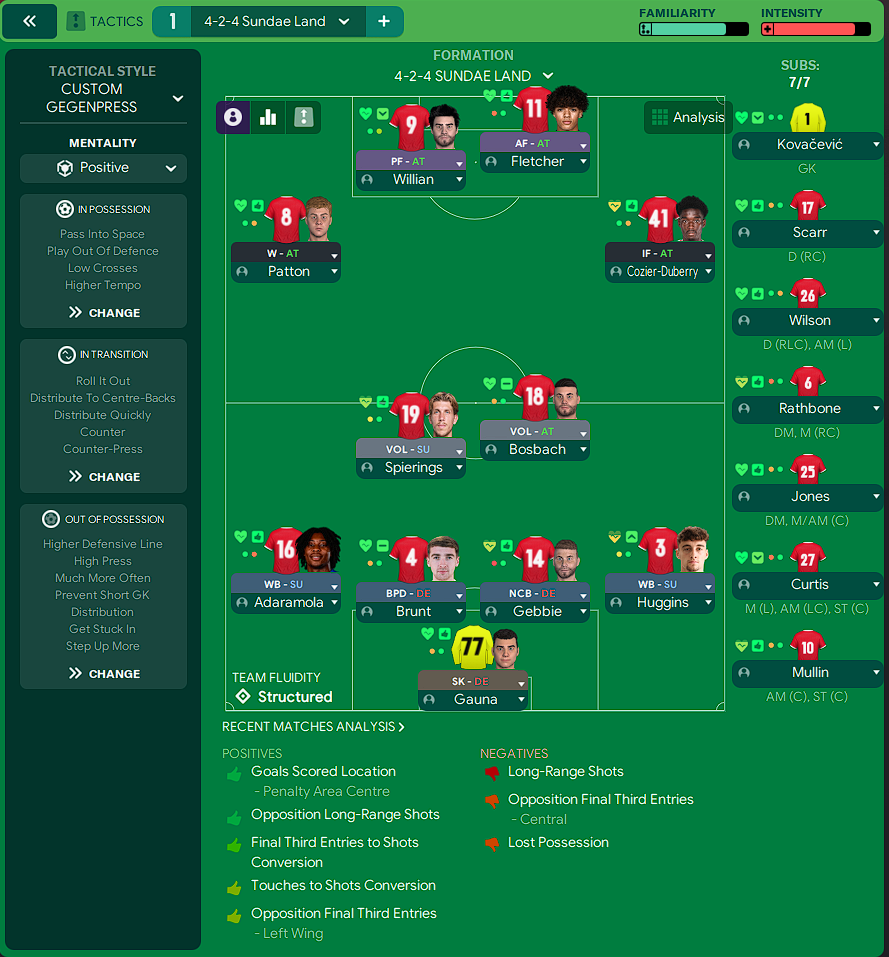
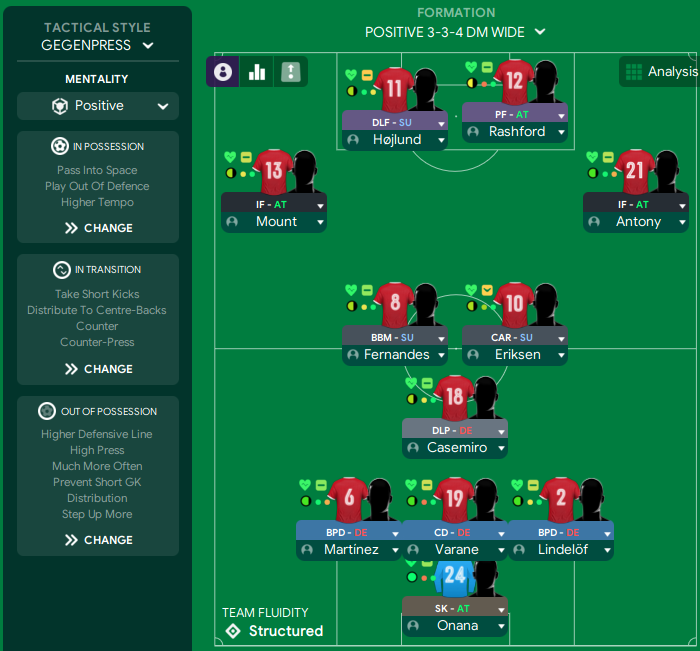
Formation & Style
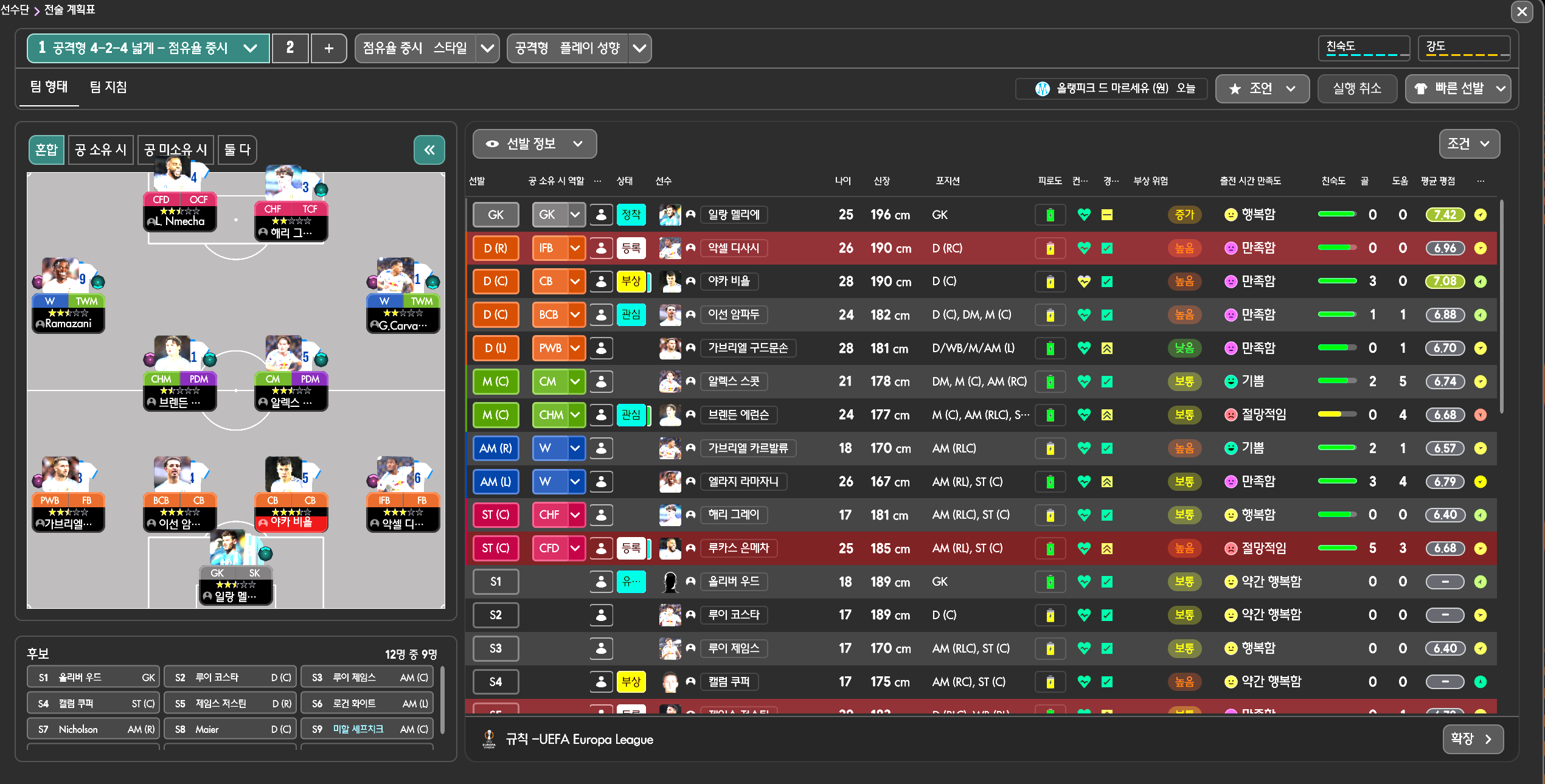
Tactical Style:Gegenpress
Mentality:Positive
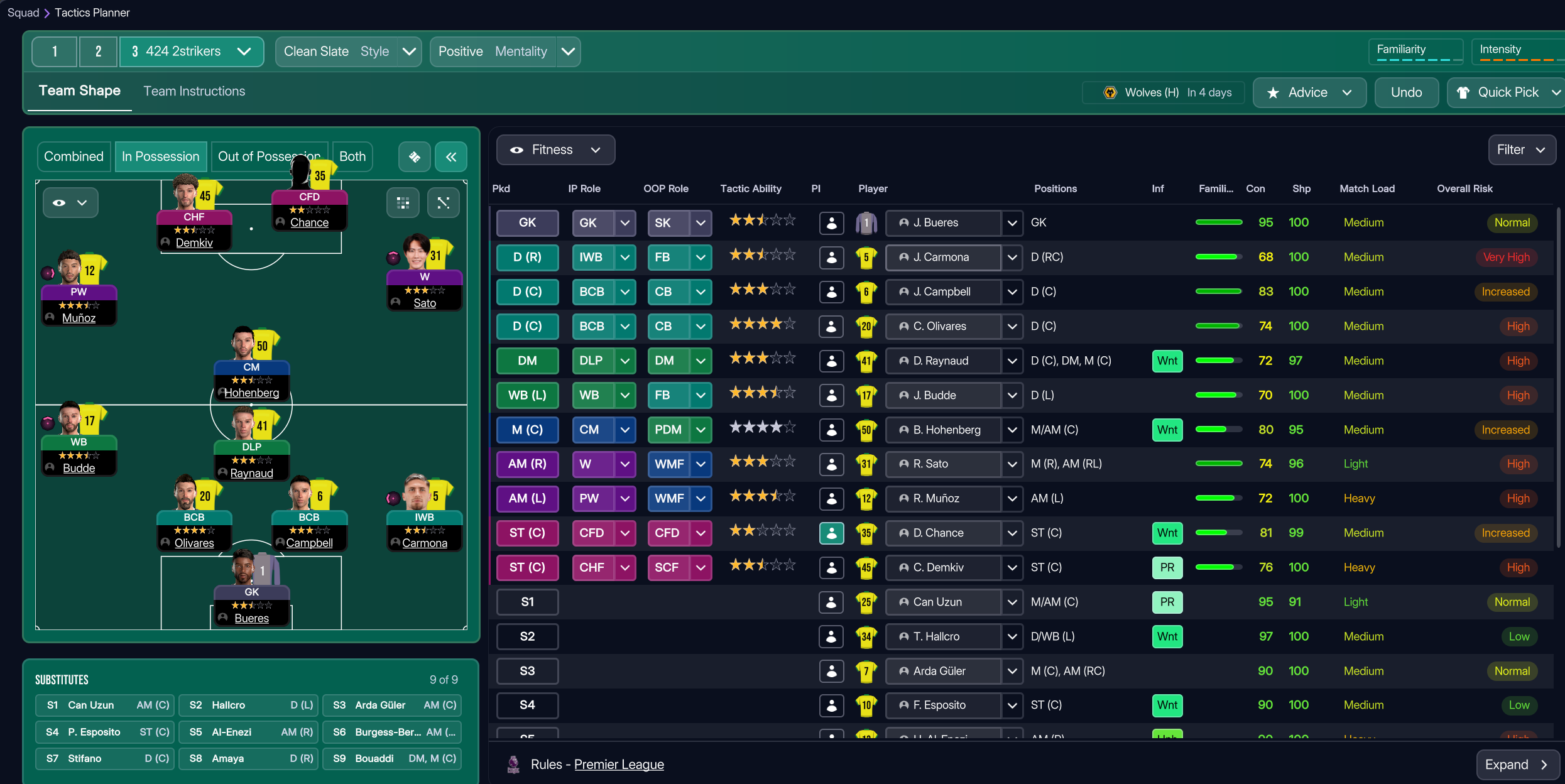
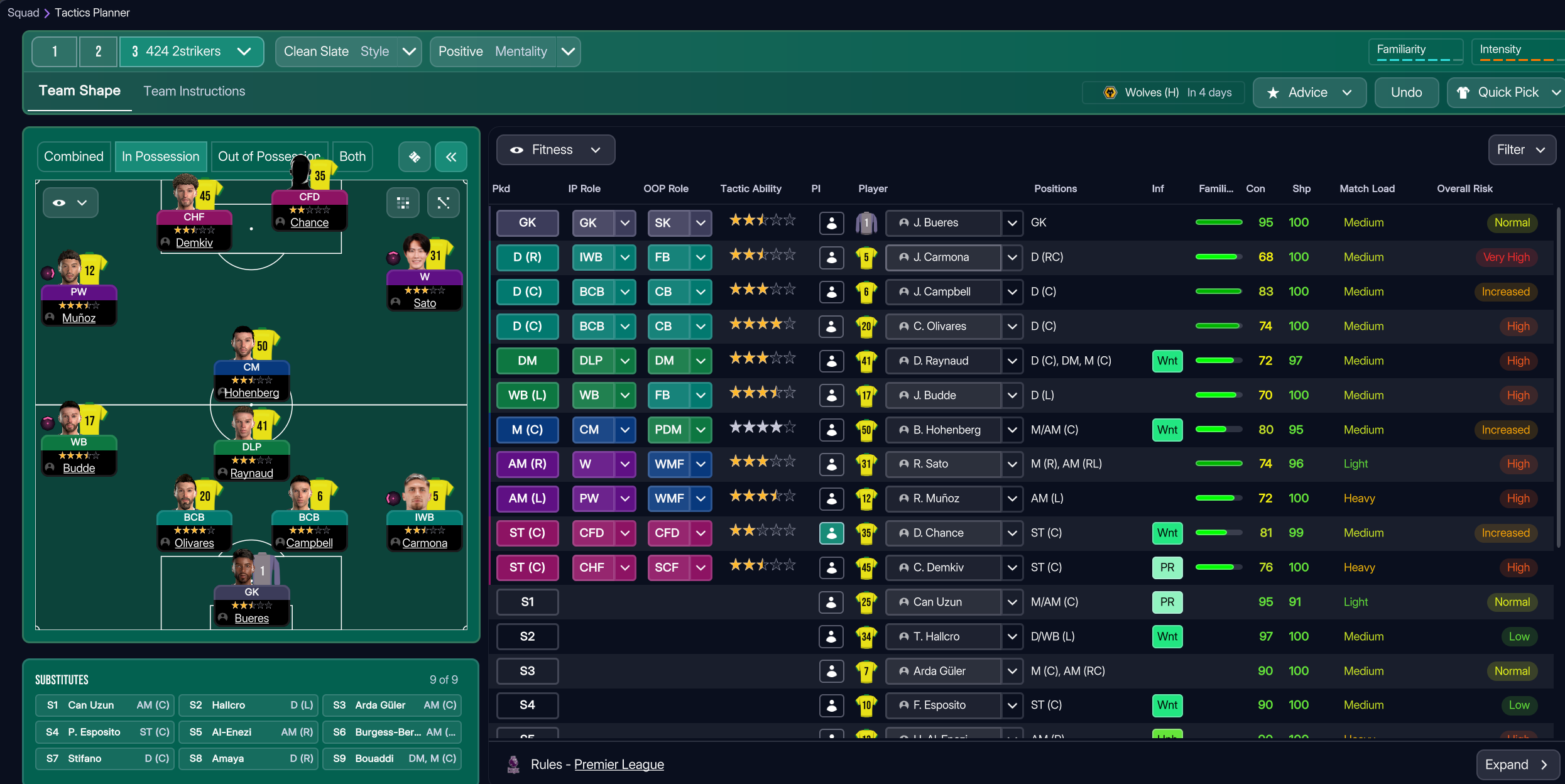
Formation:4-2-4
Team Fluidity:Structured
In Possession
Pass Into Space
Play Out Of Defence
Low Crosses
Higher Tempo
In Transition
Roll It Out
Distribute To Centre-Backs
Distribute Quickly
Counter
Counter-Press
Out of Possession
Higher Defensive Line
High Press
Much More Often Prevent Short GK Distribution
Get Stuck In
Step Up More
Team Shape Without Ball
Shape:4-4-2
Description:Team maintains a compact shape defensively with a high press and organized defense.
Evidence:High Press and Higher Defensive Line support a 4-4 shape.
Team Shape With Ball
Shape:4-2-4
Description:Attacking plays focus on width from wing-backs and directness from forwards, facilitating goal scoring opportunities.
Evidence:Formation reflects a clear 4-2-4 setup with attacking emphasis.
Phase Description
Attacking Play
Utilizes quick transitions and low crosses to maximize attacking opportunities, focusing on the penalty area.
Defensive Transition
Immediately pressurizes the opponent following the loss of possession, reducing the time for opposition to react.
Main Focus
Creating and exploiting spaces in the final third, primarily through the wings and quick interplay.
Key Strengths
Dynamic Attack
The combination of an Advanced Forward and Inside Forward creates various attacking options and stretches opposing defenses.
High Press
Implementing a high press forces opposition errors and regains possession quickly, feeding into the counter-press strategy.
Ball-Playing Defender
Utilizes the ball-playing defender to initiate plays from the back, transitioning effectively into the midfield.
Conflicting Directions
Possession vs Counter
High tempo and counter instructions may conflict with maintaining possession, risking stability.
Pressing vs Defensive Stability
High pressing could expose defensive vulnerabilities if not well-coordinated, leading to potential quick counters by the opposition.
Wing-Backs Role Usage
The dual role of wing-backs may require careful management to avoid gaps during transitions.
Tactical Suggestions
Consider a More Balanced Midfield
Introduce a more defensive presence in midfield to bolster protection against counter-attacks.
Utilize More Width in Attacking Play
Encourage wing-backs to make overlapping runs to create space for inside forwards.
Monitor Player Fatigue
Given the high intensity of pressing, monitoring player fitness is crucial to maintain effectiveness throughout the match.
Ask Questions About Your Lineup
Related Tactics
More Gegenpress tactics
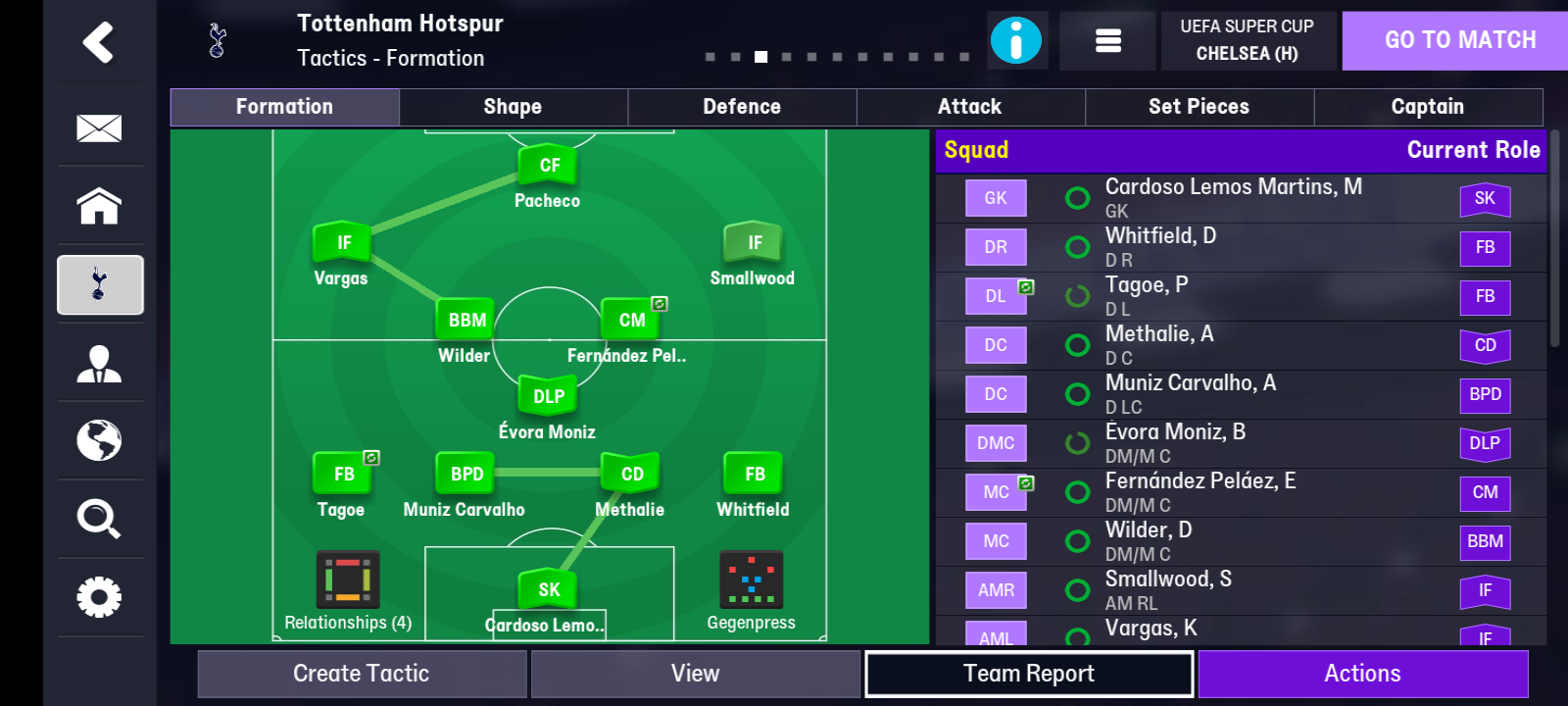
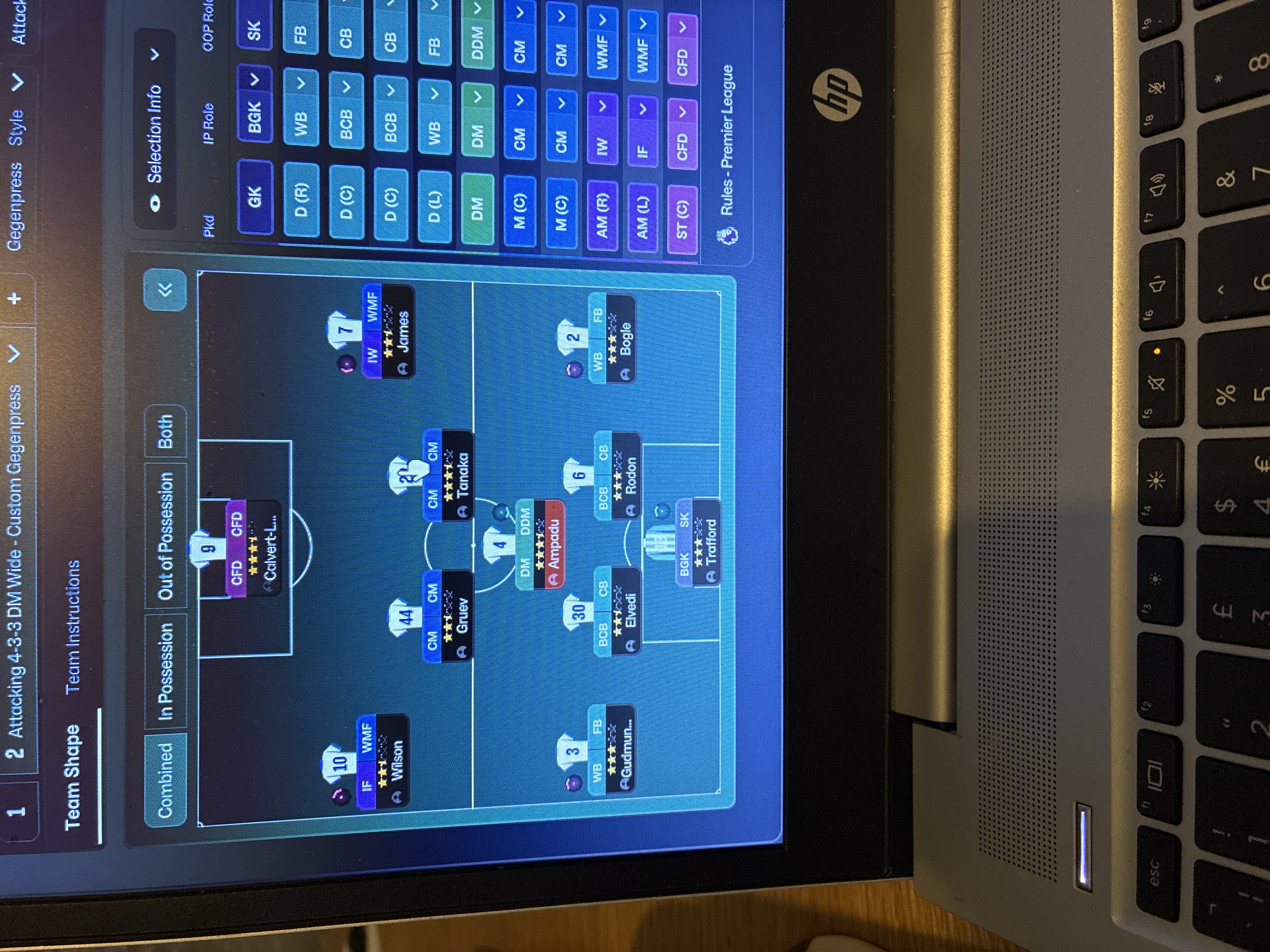
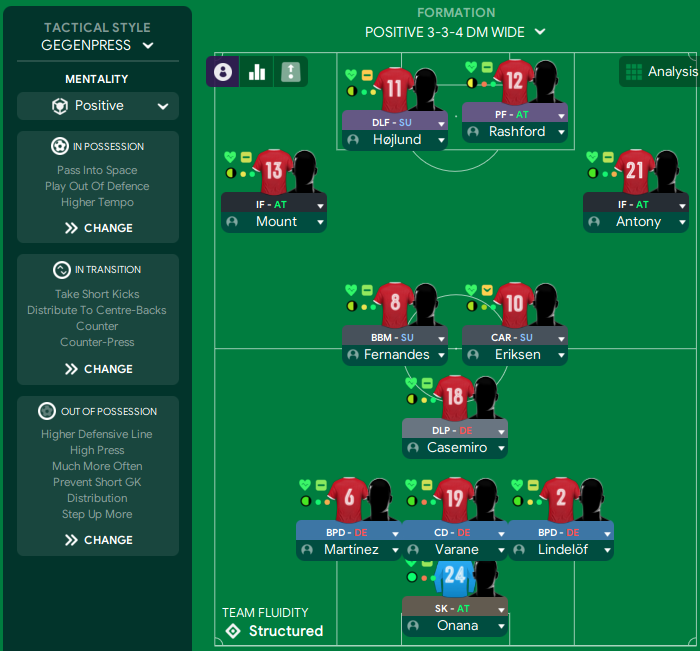
Guides for this formation
The tactical theory behind the 4-2-4: roles, instructions, and the trade-offs that decide whether the system holds up.