Uploaded Tactic
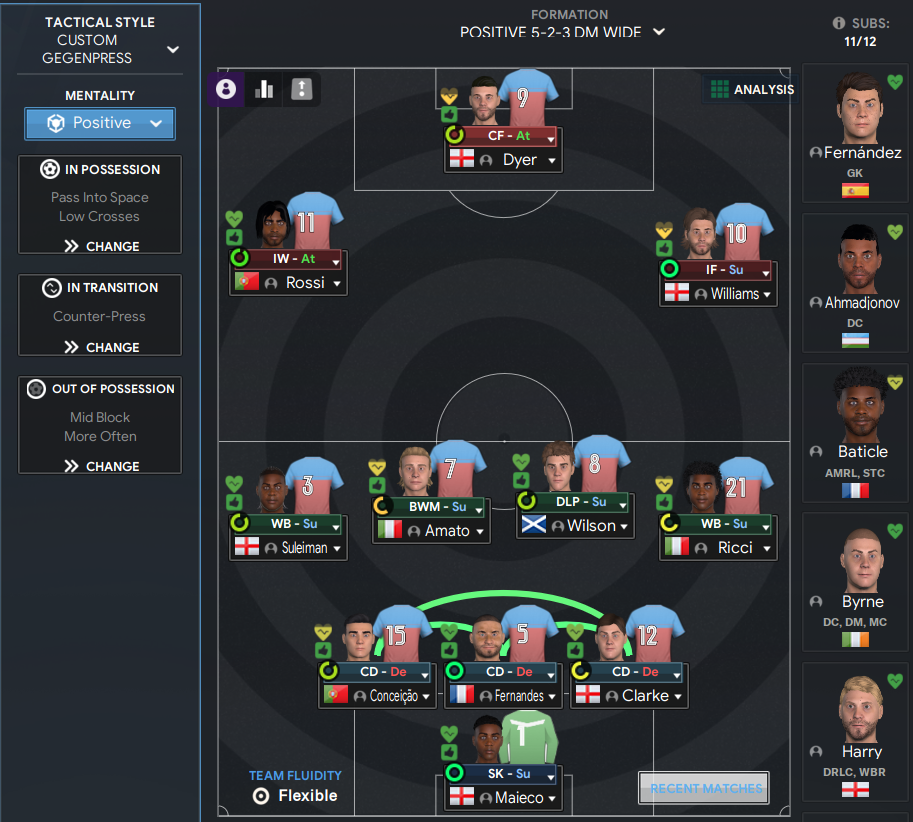
Formation & Style
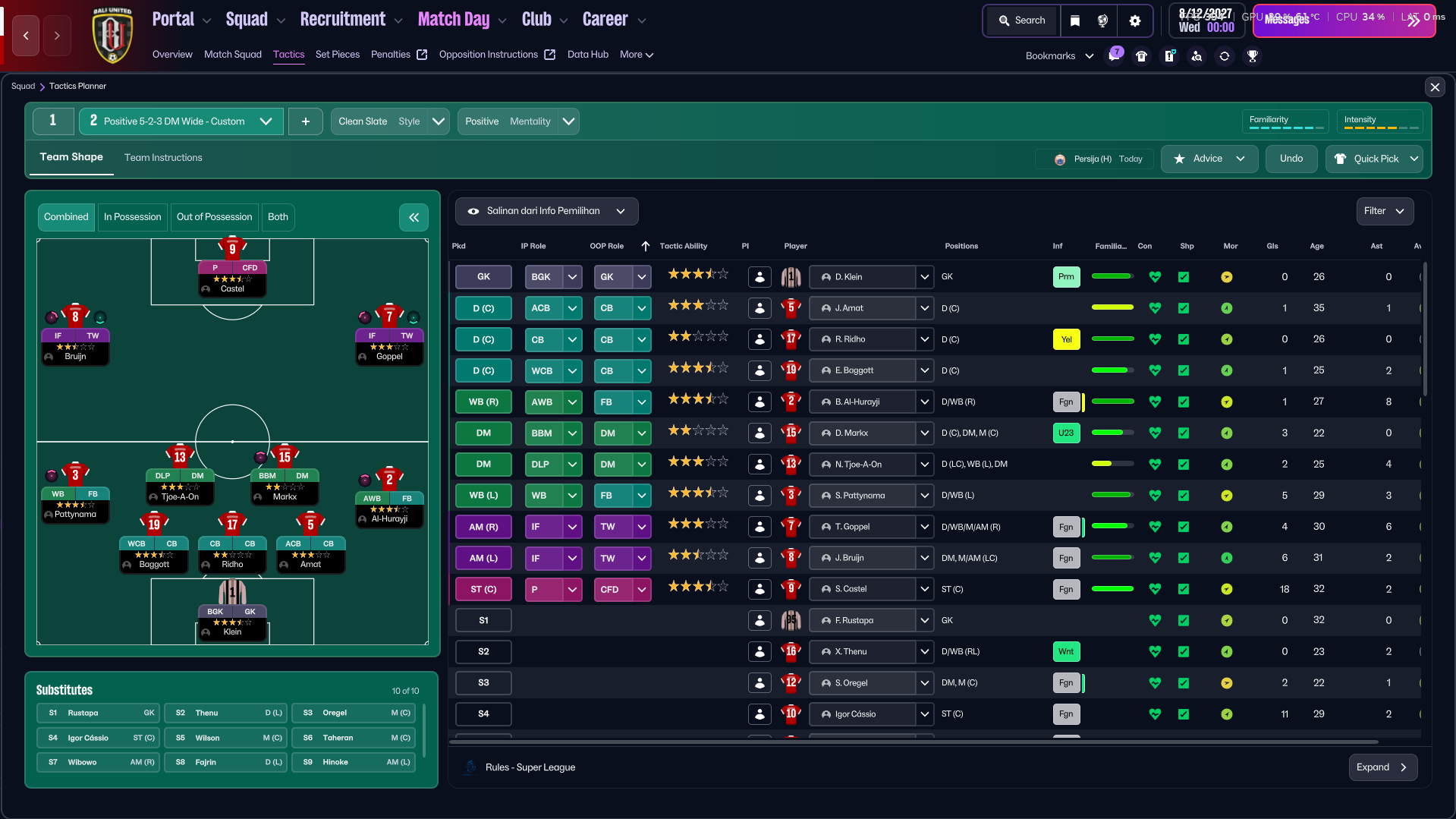
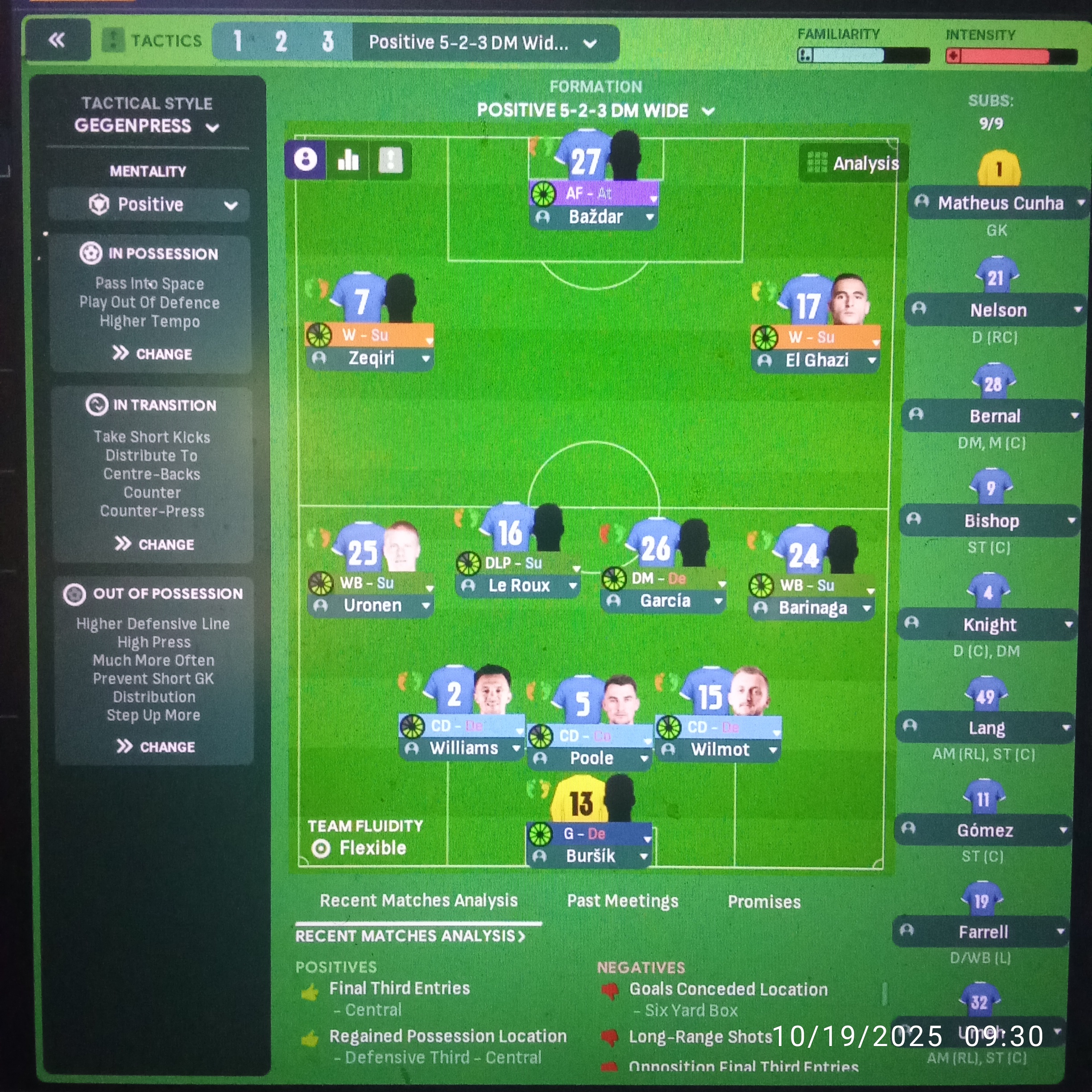
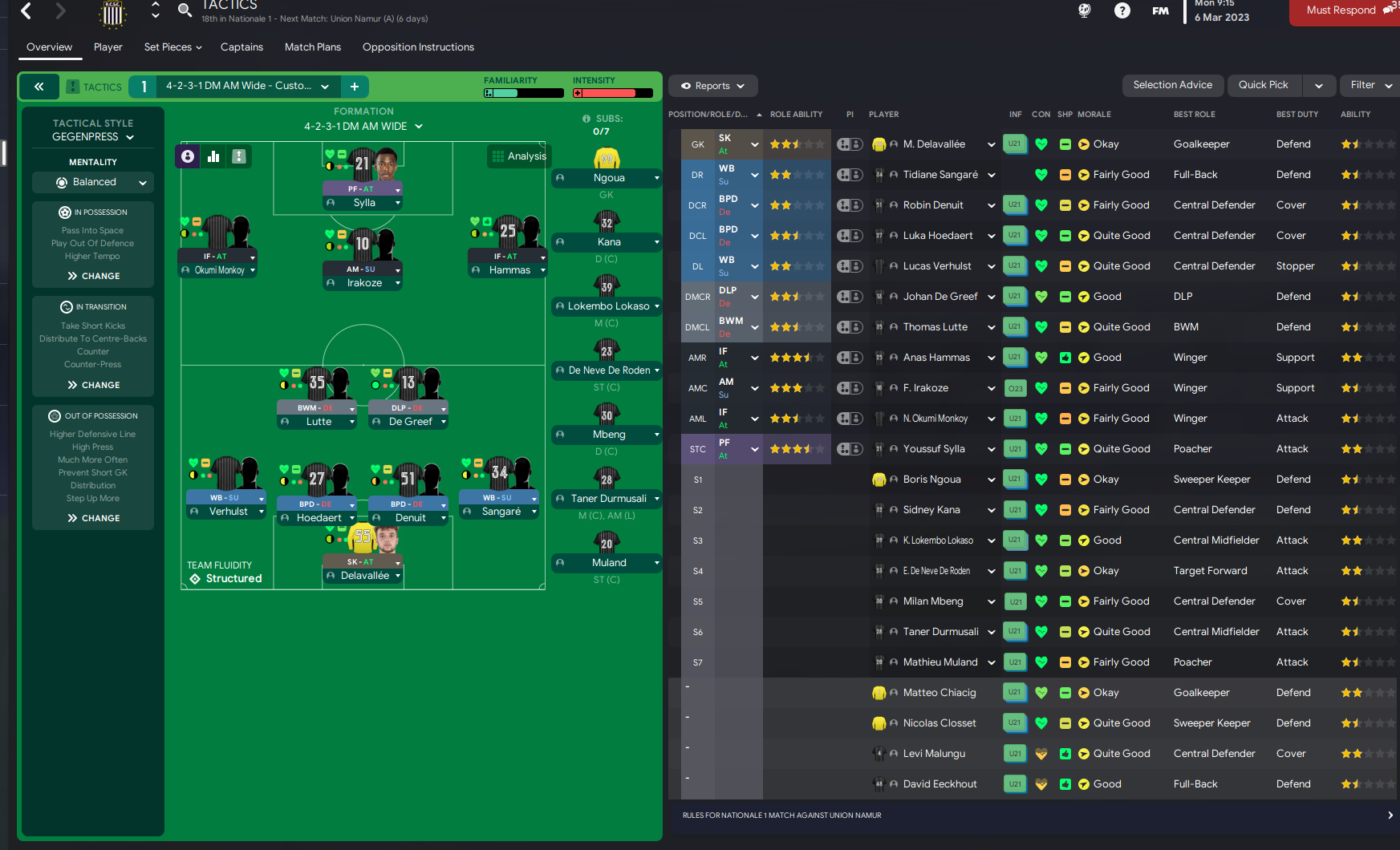
Tactical Style:Gegenpress
Mentality:Positive
Formation:5-2-3 DM Wide
Team Fluidity:Flexible
In Possession
Pass Into Space
Low Crosses
In Transition
Counter-Press
Out of Possession
Mid Block
More Often
Team Shape Without Ball
No team shape without ball data available
Team Shape With Ball
No team shape with ball data available
Key Strengths
Attacking Width
The formation utilizes wing backs to provide width, allowing wingers and forwards to exploit space in the final third effectively.
Counter-Press
The counter-press setup enables quick regains of possession after losing the ball, maintaining sustained pressure on the opposition.
Dynamic Attack
Inside forwards combined with an advanced forward create multiple attacking threats, generating opportunities through fluid movement.
Flexible Team Structure
The flexible team fluidity allows for adjustments during the match, adapting to the evolving dynamics of play.
Conflicting Directions
Defensive Stability vs. Aggressive Pressing
The emphasis on a counter-press may leave the defense exposed if the ball is lost high up the pitch, risking quick counter-attacks from opponents.
Mid Block with High Engagement
While employing a mid block suggests staying compact, the counter-press encourages high engagement, which can lead to gaps if not managed properly.
Wing Back Roles vs. Defensive Duties
Wing backs in support roles may not provide enough cover defensively while also being involved in attacks, straining the backline.
Inside Forwards vs. Width Necessity
Inside forwards may drift centrally, which can negate the width provided by wing backs, creating congested attack patterns.
Tactical Suggestions
Consider a More Balanced Midfield
Introduce a more defensive or box-to-box midfielder to stabilize the midfield and support both attack and defense effectively.
Adjust Wing Back Duties
Consider changing one of the wing backs to a more defensive duty to balance the attack and improve defensive solidity.
Use Higher Lines with Caution
Maintain awareness of the defensive line's positioning to ensure that the team does not get caught on the counter while pressing high.
Experiment with Forward Roles
Testing variations such as a complete forward or poacher for the central forward role may optimize goal-scoring opportunities.
Ask Questions About Your Lineup
Related Tactics
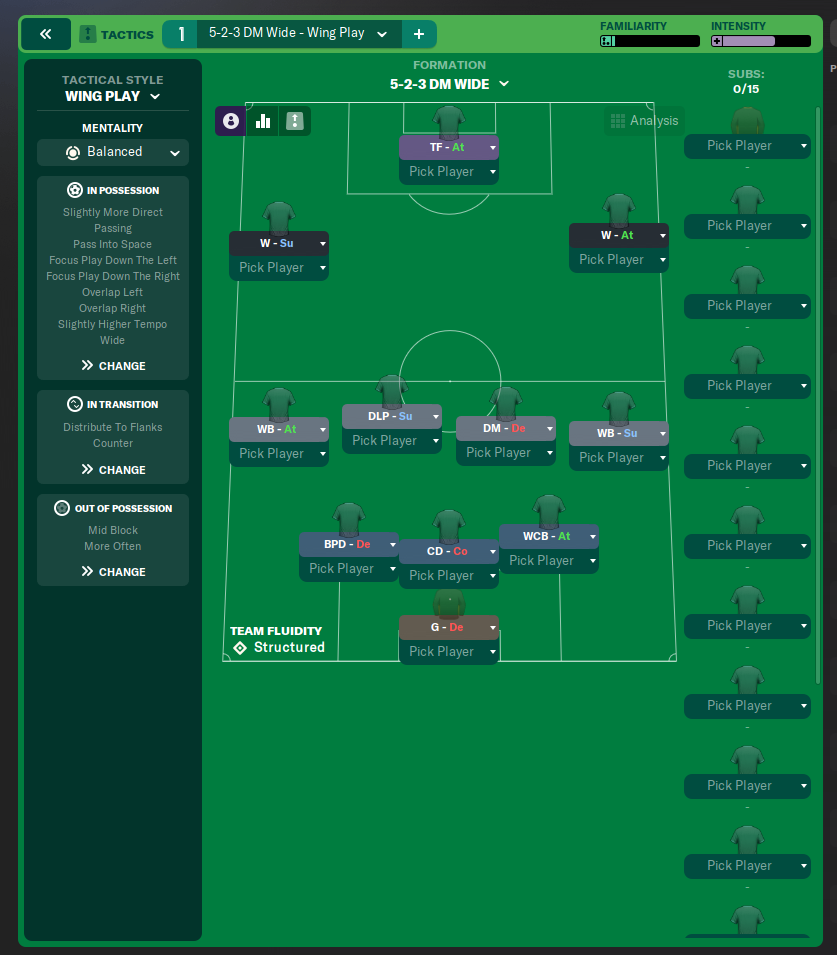
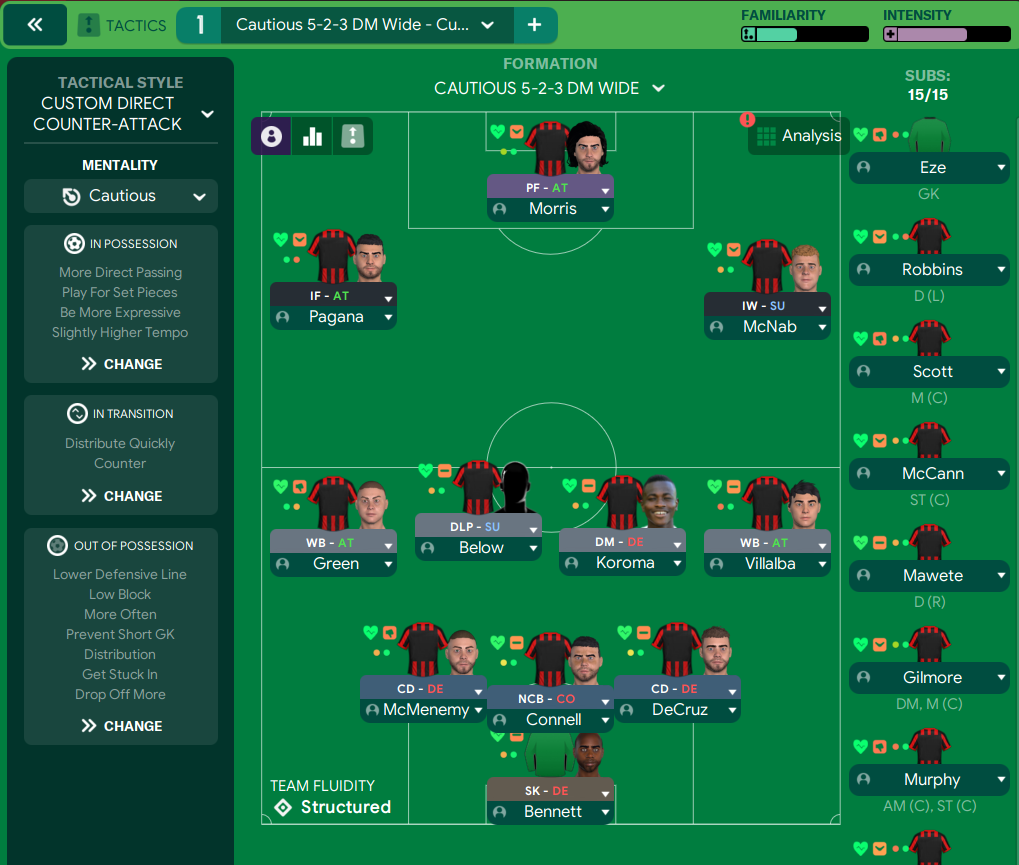
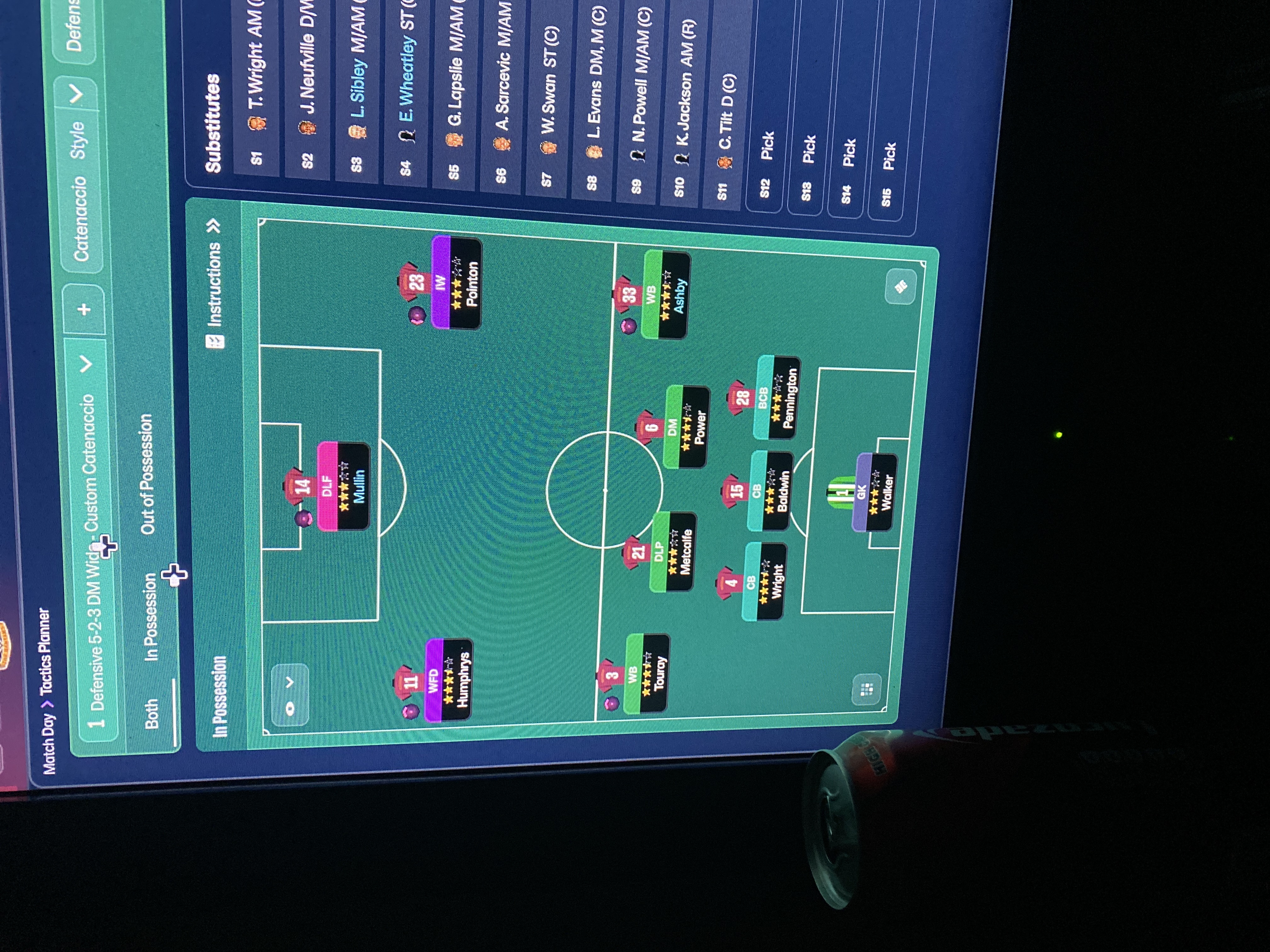
More Gegenpress tactics
Guides for this formation
The tactical theory behind the 5-2-3 DM Wide: roles, instructions, and the trade-offs that decide whether the system holds up.