Uploaded Tactic
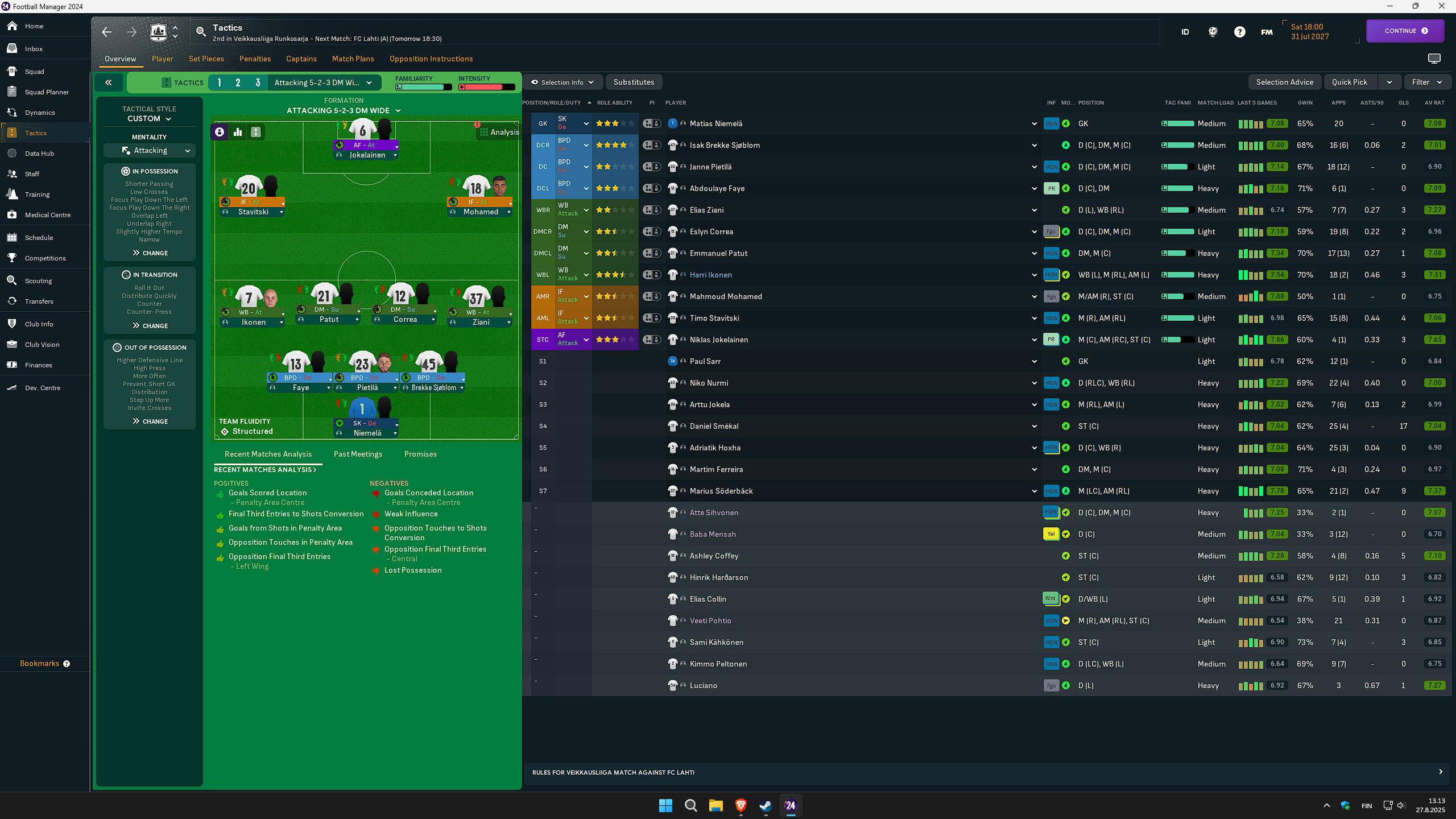
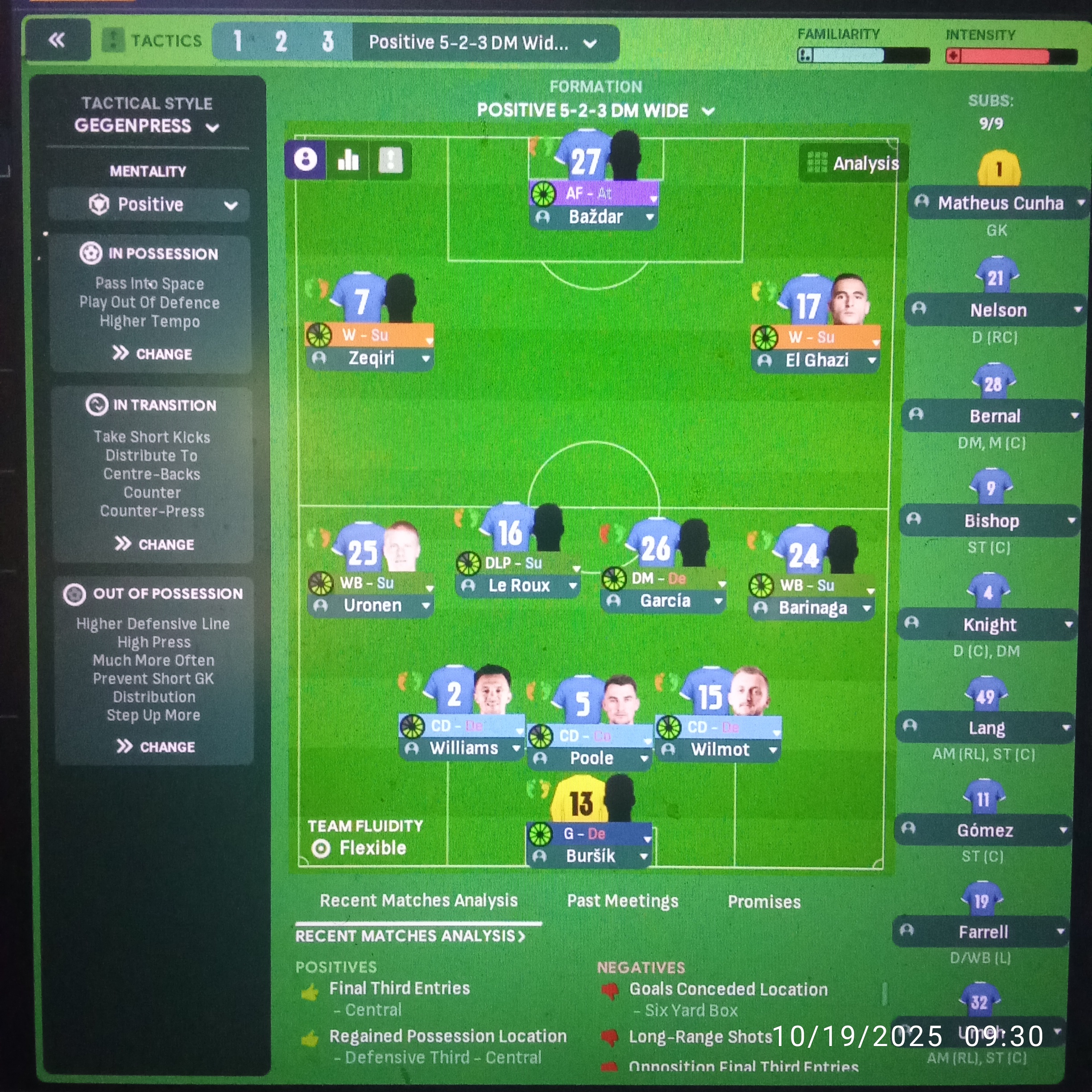
Formation & Style
Tactical Style:Attacking
Mentality:Attacking
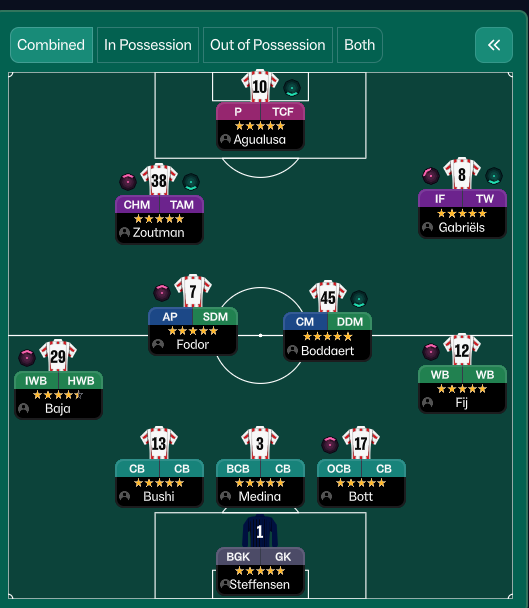
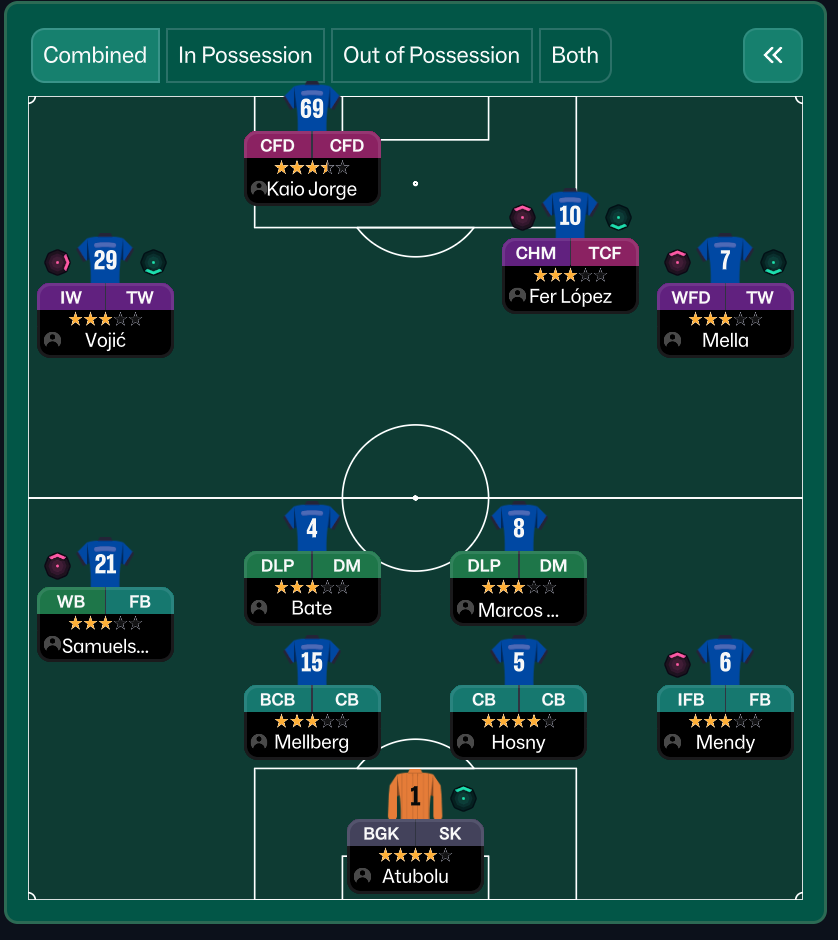
Formation:5-2-3 DM Wide
Team Fluidity:Structured
In Possession
Shorter Passing
Higher Tempo
Width: Fairly Wide
Focus Play: Down Both Flanks
In Transition
Counter-Press
Counter
Out of Possession
Higher Defensive Line
Prevent Goalkeeper Distribution
Tighter Marking
Team Shape Without Ball
No team shape without ball data available
Team Shape With Ball
No team shape with ball data available
Key Strengths
Wide Play
Utilizes wide forwards and wing-backs to stretch the opponent's defense, creating space for central players.
Attacking Mentality
Promotes aggressive attacking play that can overwhelm opposing defenses, particularly when transitioning quickly.
High Defensive Line
Encourages pressure on the opposition high up the pitch, aiming to win possession back quickly.
Adaptive Formation
5-2-3 allows flexibility in both defense and attack, able to shift to a more defensive setup if needed.
Conflicting Directions
Need for Solid Defensive Awareness
While the high defensive line aids in winning back possession, it can expose the team to counter-attacks if defenders lack pace.
Wing Back Support
Wing-backs are tasked with both attacking and defending, which may lead to exhaustion and lack of defensive cover if not properly managed.
Player Roles Alignment
Certain player roles like the Deep Lying Playmaker need ample support, which might be lacking due to wing-back focus on attack.
Transition Vulnerability
Overcommitting in attacks can leave the team vulnerable during transitions, especially given the attacking mentality.
Tactical Suggestions
Adjust Defensive Duty of Wing Backs
Consider setting one wing-back to 'Defend' while the other is on 'Support' to maintain a balance and prevent vulnerabilities during counters.
Use a Half Back
Replacing the DMC with a Half Back can provide additional cover during transitions, allowing center-backs to push higher.
Alter Mentality to Positive
Switching to a 'Positive' mentality in tougher matches can help maintain control while still promoting offensive play.
Focus on Set Pieces
With height from defenders, aim to leverage set pieces as a scoring opportunity due to aerial strengths.
Ask Questions About Your Lineup
Related Tactics
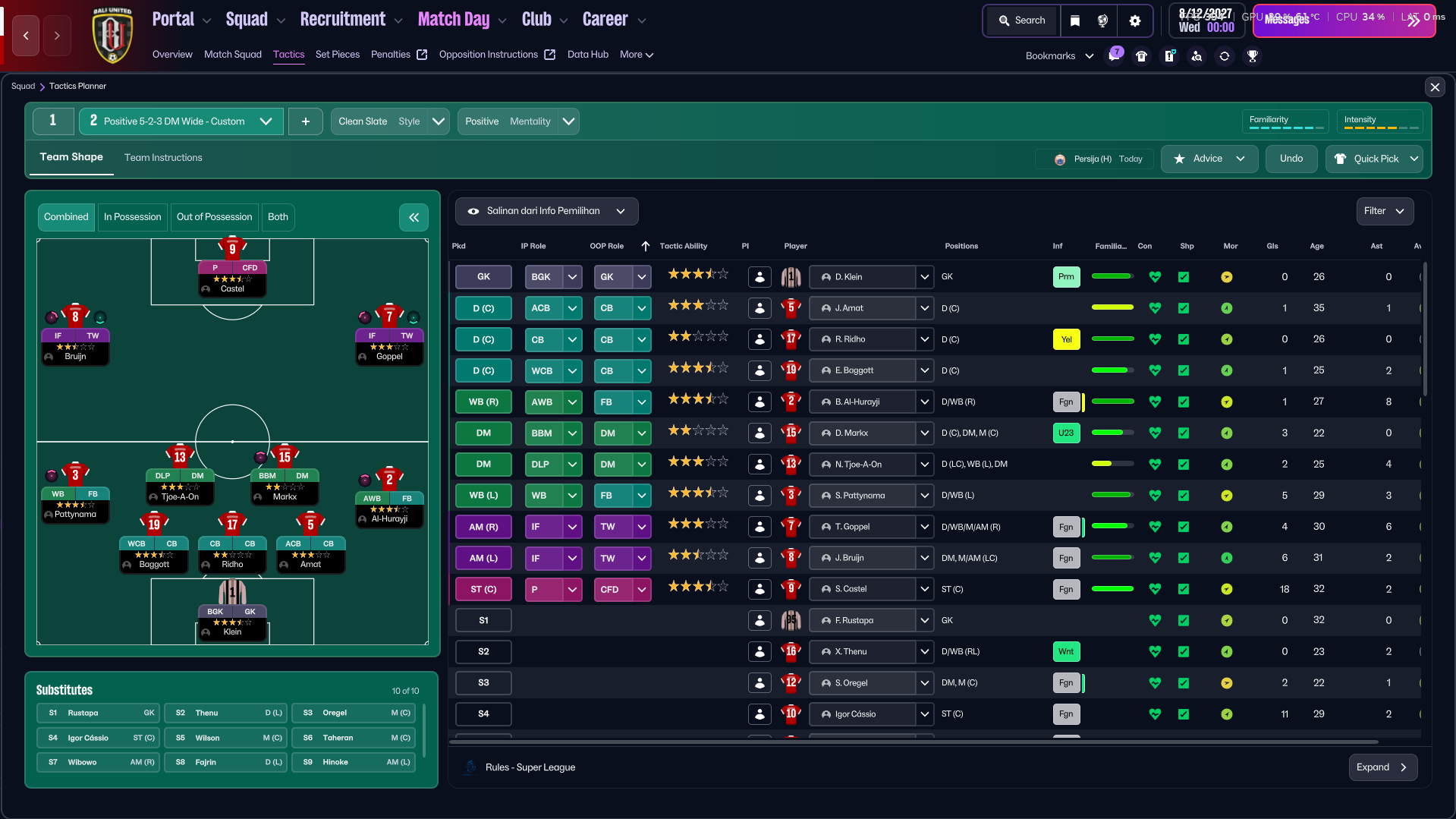
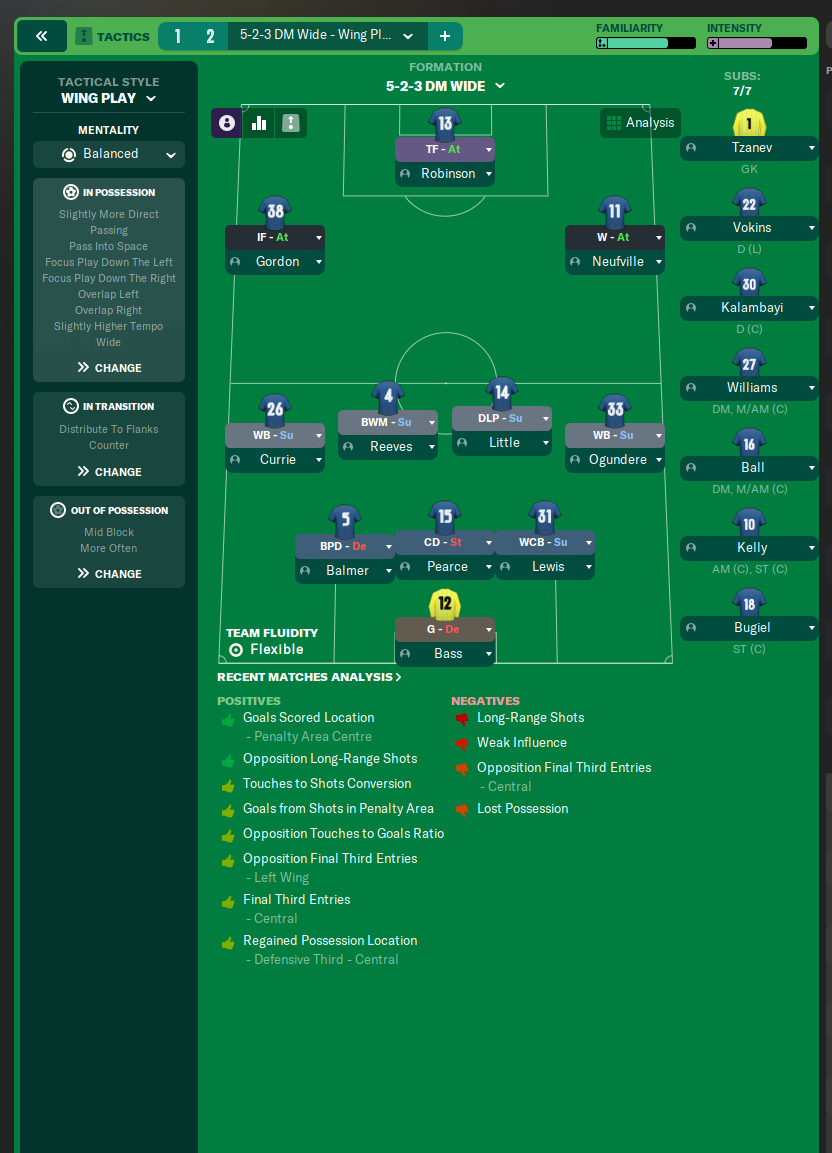
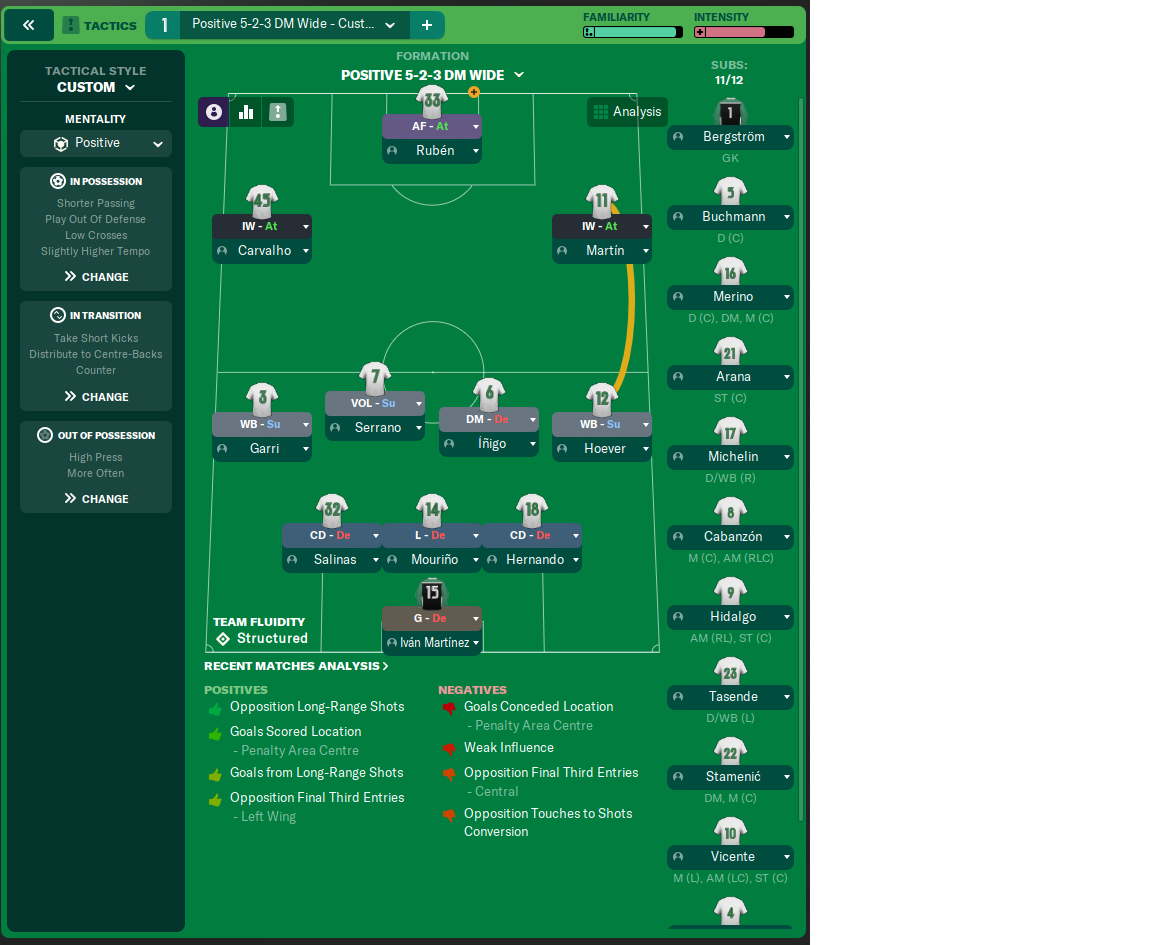
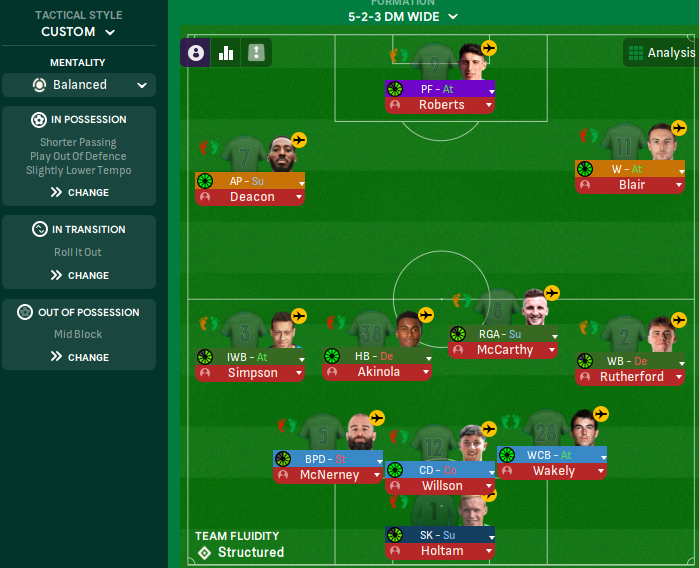
More Attacking tactics
Guides for this formation
The tactical theory behind the 5-2-3 DM Wide: roles, instructions, and the trade-offs that decide whether the system holds up.