Uploaded Tactic
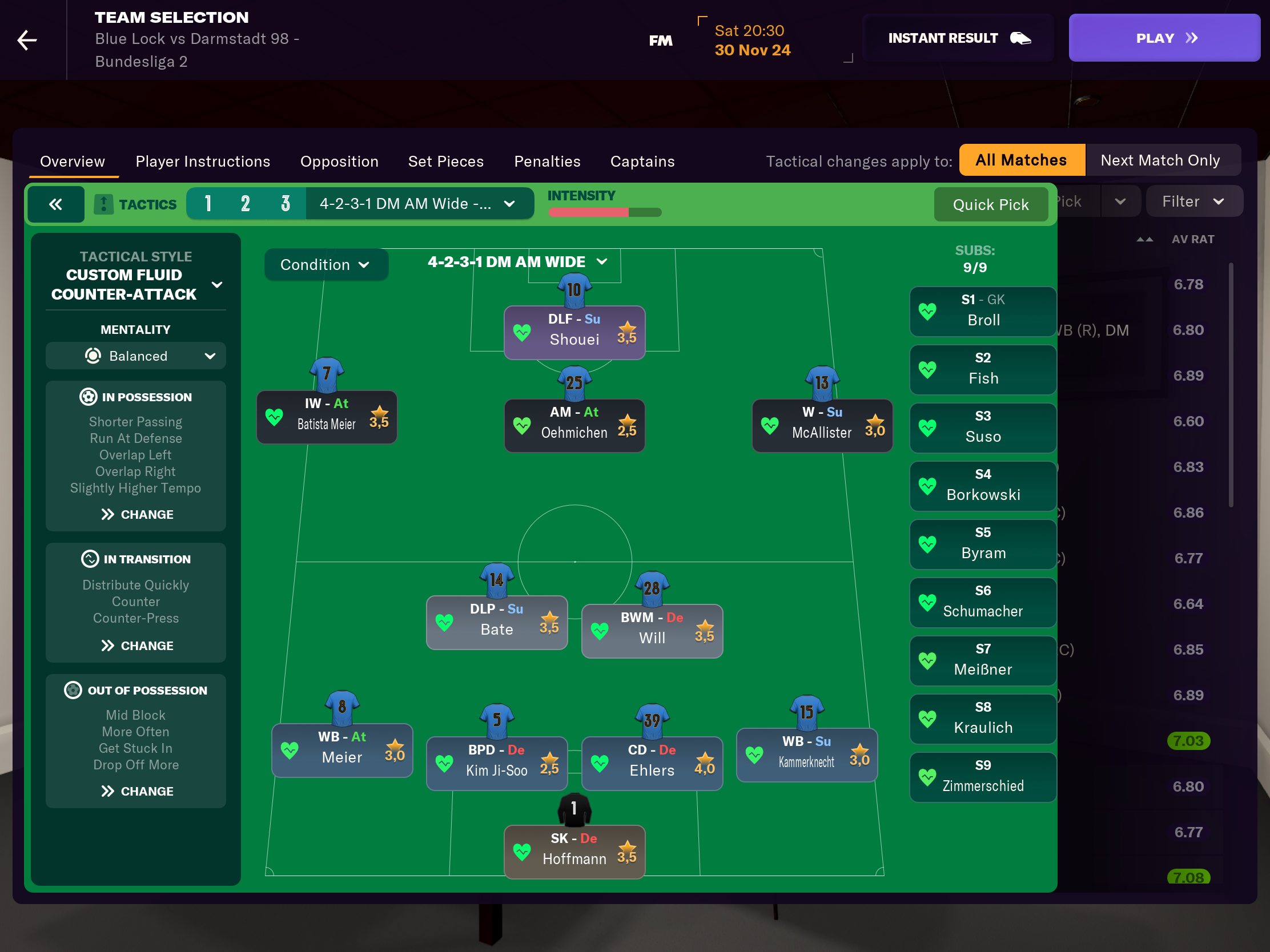
Formation & Style
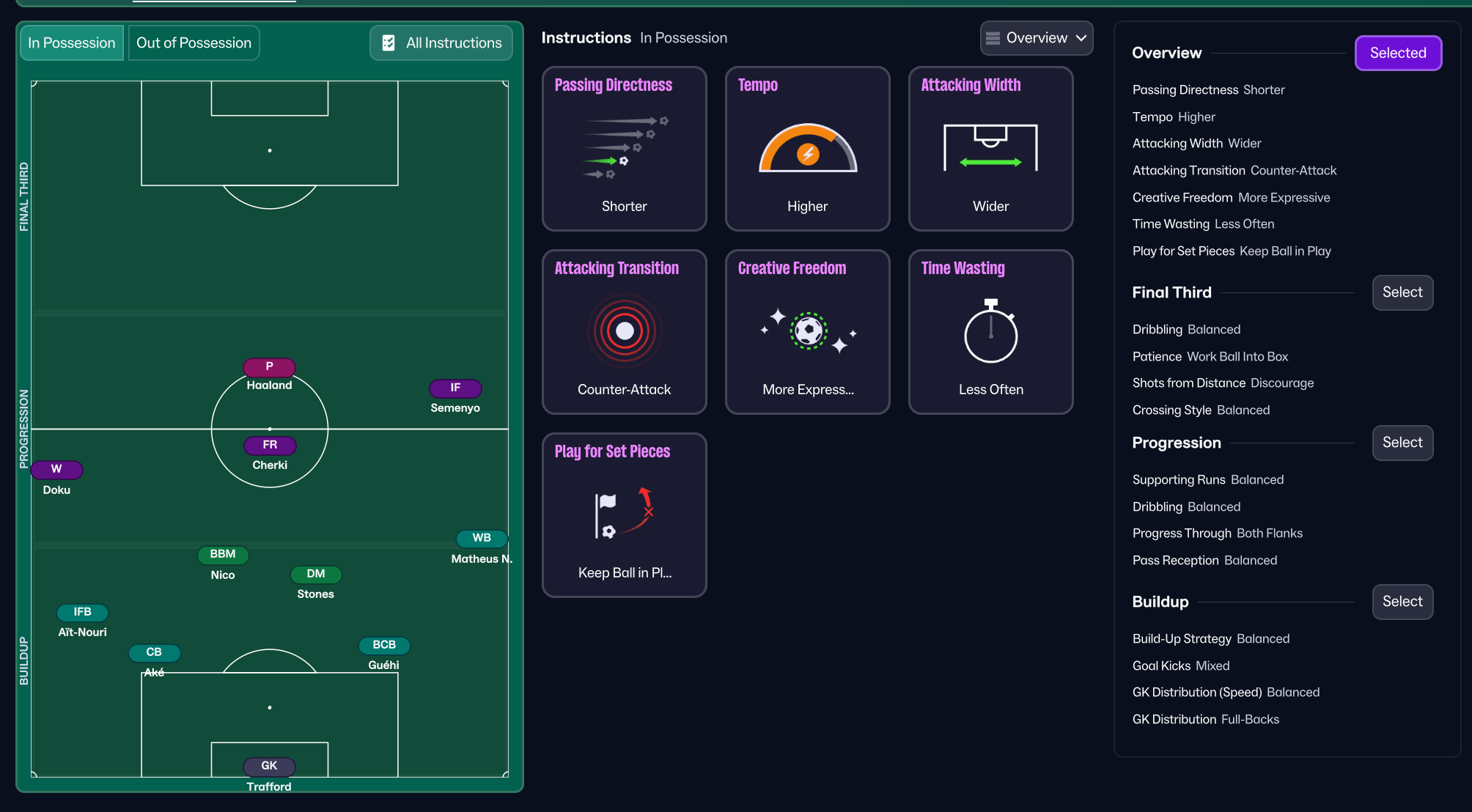
Tactical Style:Counter-Attack
Mentality:Balanced
Formation:4-2-3-1 DM Wide
Team Fluidity:Custom Fluid
In Possession
Shorter Passing
Run At Defense
Overlap Left
Overlap Right
Slightly Higher Tempo
In Transition
Distribute Quickly
Counter
Counter-Press
Out of Possession
Mid Block
More Often Get Stuck In
Drop Off More
Team Shape Without Ball
No team shape without ball data available
Team Shape With Ball
No team shape with ball data available
Key Strengths
Dynamic Wing Play
Utilizing Inside Forwards and Wing Backs allows for wide attacking options and unpredictability.
Effective Counter-Attacks
Quick transitions and forward momentum can exploit defensive gaps during the opponent's recovery.
Midfield Control
Two holding midfielders can shield the defense while also supporting attacking transitions.
Defensive Solidity
A mid block combined with disciplined defenders helps maintain shape and limit opponent chances.
Conflicting Directions
Possession vs. Counter
While the setup encourages quick counter-attacks, Shorter Passing may limit immediate transition speed.
Overlapping Full-Backs
With Inside Forwards cutting inside, it's important to ensure overlapping runs don't congest the central areas.
Mid Block Pressure
A mid block may limit aggressive counter-pressing opportunities when possession is lost.
Role Confusion
Having multiple roles (e.g., DLP and BPD) could create confusion in tactical execution and positional play.
Tactical Suggestions
Increase Tempo
Consider a higher tempo to maximize the effectiveness of counter-attacking strategies.
Adjust Passing Style
Medium passing might enhance quick transitions without sacrificing control in the midfield.
Utilize Playmaker Role
Shifting the DLP to a more advanced playmaker role could enhance creativity in the final third.
Maintain Width
Encourage full-backs to maintain width to stretch the opposition and create space centrally.
Ask Questions About Your Lineup
Related Tactics
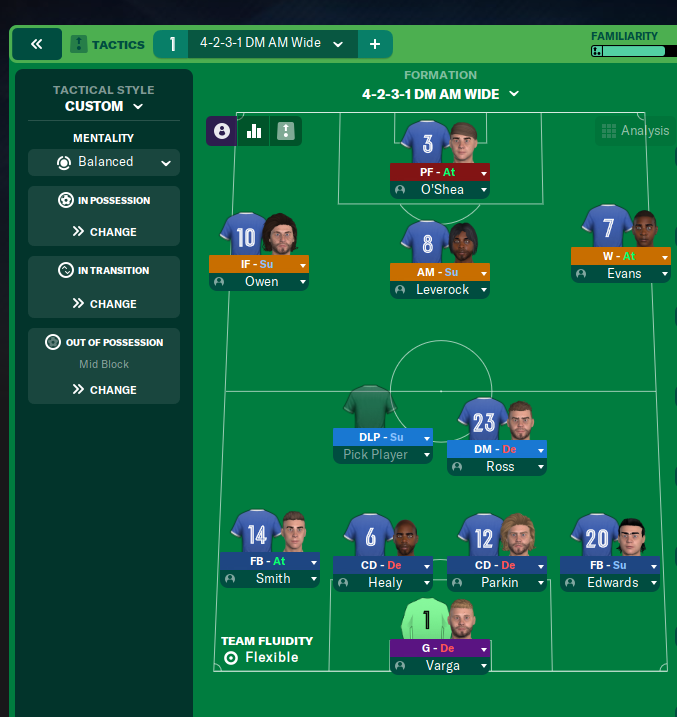
4-2-3-1 DM Wide Formation
Custom
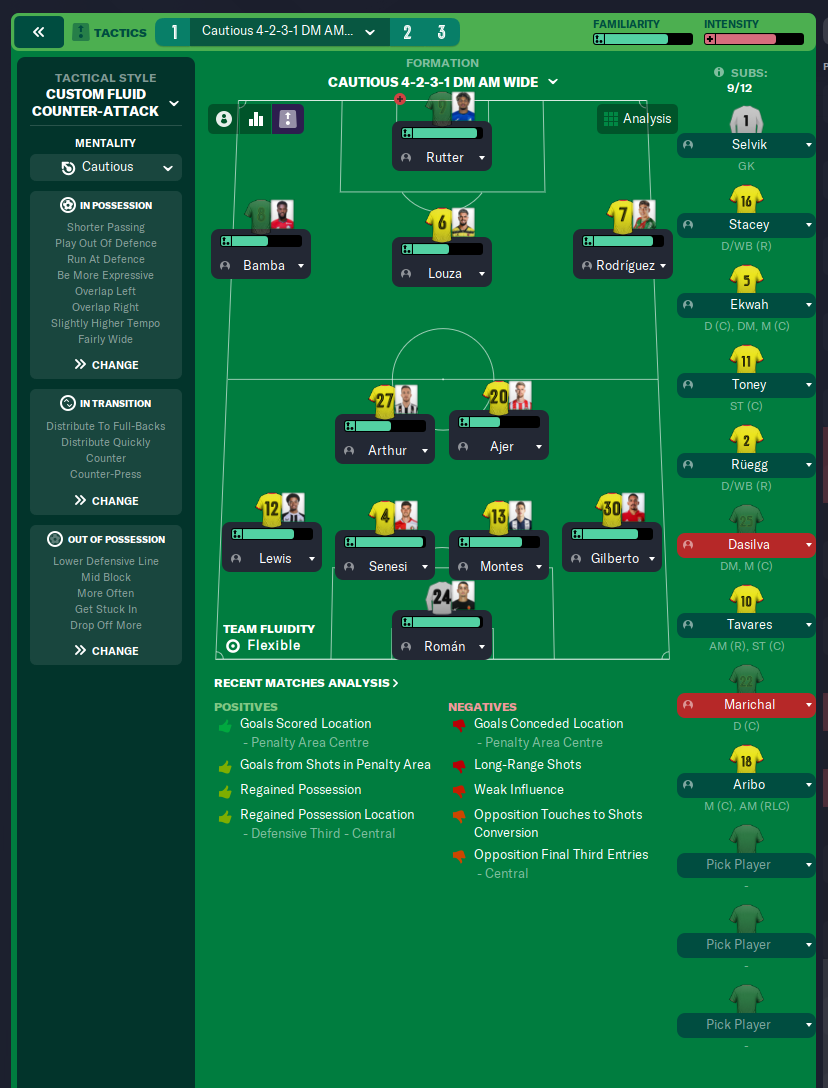
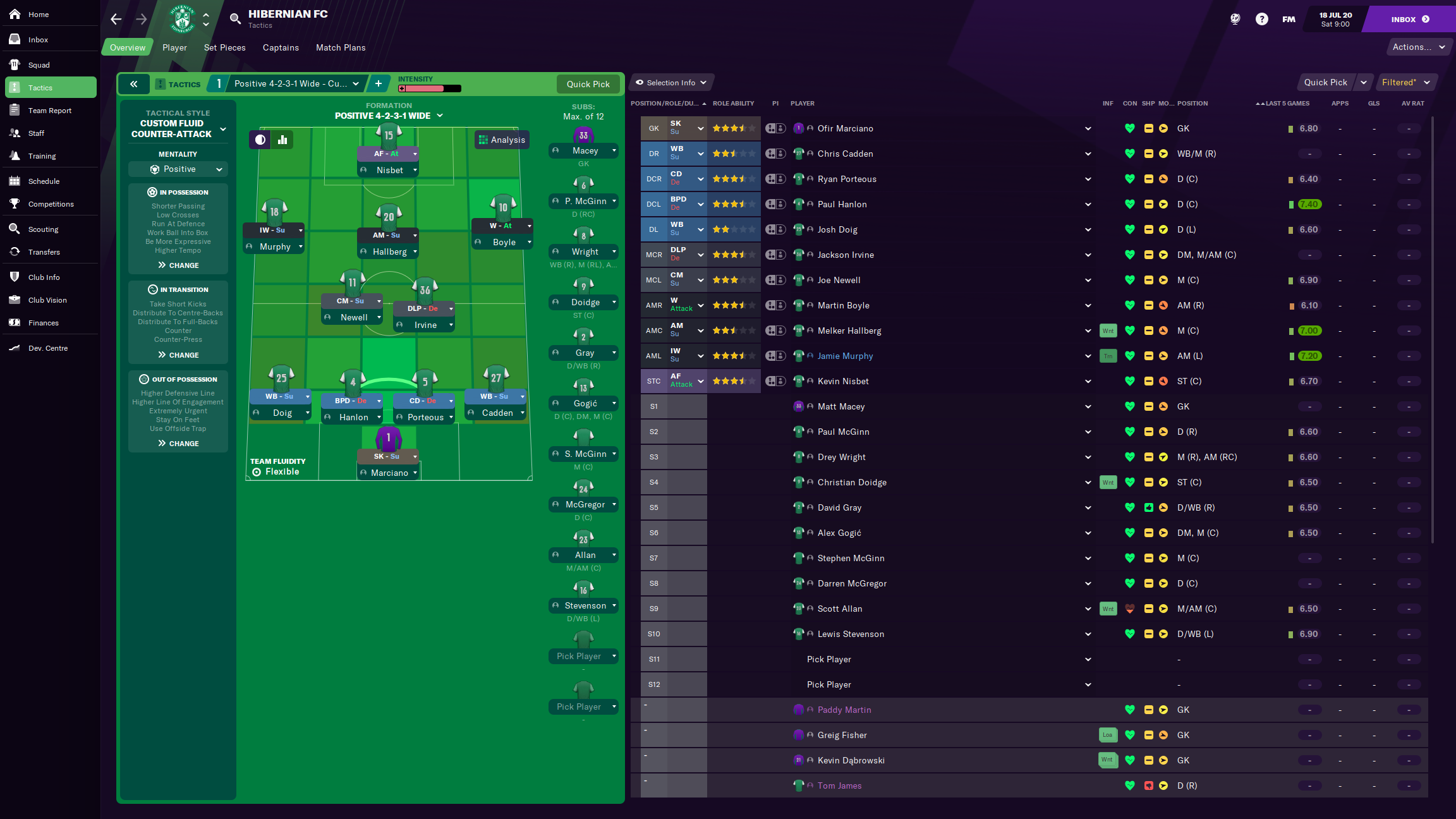
Fluid Counter-Attack 4-2-3-1 DM Wide
Custom Fluid Counter-Attack
4-2-3-1 DM Wide Formation
Positional
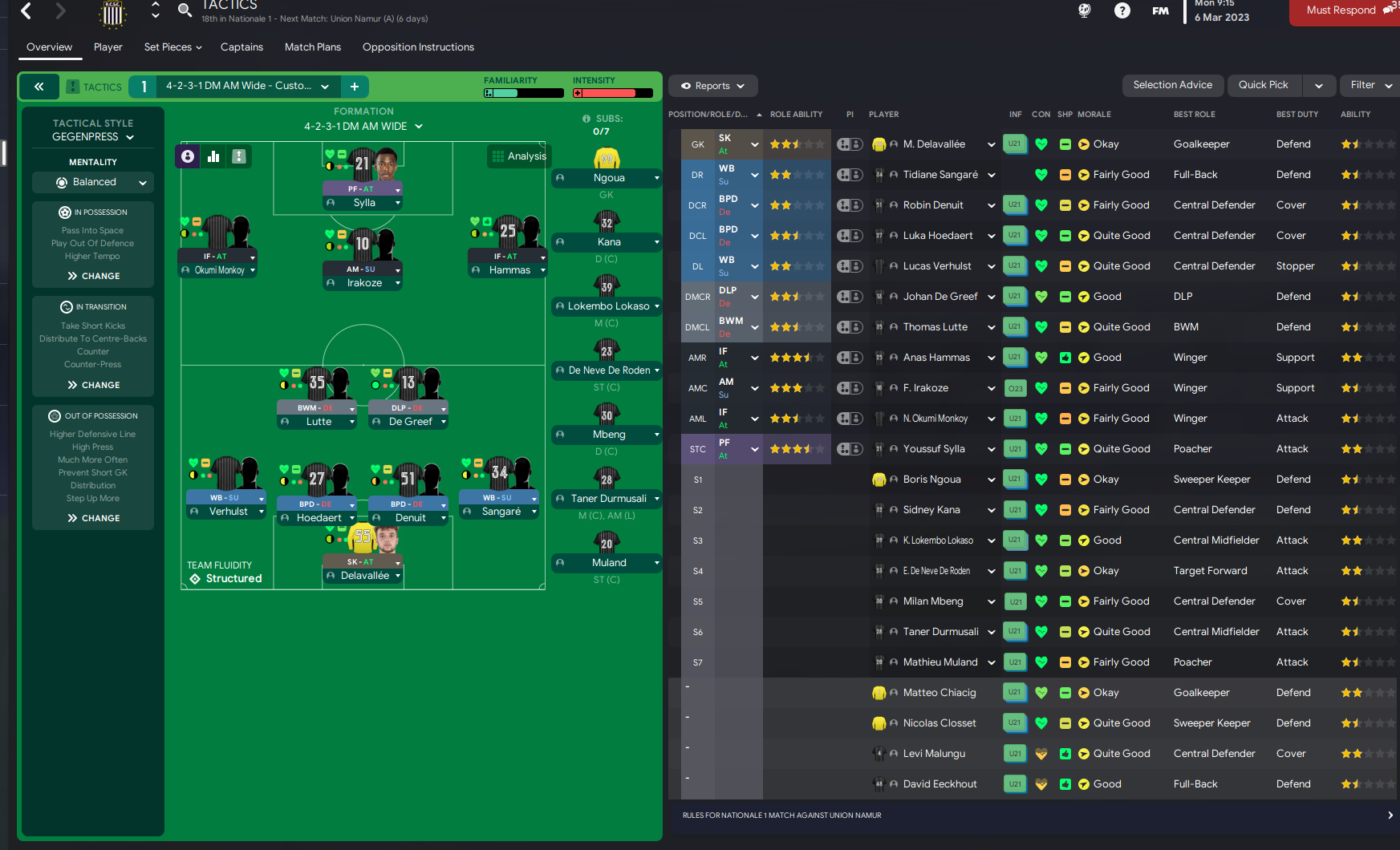
Gegenpress 4-2-3-1 DM Wide
Gegenpress
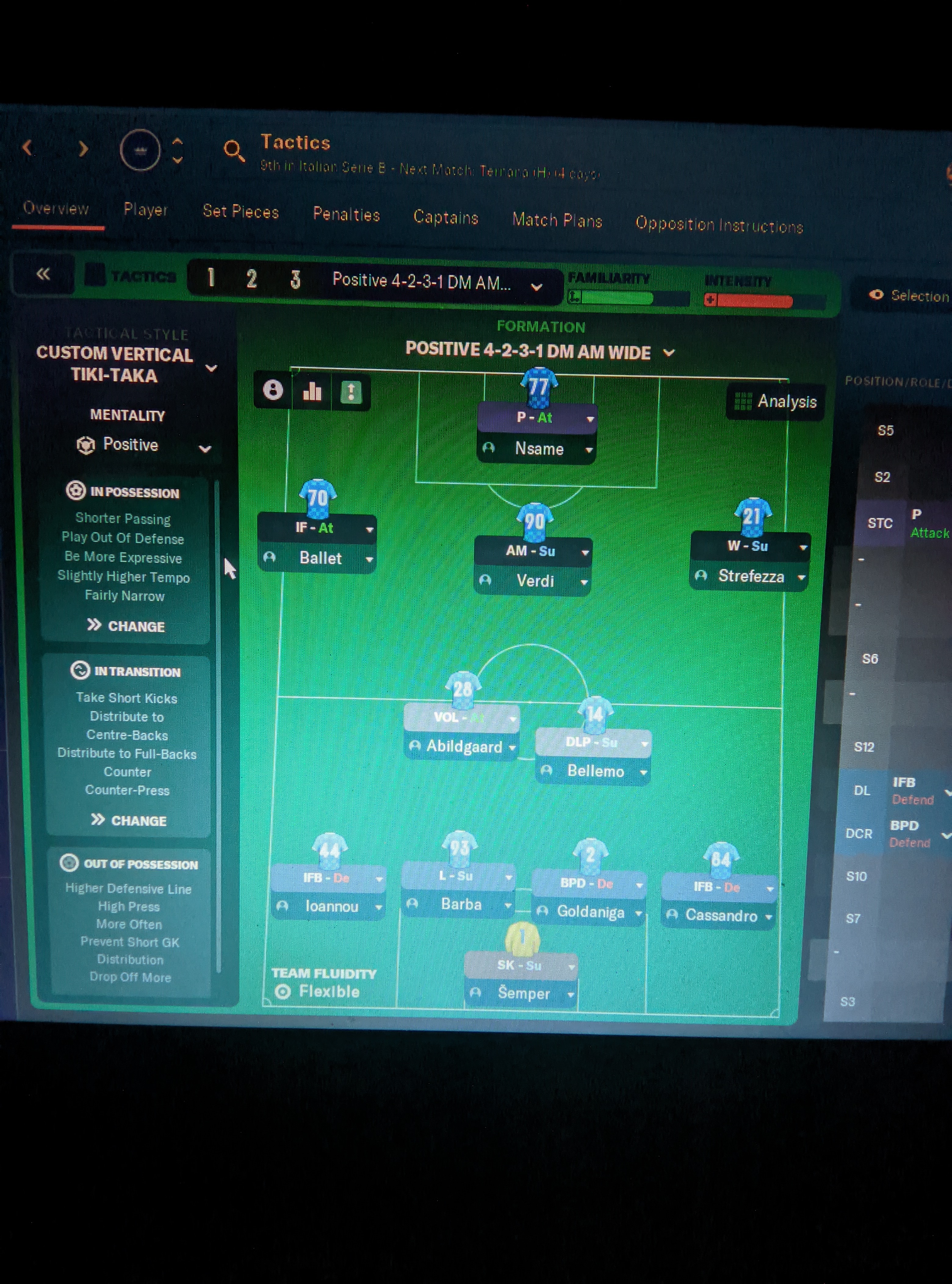
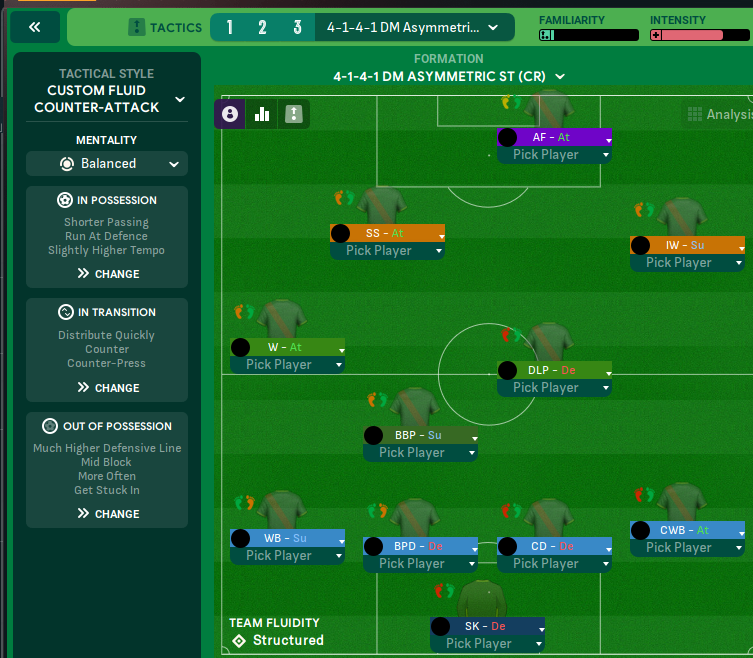
Vertical Tiki-Taka 4-2-3-1 DM Wide
Custom Vertical Tiki-Taka
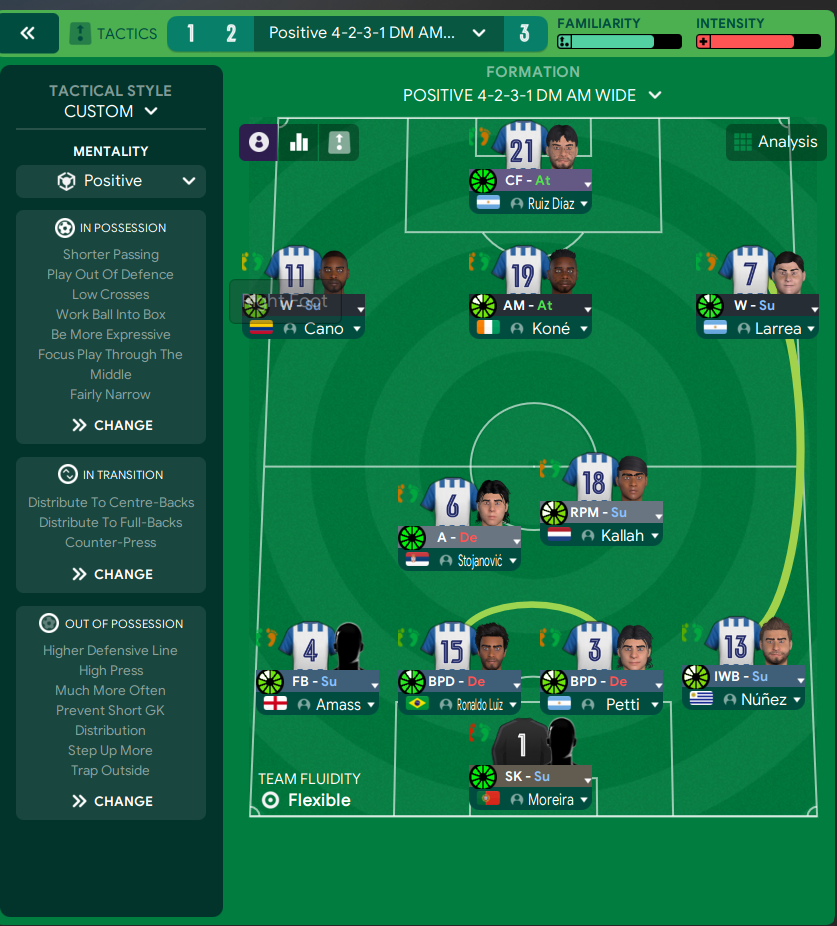
4-2-3-1 DM Wide Formation
Custom
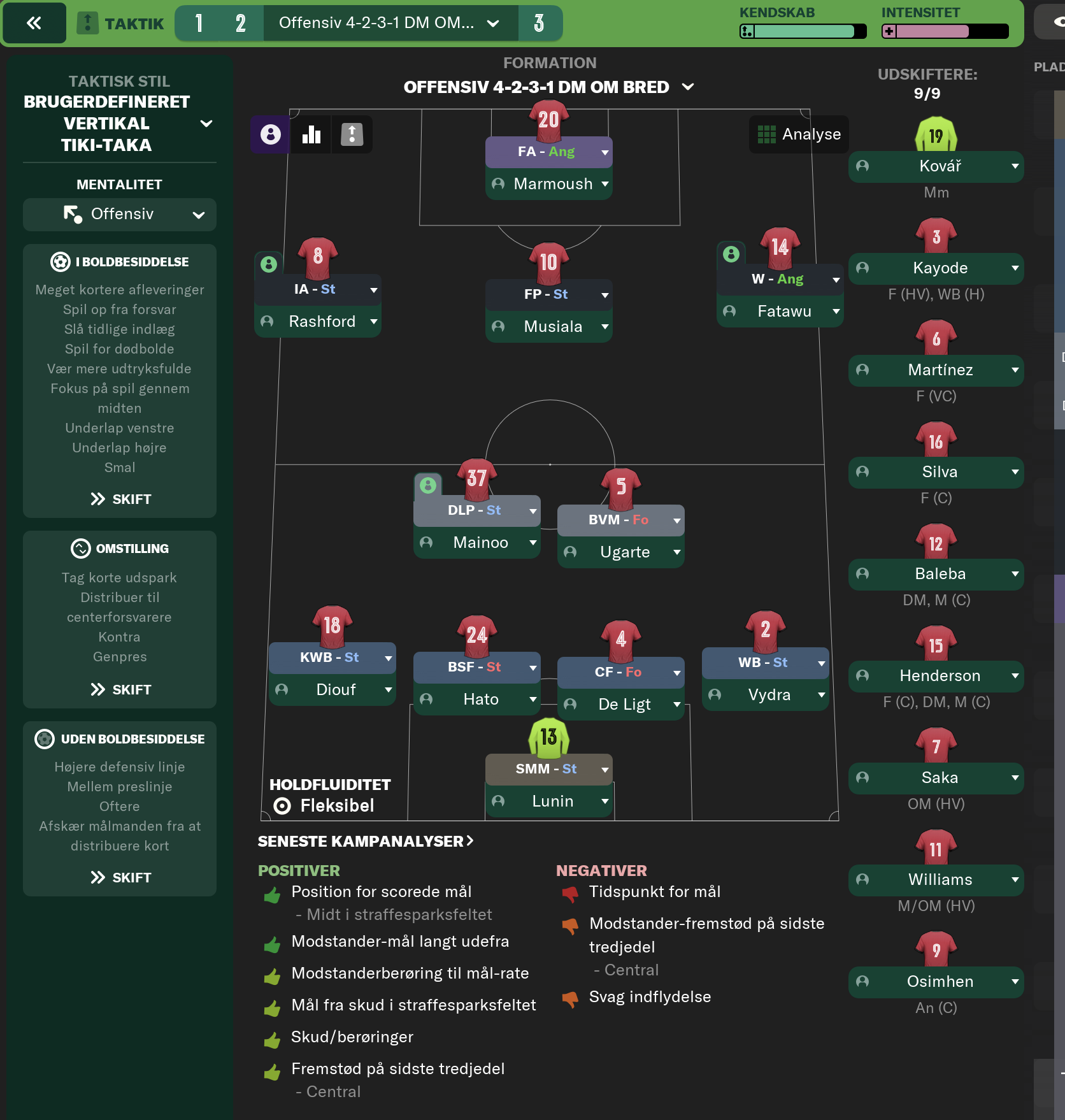
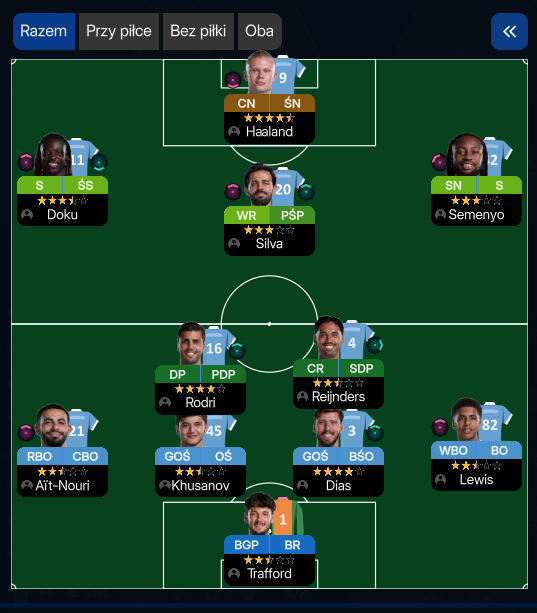
Tiki-Taka 4-2-3-1 DM Wide
Tiki-taka
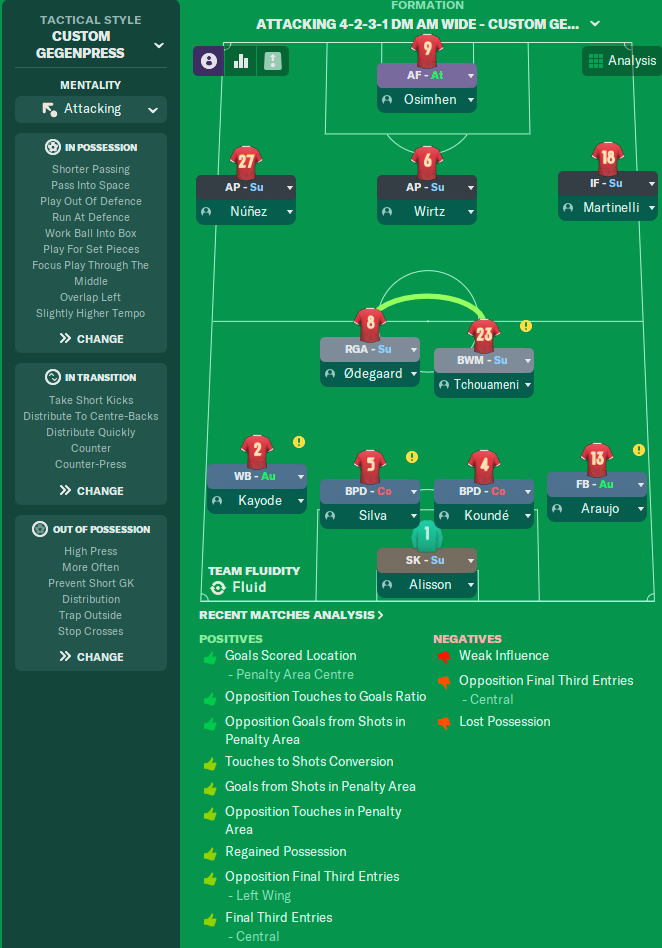
Gegenpress 4-2-3-1 DM Wide
Custom Gegenpress
More Counter-Attack tactics
Guides for this formation
The tactical theory behind the 4-2-3-1 DM Wide: roles, instructions, and the trade-offs that decide whether the system holds up.
Player pairings
Midfield Pairs in 4-2-3-1 and 4-4-2
Double pivots and flat pairs in 4-2-3-1 and 4-4-2: when each pairing works, when it collapses, and the AMC unicorn that rescues both.
Read guide
Playing styles
Gegenpressing: A Full Guide
Klopp-style gegenpressing in FM, including squad profile, line-and-press pairing, sustainable workload, and the antipatterns to avoid.
Read guide