Uploaded Tactic
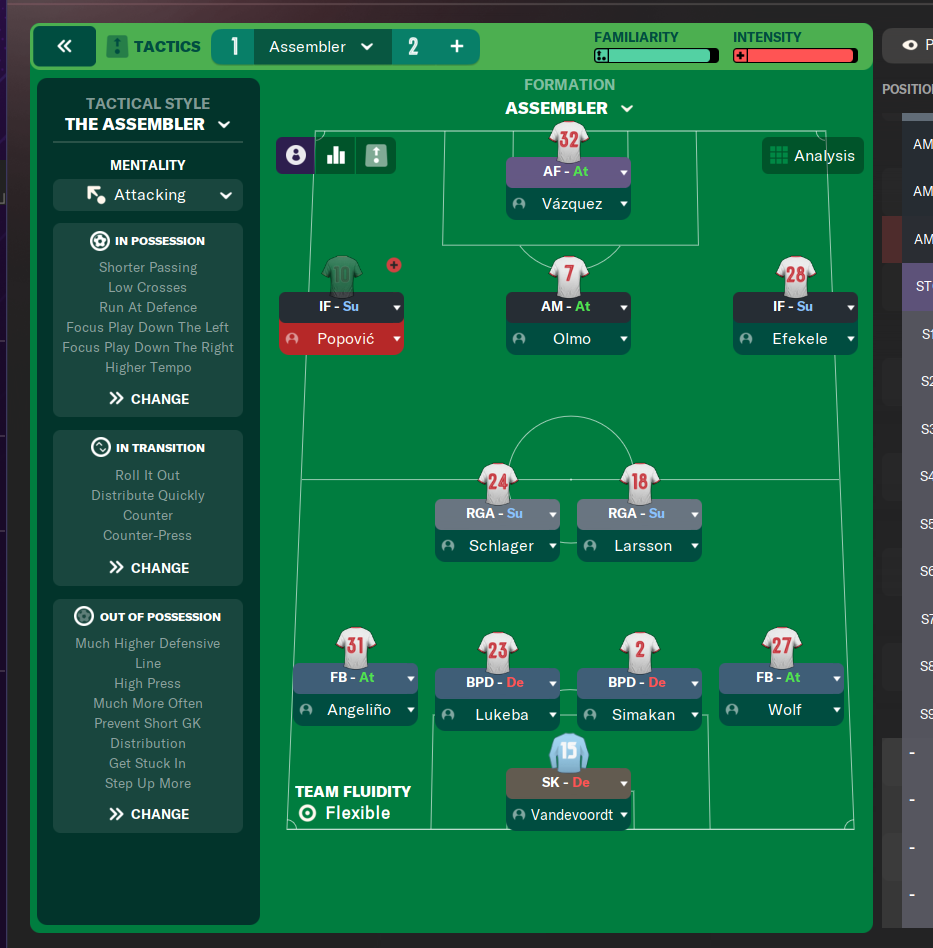
Formation & Style
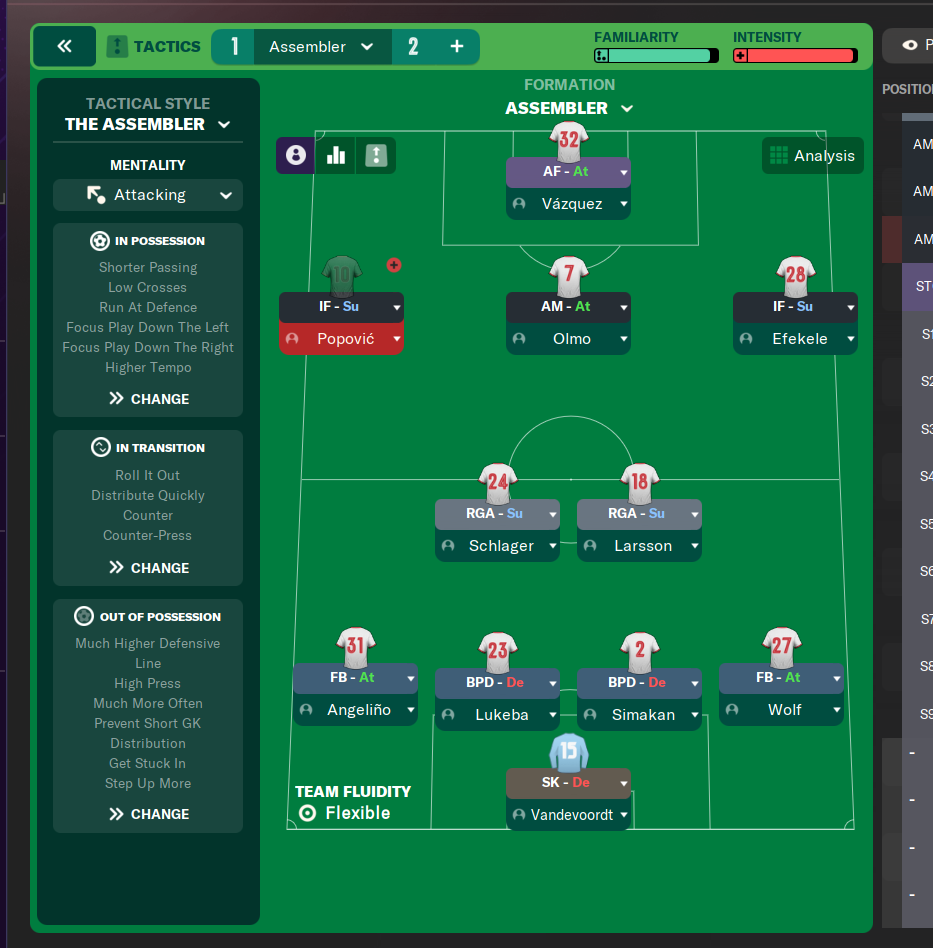
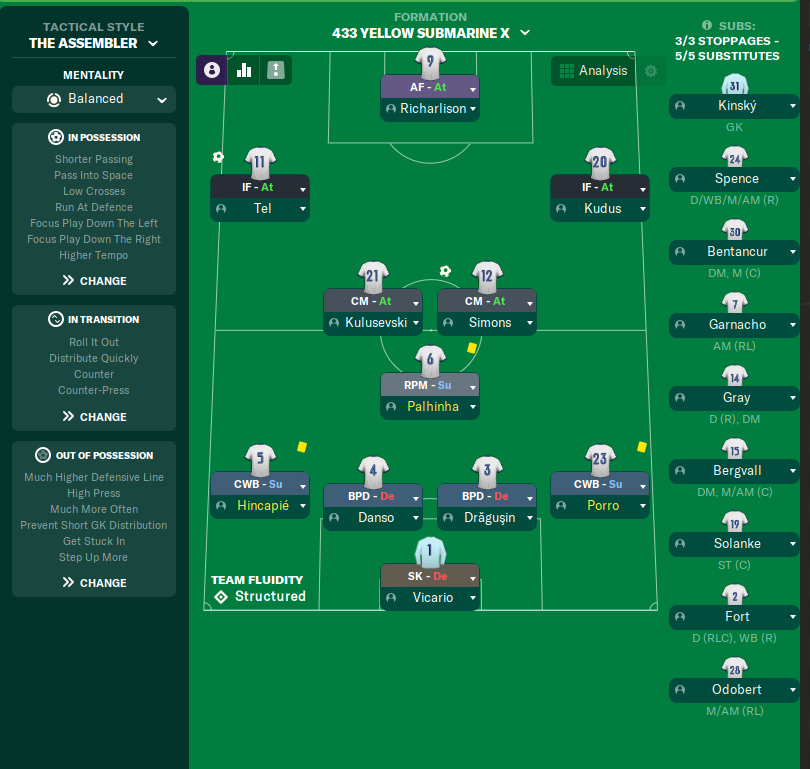
Tactical Style:The Assembler
Mentality:Attacking
Formation:4-2-3-1
Team Fluidity:Flexible
In Possession
Shorter Passing
Low Crosses
Focus Play Down The Left
Focus Play Down The Right
Higher Tempo
In Transition
Roll It Out
Distribute Quickly
Counter
Counter-Press
Out of Possession
Much Higher Defensive Line
High Press
Much More Often Prevent Short GK Distribution
Get Stuck In
Step Up More
Team Shape Without Ball
Shape:High Defensive Line
Description:Maintains a compact shape while pushing opponents back, trying to limit their space.
Evidence:High press instructed and much higher defensive line.
Team Shape With Ball
Shape:Fluid Attacking Movement
Description:A fluid attacking shape focusing on width from inside forwards and full-backs.
Evidence:Focus play down the left and right with attacking full-backs and inside forwards.
Phase Description
Attacking Play
Utilizes shorter passing and high tempo to create opportunity through flanking plays.
Defensive Transition
Quickly transitions into counter-press, attempting to regain possession high up the pitch.
Main Focus
Ball distribution through short passes and fluid movements between the attacking roles.
Key Strengths
Versatile Attacking Options
With both inside forwards and an attacking midfielder, the tactic provides multiple ways to create goal-scoring opportunities.
Strong Midfield Control
The double roaming playmaker setup ensures good connection between defense and attack.
High Pressing Game
High pressing combined with a much higher defensive line may disrupt opponent's build-up play.
Conflicting Directions
Potential Vulnerability on Flanks
Attacking full-backs may leave spaces behind during transitions, especially against counter-attacks.
Reliance on Inside Forwards
Dependency on dominating the wide areas through inside forwards might be ineffective against narrow setups.
High Defensive Risk
A much higher defensive line may be risky against pacey attackers.
Tactical Suggestions
Consider Tactical Flexibility
Adjusting roles to provide more defensive stability can help mitigate vulnerabilities during transitions.
Enhance Central Midfield Control
Using a single deep-lying playmaker could consolidate midfield control and provide more defensive cover.
Evaluate Pressing Intensity
Adjusting pressing tactics may reduce risk during counter-attacks effectively.
Ask Questions About Your Lineup
Related Tactics
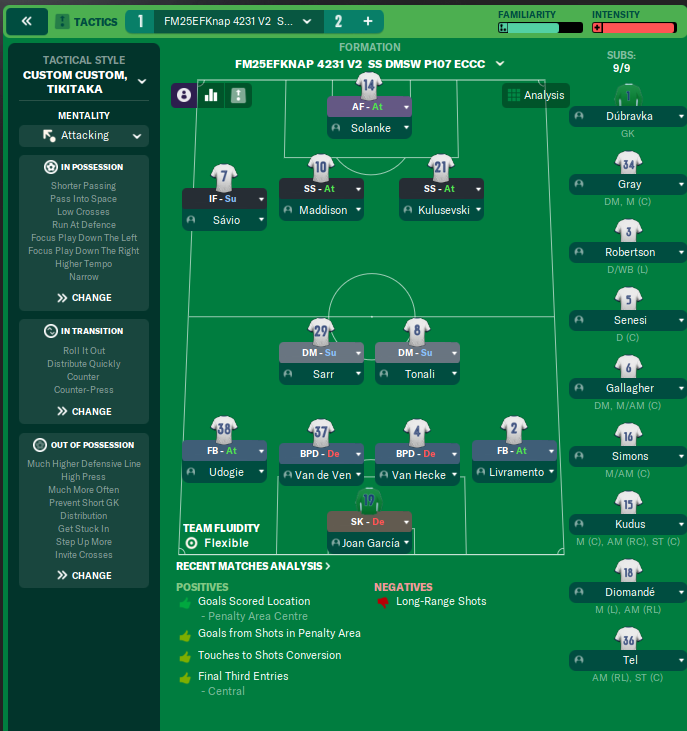
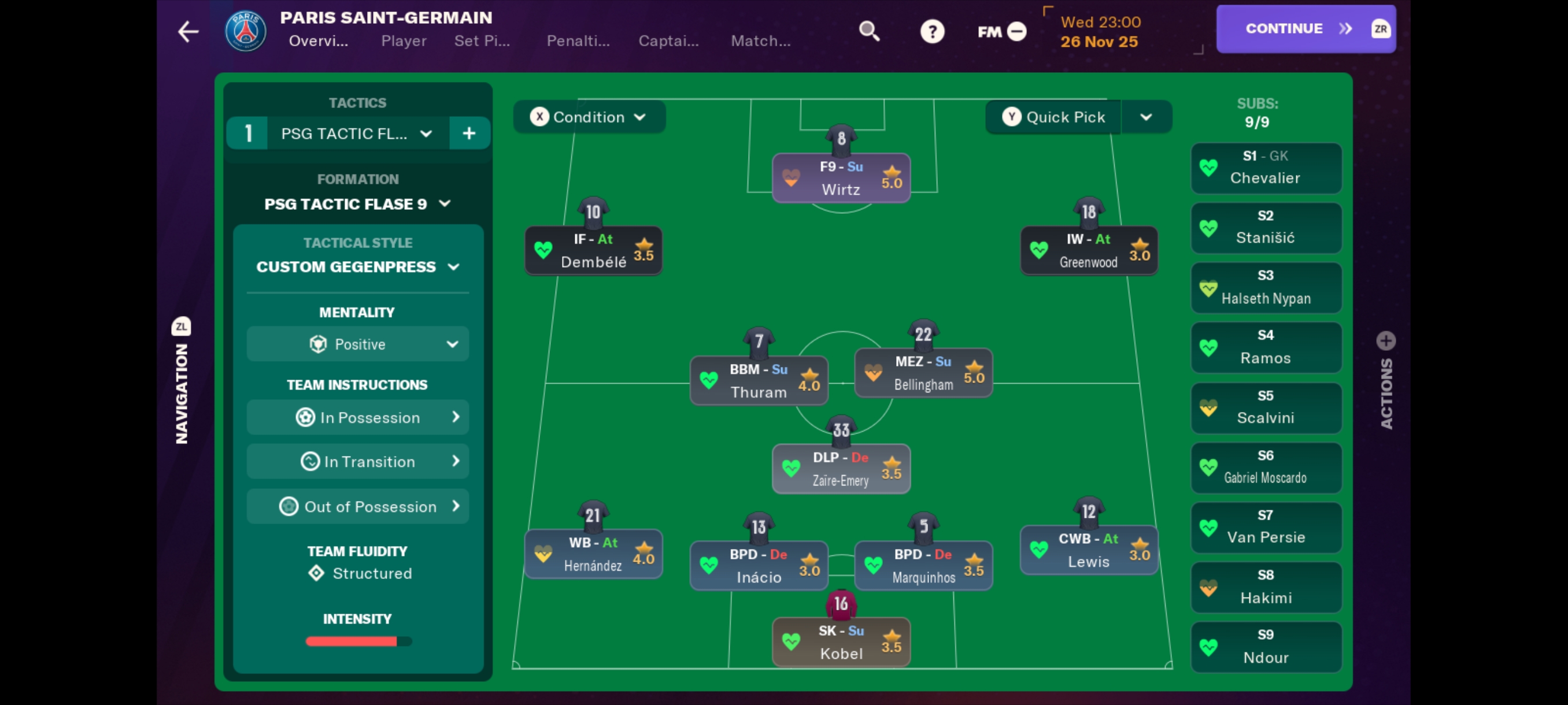
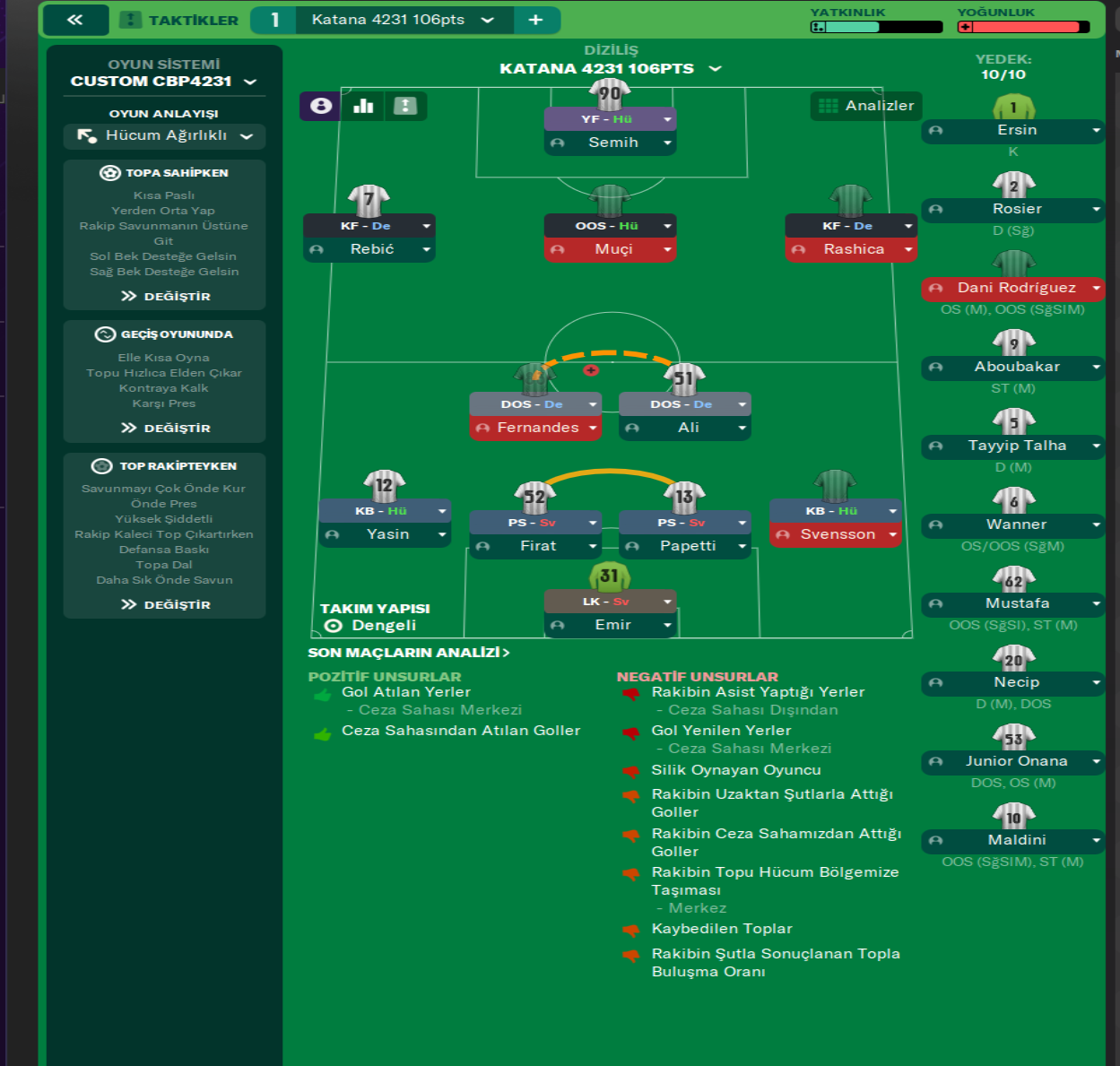
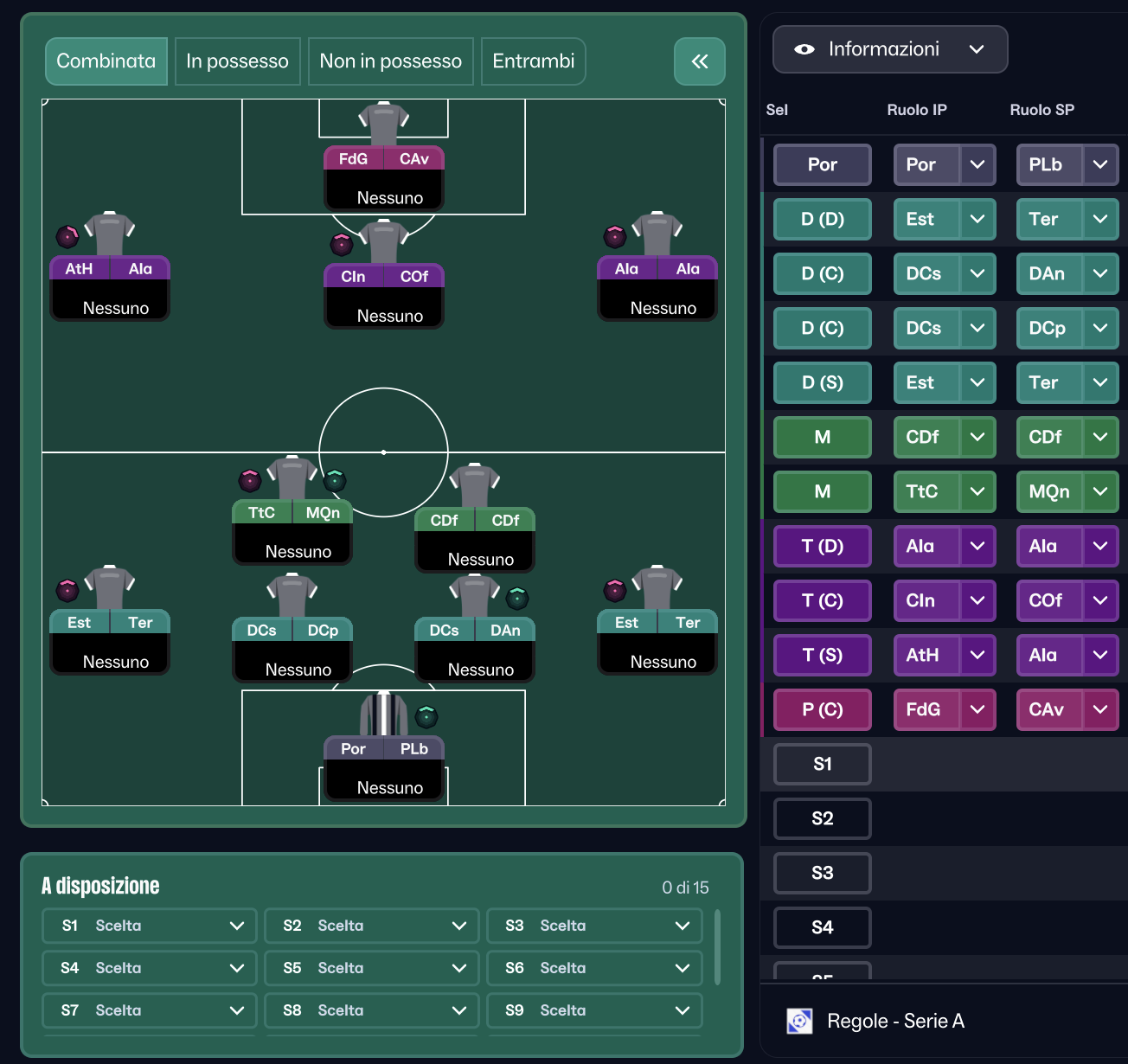
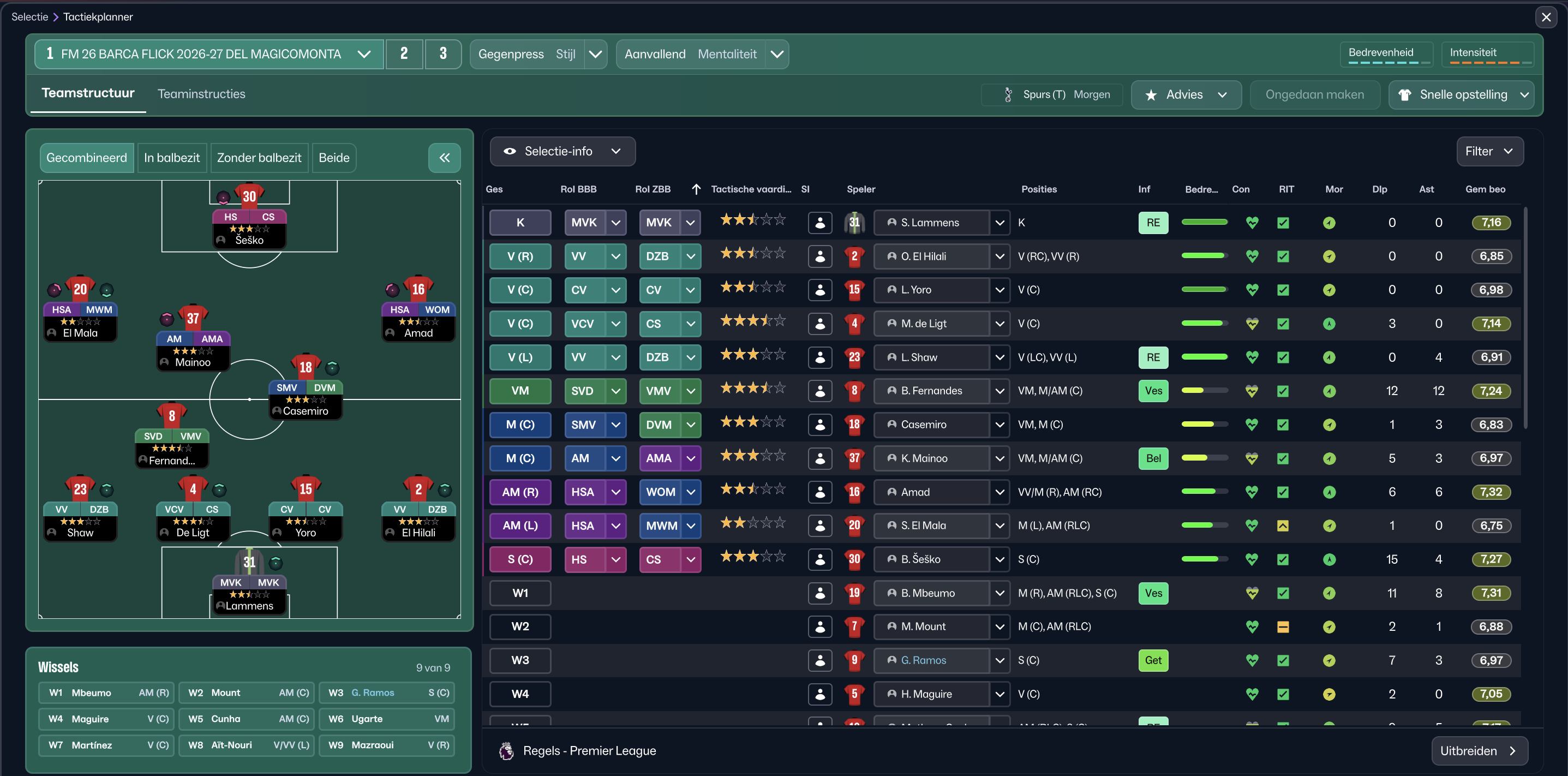
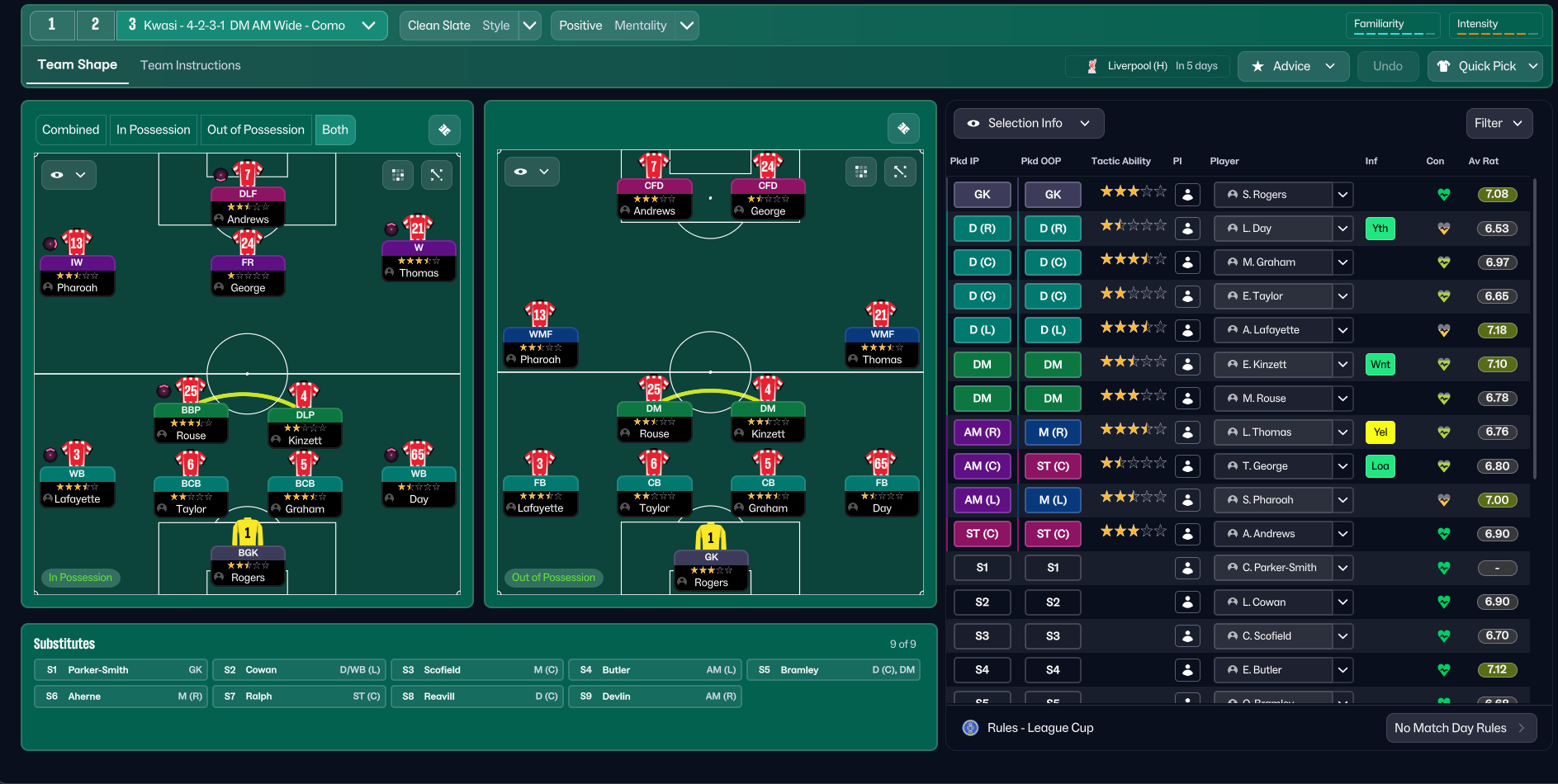
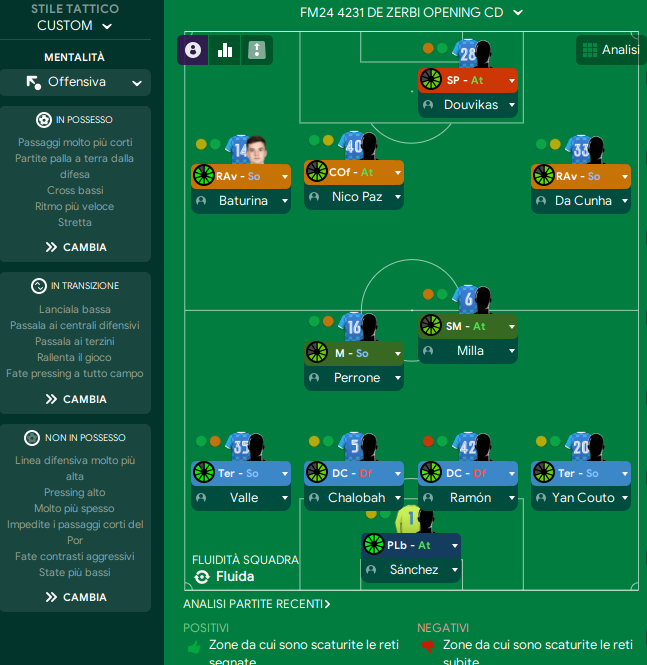
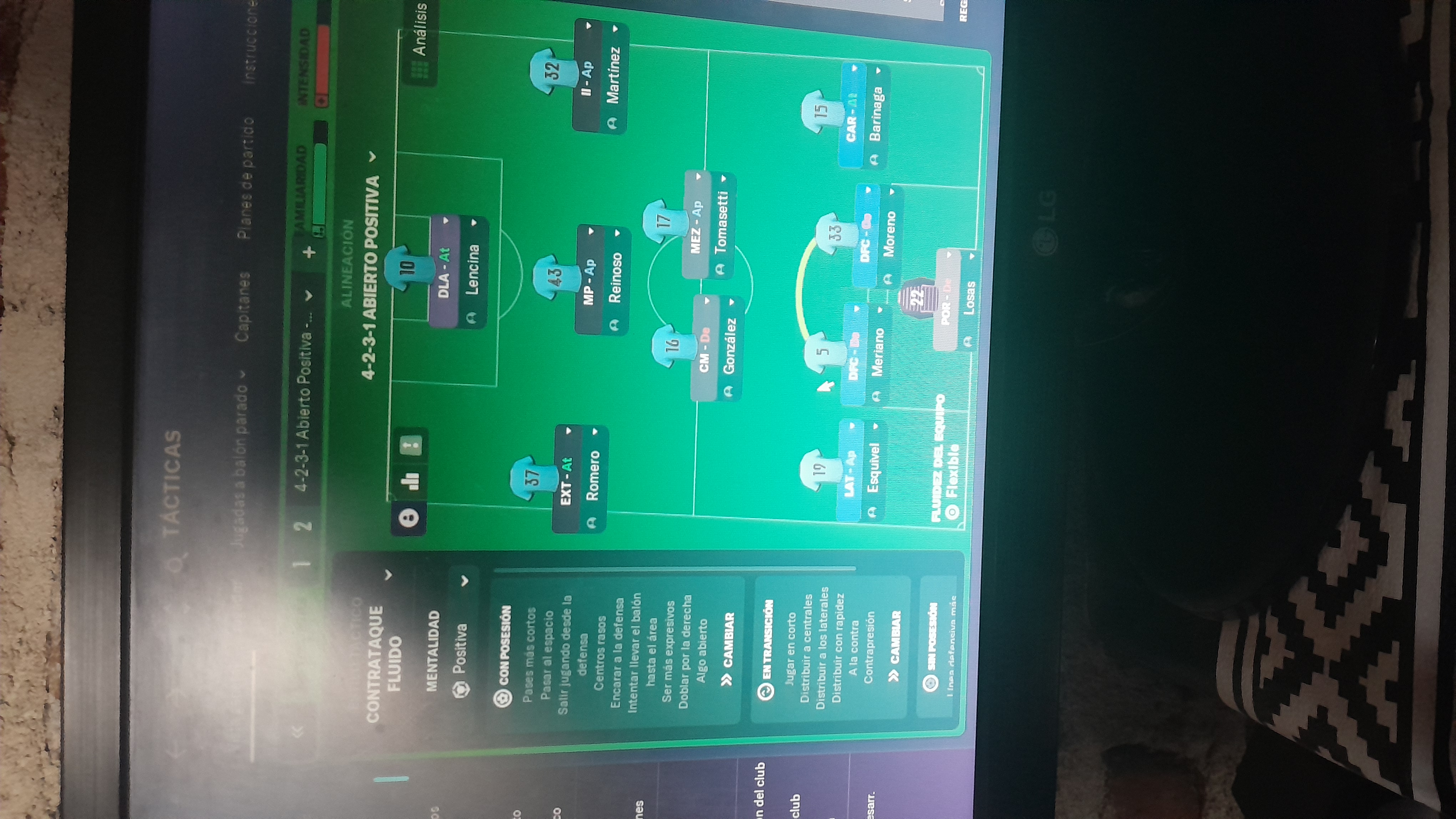
More The Assembler tactics
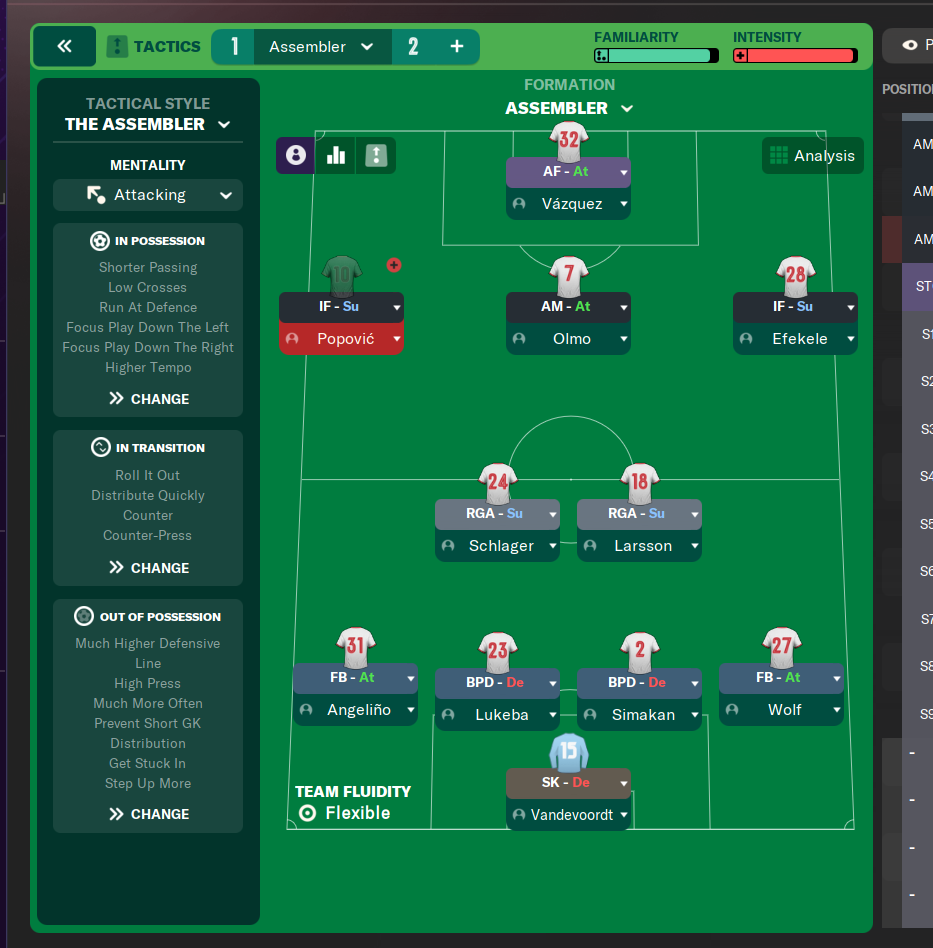
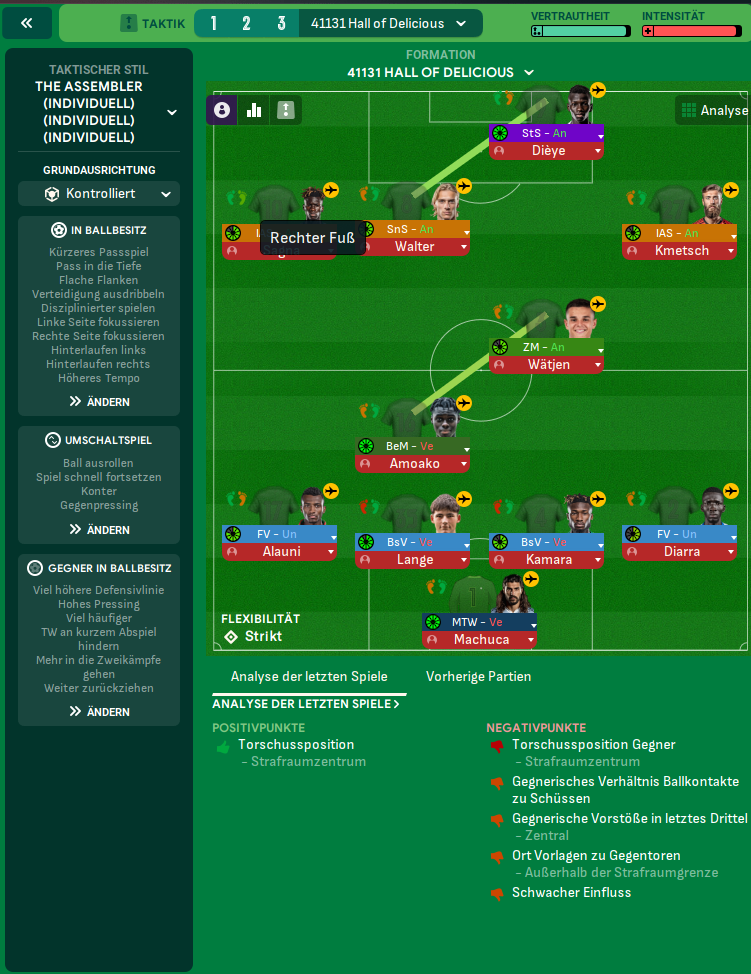
Guides for this formation
The tactical theory behind the 4-2-3-1: roles, instructions, and the trade-offs that decide whether the system holds up.
Player pairings
Midfield Pairs in 4-2-3-1 and 4-4-2
Double pivots and flat pairs in 4-2-3-1 and 4-4-2: when each pairing works, when it collapses, and the AMC unicorn that rescues both.
Read guide
Playing styles
Gegenpressing: A Full Guide
Klopp-style gegenpressing in FM, including squad profile, line-and-press pairing, sustainable workload, and the antipatterns to avoid.
Read guide