Uploaded Tactic
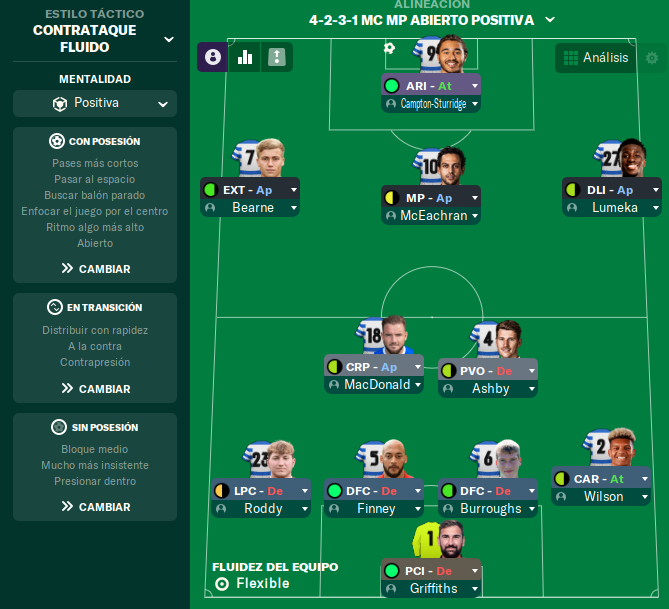
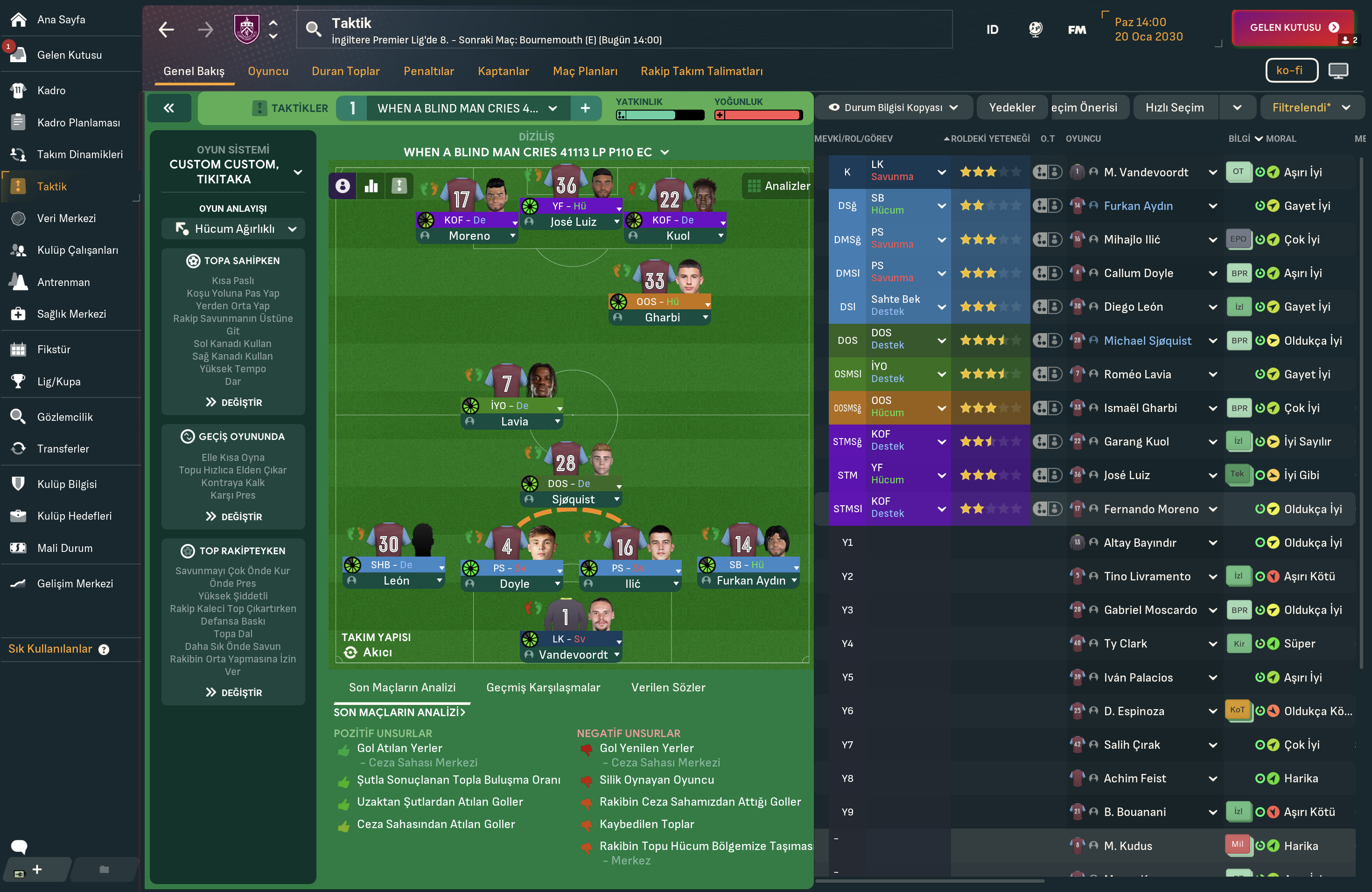
Formation & Style
Tactical Style:Fluid Counterattack
Mentality:Positive
Formation:4-2-3-1
Team Fluidity:Flexible
In Possession
Shorter passing
Pass into space
Look for set pieces
Focus play through the middle
Slightly higher tempo
Expansive
In Transition
Distribute quickly
Counter-press
Out of Possession
Medium block
Much more urgent pressing
Press inside
Team Shape Without Ball
Shape:Compact
Description:Defensive players are positioned to limit opposition space and options.
Evidence:DF at [2,2], [2,3], [2,4]; DMC at [3,3] provides additional cover.
Team Shape With Ball
Shape:Expansive
Description:Utilizes the width of the pitch with inside forward and wing playmaker creating diverse attack angles.
Evidence:Wingers at [6,2], [6,4]; Playmaker at [4,3] facilitates attacking play.
Phase Description
Attacking Play
Focus on through balls and exploiting spaces created by the inside forward and wing playmaker.
Defensive Transition
Quickly press the opposition upon losing possession to regain control of the ball.
Main Focus
Dominating midfield play and using width to stretch the opposition.
Key Strengths
Strong Wing Play
The presence of a complete wing-back and inside forward allows for effective exploitation of wide areas.
Midfield Control
A ball-winning midfielder is essential for recovering possession and transitioning quickly to attack.
Fluid Attacking Movements
The advanced forward works well with inside forward and playmaker, increasing goal-scoring opportunities.
Conflicting Directions
Potential Pressing Issues
While pressing more urgently, the compact shape can leave gaps if not executed correctly.
Vulnerability on the Wings
Full-backs may be exposed if wingers do not track back during defensive phases.
Over-reliance on the Playmaker
The team could become predictable if reliant solely on the advanced playmaker for creativity.
Tactical Suggestions
Consider Covering Defenders
Adjust the full-back duty to ensure defensive solidity when countered rapidly.
Increase Depth in Midfield
Bringing in another midfielder or adjusting roles can bolster midfield dominance.
Adjust Width of Play
Experimenting with a hybrid approach could keep the opponent guessing and open avenues.
Ask Questions About Your Lineup
Related Tactics
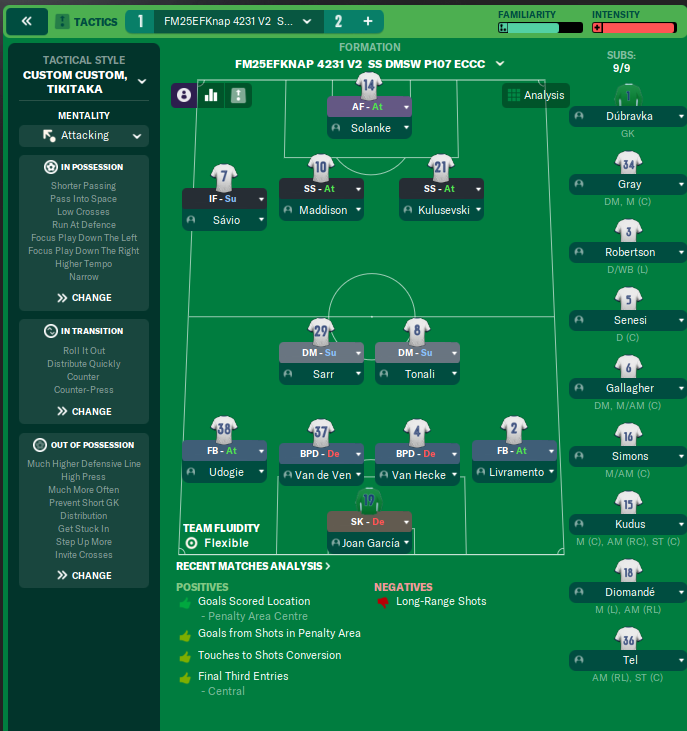
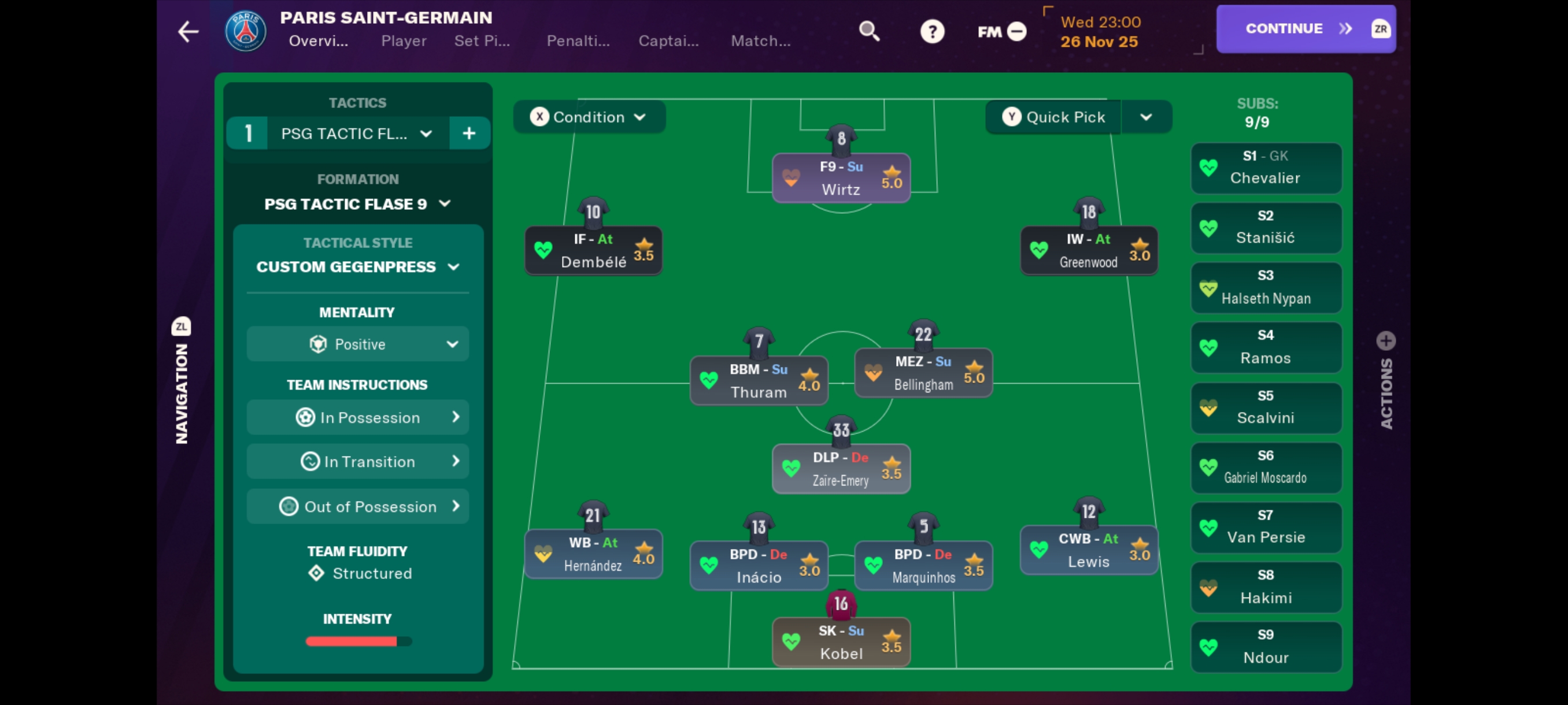
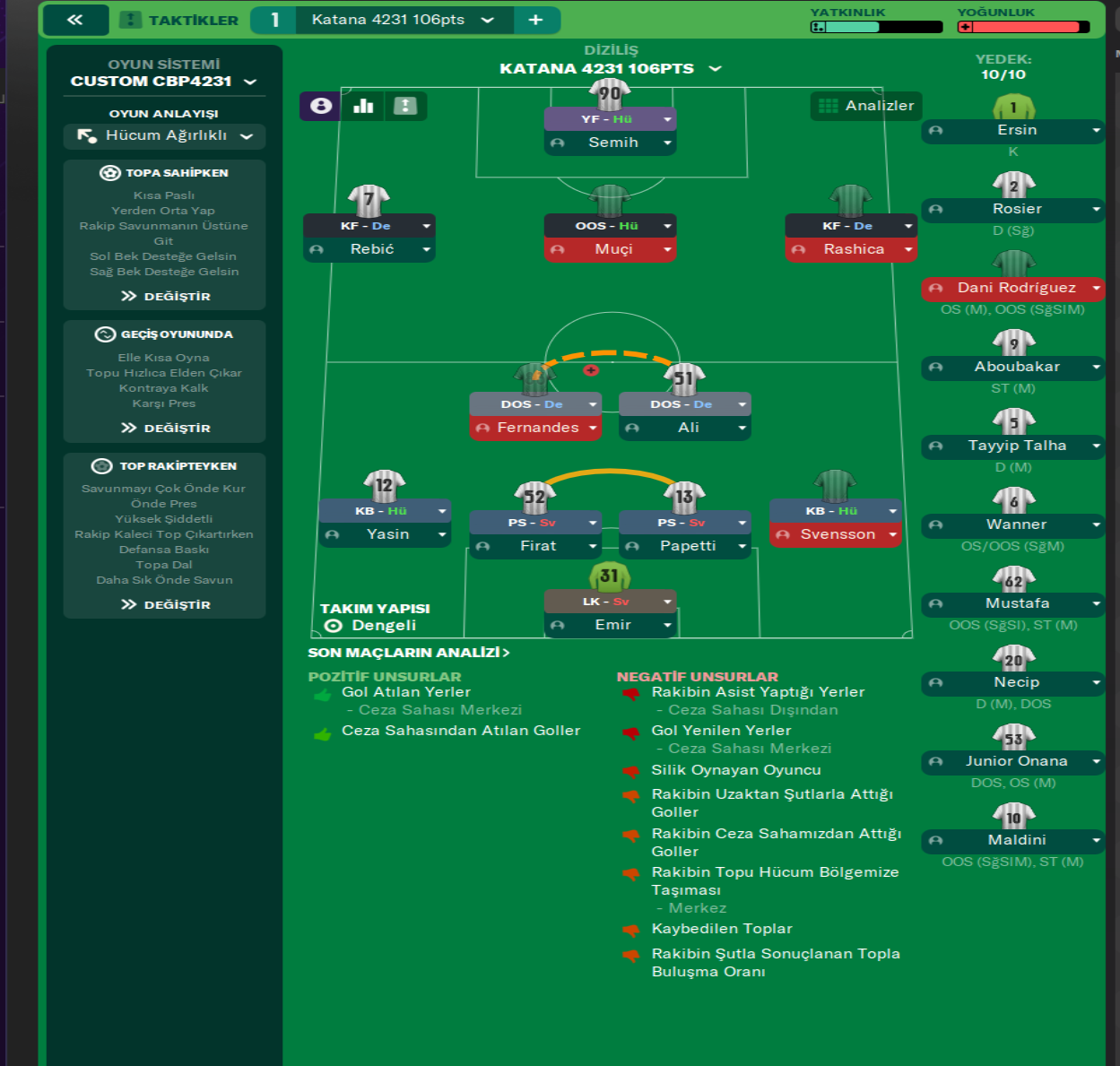
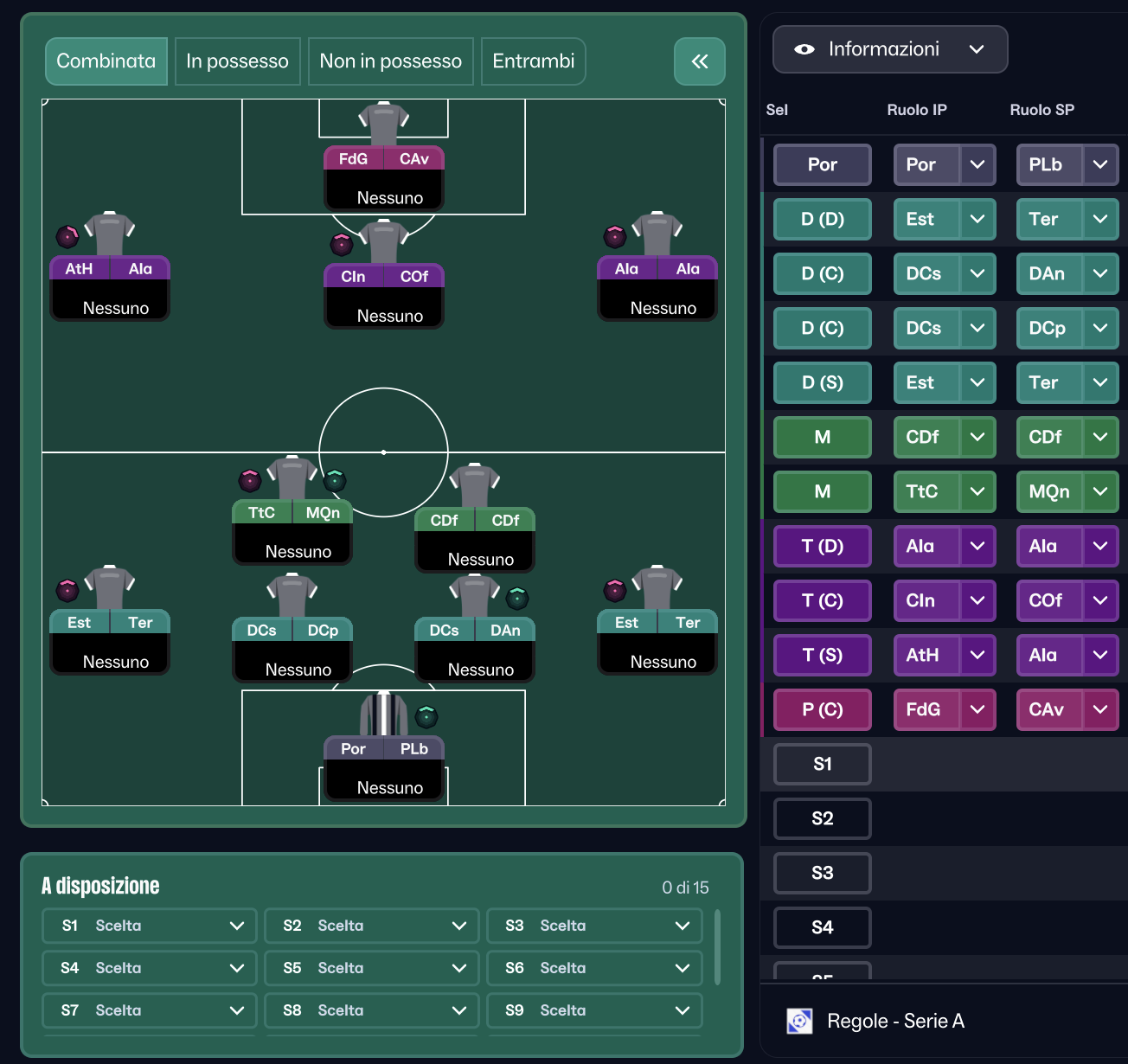
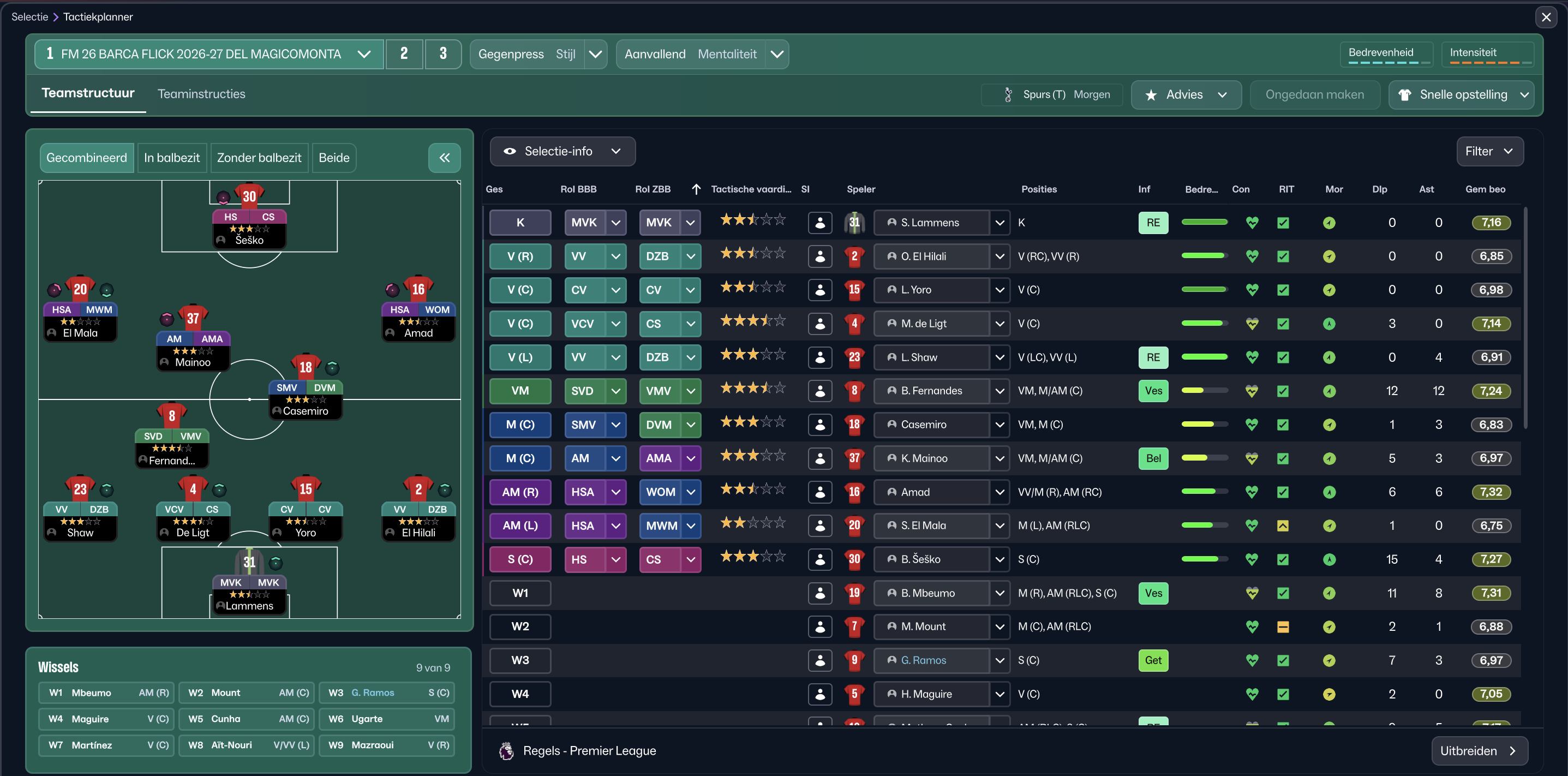
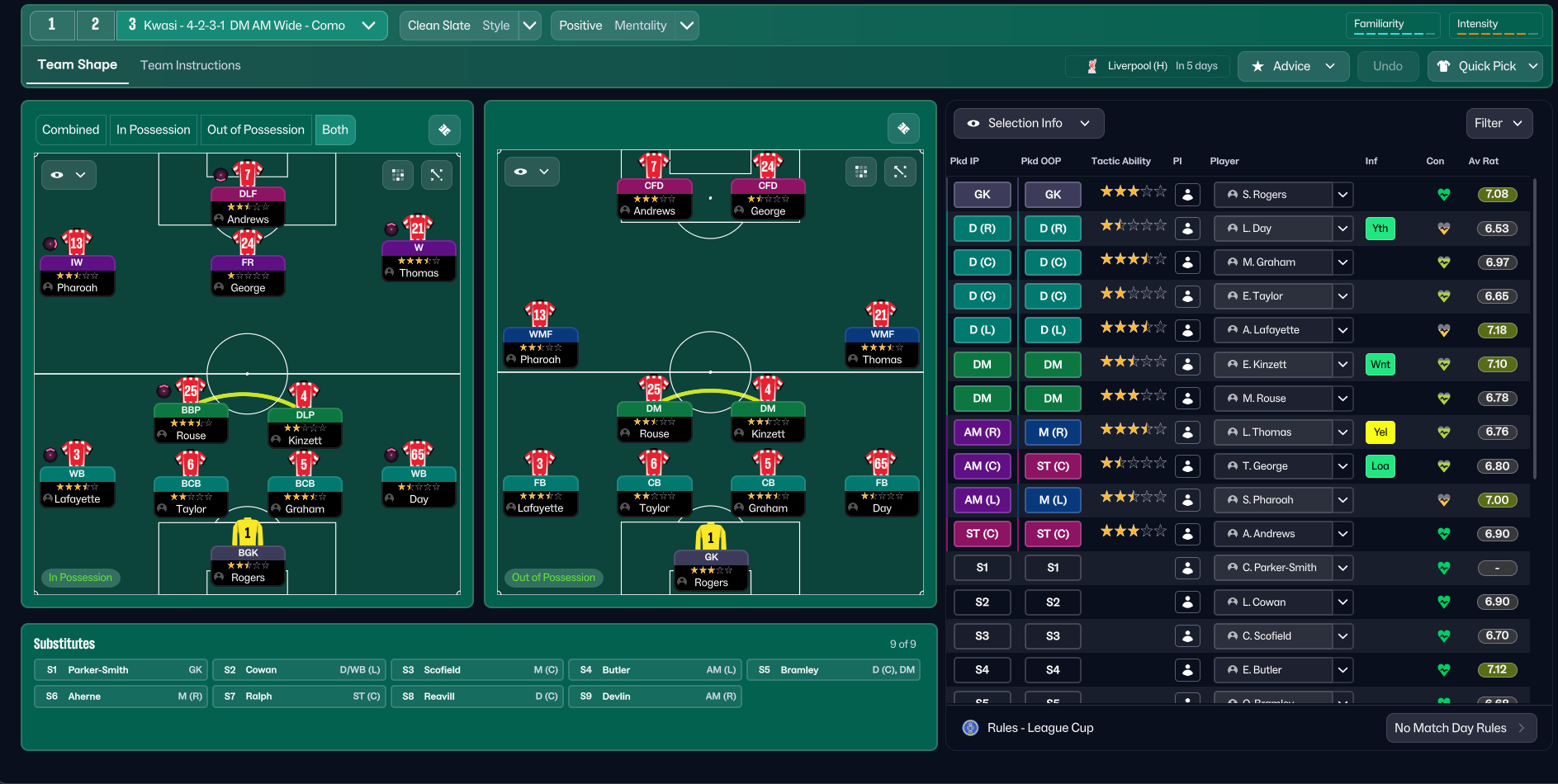
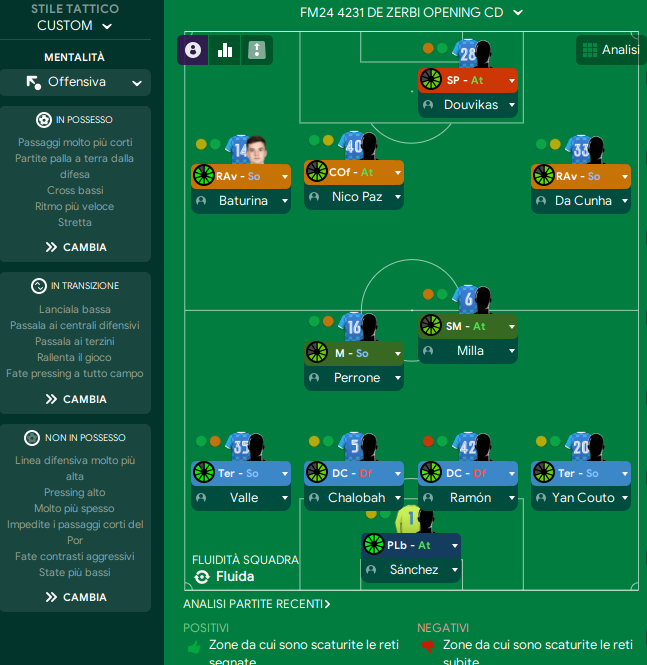
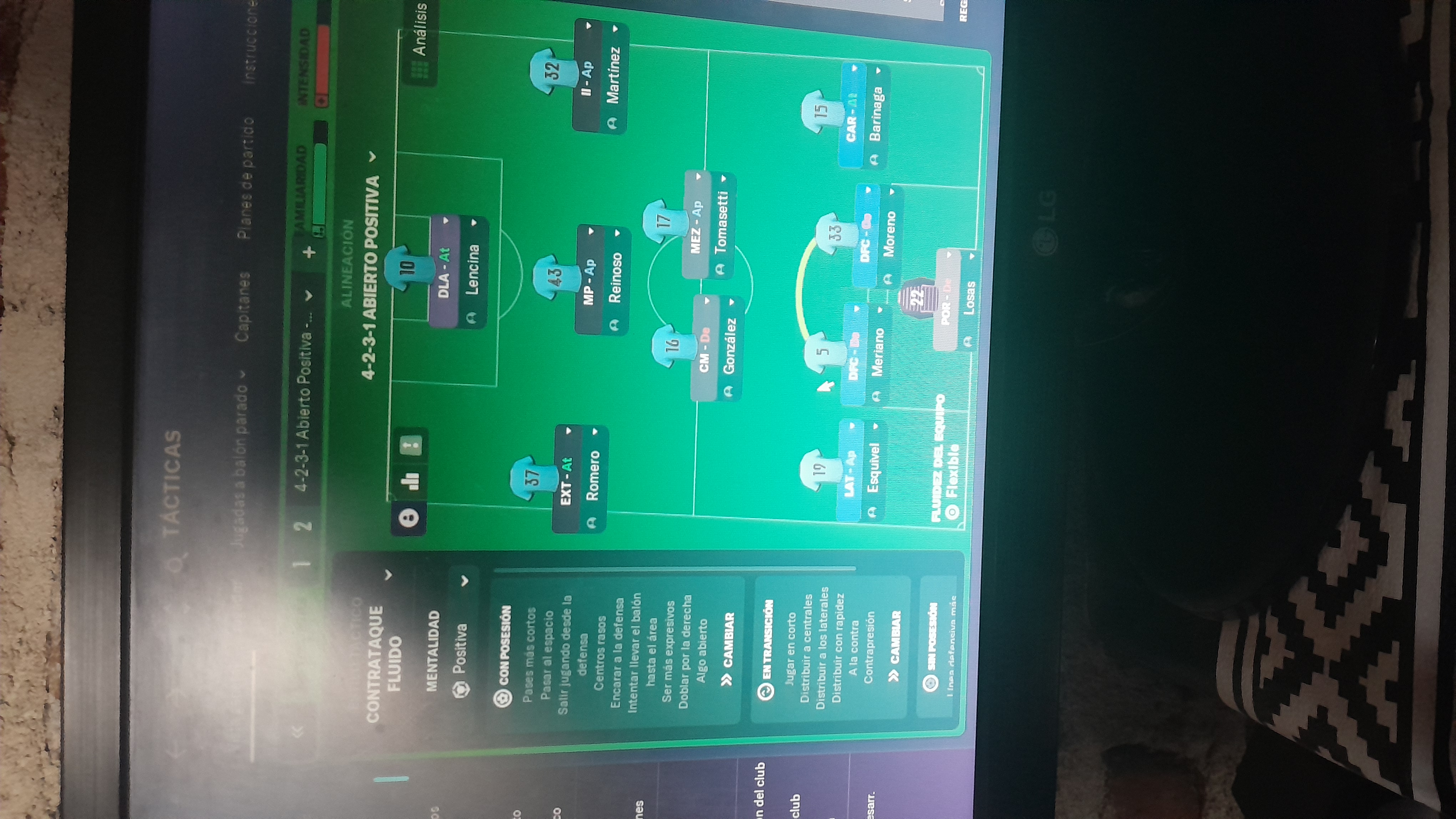
More Fluid Counterattack tactics
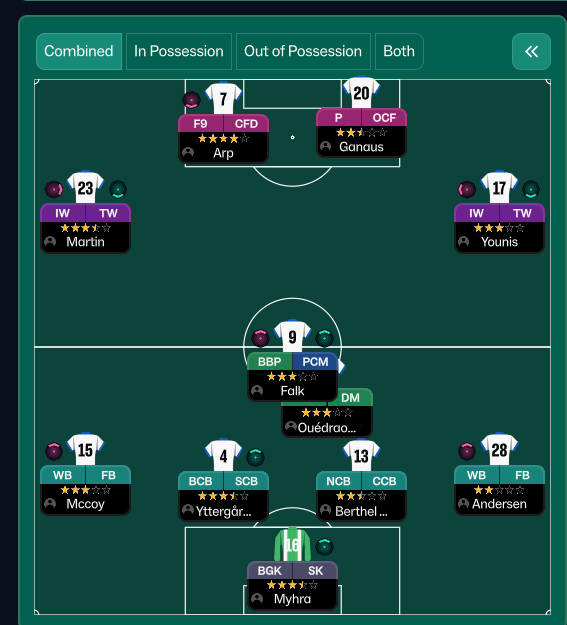
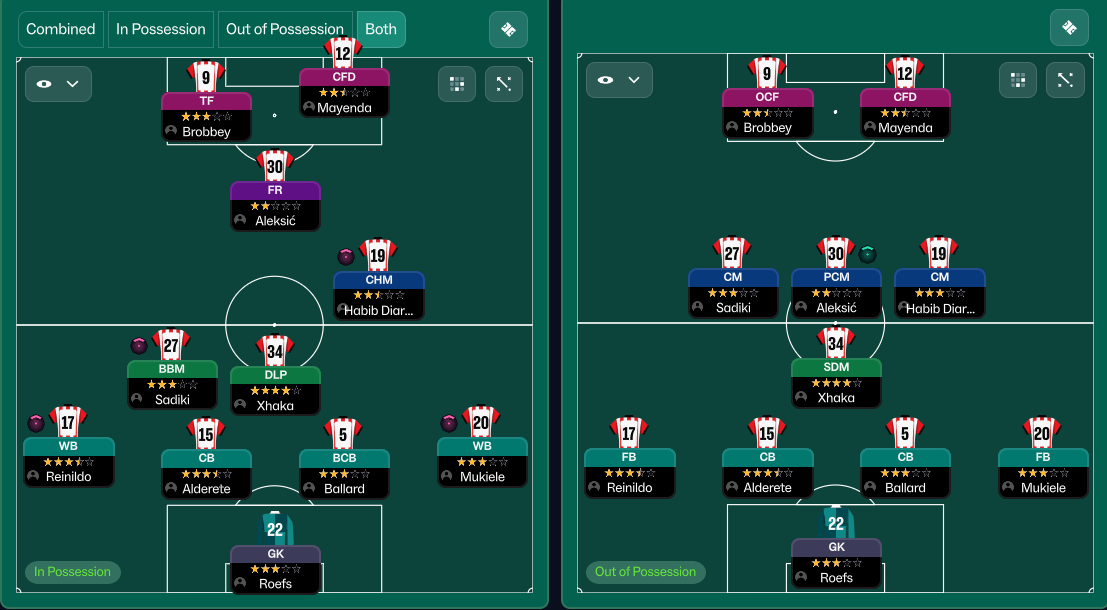
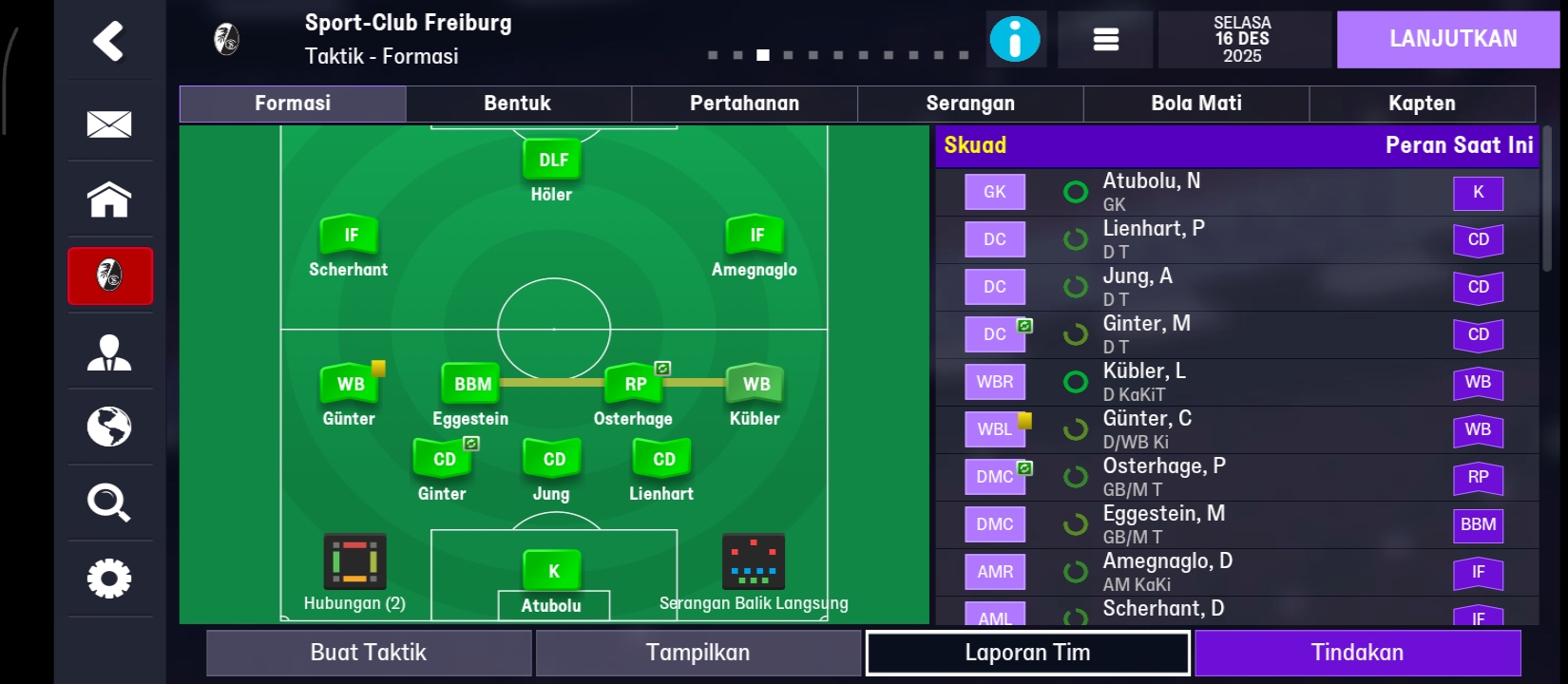
Guides for this formation
The tactical theory behind the 4-2-3-1: roles, instructions, and the trade-offs that decide whether the system holds up.
Player pairings
Midfield Pairs in 4-2-3-1 and 4-4-2
Double pivots and flat pairs in 4-2-3-1 and 4-4-2: when each pairing works, when it collapses, and the AMC unicorn that rescues both.
Read guide
Playing styles
Gegenpressing: A Full Guide
Klopp-style gegenpressing in FM, including squad profile, line-and-press pairing, sustainable workload, and the antipatterns to avoid.
Read guide