Uploaded Tactic
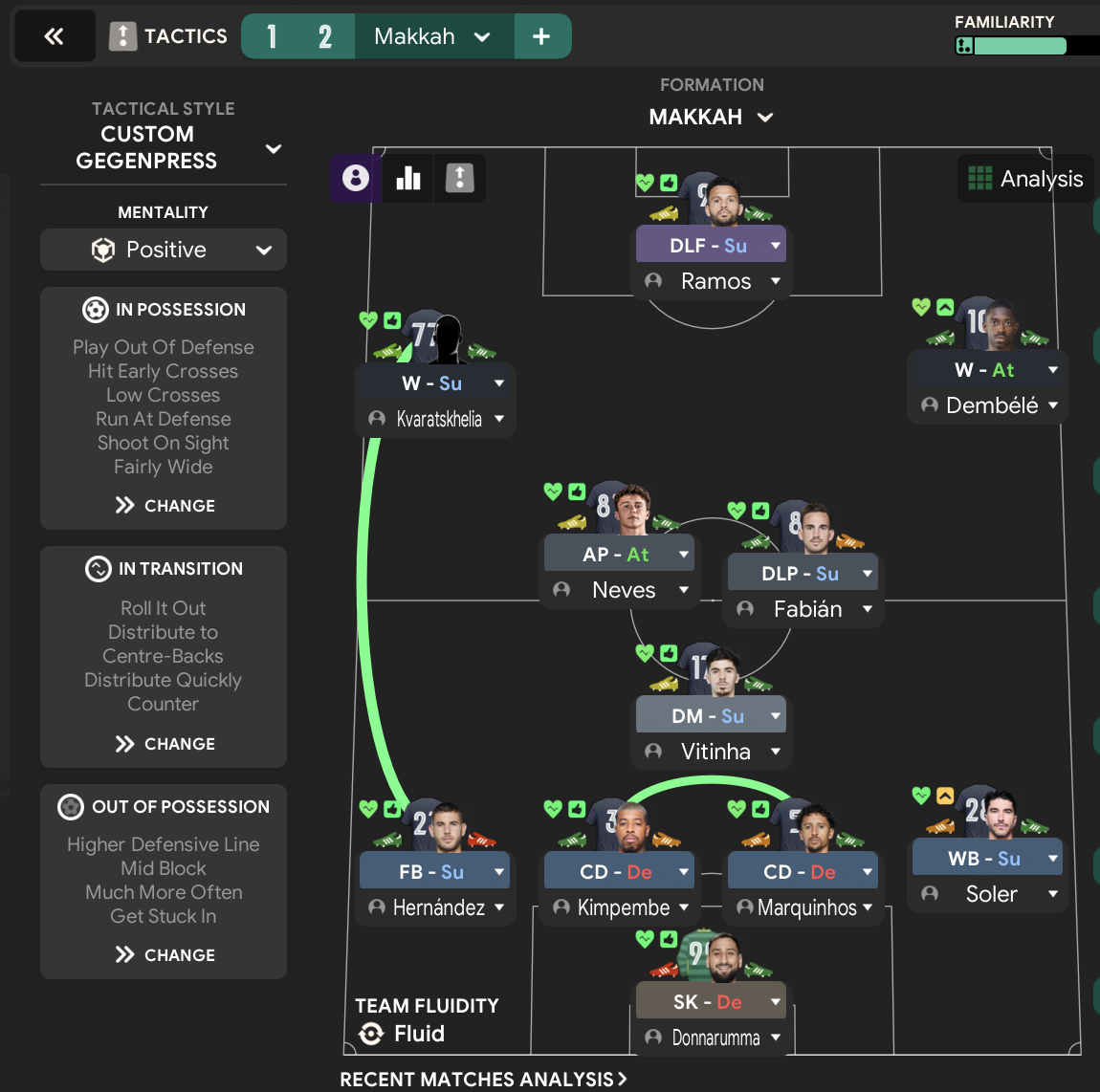
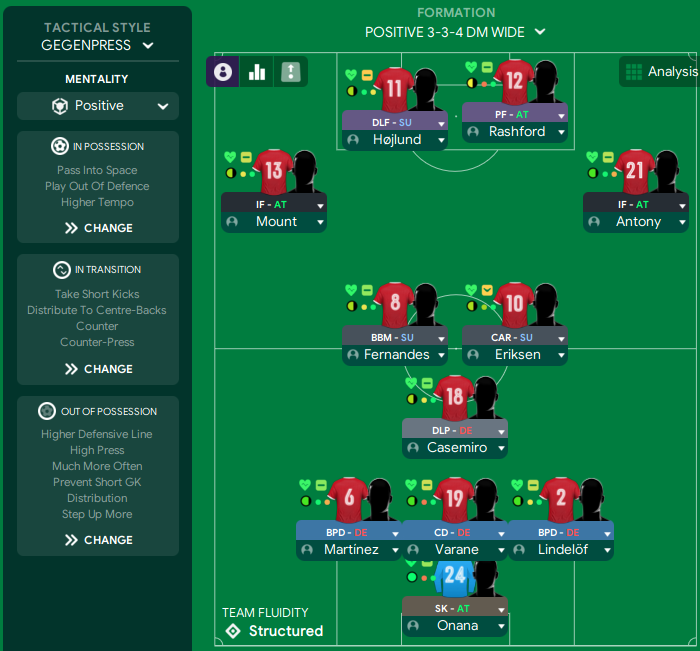
Formation & Style
Tactical Style:Gegenpress
Mentality:Positive
Formation:4-2-3-1 Wide
Team Fluidity:Fluid
In Possession
Play Out Of Defense
Hit Early Crosses
Low Crosses
Run At Defense
Shoot On Sight
Fairly Wide
In Transition
Roll It Out
Distribute to Centre-Backs
Distribute Quickly Counter
Out of Possession
Higher Defensive Line
Mid Block
Much More Often Prevent Short GK Distribution
Get Stuck In
Team Shape Without Ball
Shape:Mid Block
Description:Compact and disciplined defensive structure aimed at limiting space and effective pressing when out of possession.
Evidence:Higher Defensive Line + Mid Block with 'Get Stuck In'
Team Shape With Ball
Shape:Fluid Attack
Description:Players maintain positional interchange with emphasis on width and dynamic movement towards goal.
Evidence:Wingers + AP in AMC with 'Hit Early Crosses' and 'Run At Defense'
Phase Description
Attacking Play
Quick transitions with a focus on using width and exploiting spaces with early crosses.
Defensive Transition
Quick recovery to regain possession; players look to press and disrupt the opponent's build-up.
Main Focus
Utilizing attacking width and playing a quick, dynamic style to break down defenses.
Key Strengths
Dynamic Attack through Width
The use of wingers on both sides allows for stretching the opposition's defense.
Strong Midfield Control
A combination of playmakers supports both defensive stability and progressive play.
Defensive Solidity
Well-structured back line with a focus on keeping a compact shape.
Conflicting Directions
High Defensive Line vs. Counter-Attack
The high line may expose the defense to quick counter-attacks.
Mid Block with High Press
Pressing intensity may diminish effectiveness if players tire and drop deeper.
Conflict between Positional Play and Direct Attacking
Direct attacking can conflict with maintaining possession and build-up opportunities.
Tactical Suggestions
Consider Variability in Defensive Line Height
Adjusting the defensive line based on the opponent's pace could enhance defensive resilience.
Explore Central Overloads
Utilizing the DLP and AP to create overloads in central areas can enhance creativity.
Focus on Pressing Triggers
Using specific pressing triggers based on opponent setups can make pressing more effective.
Ask Questions About Your Lineup
Related Tactics
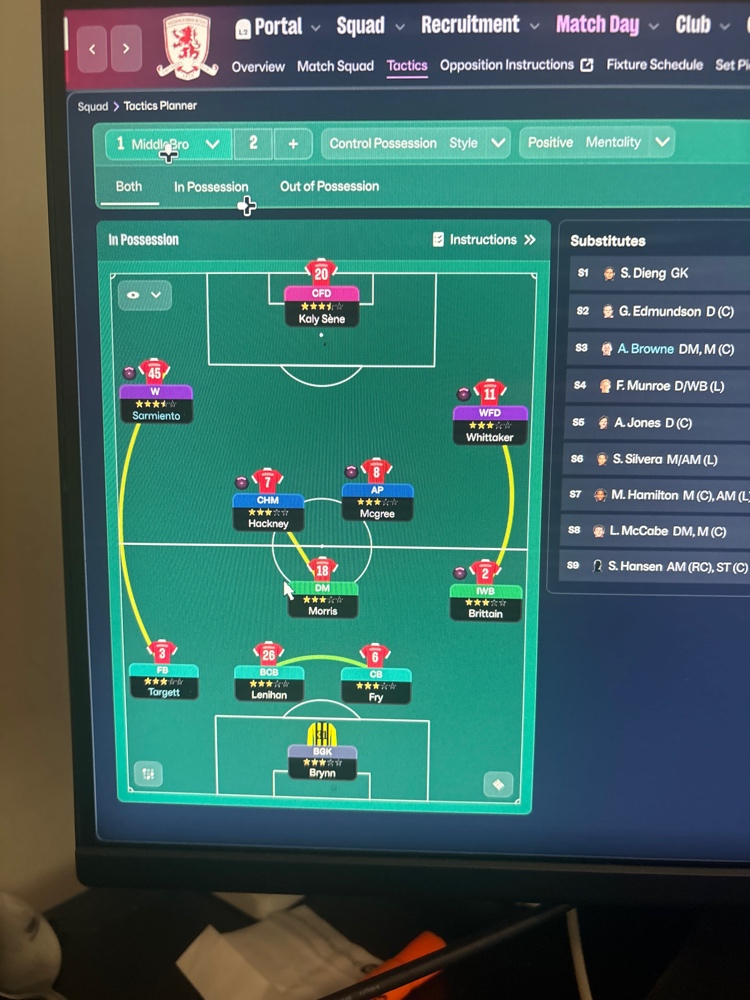
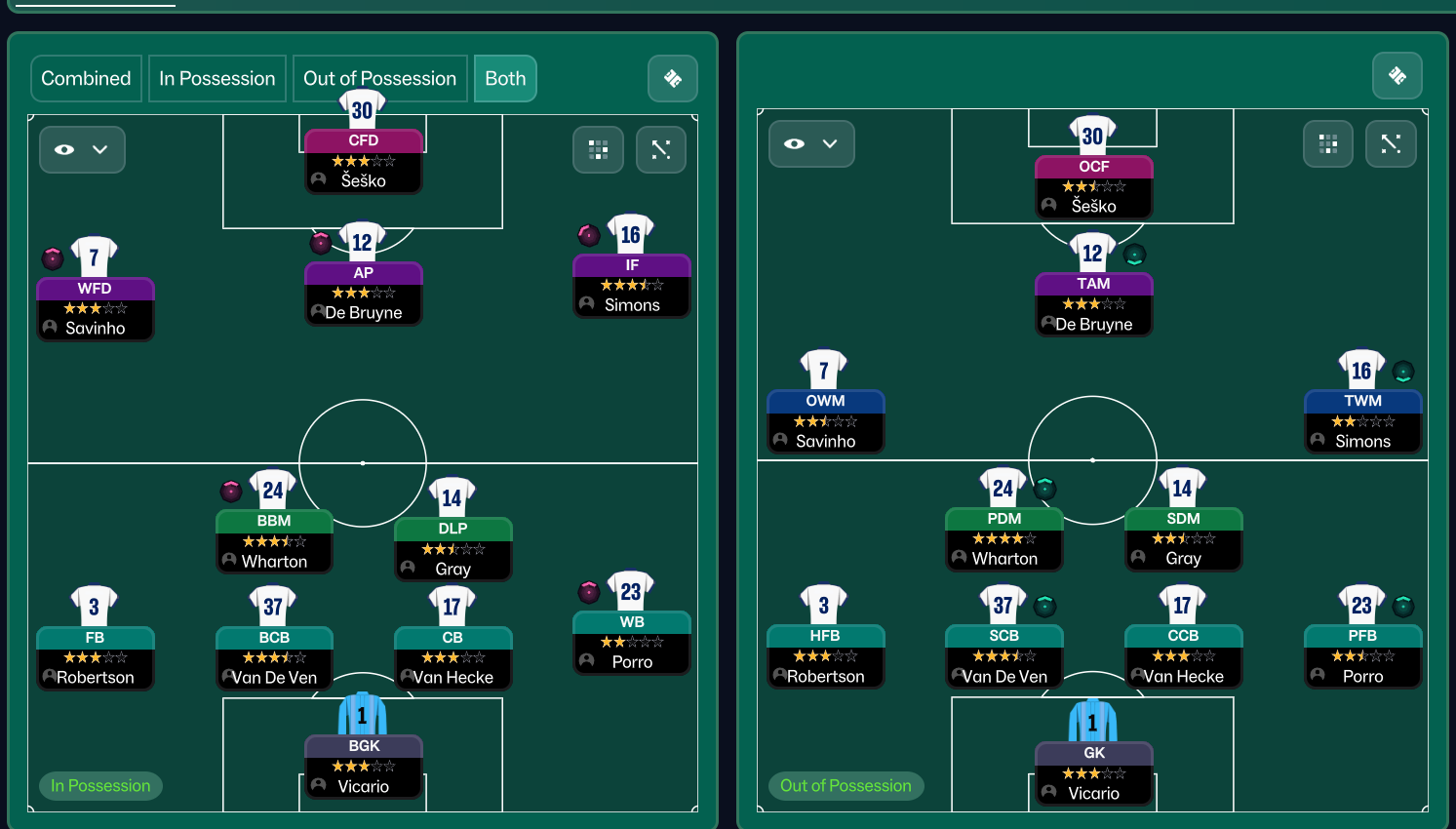
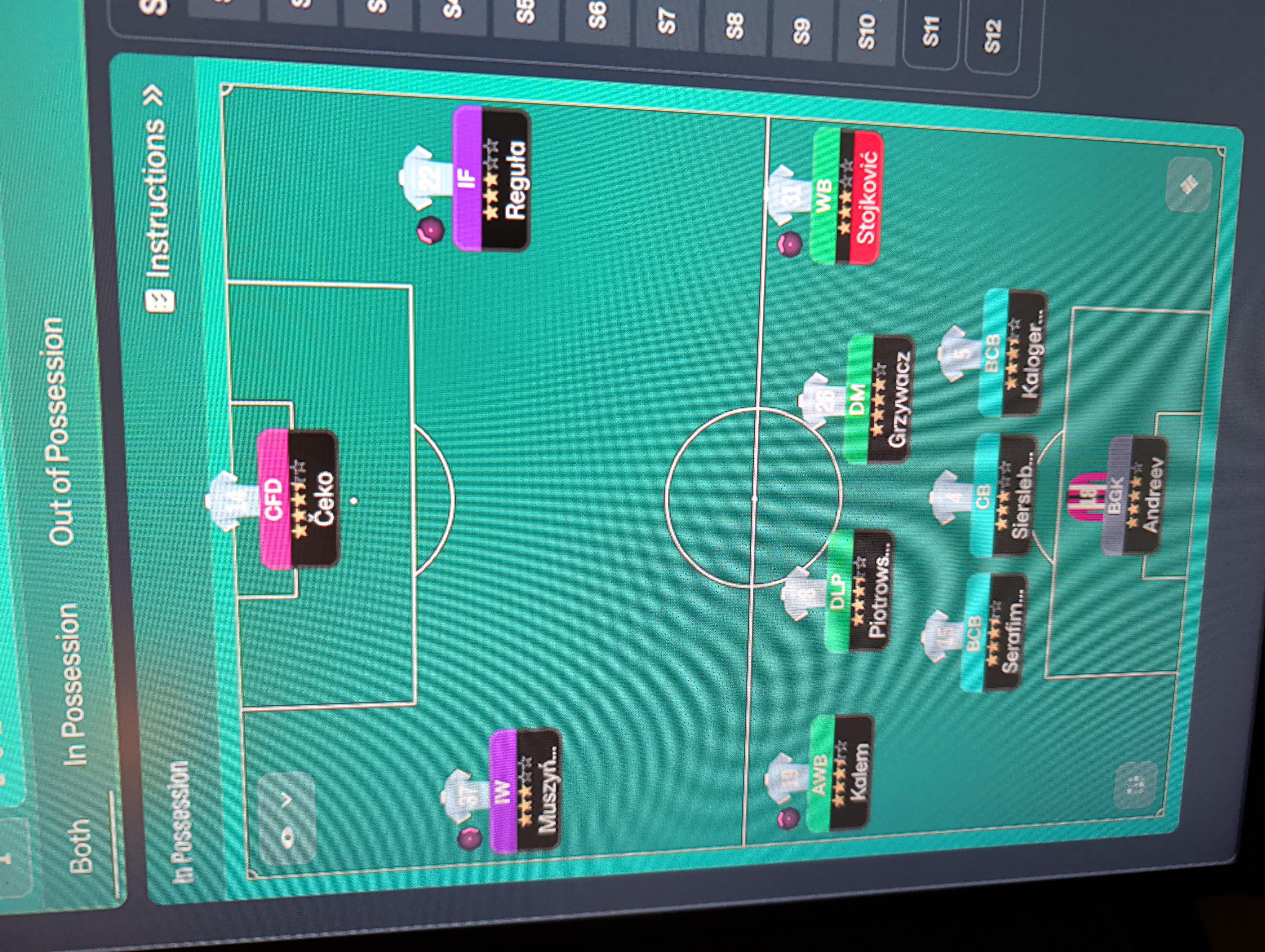
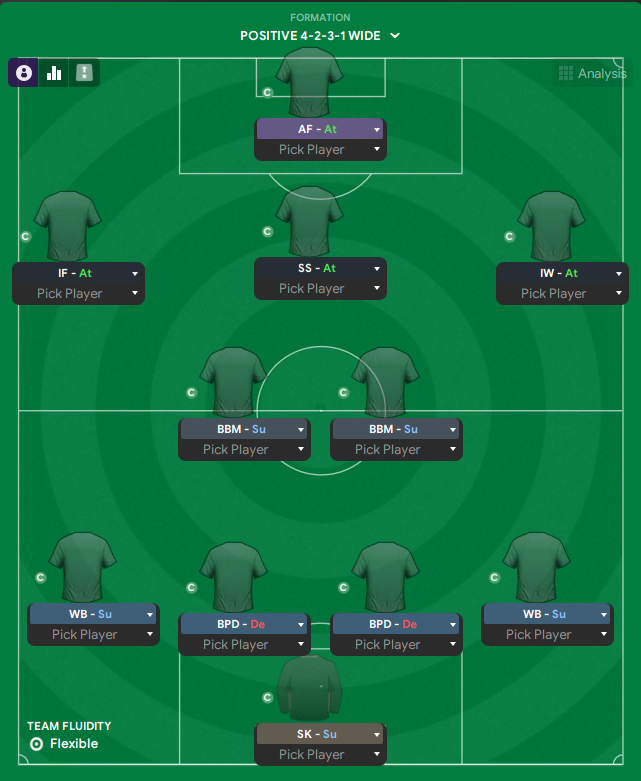
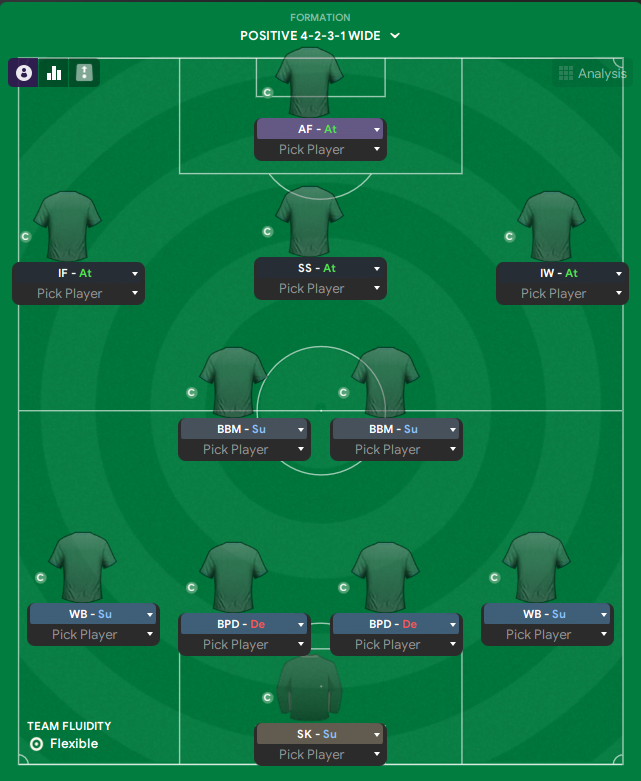
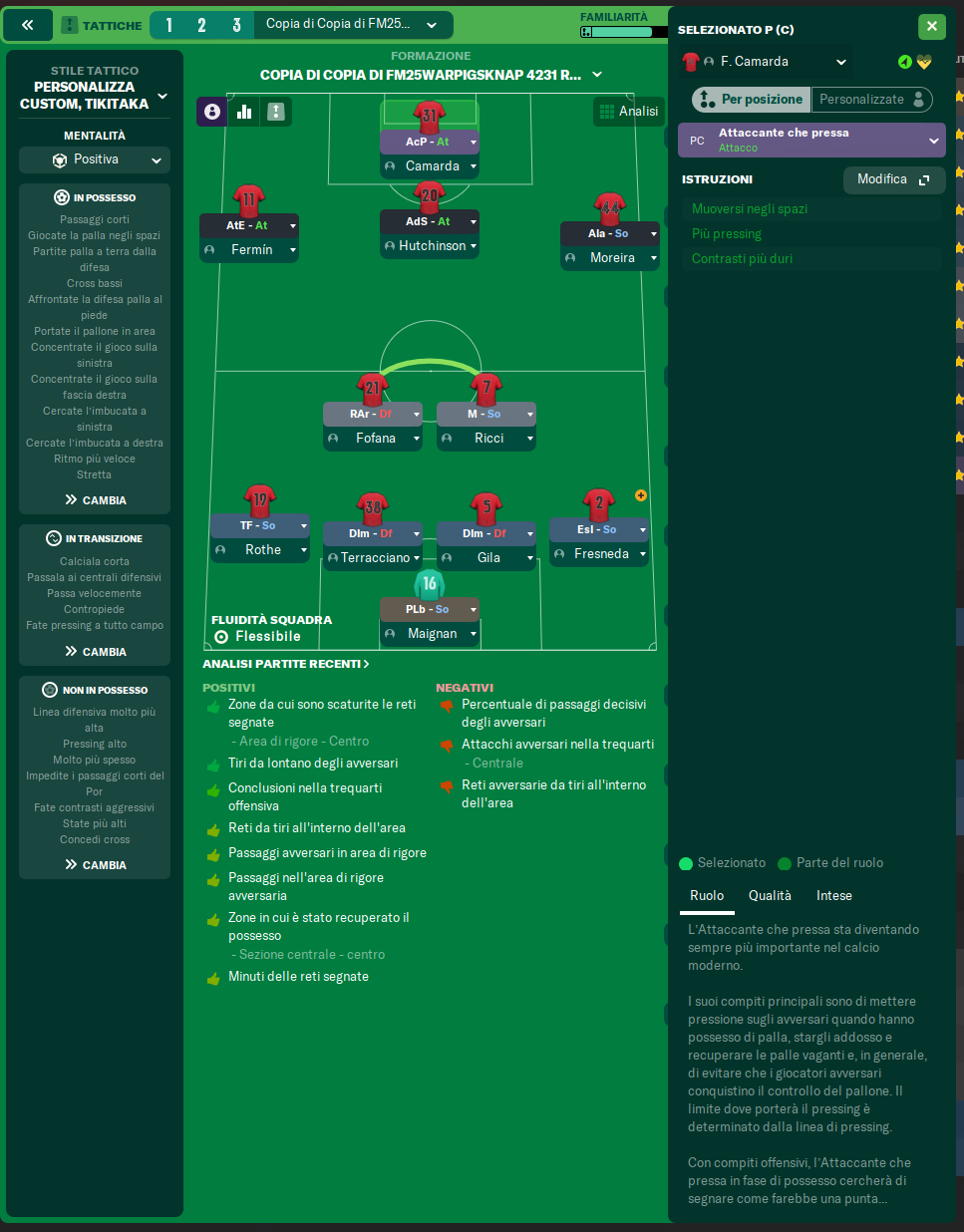
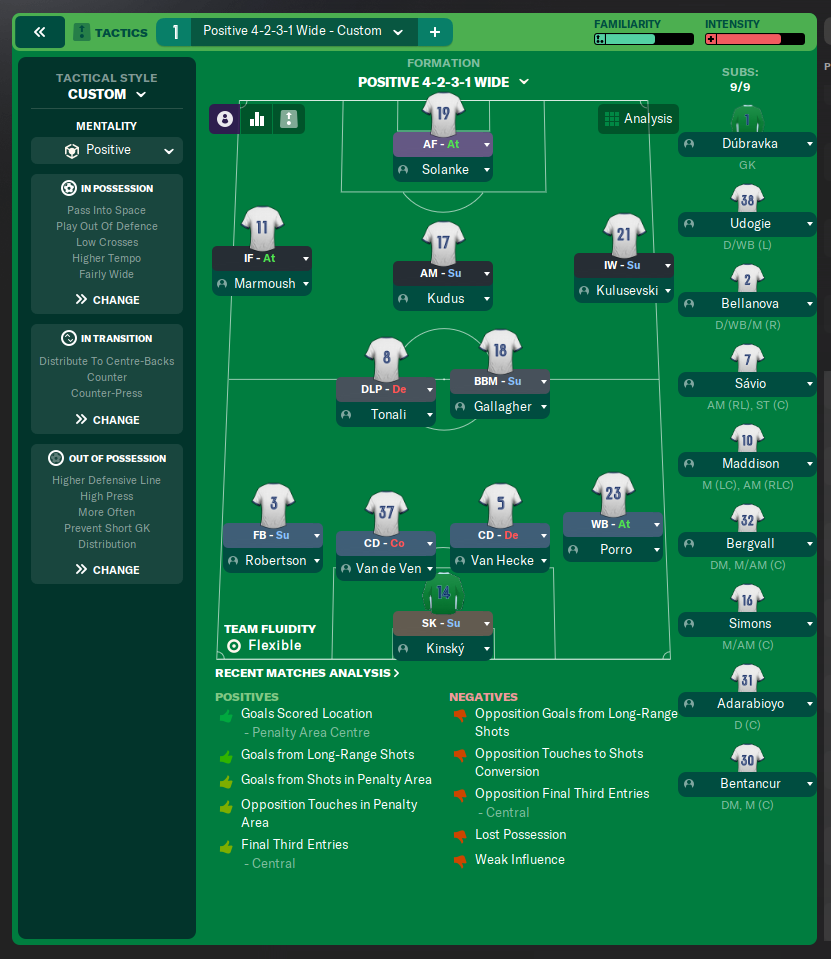
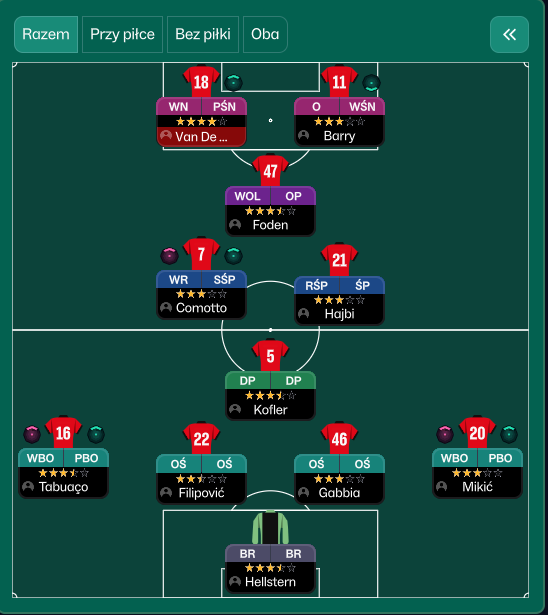
More Gegenpress tactics
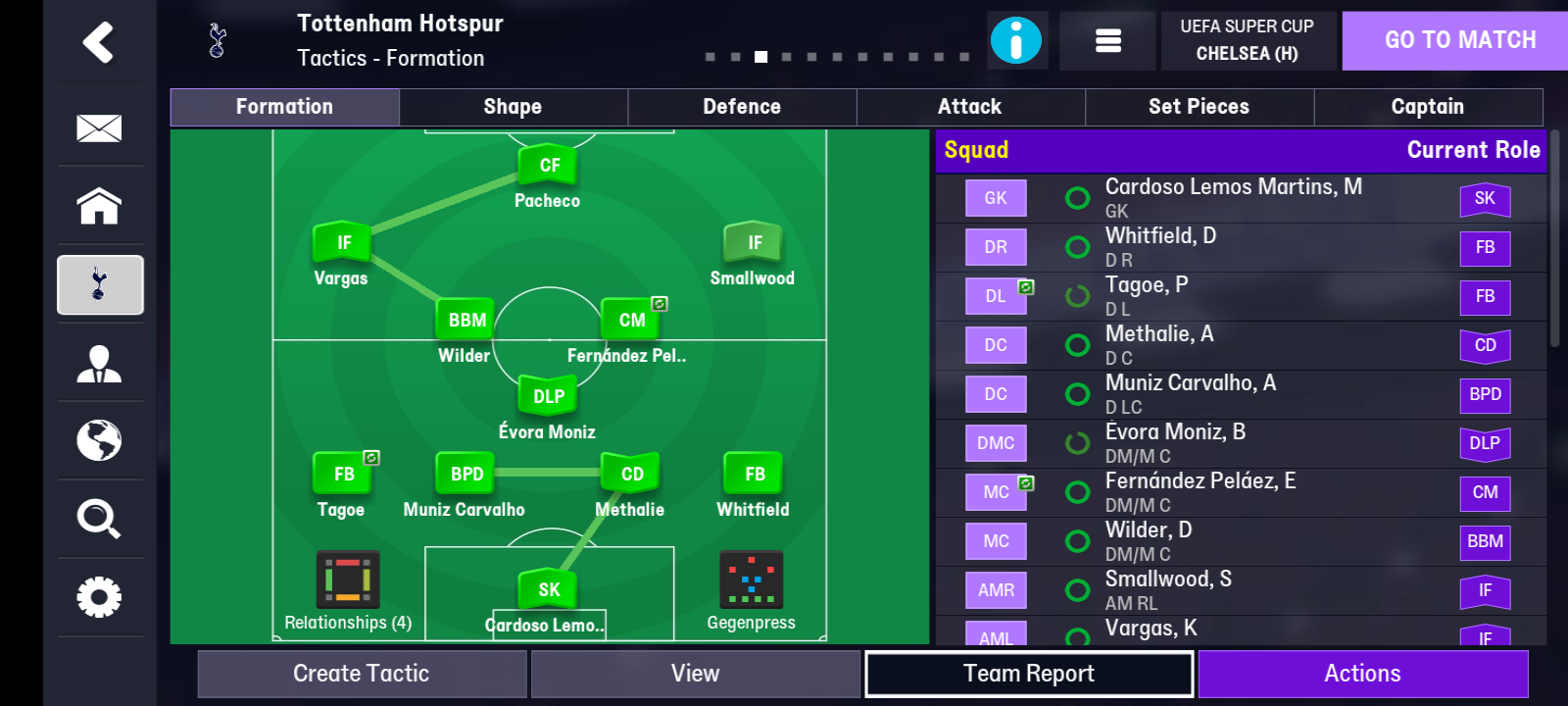
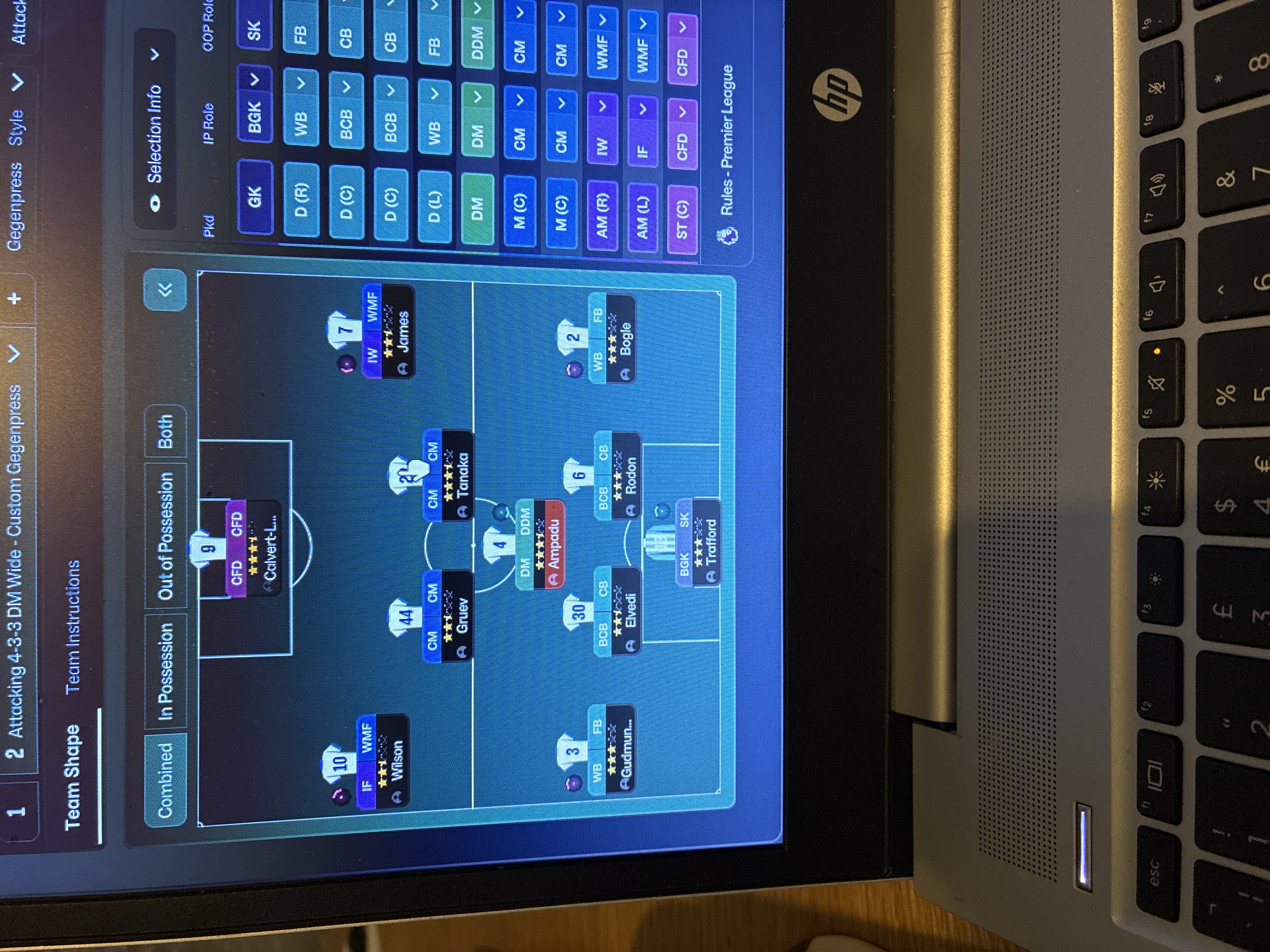
Guides for this formation
The tactical theory behind the 4-2-3-1 Wide: roles, instructions, and the trade-offs that decide whether the system holds up.
Player pairings
Midfield Pairs in 4-2-3-1 and 4-4-2
Double pivots and flat pairs in 4-2-3-1 and 4-4-2: when each pairing works, when it collapses, and the AMC unicorn that rescues both.
Read guide
Playing styles
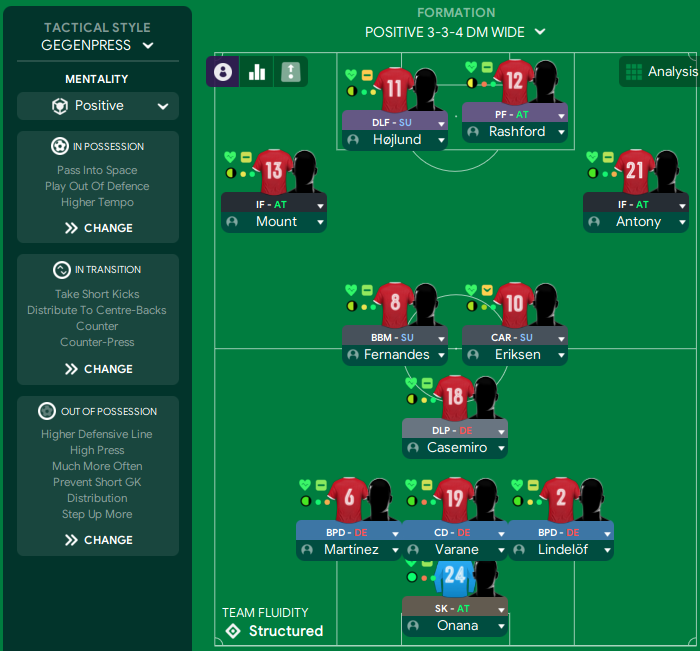
Gegenpressing: A Full Guide
Klopp-style gegenpressing in FM, including squad profile, line-and-press pairing, sustainable workload, and the antipatterns to avoid.
Read guide