Uploaded Tactic
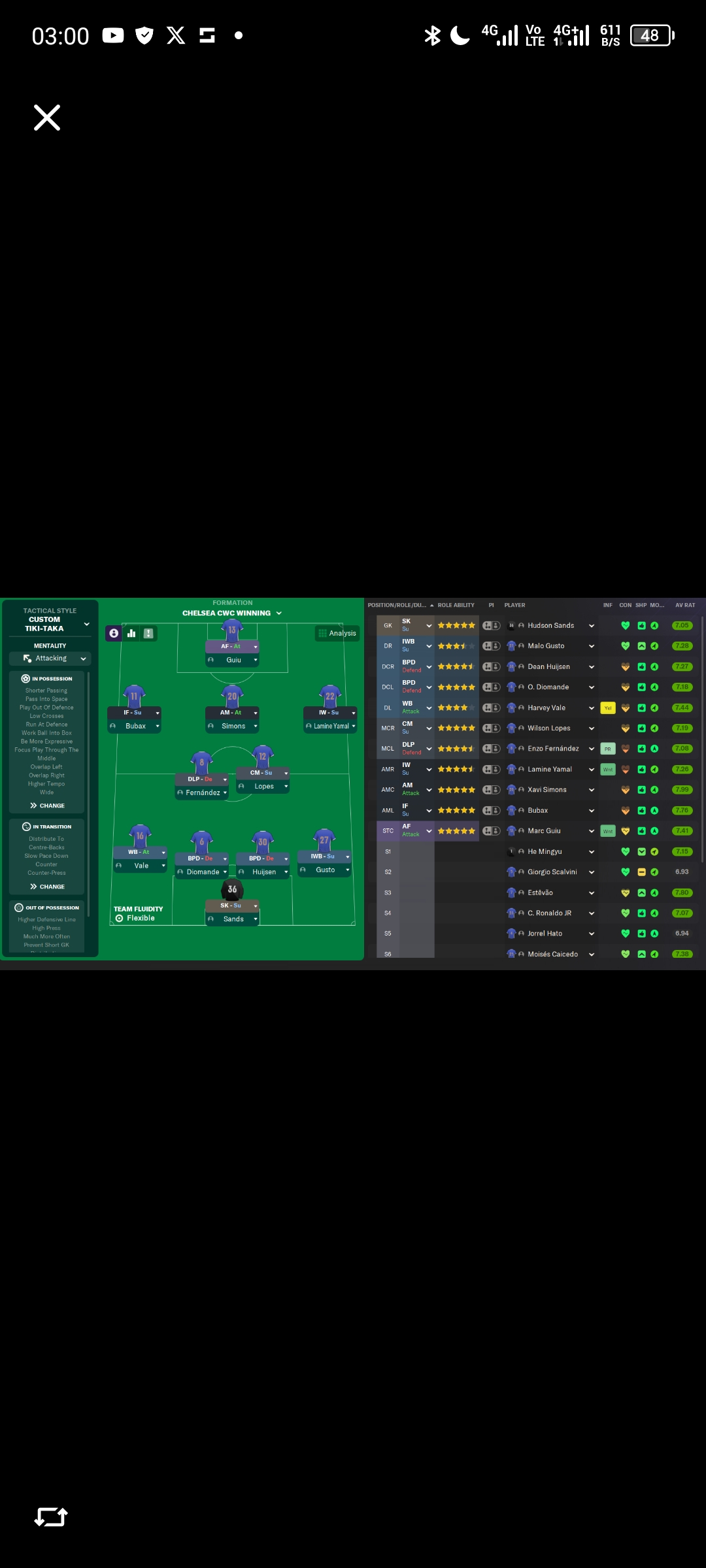
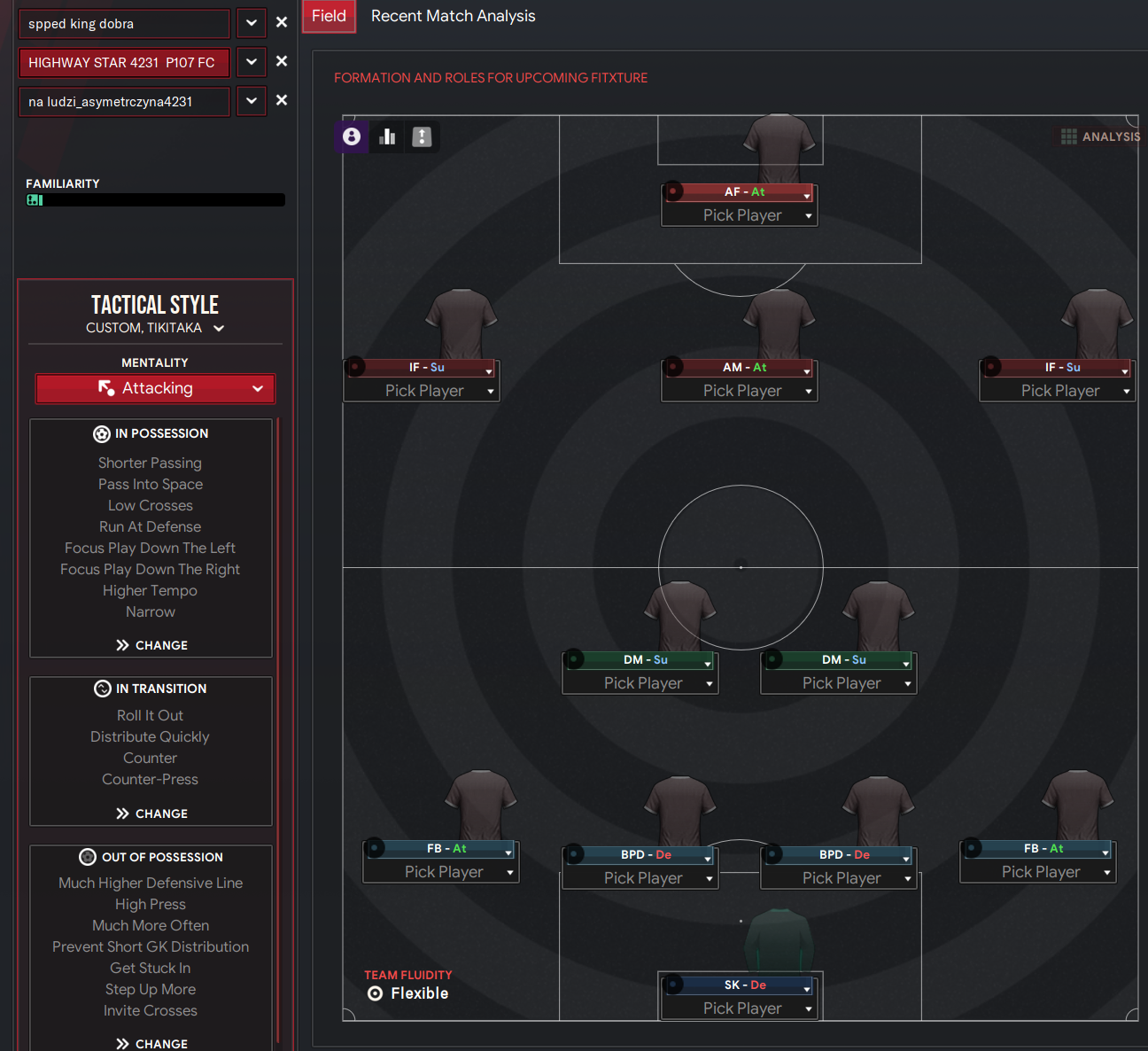
Formation & Style
Tactical Style:Tiki-Taka
Mentality:Attacking
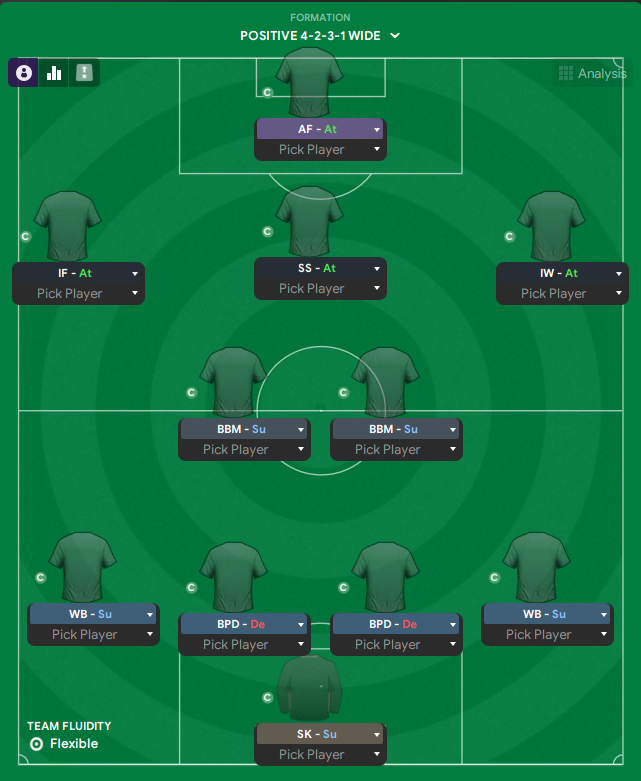
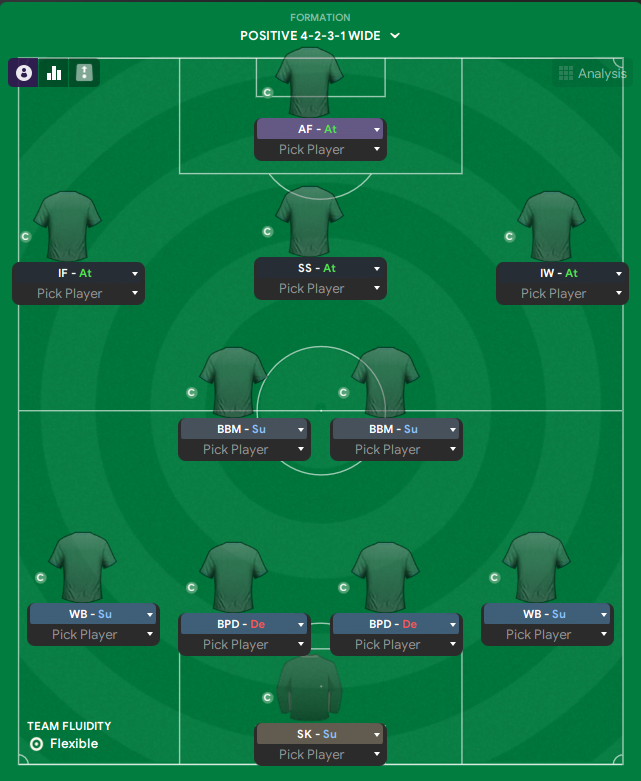
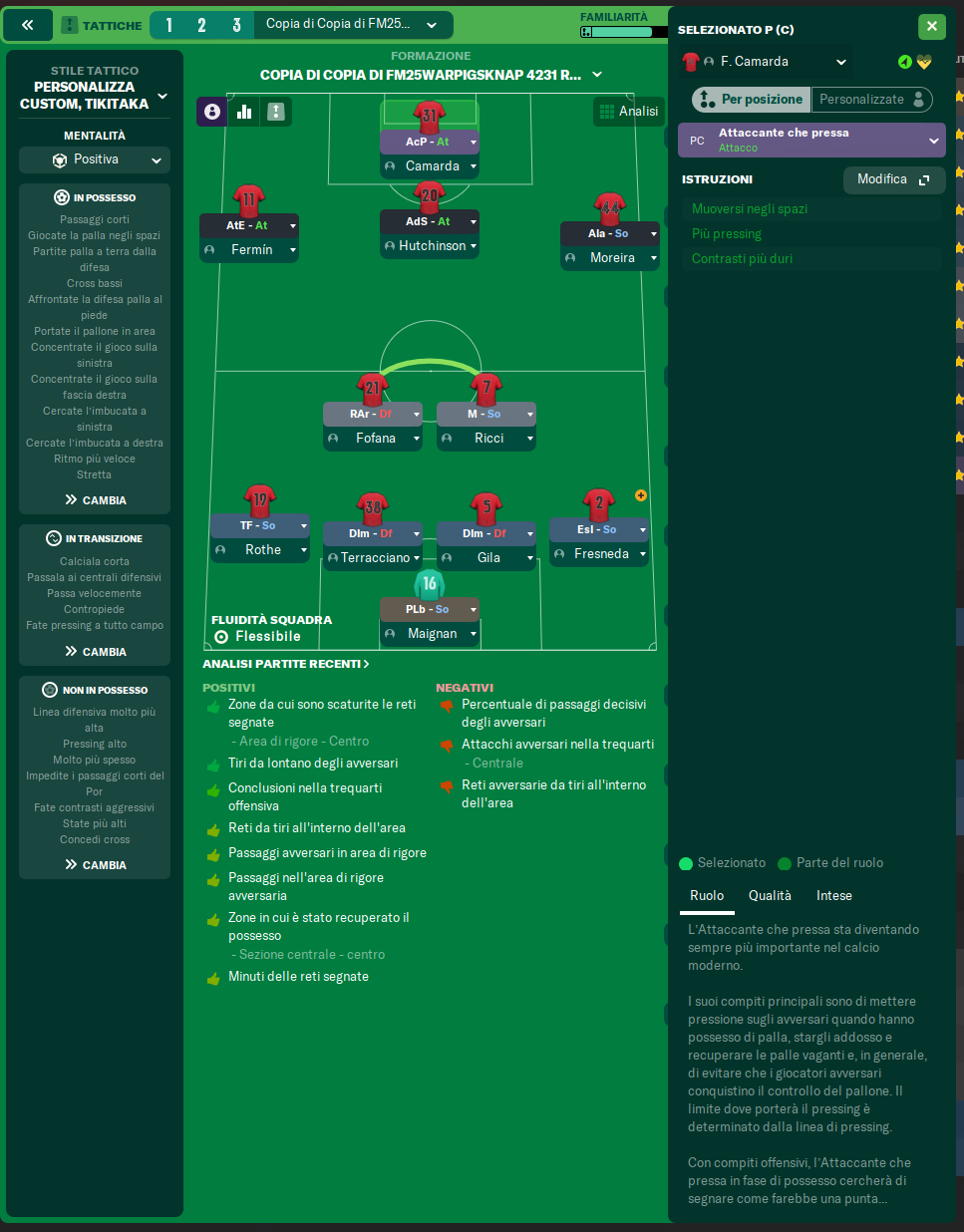
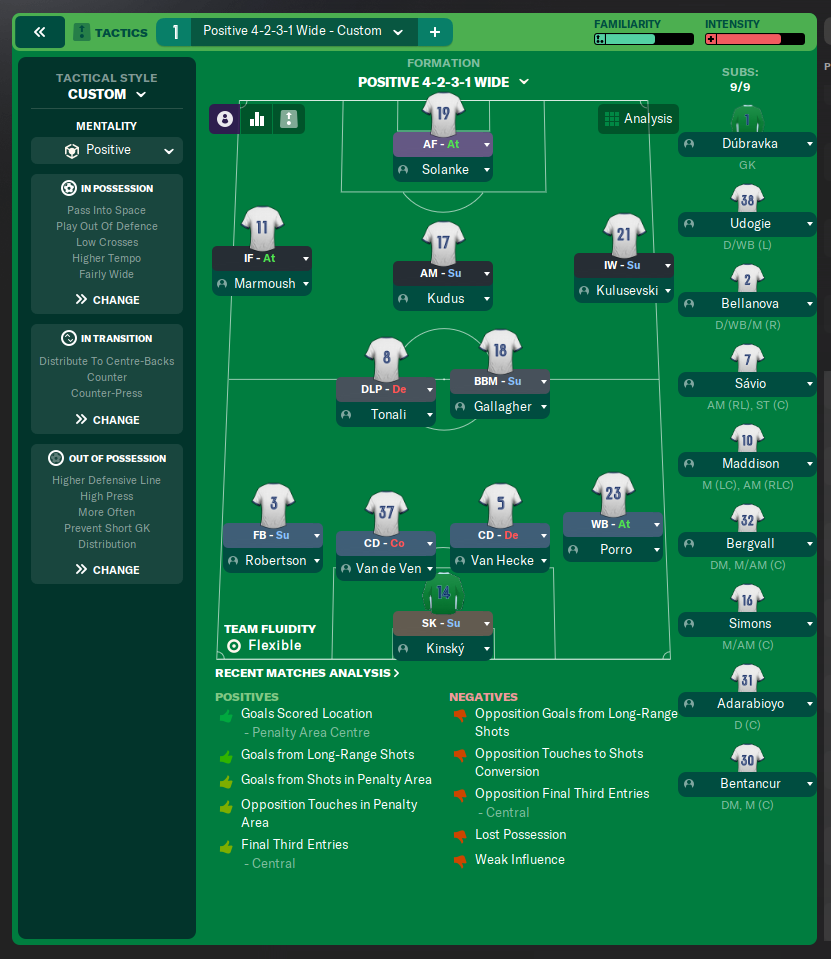
Formation:4-2-3-1 Wide
Team Fluidity:Flexible
In Possession
Play out of defence
Pass into space
Focus play through the middle
Higher tempo
In Transition
Distribute to centre-backs
Counter-press
Slow pace down
Out of Possession
Higher defensive line
Be more aggressive
Committing more players forward
Team Shape Without Ball
No team shape without ball data available
Team Shape With Ball
No team shape with ball data available
Key Strengths
Fluid Ball Movement
The tiki-taka style promotes quick, short passes, allowing for swift progression up the pitch.
Wide Play
Utilizing wingers stretches the opposition, creating space for central players.
High Press
A higher defensive line coupled with counter-pressing puts pressure on opponents, forcing errors.
Possession Retention
Focus on building play through the midfield increases possession stats and control of the game.
Conflicting Directions
Aggressive Press vs. Defensive Structure
A high press can leave the defence exposed. Ensure the team can recover quickly if possession is lost.
High Tempo vs. Stability
While a higher tempo increases dynamism, it may lead to mistakes if players are not adequately skilled to handle the pressure.
Wide Play vs. Central Focus
Emphasizing both wide play and a central focus can lead to confusion in player positioning, making it essential to balance this approach.
Defensive Duties for Attacking Roles
Forwards and attackers should not have too many defensive responsibilities to maintain offensive pressure.
Tactical Suggestions
Adjust Player Roles
Consider roles that suit players’ abilities. For instance, more offensive duties for wingers to increase scoring chances.
Fine-tune Tempo
Evaluating the effectiveness of a high tempo based on the squad's technical abilities and making adjustments can reduce errors.
Reassess Defensive Line
Analyze the pace of opposing forwards to ensure the defensive line does not get caught out with a high line.
Incorporate Counter-Attacks
Using counter-attacks when possession is regained can catch opponents off-guard if the team is slightly more aggressive.
Ask Questions About Your Lineup
Related Tactics
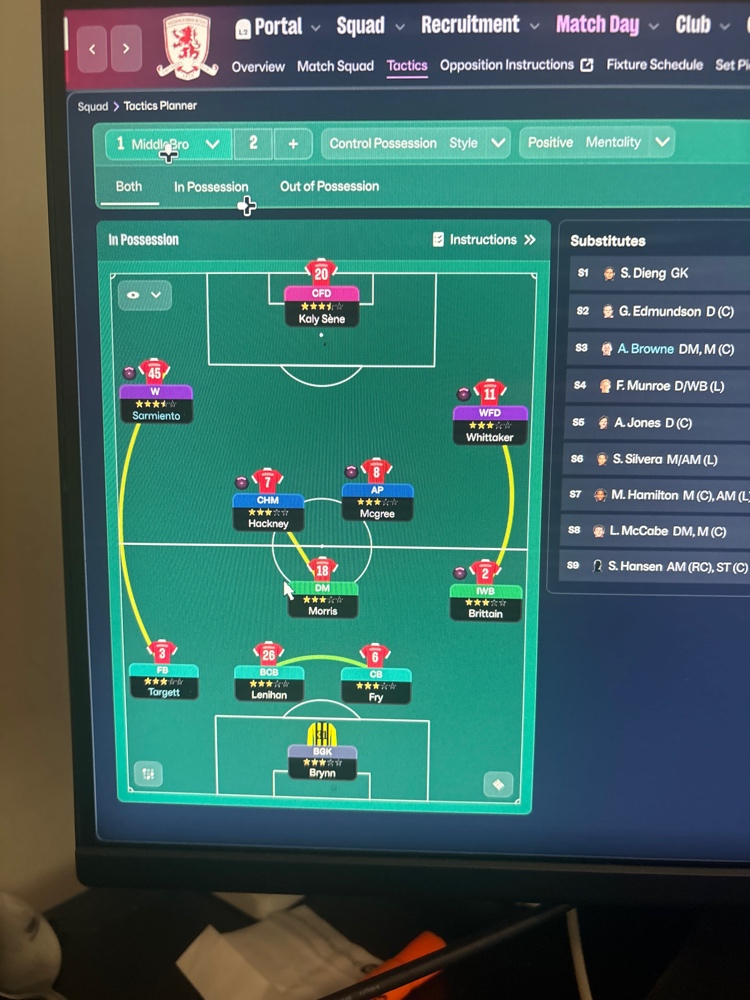
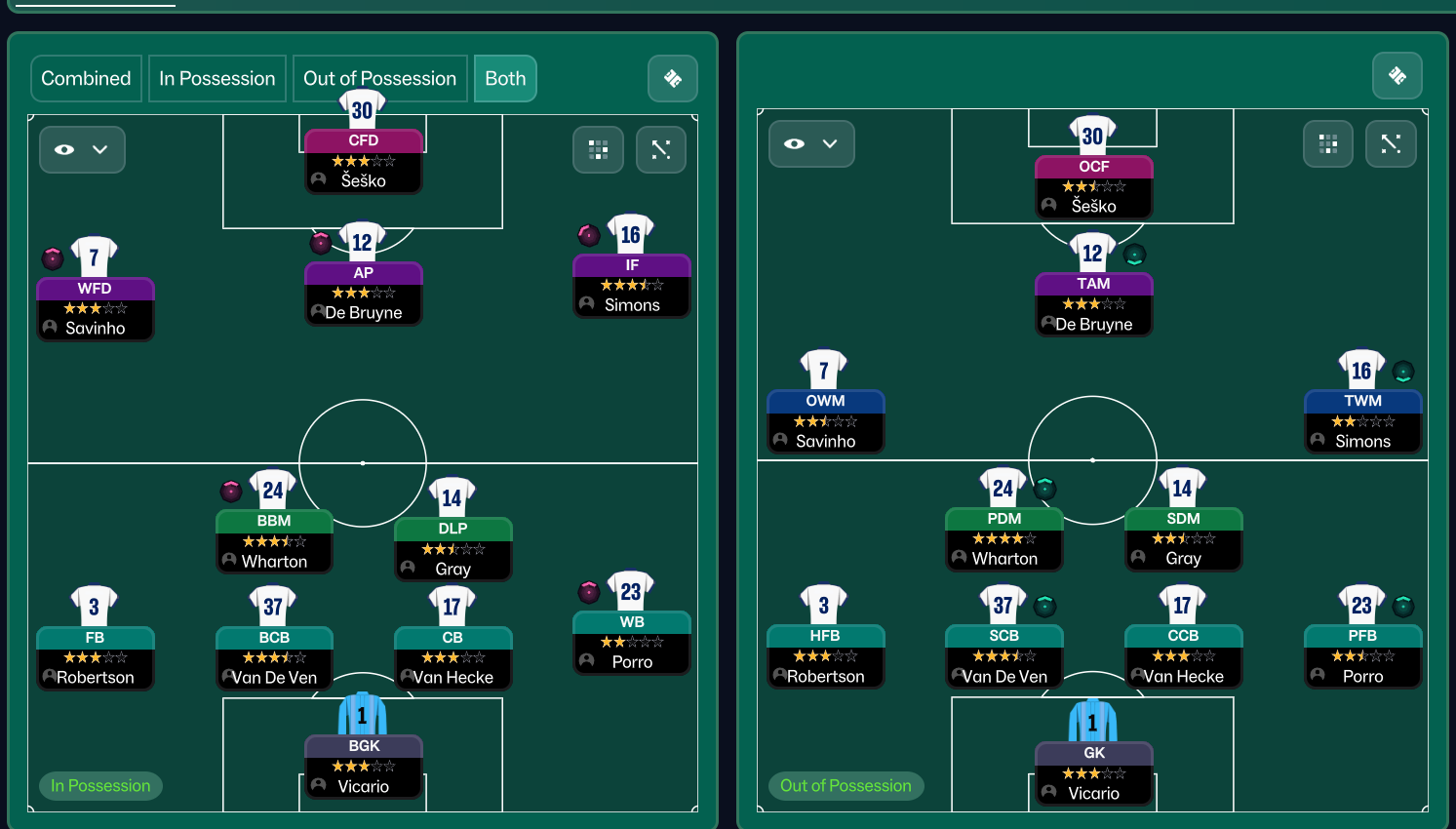
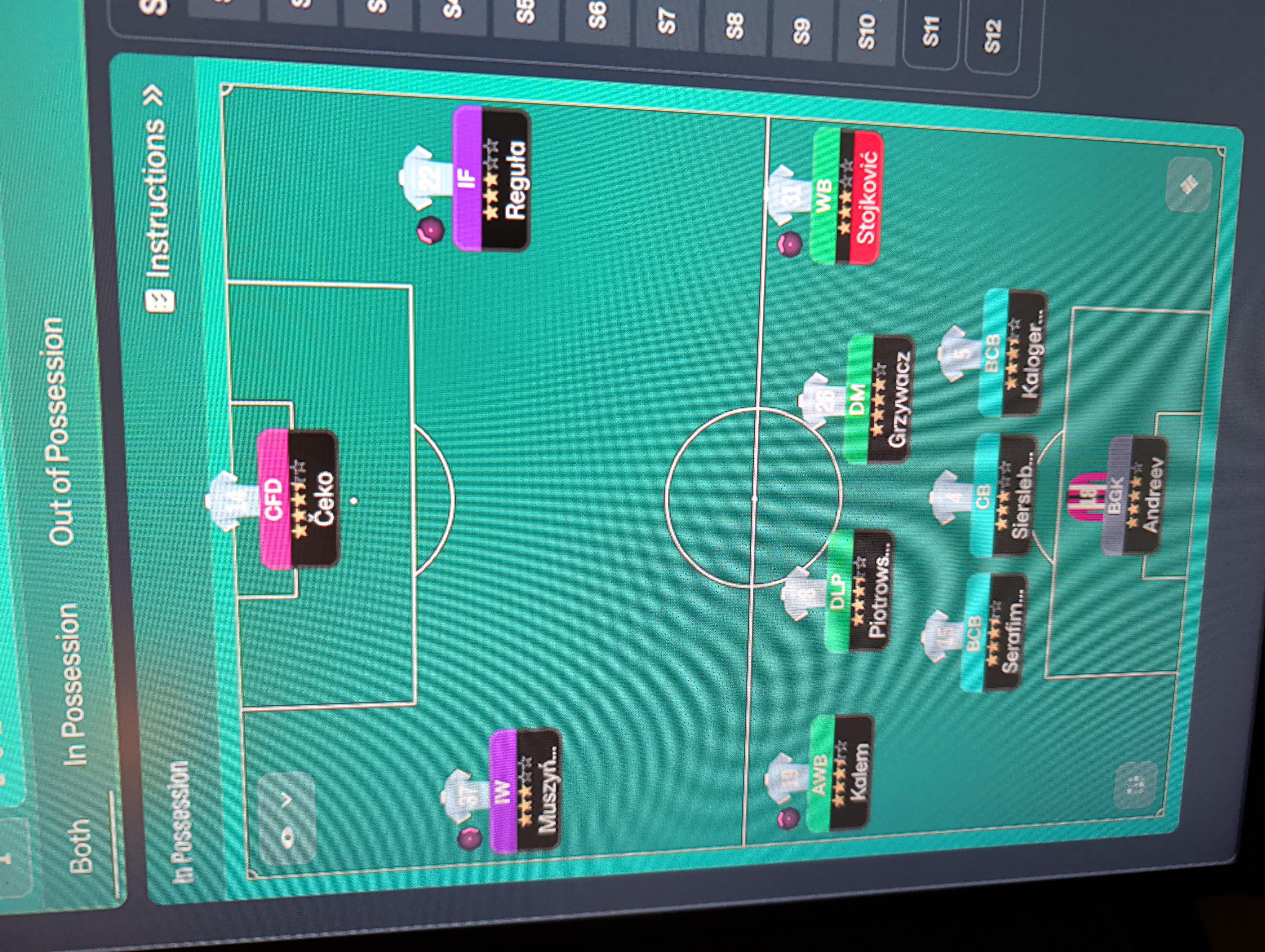
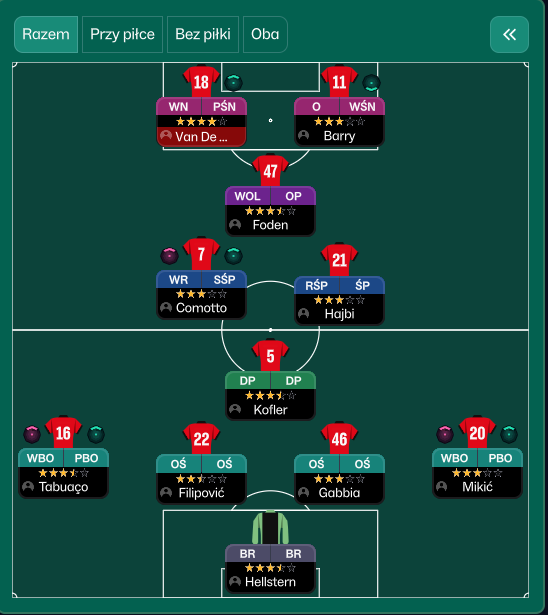
More Tiki-Taka tactics
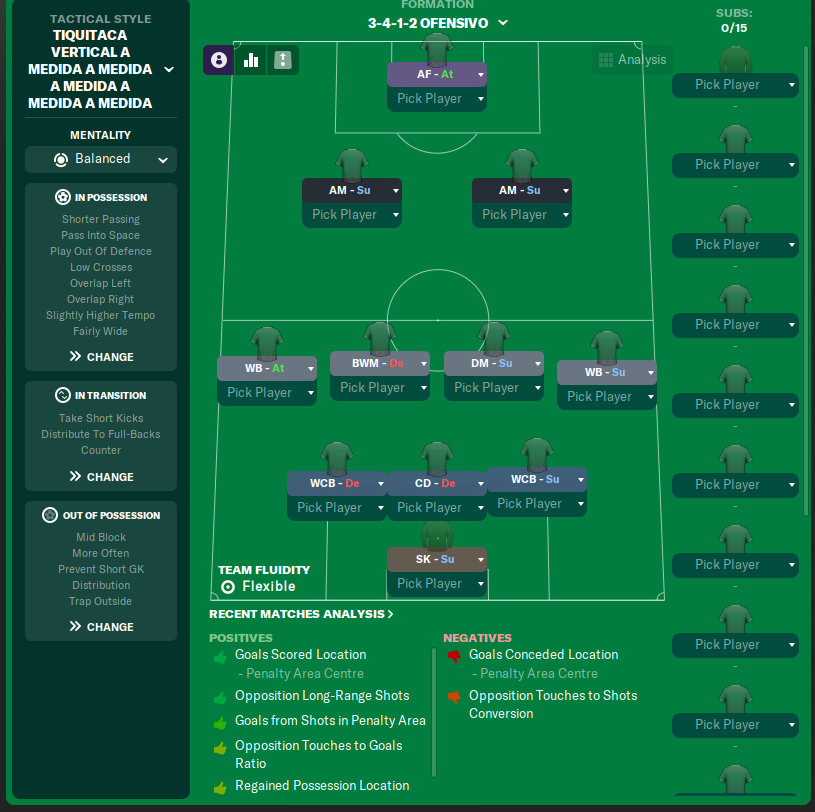
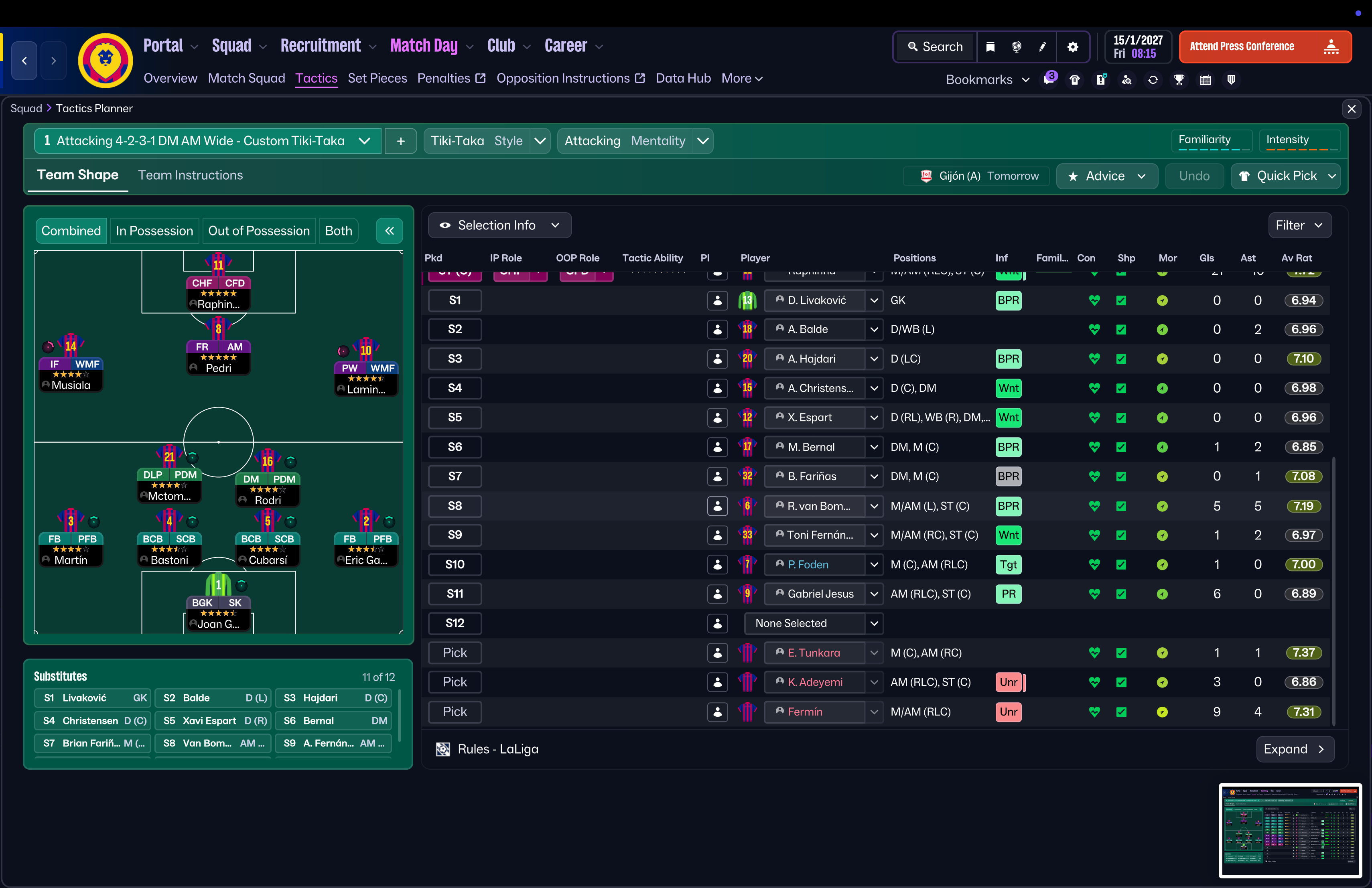
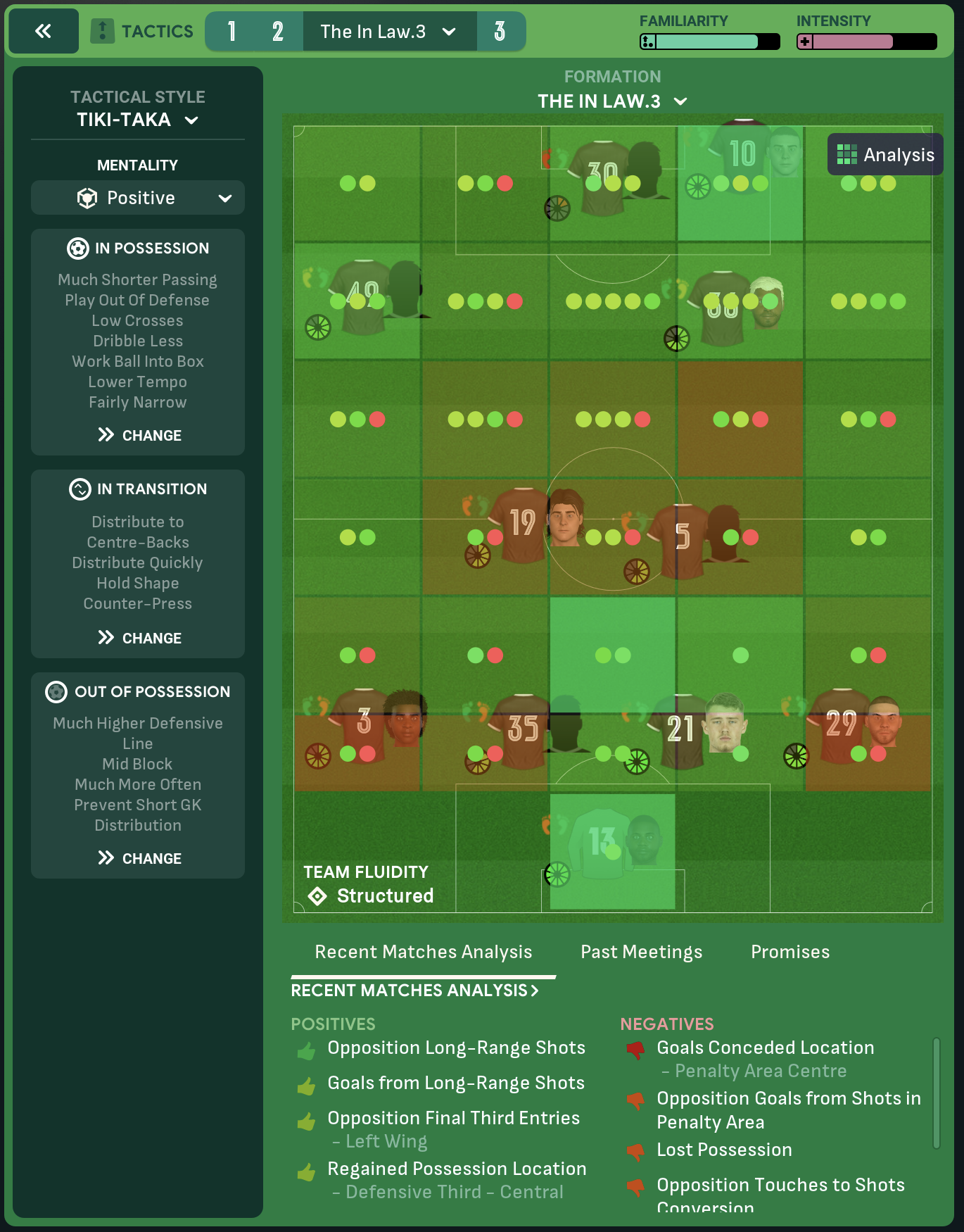
Guides for this formation
The tactical theory behind the 4-2-3-1 Wide: roles, instructions, and the trade-offs that decide whether the system holds up.
Player pairings
Midfield Pairs in 4-2-3-1 and 4-4-2
Double pivots and flat pairs in 4-2-3-1 and 4-4-2: when each pairing works, when it collapses, and the AMC unicorn that rescues both.
Read guide
Playing styles
Gegenpressing: A Full Guide
Klopp-style gegenpressing in FM, including squad profile, line-and-press pairing, sustainable workload, and the antipatterns to avoid.
Read guide