Uploaded Tactic
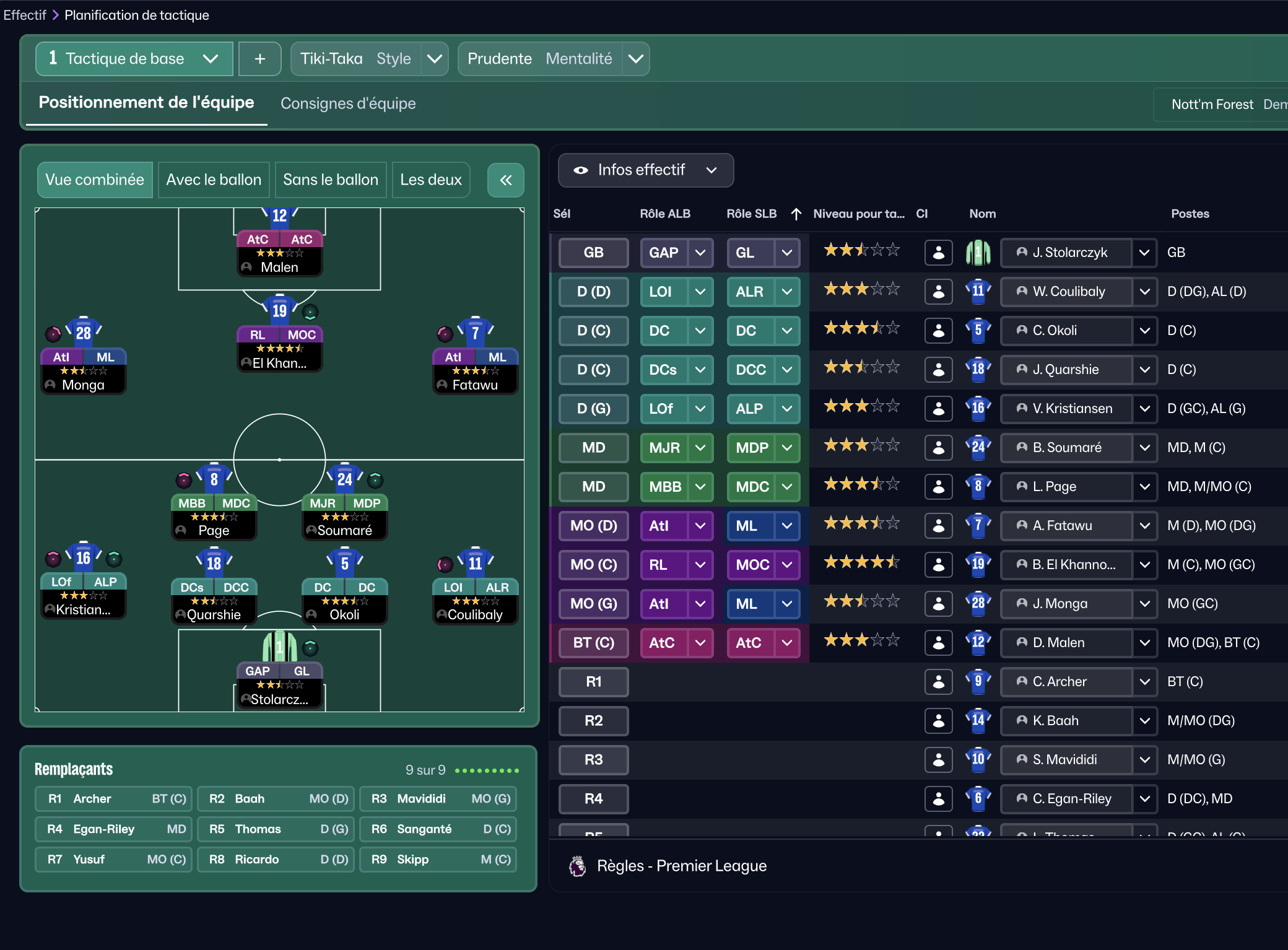
Formation & Style
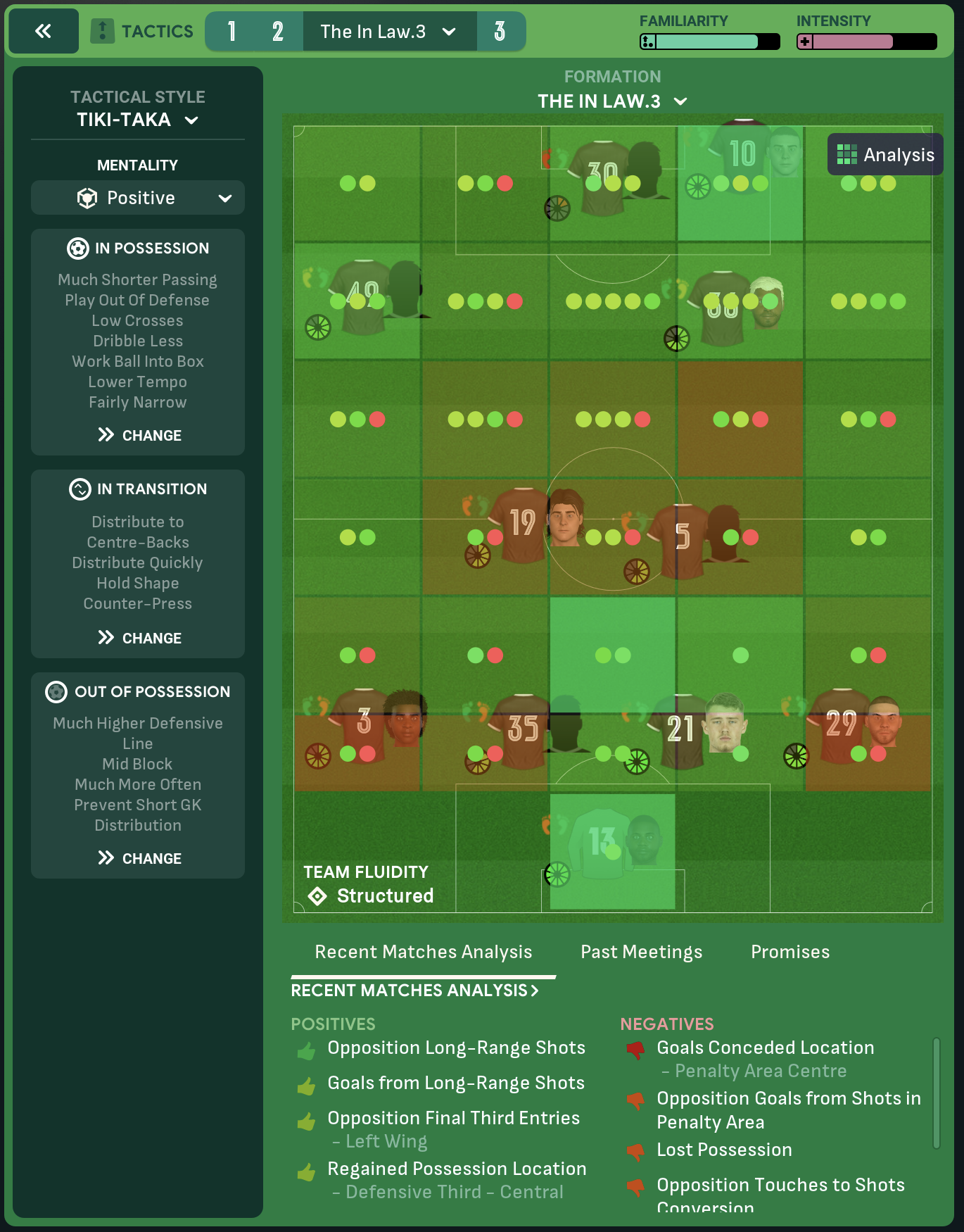
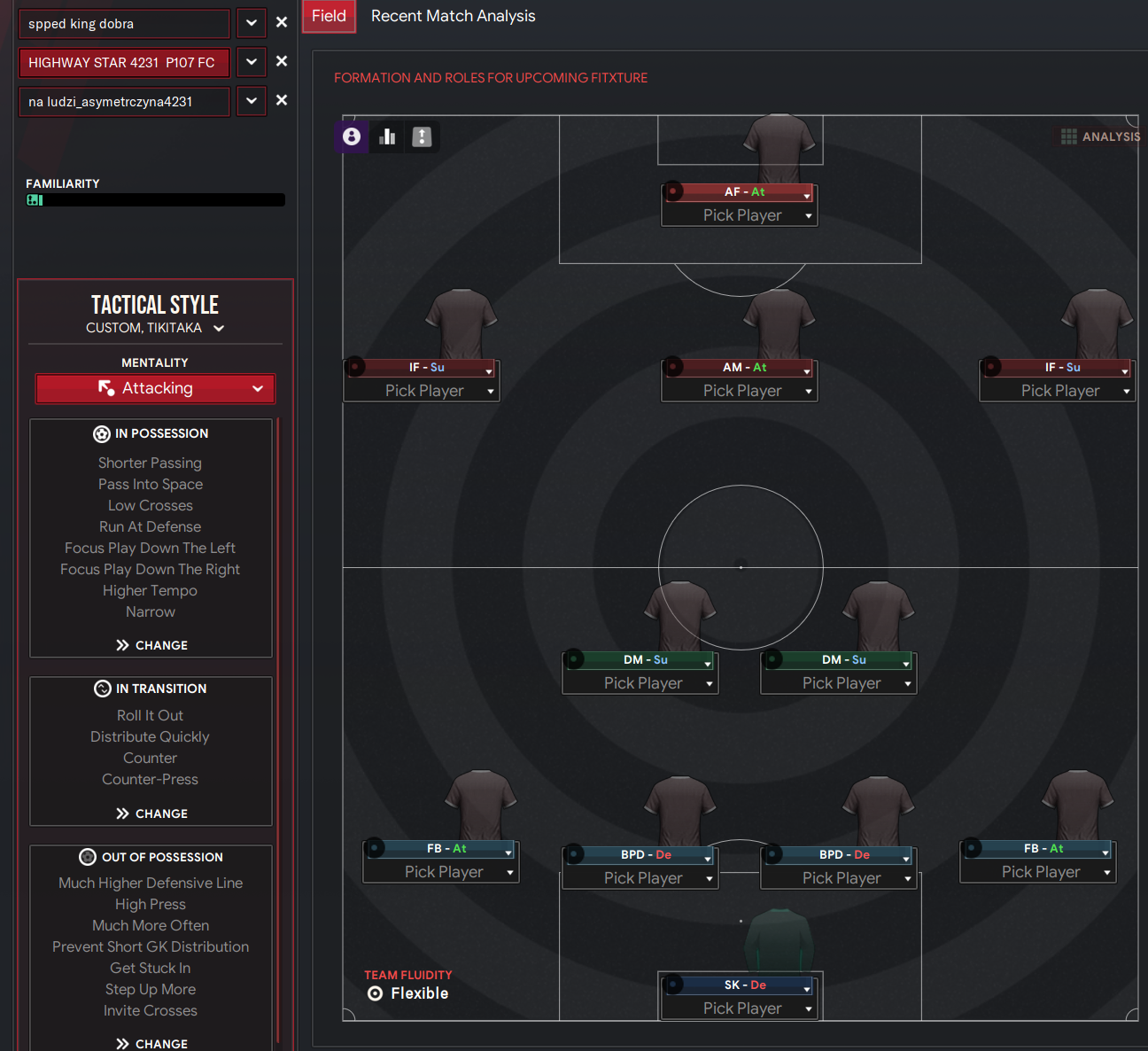
Tactical Style:Tiki-Taka
Mentality:Prudent
Formation:4-2-3-1 Wide
Team Fluidity:Structured
In Possession
Play Out Of Defence
Work Ball Into Box
Shorter Passing
In Transition
Counter-Press
Slow Tempo
Out of Possession
High Defensive Line
More Urgent Press
Team Shape Without Ball
Shape:High Line
Description:Defensive shape holds a high line to apply pressure on the opposition.
Evidence:High Defensive Line with pressing instructions.
Team Shape With Ball
Shape:Wide Attacking Shape
Description:The attack predominantly utilizes the flanks, supported by overlapping full-backs.
Evidence:Wingers in AML and AMR positions engaging in wide play.
Phase Description
Attacking Play
The team focuses on maintaining possession, utilizing short passing and movement to create openings.
Defensive Transition
Upon losing the ball, the team aims to counter-press quickly to regain control.
Main Focus
To control the midfield and dominate possession while utilizing width.
Key Strengths
Possession Control
The team's emphasis on shorter passing and working the ball into the box highlights its strength in maintaining possession.
Defensive Solidity
Utilization of a flat back four provides stability and support to the midfield.
Wide Attacking Options
The presence of attacking wingers offers width, creating space for central attacking players.
Conflicting Directions
High Line with Short Passing
While a high defensive line can press effectively, it leaves the team vulnerable to direct counter-attacks which may clash with a shorter passing game.
Double Pivot in a Wide Attack
While a double pivot aids in midfield stability, it could limit the attacking influence from the wider players if not supported by overlapping full-backs.
Slow Tempo with Urgent Pressing
The pressing intensity may contradict the intended slow build-up play, possibly leading to disorganization.
Tactical Suggestions
Adjust Tempo Settings
Consider increasing the tempo slightly to incorporate faster attacking transitions without neglecting possession.
Enhance Full-Back Involvement
Encouraging full-backs to overlap can provide additional width and support to widen the attack.
Transition Focus
Develop clearer transition strategies post-loss of possession to ensure a quick and organized response.
Ask Questions About Your Lineup
Related Tactics
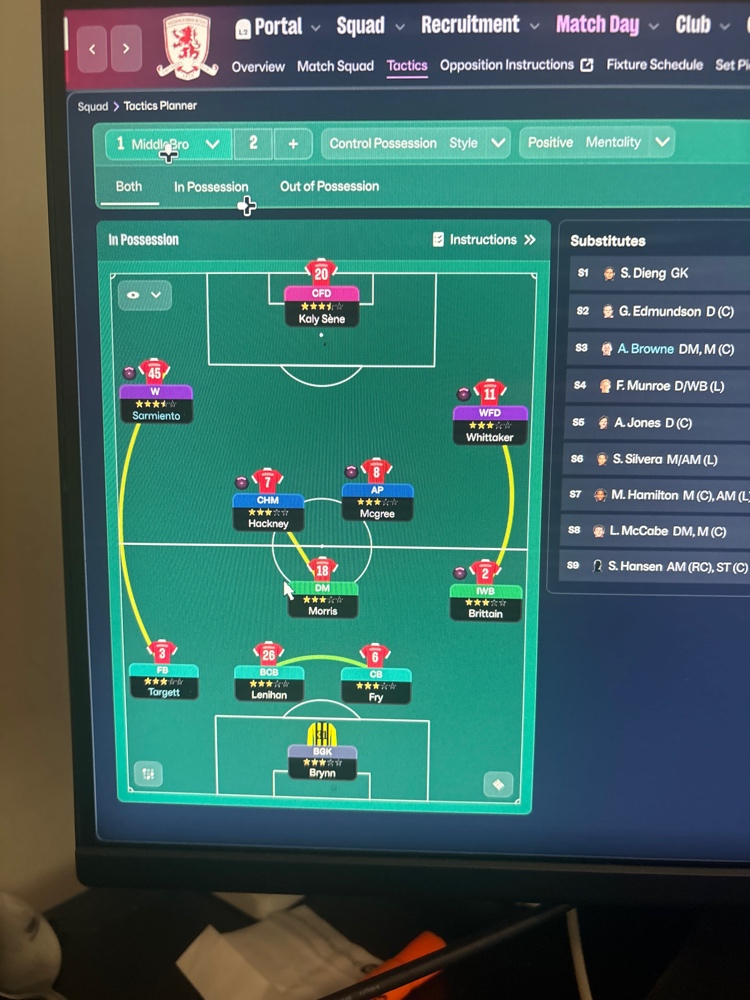
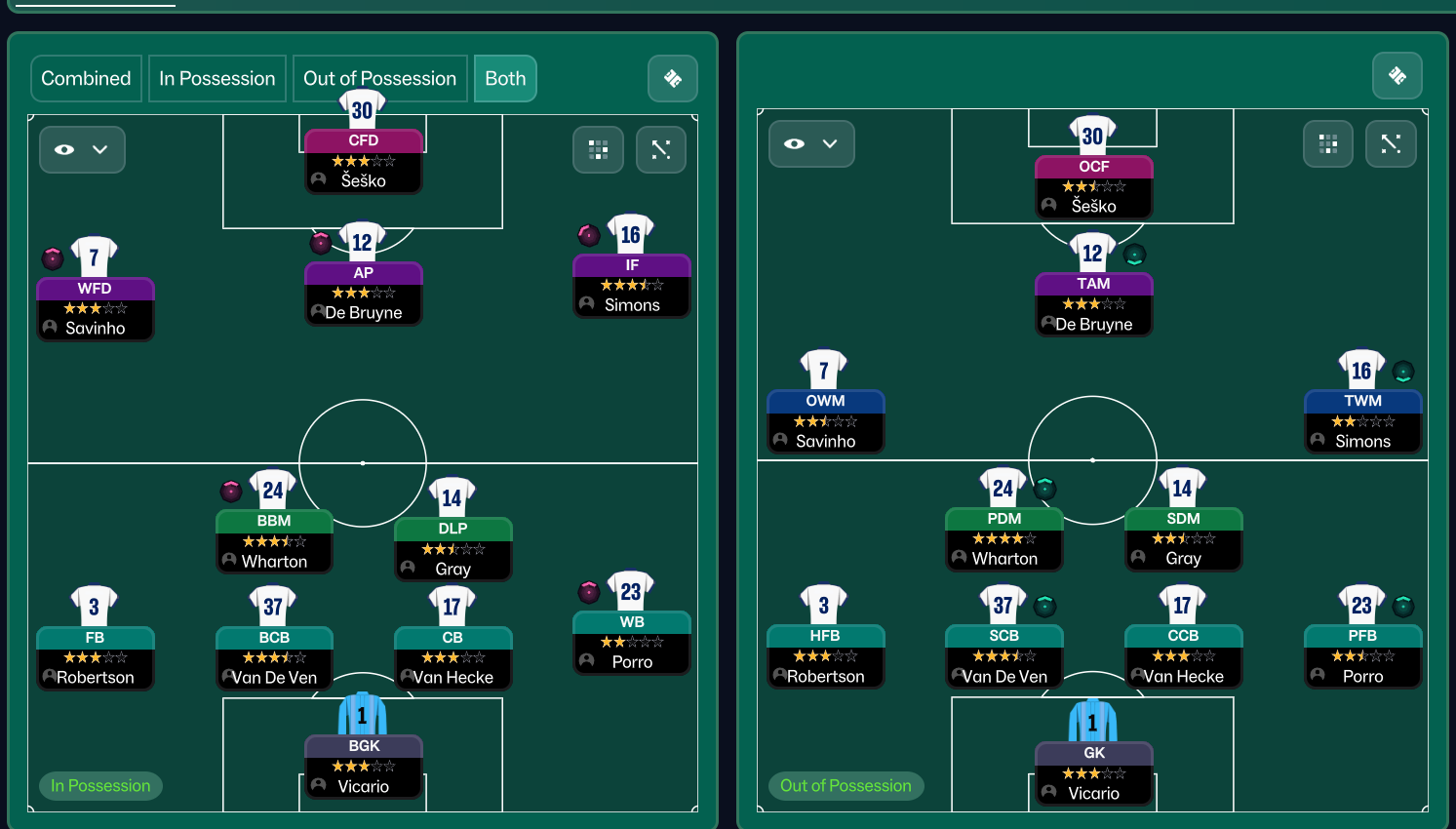
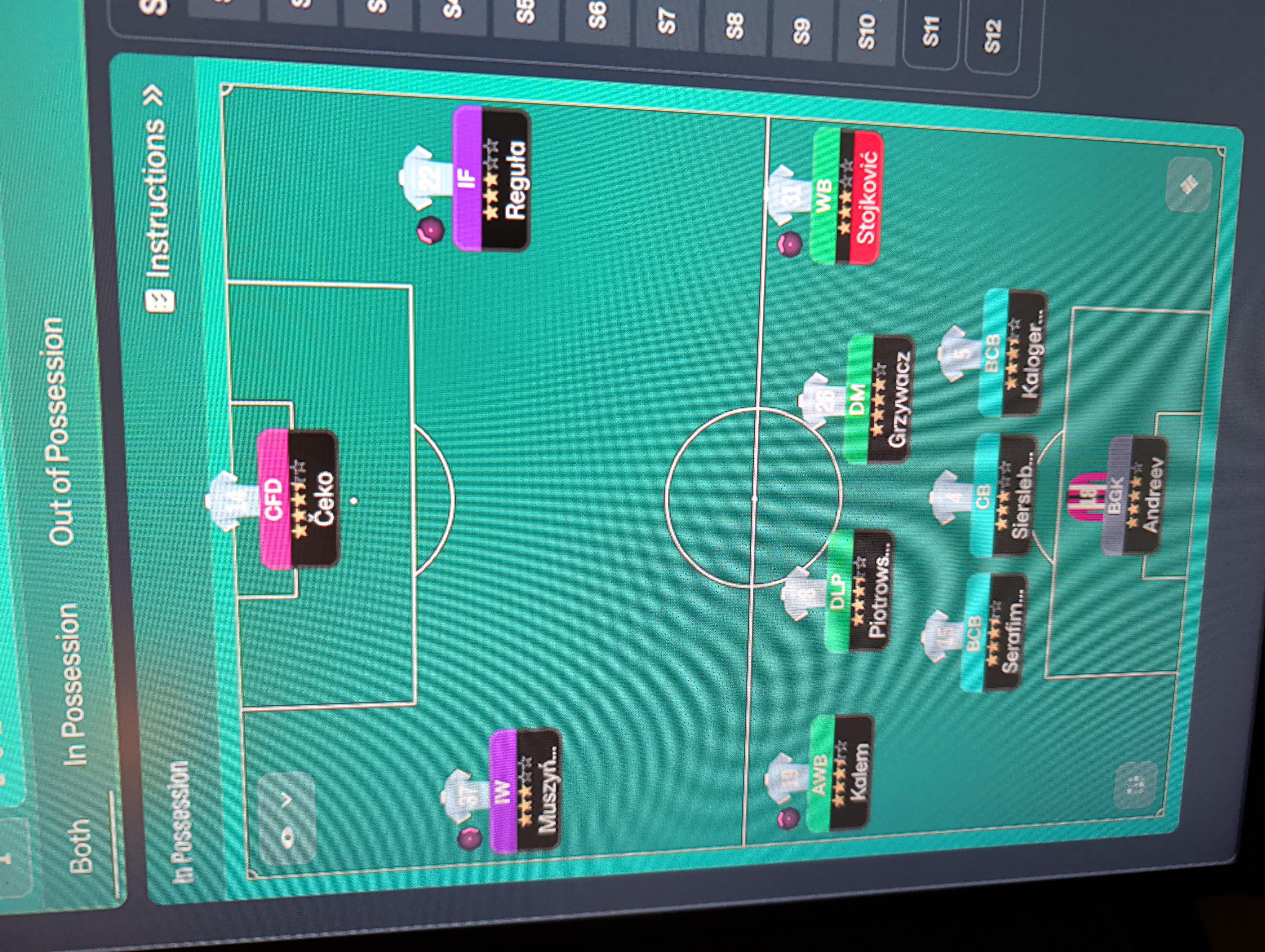
More Tiki-Taka tactics
Guides for this formation
The tactical theory behind the 4-2-3-1 Wide: roles, instructions, and the trade-offs that decide whether the system holds up.
Player pairings
Midfield Pairs in 4-2-3-1 and 4-4-2
Double pivots and flat pairs in 4-2-3-1 and 4-4-2: when each pairing works, when it collapses, and the AMC unicorn that rescues both.
Read guide
Playing styles
Gegenpressing: A Full Guide
Klopp-style gegenpressing in FM, including squad profile, line-and-press pairing, sustainable workload, and the antipatterns to avoid.
Read guide