Uploaded Tactic
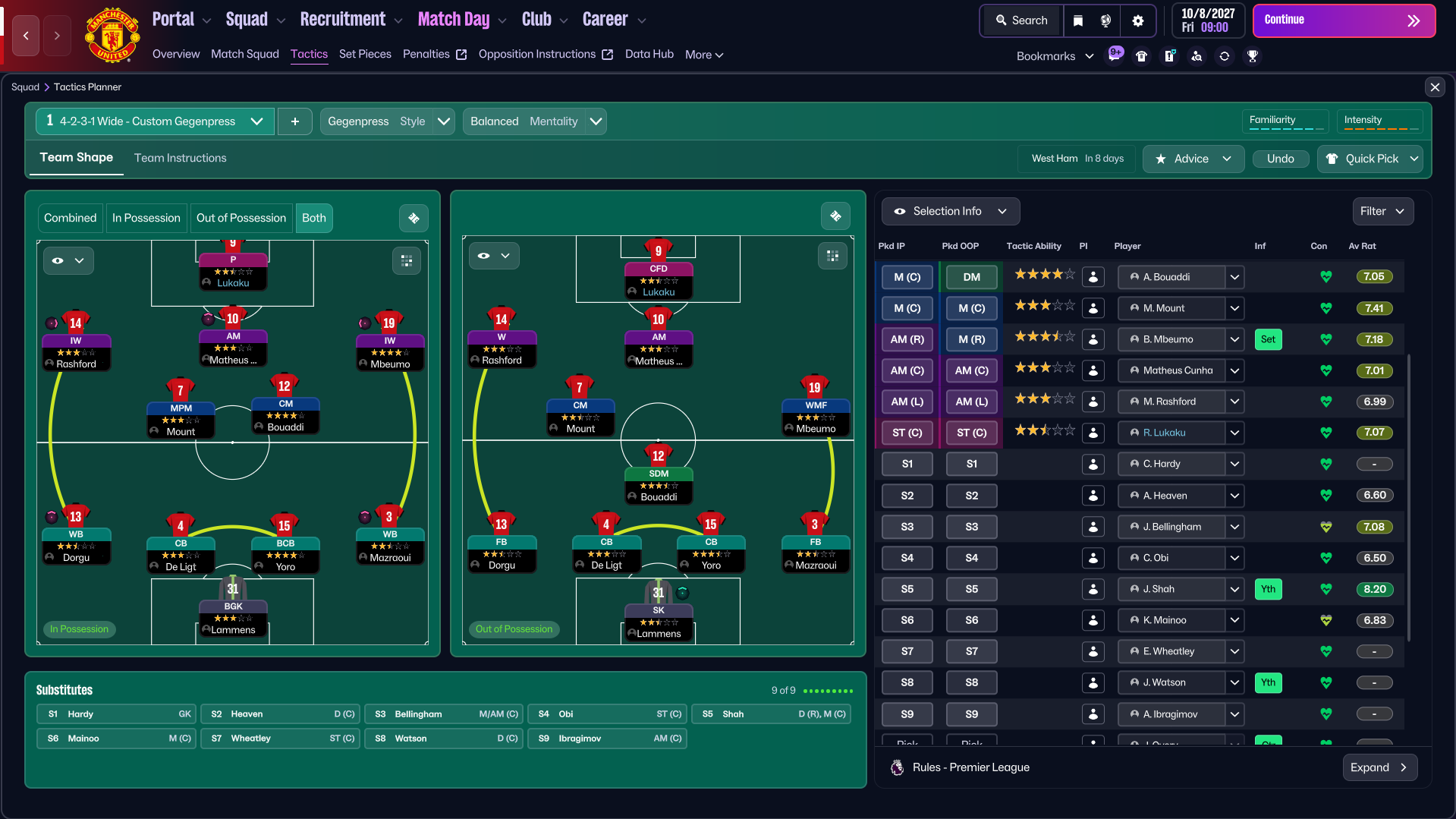
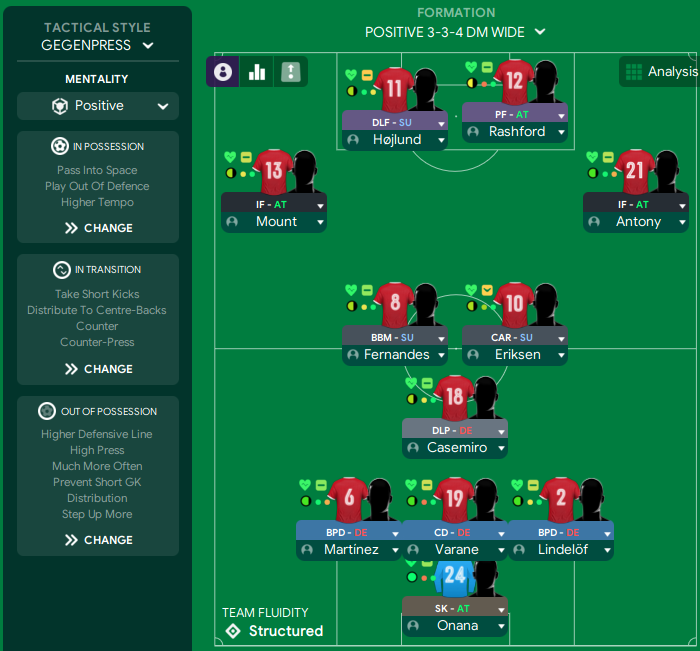
Formation & Style
Tactical Style:Gegenpress
Mentality:Balanced
Formation:4-2-3-1 Wide
Team Fluidity:Structured
In Possession
Focus on quick passing and transition to attack.
Utilize wingers to stretch the opposition's defense.
Encourage overlapping runs from full-backs.
In Transition
Immediate pressing to regain possession.
Counter-attack quickly when the ball is turned over.
Out of Possession
High pressing line to disrupt opponent's buildup.
Defensive line set to push up to maintain compactness.
Team Shape Without Ball
Shape:4-2
Description:A balanced defensive shape that can adapt to pressing situations but may leave spaces between the midfield and backline.
Evidence:The two holding midfielders support the defense, while the full-backs provide width.
Team Shape With Ball
Shape:4-3
Description:Aggressive attacking shape with width from wingers and central threat from the forward.
Evidence:Inside Forward and Winger provide dynamic options, with support from overlapping full-backs.
Phase Description
Attacking Play
Focus on quick ball movement, exploiting width with wingers, and utilizing forwards' movement to create opportunities.
Defensive Transition
Immediate pressure on the ball carrier and quick recovery into formation upon losing possession.
Main Focus
Control the midfield and transition quickly into attack.
Key Strengths
Dynamic Wingers
Inside Forward and Winger can create mismatches against defenders.
Midfield Control
Highly mobile midfield allows for quick transitions and ball retention.
Balanced Defensive Structure
A solid defensive pairing with varied roles enhances resilience.
Conflicting Directions
Vulnerability to Counter-attacks
High pressing may leave gaps in defense if attackers fail to win back possession.
Over-reliance on Wingers
If opponents neutralize wide play, the team may struggle to create chances.
Limited Depth in Central Midfield
Fewer bodies in central areas can expose the team to counter-pressing.
Tactical Suggestions
Consider More Central Options
Adding a central midfielder could provide support against superior midfield setups.
Adjust Pressing Intensity
Fine-tune pressing parameters to adapt to opponents' buildup strategies.
Experiment with Inverting Full-backs
Encouraging full-backs to invert can help overload central areas.
Ask Questions About Your Lineup
Related Tactics
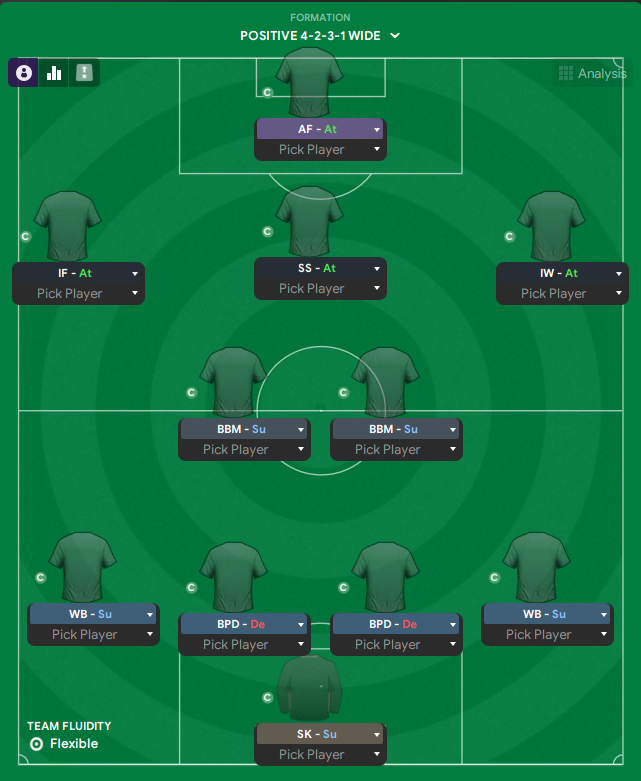
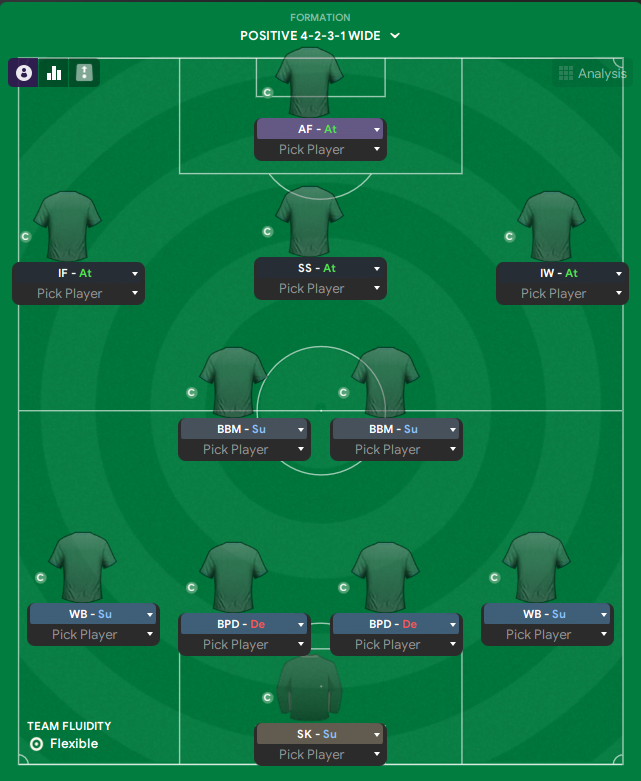
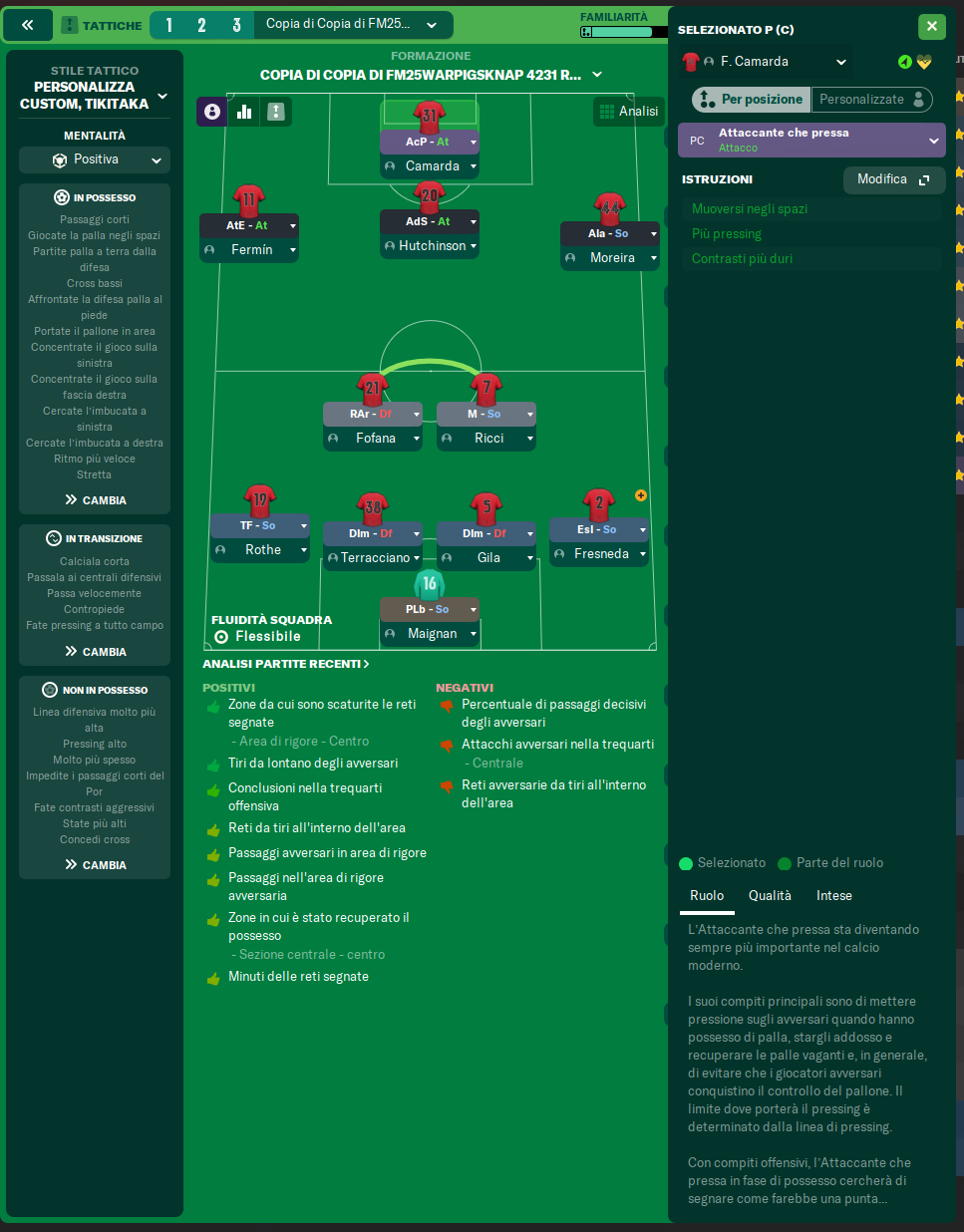
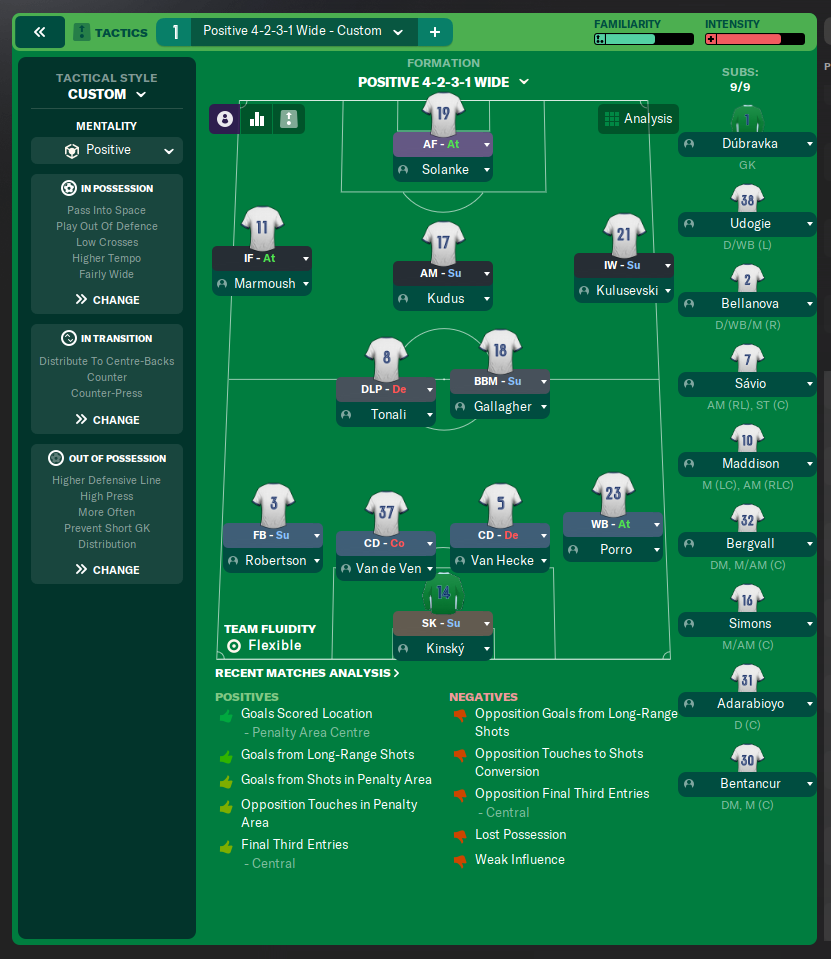
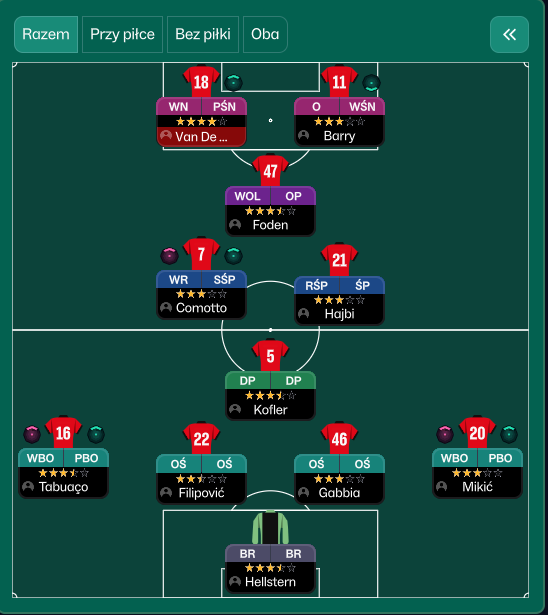
More Gegenpress tactics
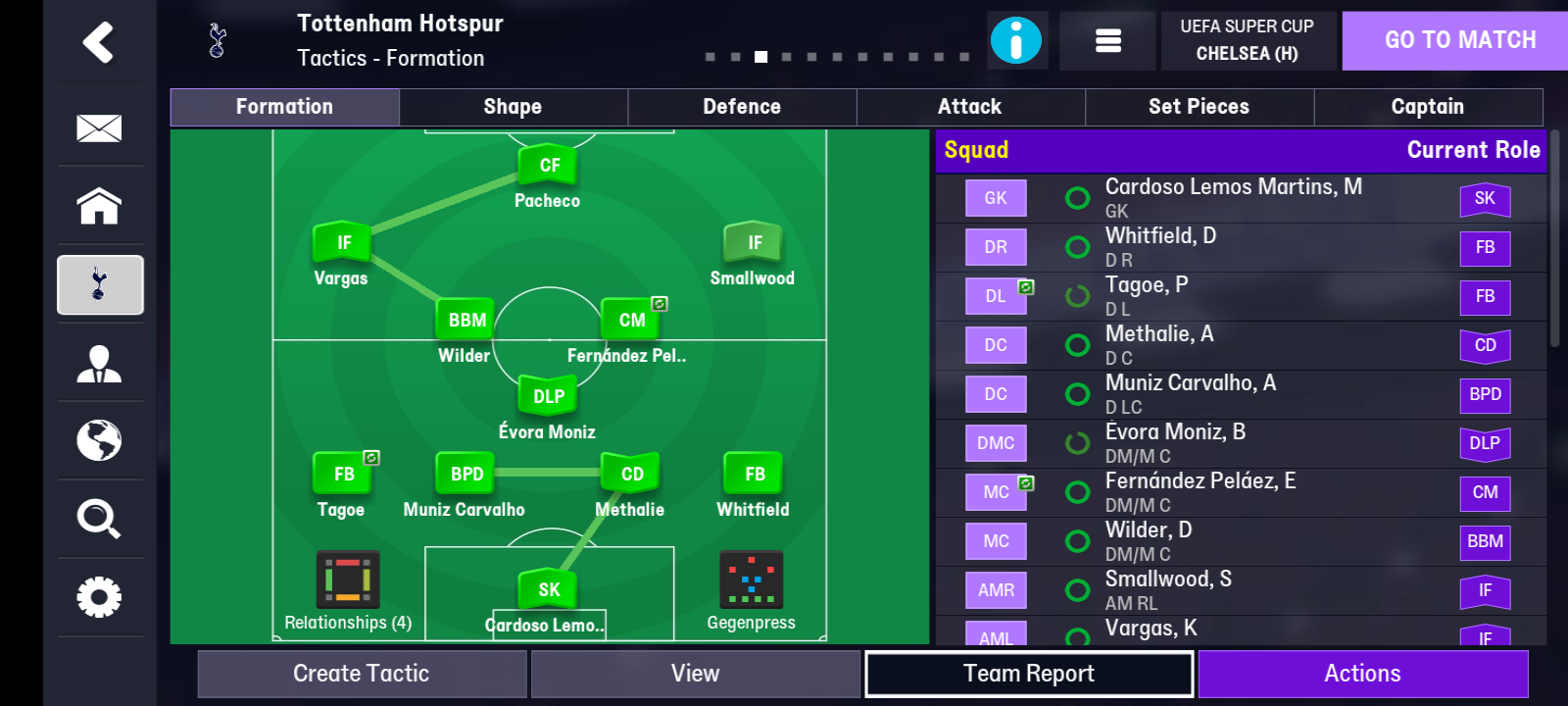
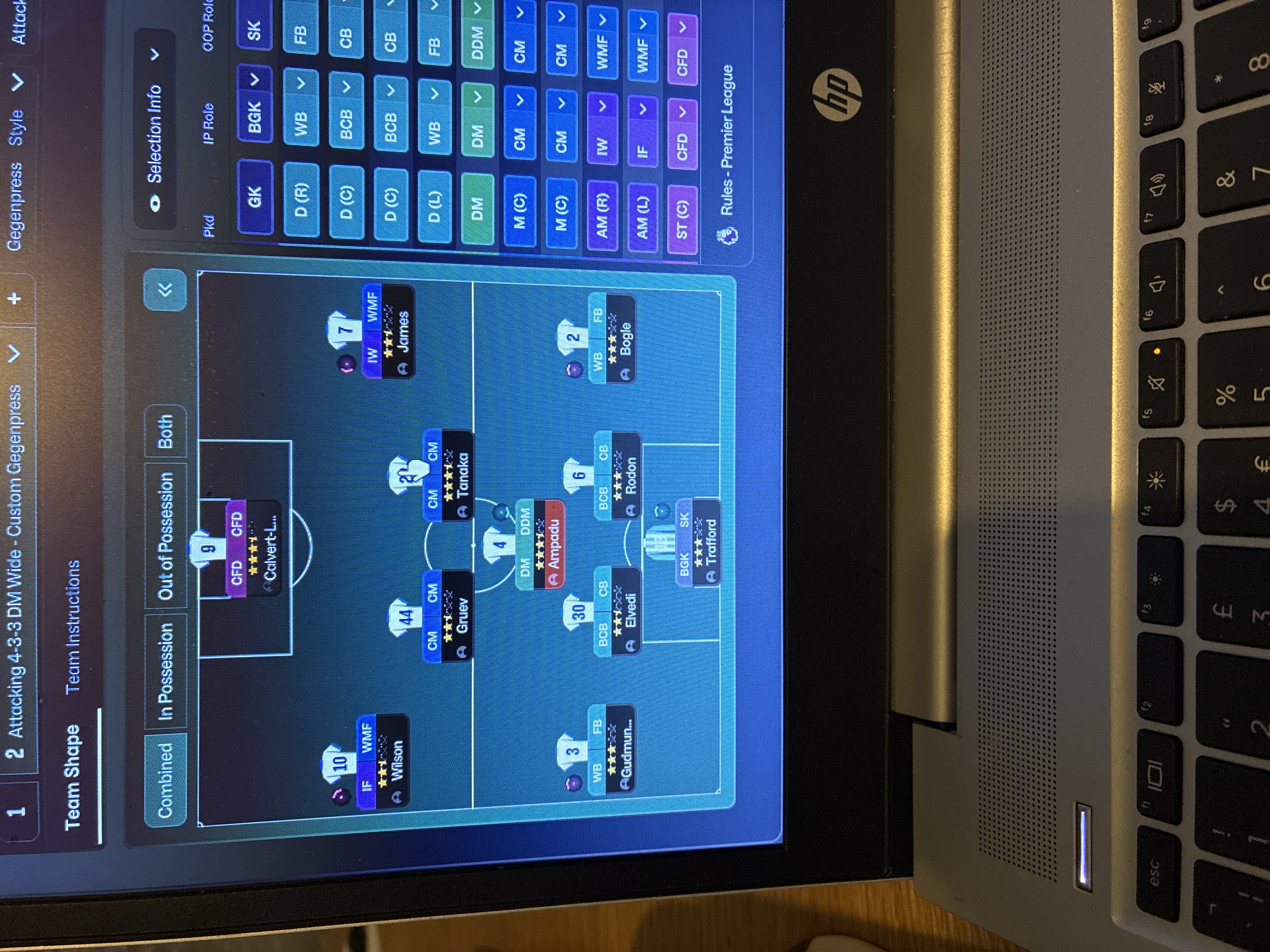
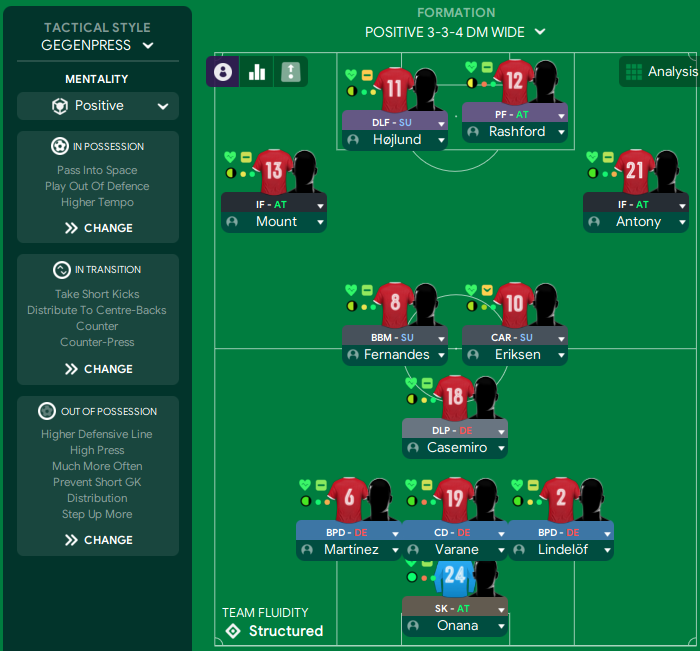
Guides for this formation
The tactical theory behind the 4-2-3-1 Wide: roles, instructions, and the trade-offs that decide whether the system holds up.
Player pairings
Midfield Pairs in 4-2-3-1 and 4-4-2
Double pivots and flat pairs in 4-2-3-1 and 4-4-2: when each pairing works, when it collapses, and the AMC unicorn that rescues both.
Read guide
Playing styles
Gegenpressing: A Full Guide
Klopp-style gegenpressing in FM, including squad profile, line-and-press pairing, sustainable workload, and the antipatterns to avoid.
Read guide