Uploaded Tactic
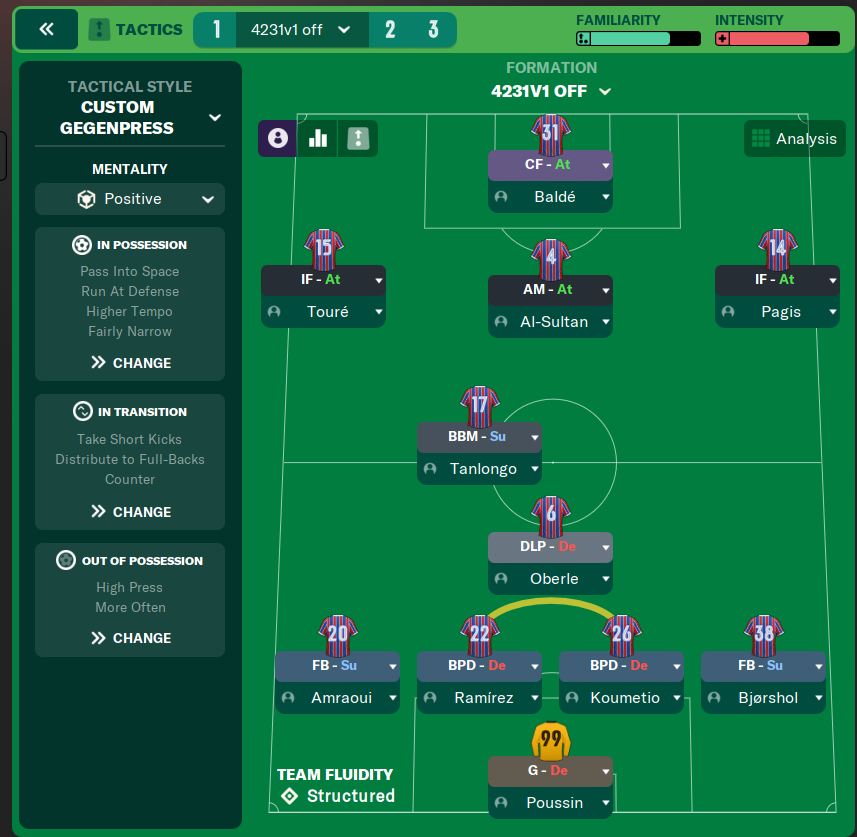
Formation & Style
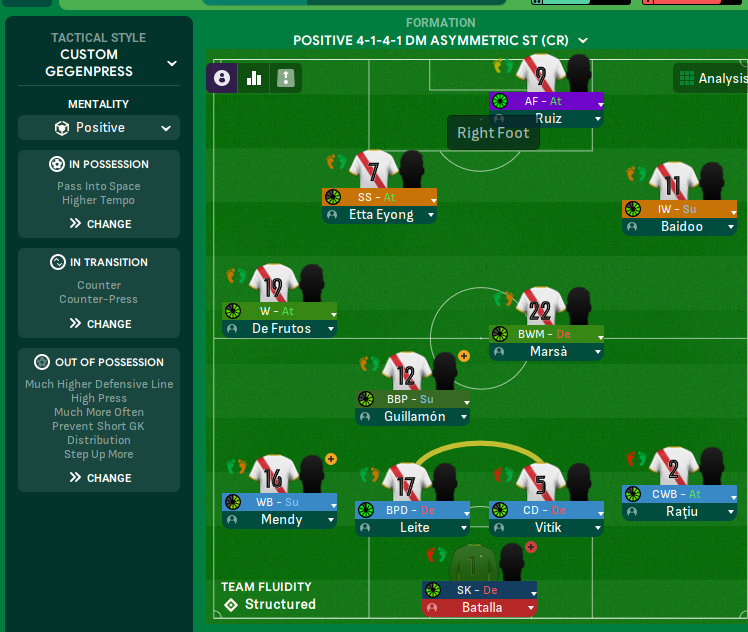
Tactical Style:Custom Gegenpress
Mentality:Positive
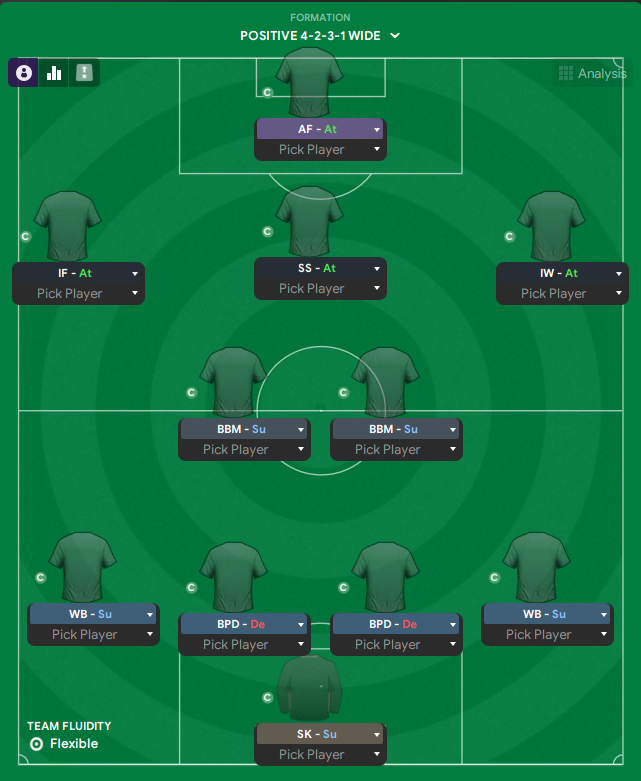
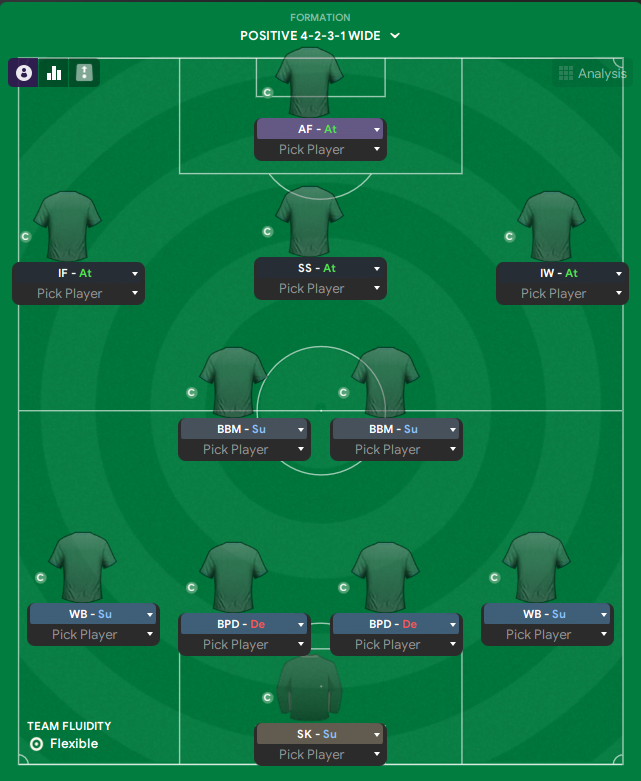
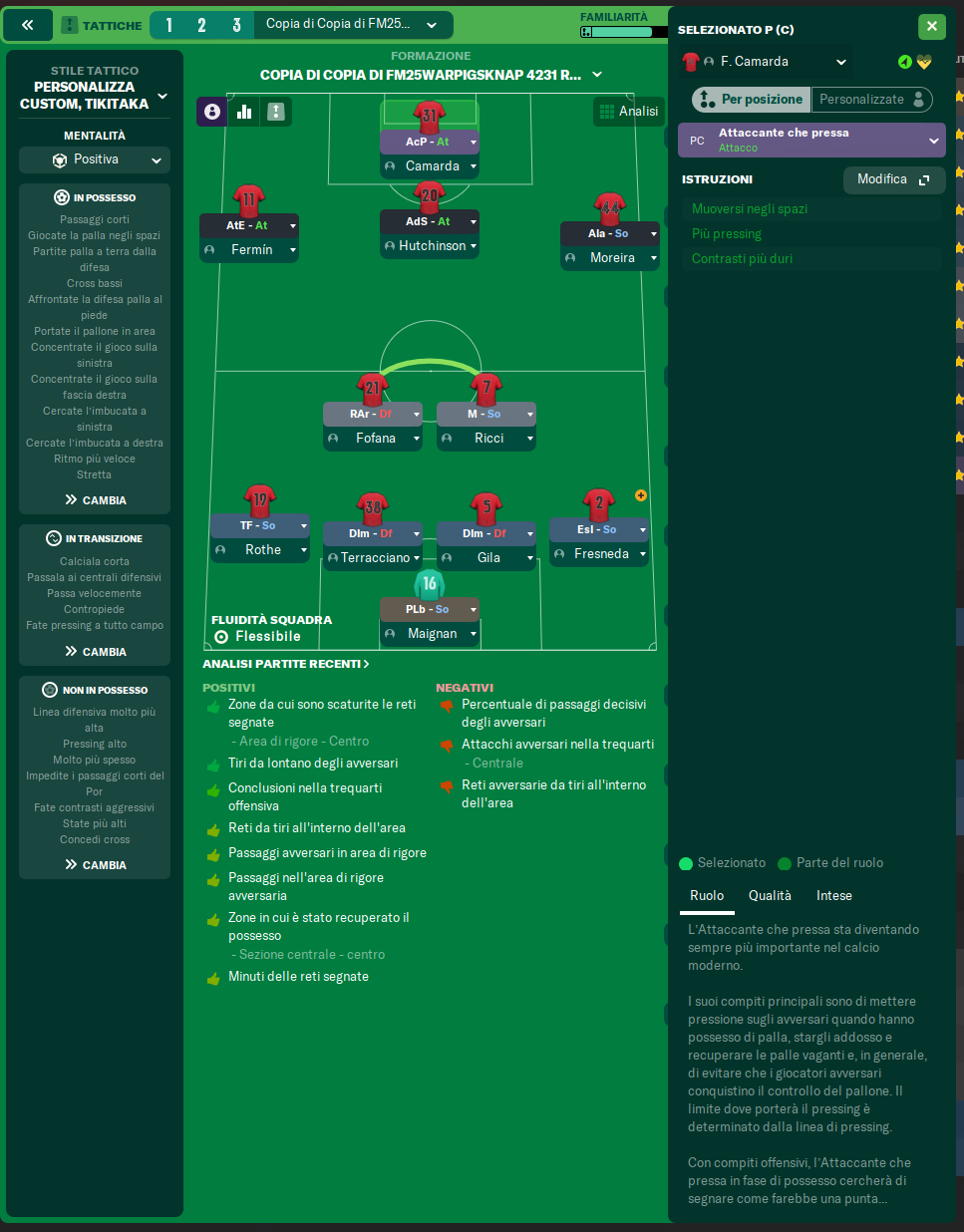
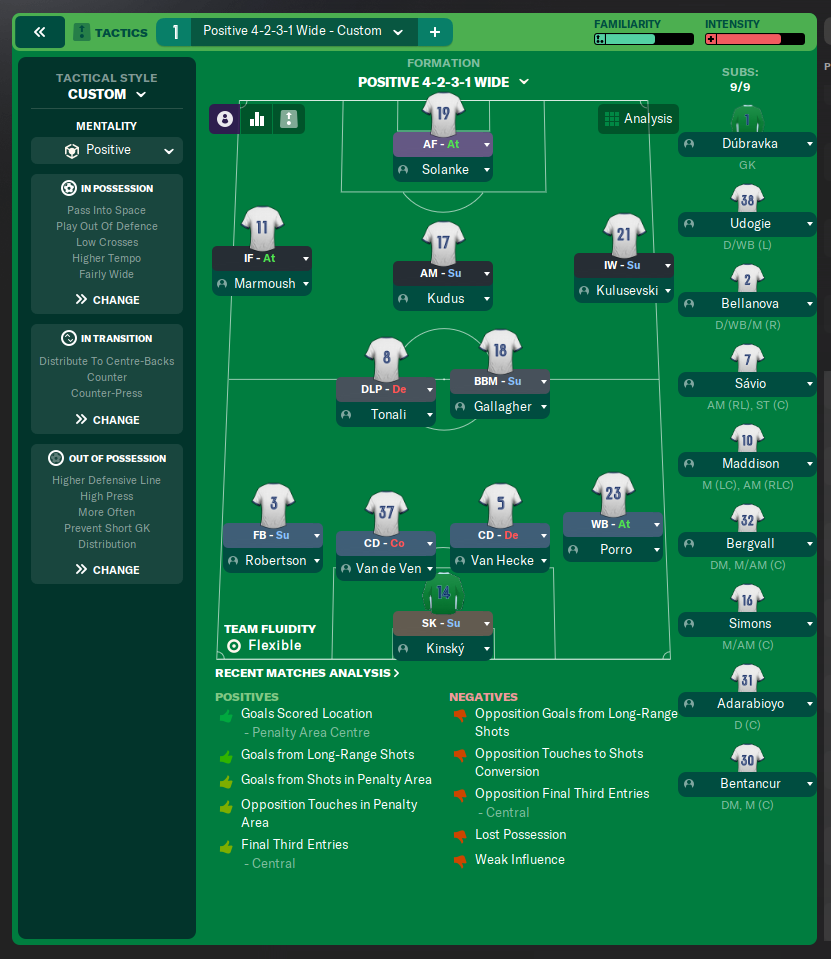
Formation:4-2-3-1 Wide
Team Fluidity:Structured
In Possession
Pass Into Space
Run At Defense
Higher Tempo
Fairly Narrow
In Transition
Take Short Kicks
Distribute to Full-Backs
Counter
Out of Possession
High Press
More Often
Team Shape Without Ball
Shape:4-2
Description:A balanced shape with defensive stability provided by two deeper midfielders.
Evidence:BBM-S at [4,3] and DLP-D at [4,2] provide a protective barrier in front of the defense.
Team Shape With Ball
Shape:4-3
Description:A fluid attacking shape that leverages width from the full-backs and creativity from the AM.
Evidence:Two IFs at [5,1] and [5,5] stretching the defense while the CF remains central at [6,3].
Phase Description
Attacking Play
Focused on quick transitions and exploiting spaces behind defenders, emphasizing ball movement through quick passes and overlaps.
Defensive Transition
Prioritizes high pressing to recover possession quickly, maintaining a compact shape.
Main Focus
Utilizing speed and positioning of inside forwards to breach defensive lines.
Key Strengths
High Pressing Intensity
The high press can overwhelm opponents in their own half, leading to quick turnovers.
Dynamic Forward Play
Multiple attacking threats complicate defending for opponents, creating space.
Controlled Build-up from the Back
The two BPDs can facilitate the transition from defense to attack, providing options.
Conflicting Directions
Vulnerability to Counterattacks
If possession is lost during pressing, the shape can leave gaps in defensive transition.
Over-reliance on Individual Brilliance
The attacking play heavily depends on the inside forwards creating on their own.
Limited Width During Build-up
The fairly narrow shape may limit wide play and stretching opponents during possession.
Tactical Suggestions
Consider More Width
Widening the shape can help in pulling defenders out of position and create gaps.
Enhance Defensive Stability
Introduce a third defensive midfielder to strengthen the center against counterattacks.
Create More Support for the CF
Utilize the AM role to create additional layers of support and fluidity in attack.
Ask Questions About Your Lineup
Related Tactics
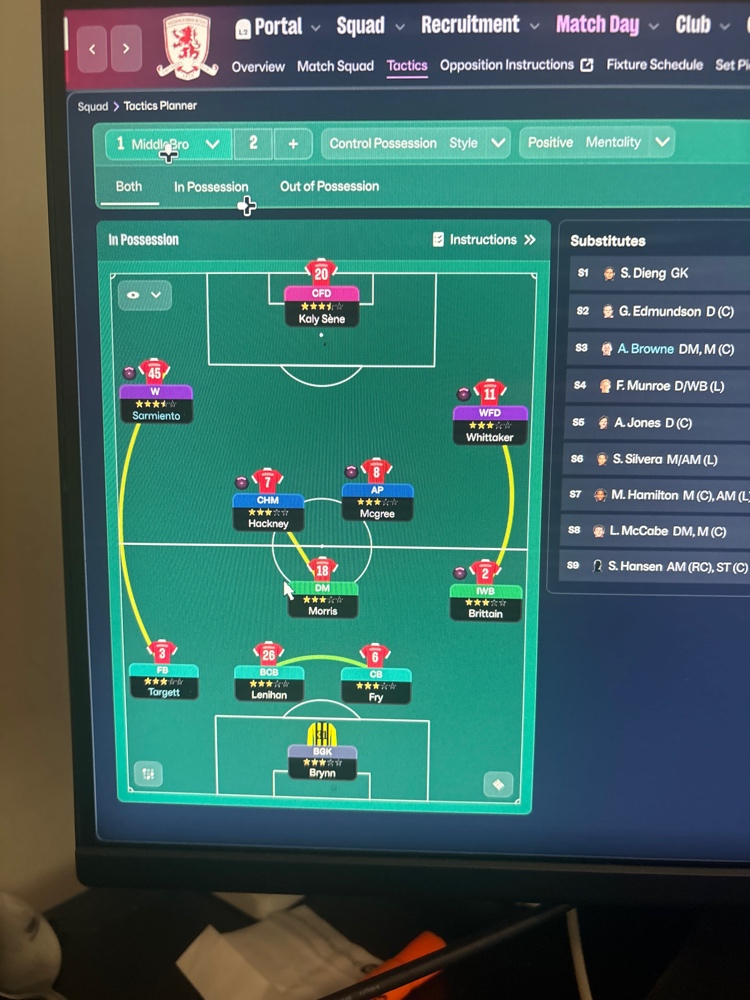
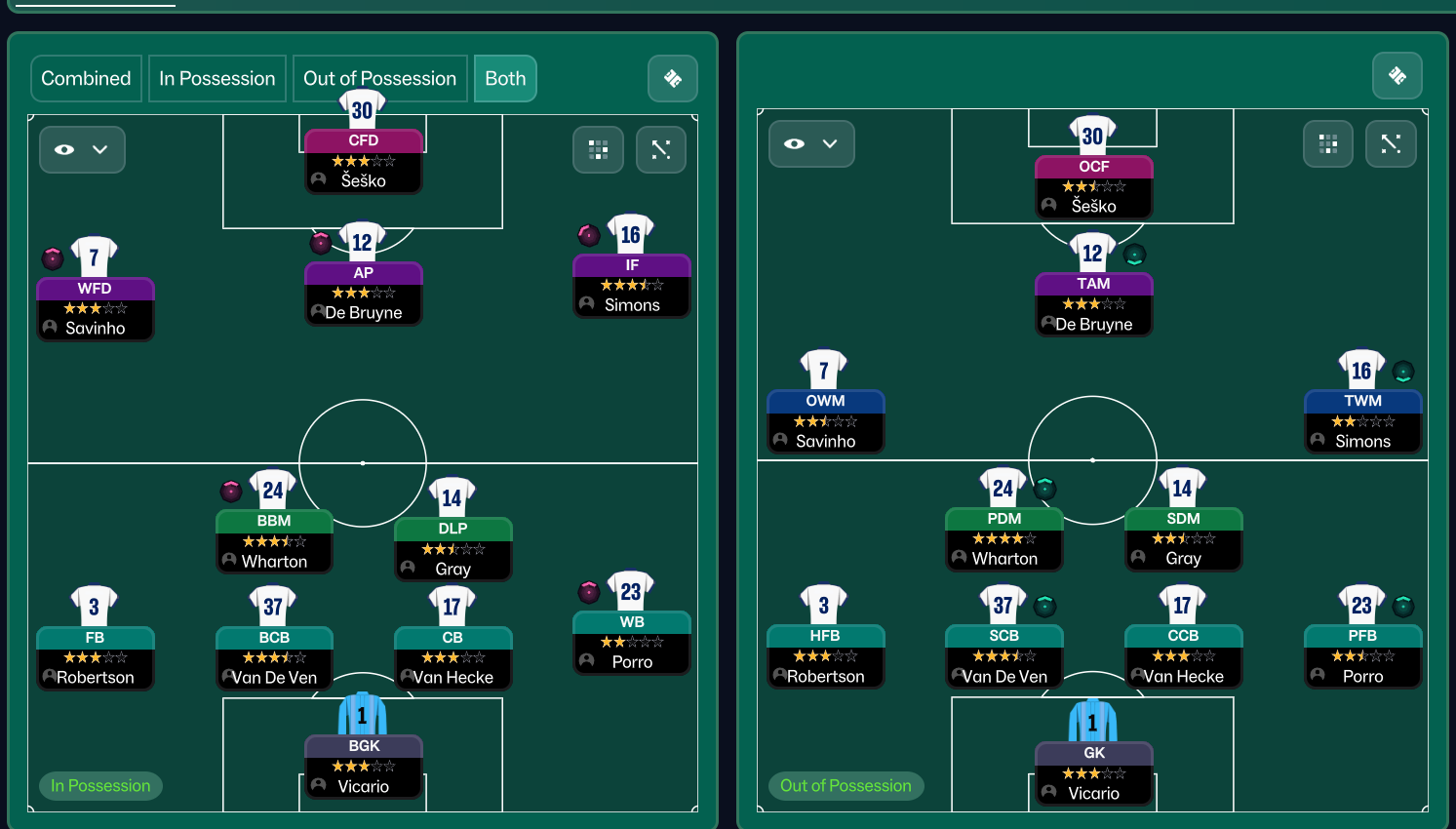
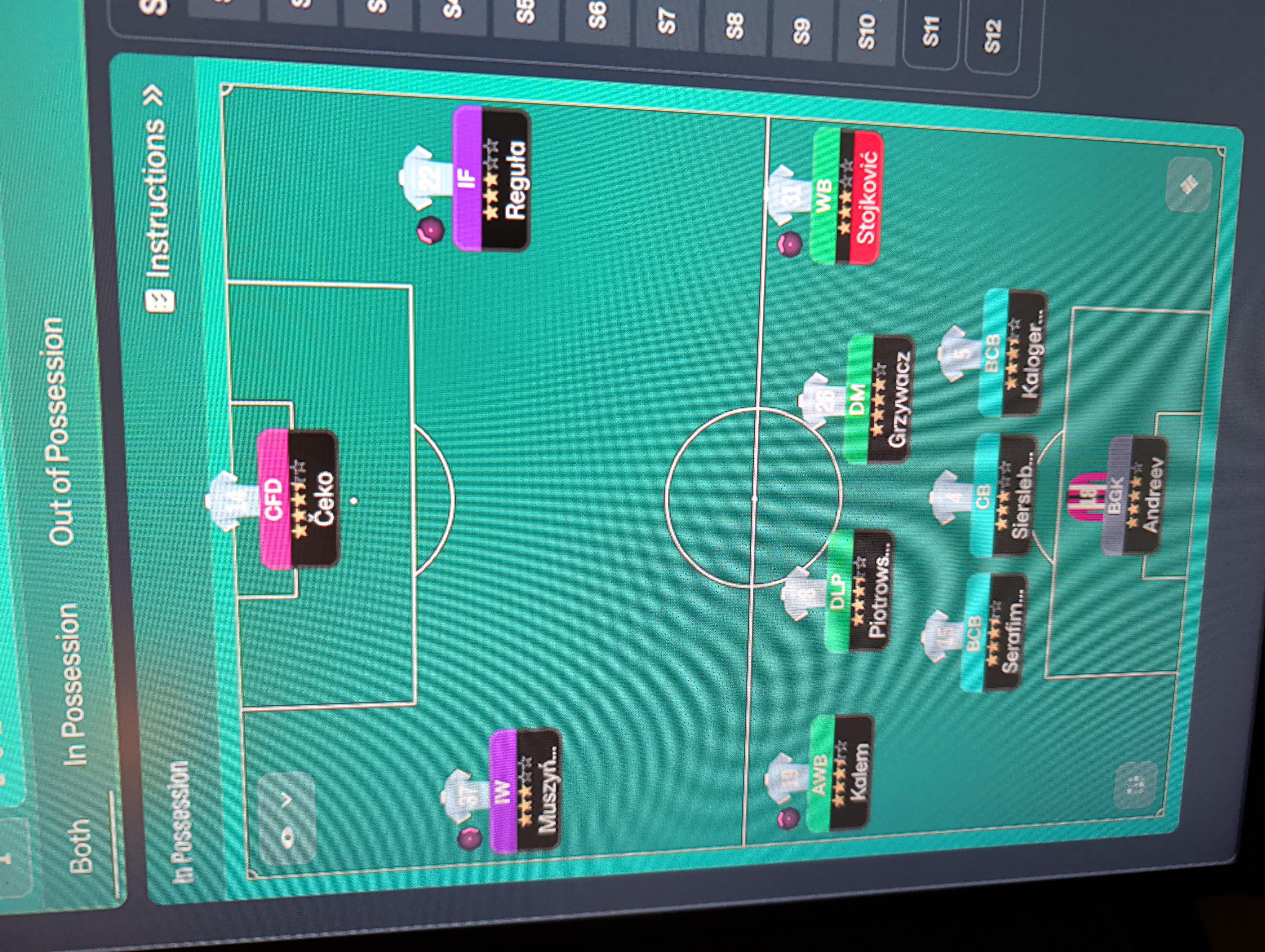
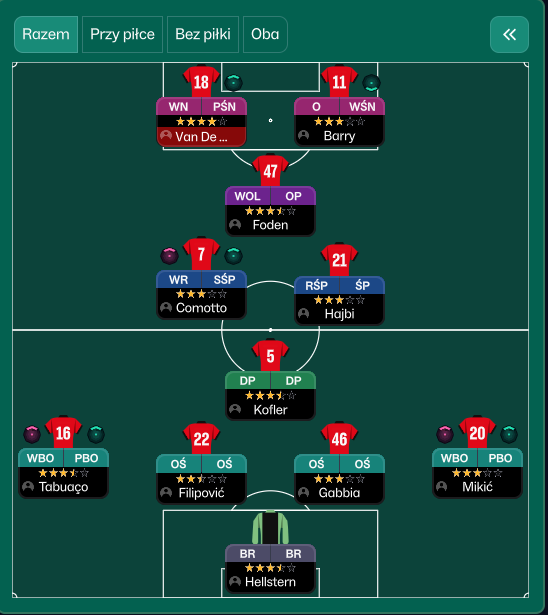
More Custom Gegenpress tactics
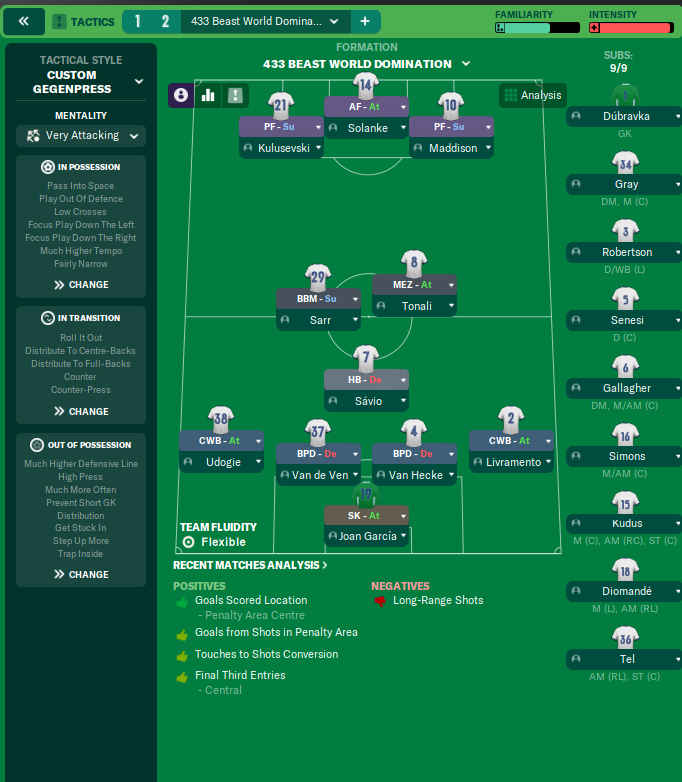
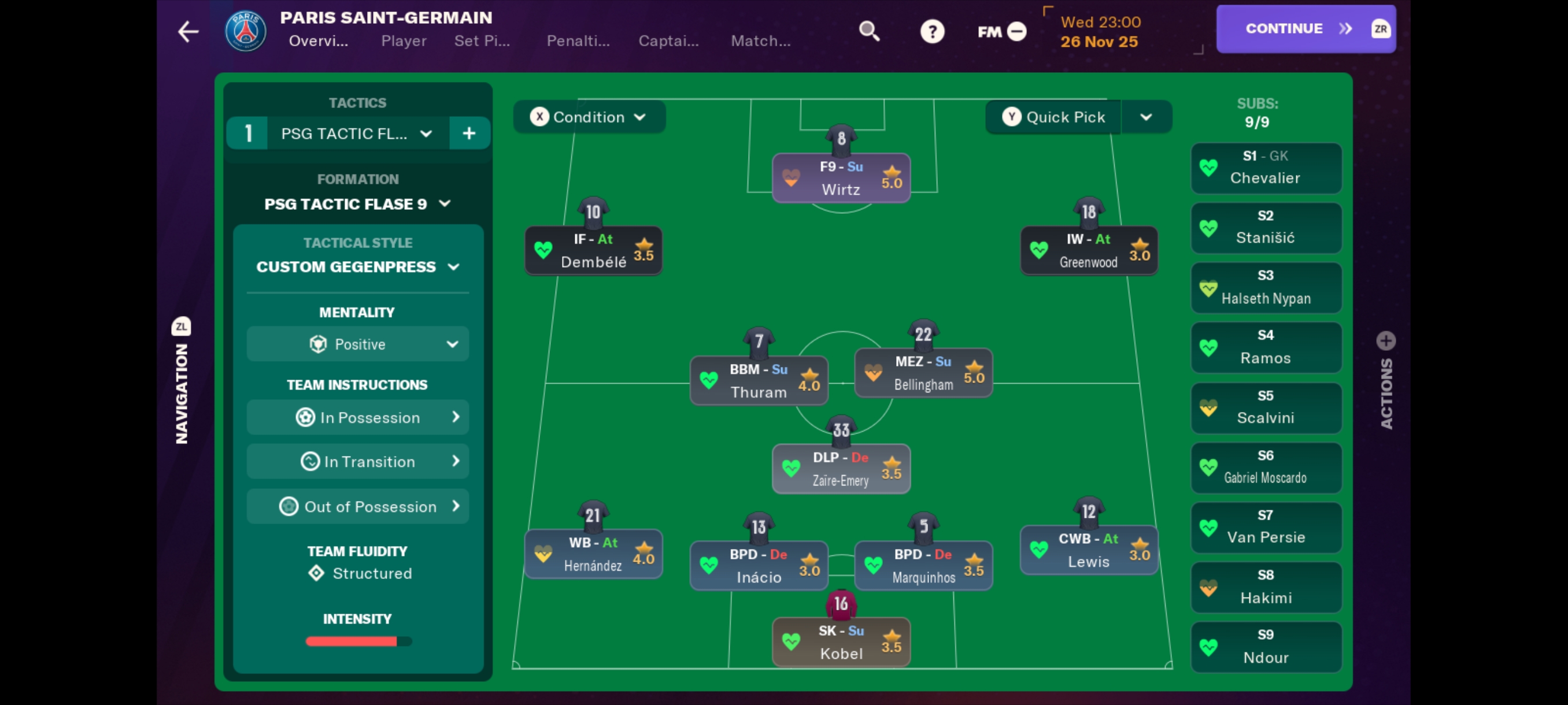
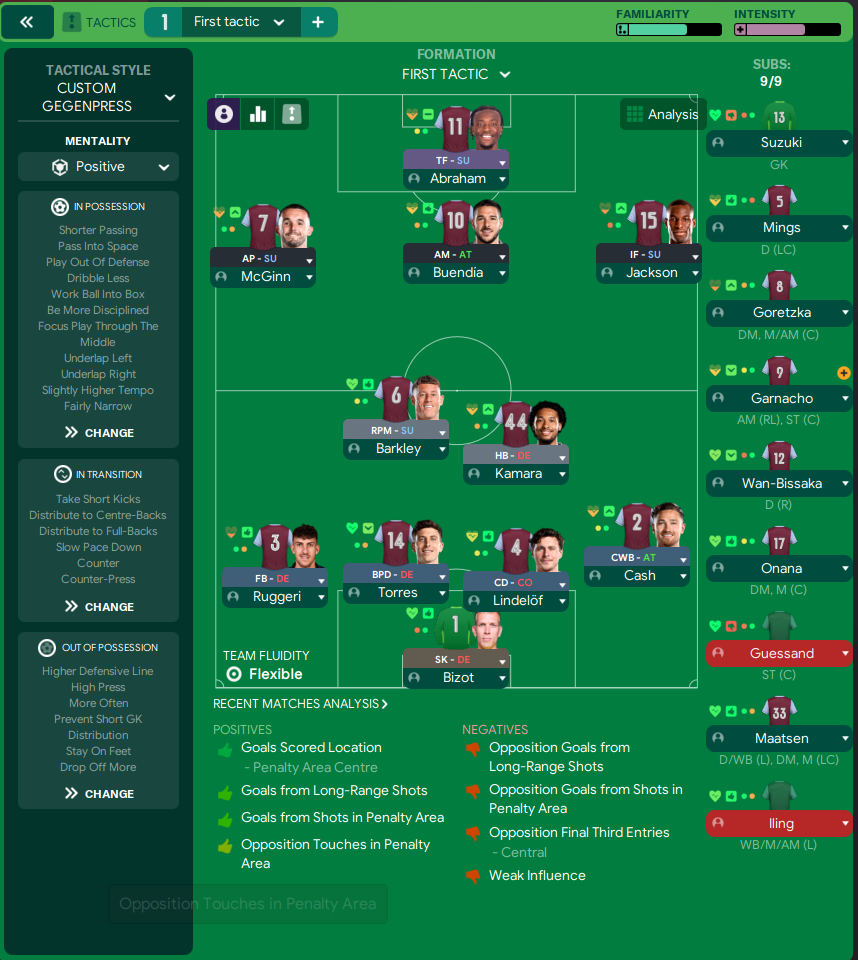
Guides for this formation
The tactical theory behind the 4-2-3-1 Wide: roles, instructions, and the trade-offs that decide whether the system holds up.
Player pairings
Midfield Pairs in 4-2-3-1 and 4-4-2
Double pivots and flat pairs in 4-2-3-1 and 4-4-2: when each pairing works, when it collapses, and the AMC unicorn that rescues both.
Read guide
Playing styles
Gegenpressing: A Full Guide
Klopp-style gegenpressing in FM, including squad profile, line-and-press pairing, sustainable workload, and the antipatterns to avoid.
Read guide