Uploaded Tactic
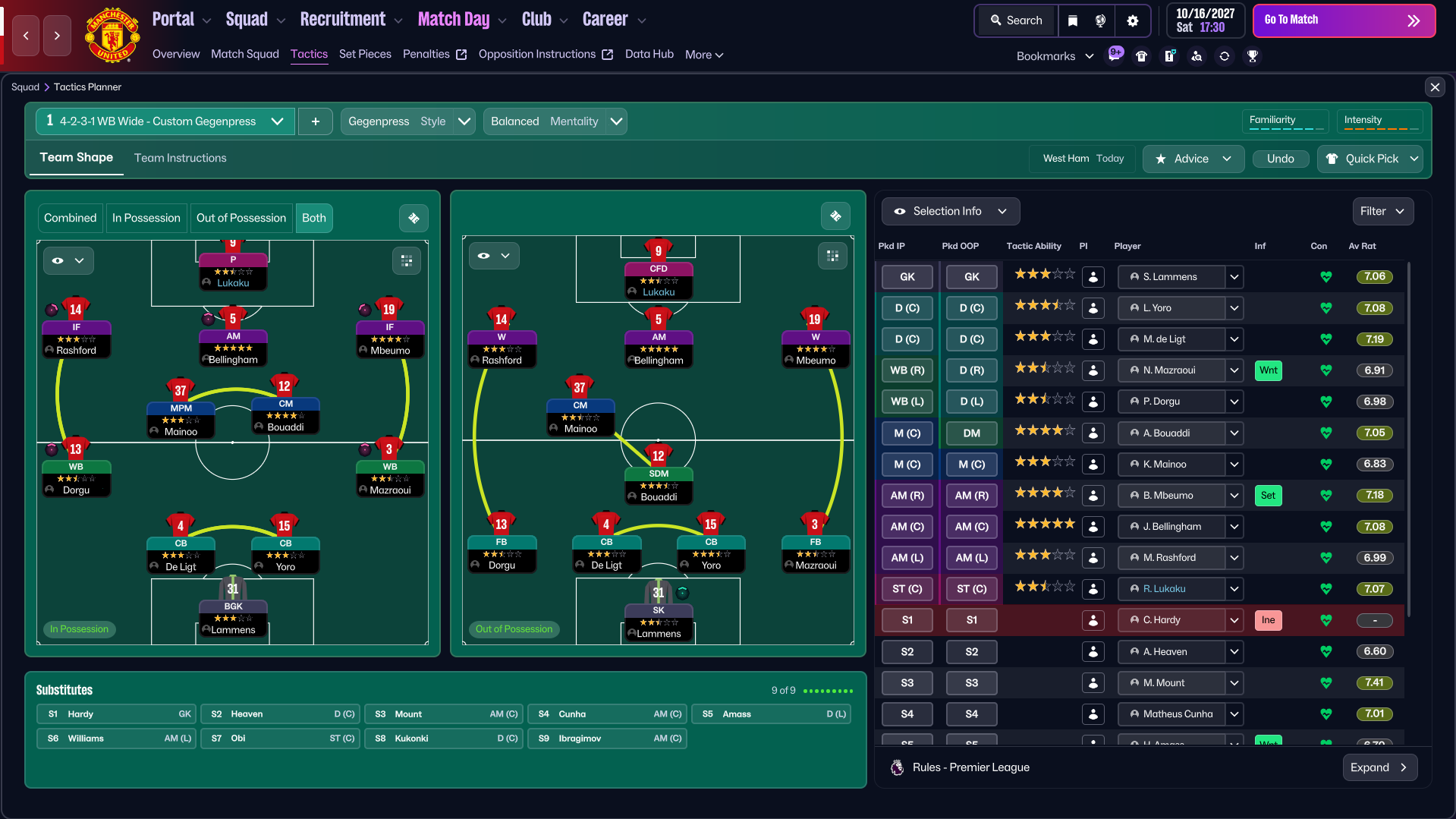
Formation & Style
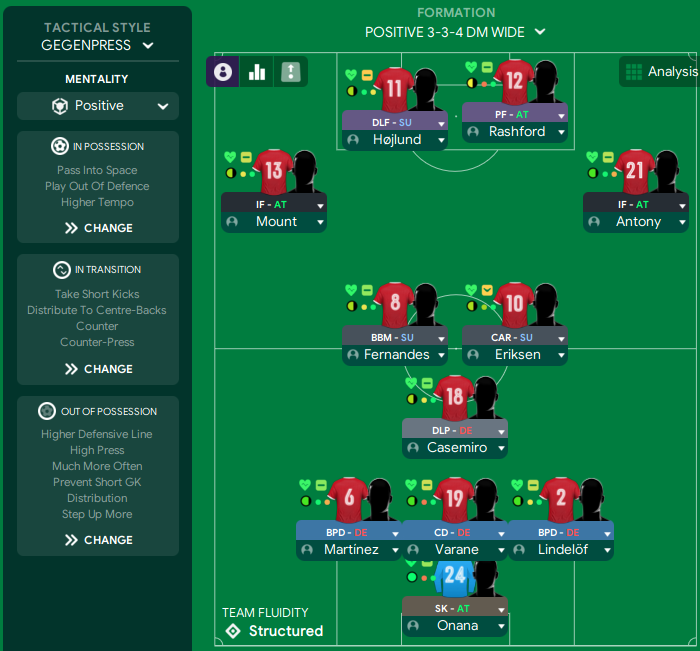
Tactical Style:Gegenpress
Mentality:Balanced
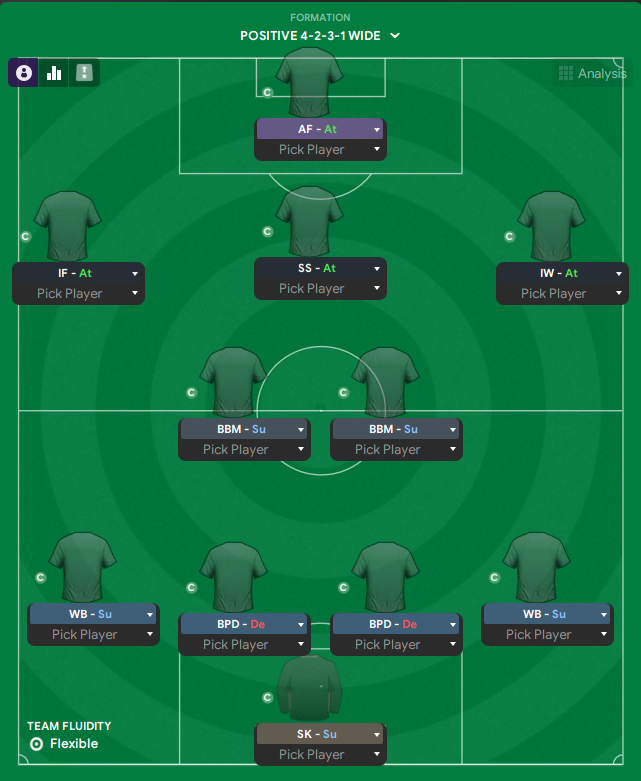
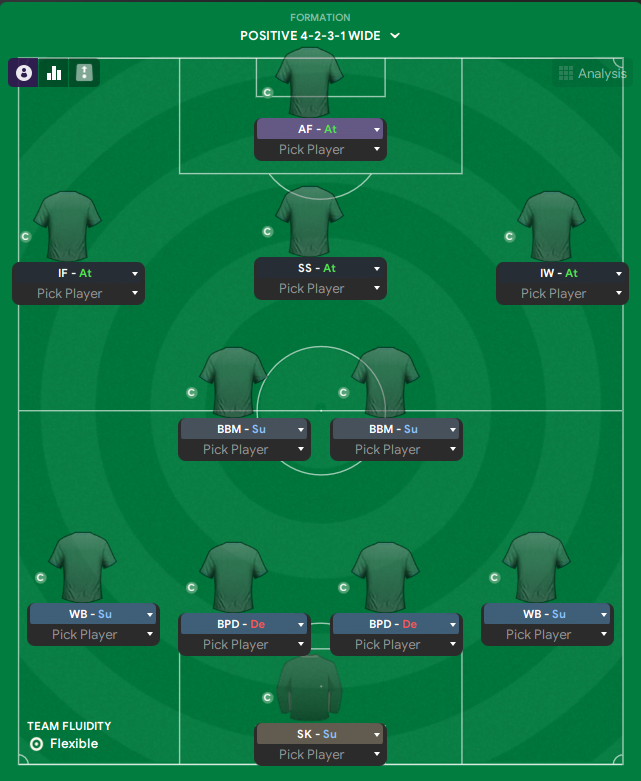
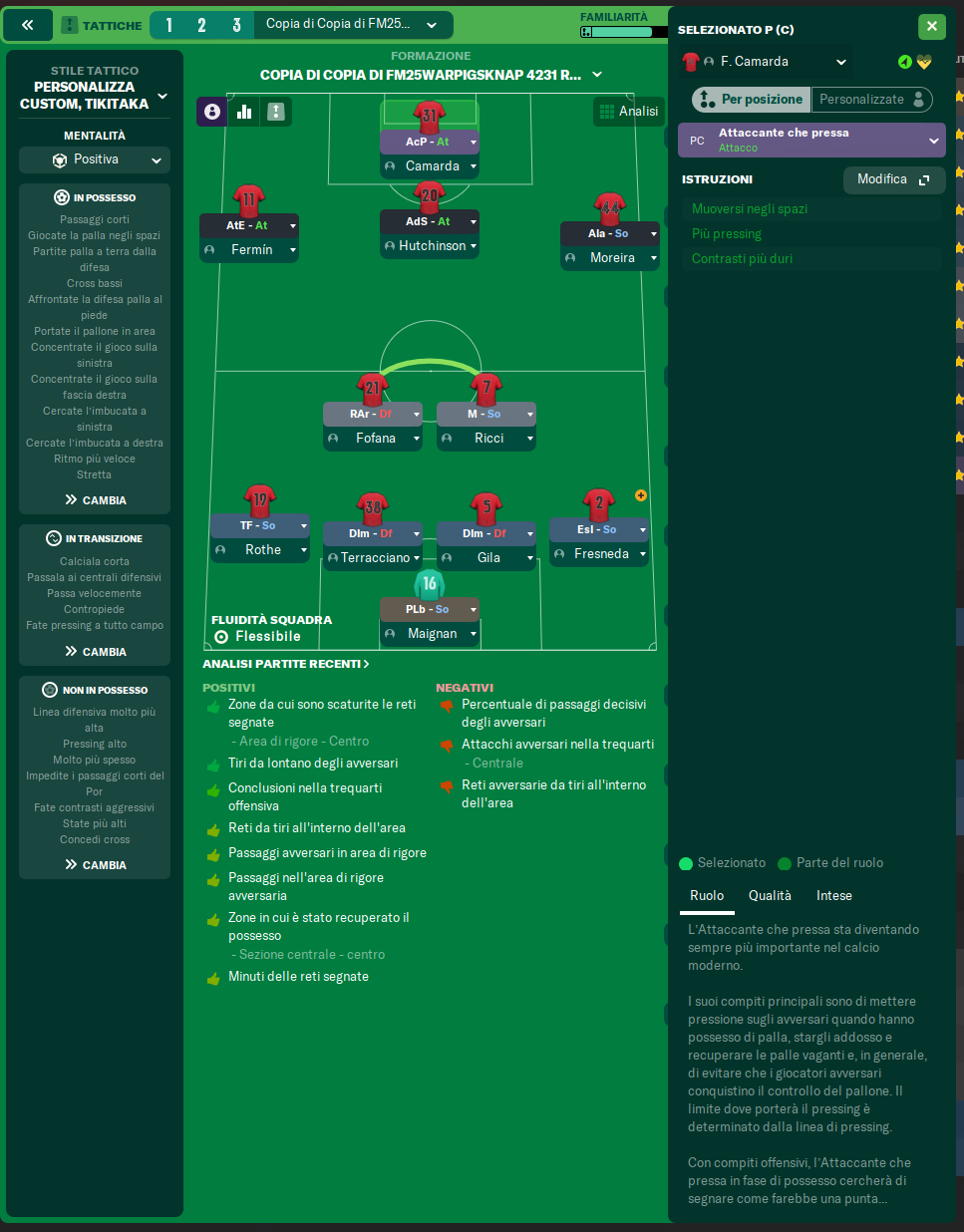
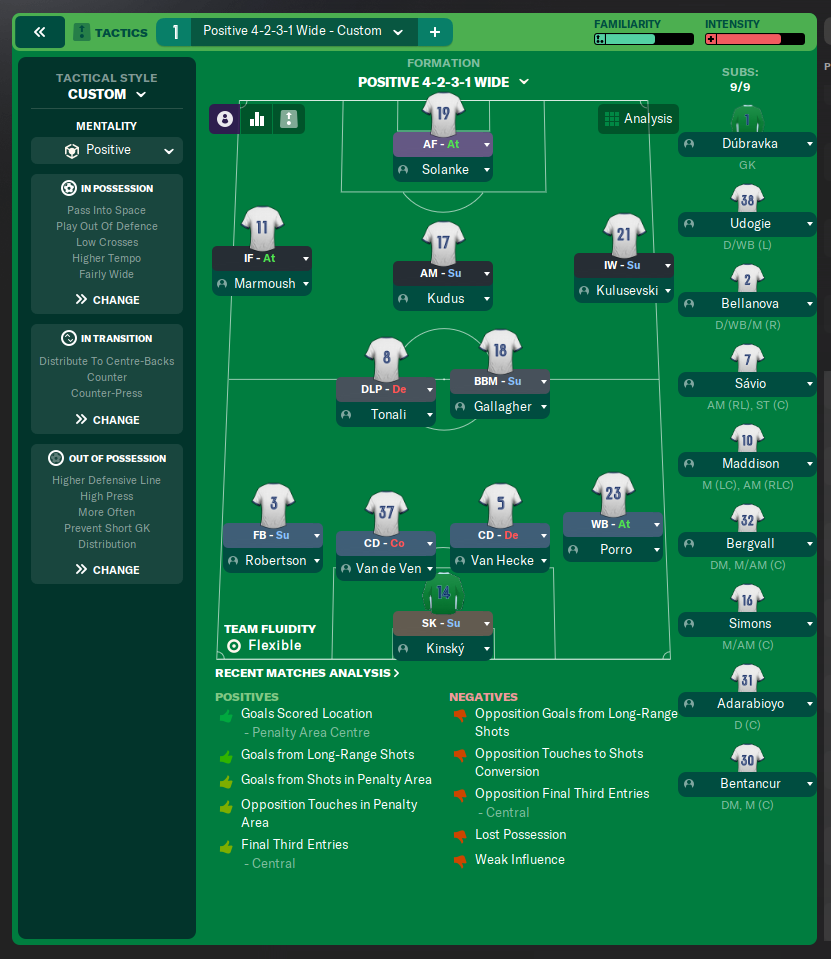
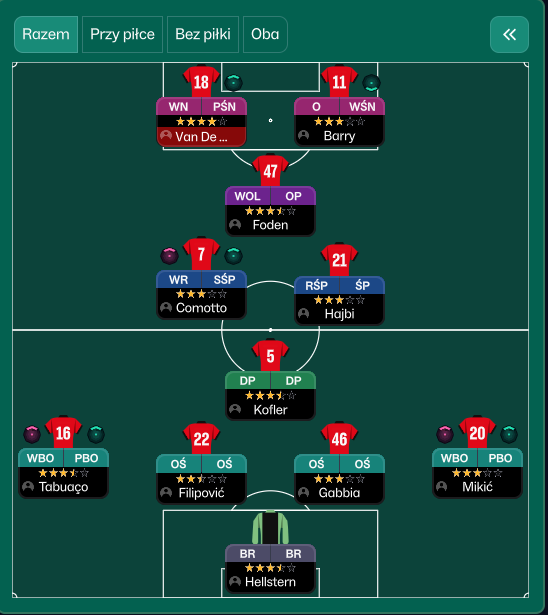
Formation:4-2-3-1 Wide
Team Fluidity:Structured
In Possession
Focus on quick transitions into attack.
Utilize the width provided by the wing-backs and inside forwards.
Encourage overlapping runs from wing-backs.
In Transition
High pressing to win the ball back quickly after losing possession.
Counter-pressing to disrupt the opponent's buildup.
Out of Possession
Maintain a high defensive line to apply pressure.
Use a high block with the forwards engaging the opposition defenders.
Team Shape Without Ball
Shape:4-2
Description:A compact shape that allows for close defense and quick recovery into pressing.
Evidence:Two banks of four and a disciplined midfield presence.
Team Shape With Ball
Shape:4-3
Description:Width is key with wing-backs pushing high and inside forwards cutting inside.
Evidence:Dynamic positioning of wing-backs and forwards creates overloads.
Phase Description
Attacking Play
Fast transitions using width and pace from inside forwards.
Defensive Transition
Aggressive pressing to quickly regain possession.
Main Focus
Exploiting spaces left by opponents through quick, incisive plays.
Key Strengths
Width in Attack
The wing-backs provide width, allowing the inside forwards to exploit space.
Pressing Ability
High pressing disrupts opponent buildup and allows for quick turnovers.
Dynamic Forward Line
Combination of varied roles in attack creates unpredictability.
Conflicting Directions
Overreliance on Width
If the opposition focuses their defense on the flanks, midfield might become isolated.
High Defensive Line Risks
Vulnerable to quick counter-attacks if opponents bypass the press.
Lack of Depth in Midfield
With only one deep-lying presence, breaking through compact defenses can be challenging.
Tactical Suggestions
Adjust Midfield Shape
Consider a more balanced approach in midfield to maintain control.
Rotate Forward Positions
Encourage fluid movement among forwards to confuse markers.
Strengthen Defensive Depth
Implement deeper defensive options to mitigate counter-attack risks.
Ask Questions About Your Lineup
Related Tactics
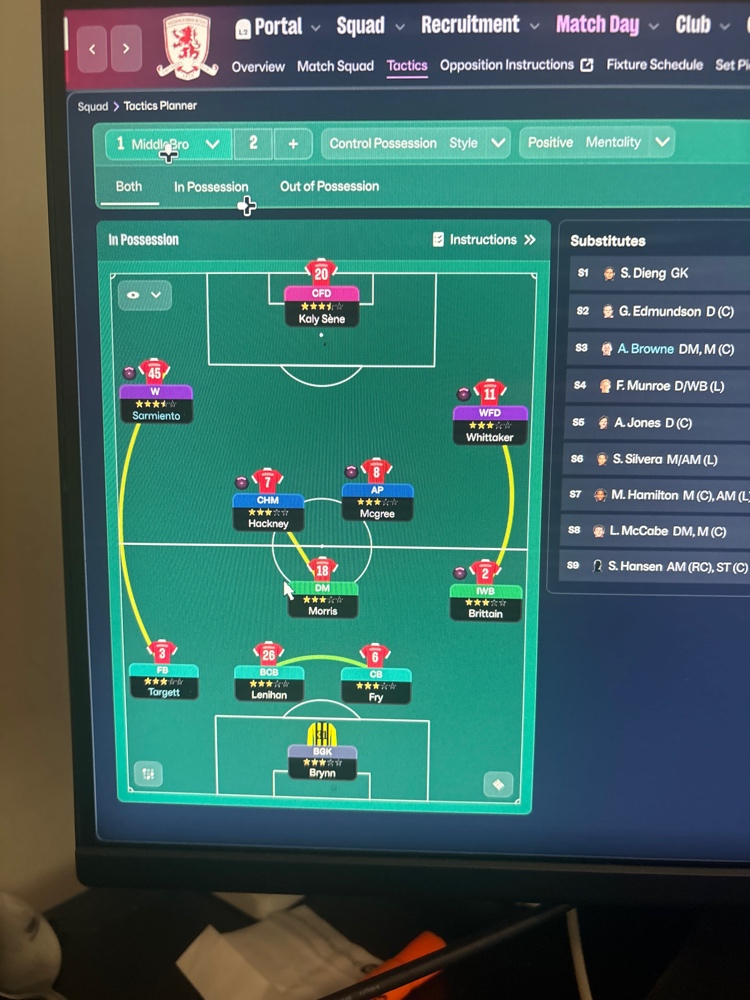
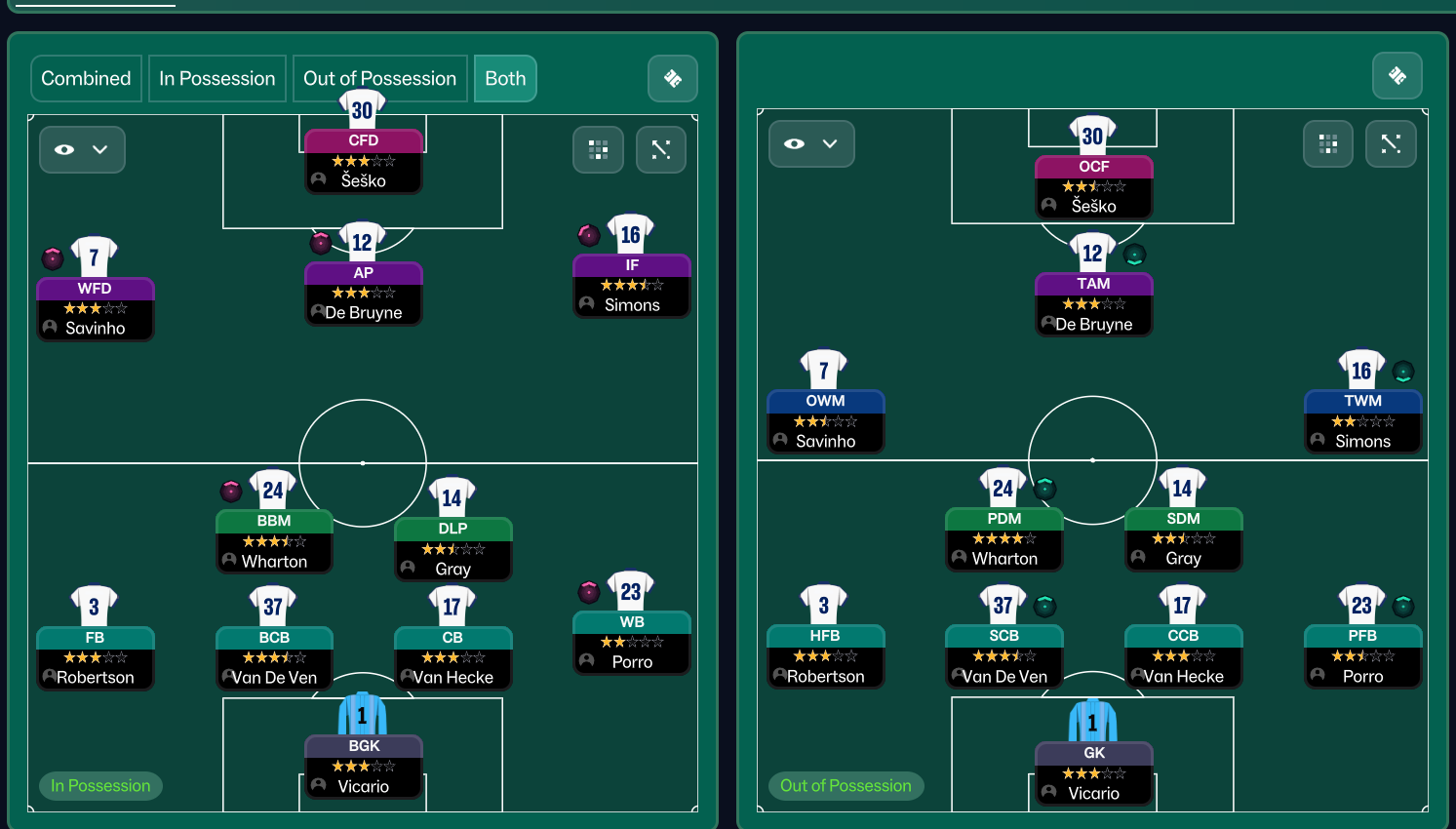
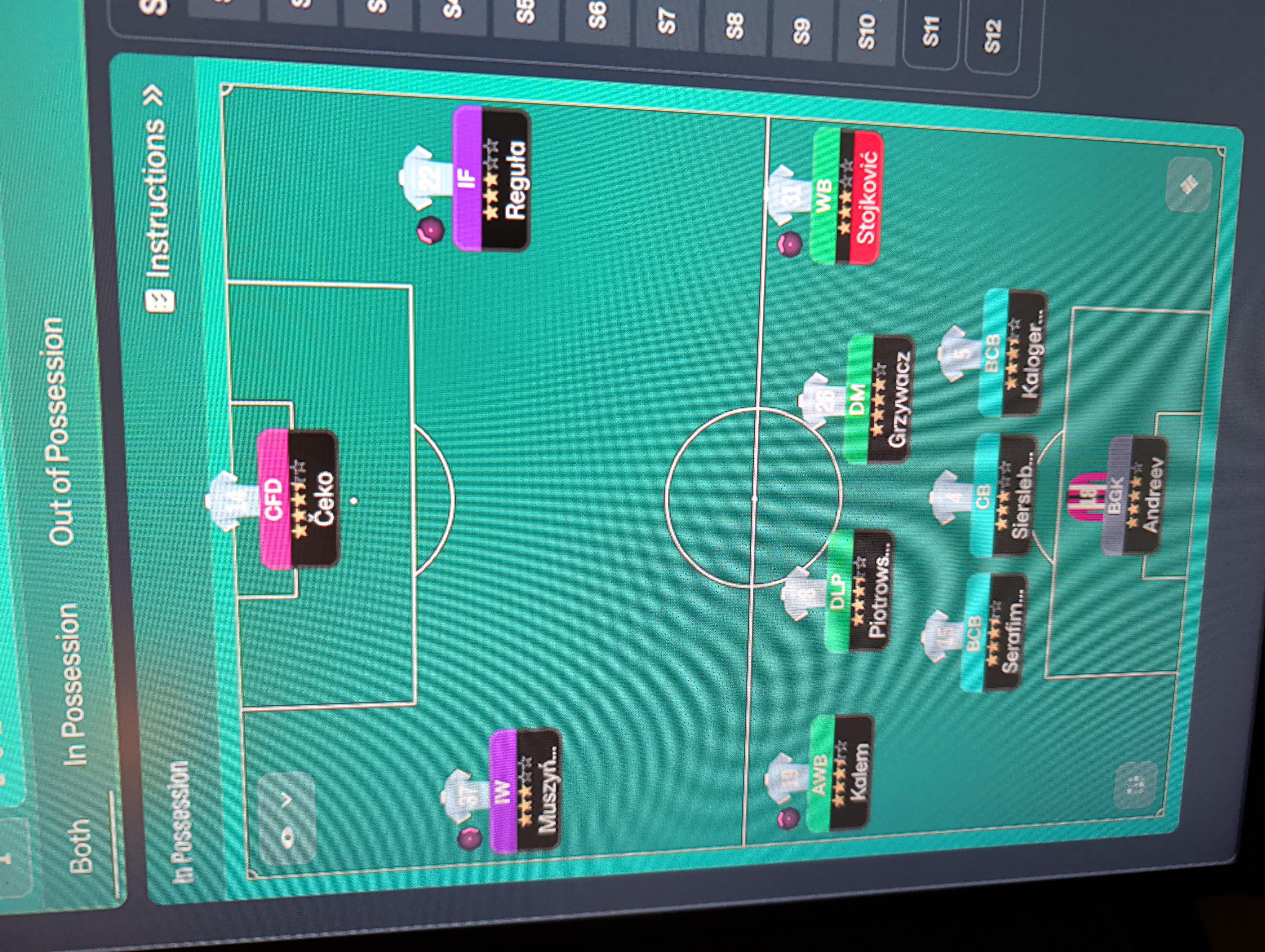
More Gegenpress tactics
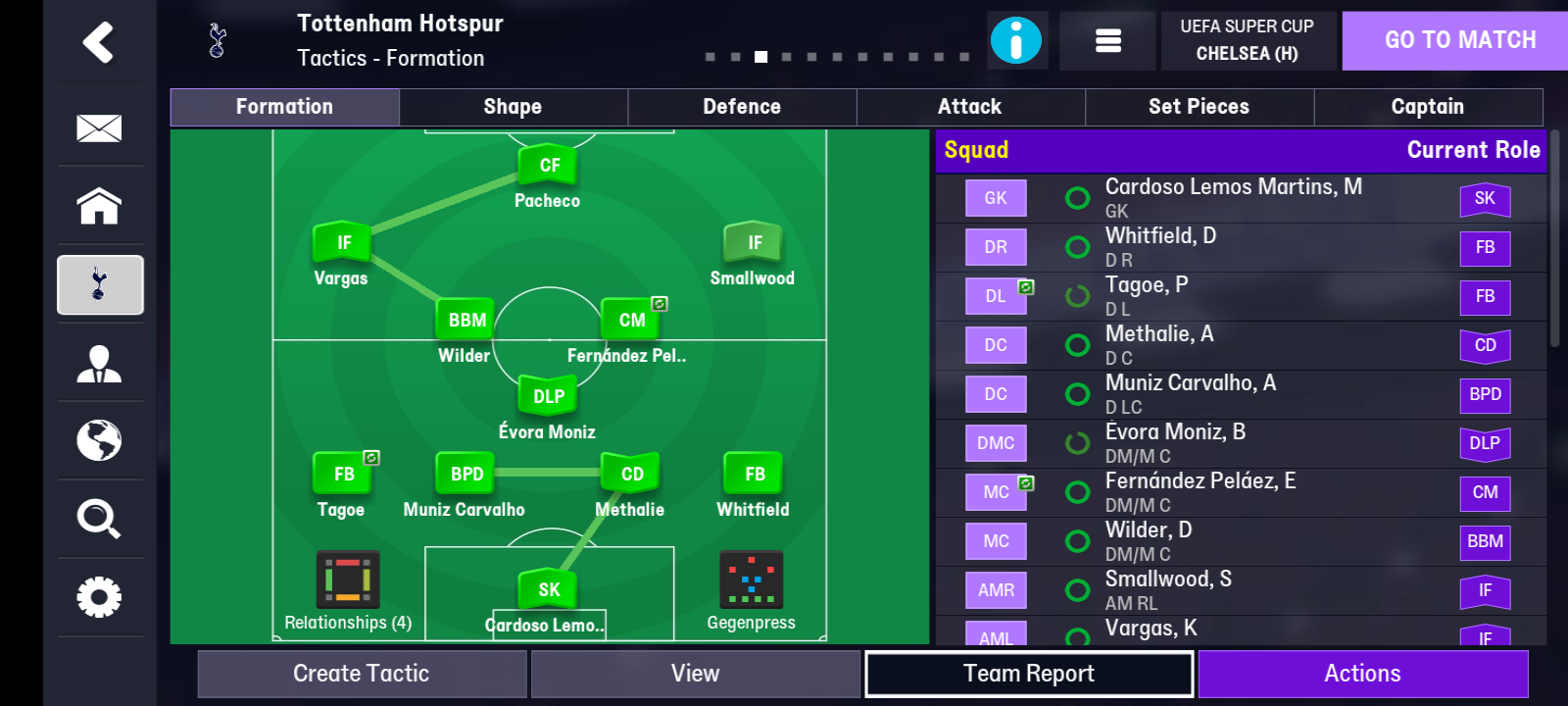
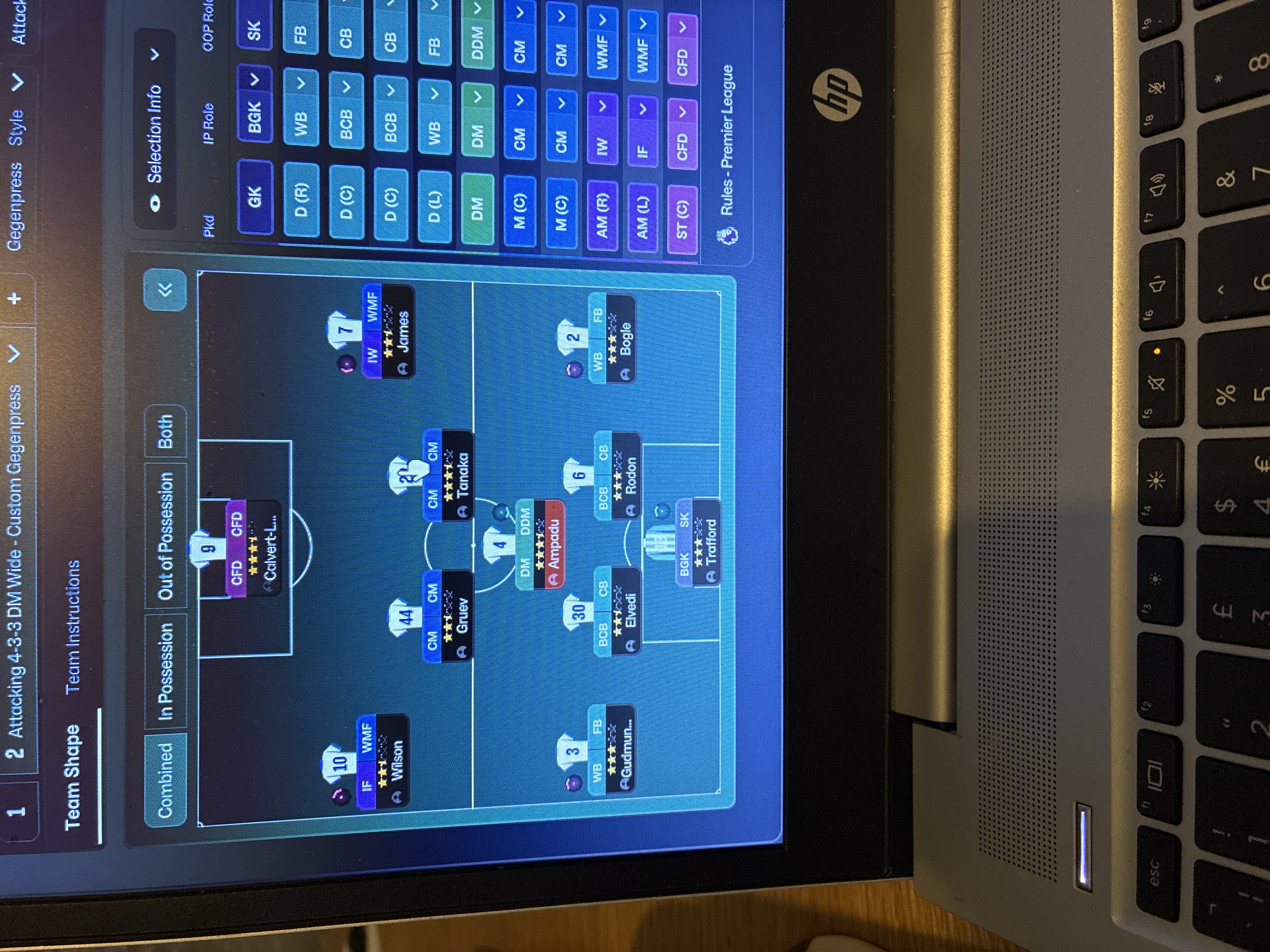
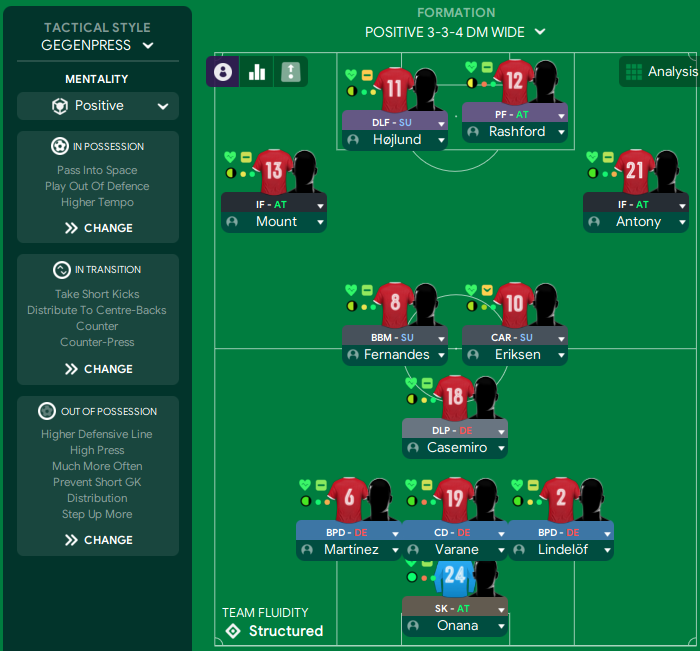
Guides for this formation
The tactical theory behind the 4-2-3-1 Wide: roles, instructions, and the trade-offs that decide whether the system holds up.
Player pairings
Midfield Pairs in 4-2-3-1 and 4-4-2
Double pivots and flat pairs in 4-2-3-1 and 4-4-2: when each pairing works, when it collapses, and the AMC unicorn that rescues both.
Read guide
Playing styles
Gegenpressing: A Full Guide
Klopp-style gegenpressing in FM, including squad profile, line-and-press pairing, sustainable workload, and the antipatterns to avoid.
Read guide