Uploaded Tactic
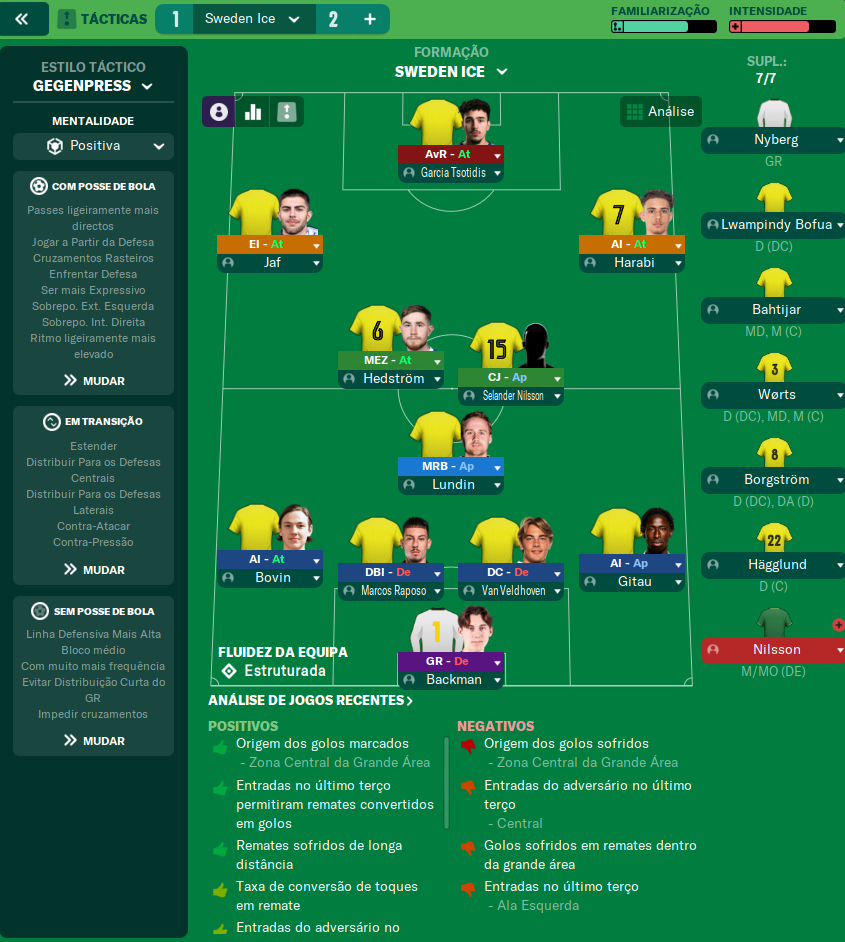
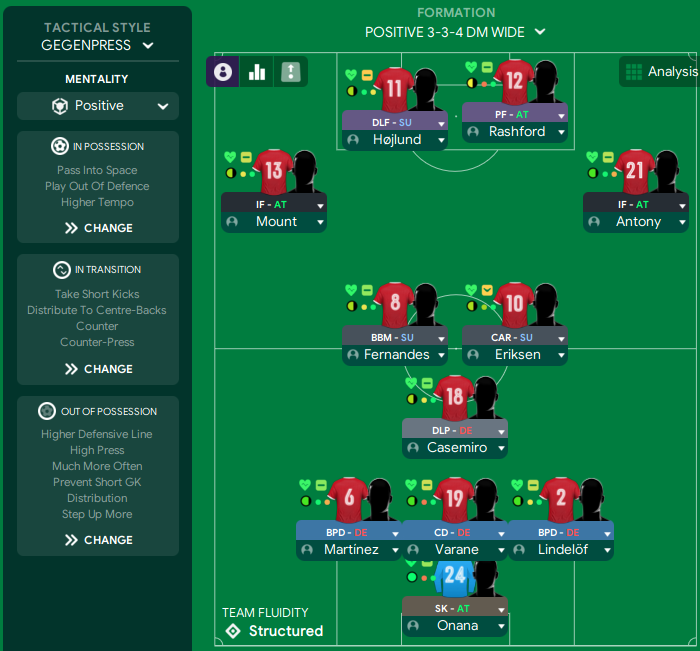
Formation & Style
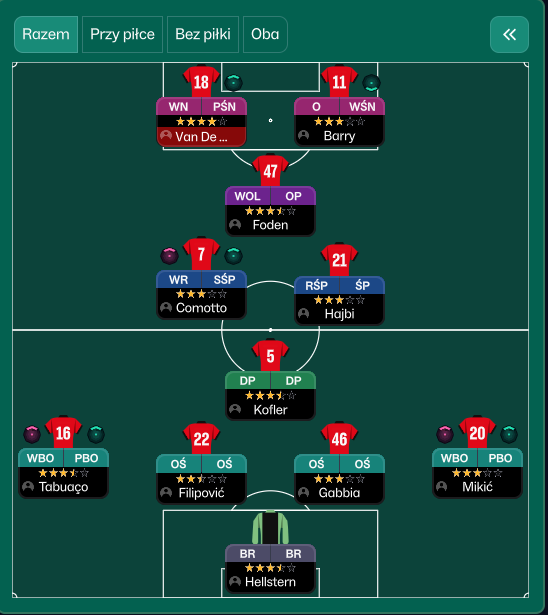
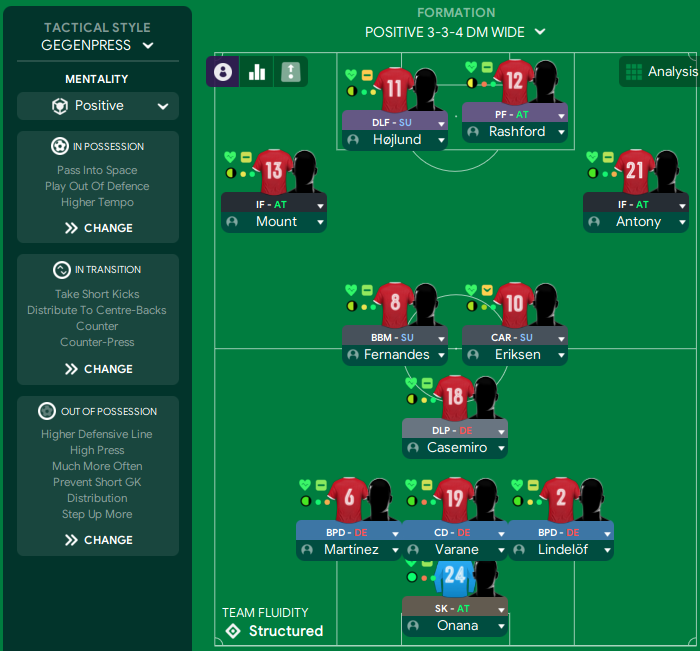
Tactical Style:Gegenpress
Mentality:Positive
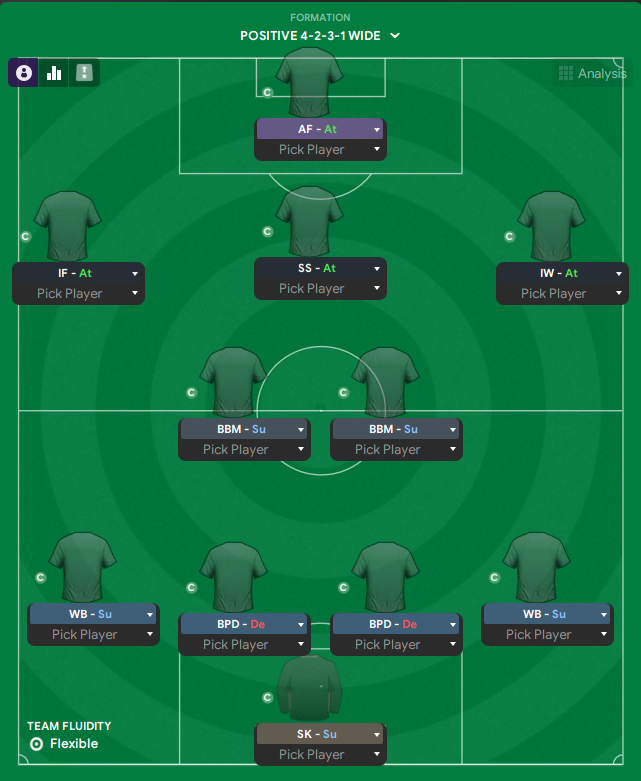
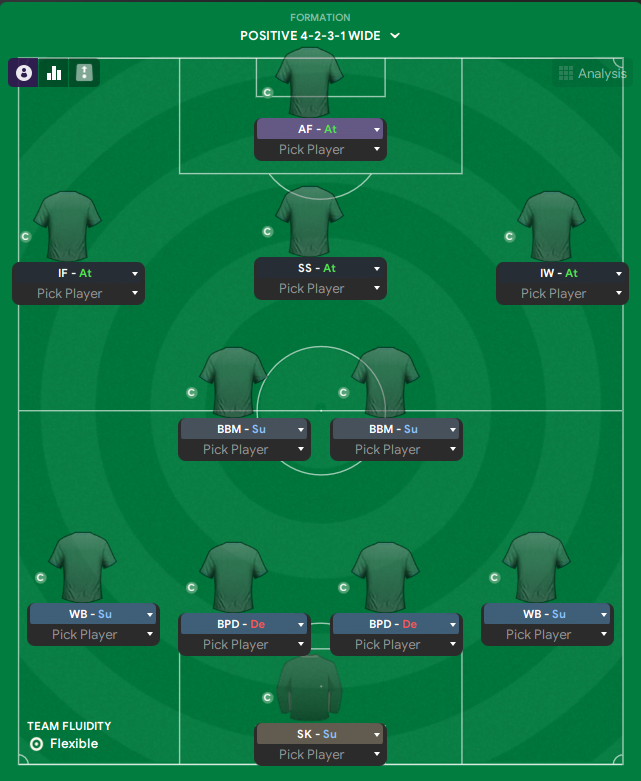
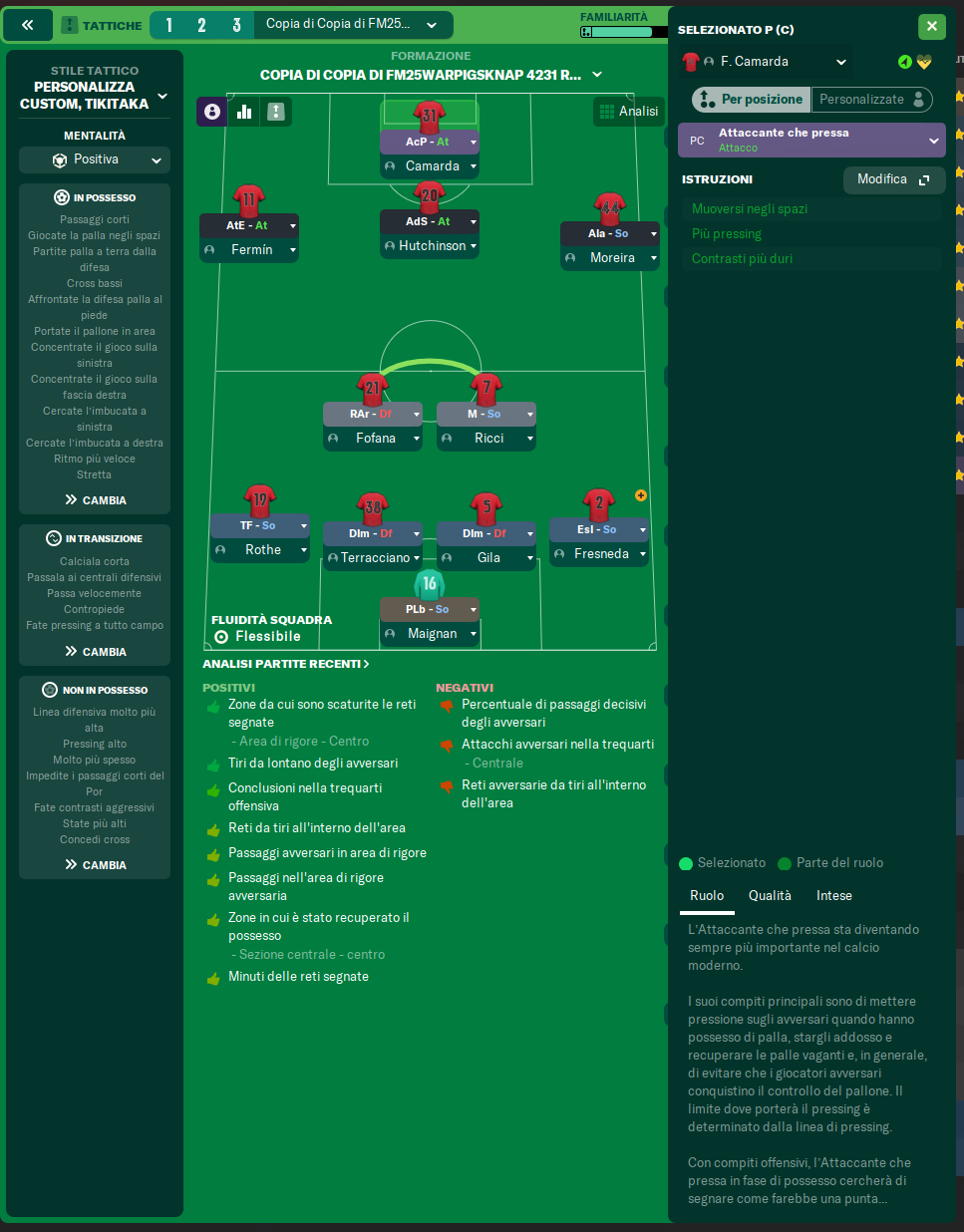
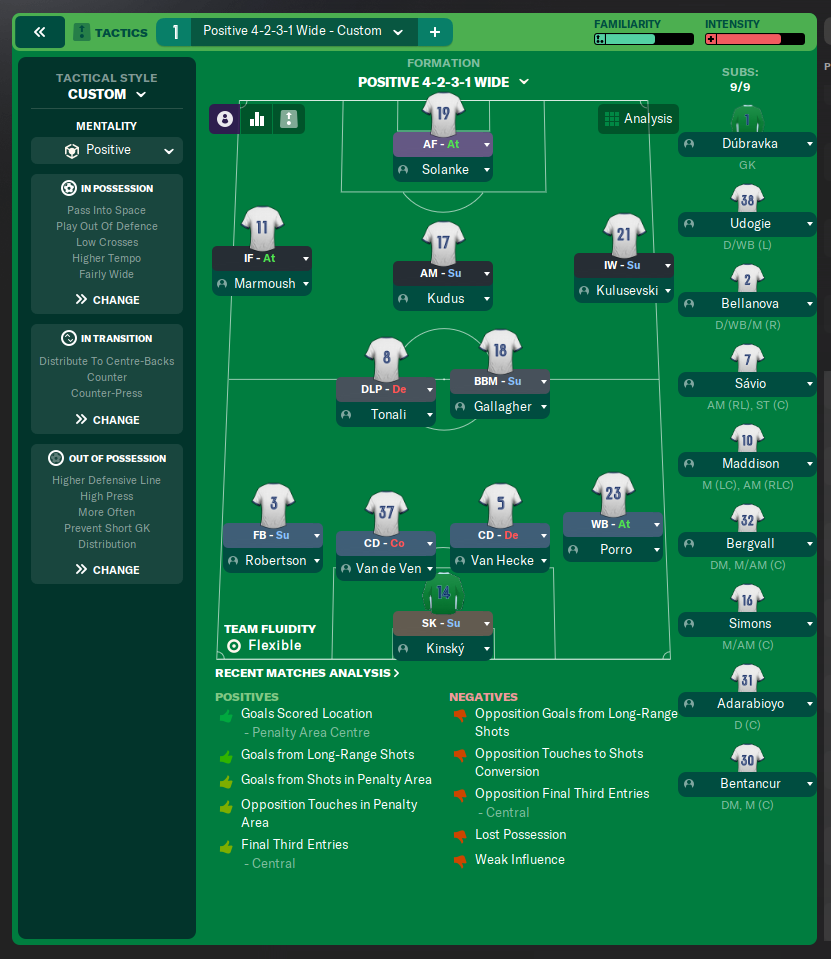
Formation:4-2-3-1 Wide
Team Fluidity:Structured
In Possession
Shorter passing
Direct play
Quick crosses
Exploit the middle
In Transition
Wider distribution to full-backs
Counter-attack
Counter-press
Out of Possession
Higher defensive line
Pressing more frequently
Tight marking in defensive third
Team Shape Without Ball
No team shape without ball data available
Team Shape With Ball
No team shape with ball data available
Key Strengths
Dynamic Offense
Utilizing multiple attack channels with wing-backs and an advanced forward keeps pressure on the opposition.
High Press
The gegenpressing style effectively disrupts opposing plays, creating turnovers in dangerous areas.
Player Versatility
Positions like Mezzala and Box-to-Box Midfielder provide flexibility in both attack and defense.
Flexible Formation
The 4-2-3-1 formation allows for solid defensive structures while also promoting width in attacking phases.
Conflicting Directions
Over-commitment in Attack
With multiple attacking players, defensive cover may be insufficient, leaving vulnerabilities during opponent counters.
Lack of Depth in Midfield
The structured fluidity may hinder players' ability to cover ground rapidly, especially during rapid transitions.
High Defensive Line Risks
While pressing high can be effective, it may also expose defenders to quick counter-attacks from faster opponents.
Wing-Backs Overlapping Concerns
Wing-backs attacking may lead to positional disorganization if not properly supported by center midfielders.
Tactical Suggestions
Adjust Defensive Duties
Consider changing some attacking roles to support duties to maintain a balance between attack and defense.
Introduce Depth in Midfield
Adding a more defensive-minded player could solidify the center and reduce vulnerabilities during transitions.
Incorporate Counter Attack Strategy
Using counter-attacking options could exploit the space left by far-forward opponents.
Review Wing-Back Positions
Switching one of the wing-backs to a more conservative role could enhance defensive stability.
Ask Questions About Your Lineup
Related Tactics
More Gegenpress tactics
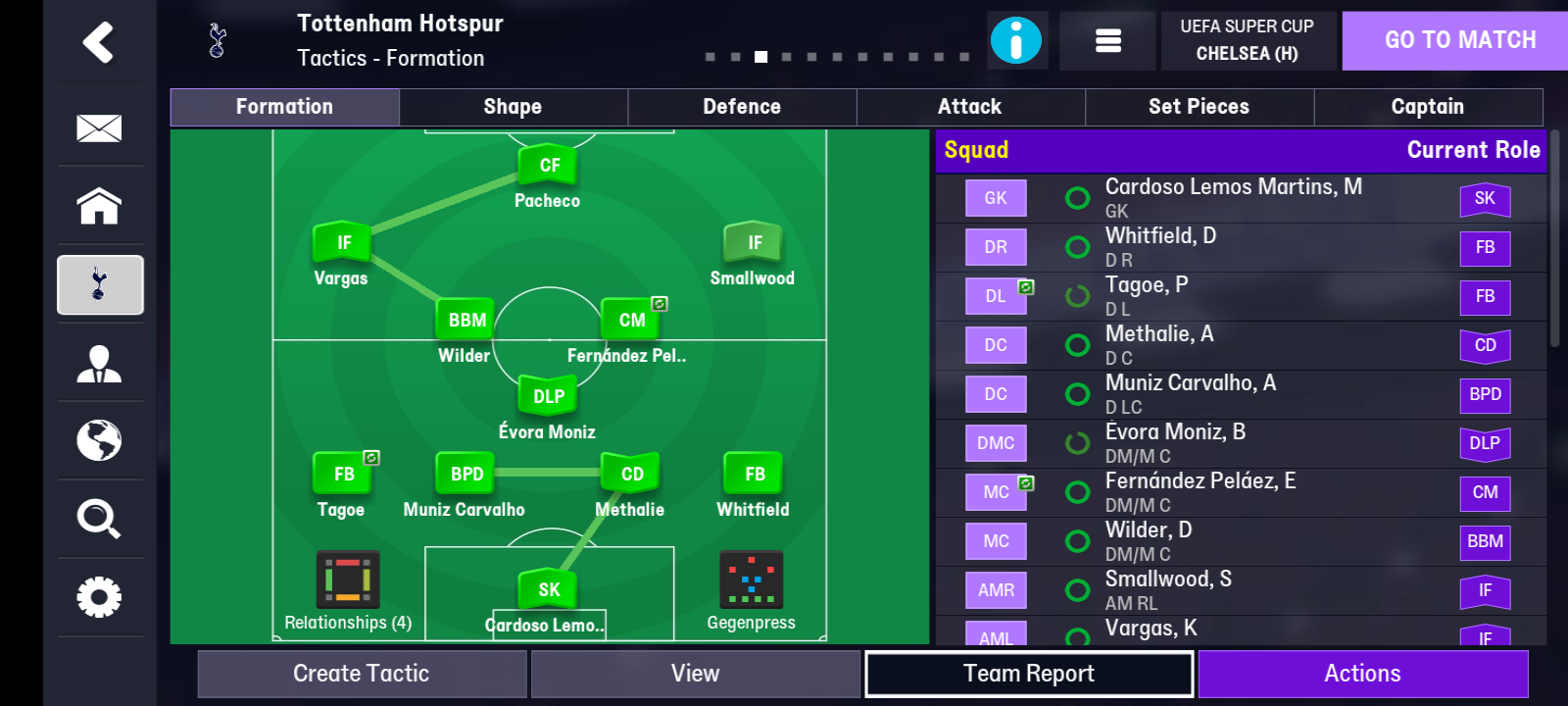
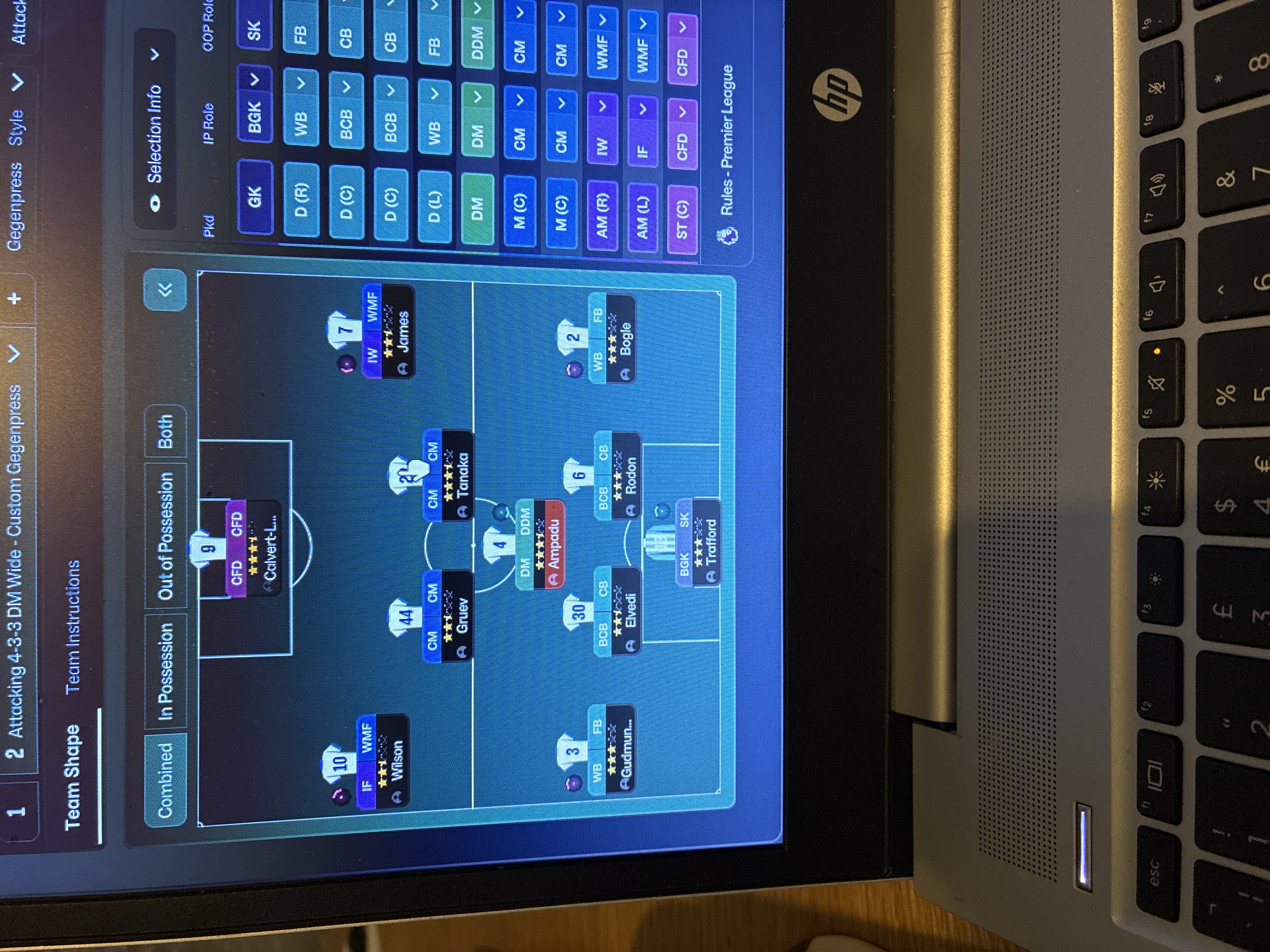
Guides for this formation
The tactical theory behind the 4-2-3-1 Wide: roles, instructions, and the trade-offs that decide whether the system holds up.
Player pairings
Midfield Pairs in 4-2-3-1 and 4-4-2
Double pivots and flat pairs in 4-2-3-1 and 4-4-2: when each pairing works, when it collapses, and the AMC unicorn that rescues both.
Read guide
Playing styles
Gegenpressing: A Full Guide
Klopp-style gegenpressing in FM, including squad profile, line-and-press pairing, sustainable workload, and the antipatterns to avoid.
Read guide