Uploaded Tactic
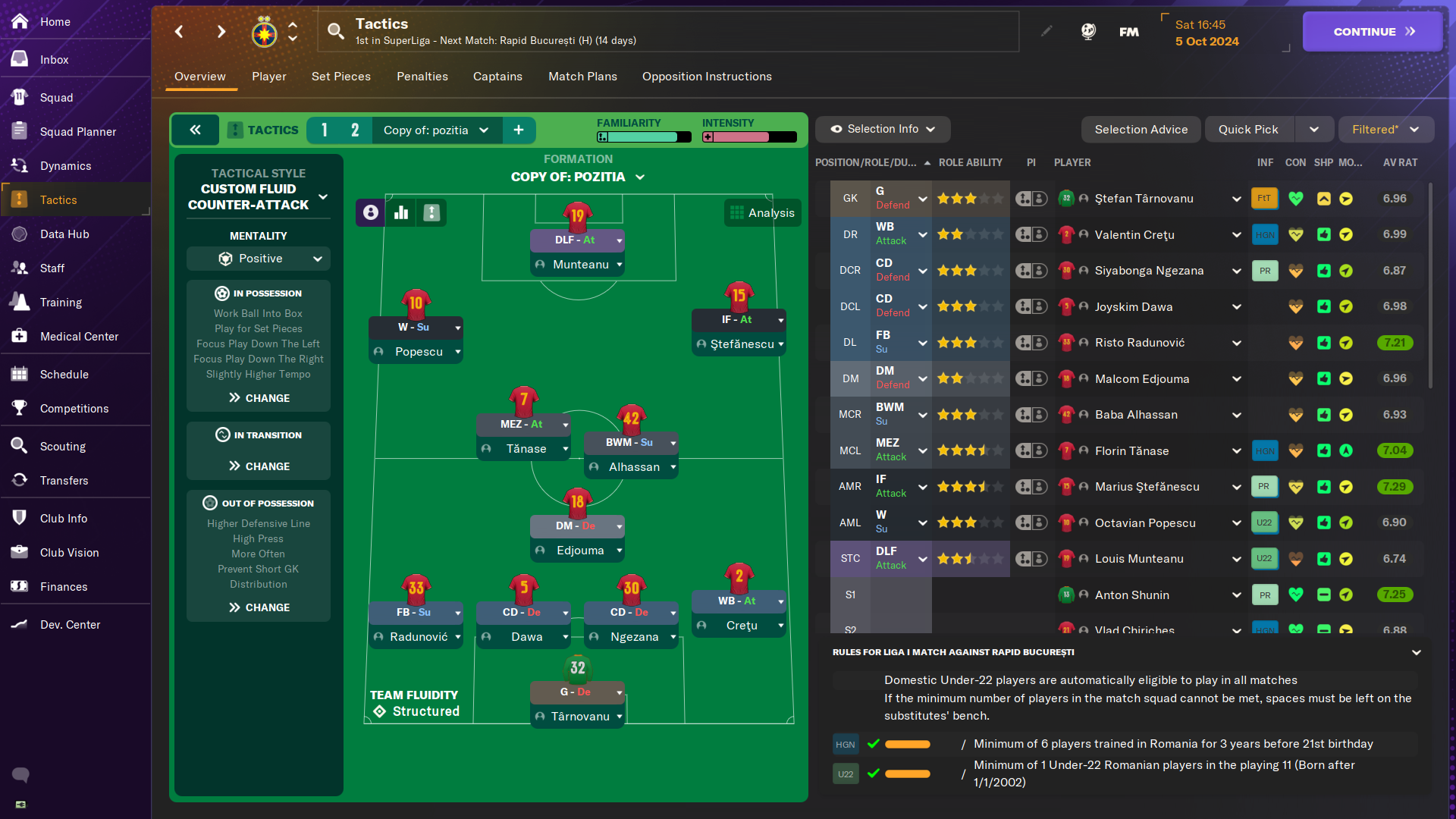
Formation & Style
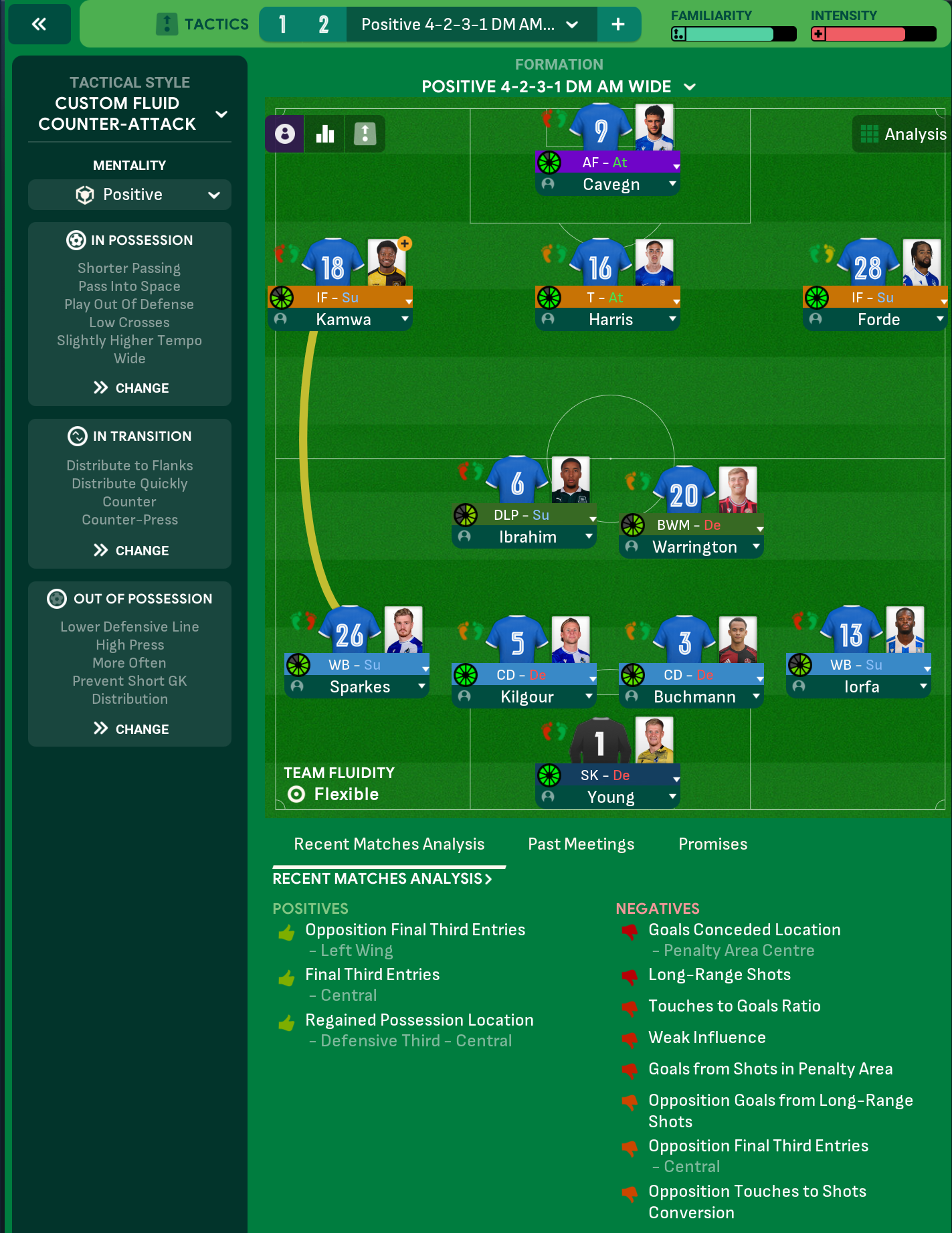
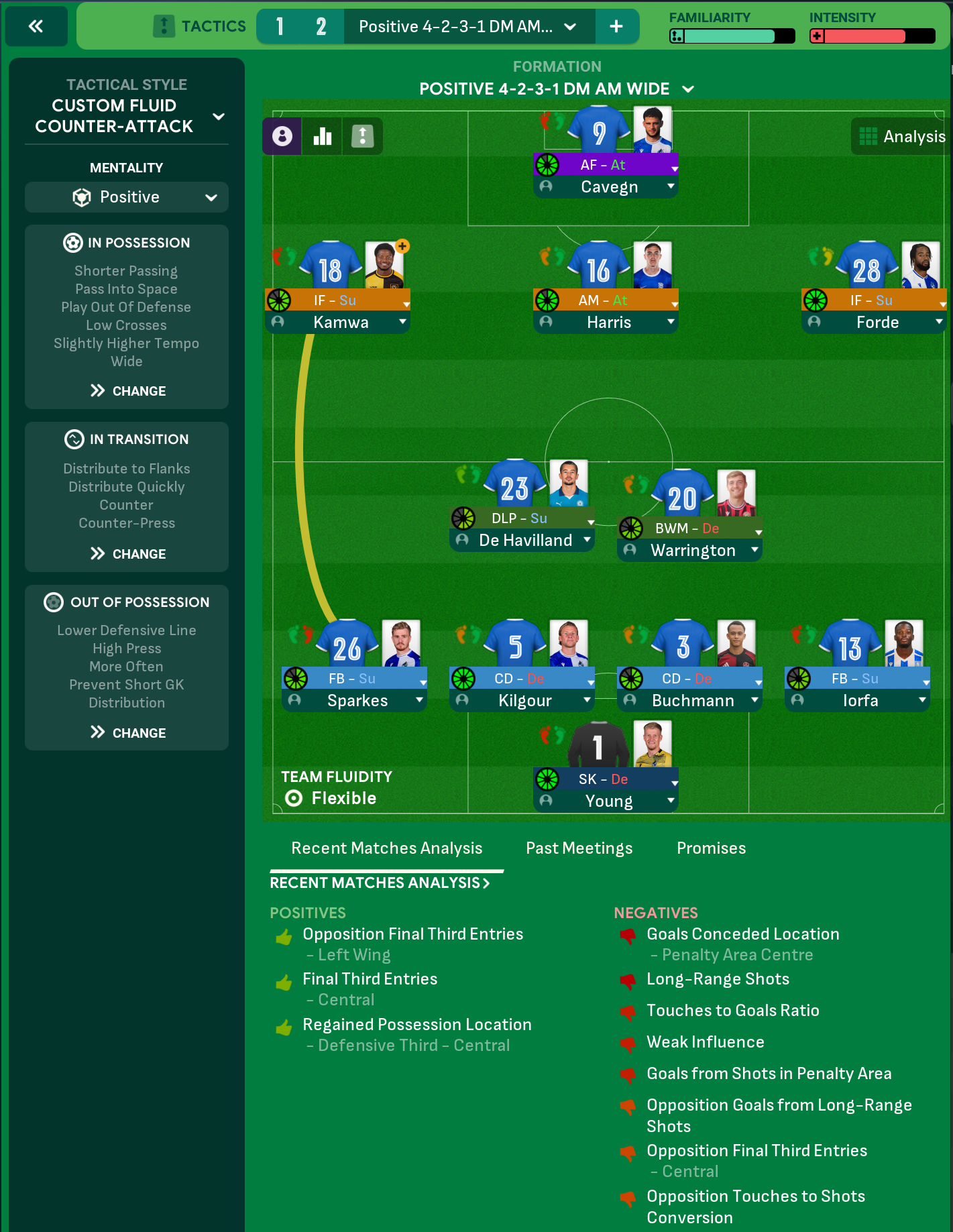
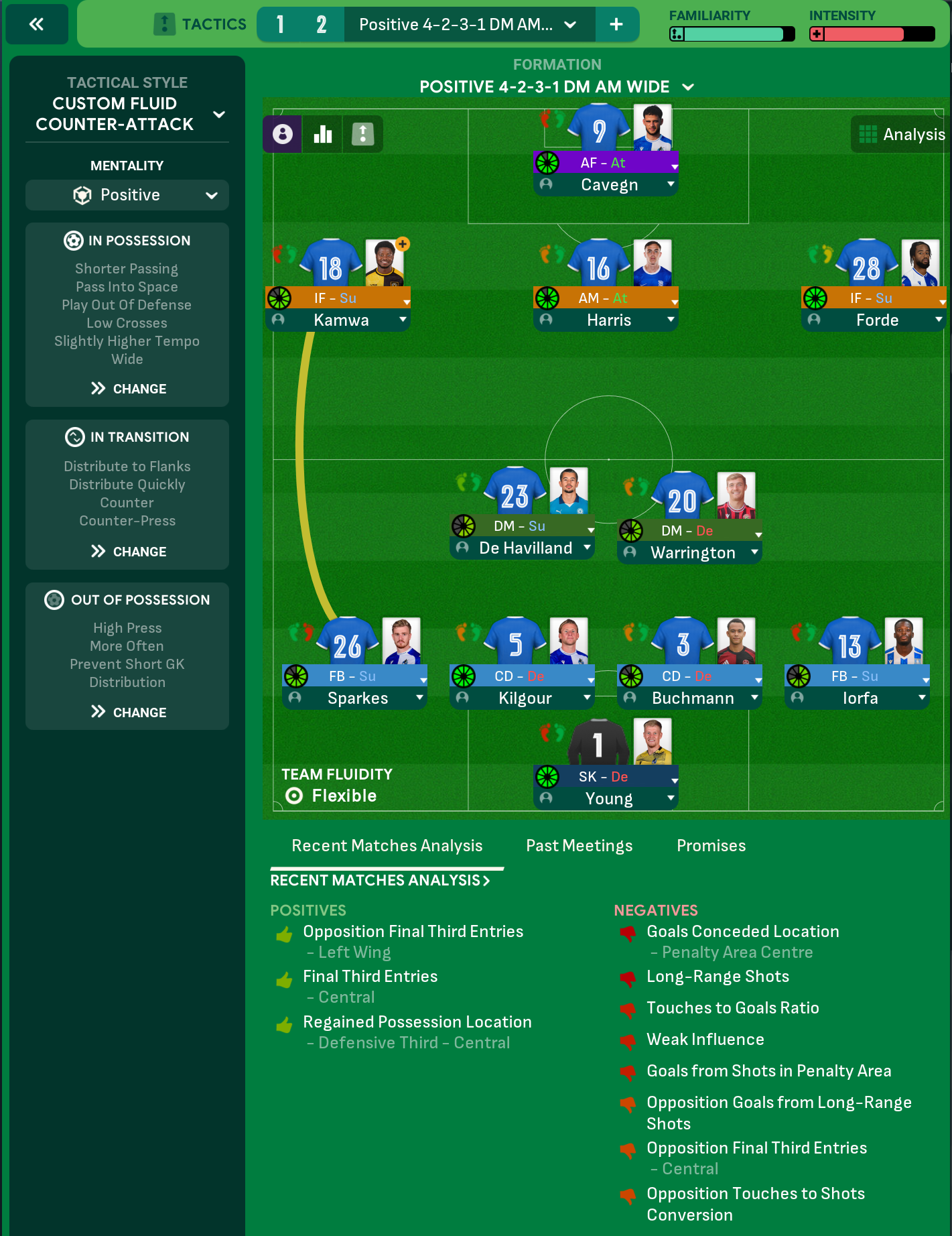
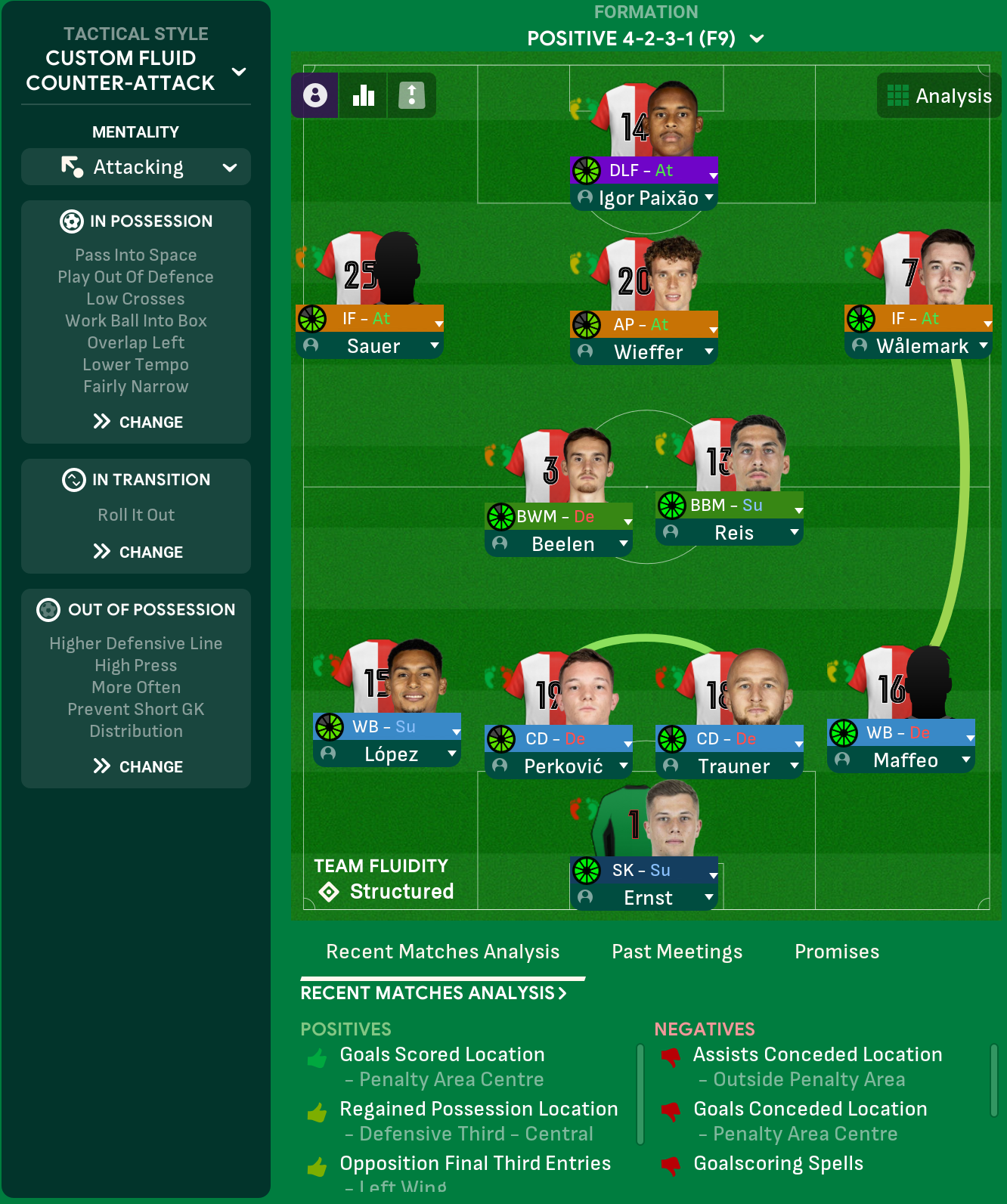
Tactical Style:Custom Fluid Counter-Attack
Mentality:Positive
Formation:4-2-3-1 Wide
Team Fluidity:Structured
In Possession
Work Ball Into Box
Play for Set Pieces
Focus Play Down The Left
Focus Play Down The Right
Slightly Higher Tempo
In Transition
Change
Out of Possession
Higher Defensive Line
High Press
More Often Prevent Short GK Distribution
Team Shape Without Ball
Shape:4-2-3-1
Description:Defensive solidity with a higher defensive line ready to press.
Evidence:CD at [2,2] & [2,3] guard central areas while BWM-S at [3,3] contributes to buildup.
Team Shape With Ball
Shape:4-2-3-1
Description:Attacking players spread wide to stretch opposition defense, creating gaps.
Evidence:IF-A at [5,1] & [5,5], supported by MEZ-A at [4,3] and DLF-A at [6,3] for central penetration.
Phase Description
Attacking Play
Utilizes counter-attacking style, focusing on quick transitions with wide plays to exploit flanks.
Defensive Transition
Quick regrouping with a high press to regain possession.
Main Focus
Exploiting the width with early crosses into the box for attacking players.
Key Strengths
Counter-Attacking Ability
The combination of quick transitions and attacking width allows for effective counter-attacks.
Midfield Control
Strong control through a Ball-Winning Midfielder and a Mezala allows transitioning and ball recovery effectively.
Defensive Structure
A flat four at the back provides a stable defensive foundation.
Conflicting Directions
High Defensive Line with Counter-Pressing
May struggle against teams with quick attacking transitions, open to being exploited on the counter.
Over-Reliance on Width
Heavy focus on wide play might lead to central congestion and lack of midfield presence.
Inconsistent Full-Back Support
Keen on forward runs but may neglect defensive duties leading to gaps.
Tactical Suggestions
Adjust Defensive Width
Tweaking the defensive width could allow better coverage during transitions.
Include a Deep-Lying Playmaker
Adding a DLP can provide better distribution and link-up between defense and midfield.
Utilize Tactical Instructions
Implementing more specific instructions could enhance effectiveness in gameplay.
Ask Questions About Your Lineup
Related Tactics
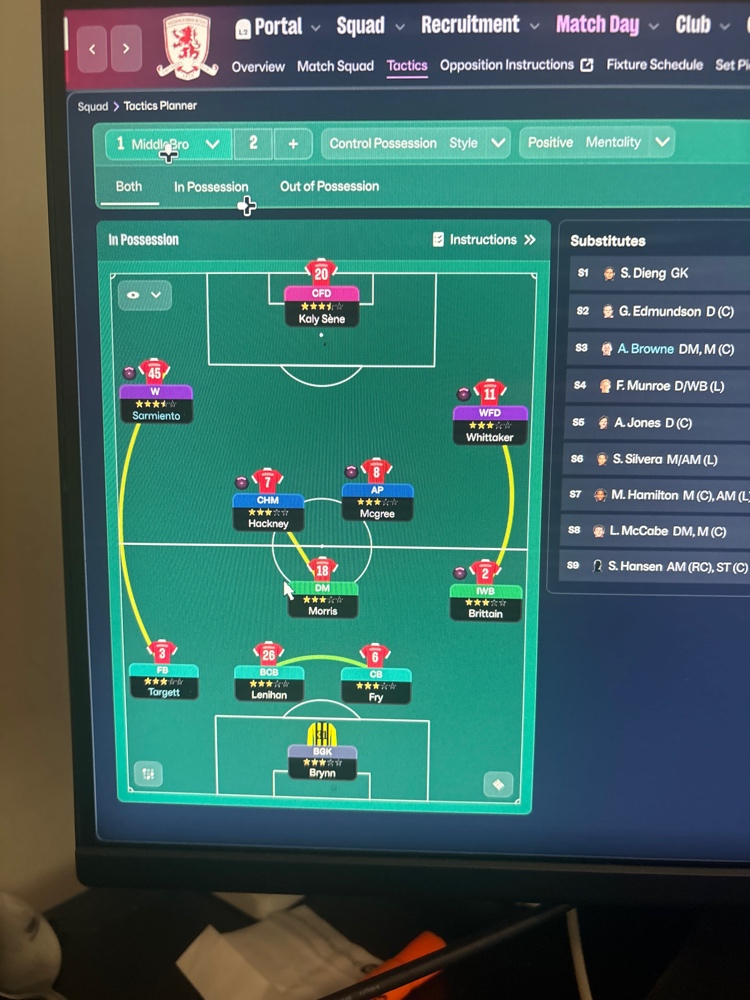
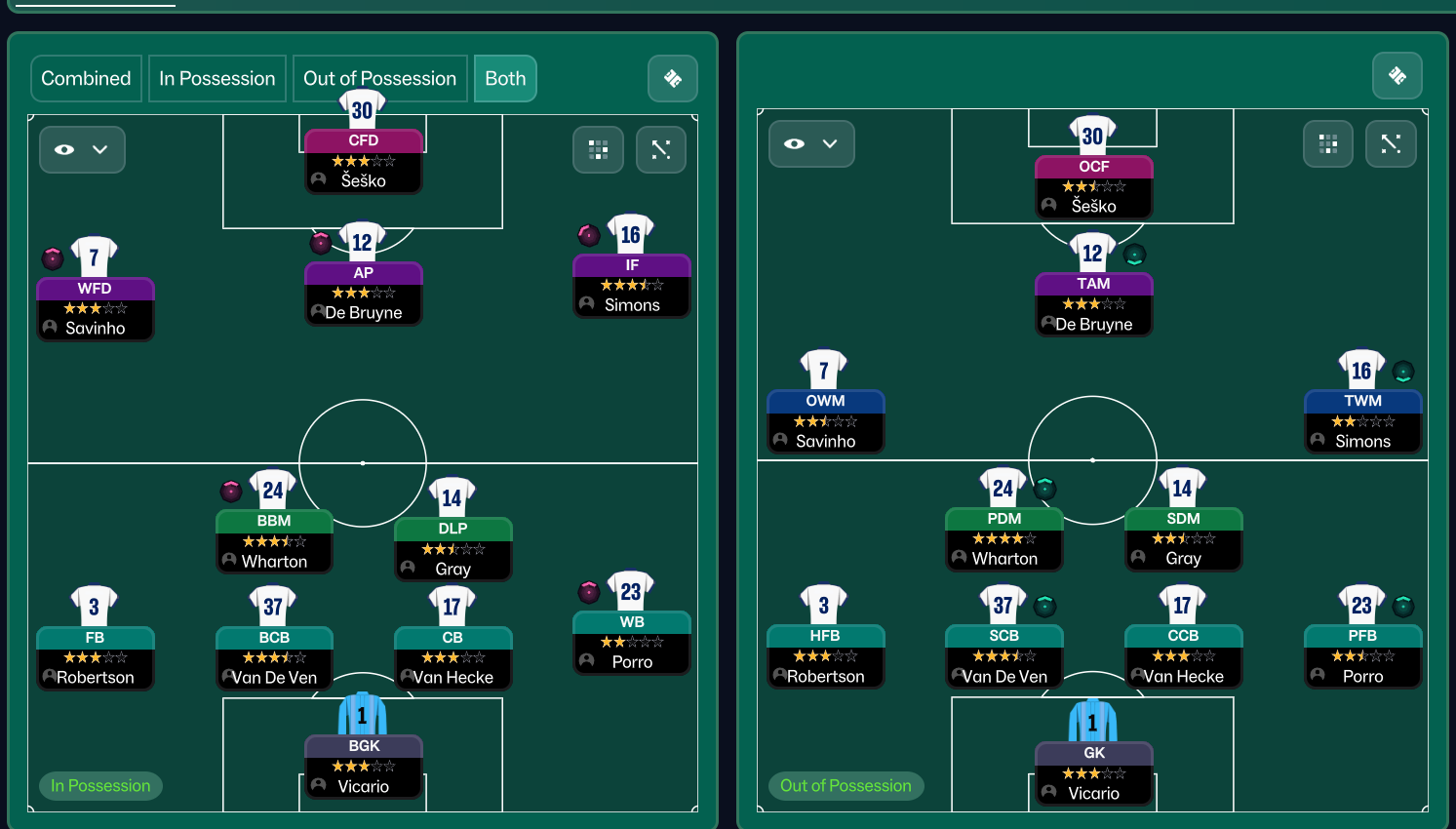
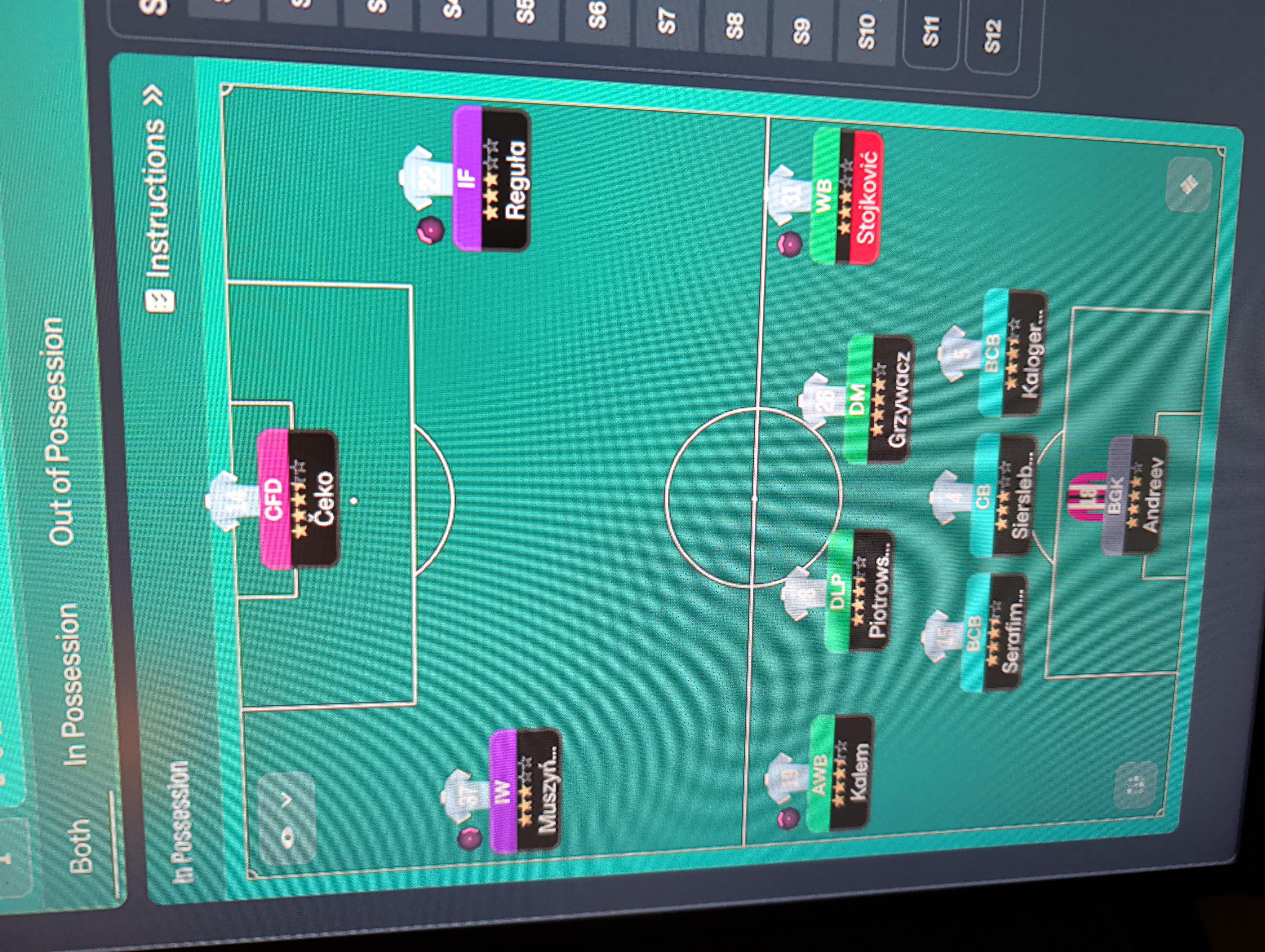
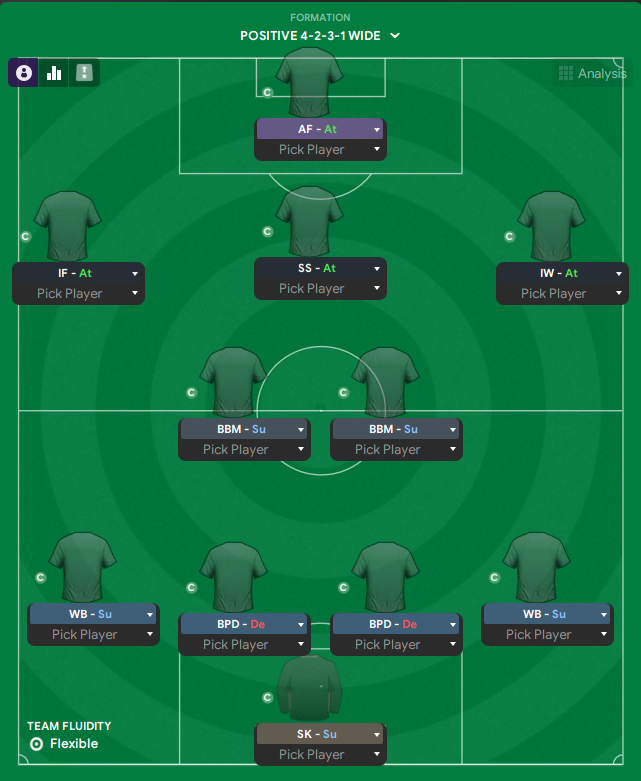
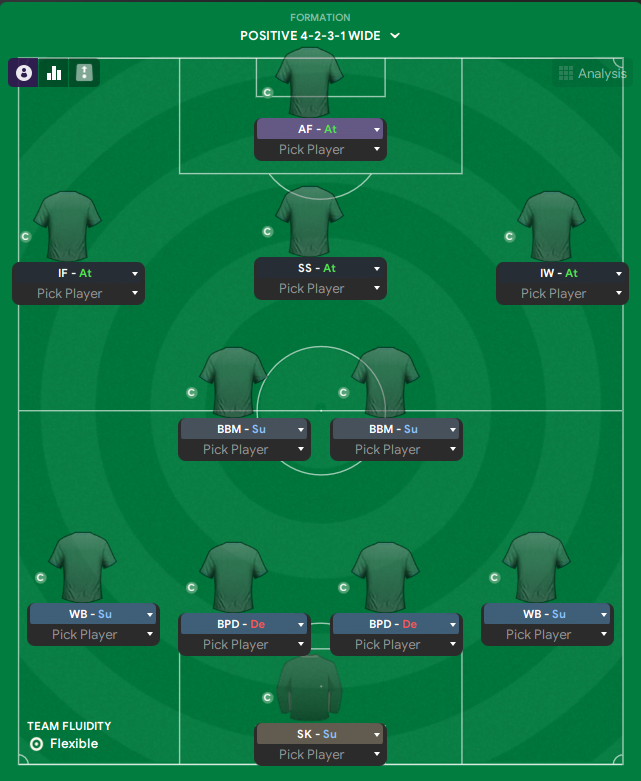
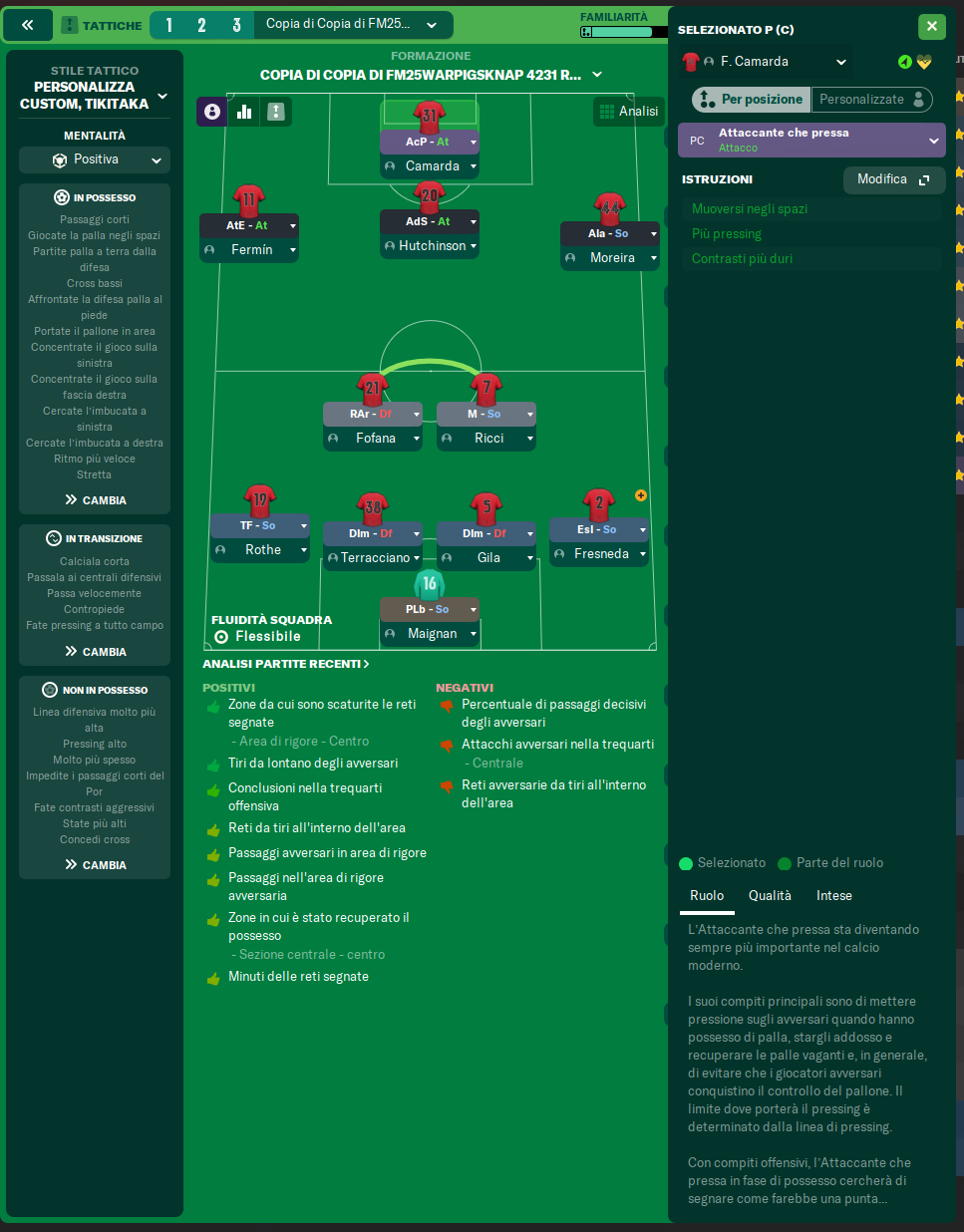
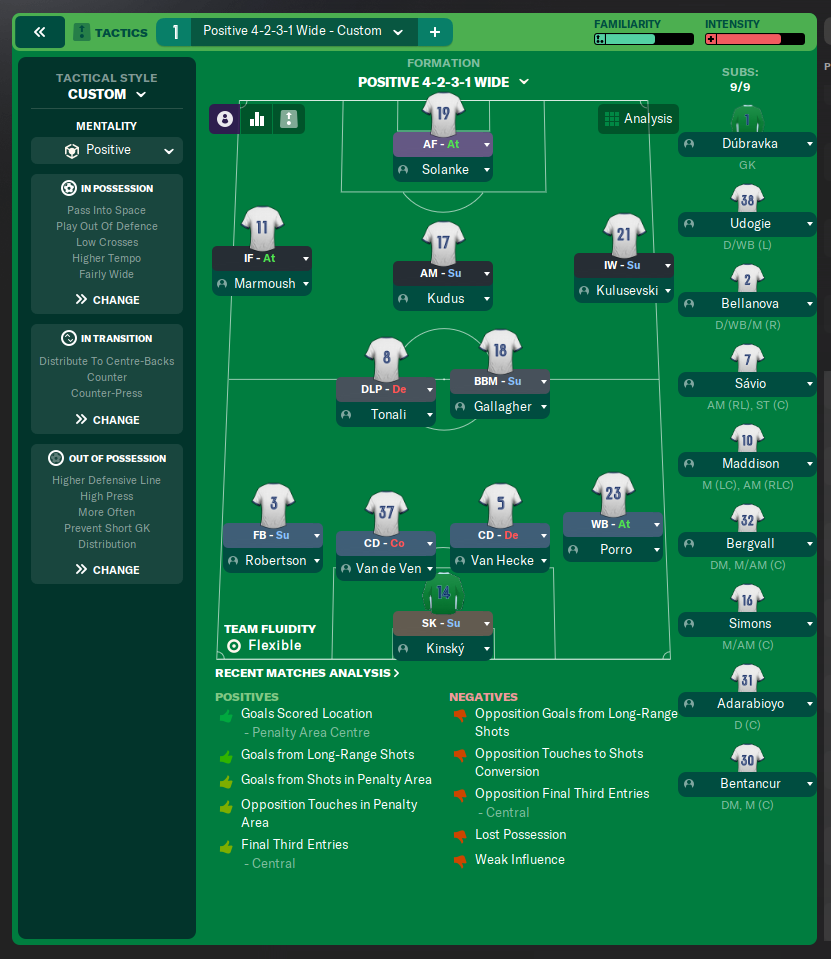
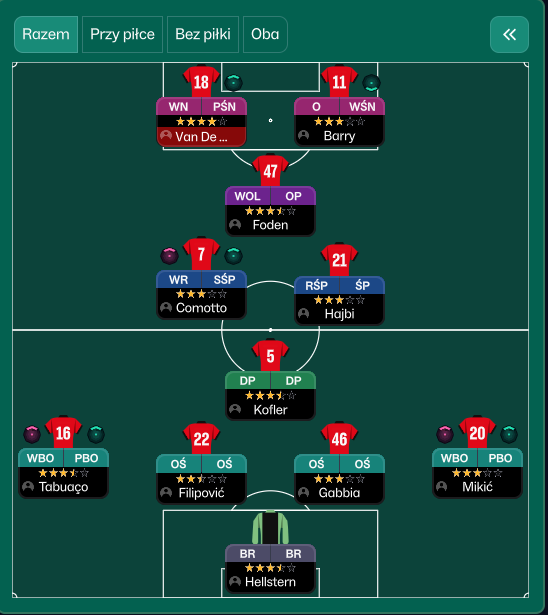
More Custom Fluid Counter-Attack tactics
Guides for this formation
The tactical theory behind the 4-2-3-1 Wide: roles, instructions, and the trade-offs that decide whether the system holds up.
Player pairings
Midfield Pairs in 4-2-3-1 and 4-4-2
Double pivots and flat pairs in 4-2-3-1 and 4-4-2: when each pairing works, when it collapses, and the AMC unicorn that rescues both.
Read guide
Playing styles
Gegenpressing: A Full Guide
Klopp-style gegenpressing in FM, including squad profile, line-and-press pairing, sustainable workload, and the antipatterns to avoid.
Read guide