Uploaded Tactic
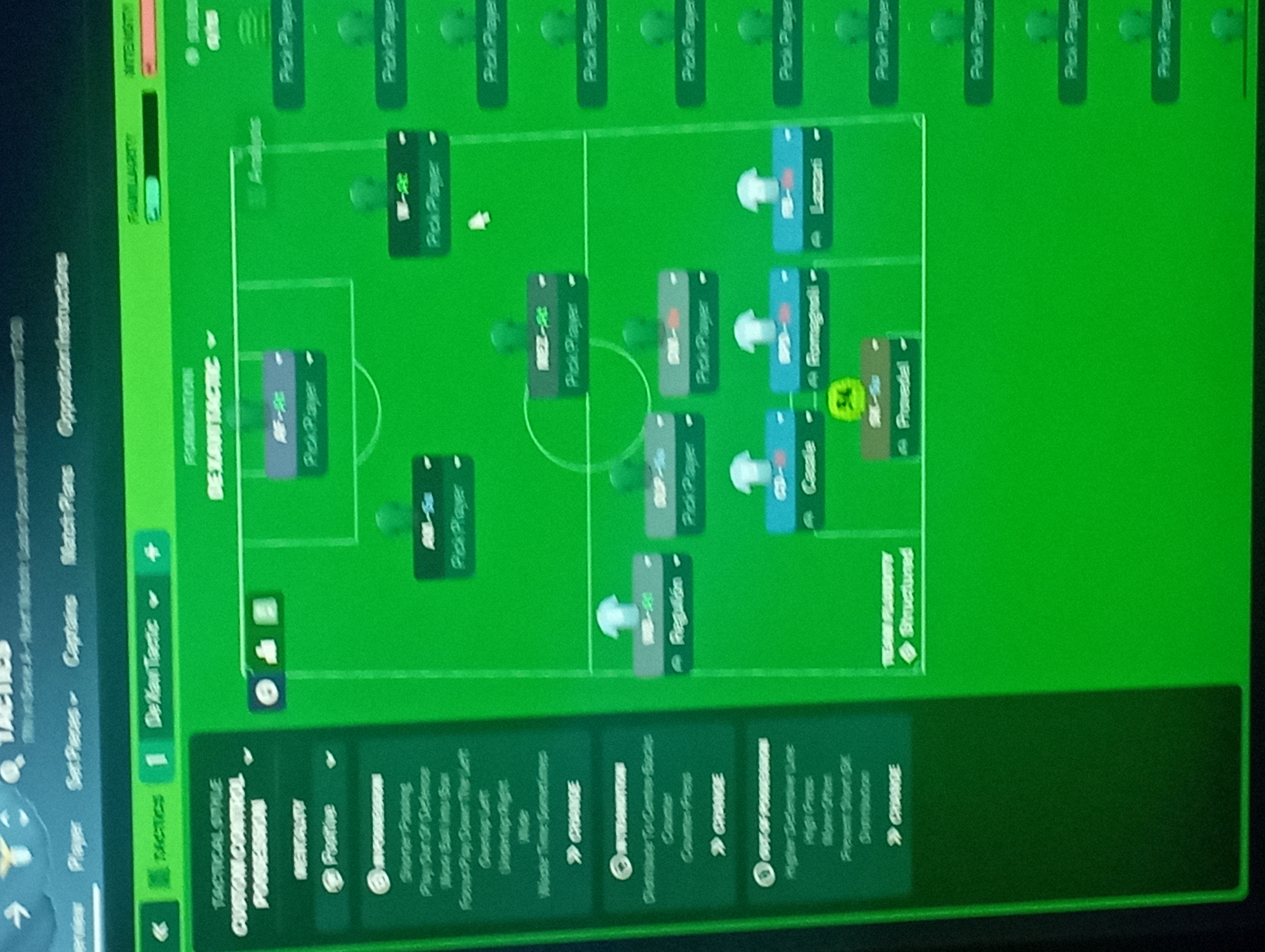
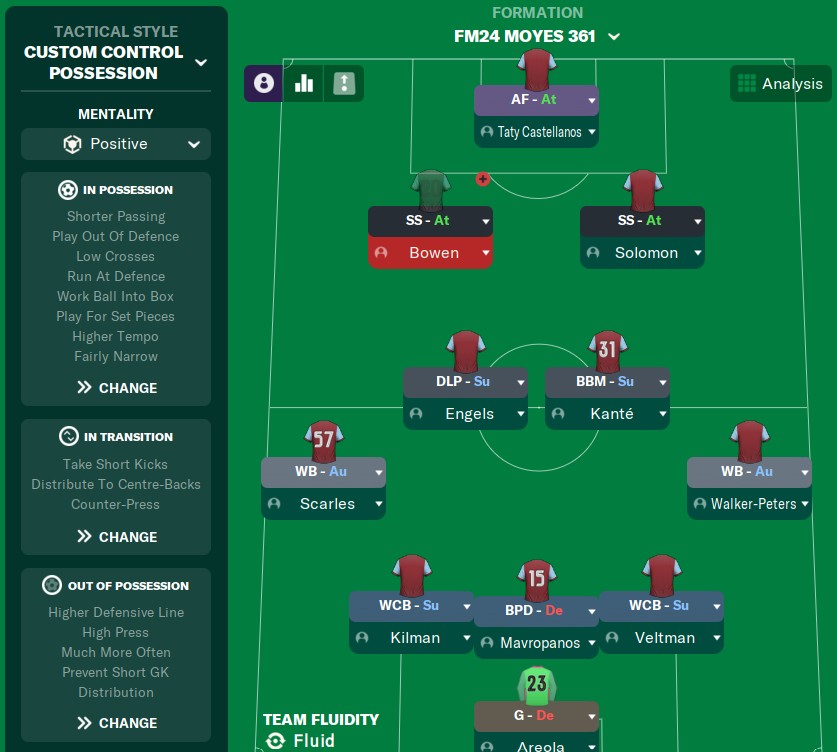
Formation & Style
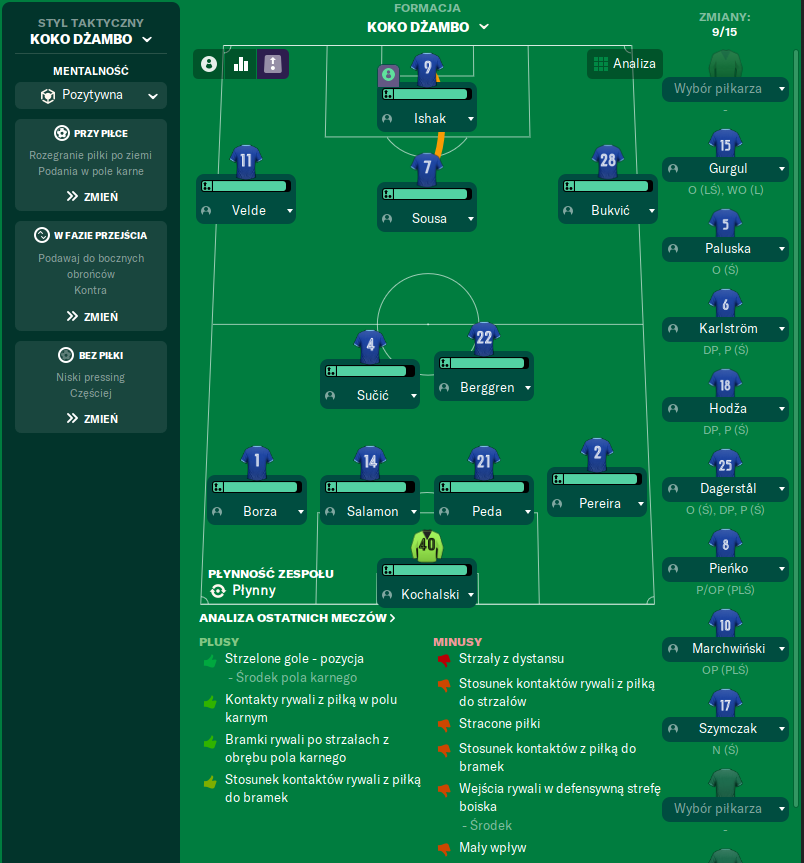
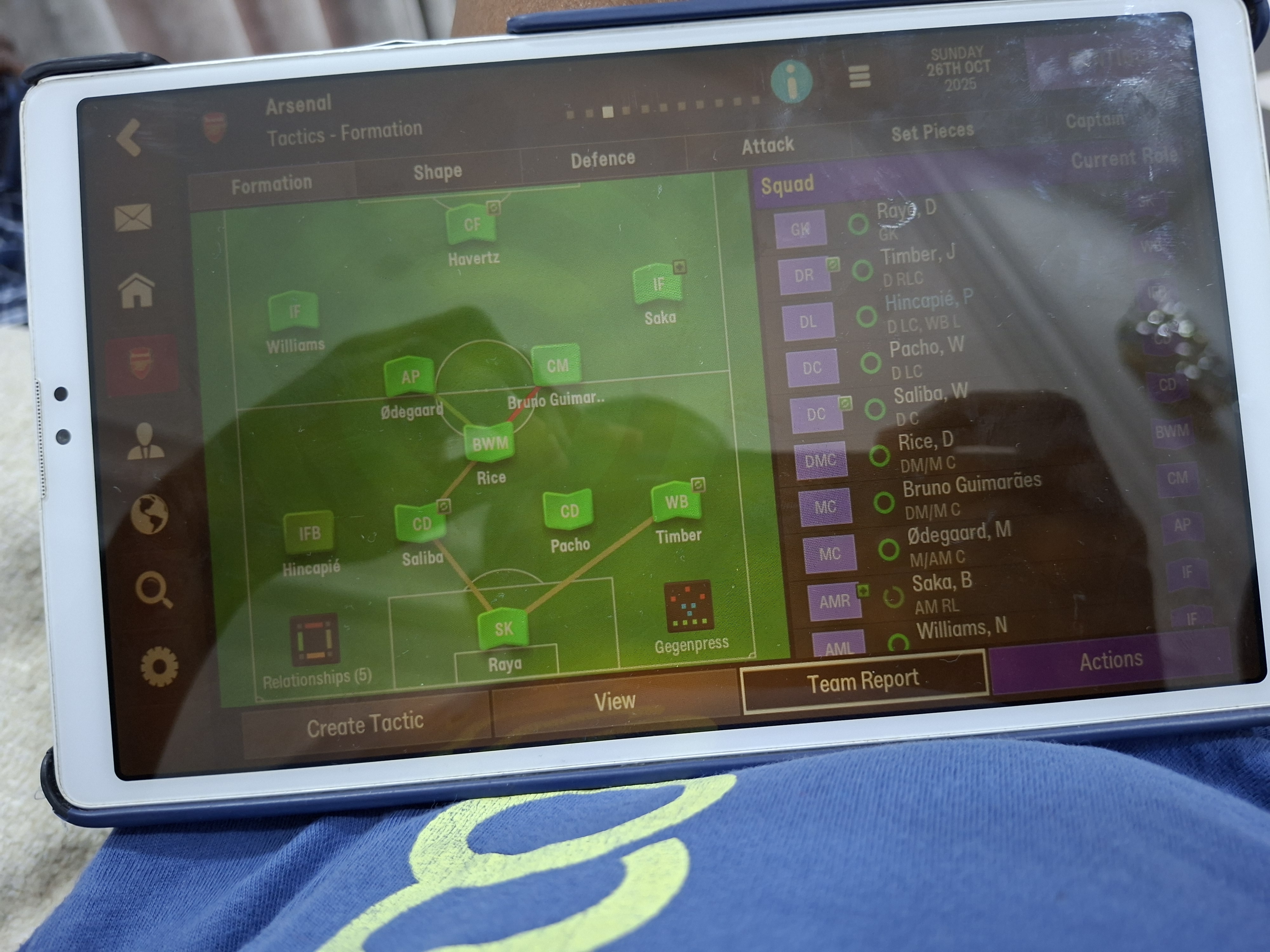
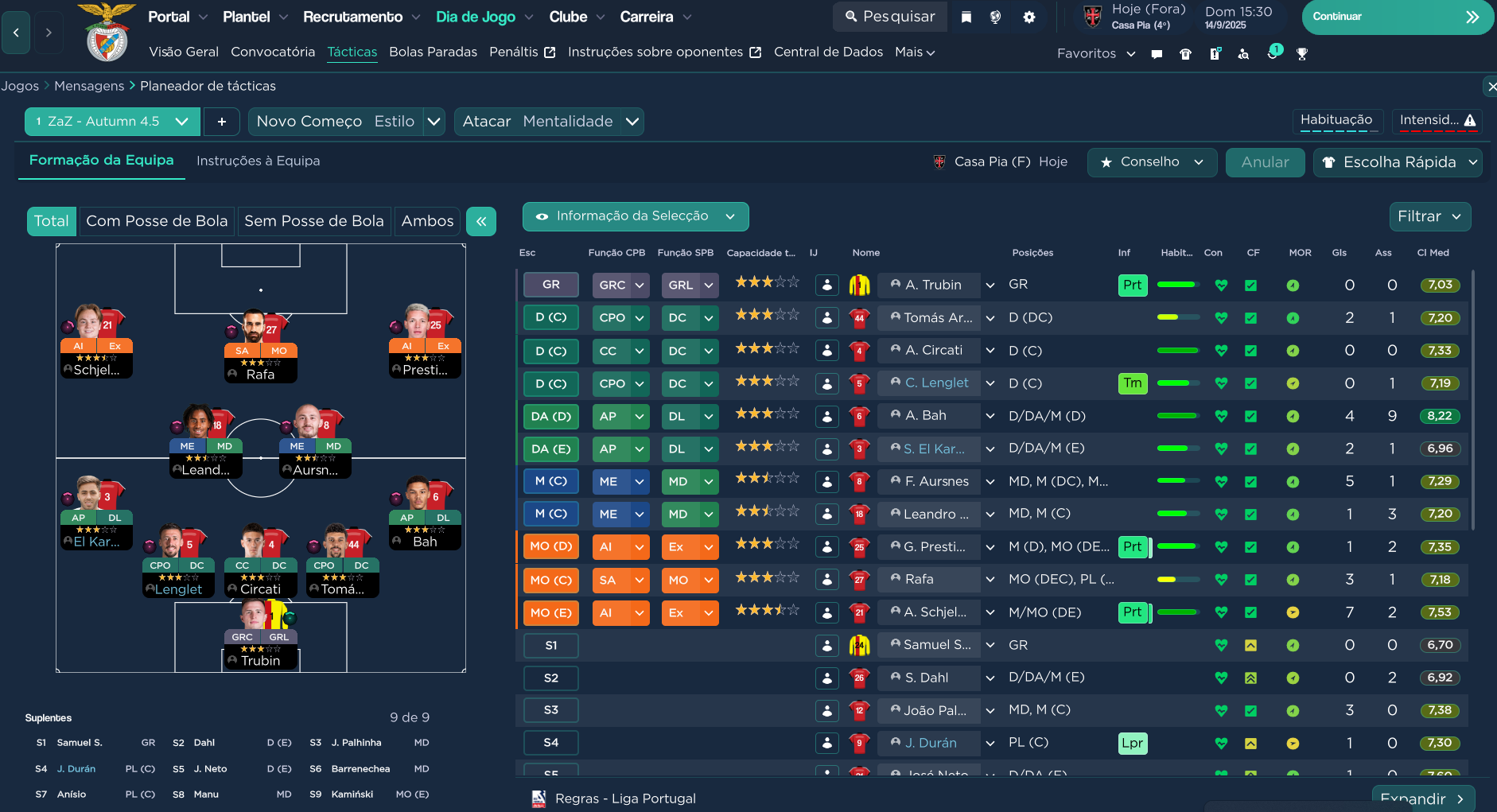
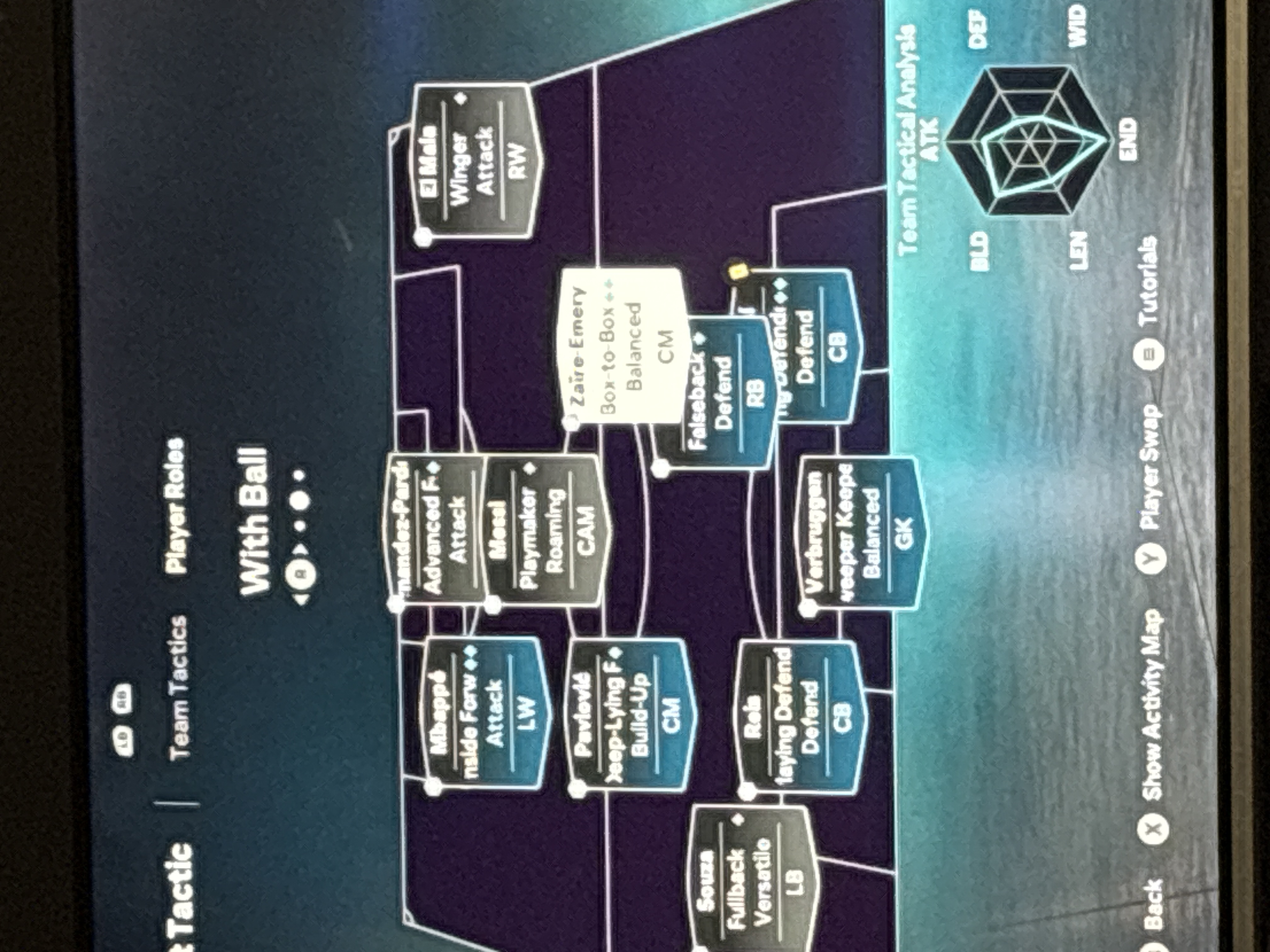
Tactical Style:Custom Control Possession
Mentality:Positive
Formation:4-2-3-1 Wide
Team Fluidity:Structured
In Possession
Shorter Passing
Work Ball Into Box
Higher Tempo
Exploit The Flanks
In Transition
Counter-Press
Distribute To Centre-Backs
Counter
Out of Possession
Higher Defensive Line
Higher Line of Engagement
Much Wider
Team Shape Without Ball
No team shape without ball data available
Team Shape With Ball
No team shape with ball data available
Key Strengths
Possession-Based Play
The tactic emphasizes quick, short passing to maintain possession and control of the game.
Wide Play
Utilizing wingers helps stretch the opposition defense, providing space for central players.
Counter-Pressing
The team quickly tries to win back possession after losing it, disrupting the opponent's play.
Player Roles
Roles such as Deep-Lying Playmaker and Wingers are designed to maximize creativity and width in attack.
Conflicting Directions
Structured Fluidity
A structured approach may limit the natural creativity of advanced roles, reducing effectiveness in tight spaces.
Higher Defensive Line vs. Counter Play
A higher defensive line can be risky against fast counter-attacks, which may expose defenders.
Tempo vs. Possession
A higher tempo may conflict with the emphasis on shorter passing, potentially leading to rushed plays.
Wing Play with Central Focus
While wingers are used, the focus on short passing might limit their ability to exploit wide areas effectively.
Tactical Suggestions
Adjust Team Fluidity
Consider a more flexible approach to allow players more freedom, improving creativity in attack.
Defensive Line Adjustments
Evaluate the defensive line based on the opponent’s attacking threats to mitigate counter-attacking risks.
Role Optimization
Consider using an inverted winger on one side to cut inside, adding another dimension to the attack.
Tempo Adjustments
Experiment with a slightly lower tempo to match the possession style more effectively, allowing for better build-up.
Ask Questions About Your Lineup
Related Tactics
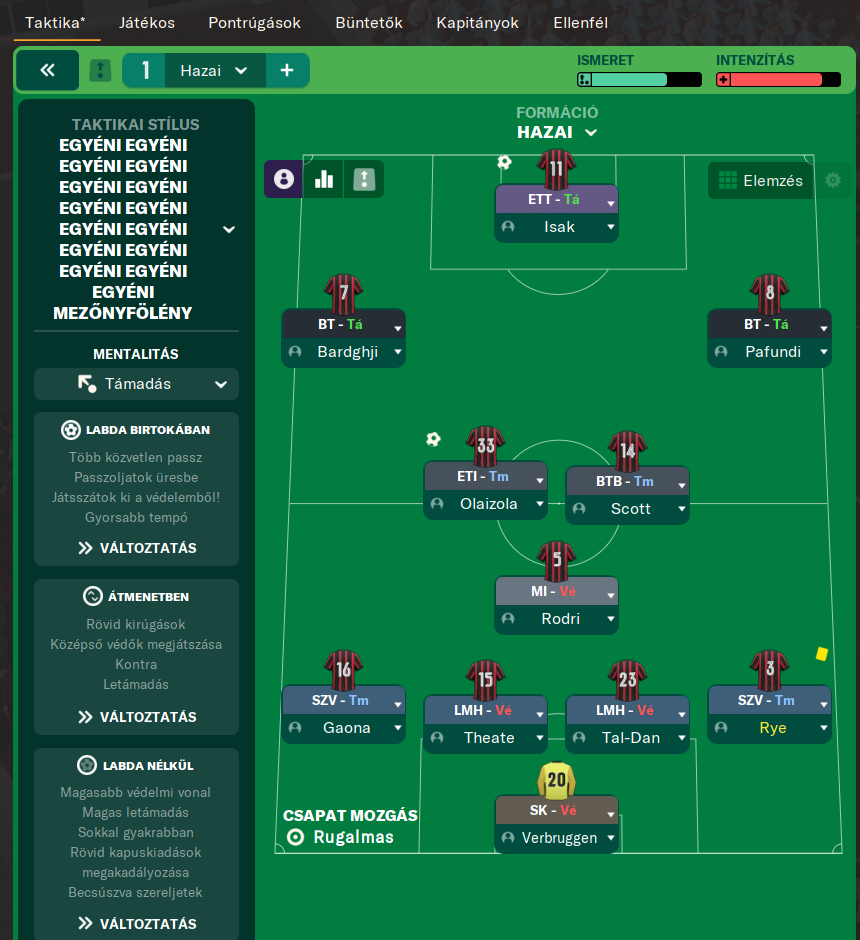
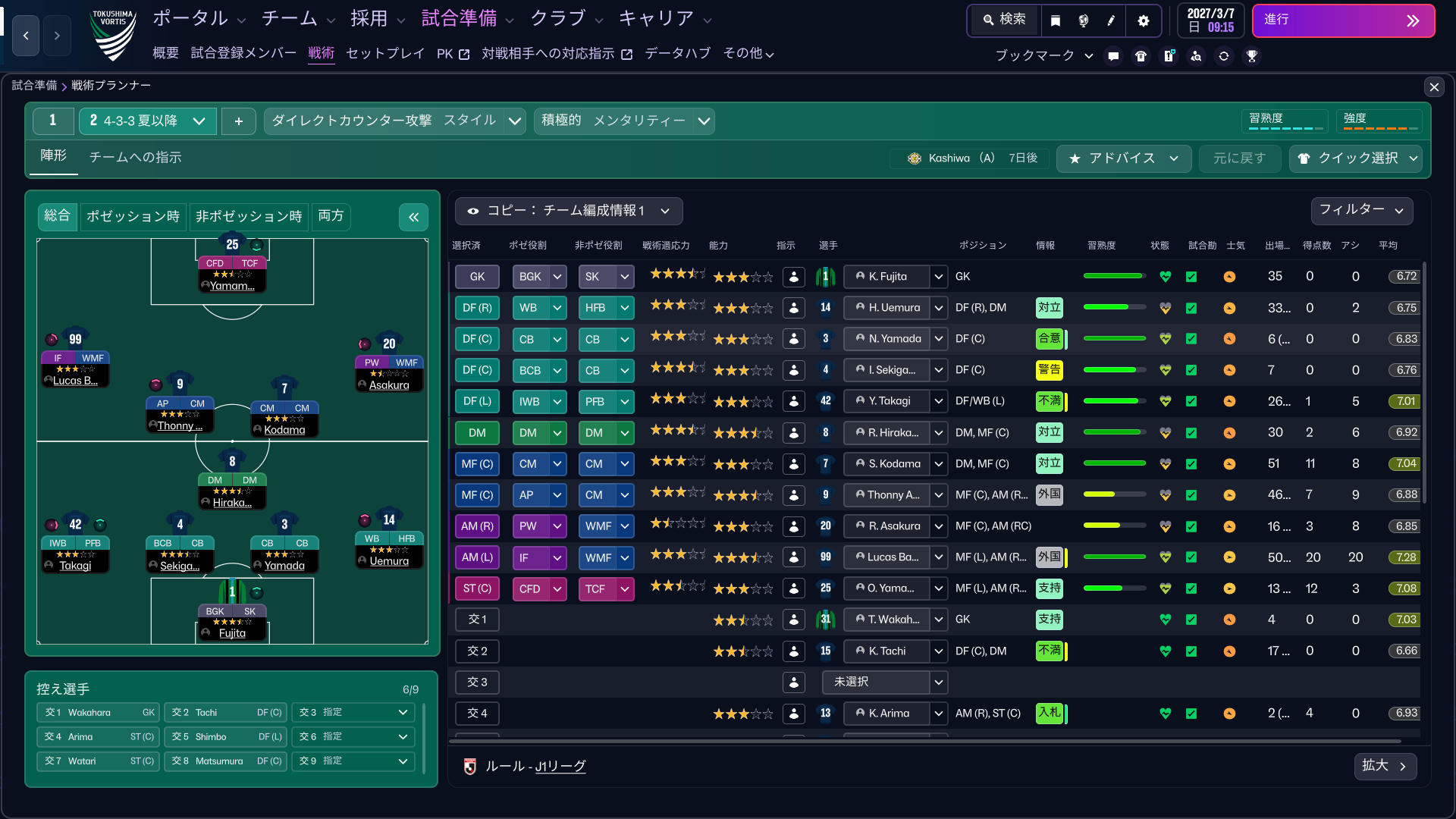
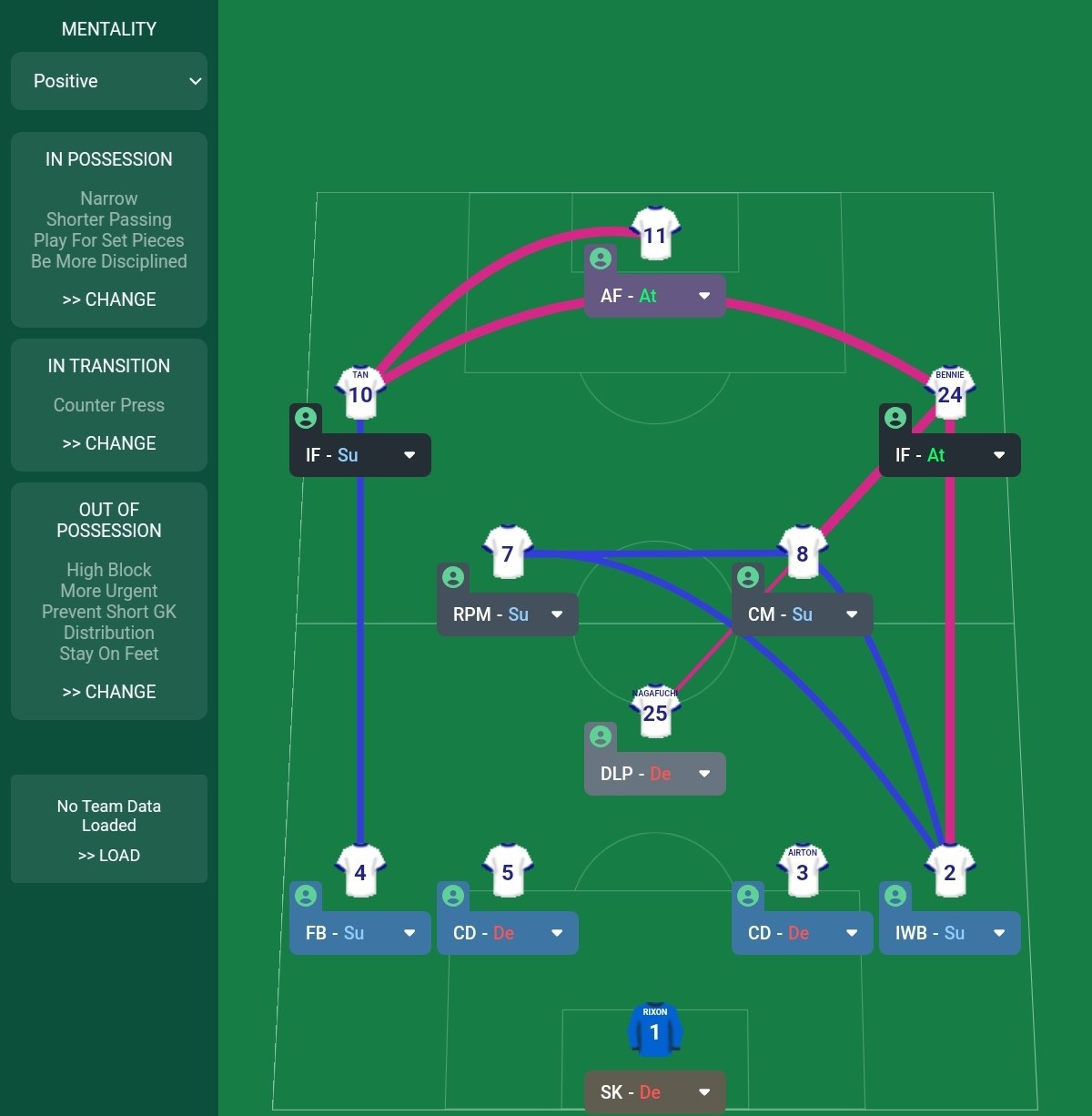
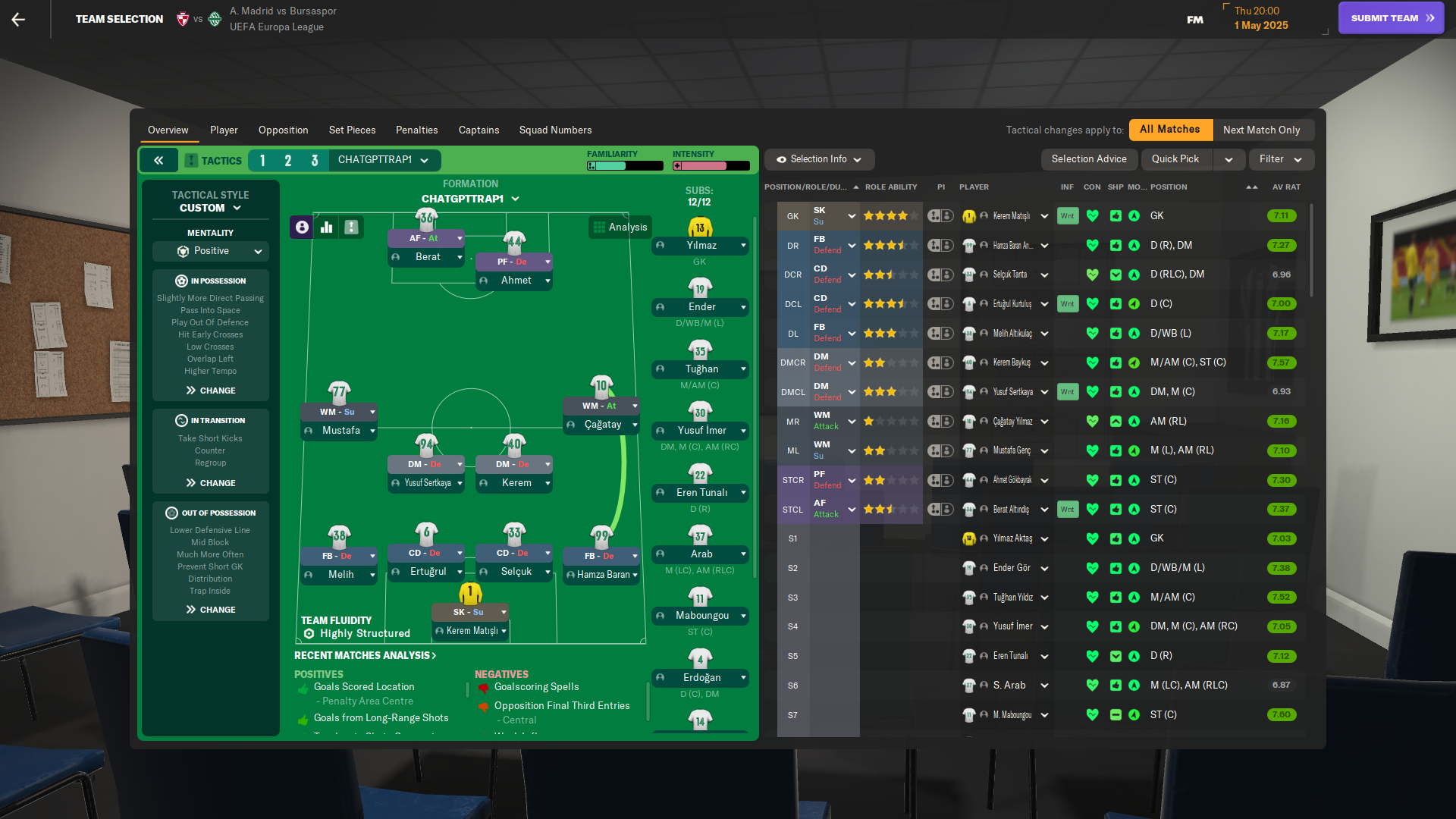
More Custom Control Possession tactics
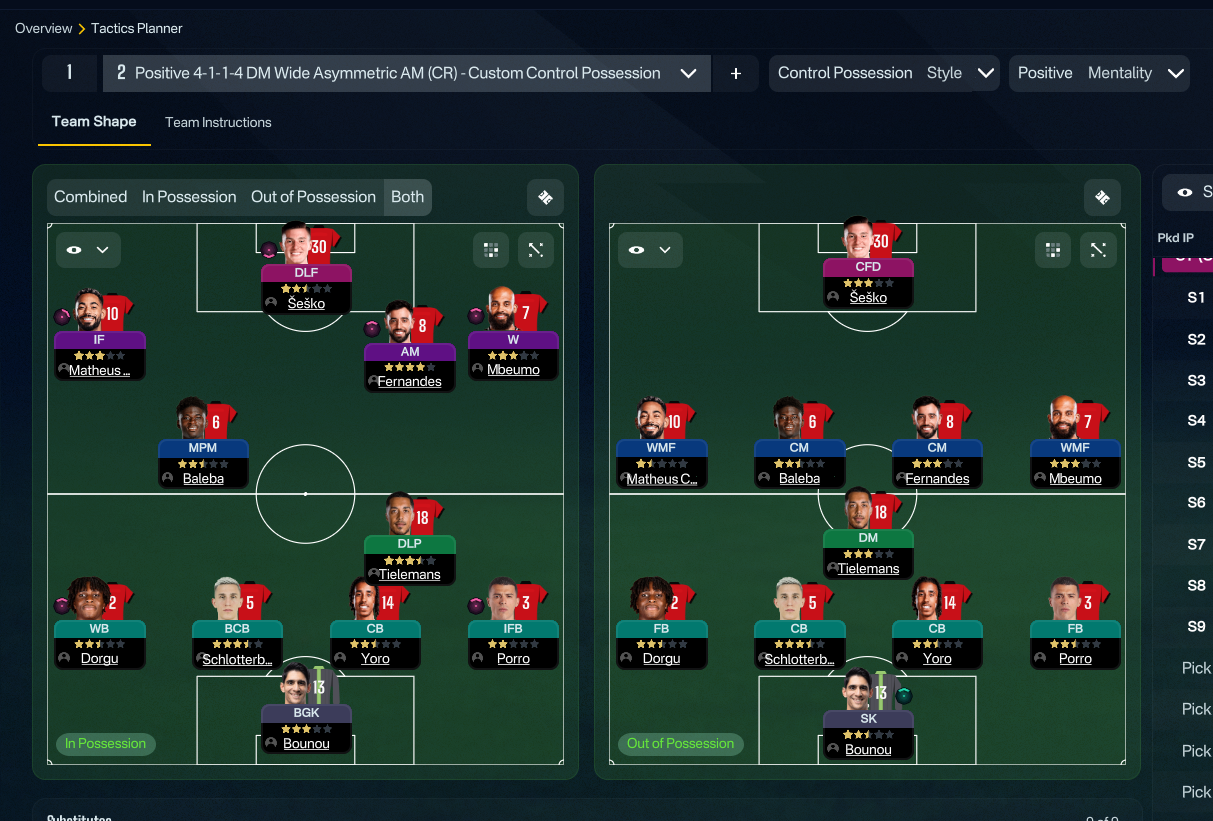
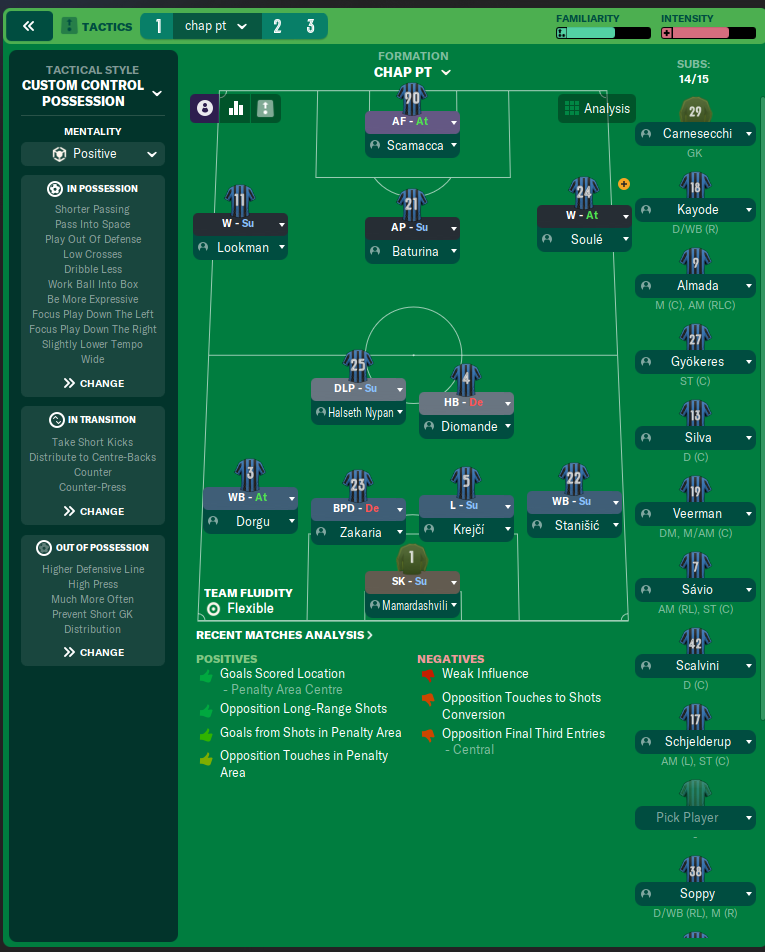
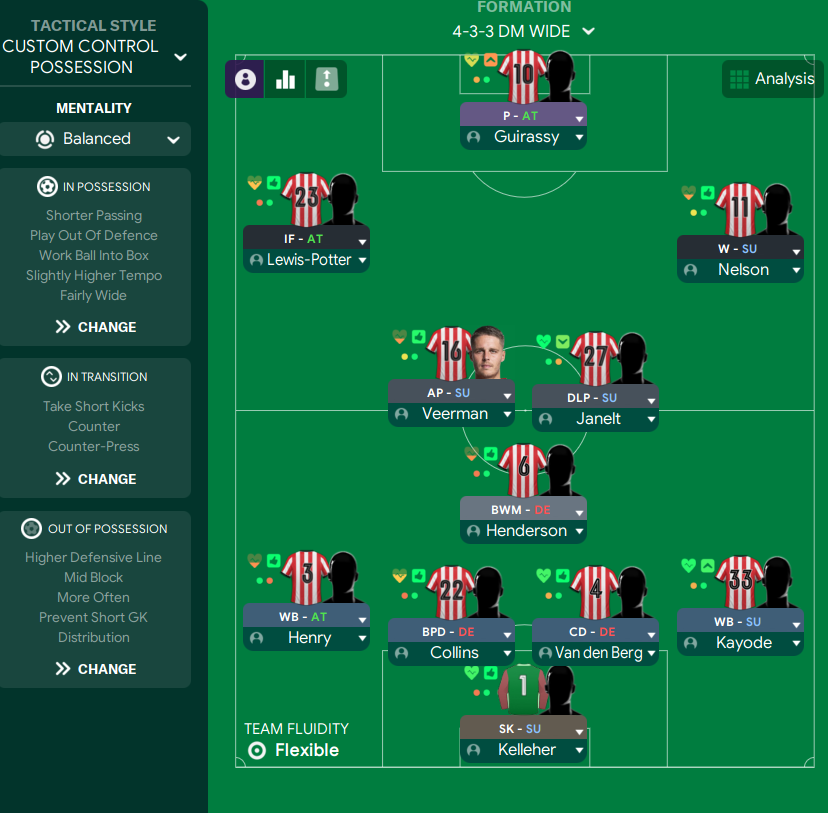
Guides for this formation
The tactical theory behind the 4-2-3-1 Wide: roles, instructions, and the trade-offs that decide whether the system holds up.
Player pairings
Midfield Pairs in 4-2-3-1 and 4-4-2
Double pivots and flat pairs in 4-2-3-1 and 4-4-2: when each pairing works, when it collapses, and the AMC unicorn that rescues both.
Read guide
Playing styles
Gegenpressing: A Full Guide
Klopp-style gegenpressing in FM, including squad profile, line-and-press pairing, sustainable workload, and the antipatterns to avoid.
Read guide