Uploaded Tactic
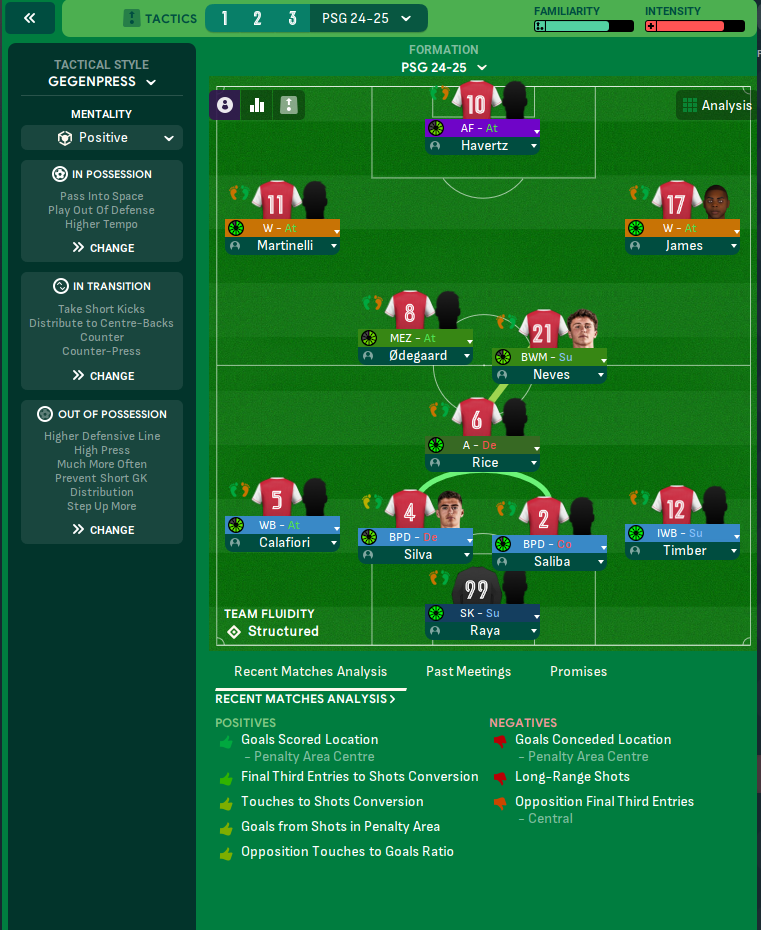
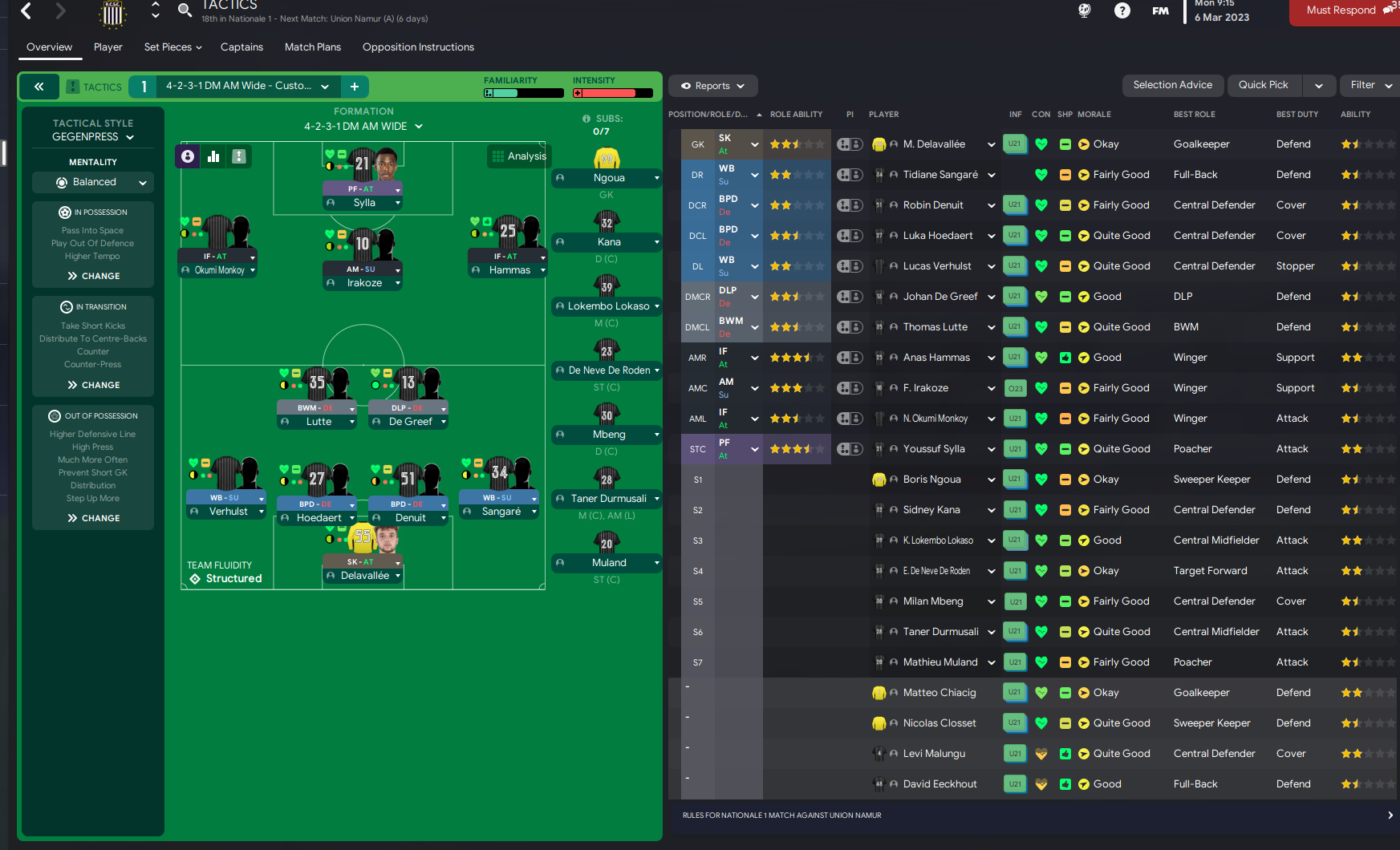
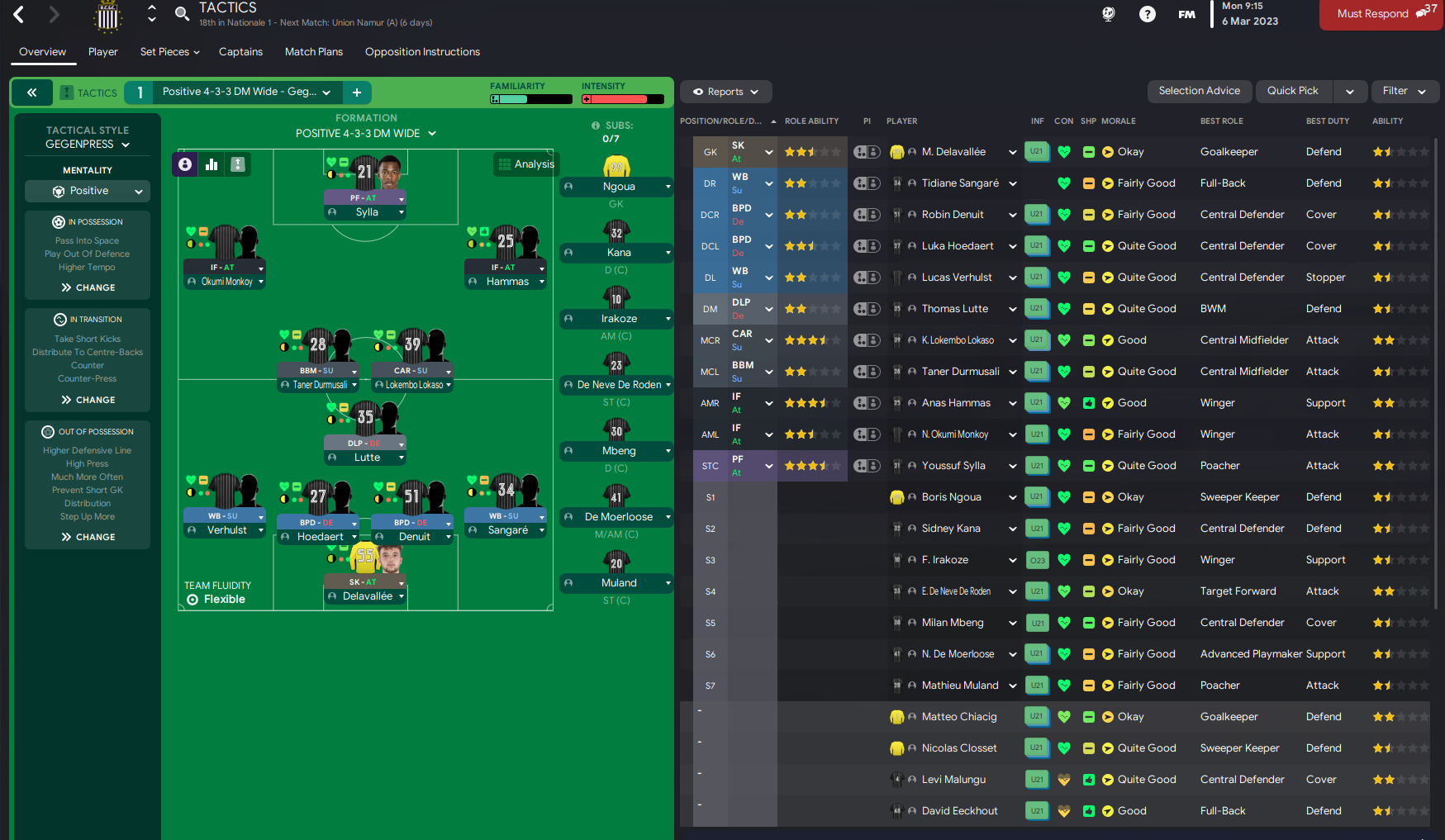
Formation & Style
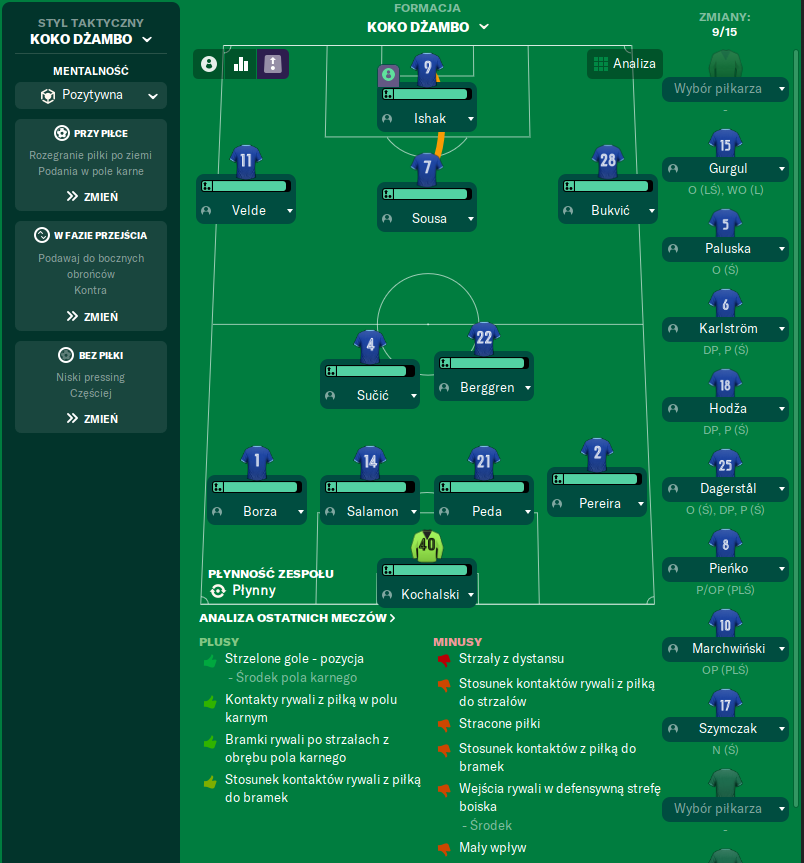
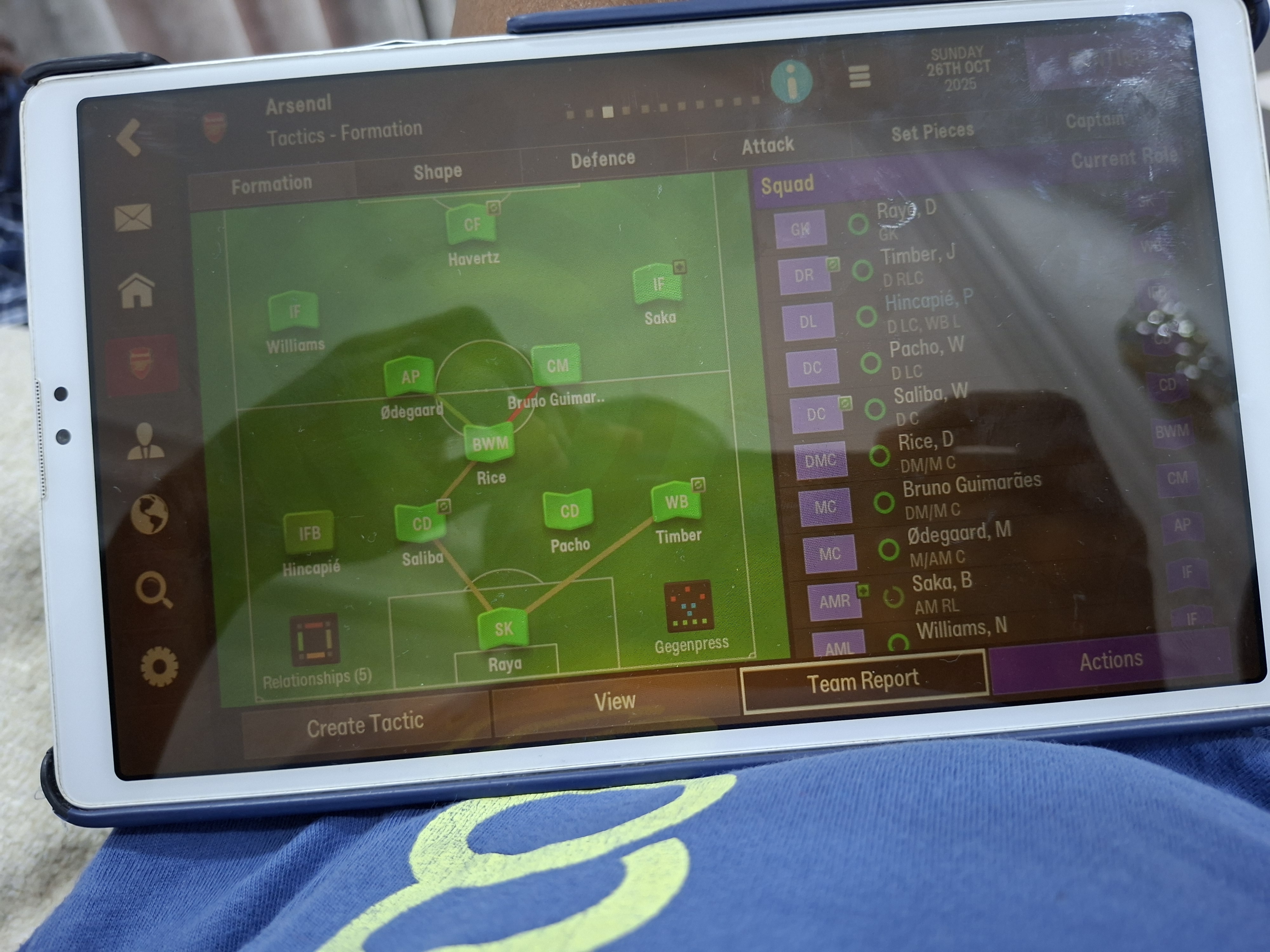
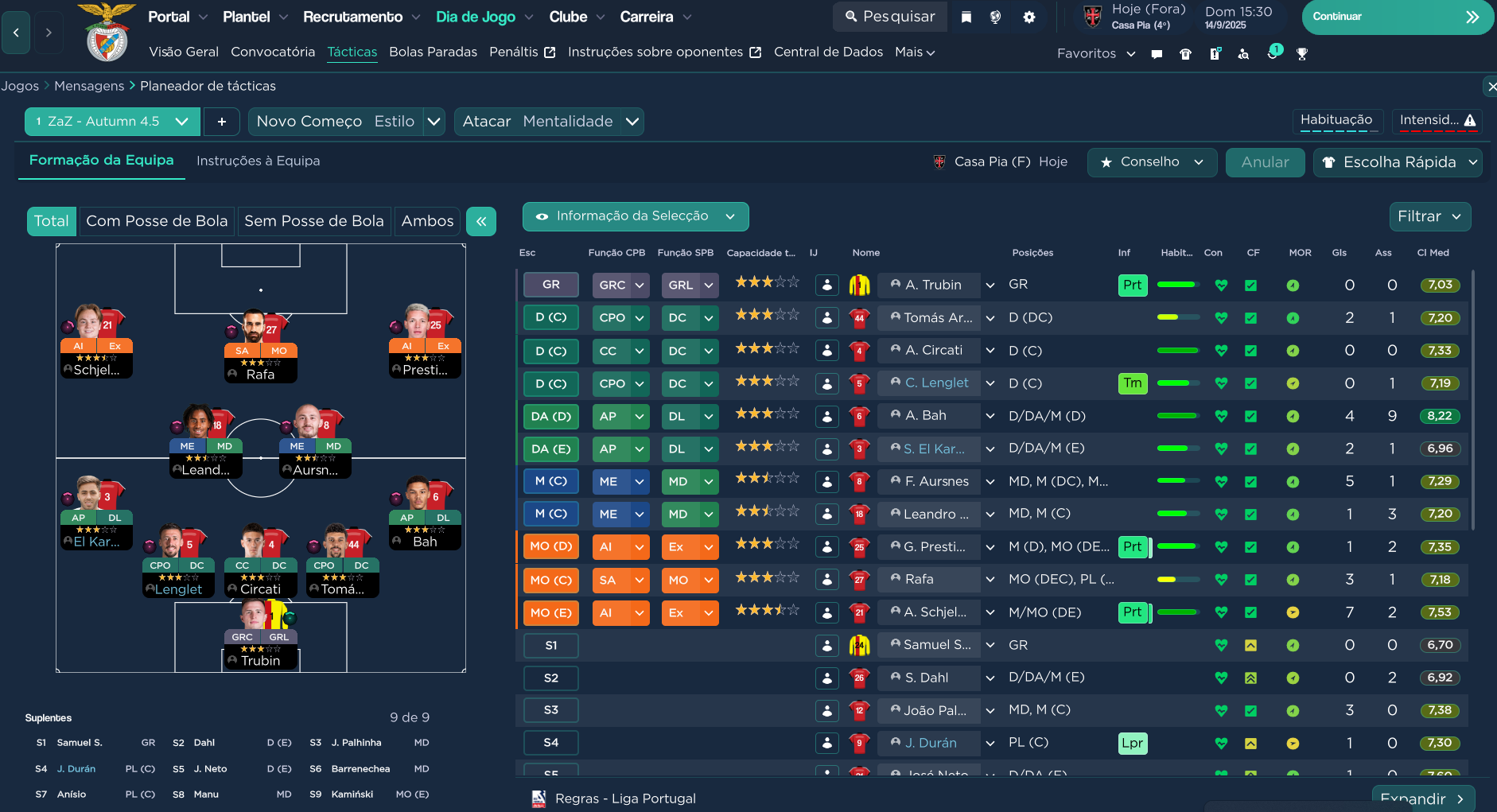
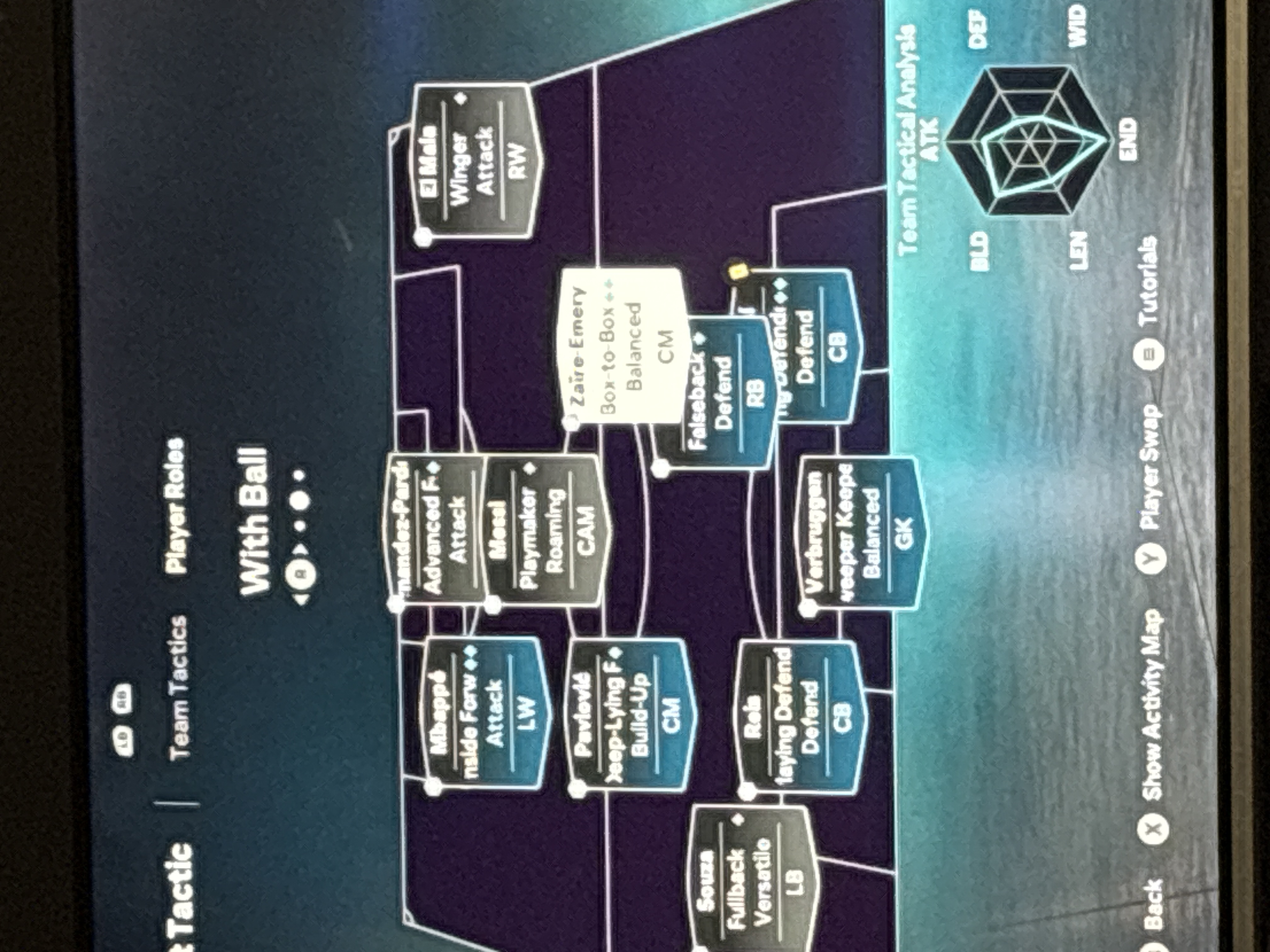
Tactical Style:Gegenpress
Mentality:Positive
Formation:4-2-3-1 Wide
Team Fluidity:Structured
In Possession
Pass Into Space
Play Out Of Defense
Higher Tempo
In Transition
Take Short Kicks
Distribute To Centre-Backs
Counter
Out of Possession
Higher Defensive Line
High Press
Much More Often
Prevent Short GK Distribution
Team Shape Without Ball
No team shape without ball data available
Team Shape With Ball
No team shape with ball data available
Key Strengths
High Pressing
Utilizes a high pressing tactic that can force opponents into mistakes, creating more goal-scoring opportunities.
Fluid Attack
The combination of wide players and a central advanced forward provides multiple attacking options.
Dynamic Midfield
The Mezzala and Box to Box Midfielder can interchange and create overloads, making it difficult for opponents to mark.
Solid Defense Structure
The use of Ball Playing Defenders allows for better distribution from the back, facilitating quick transitions.
Conflicting Directions
Tactical Structure vs. Fluidity
While a structured team fluidity is chosen, some roles (e.g., Mezzala) may require more freedom to exploit space.
High Press vs. Defensive Line
A high defensive line can be risky against fast counter-attacking teams that exploit spaces left behind.
Wing Play vs. Central Overload
Heavy reliance on wingers may limit central midfielders' influence in dominating the midfield.
Inverted Wing Back Usage
Inverted Wing Backs should ideally be used in more fluid systems to provide width dynamically, which may clash with structured play.
Tactical Suggestions
Increase Midfield Fluidity
Consider altering the team fluidity to allow for more interchangeability among midfielders.
Adjust Defensive Line
If facing counter-attacking teams, lowering the defensive line could reduce the risk of being exposed.
Flexible Wing Roles
Experiment with different roles for wingers to ensure they can contribute centrally when needed.
Utilize Sweeper Keeper
Encourage the Sweeper Keeper to participate in building play to further exploit the high press advantage.
Ask Questions About Your Lineup
Related Tactics
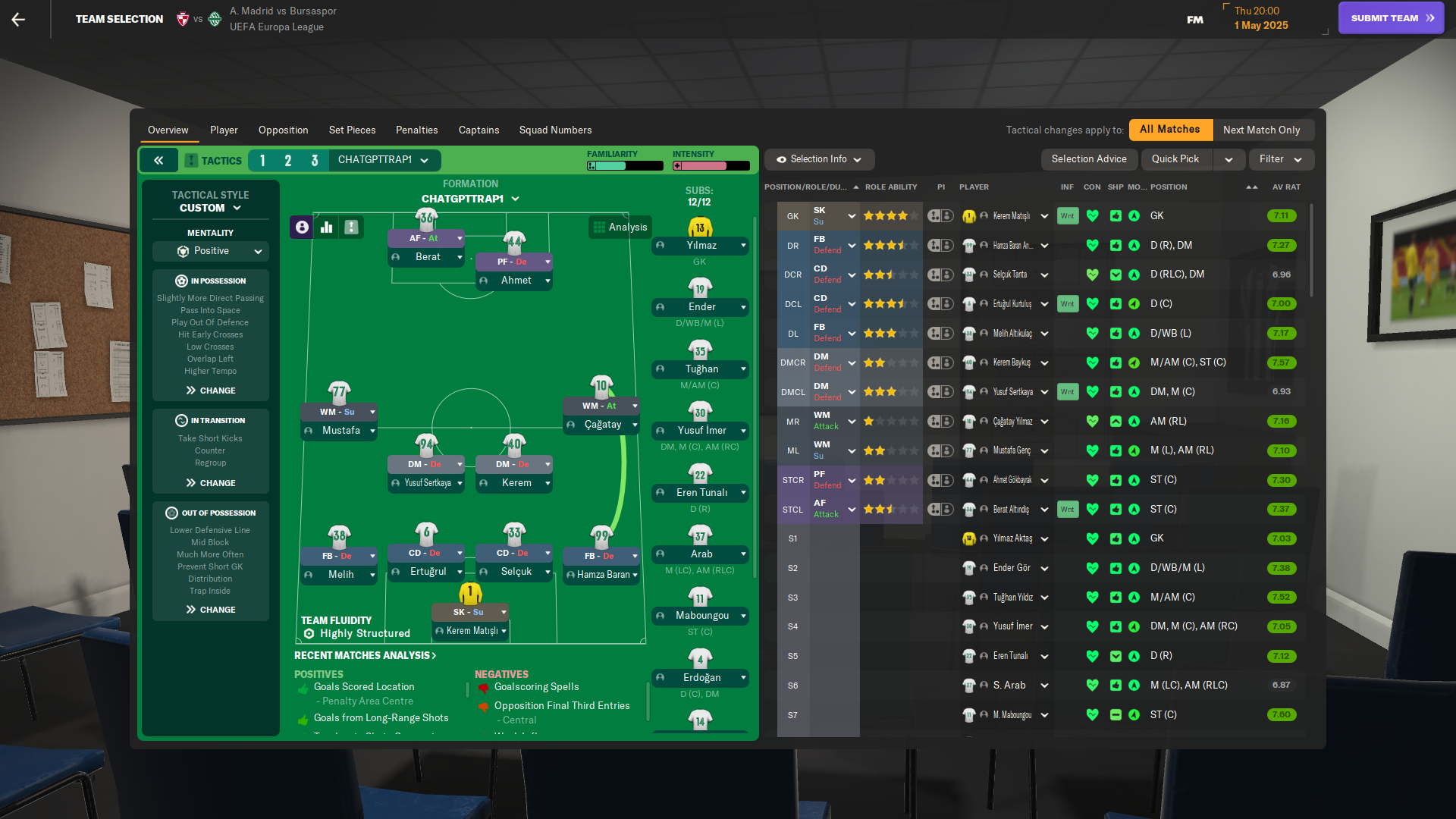
More Gegenpress tactics
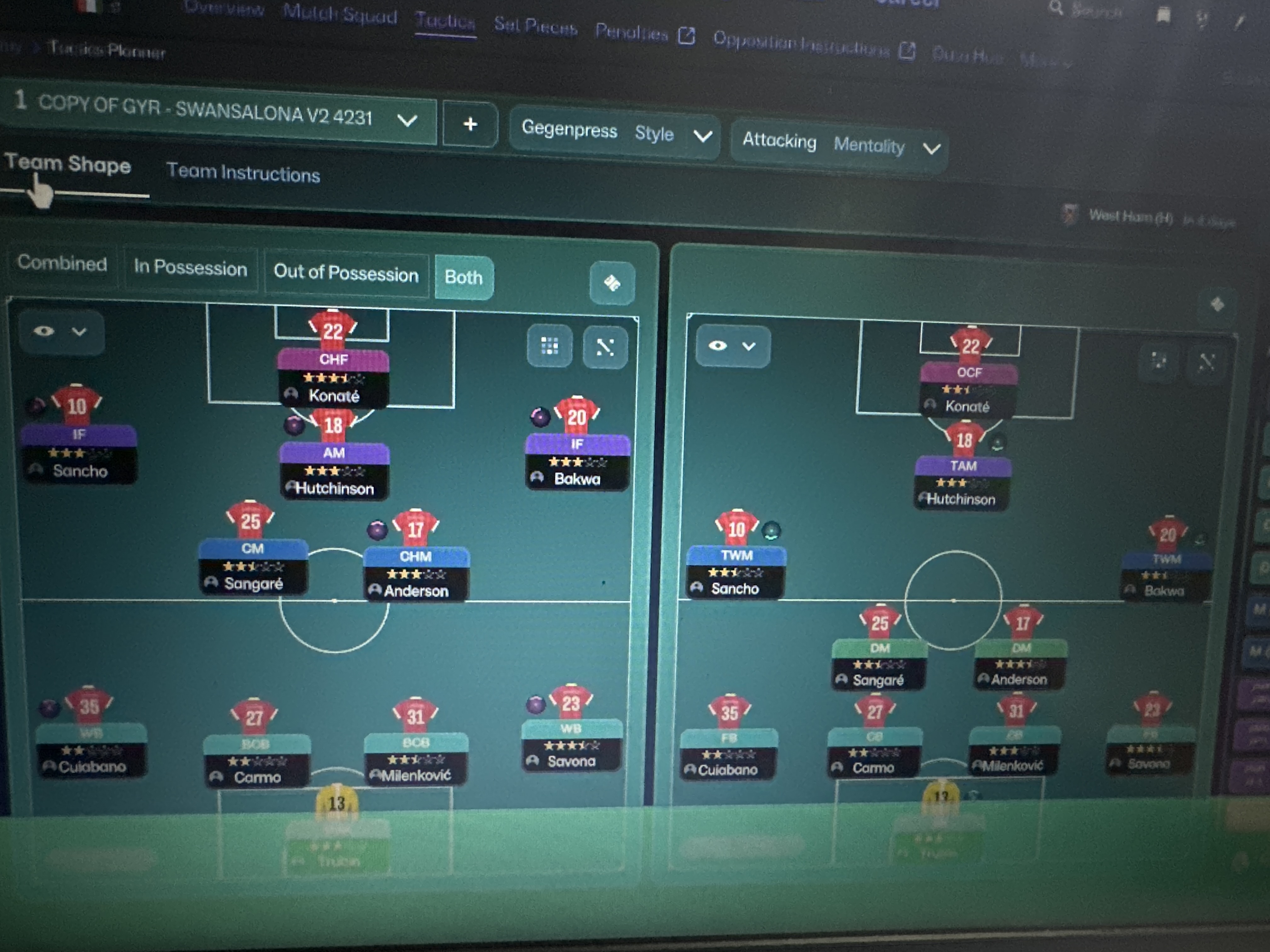
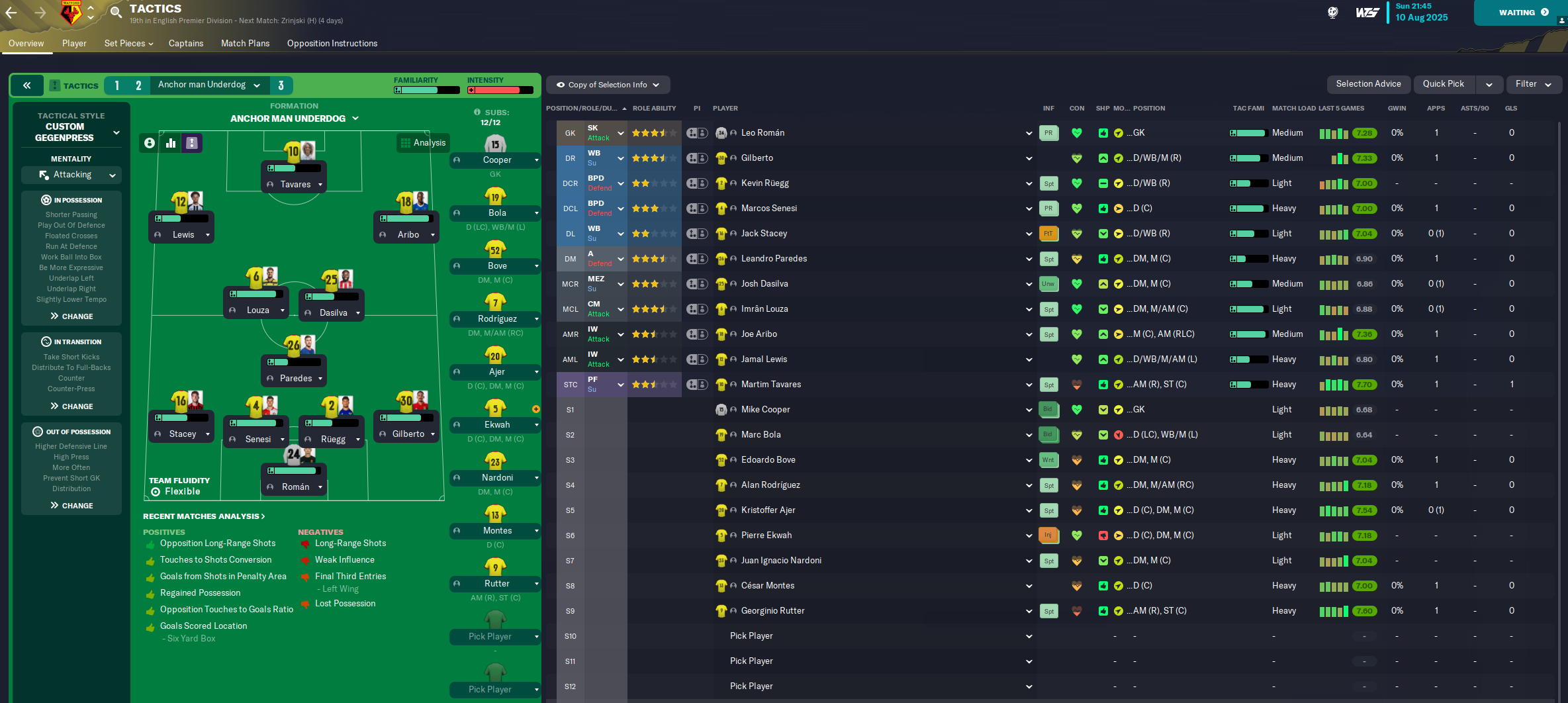
Guides for this formation
The tactical theory behind the 4-2-3-1 Wide: roles, instructions, and the trade-offs that decide whether the system holds up.
Player pairings
Midfield Pairs in 4-2-3-1 and 4-4-2
Double pivots and flat pairs in 4-2-3-1 and 4-4-2: when each pairing works, when it collapses, and the AMC unicorn that rescues both.
Read guide
Playing styles
Gegenpressing: A Full Guide
Klopp-style gegenpressing in FM, including squad profile, line-and-press pairing, sustainable workload, and the antipatterns to avoid.
Read guide