Uploaded Tactic
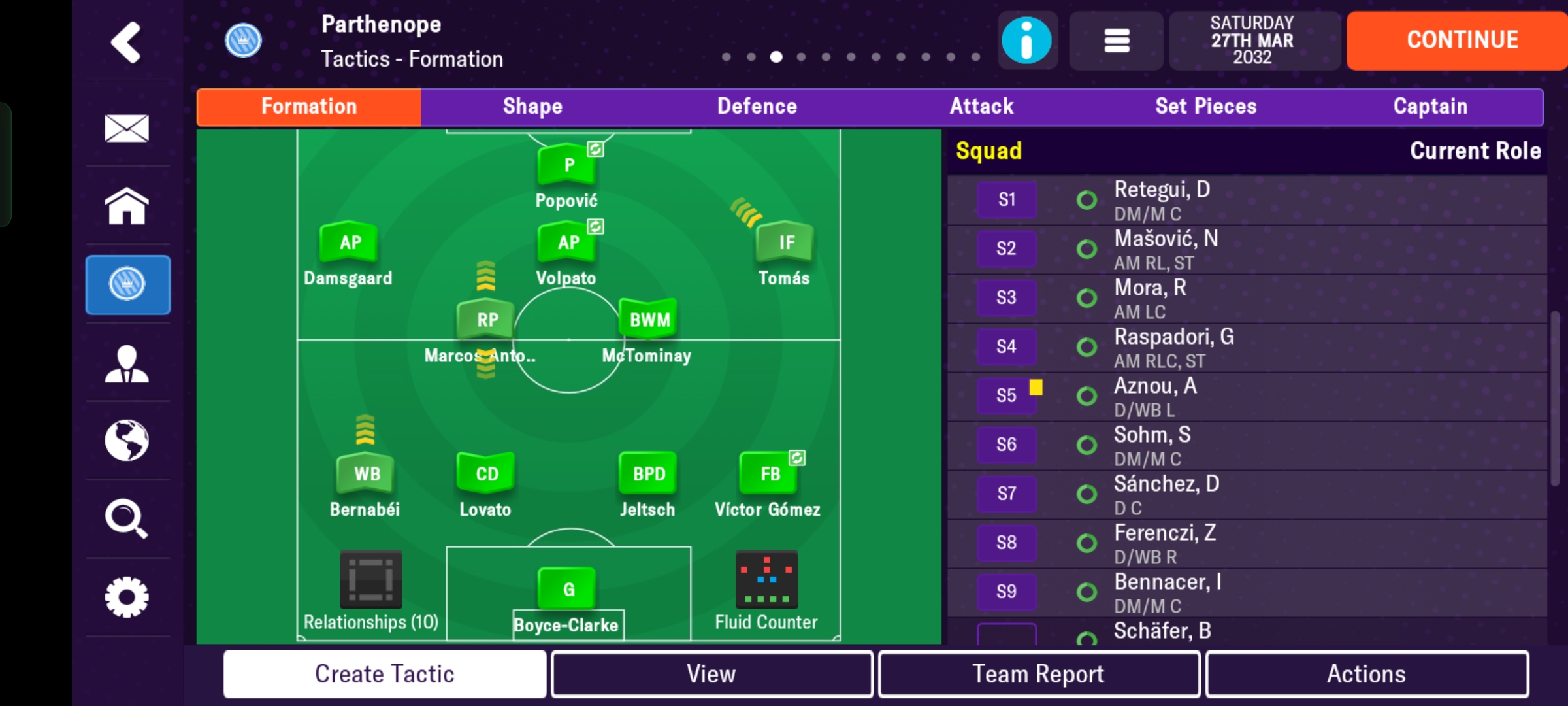
Formation & Style
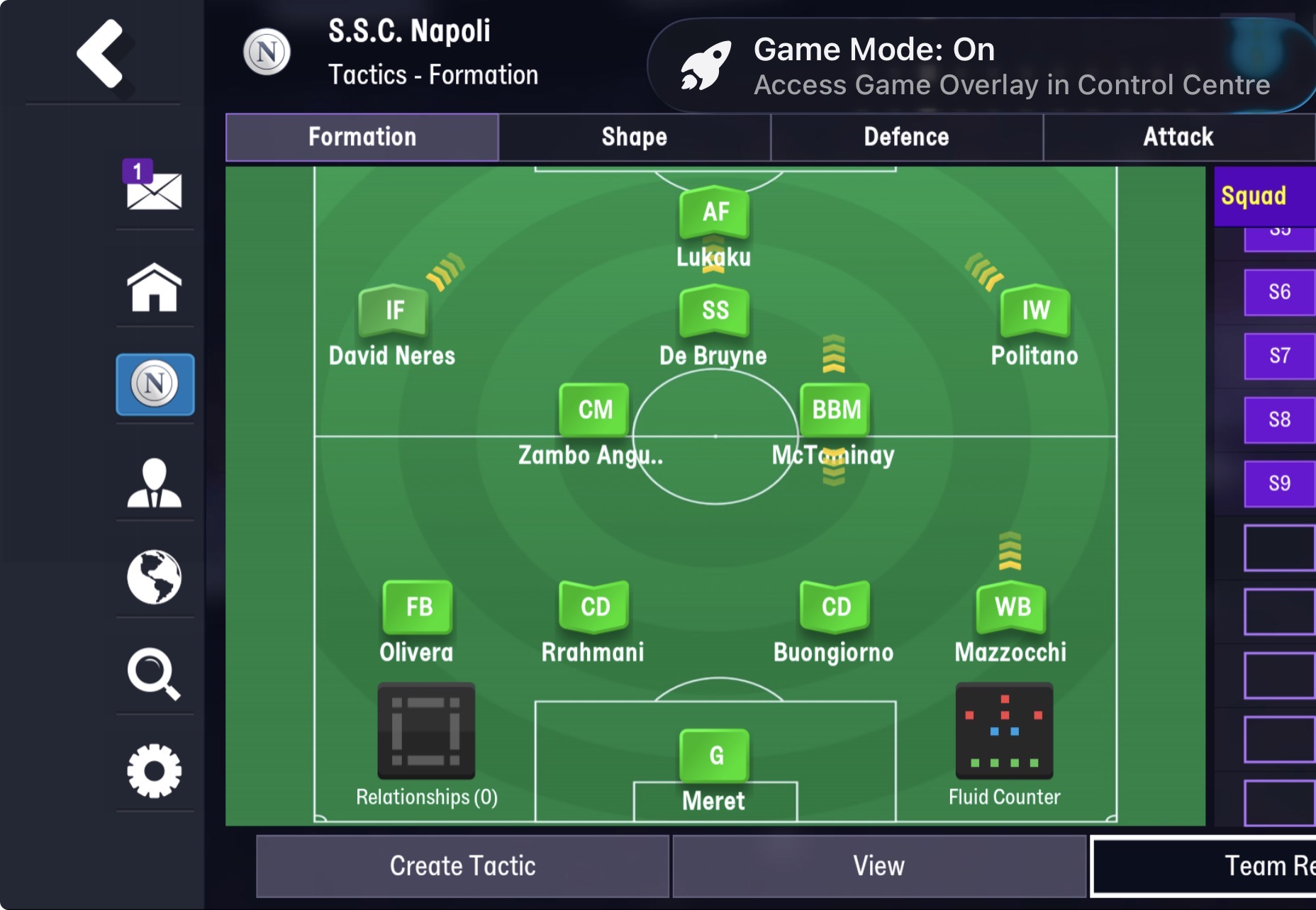
Tactical Style:Fluid Counter
Mentality:Positive
Formation:4-2-3-1 Wide
Team Fluidity:Fluid
In Possession
Work Ball Into Box
Play Out Of Defence
Run At Defence
In Transition
Counter
Counter Press
Out of Possession
Higher Defensive Line
More Urgent Pressing
Team Shape Without Ball
Shape:Compact Shape
Description:The team maintains a compact shape, with the DM providing additional cover between the lines.
Evidence:Defensive block height is high, paired with increased pressing intensity.
Team Shape With Ball
Shape:Wide Shape
Description:The use of wide players stretches the opponent's defense, allowing space for central players.
Evidence:FB and WB push up while the two APs rotate centrally.
Phase Description
Attacking Play
Focuses on building play through the midfield with fluidity and quick ball movement, creating overloads on the wings.
Defensive Transition
Emphasizes immediate counter-pressing upon losing possession to regain control.
Main Focus
Utilizing the attacking wings and interplay to create goal-scoring opportunities.
Key Strengths
Midfield Control
The combination of BWM and RP in midfield provides a strong presence for both defending and initiating attacks.
Interchanging Forward Positions
The APs and IF facilitate dynamic attacking movements, creating space and scoring chances.
Wing Play
Utilization of FB and WB in attacking phases provides width and crossing opportunities.
Conflicting Directions
Wide Play vs. Compact Defense
While the team seeks to create width, a compact defensive structure can sometimes result in isolation of wide players.
Counter-Pressing Strategy
Excessive counter-pressing may leave teams vulnerable to long balls against faster attackers.
Attacking Wingbacks vs. Defensive Responsibilities
Pushing wingbacks forward may neglect defensive discipline when transitioning.
Tactical Suggestions
Incorporate More Direct Play
Encourage players to move the ball quickly when opportunities arise to exploit defenses more effectively.
Adjust Defensive Width
Narrowing the defensive line can help contain opposing wide threats better.
Rotate Roles in Midfield
Considering rotating the position of the BWM or RP to keep the opposition guessing.
Ask Questions About Your Lineup
Related Tactics
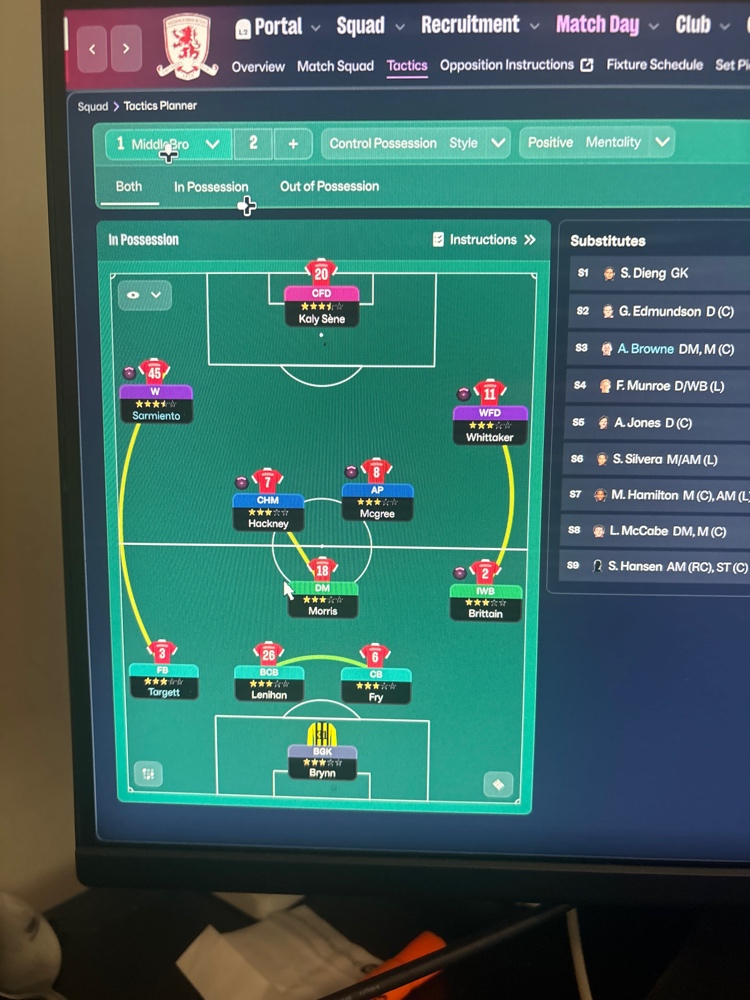
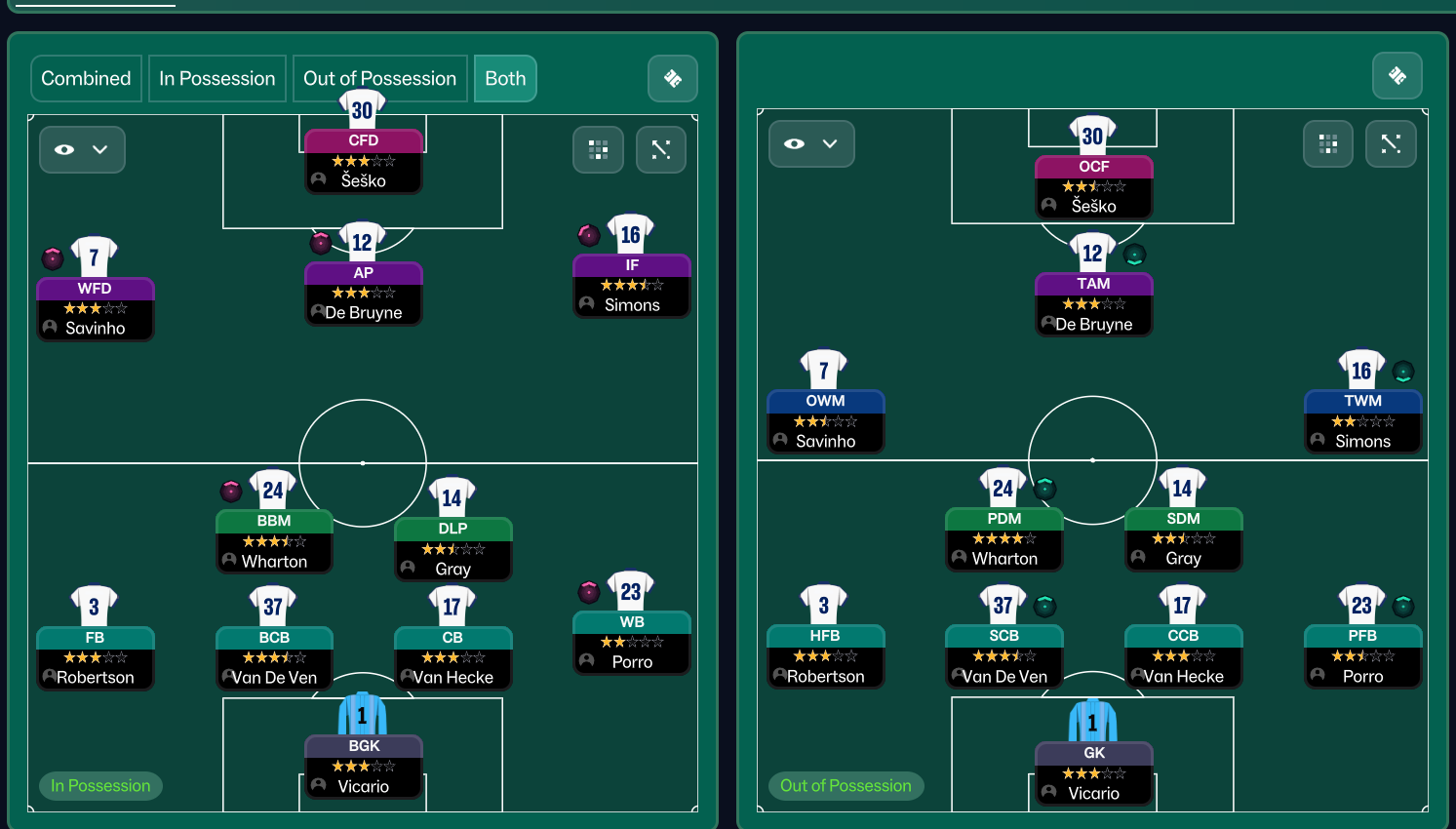
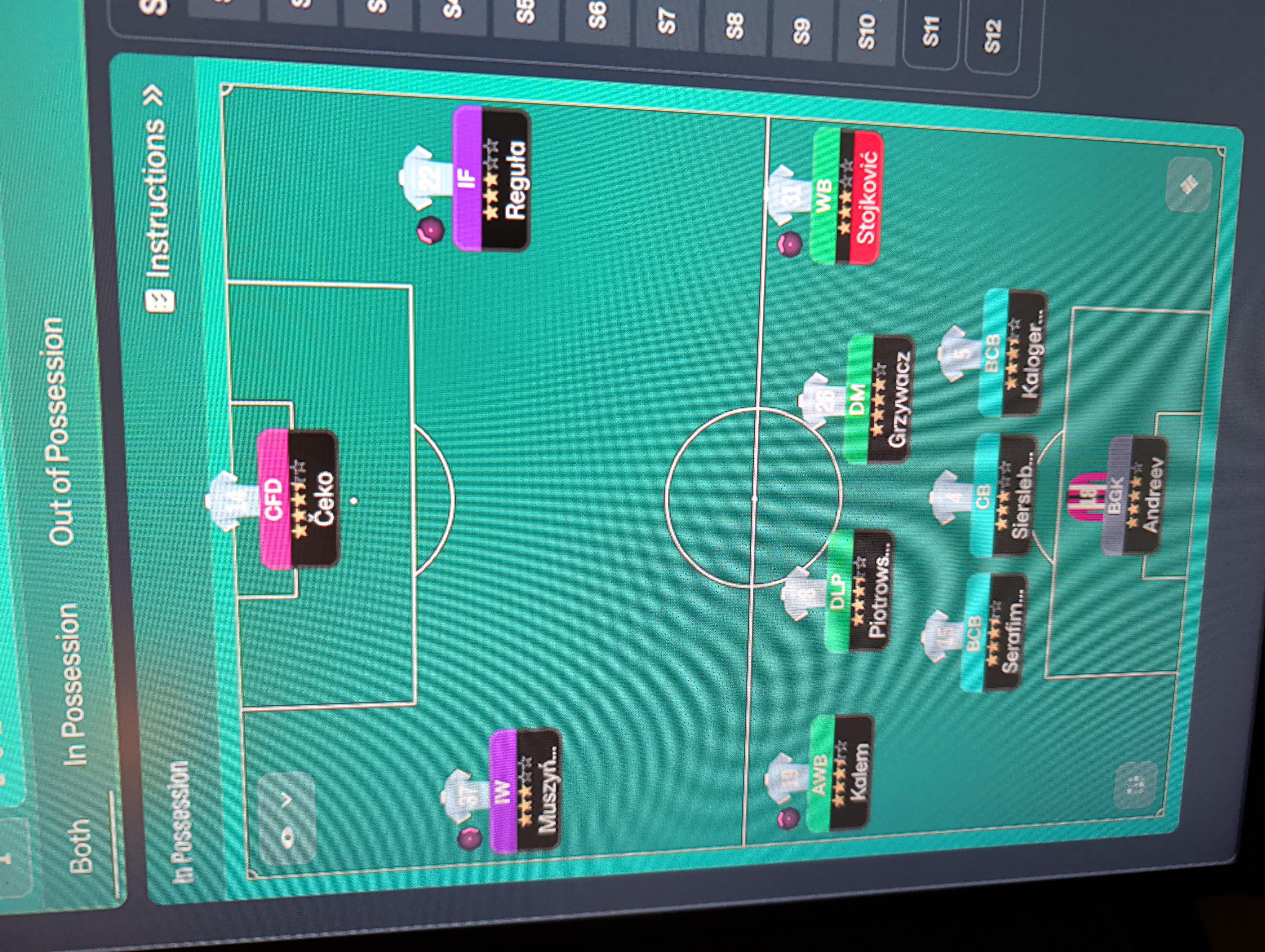
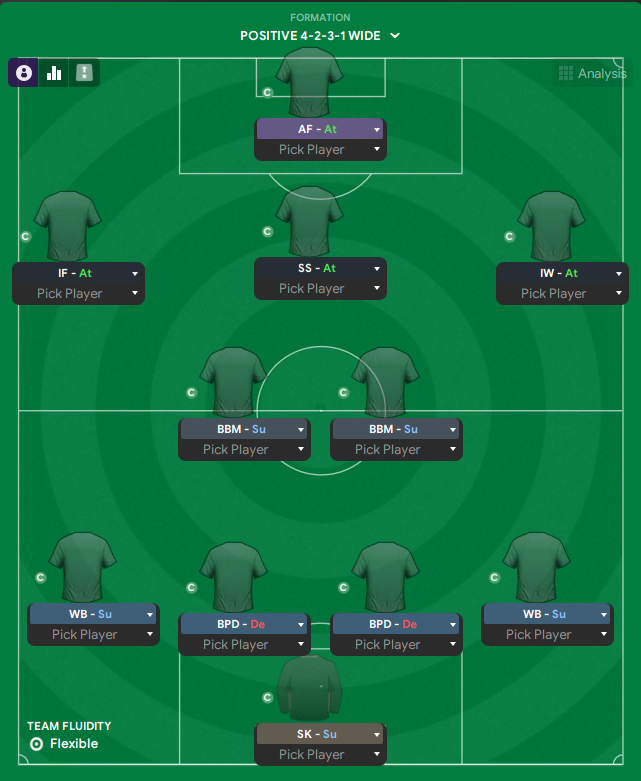
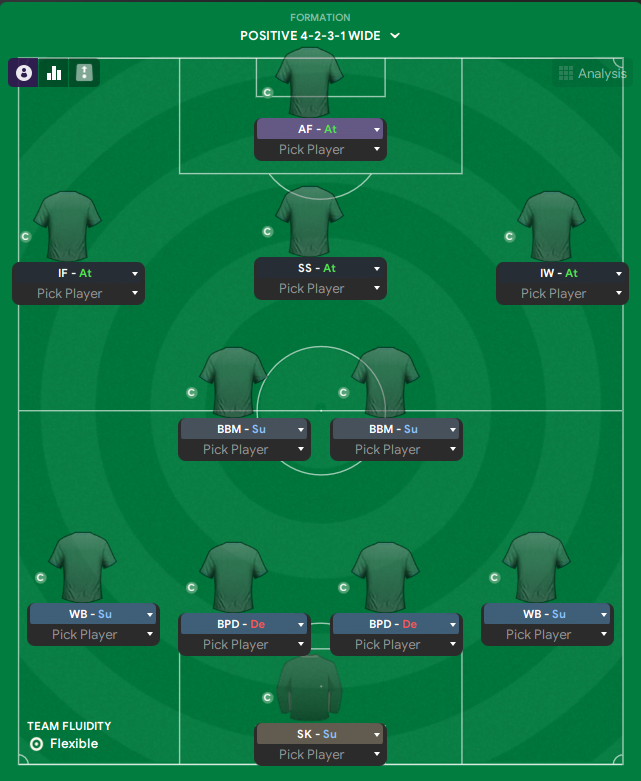
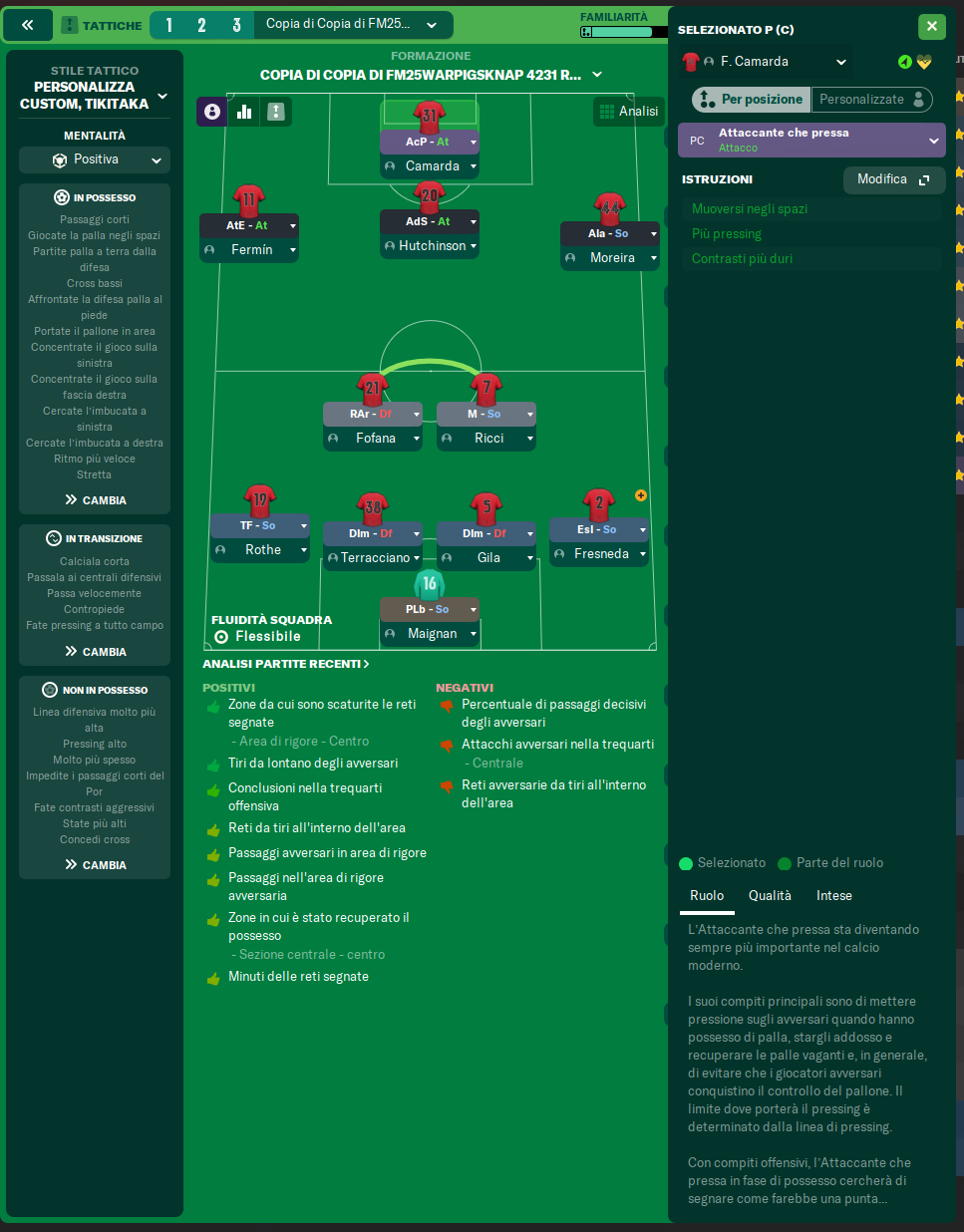
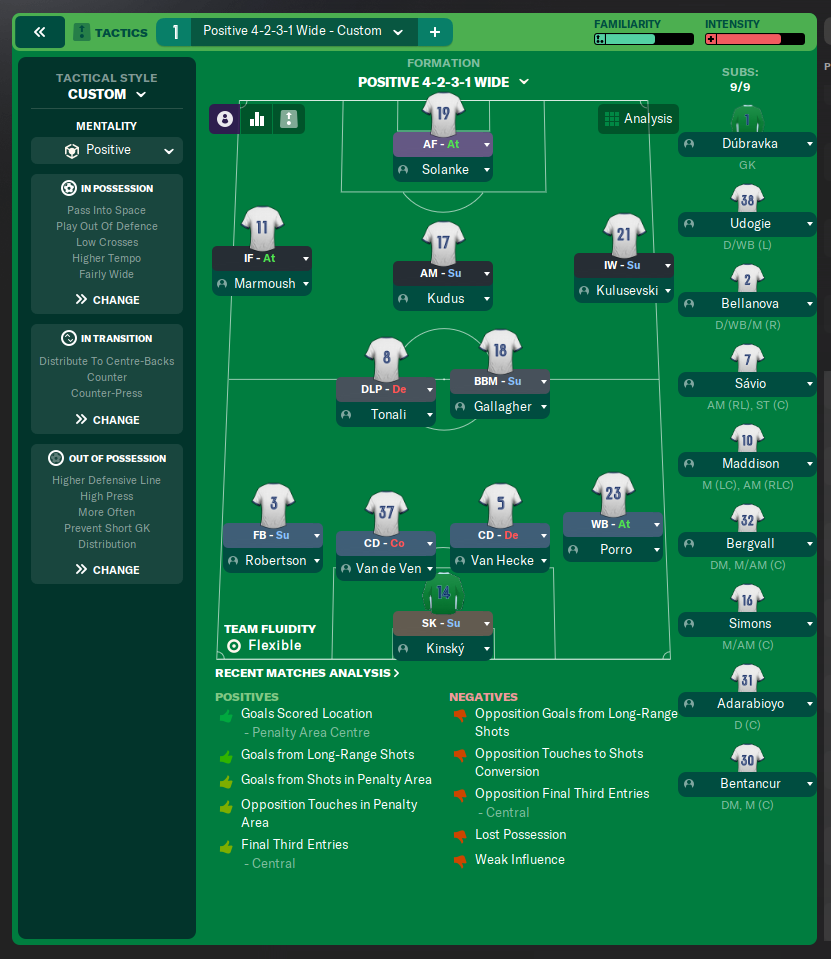
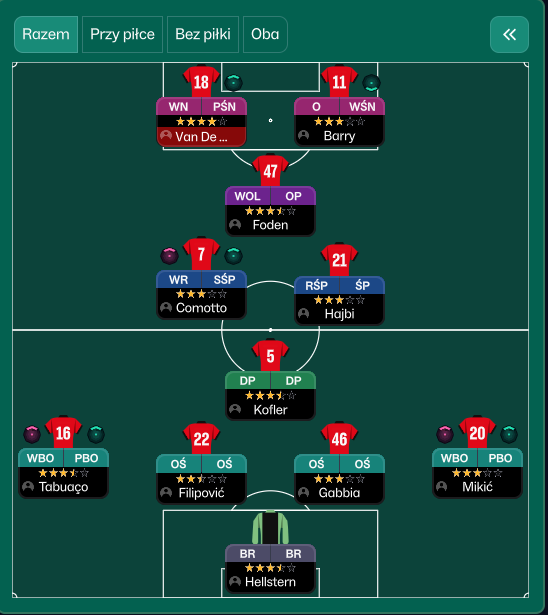
More Fluid Counter tactics
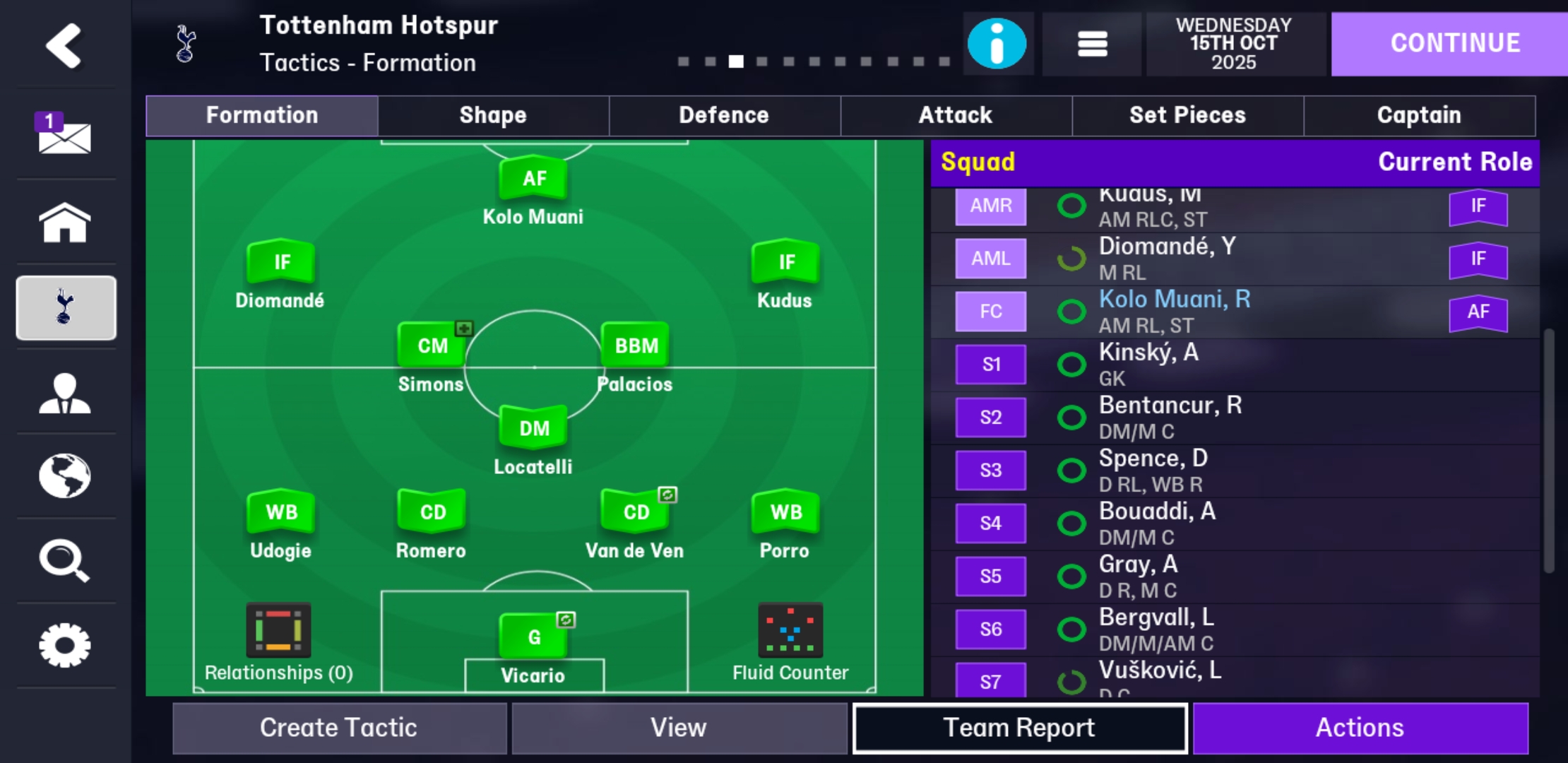
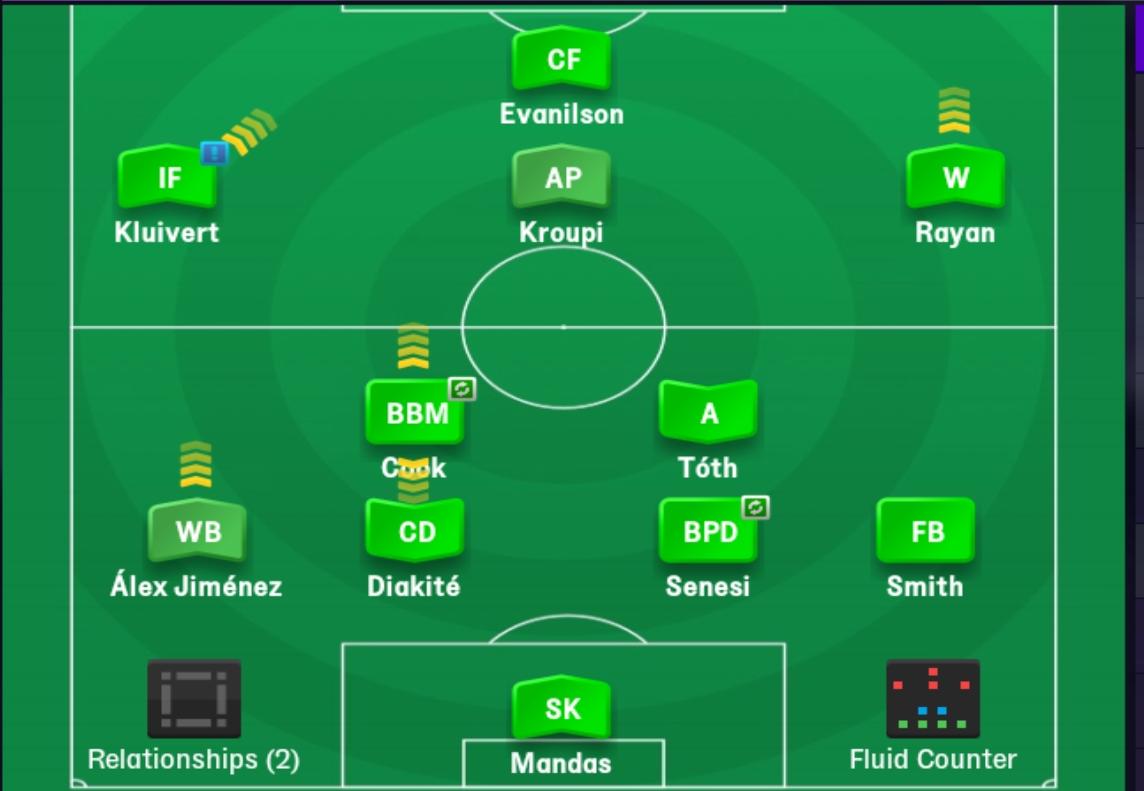
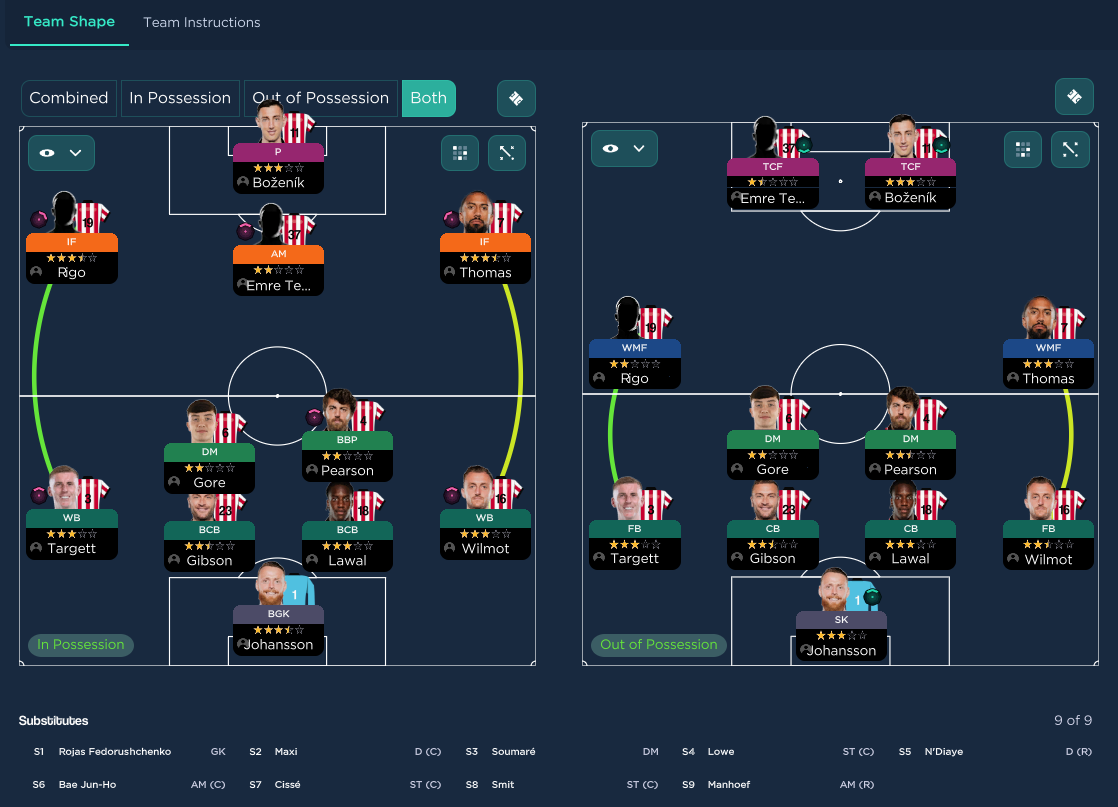
Guides for this formation
The tactical theory behind the 4-2-3-1 Wide: roles, instructions, and the trade-offs that decide whether the system holds up.
Player pairings
Midfield Pairs in 4-2-3-1 and 4-4-2
Double pivots and flat pairs in 4-2-3-1 and 4-4-2: when each pairing works, when it collapses, and the AMC unicorn that rescues both.
Read guide
Playing styles
Gegenpressing: A Full Guide
Klopp-style gegenpressing in FM, including squad profile, line-and-press pairing, sustainable workload, and the antipatterns to avoid.
Read guide