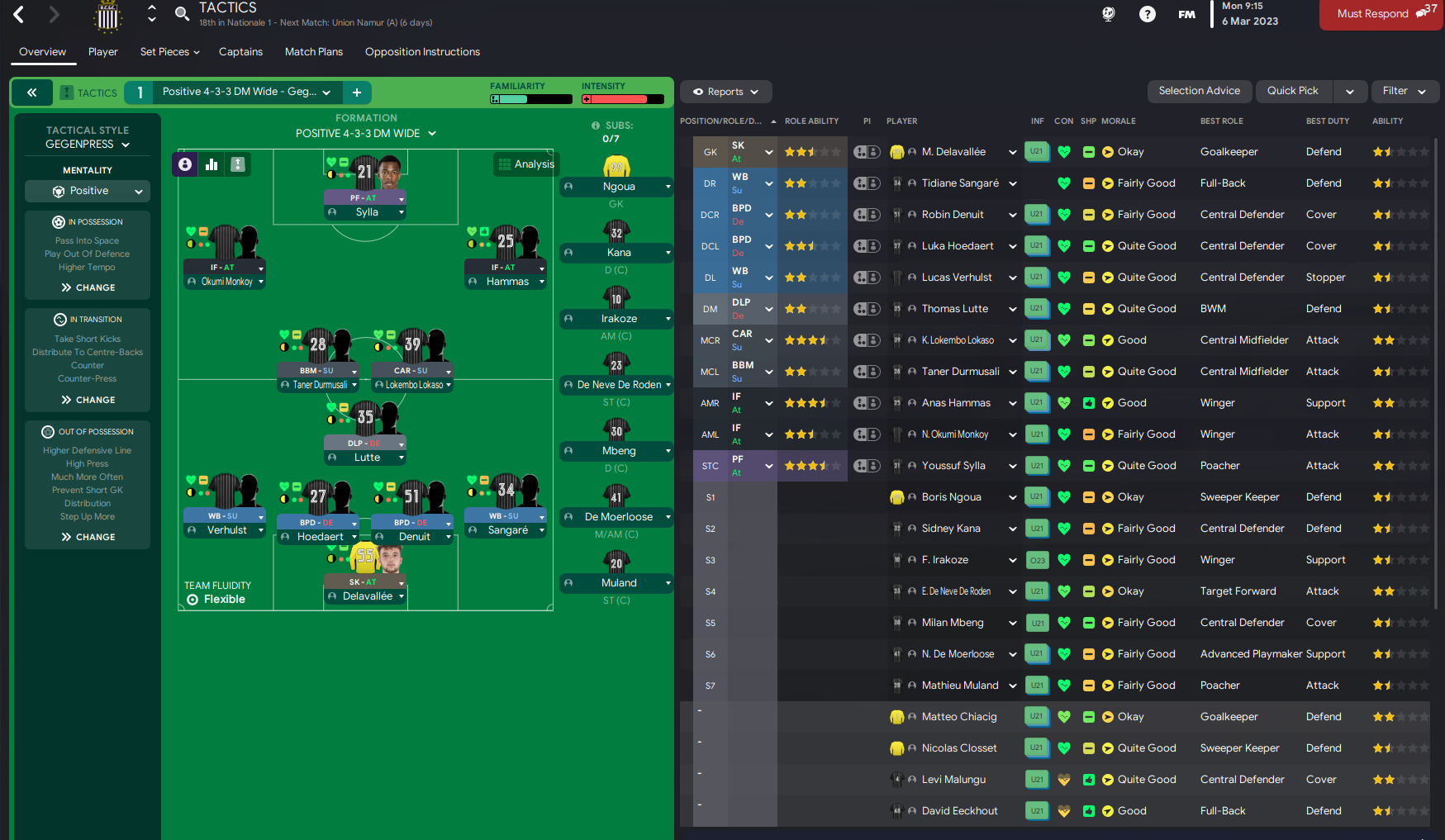
Uploaded Tactic
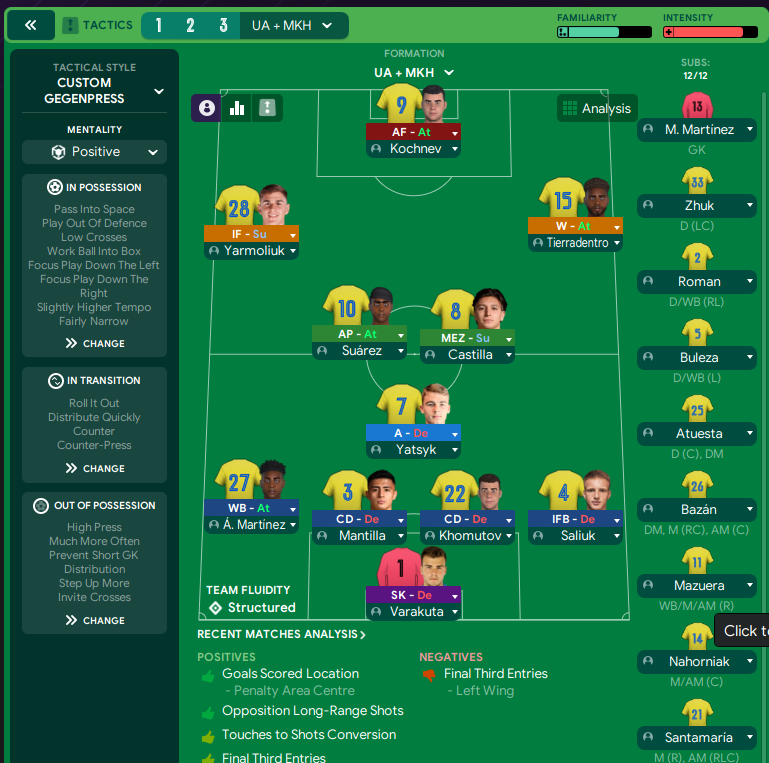
Formation & Style
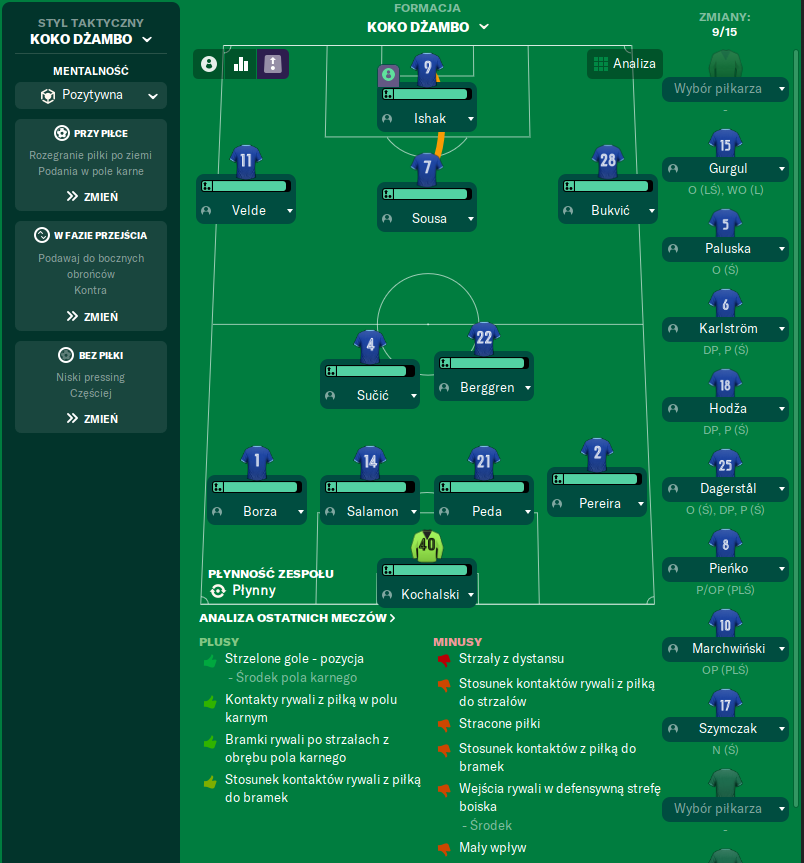
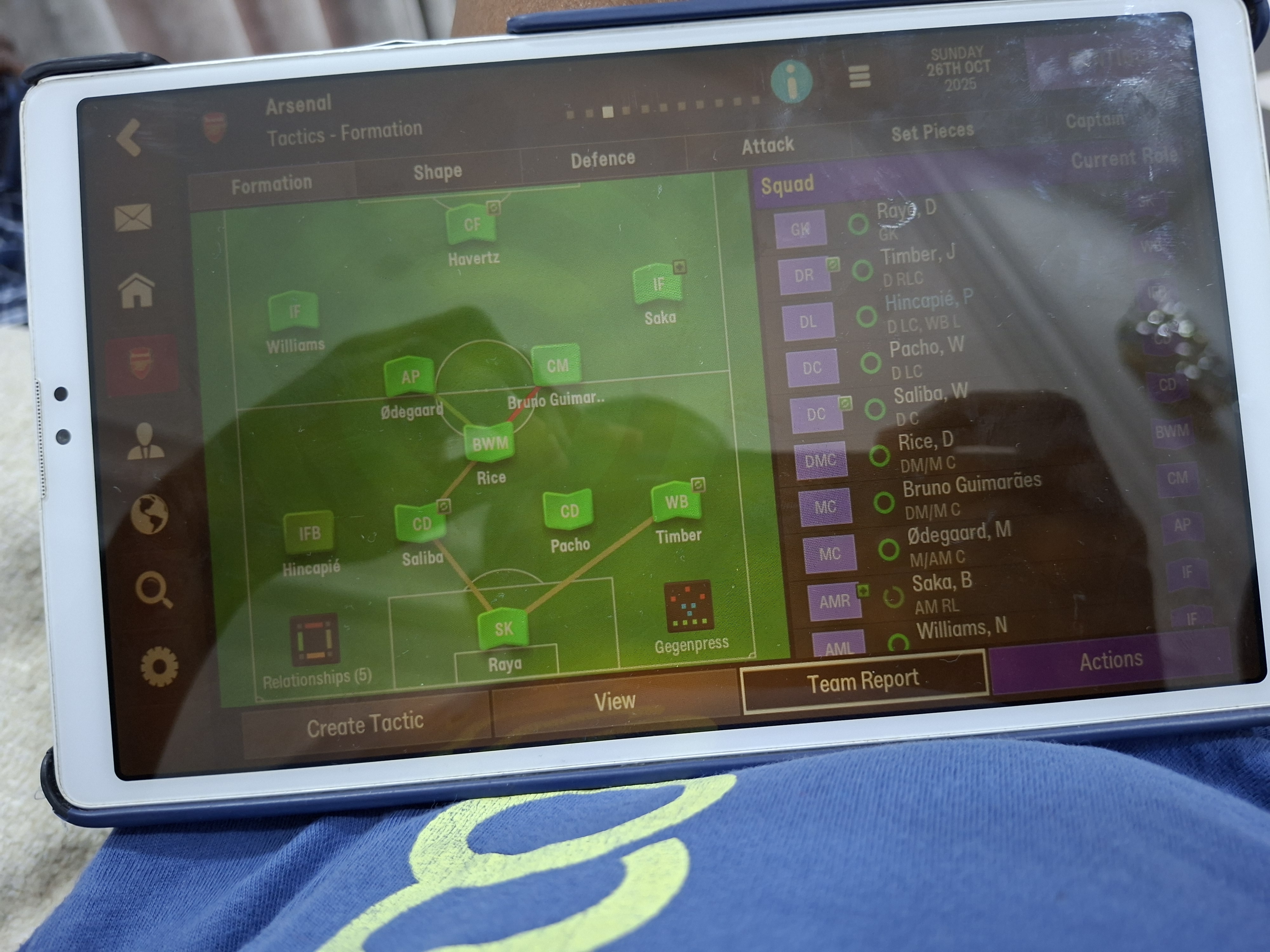
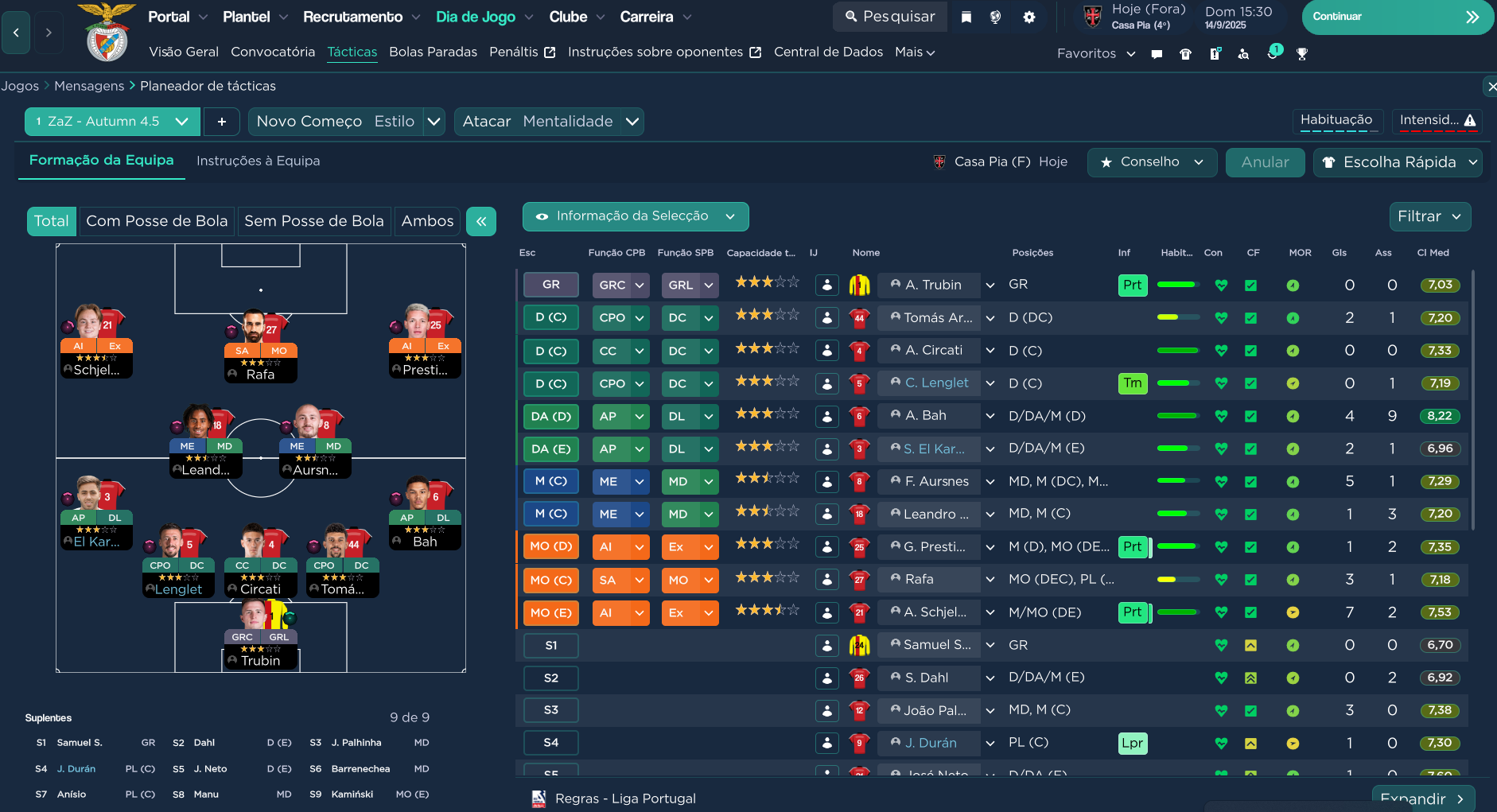
Tactical Style:Gegenpress
Mentality:Positive
Formation:4-2-3-1 Wide
Team Fluidity:Structured
In Possession
Pass Into Space
Play Out Of Defence
Low Crosses
Work Ball Into Box
Focus Play Down The Left
Slightly Higher Tempo
Fairly Narrow
In Transition
Roll It Out
Distribute Quickly
Counter
Counter-Press
Out of Possession
High Press
Much More Often
Prevent Short GK Distribution
Step Up More
Team Shape Without Ball
No team shape without ball data available
Team Shape With Ball
No team shape with ball data available
Key Strengths
Dynamic Attacking Play
The use of various attacking roles allows for fluid movement and creativity in the final third, increasing goal-scoring opportunities.
Effective High Press
The high press can disrupt opposition play, leading to quick turnovers and immediate attacking chances.
Balanced Width
Utilizing both inside forwards and traditional wingers maintains balance, stretching the opposition defense while providing multiple crossing options.
Counter-Attacking Potential
The strategy to distribute quickly and counter allows for fast transitions, capitalizing on disorganized opposing defenses after turnovers.
Conflicting Directions
Overlapping Wing-Backs vs. Inside Forwards
The presence of overlapping wing-backs may create confusion in space allocation with inside forwards, leading to congestion in attacking positions.
Pressing vs. Defensive Stability
While the high press aims to regain possession quickly, it could leave vulnerabilities at the back if overwhelmed during counter transitions.
Structure vs. Fluidity
A structured fluidity may limit player creativity, particularly in the final third where instinctive play can be beneficial.
High Tempo vs. Patient Build-Up
Slightly higher tempo might conflict with the need to work the ball into the box, potentially rushing decisions in the attacking phase.
Tactical Suggestions
Adjust Wing-Back Support
Consider changing the duty of one wing-back to support to balance width and allow for more safe passes in build-up.
Modify Inside Forward Roles
Reassess the duties of inside forwards; one could switch to attack to enhance goal-scoring threats from wide areas.
Increase Midfield Stability
Introduce a more defensive-minded player in midfield to strengthen the base during transitions, especially against teams with fast counter-attacks.
Utilize Attacking Full-Backs
Consider setting both full-backs to attack in certain scenarios to enhance wing play and exploit spaces created by opposition defenders moving forward.
Ask Questions About Your Lineup
Related Tactics
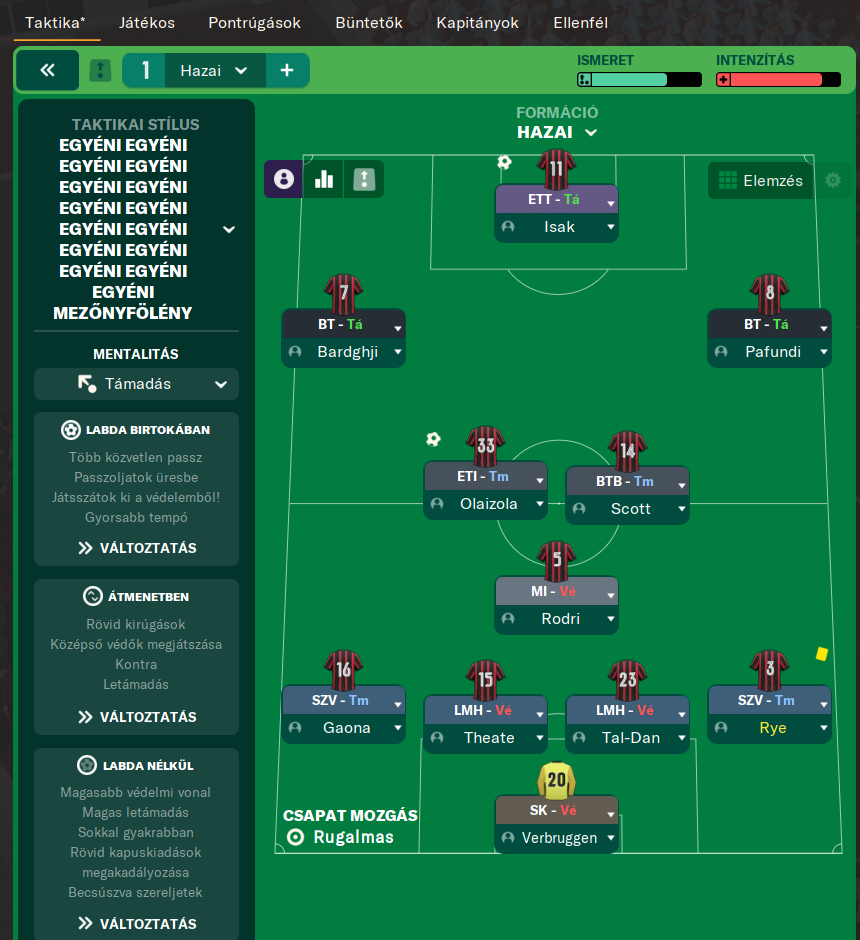
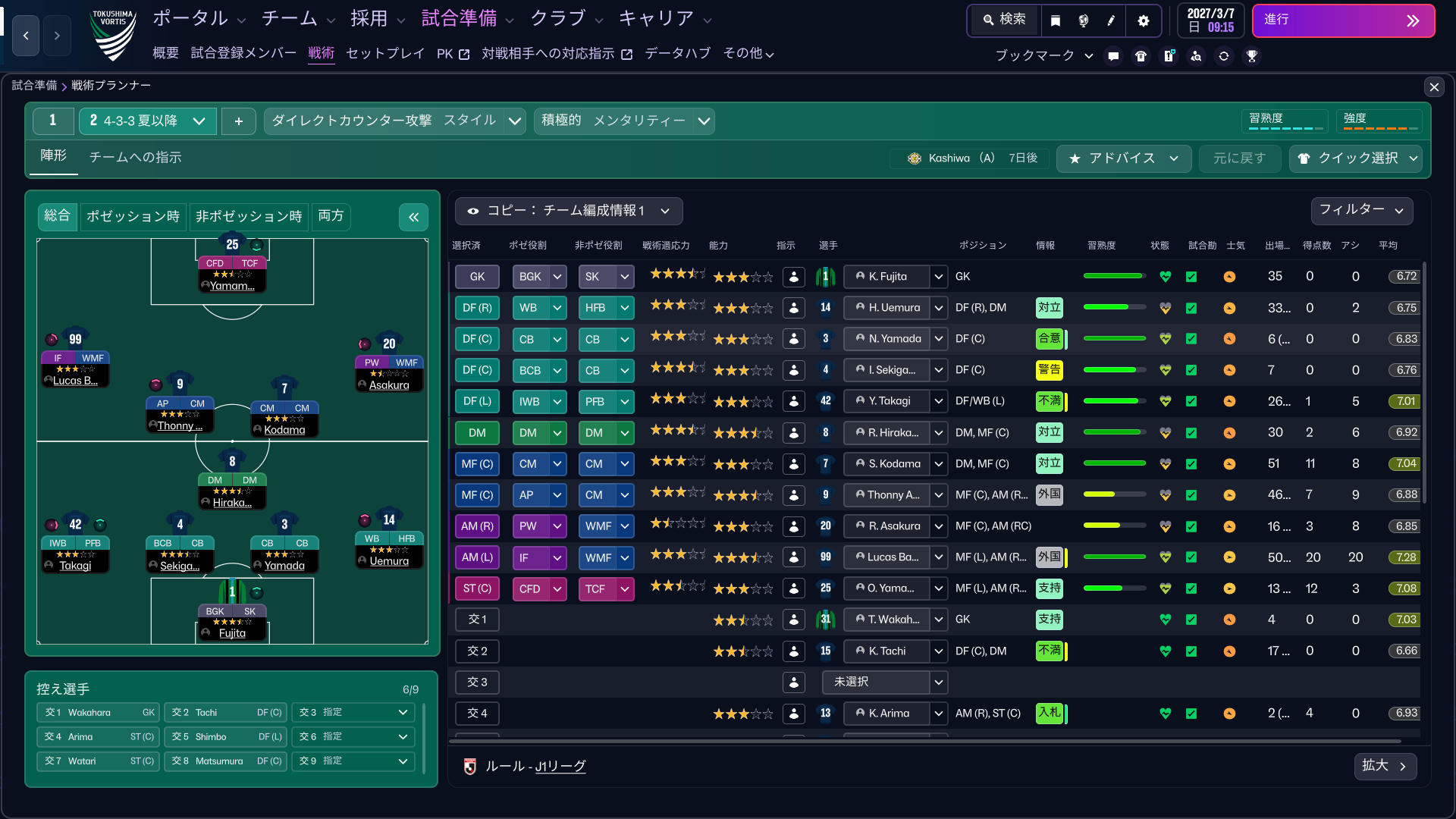
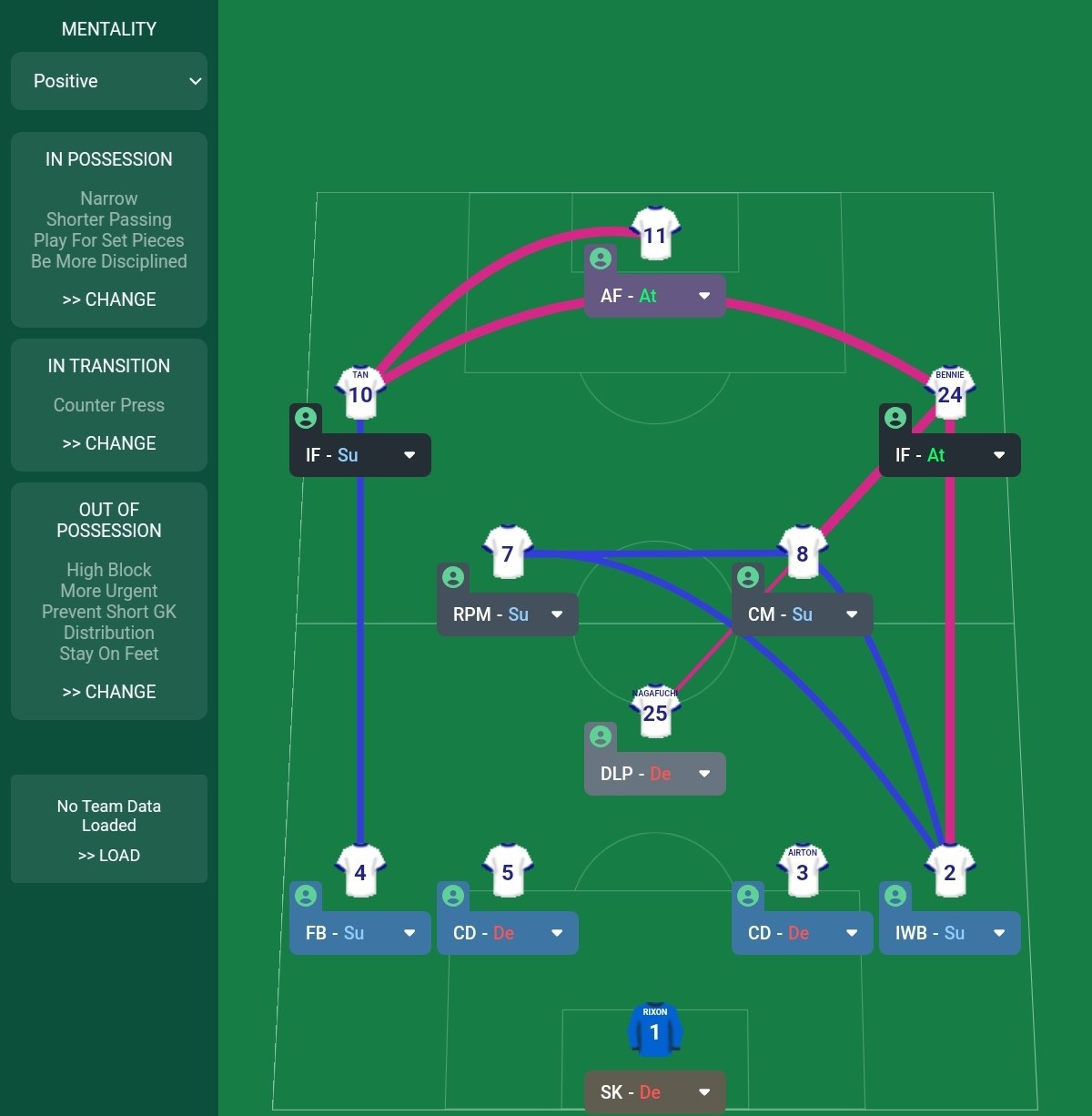
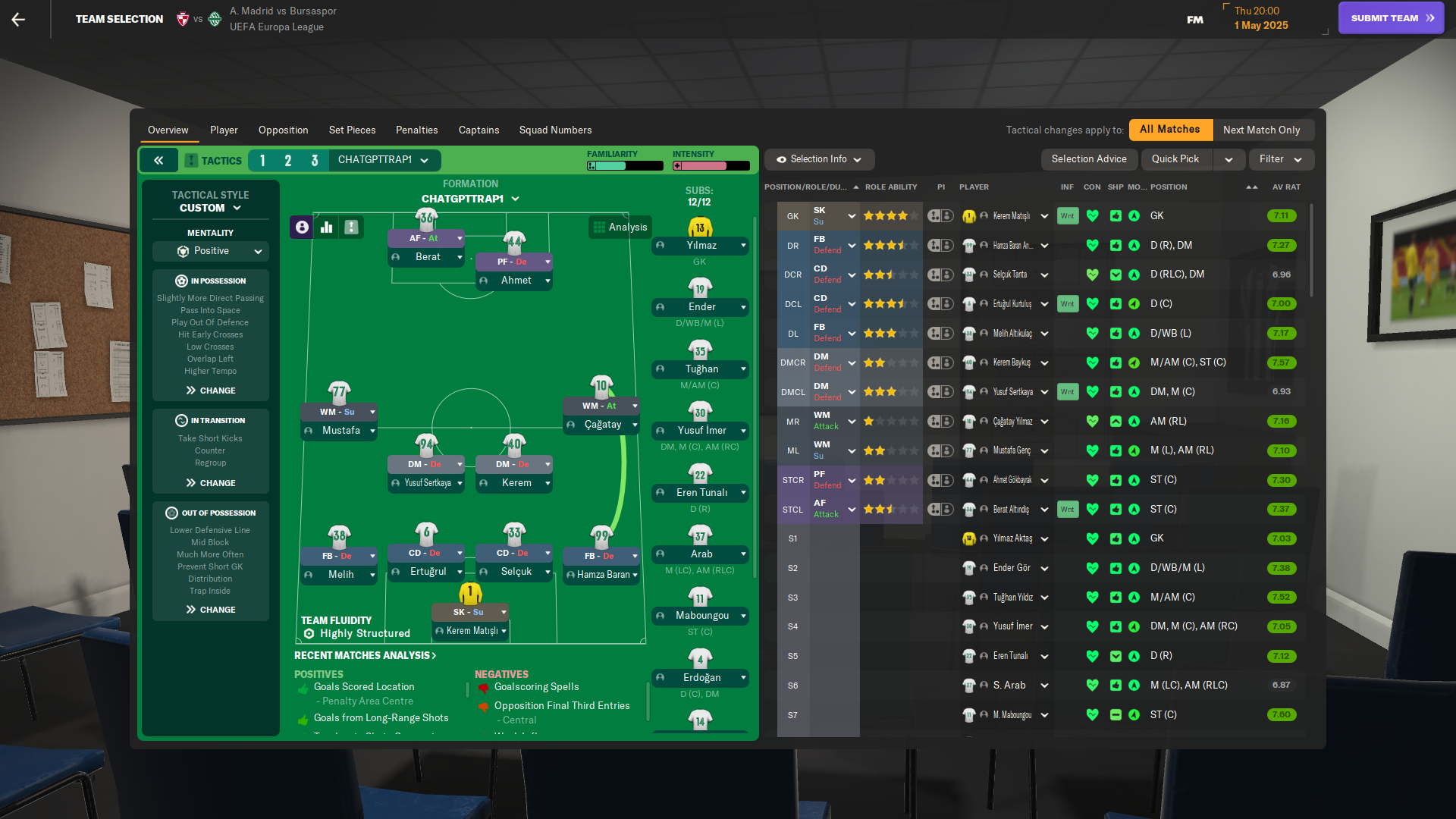
More Gegenpress tactics
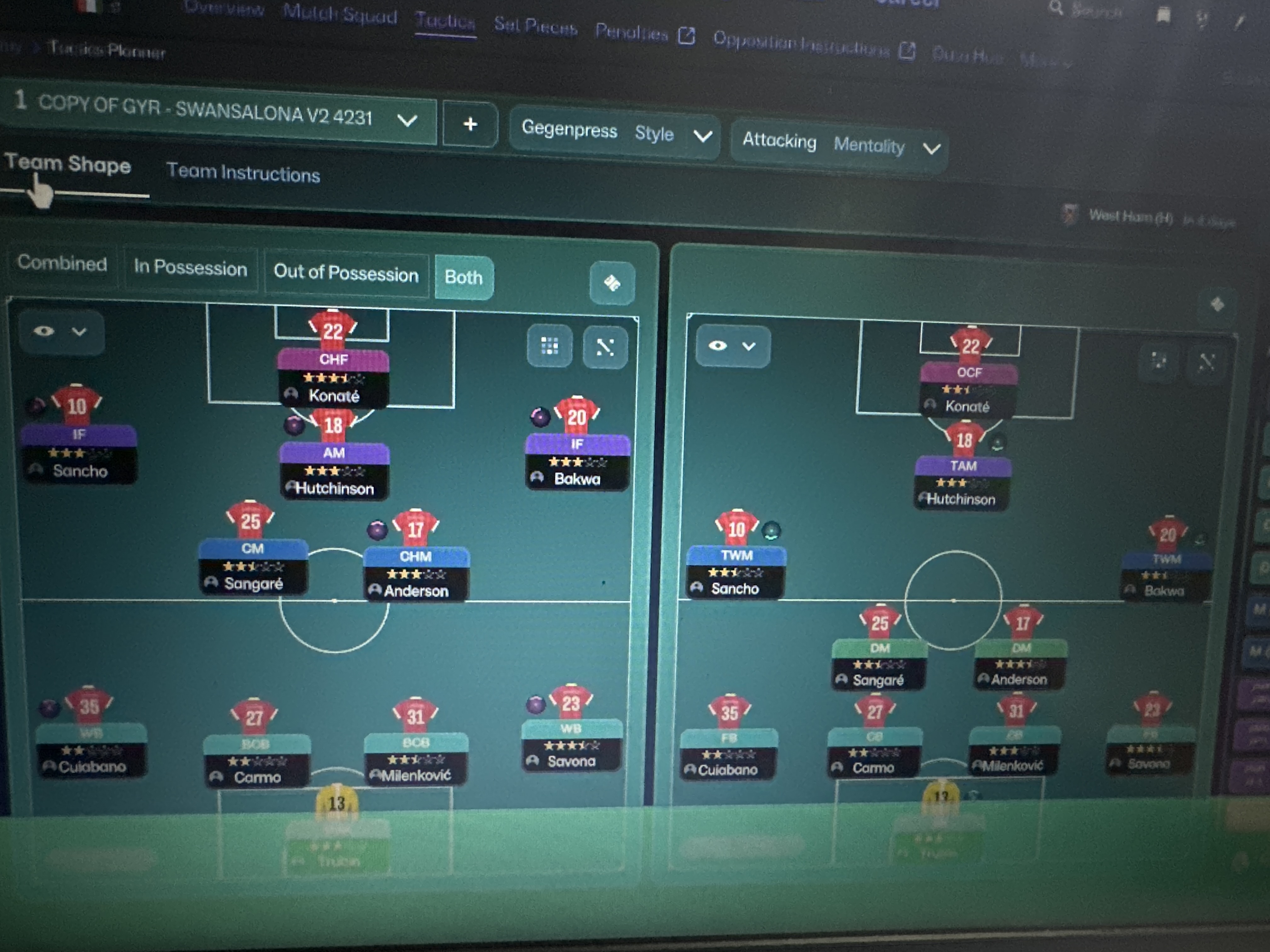
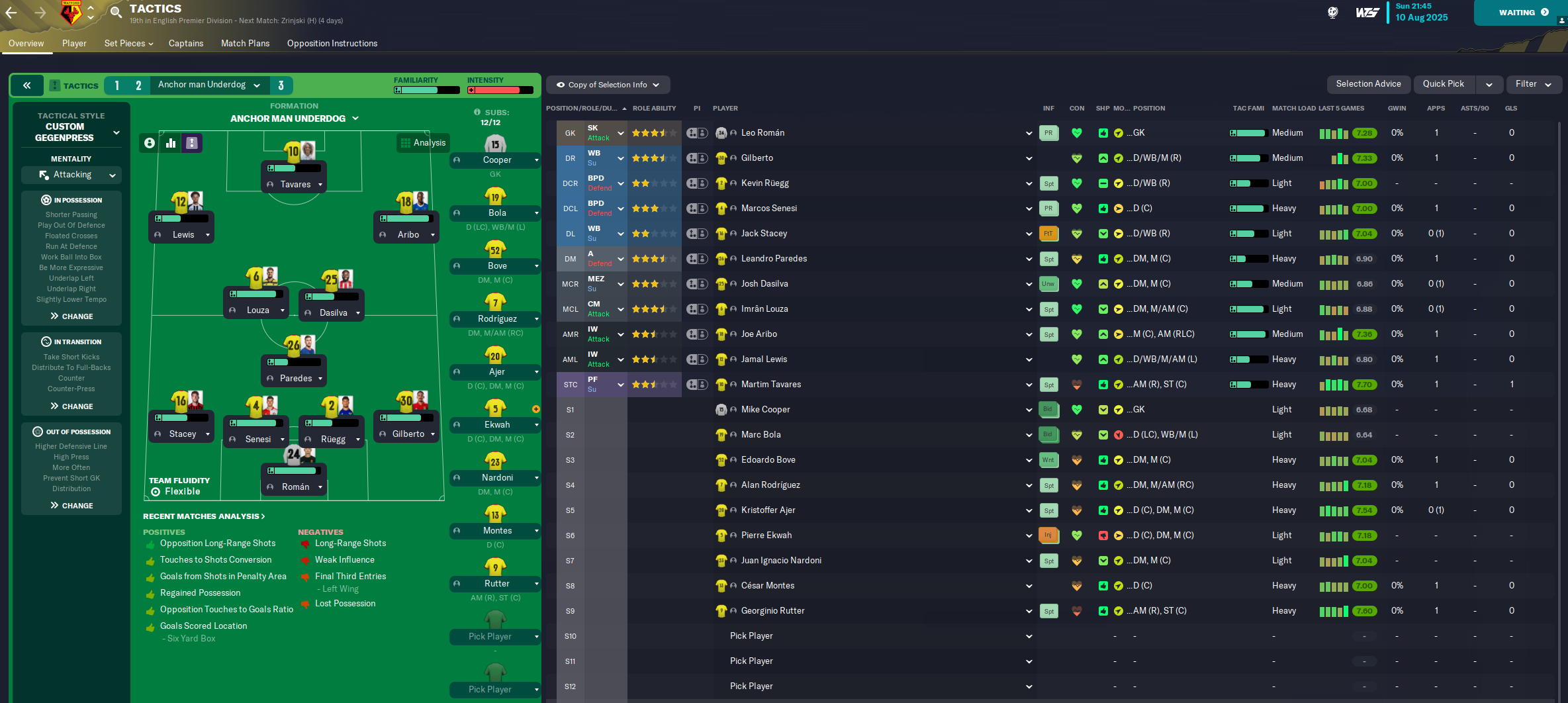
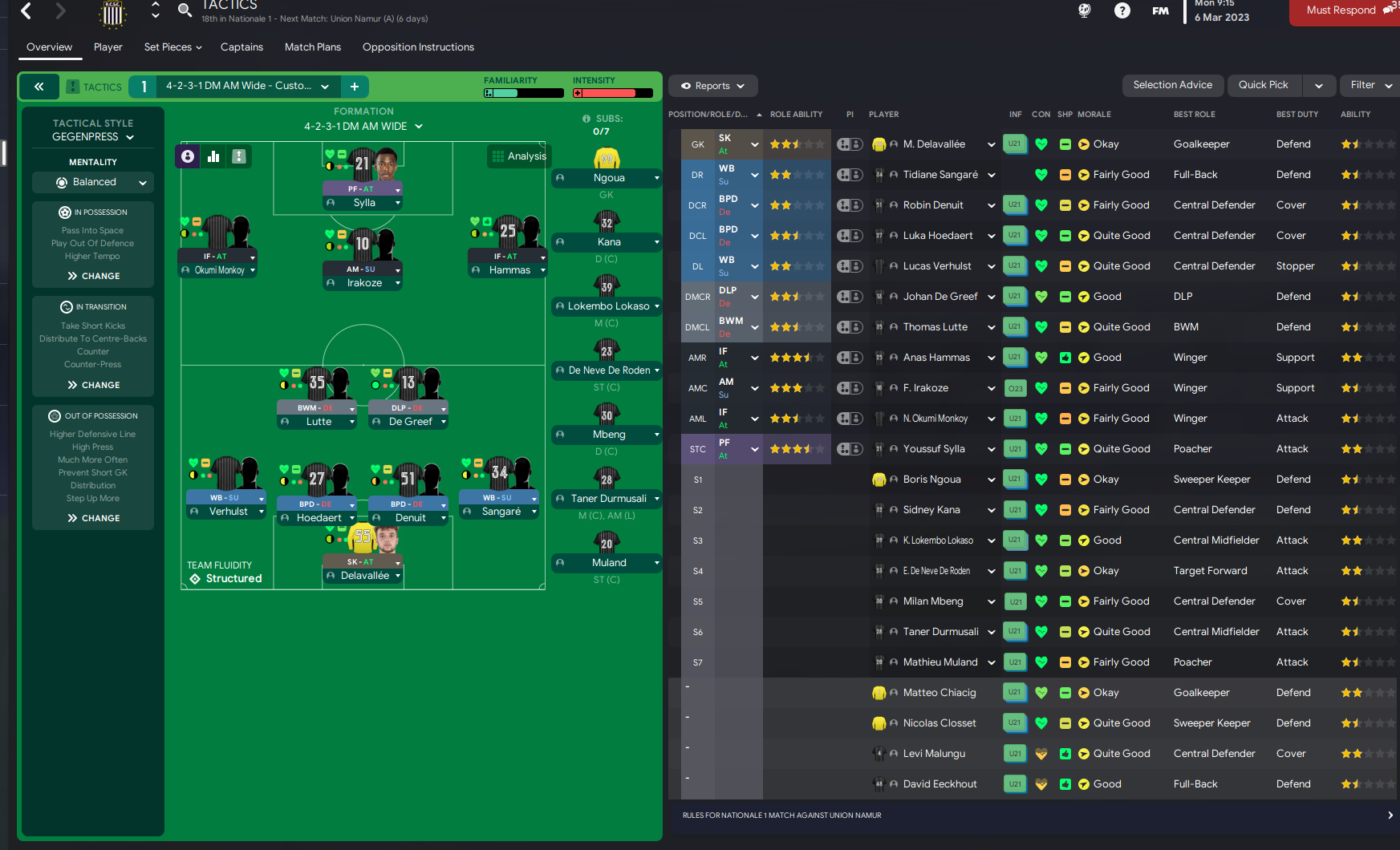
Guides for this formation
The tactical theory behind the 4-2-3-1 Wide: roles, instructions, and the trade-offs that decide whether the system holds up.
Player pairings
Midfield Pairs in 4-2-3-1 and 4-4-2
Double pivots and flat pairs in 4-2-3-1 and 4-4-2: when each pairing works, when it collapses, and the AMC unicorn that rescues both.
Read guide
Playing styles
Gegenpressing: A Full Guide
Klopp-style gegenpressing in FM, including squad profile, line-and-press pairing, sustainable workload, and the antipatterns to avoid.
Read guide