Uploaded Tactic
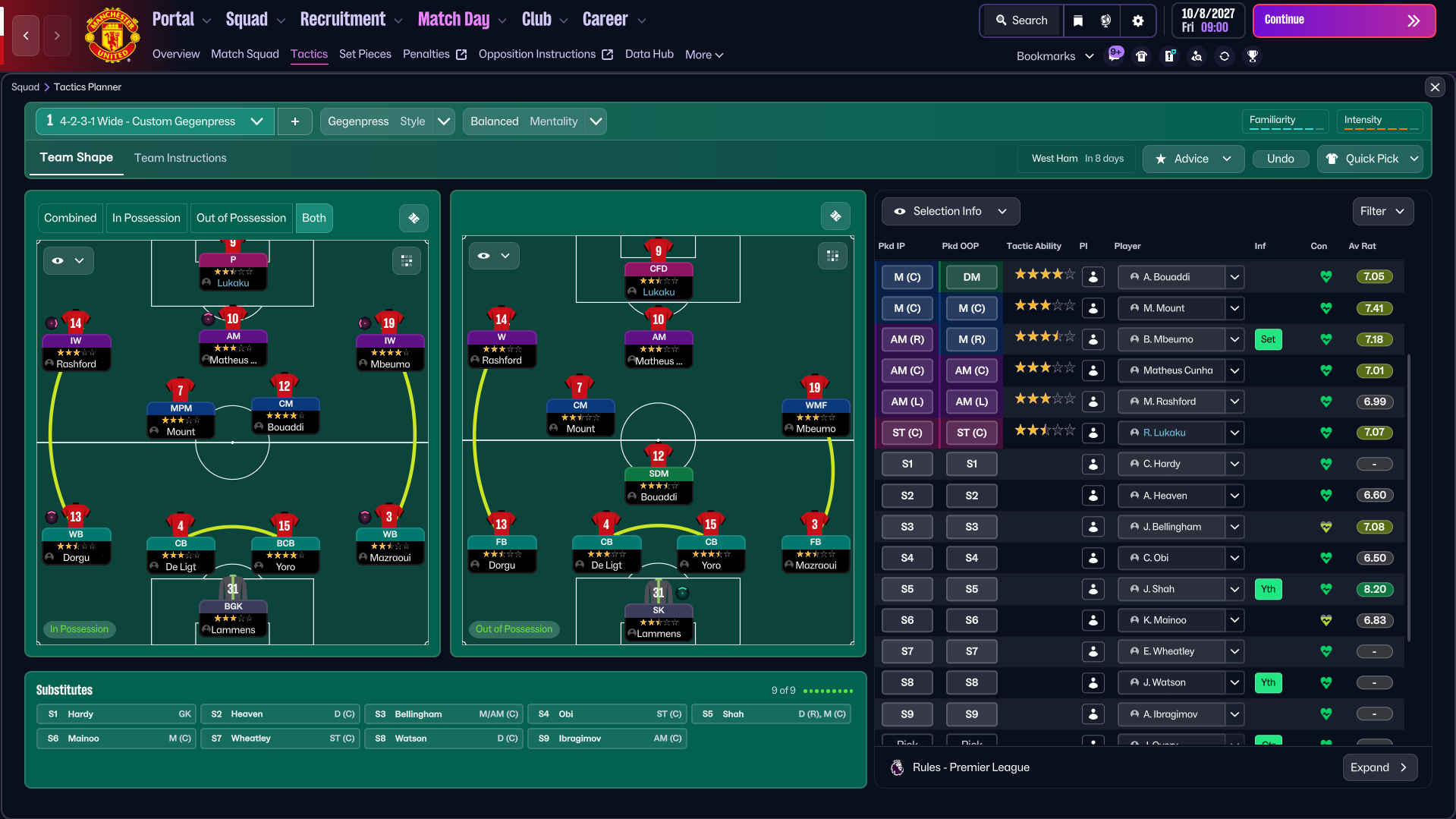
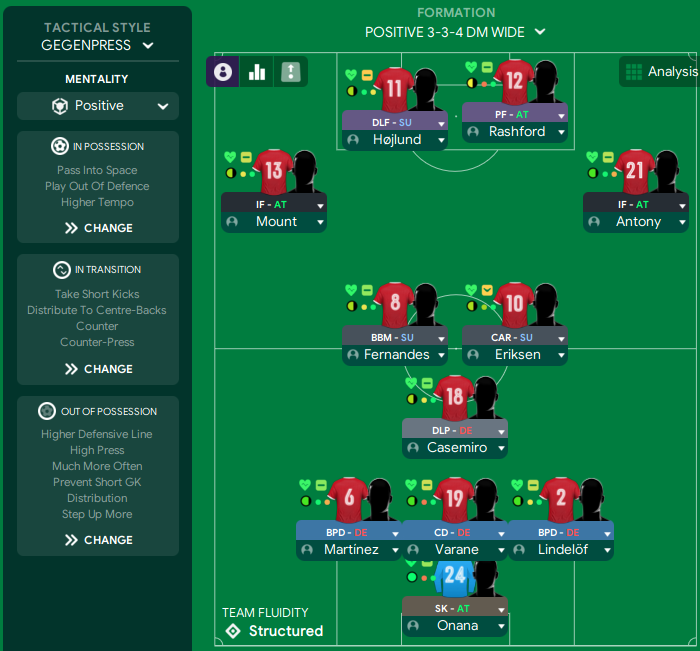
Formation & Style
Tactical Style:Gegenpress
Mentality:Balanced
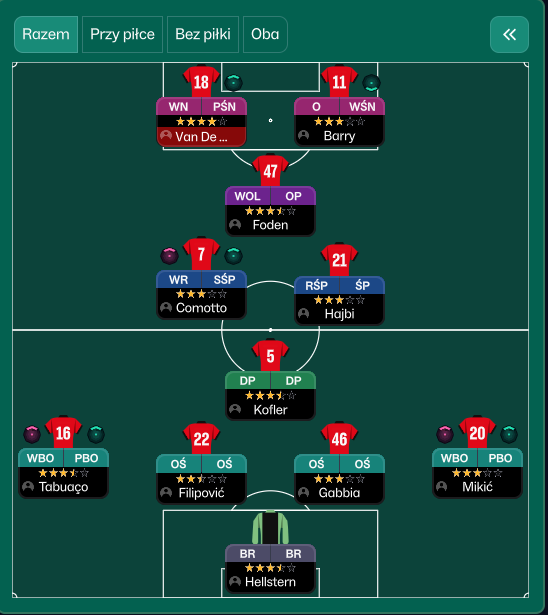
Formation:4-2-3-1 Wide
Team Fluidity:Structured
In Possession
Focus on quick ball movement and combination play in the final third.
Utilize width provided by the Wingers and Full-Backs.
Encourage overlapping runs from Full-Backs.
In Transition
Quick transitions after regaining possession.
High pressing to win back the ball quickly.
Aim for counter-attacks leveraging forward players.
Out of Possession
High defensive line with an emphasis on pressing.
Compact structure to limit spaces in central areas.
Prevent short goal kick distribution.
Team Shape Without Ball
Shape:4-2
Description:Compact and organized shape, maintaining pressure on the ball carrier to force mistakes.
Evidence:High pressing initiated by Inside Forwards and high line from Wing-Backs.
Team Shape With Ball
Shape:4-3
Description:Wide shape with wingers cutting inside and Wing-Backs providing further width.
Evidence:Utilization of width from Inside Forwards and overlapping runs from Wing-Backs.
Phase Description
Attacking Play
Focused on fluid movement and combination plays, particularly in and around the box.
Defensive Transition
Reactive defending with immediate pressure applied to regain possession as soon as the ball is lost.
Main Focus
Maximize width and utilize pace of wingers while maintaining solidity in midfield.
Key Strengths
Fluid Attacking Play
The combination of Inside Forwards and Wing-Backs creates space and options in attack.
High Pressing Game
Constant pressure on opposing defenders to win the ball back quickly.
Strong Central Control
Central midfielders control the game and provide defensive cover.
Conflicting Directions
Vulnerability to Counterattacks
High defensive line may be exploited by quick counter-attacks.
Dependence on Wing-Backs
Heavy reliance on Wing-Backs for width may lead to imbalances if they are caught out.
Overlapping Risks
Overlapping runs may leave gaps defensively if possession is lost.
Tactical Suggestions
Adjust Defensive Line
Consider lowering the defensive line to reduce vulnerability to counters.
Retain More Possession
Encourage more patient buildup to maintain possession, reducing risk of turnovers.
Increase Width in Attack
Further encourage Wing-Play to stretch opponents and create space for other attackers.
Ask Questions About Your Lineup
Related Tactics
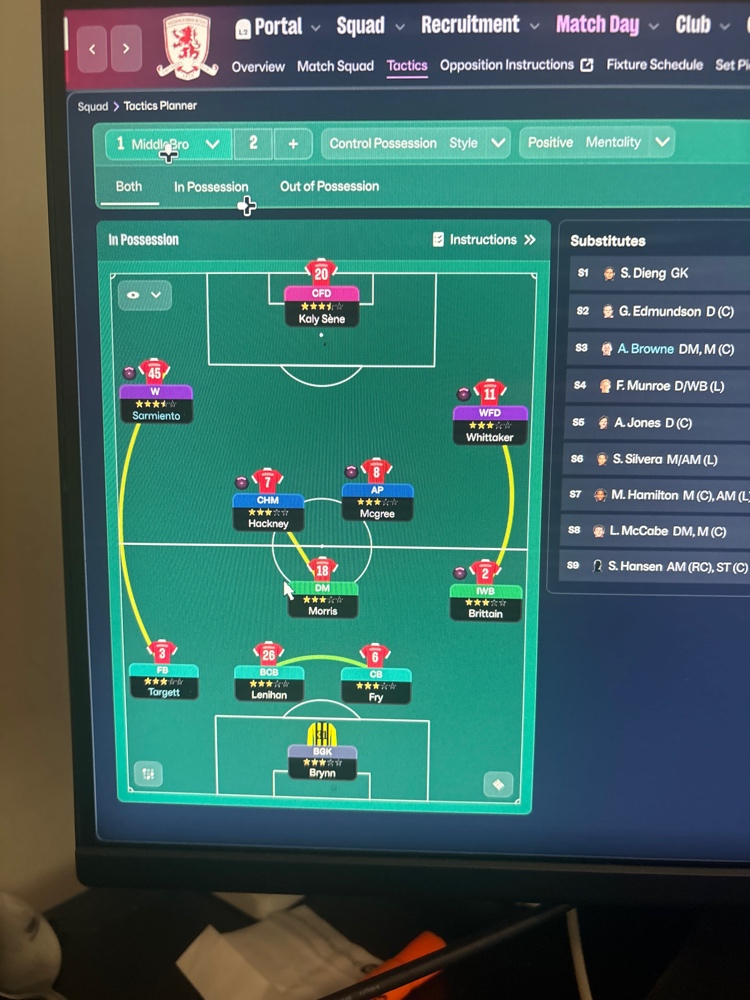
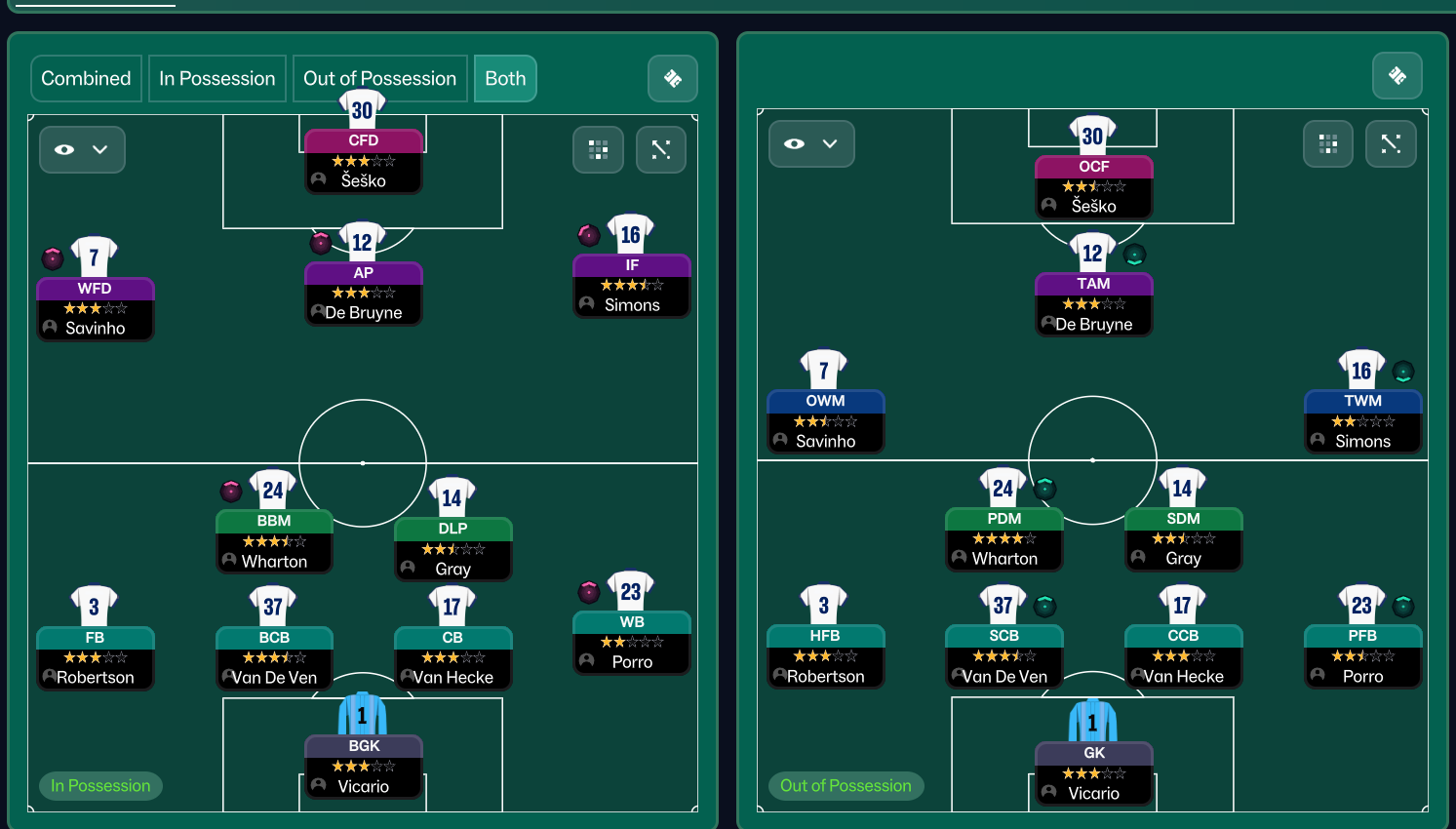
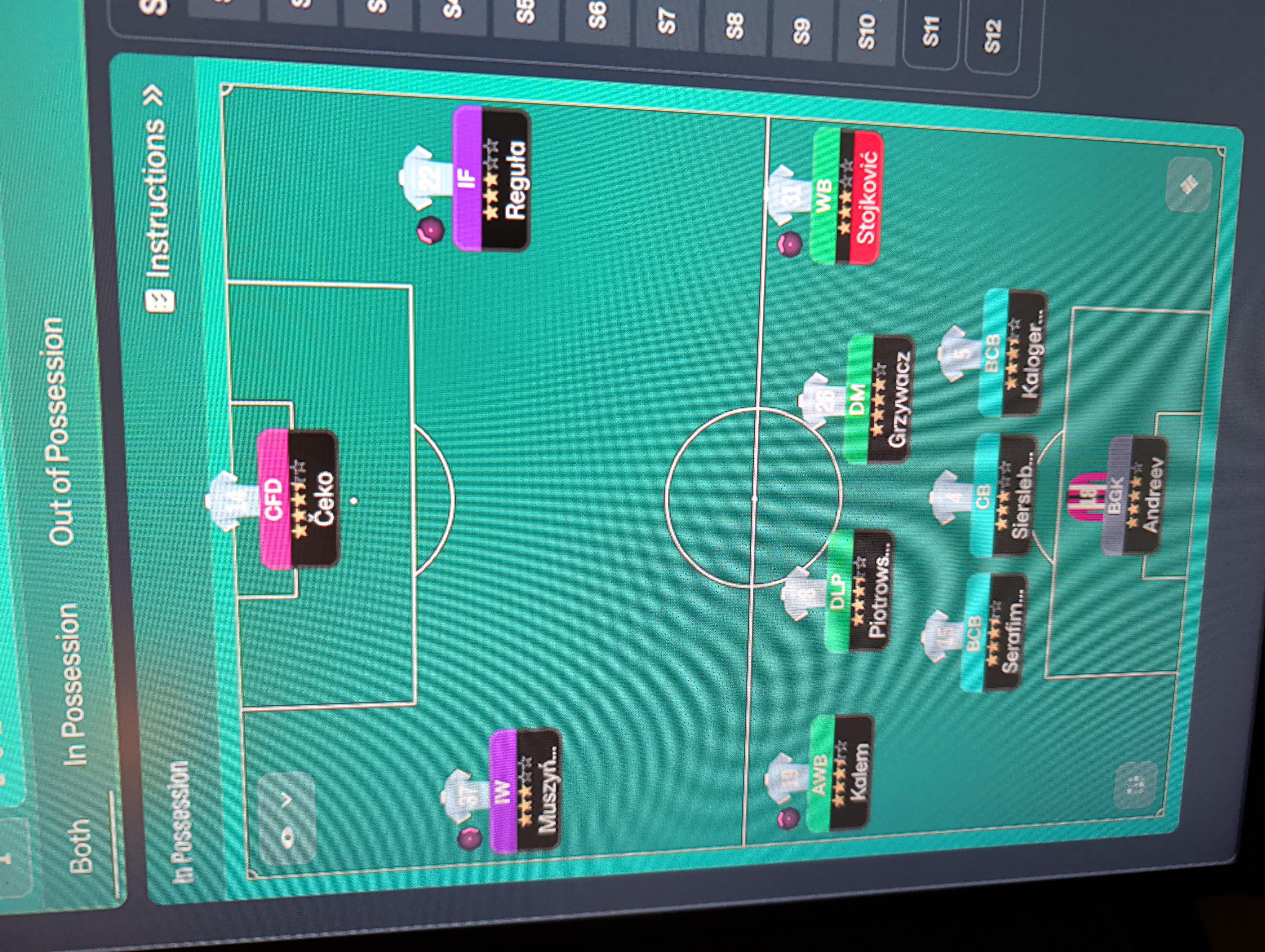
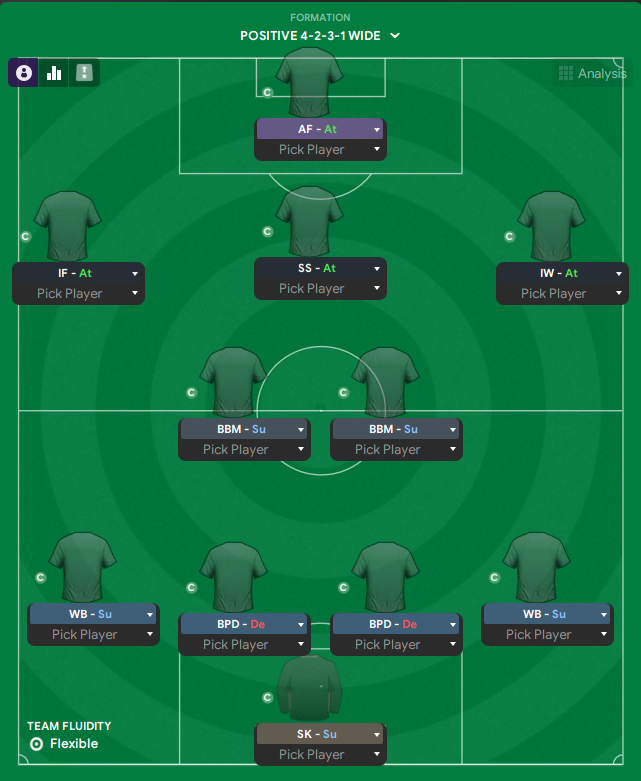
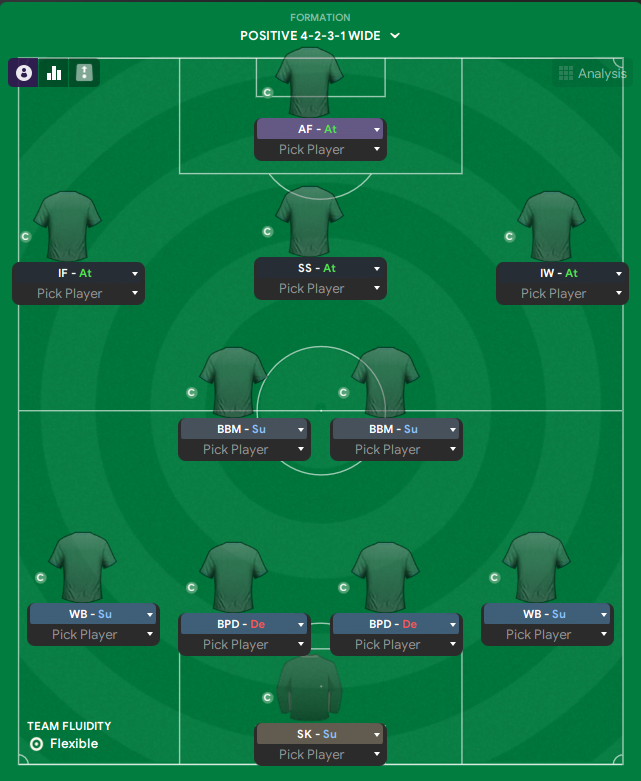
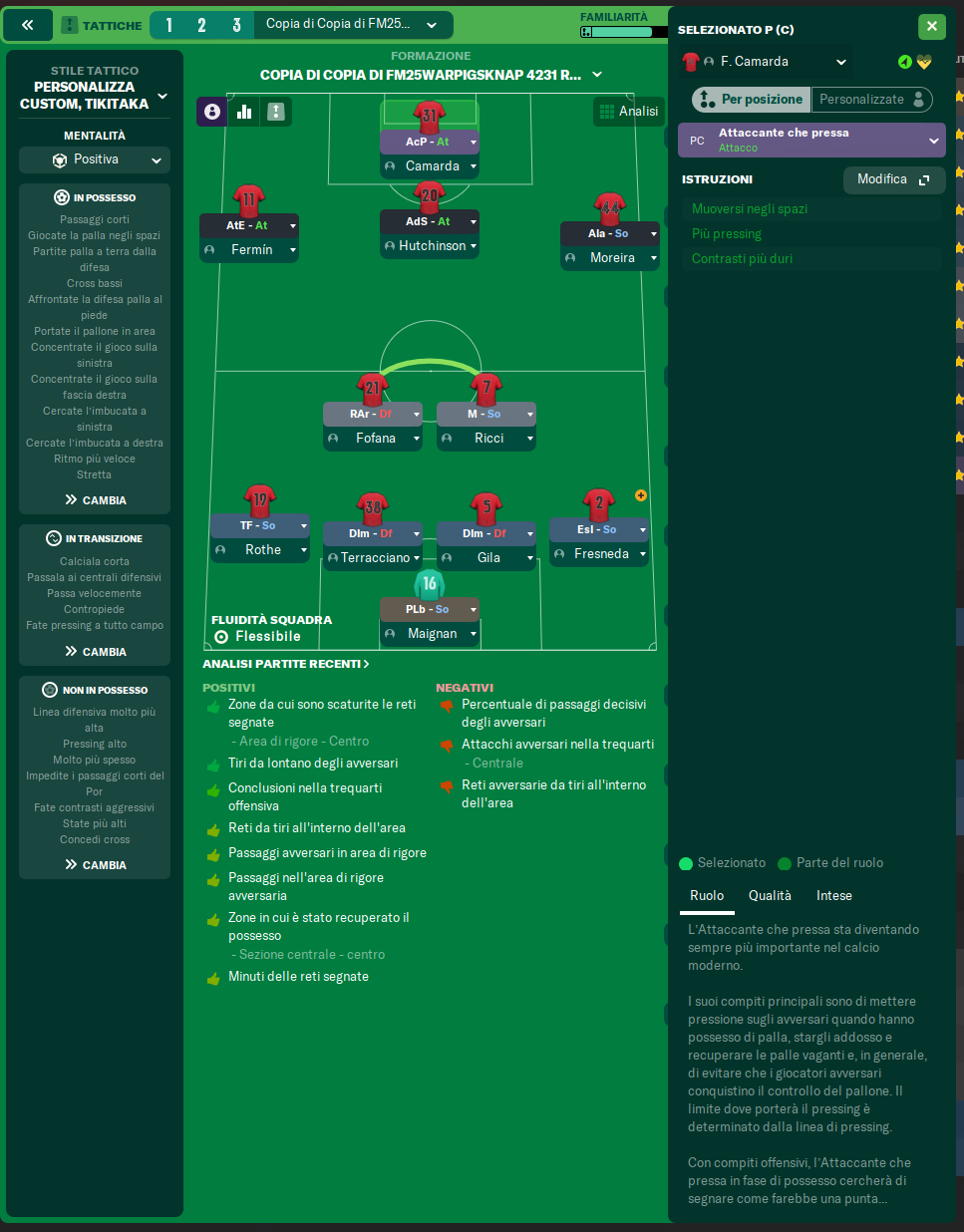
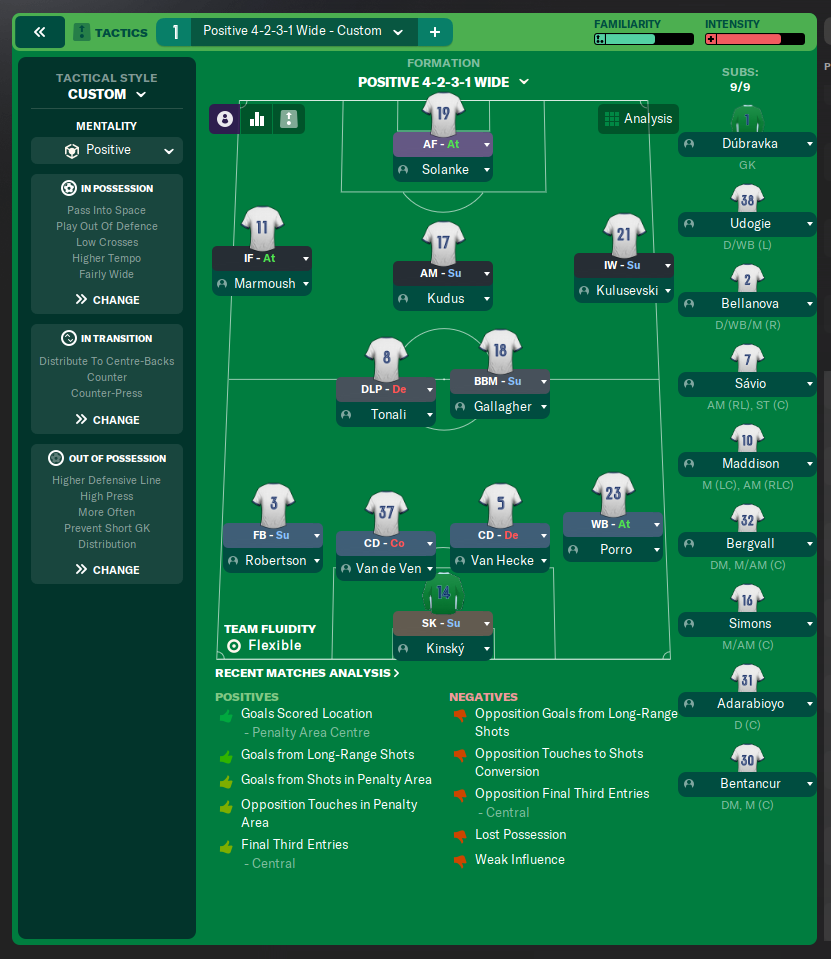
More Gegenpress tactics
Guides for this formation
The tactical theory behind the 4-2-3-1 Wide: roles, instructions, and the trade-offs that decide whether the system holds up.
Player pairings
Midfield Pairs in 4-2-3-1 and 4-4-2
Double pivots and flat pairs in 4-2-3-1 and 4-4-2: when each pairing works, when it collapses, and the AMC unicorn that rescues both.
Read guide
Playing styles
Gegenpressing: A Full Guide
Klopp-style gegenpressing in FM, including squad profile, line-and-press pairing, sustainable workload, and the antipatterns to avoid.
Read guide