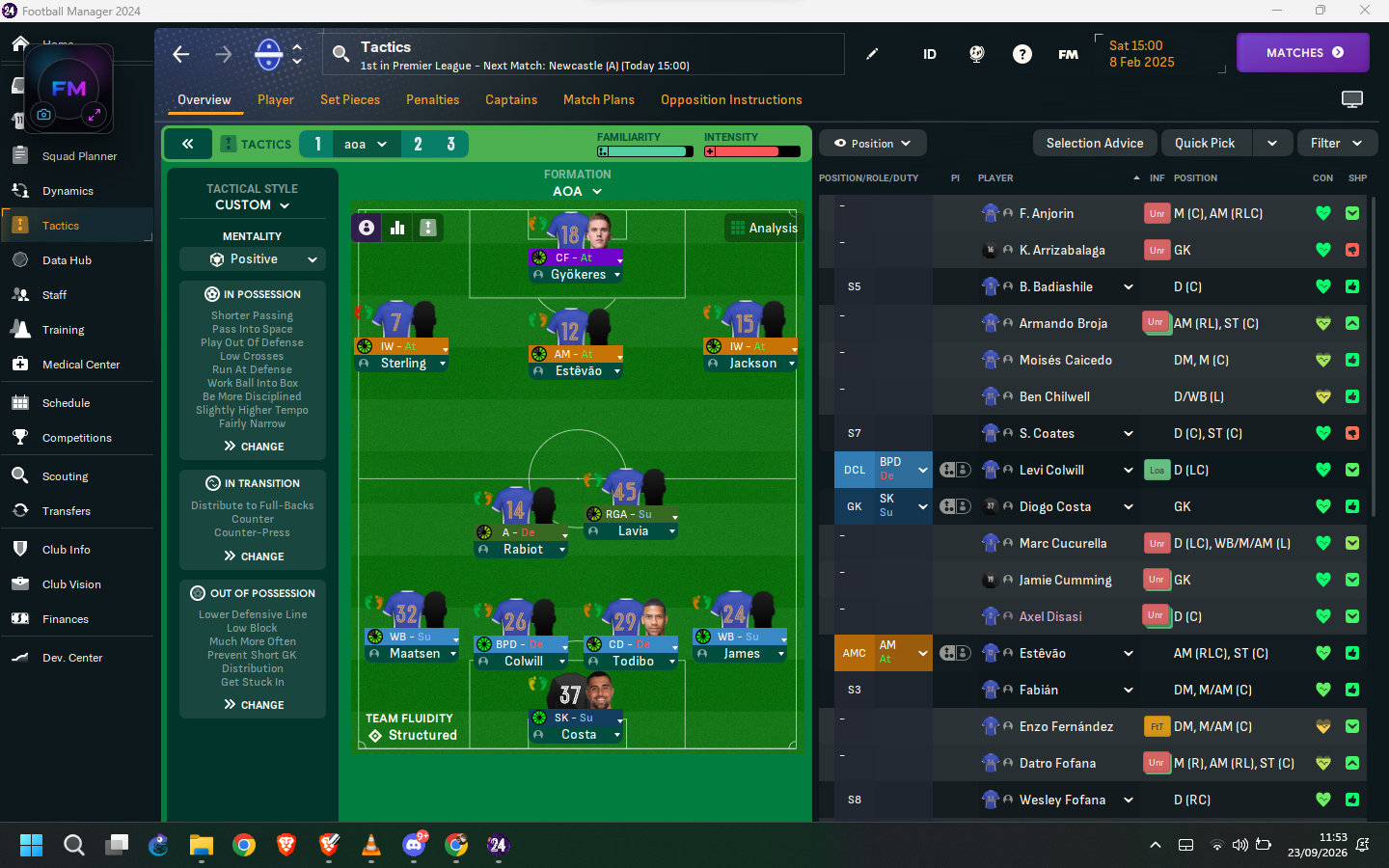
Uploaded Tactic
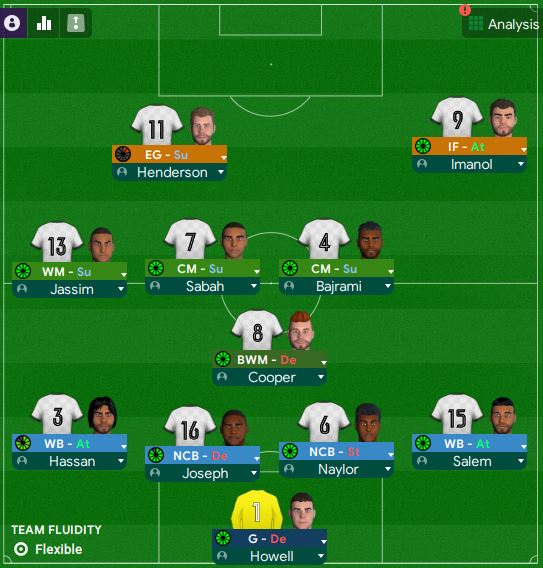
Formation & Style
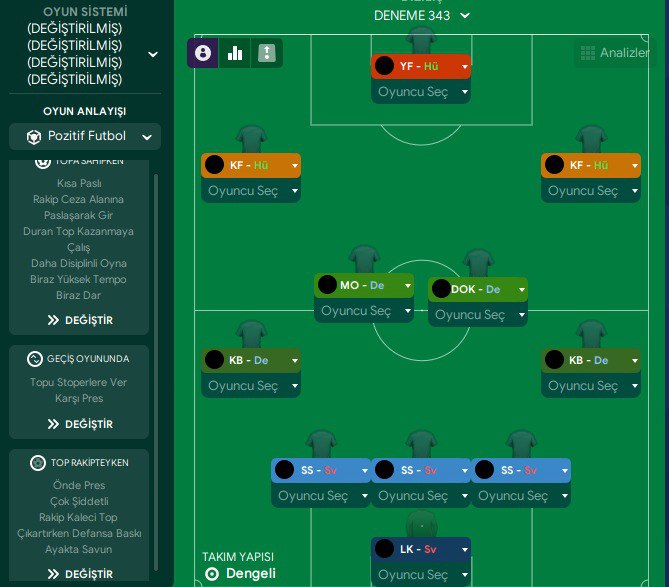
Tactical Style:Possession
Mentality:Attacking
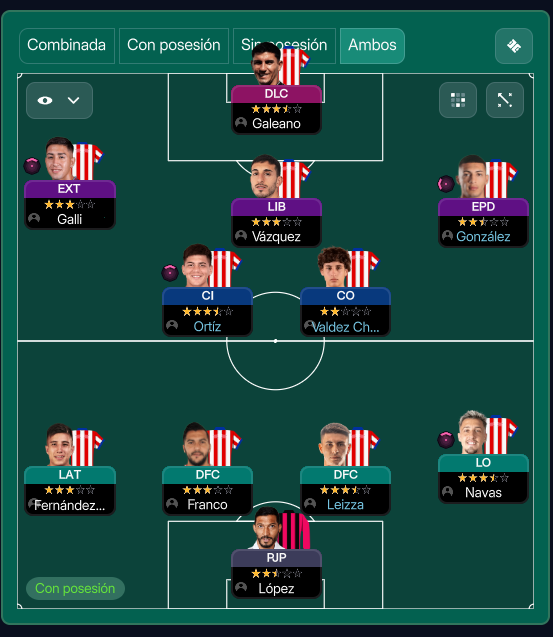
Formation:3-4-3
Team Fluidity:Flexible
In Possession
Play Out of Defence
Shorter Passing
Work Ball into Box
In Transition
Counter-Press
Counter
Out of Possession
Higher Line of Engagement
Higher Defensive Line
Prevent Short GK Distribution
Team Shape Without Ball
Shape:Compact
Description:The defensive line is compact and well-structured, limiting space for opposition forwards.
Evidence:Higher Defensive Line and NCB roles providing stability.
Team Shape With Ball
Shape:Wide
Description:Attacking width through wing-backs and inside forwards, creating overloads.
Evidence:WM and WB duties promoting width and attacking dynamics.
Phase Description
Attacking Play
Focus on building from the back, maintaining possession before exploiting the flanks.
Defensive Transition
Immediate pressure to regain possession and counter quickly.
Main Focus
Utilizing width to stretch the opposition and create space for central attacks.
Key Strengths
Strong Midfield Control
Managing ball retention with a BWM in tandem with two supportive CMs is crucial for stability.
Versatile Attacking Options
The use of EG and IF provides varied attacking angles against oppositions.
Defensive Resilience
The trio of NCB makes the defense solid against opposing attacks.
Conflicting Directions
Possible Saturation in Attacking Areas
Too many players committing to the attack can leave the defense exposed.
Inflexible Central Midfield
A single BWM may struggle against opponents with strong attacking midfielders.
Higher Risk from Higher Defensive Line
A high defensive line may expose the team to through balls behind the defenders.
Tactical Suggestions
Consider a More Balanced BWM
A balanced duty for BWM could enhance both defensive stability and transitional offense.
Adjust the Width of Wing-Backs
Modifying the WB roles to support more in defense may provide improved balance.
Encourage Central Play Via the CMs
Using one of the CMs to play a deeper role, like a DLP, could add playmaking depth.
Ask Questions About Your Lineup
Related Tactics
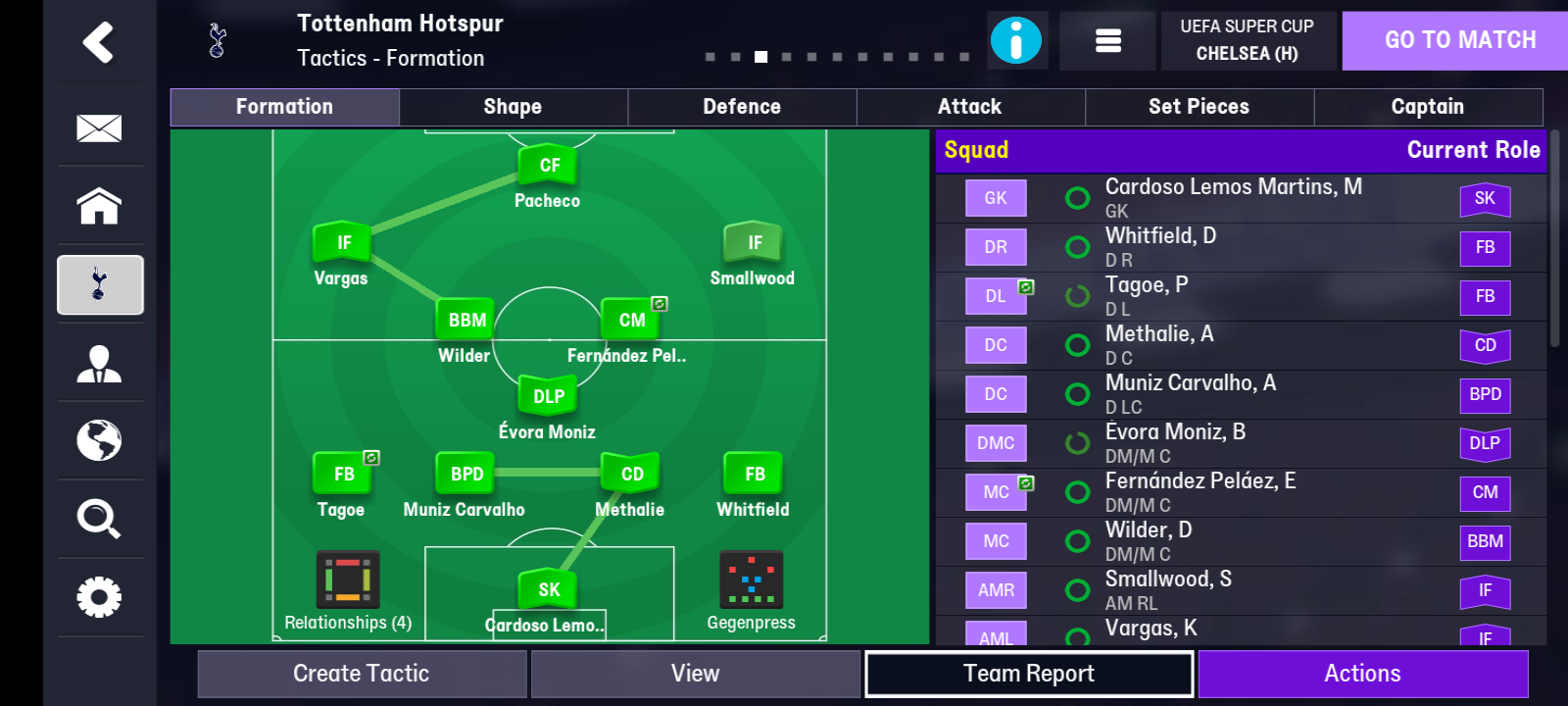
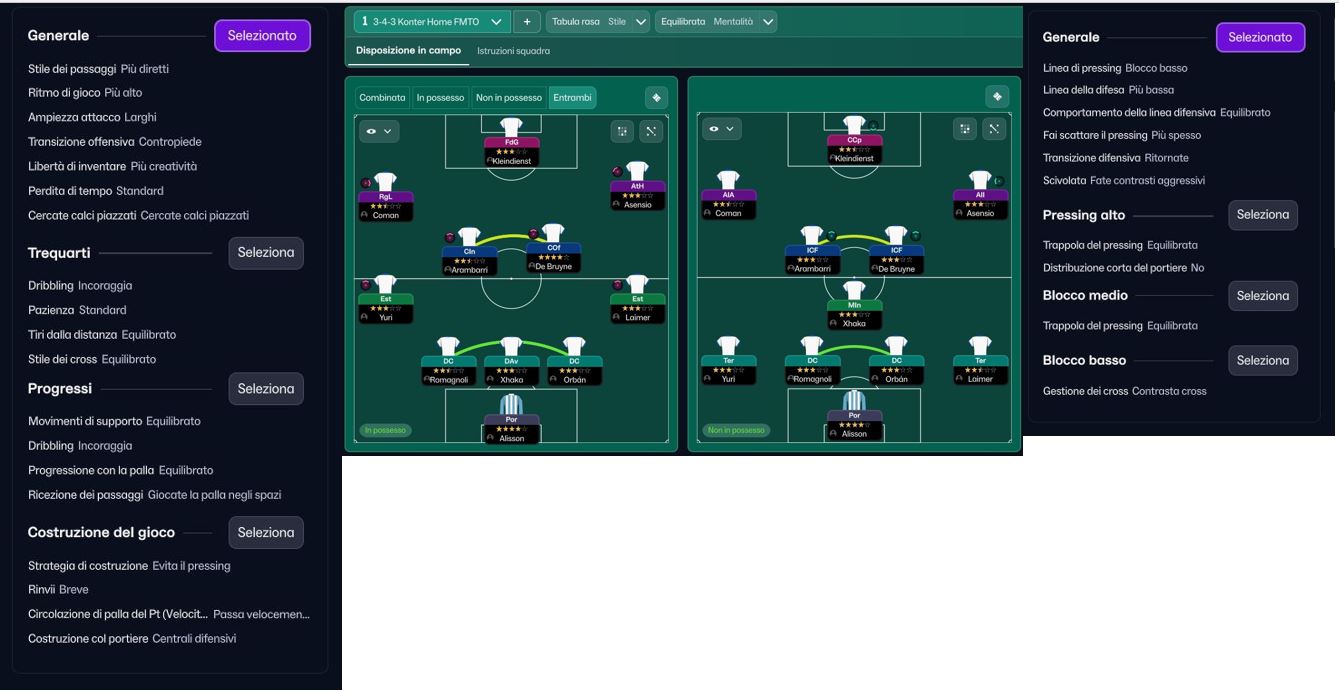
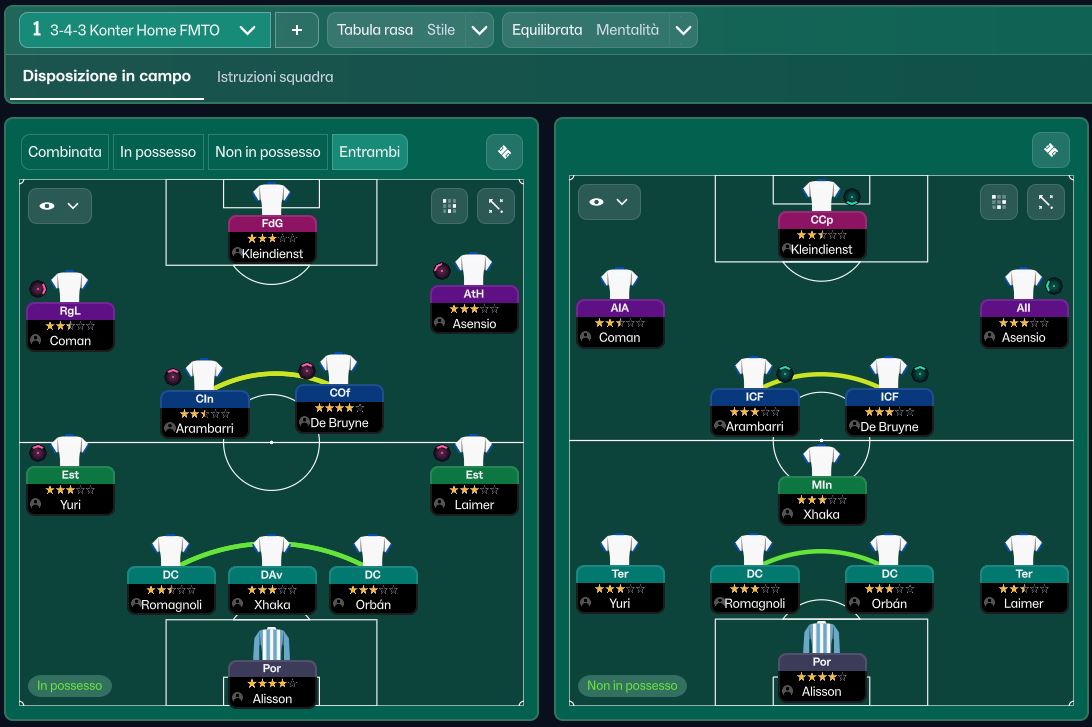
More Possession tactics
Guides for this formation
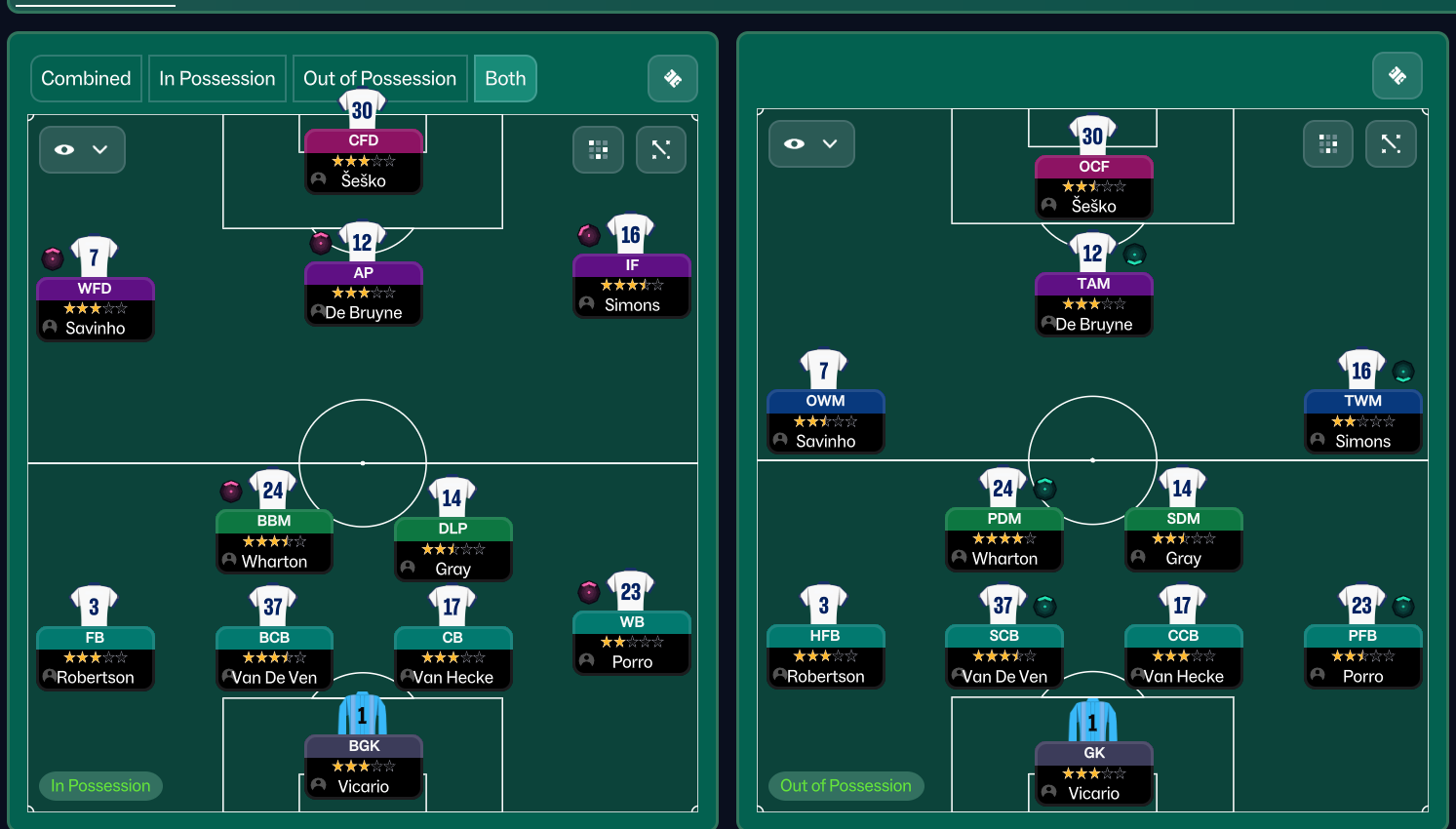
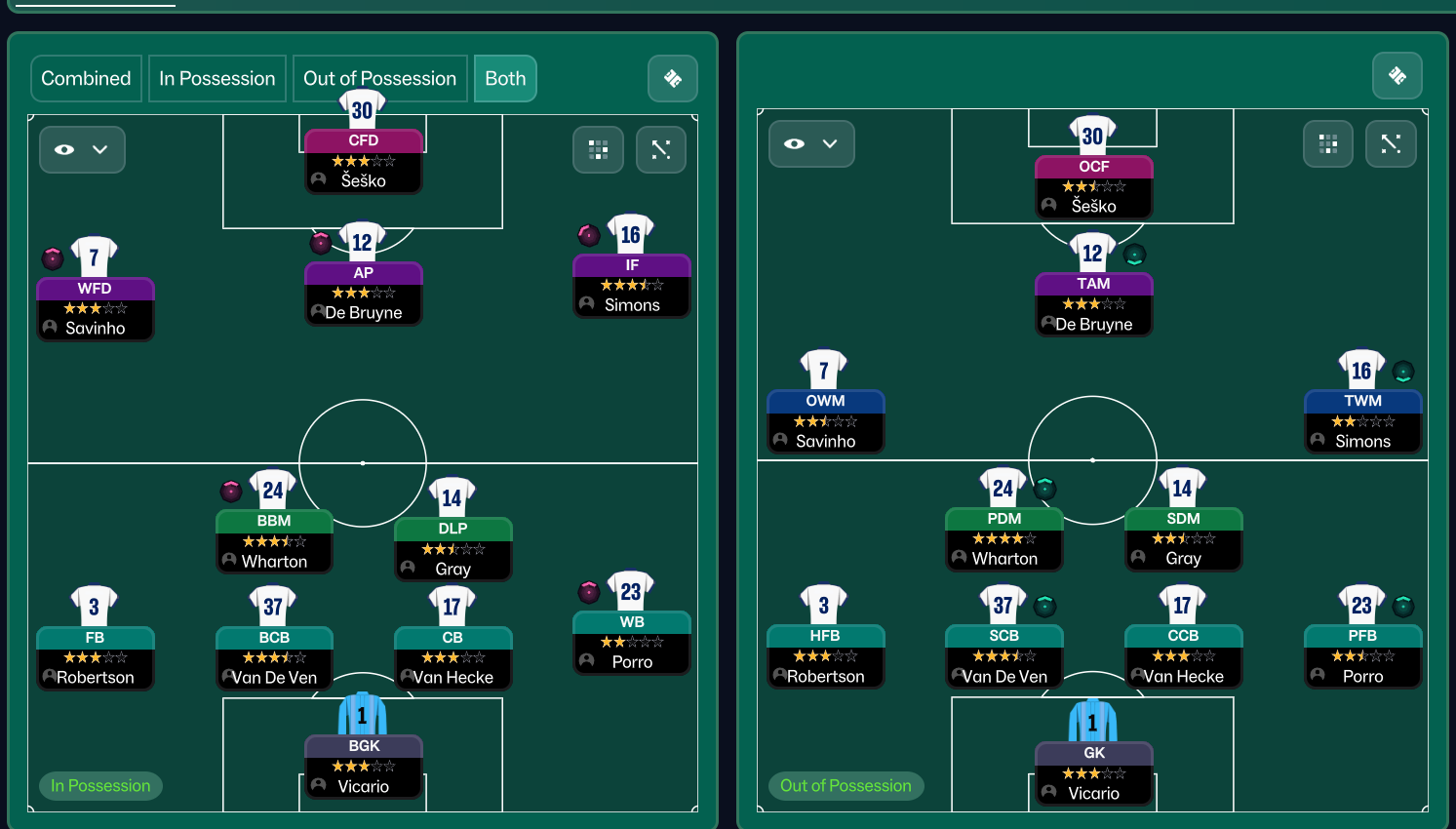
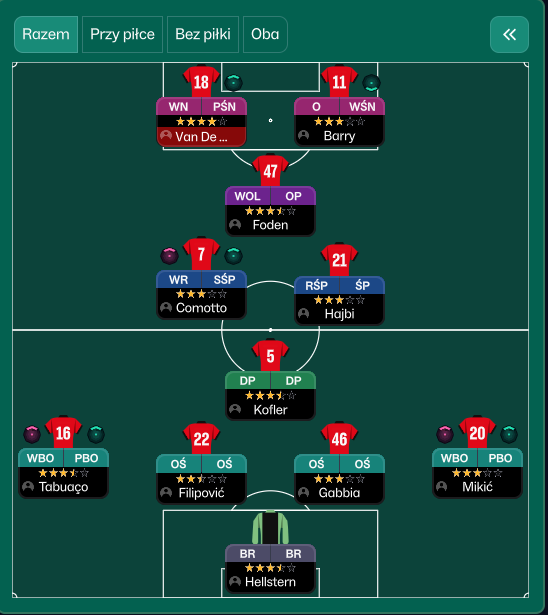
The tactical theory behind the 3-4-3: roles, instructions, and the trade-offs that decide whether the system holds up.
Playing styles
Direct, Vertical Football
Long-ball football done well in FM. When direct, vertical play is the right choice, and what the Direct Passing TI actually changes.
Read guide
Playing styles
Possession-Based Tactics in Football Manager
Build the patient, control-the-tempo style without watching your opponents counter through the gaps you leave behind.
Read guide