Uploaded Tactic
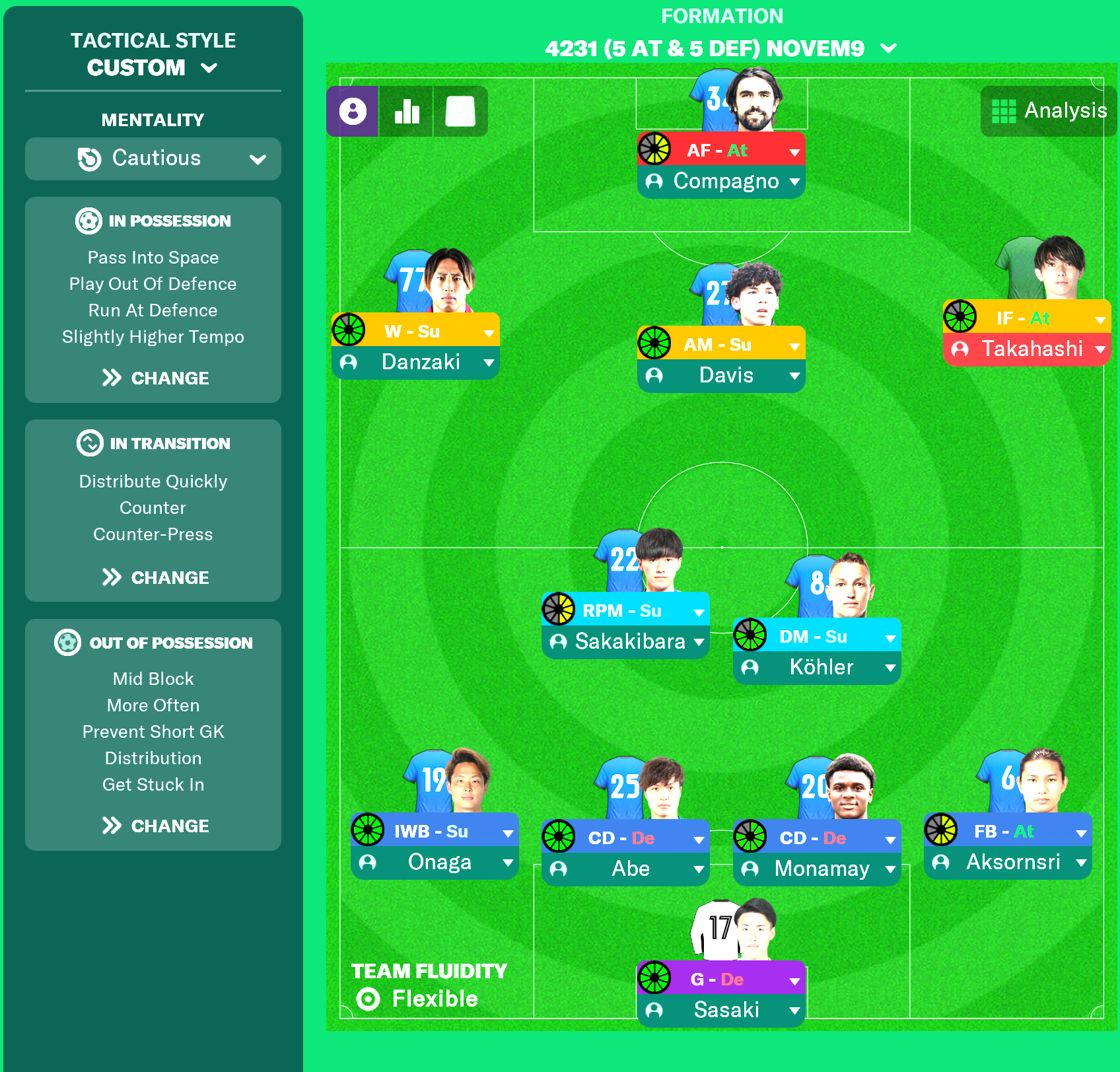
Formation & Style
Tactical Style:Custom
Mentality:Cautious
Formation:4-2-3-1
Team Fluidity:Flexible
In Possession
Pass Into Space
Play Out of Defence
Run At Defence
Slightly Higher Tempo
In Transition
Distribute Quickly
Counter
Counter-Press
Out of Possession
Mid Block
More Often
Prevent Short GK Distribution
Get Stuck In
Team Shape Without Ball
Shape:Mid Block
Description:The team holds a mid-block to limit space for the opponent while maintaining compactness.
Evidence:Mid Block instruction and more often pressing indicate a strategy that seeks to close spaces.
Team Shape With Ball
Shape:Fluid and flexible
Description:Players are encouraged to interchange positions within the attacking third, providing various angles of attack.
Evidence:Use of RPM and AM roles suggests a fluid attacking system that can adapt to create numerical advantages.
Phase Description
Attacking Play
Utilizes a direct approach while also maintaining possession with high-tempo passing.
Defensive Transition
Quickly transitions to a counter-press to regain control immediately after losing possession.
Main Focus
To effectively use the width with overlapping runners from the back while maintaining central attacking players.
Key Strengths
Width and Pace
The combination of Danzaki as a W and Takahashi as an IF provides a strong attacking width and pace on the flanks.
Midfield Control
The RPM and DM roles allow the team to control central spaces while still being able to push forward.
Effective Pressing
A counter-press strategy ensures immediate recovery of possession after losing the ball.
Conflicting Directions
Over-reliance on Width
The current setup may become predictable if heavily reliant on the wide play without adequate central support.
Cautious Mentality Dilemmas
A cautious approach may yield less creativity in the final third and could hinder scoring opportunities.
Midfield Vulnerability Against Press
The double pivot might struggle against aggressive pressing teams that exploit central spaces.
Tactical Suggestions
Increase Central Support
Consider adjusting the roles of the AM or the RPM to ensure better central support for attacking plays.
Adjust Mentality for Attacking Scenarios
In games where the team is favored, changing to a more balanced or attacking mentality could improve attacking potential.
Exploit Defensive Weaknesses
Encourage players to take on defenders in one-on-one situations, especially from wide areas.
Ask Questions About Your Lineup
Related Tactics
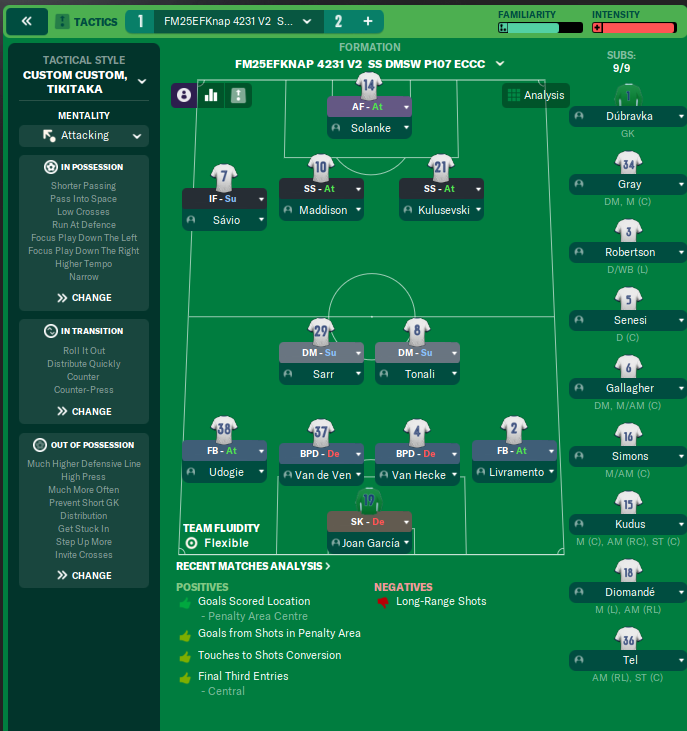
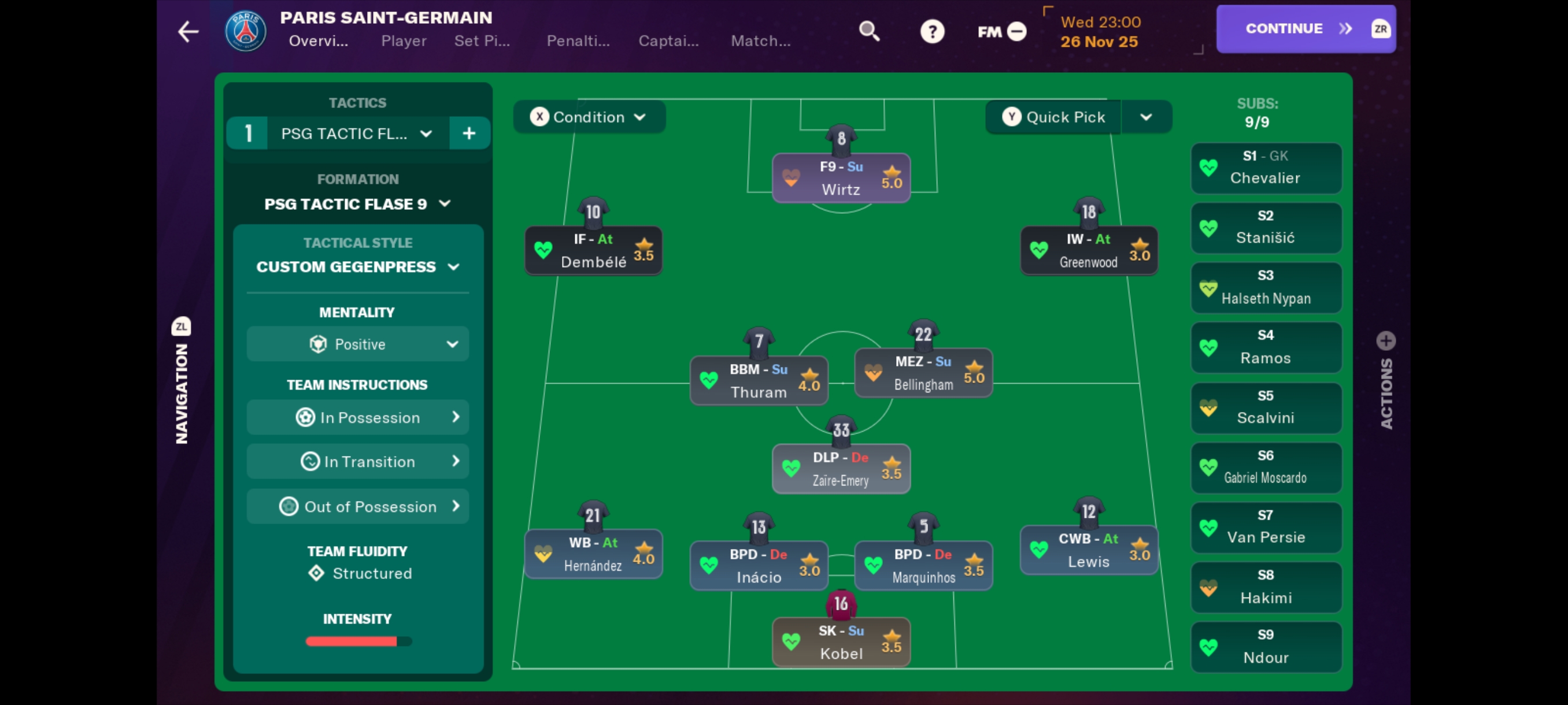
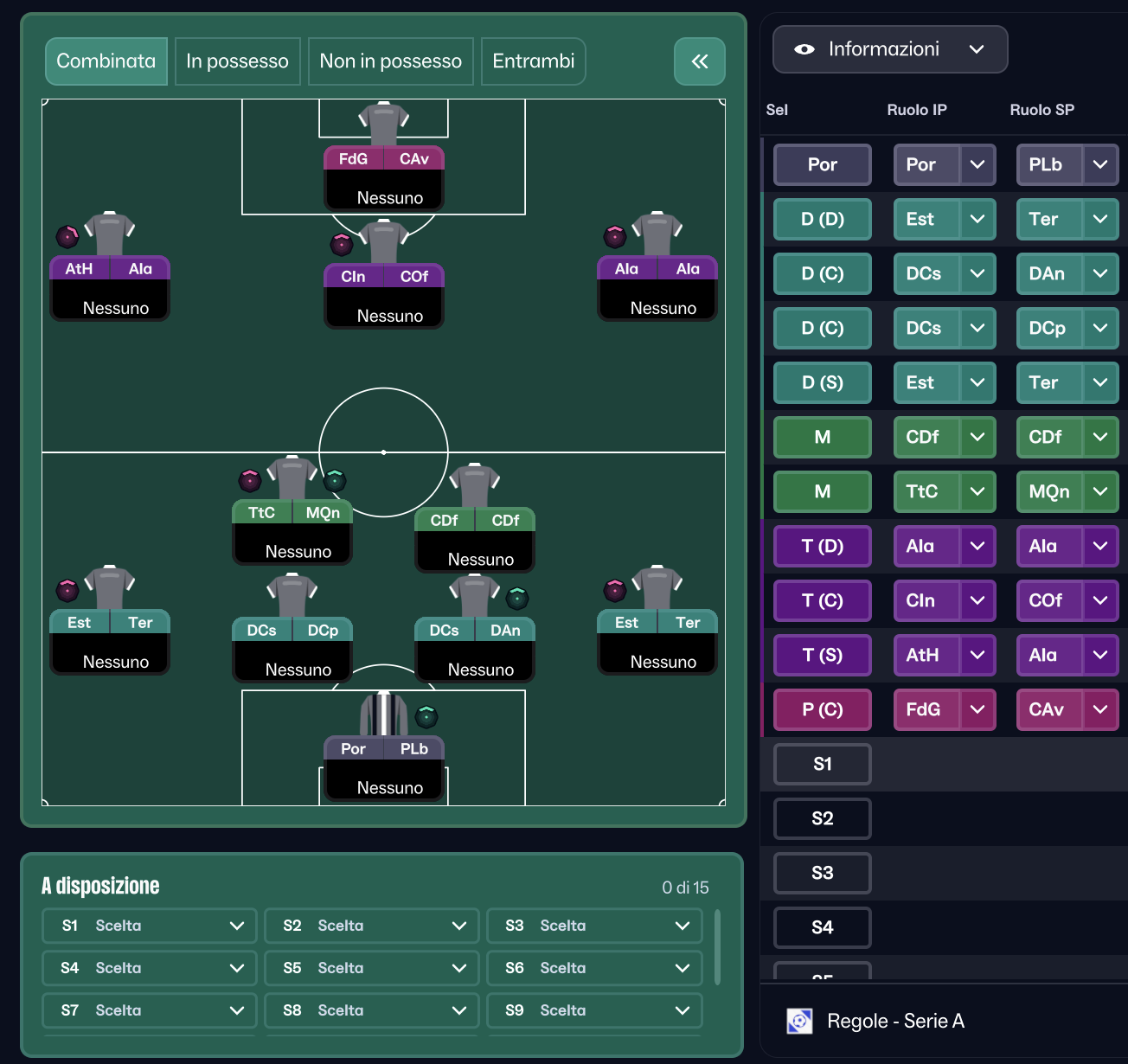
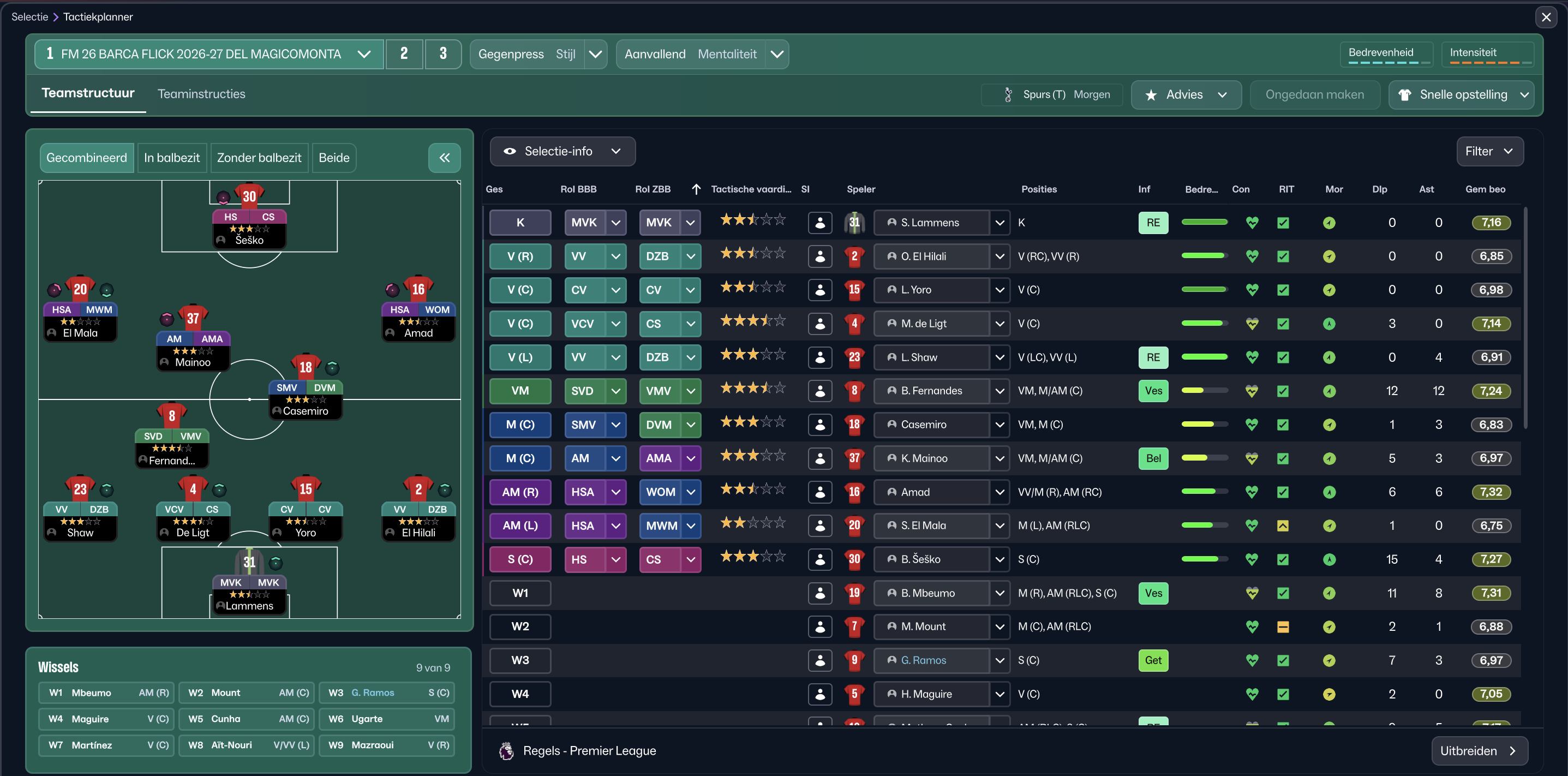
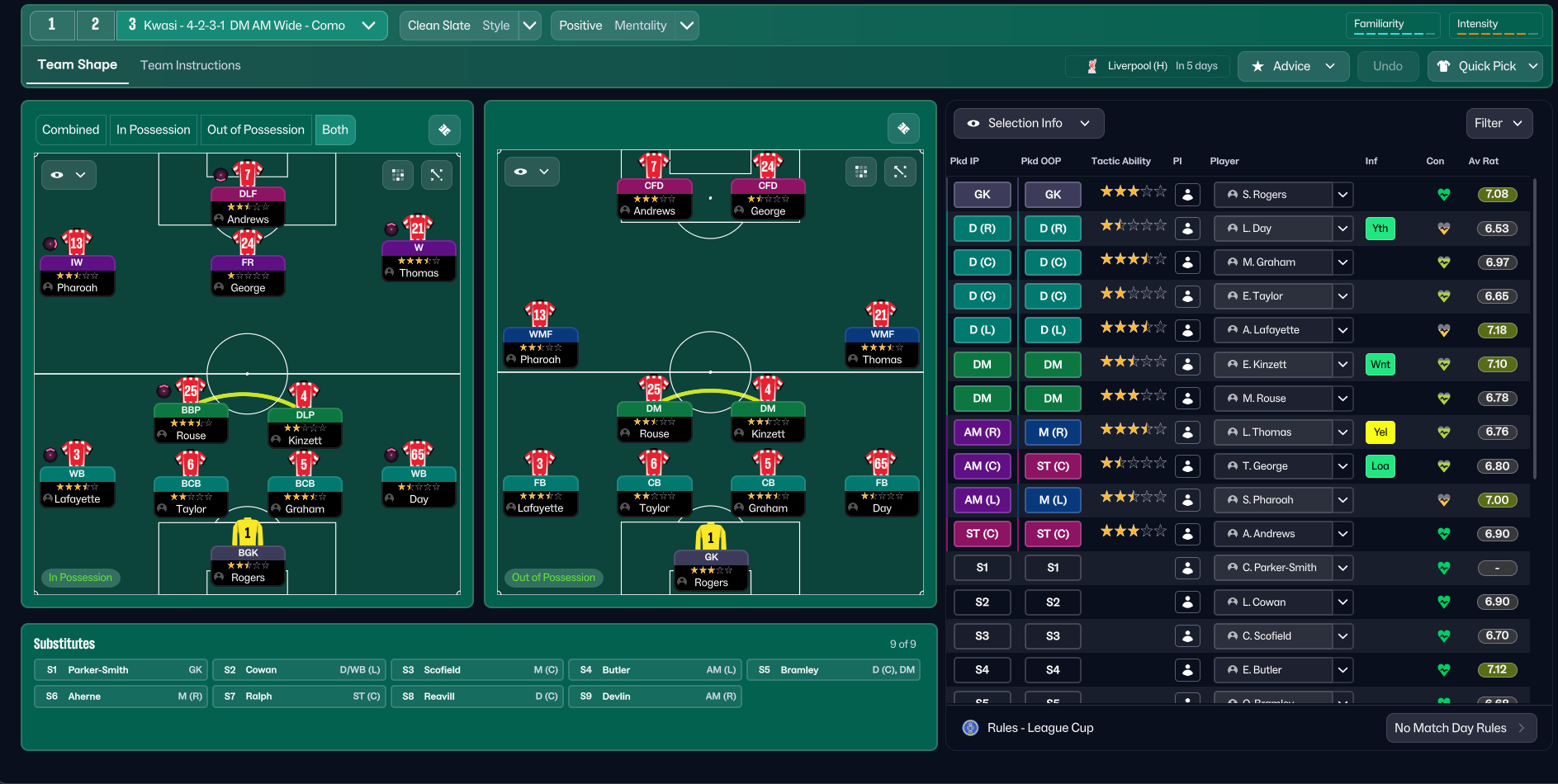
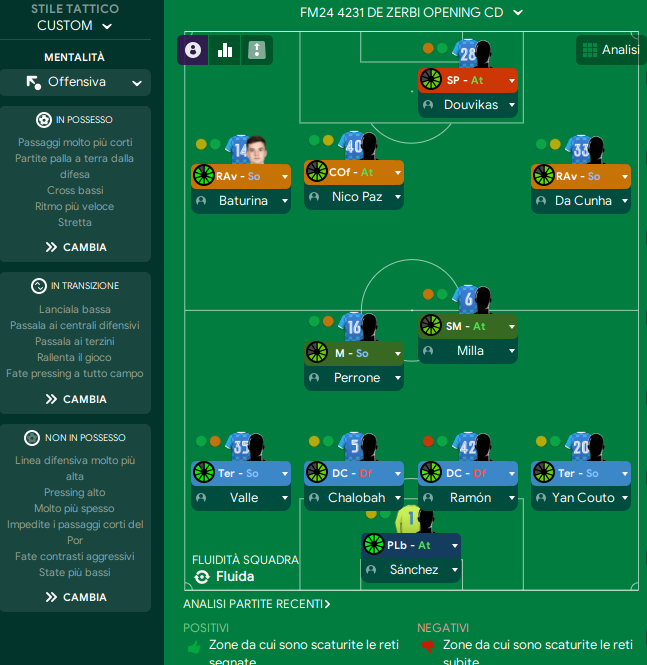
Guides for this formation
The tactical theory behind the 4-2-3-1: roles, instructions, and the trade-offs that decide whether the system holds up.
Player pairings
Midfield Pairs in 4-2-3-1 and 4-4-2
Double pivots and flat pairs in 4-2-3-1 and 4-4-2: when each pairing works, when it collapses, and the AMC unicorn that rescues both.
Read guide
Playing styles
Gegenpressing: A Full Guide
Klopp-style gegenpressing in FM, including squad profile, line-and-press pairing, sustainable workload, and the antipatterns to avoid.
Read guide