Uploaded Tactic
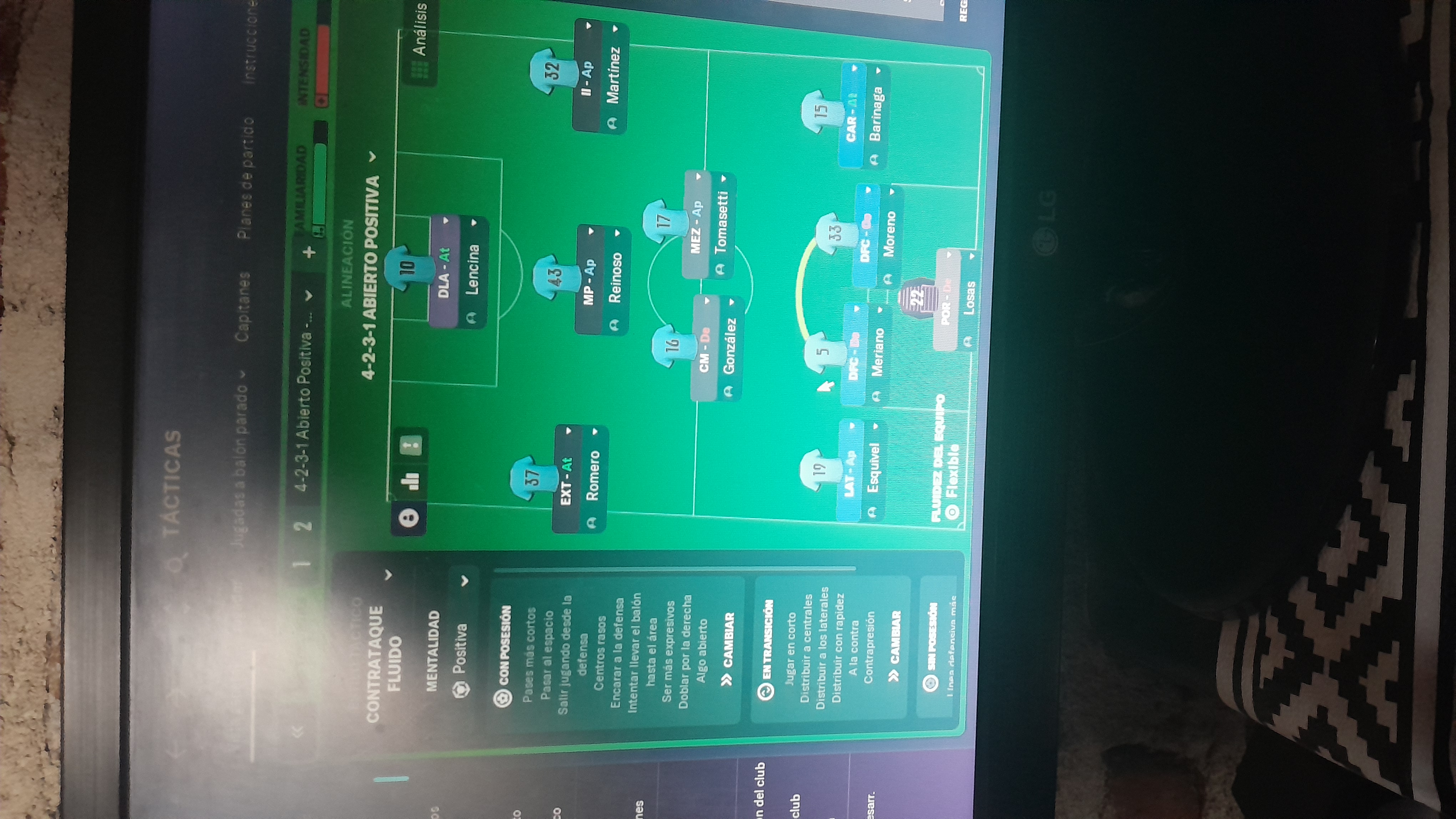
Formation & Style
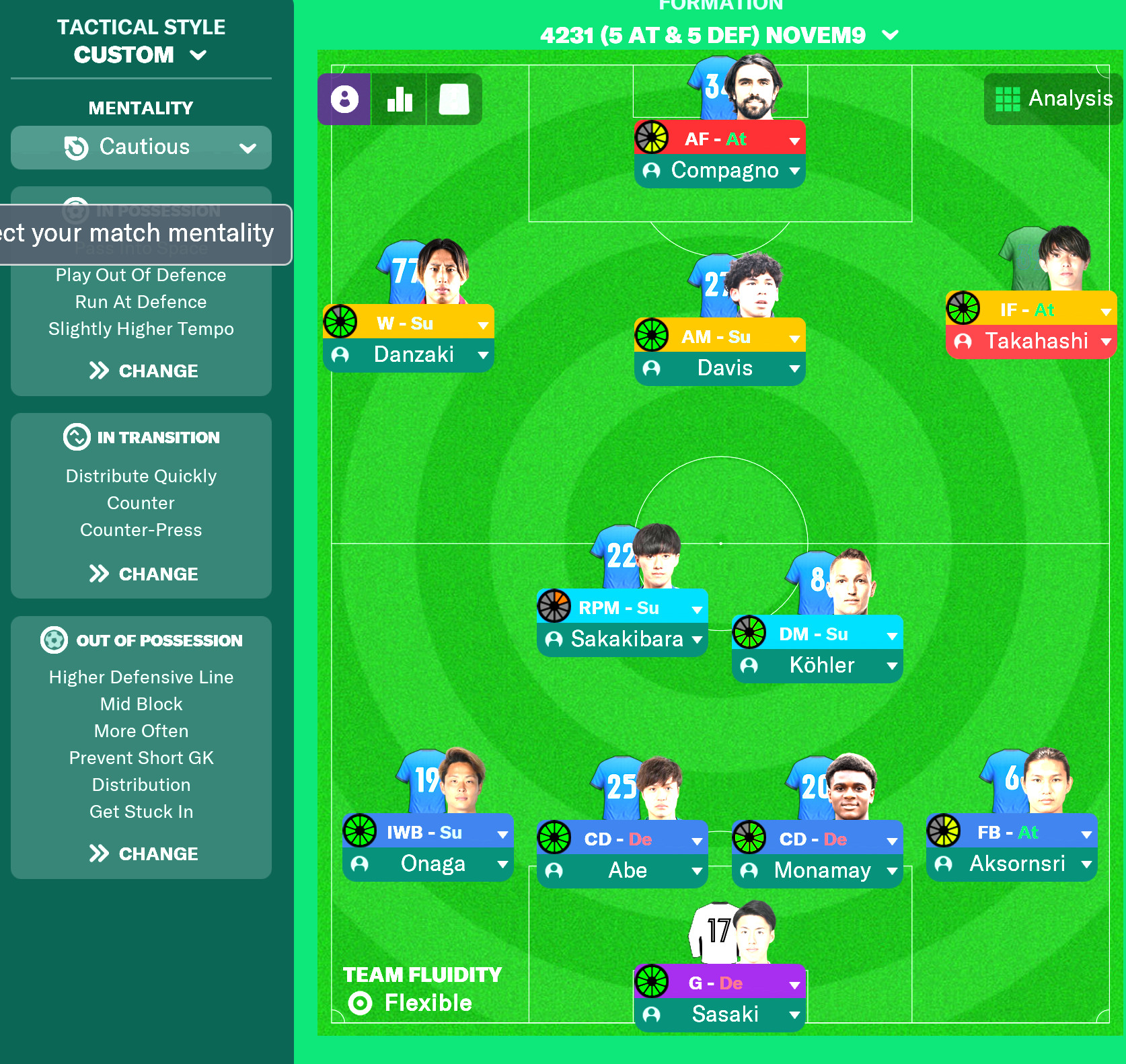
Tactical Style:Custom
Mentality:Cautious
Formation:4-2-3-1
Team Fluidity:Flexible
In Possession
Play Out of Defence
Run At Defence
Slightly Higher Tempo
In Transition
Distribute Quickly
Counter
Counter-Press
Out of Possession
Higher Defensive Line
Mid Block
Prevent Short GK Distribution
Get Stuck In
Team Shape Without Ball
Shape:4-2
Description:The team maintains a compact shape with the midfield forming a barrier against opposition advance.
Evidence:DM-Su at [3,3] supports the backline while IWB-Su at [2,1] adds width.
Team Shape With Ball
Shape:4-3
Description:The attack utilizes the width from wingers and the attacking midfielder supporting the striker up front.
Evidence:W-Su at [6,1], AM-Su at [5,2], and AF-At at [6,3] create various attacking options.
Phase Description
Attacking Play
Focuses on quick distribution and utilizing width through the wingers while allowing the striker to press.
Defensive Transition
Transitions into a structured counter-press to regain possession quickly.
Main Focus
Creating overloads through wide areas while maintaining a solid midfield presence.
Key Strengths
Defensive Solidity
A strong defensive setup with a compact shape makes it hard for opponents to penetrate.
Width in Attack
Utilization of wingers to stretch the opposition and create space for attacking midfielders.
Fluid Midfield Pairing
The combination of a DM and a RPM allows for both defensive cover and transition into attack.
Conflicting Directions
High Pressing
This setup may struggle against teams utilizing high pressing due to caution in ball progression.
Overreliance on Wingers
Heavy reliance on wingers might lead to predictability in attack if the opposition can neutralize them.
Counter Strategy
The combination of Caution with a focus on quick counters can lead to inconsistent attacking momentum.
Tactical Suggestions
Increase Aggressiveness in Midfield
Consider using a BWM for added bite and control in midfield.
Adjust Mentality to Balanced
Changing to a Balanced mentality could improve offensive transitions.
Utilize More Fluid Movement Upfront
Encourage fluid positional interchange among the attackers to confuse opposition defenders.
Ask Questions About Your Lineup
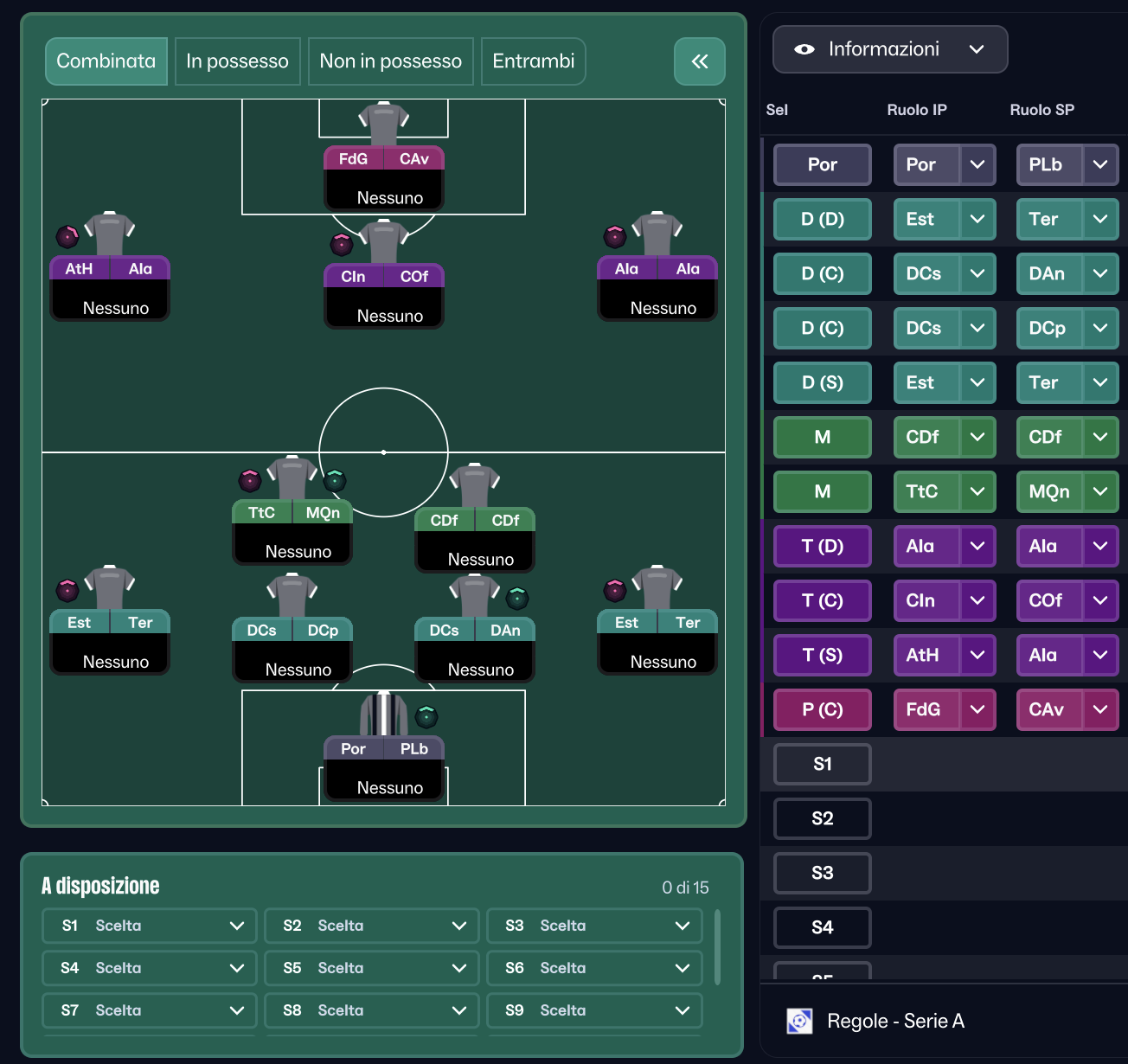
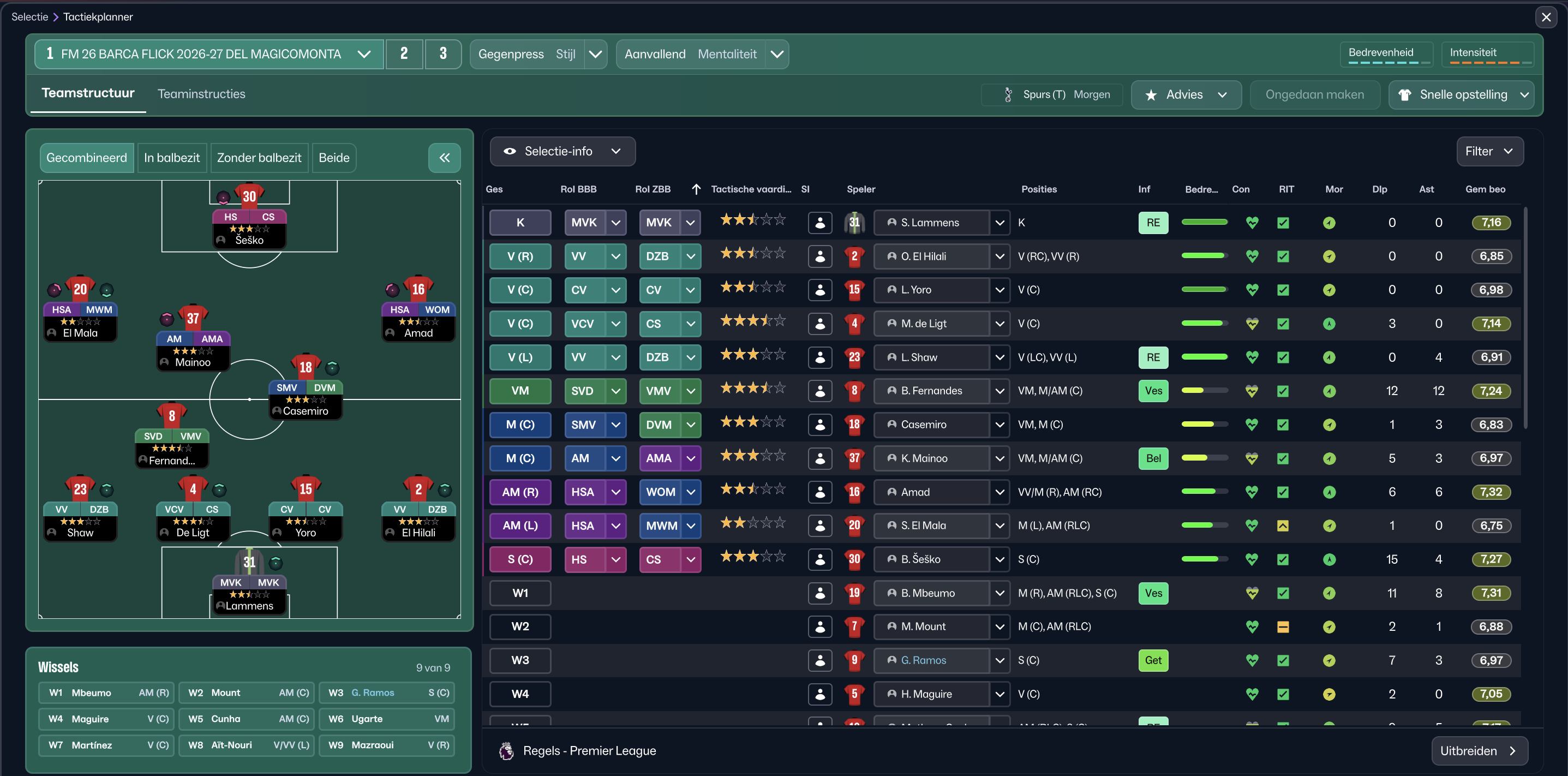
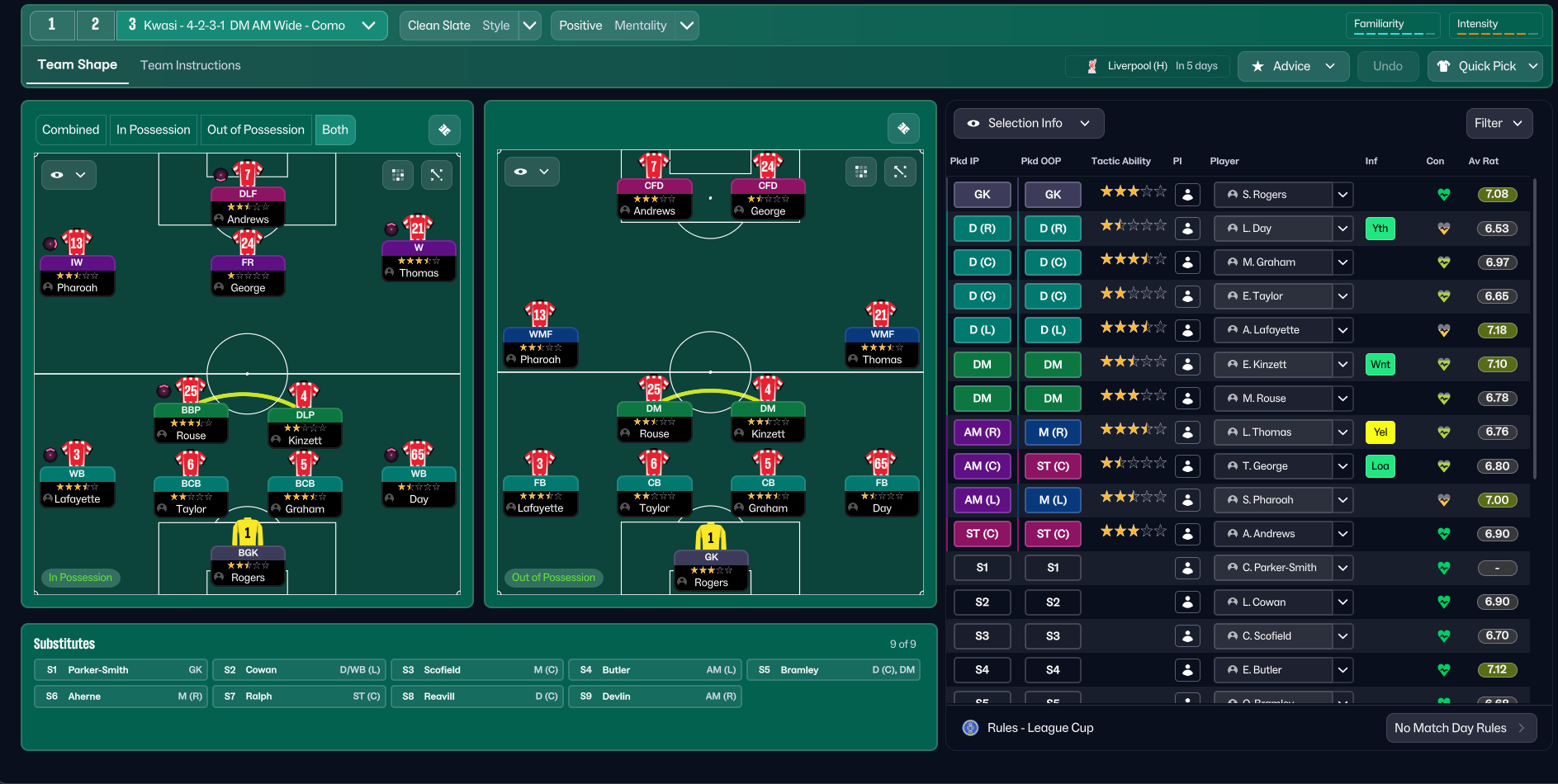
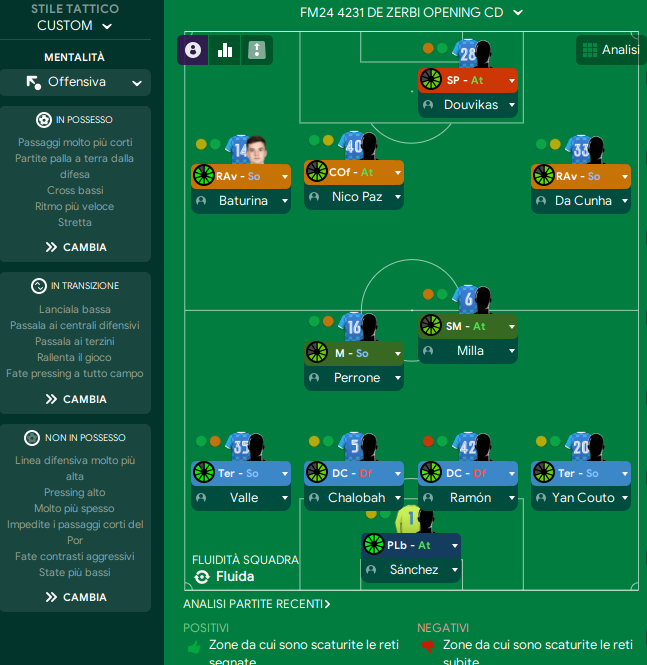
Related Tactics
Guides for this formation
The tactical theory behind the 4-2-3-1: roles, instructions, and the trade-offs that decide whether the system holds up.
Player pairings
Midfield Pairs in 4-2-3-1 and 4-4-2
Double pivots and flat pairs in 4-2-3-1 and 4-4-2: when each pairing works, when it collapses, and the AMC unicorn that rescues both.
Read guide
Playing styles
Gegenpressing: A Full Guide
Klopp-style gegenpressing in FM, including squad profile, line-and-press pairing, sustainable workload, and the antipatterns to avoid.
Read guide