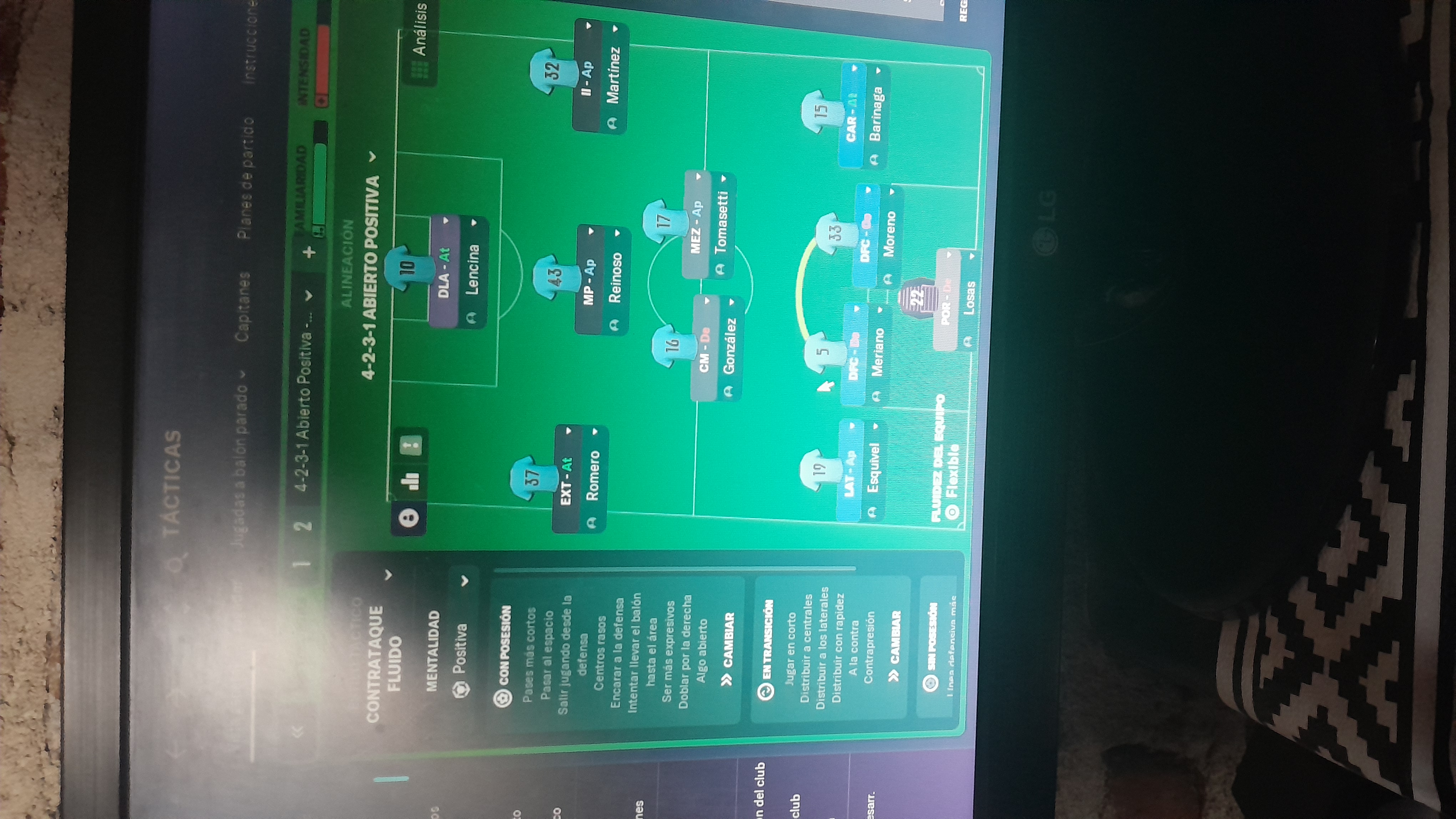
Uploaded Tactic
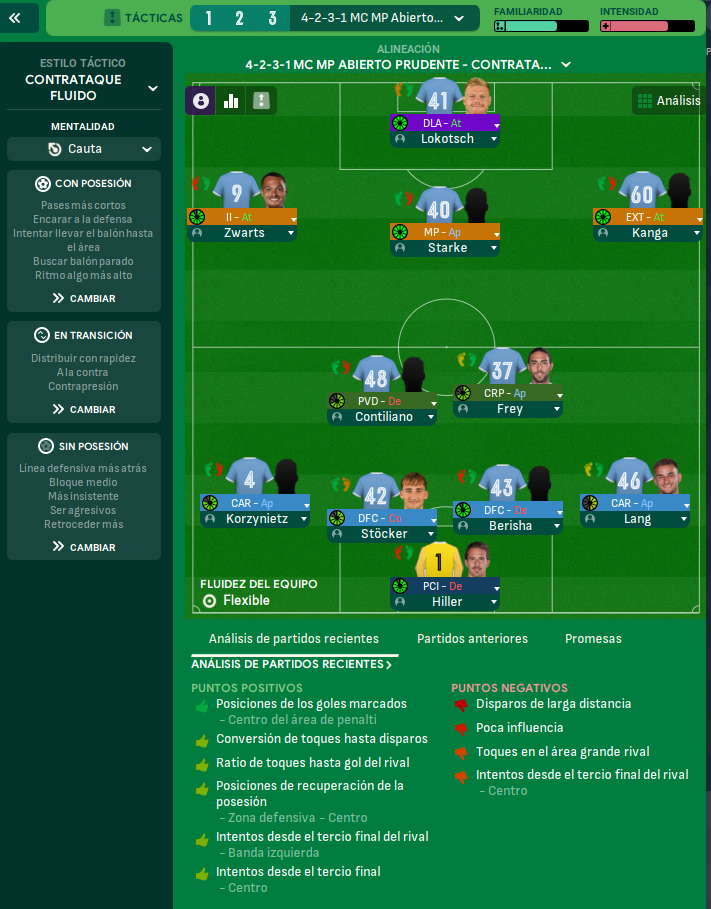
Formation & Style
Tactical Style:Counter-attack
Mentality:Cautious
Formation:4-2-3-1
Team Fluidity:Flexible
In Possession
Shorter passing
Exploit the flanks
Try to get the ball into the area
Play at a slower tempo
In Transition
Distribute quickly
Counter-press
Out of Possession
Defensive line deeper
Medium block
Regroup
Team Shape Without Ball
Shape:Compact 4-2-3-1
Description:Defensive shape remains compact, with midfielders dropping back to support the defense, making it difficult for opponents to penetrate.
Evidence:2 CBs working together at [2,2] and [2,3] with coverage by CDM [3,3].
Team Shape With Ball
Shape:Fluid forward play
Description:Attackers interchange positions, allowing for unpredictable runs and creating opportunities in the final third.
Evidence:Winger [5,2] and Inside Forward [5,3] focusing on wide spaces.
Phase Description
Attacking Play
Utilizes quick transitions with an emphasis on quick counters, looking to exploit spaces created by the opponent's defensive line.
Defensive Transition
Engages in immediate counter-pressing after losing possession to regain ball control quickly.
Main Focus
Utilizing the wings and rapid transitions to catch opponents off-guard.
Key Strengths
Exploit Flank Play
Using wingers effectively to stretch the opposing defense creates openings.
Strong Defensive Coordination
Defensive midfielders and defenders work in sync to neutralize opponent attacks.
Quick Transition Ability
The team can quickly switch from defense to attack, capitalizing on counter-attack opportunities.
Conflicting Directions
Slower Tempo and Quick Transitions
The slower buildup may conflict with the urgency required for effective counter-attacking.
Solid Midfield Pairing
Two attacking duties in midfield could lead to gaps when out of possession.
Deep Defensive Line and Commitment to Attack
A deep line may negate the effectiveness of advanced attacking players.
Tactical Suggestions
Increase Midfield Coverage
Consider employing a more balanced midfield role to prevent vulnerabilities during defensive phases.
Maintain Tempo Consistency
Align tempo in possession with the transition strategy for unison in play.
Adjust Defensive Block Height
Consider a slightly higher defensive line to facilitate pressing intensity.
Ask Questions About Your Lineup
Related Tactics
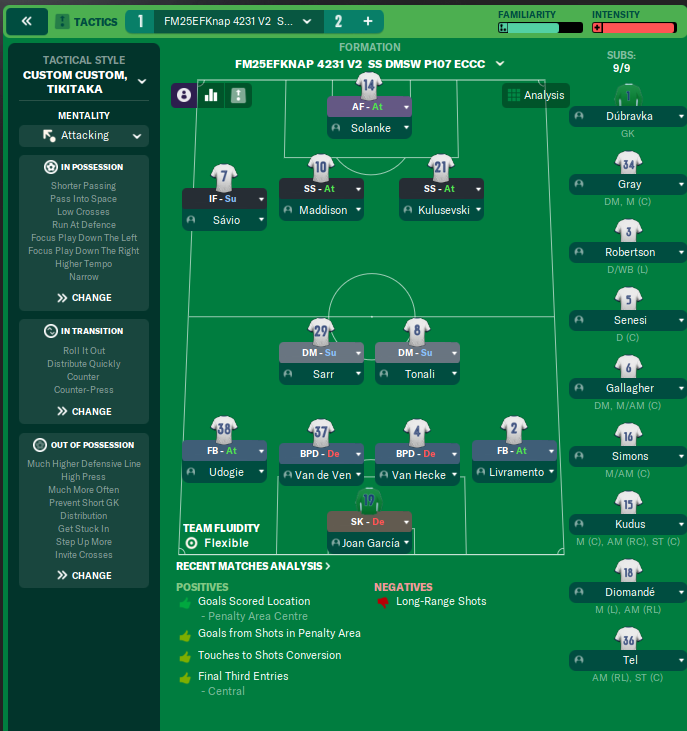
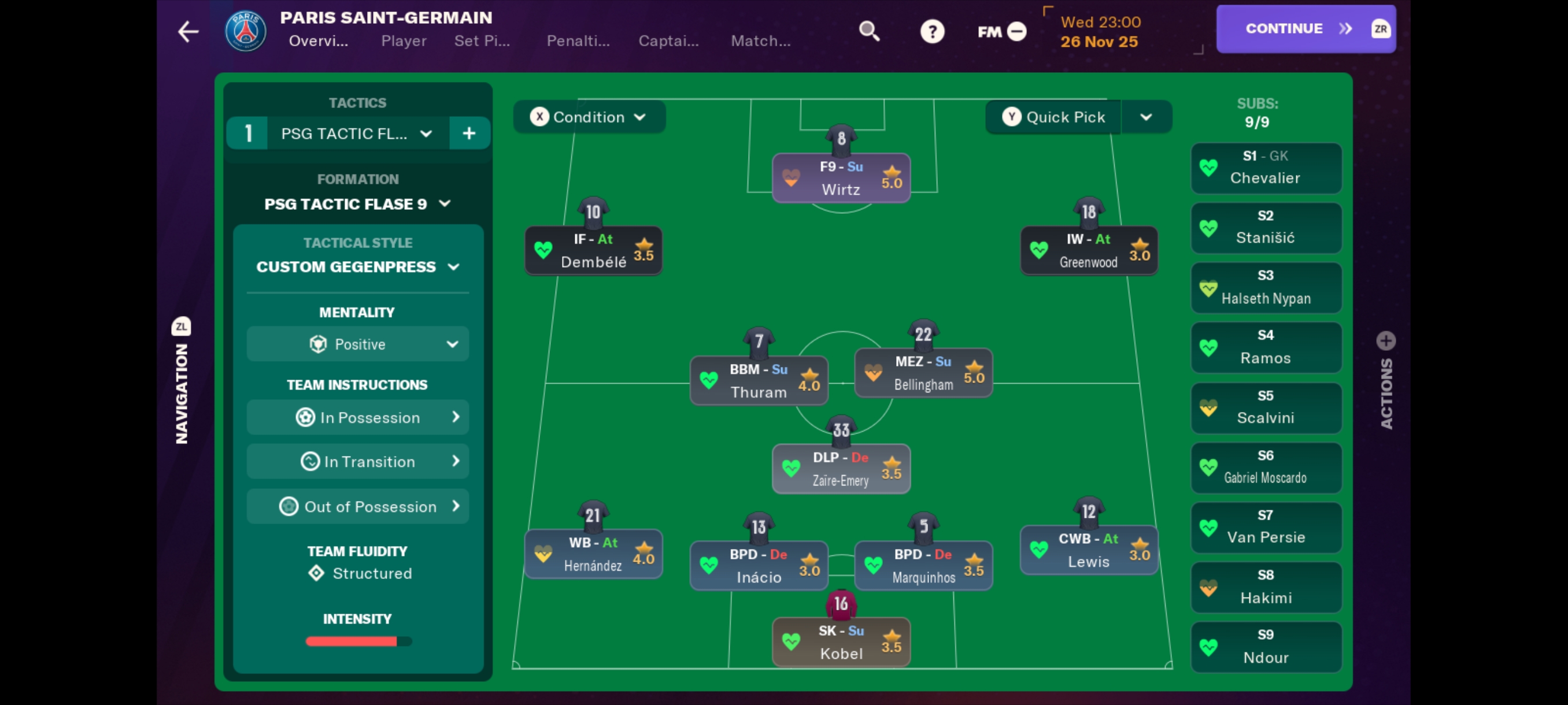
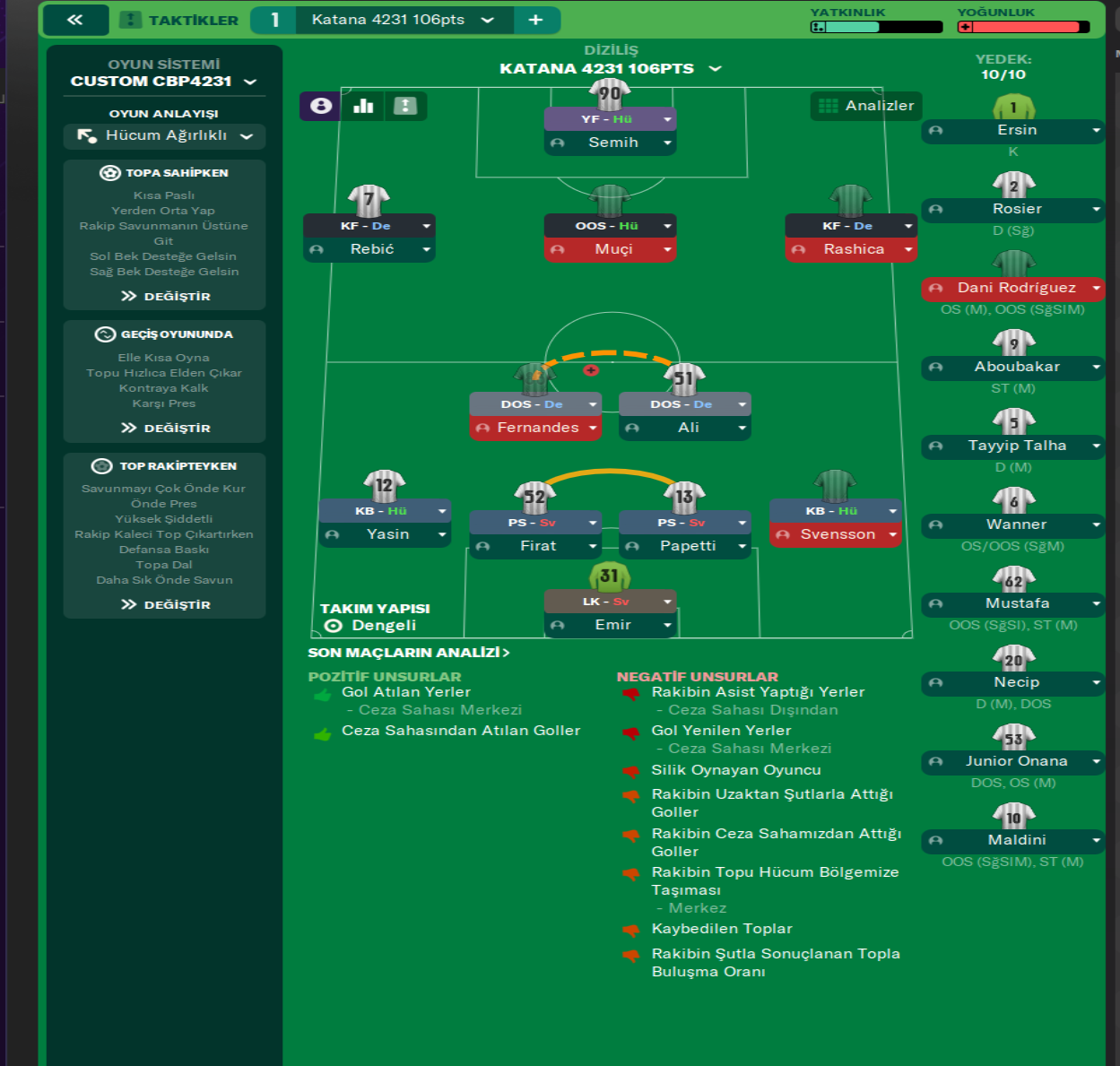
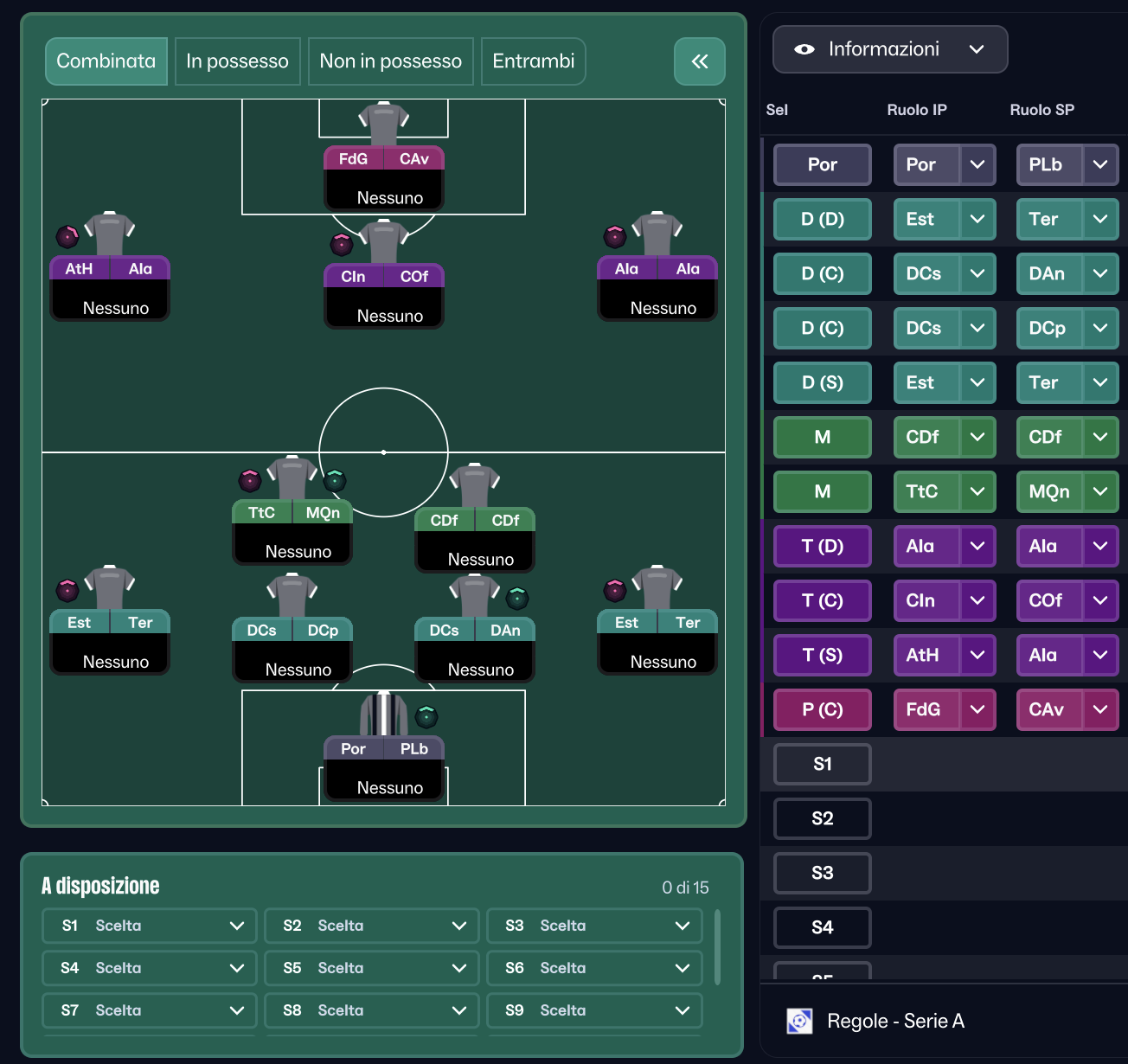
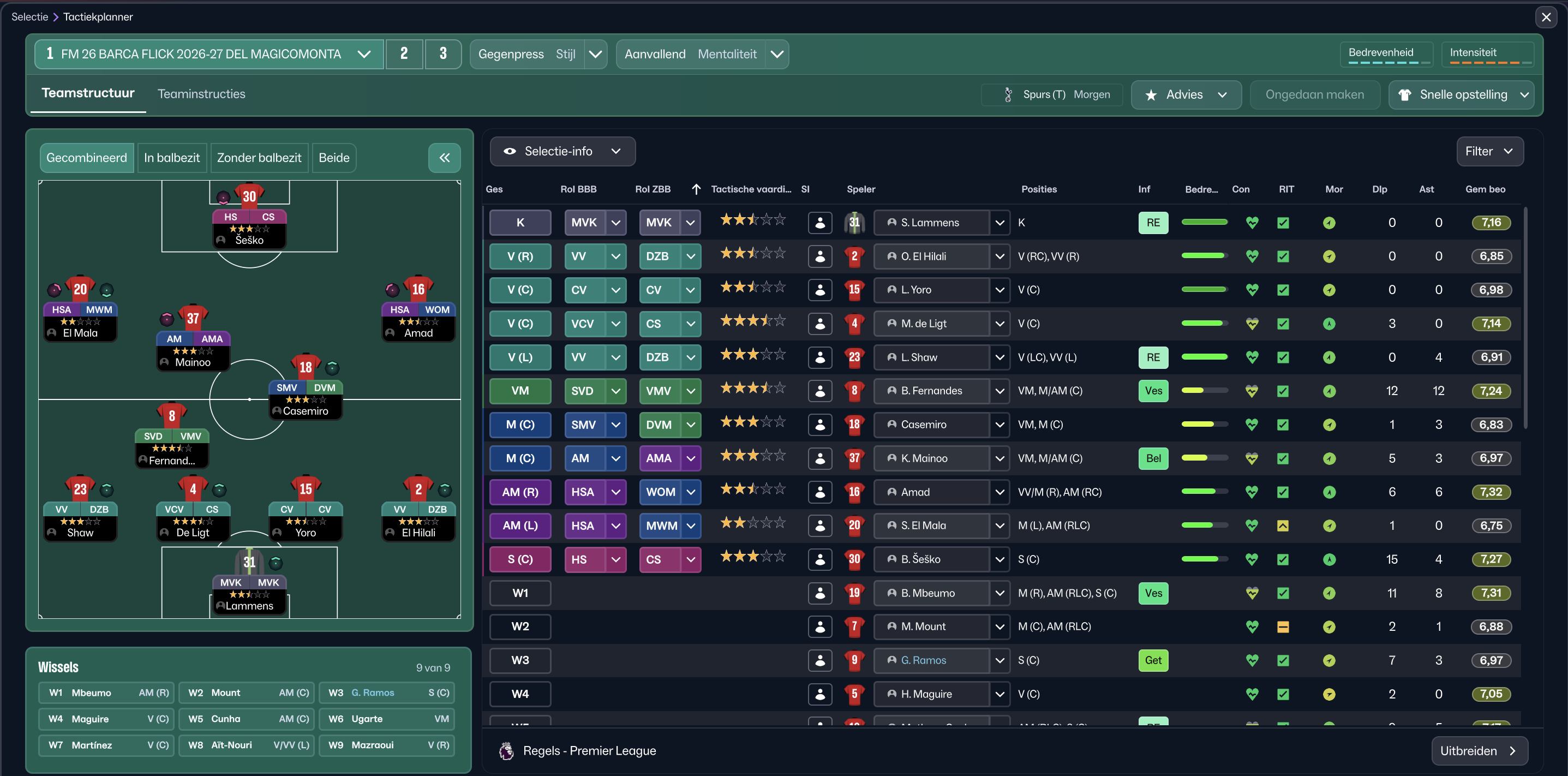
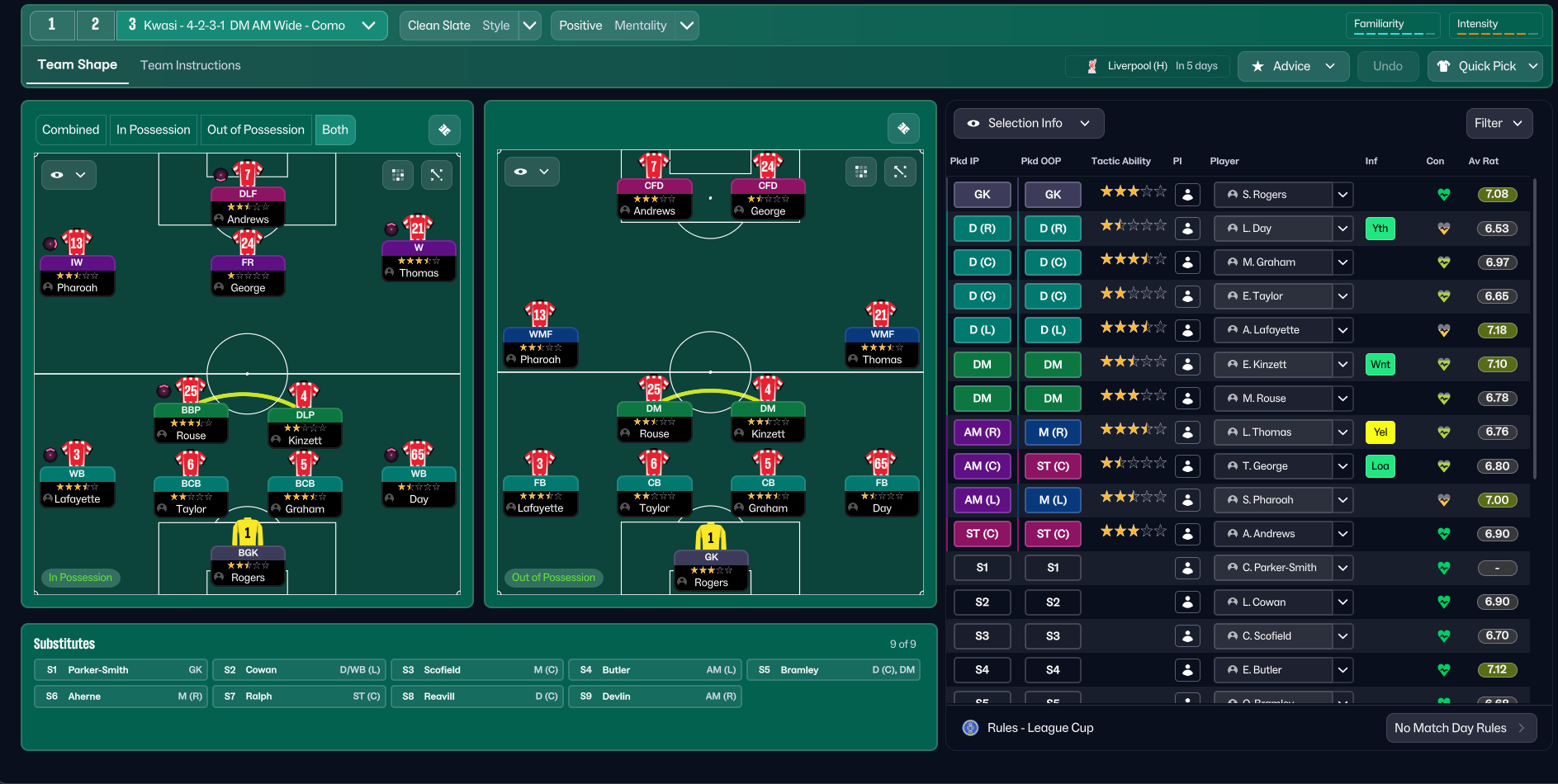
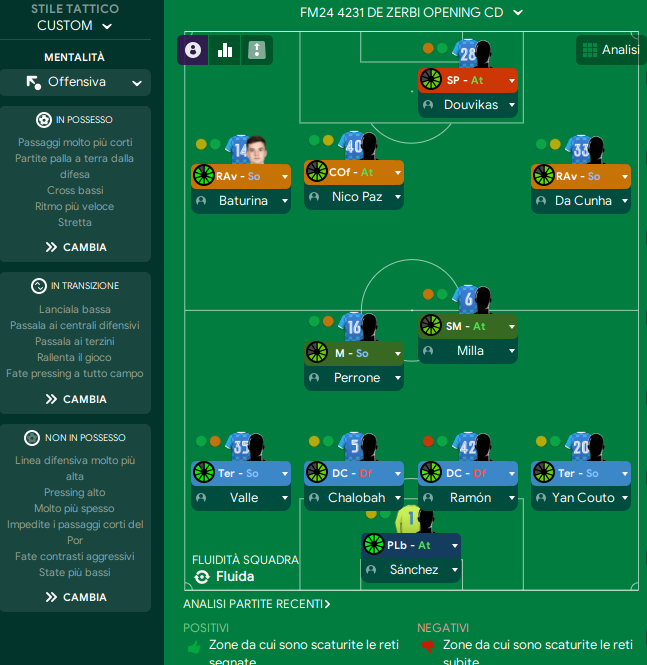
More Counter-attack tactics
Guides for this formation
The tactical theory behind the 4-2-3-1: roles, instructions, and the trade-offs that decide whether the system holds up.
Player pairings
Midfield Pairs in 4-2-3-1 and 4-4-2
Double pivots and flat pairs in 4-2-3-1 and 4-4-2: when each pairing works, when it collapses, and the AMC unicorn that rescues both.
Read guide
Playing styles
Gegenpressing: A Full Guide
Klopp-style gegenpressing in FM, including squad profile, line-and-press pairing, sustainable workload, and the antipatterns to avoid.
Read guide