Uploaded Tactic
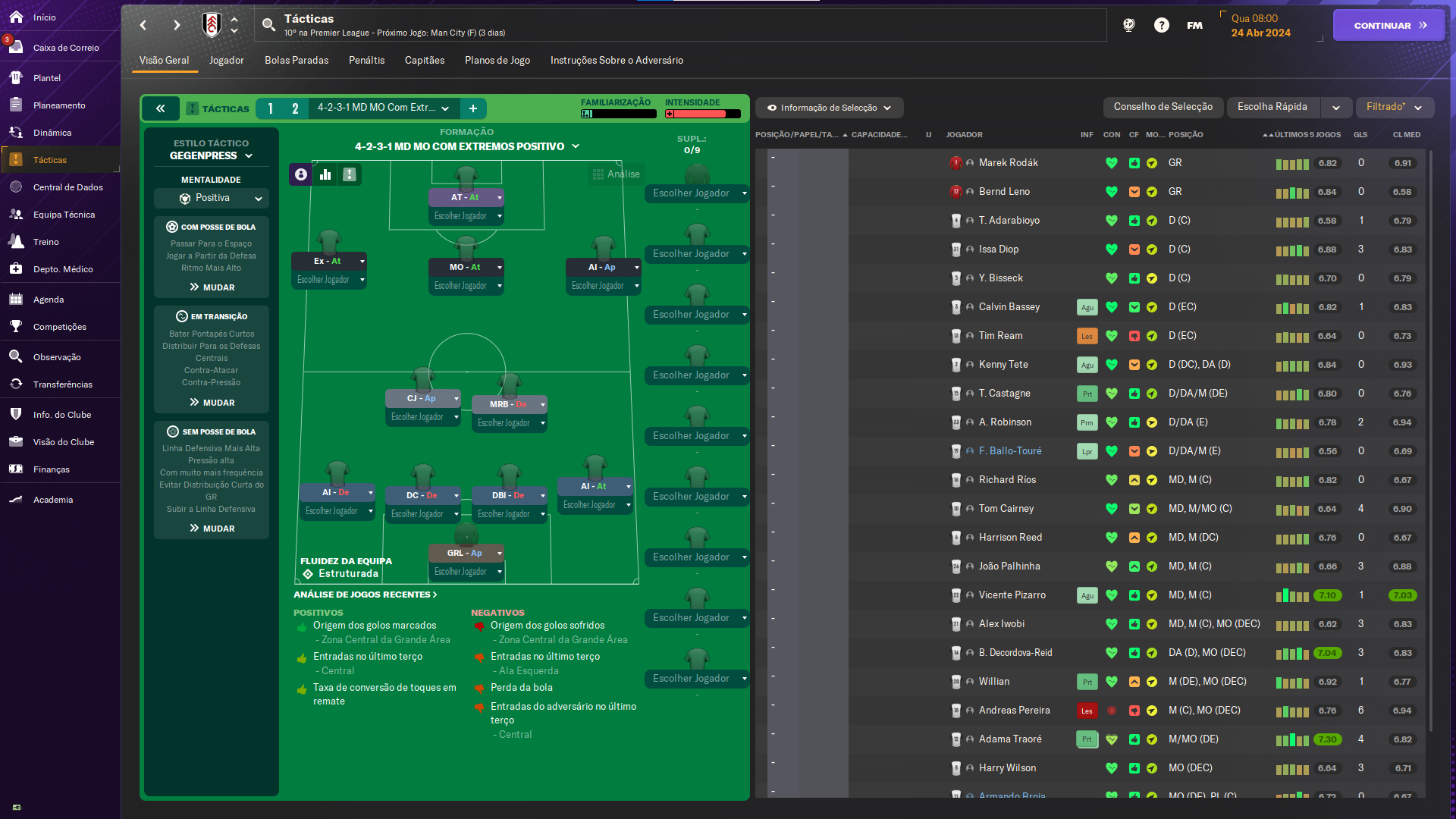
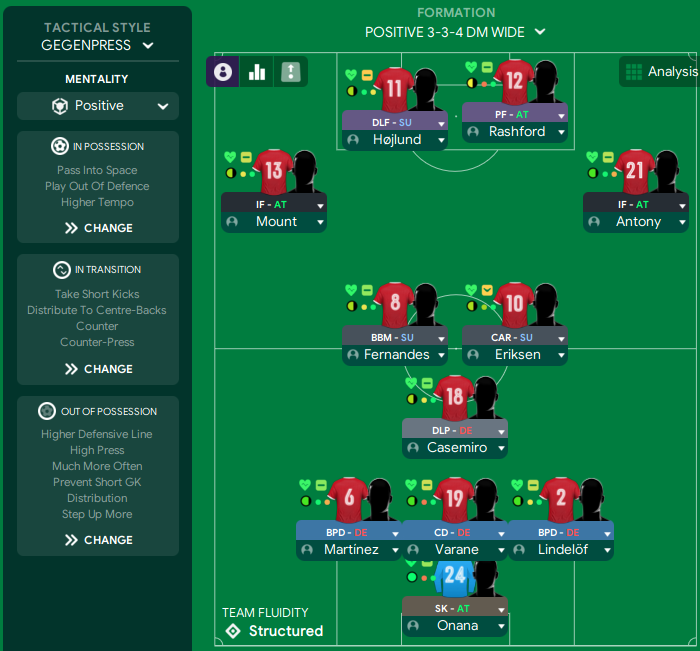
Formation & Style
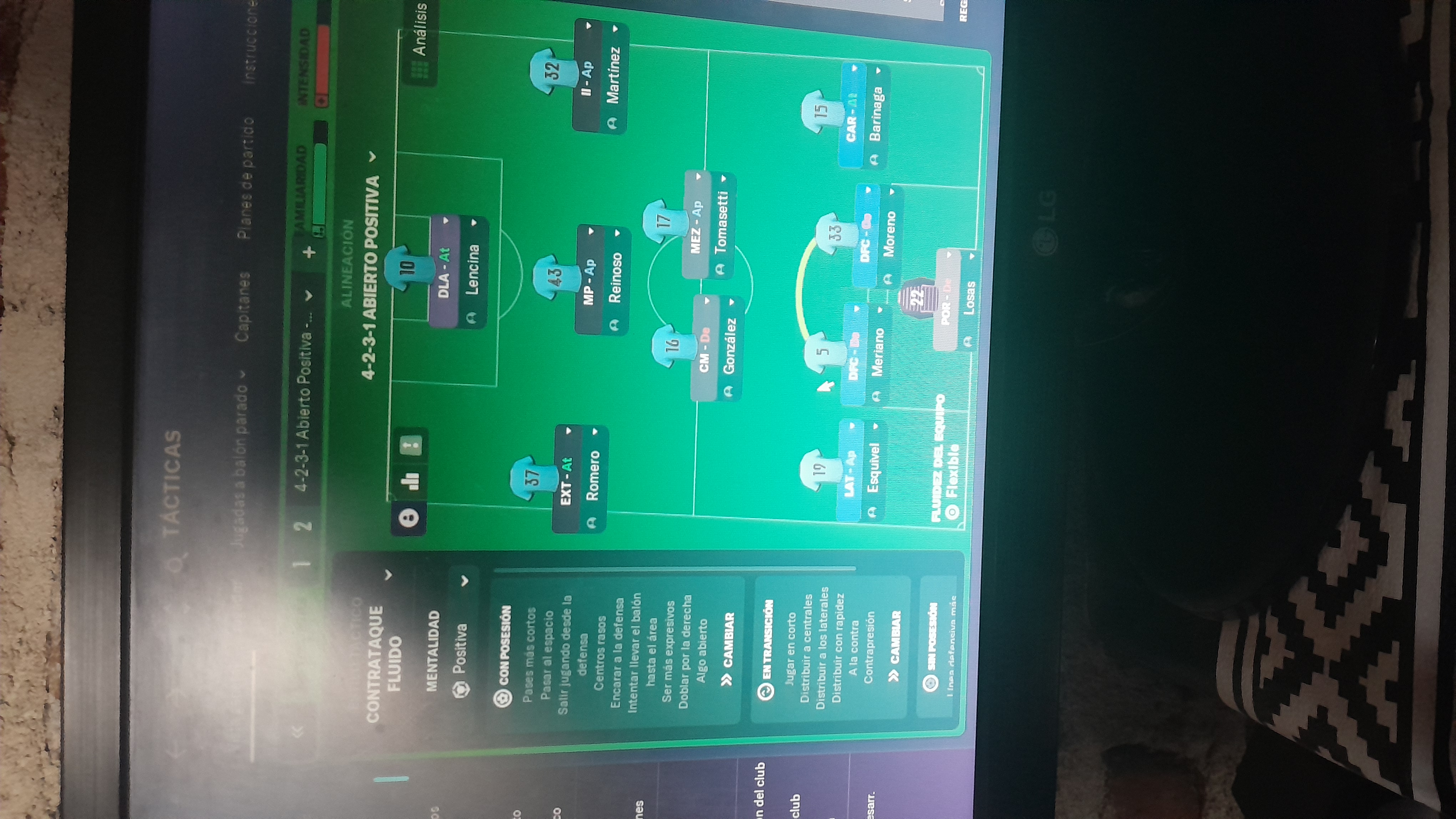
Tactical Style:Gegenpress
Mentality:Positive
Formation:4-2-3-1
Team Fluidity:Structured
In Possession
Work Ball Into Box
Overload the Flanks
Play Out of Defence
In Transition
Counter-Press
Distribute to Flanks
Counter
Out of Possession
Higher Defensive Line
Higher Line of Engagement
Prevent Short GK Distribution
Team Shape Without Ball
Shape:Compact
Description:Team maintains a compact shape while pressing high to regain possession quickly.
Evidence:Higher Defensive Line and Higher Line of Engagement with wing-backs providing cover.
Team Shape With Ball
Shape:Fluid
Description:Dynamic movements amongst forwards and midfielders, with support from overlapping wing-backs.
Evidence:Wing-Backs set on Attack and Inside Forwards stretching the opposition.
Phase Description
Attacking Play
Quick transitions and overloads in wide areas leading to high-quality chances.
Defensive Transition
Immediate pressure on losing possession with a focus on regaining the ball quickly.
Main Focus
Exploiting the flanks with high overlapping runs from wing-backs.
Key Strengths
Width and Overlap
Effective use of wing-backs to provide width and overlapping movement creates space.
Midfield Control
Both the DLP and Roaming Playmaker allow fluid ball movement and transition.
Counter-Pressing
Quick regaining of possession after losing the ball aids in maintaining pressure.
Conflicting Directions
High Line Risks
A higher defensive line may leave the team vulnerable to ball over the top and rapid counter-attacks.
Central Overload Vulnerability
Excessive focus on flanking play may leave the central areas exposed.
Fatigue with Counter-Press
High pressing and counter-pressing can lead to player fatigue, especially in high-tempo matches.
Tactical Suggestions
Adjust Defensive Line
Consider lowering the defensive line to reduce vulnerability to counter-attacks.
Diversify Attack Routes
Incorporate more direct play through the center to balance flanking strategy.
Rotate Pressing Triggers
Implement varied pressing triggers to maintain energy levels over the course of a match.
Ask Questions About Your Lineup
Related Tactics
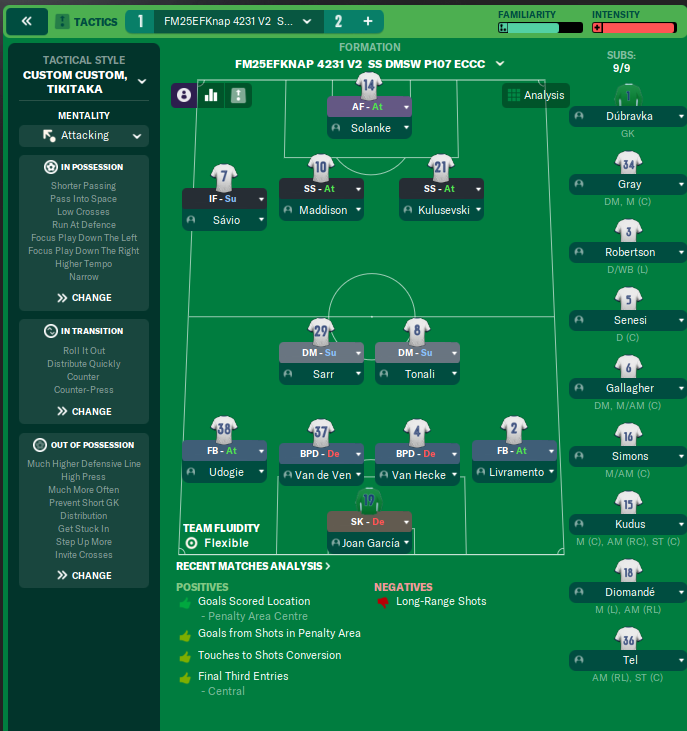
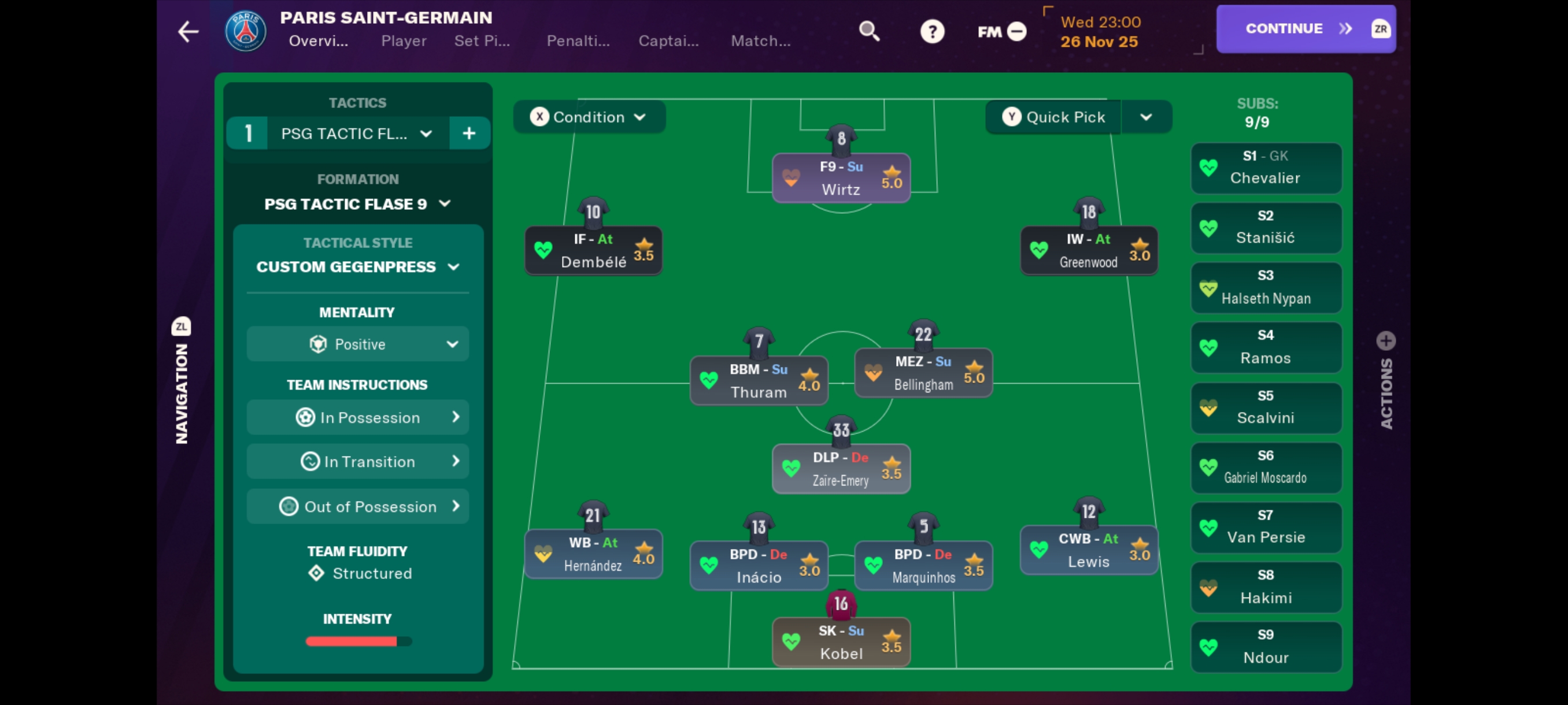
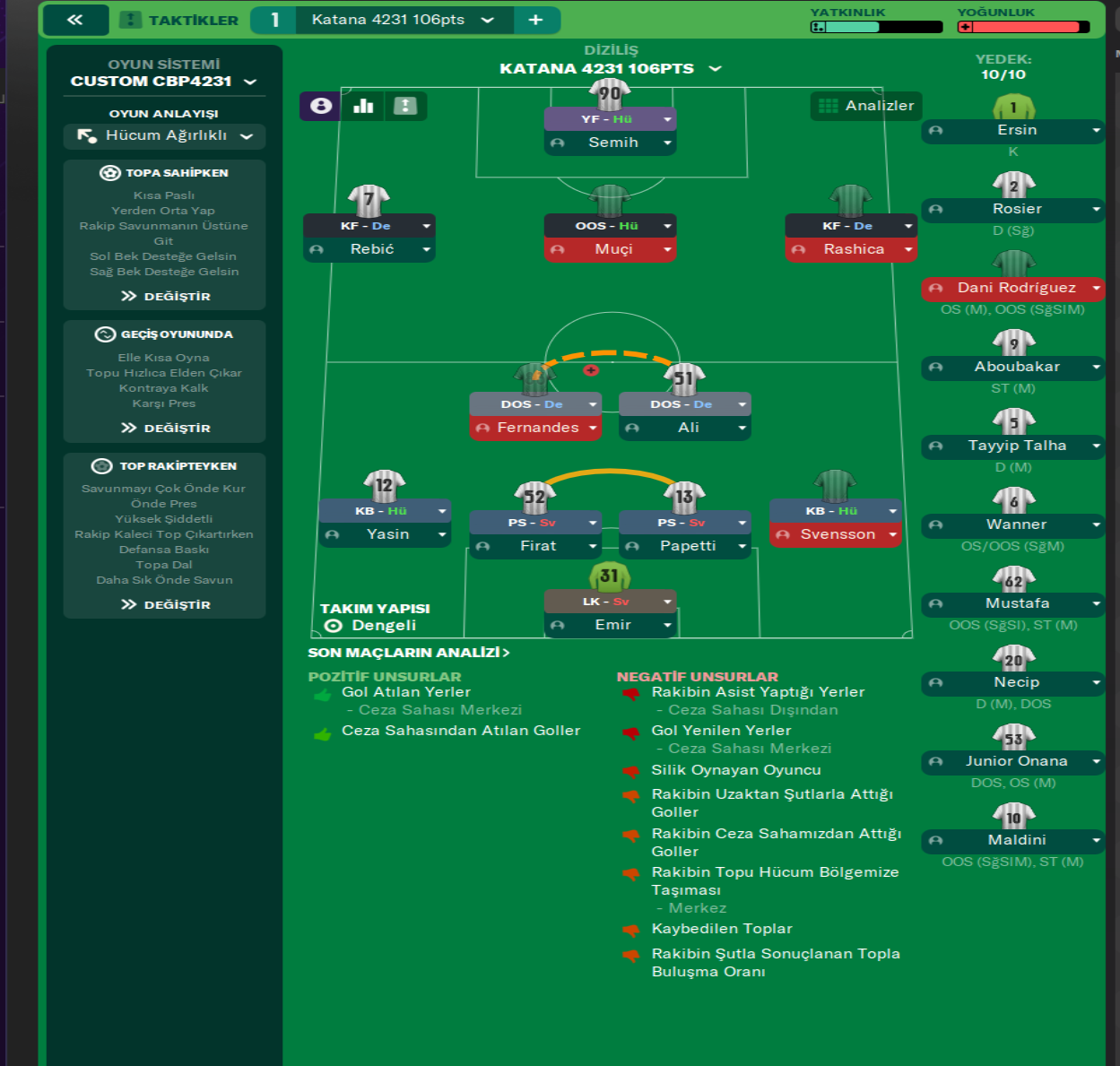
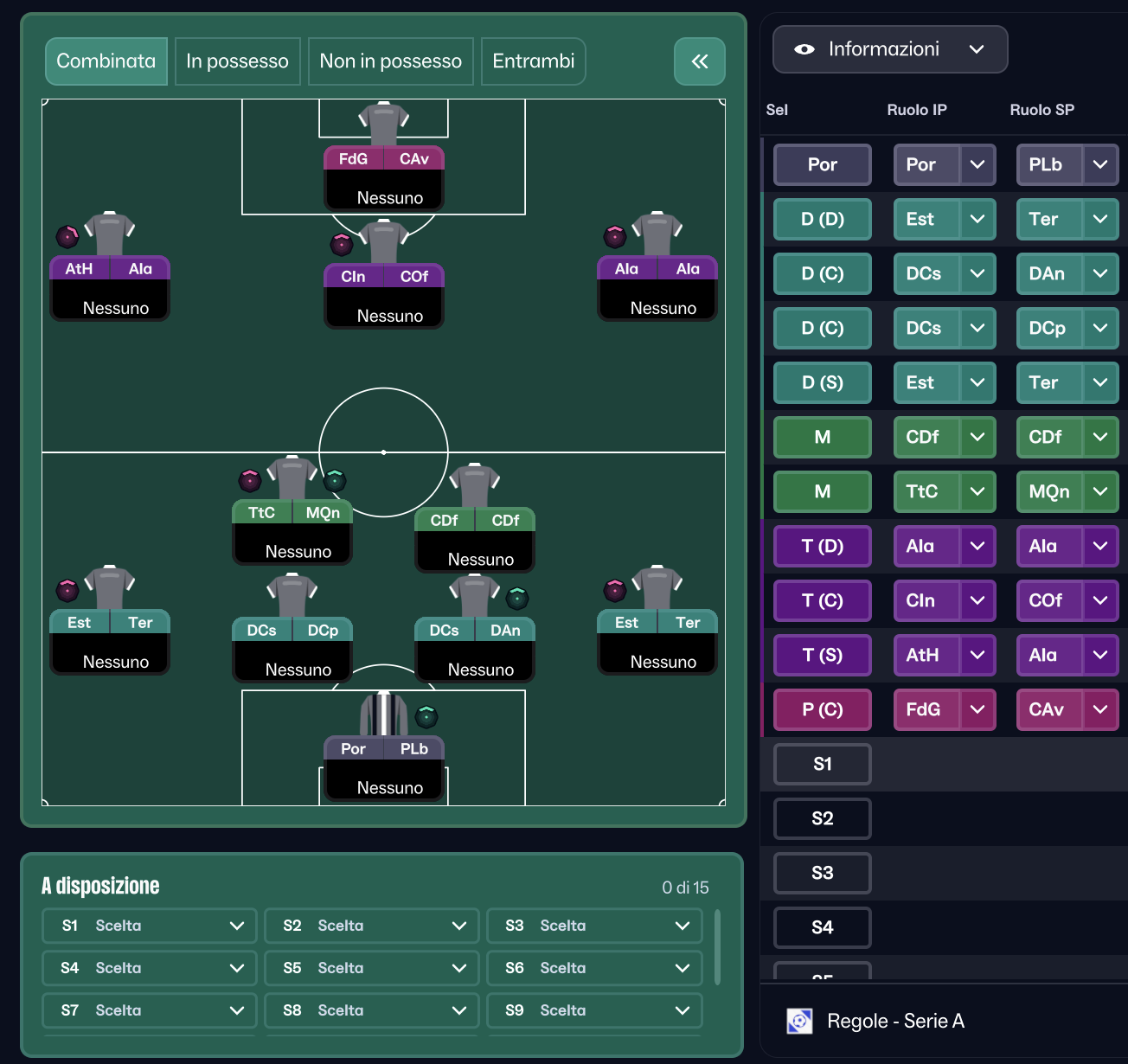
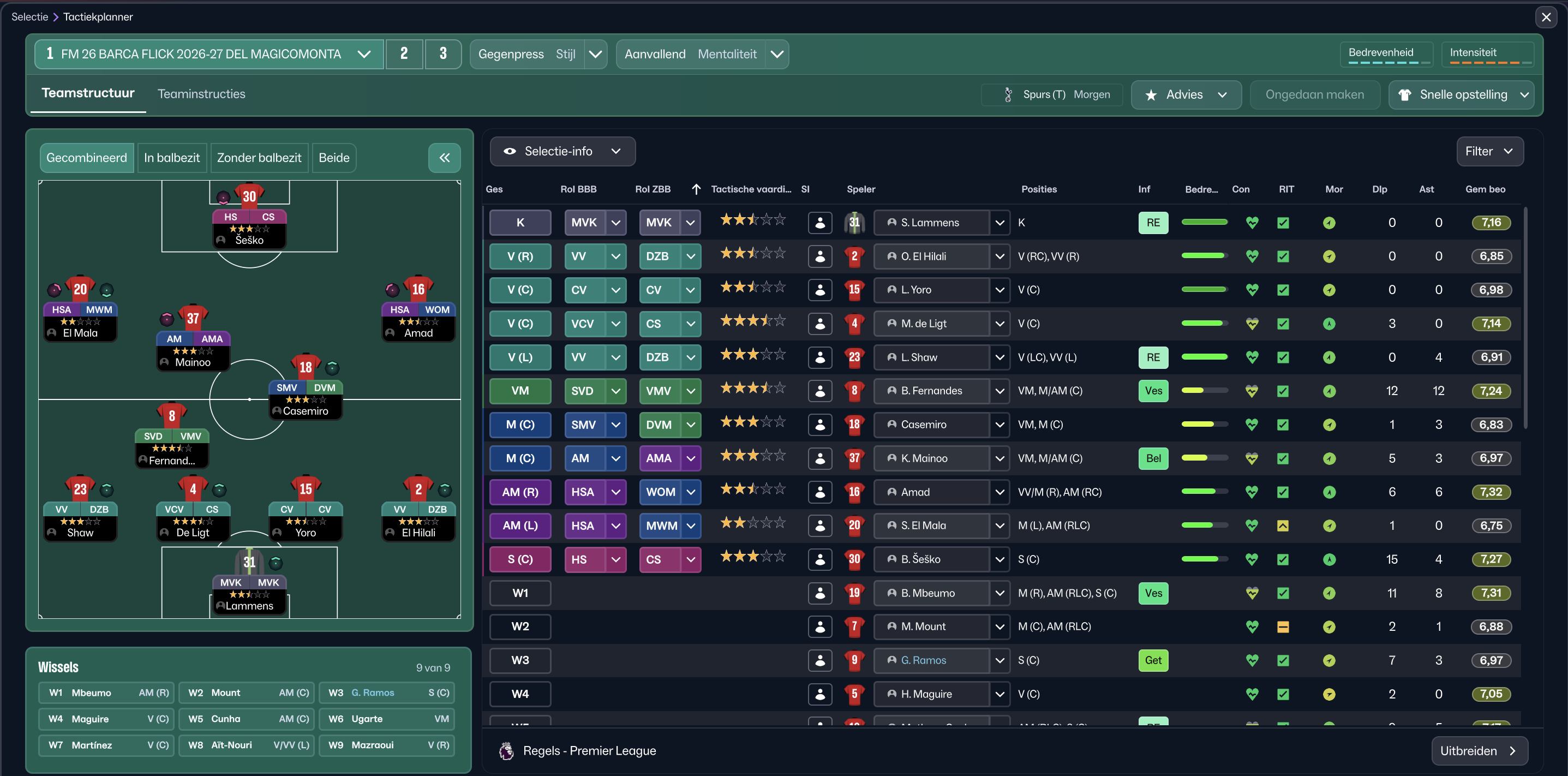
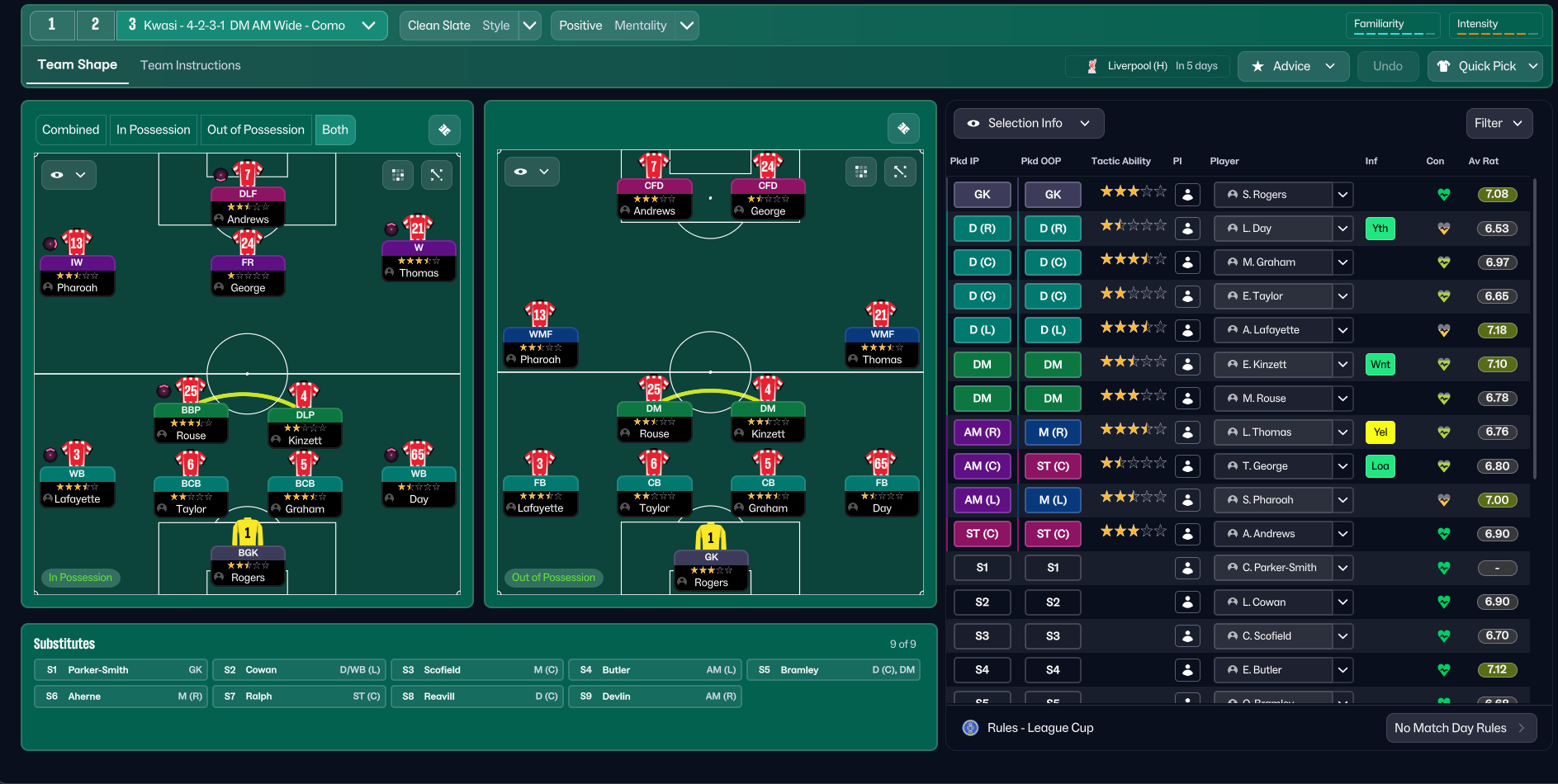
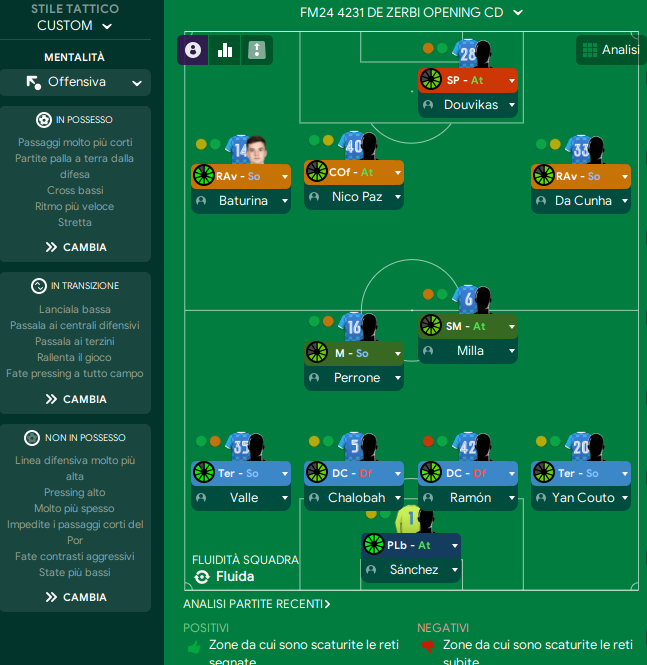
More Gegenpress tactics
Guides for this formation
The tactical theory behind the 4-2-3-1: roles, instructions, and the trade-offs that decide whether the system holds up.
Player pairings
Midfield Pairs in 4-2-3-1 and 4-4-2
Double pivots and flat pairs in 4-2-3-1 and 4-4-2: when each pairing works, when it collapses, and the AMC unicorn that rescues both.
Read guide
Playing styles
Gegenpressing: A Full Guide
Klopp-style gegenpressing in FM, including squad profile, line-and-press pairing, sustainable workload, and the antipatterns to avoid.
Read guide