Uploaded Tactic
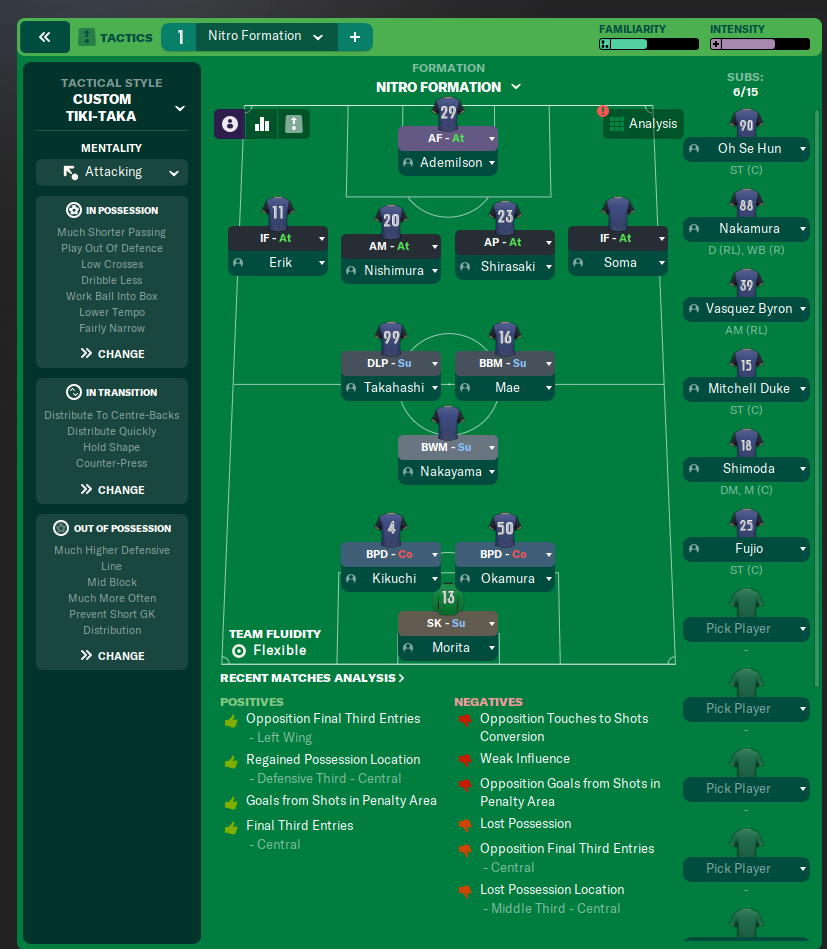
Formation & Style
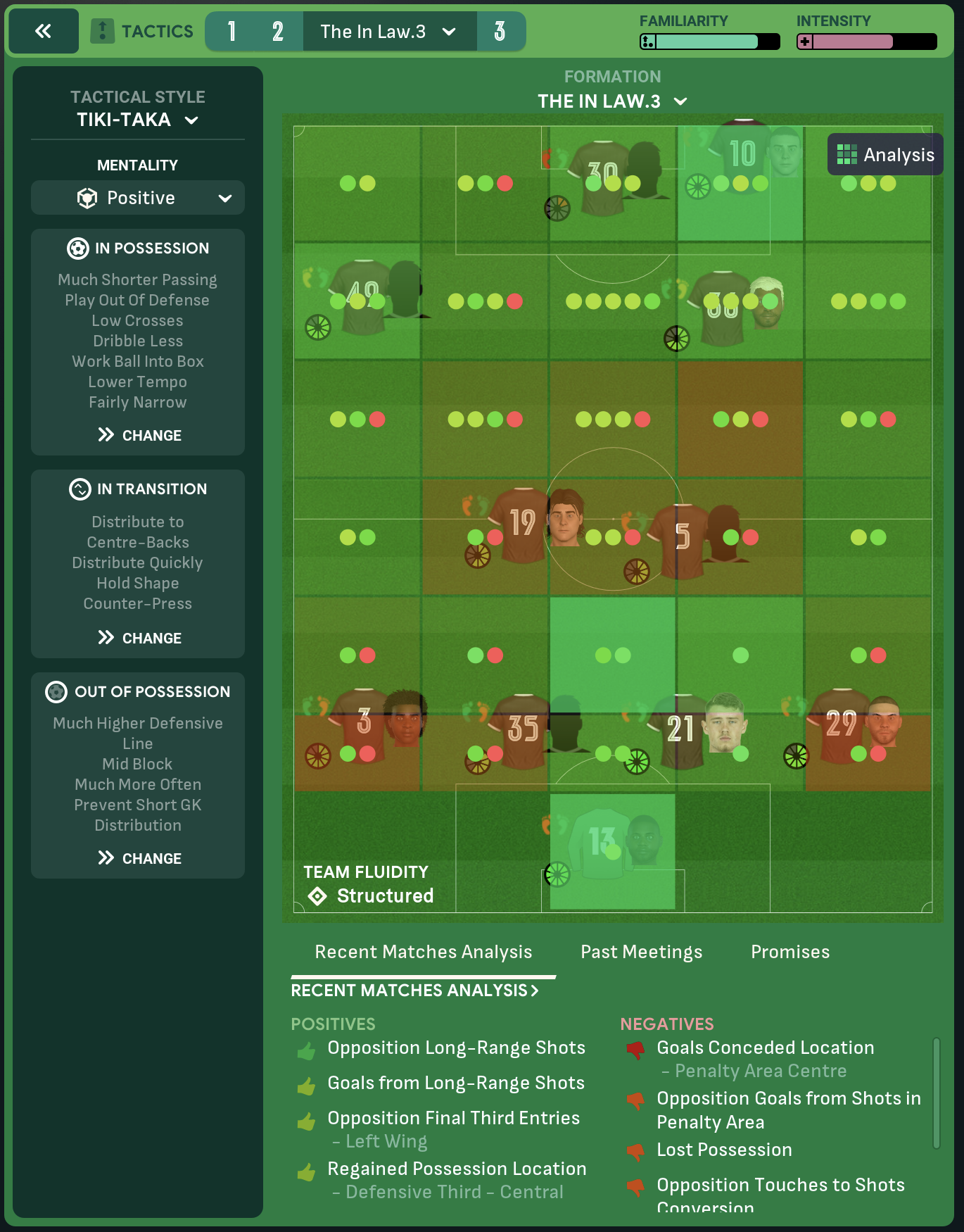
Tactical Style:Tiki-Taka
Mentality:Attacking
Formation:4-2-3-1
Team Fluidity:Flexible
In Possession
Much Shorter Passing
Play Out Of Defence
Low Crosses
Dribble Less
Work Ball Into Box
Lower Tempo
Fairly Narrow
In Transition
Distribute To Centre-Backs
Distribute Quickly
Hold Shape
Counter-Press
Out of Possession
Much Higher Defensive Line
Mid Block
Much More Often Prevent Short GK Distribution
Team Shape Without Ball
Shape:4-2
Description:A mid-block approach with two holding players offering protection and facilitating ball retention.
Evidence:BWM-S at [4,2] and DLP-S at [4,3]
Team Shape With Ball
Shape:4-3-1
Description:Fluid attacking shape with three players transitioning between midfield and attack seamlessly.
Evidence:AM-A at [5,3] and two IF-A at [5,1] and [5,5]
Phase Description
Attacking Play
Focus on short, fluid passing and positional interchange with an emphasis on working the ball into the box.
Defensive Transition
Maintain shape while looking to counter-press quickly to regain possession.
Main Focus
Utilize width through inside forwards to create space for overlapping runs from wing-backs.
Key Strengths
Fluid Attacking Movement
The combination of inside forwards and an advanced forward creates numerous attacking options.
Versatile Midfield Roles
The mix of playmakers enhances creativity and control in midfield areas.
Defensive Resilience
A higher defensive line allows for pressing effectively and winning the ball back higher up the pitch.
Conflicting Directions
Inconsistent Pressing
While a high defensive line is employed, a lack of consistent pressing may lead to vulnerabilities.
Narrow Width in Attack
The narrow attack can make the formation predictable and easier to defend against.
Counter-Press Effectiveness
The decision to hold shape could conflict with quick regaining possession, reducing counter-press success.
Tactical Suggestions
Increase Width in Attack
Employ more width to stretch opposing defenses and create more space for midfielders and full-backs.
Integrate More Pressing Instructions
Utilize a more aggressive pressing strategy to improve ball recovery rates.
Focus on Set Plays
With the midfielders' roles, incorporating set pieces can exploit defensive weaknesses.
Ask Questions About Your Lineup
Related Tactics
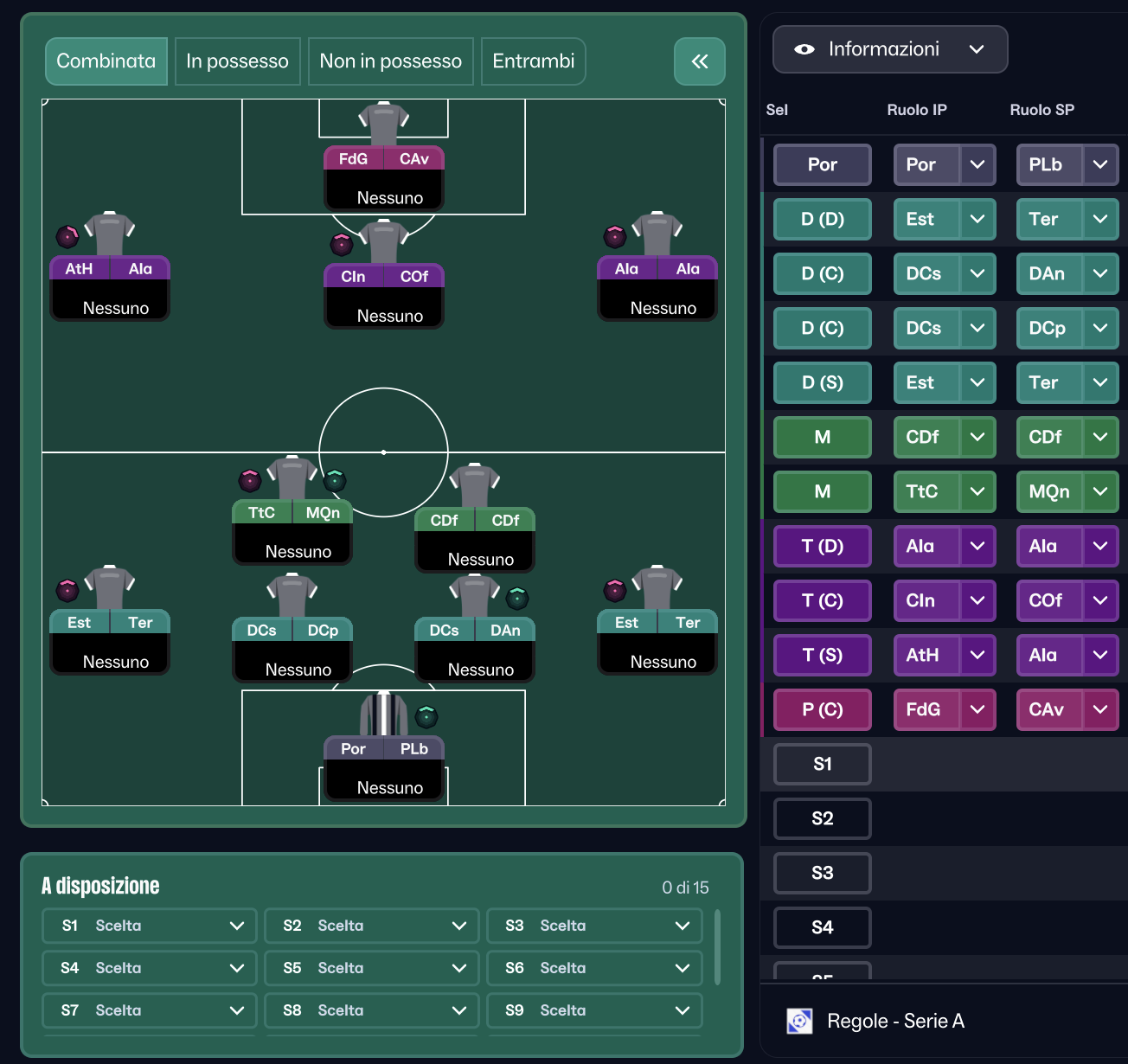
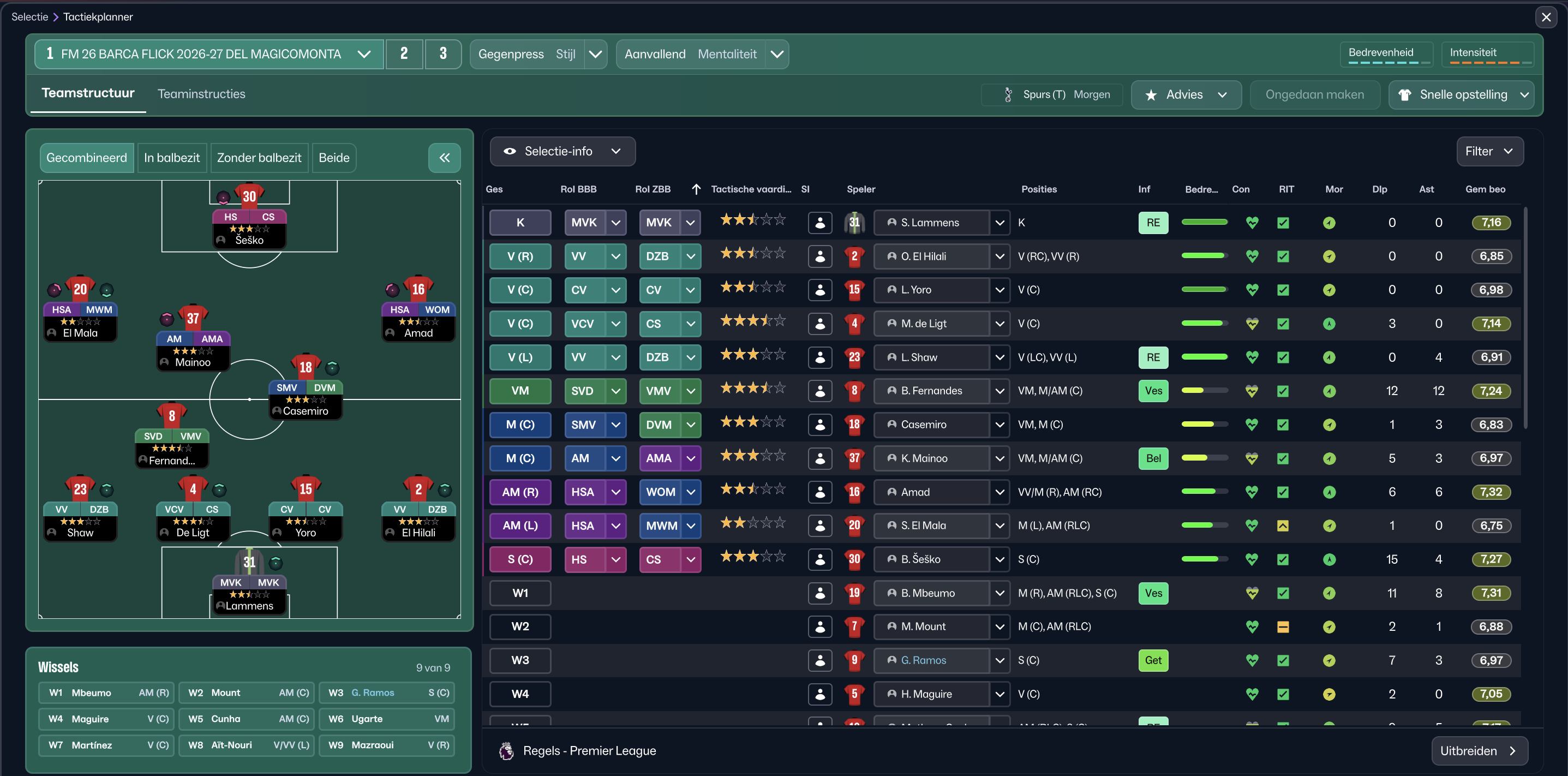
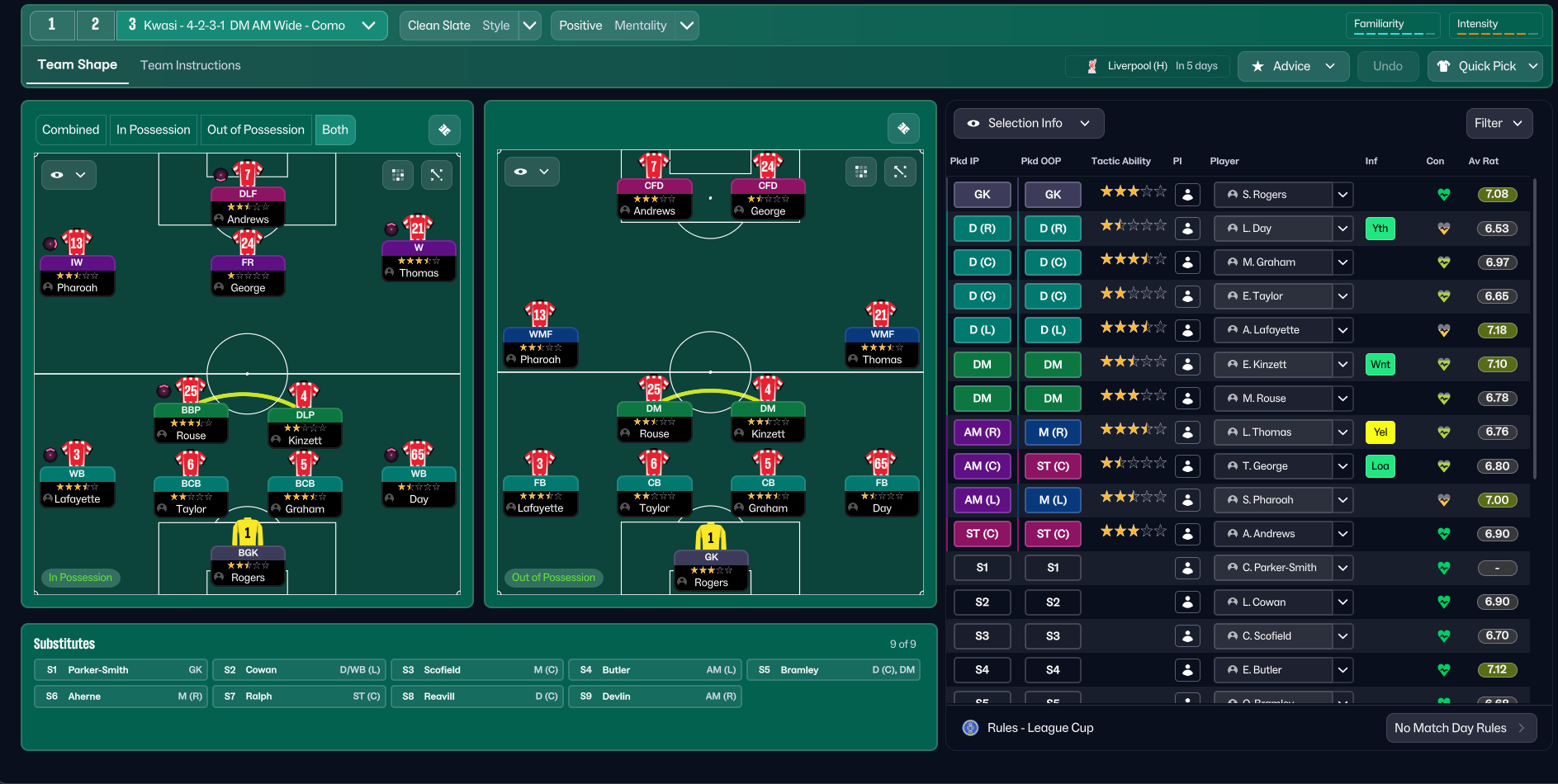
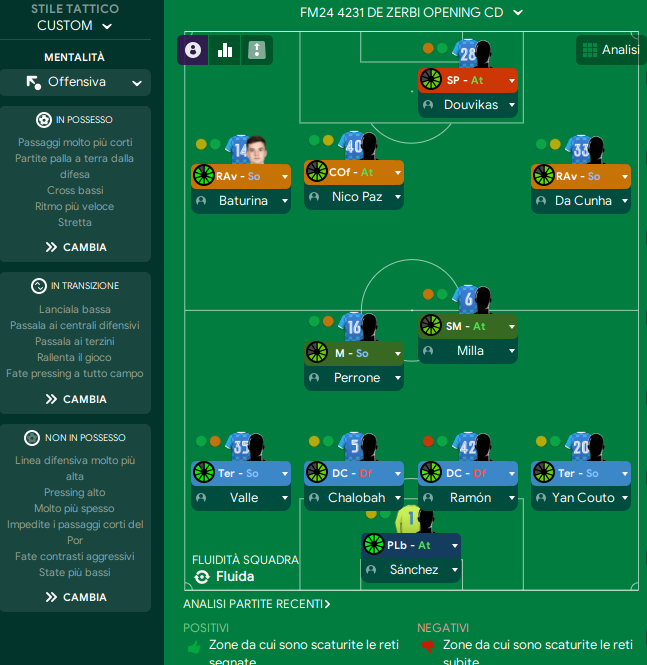
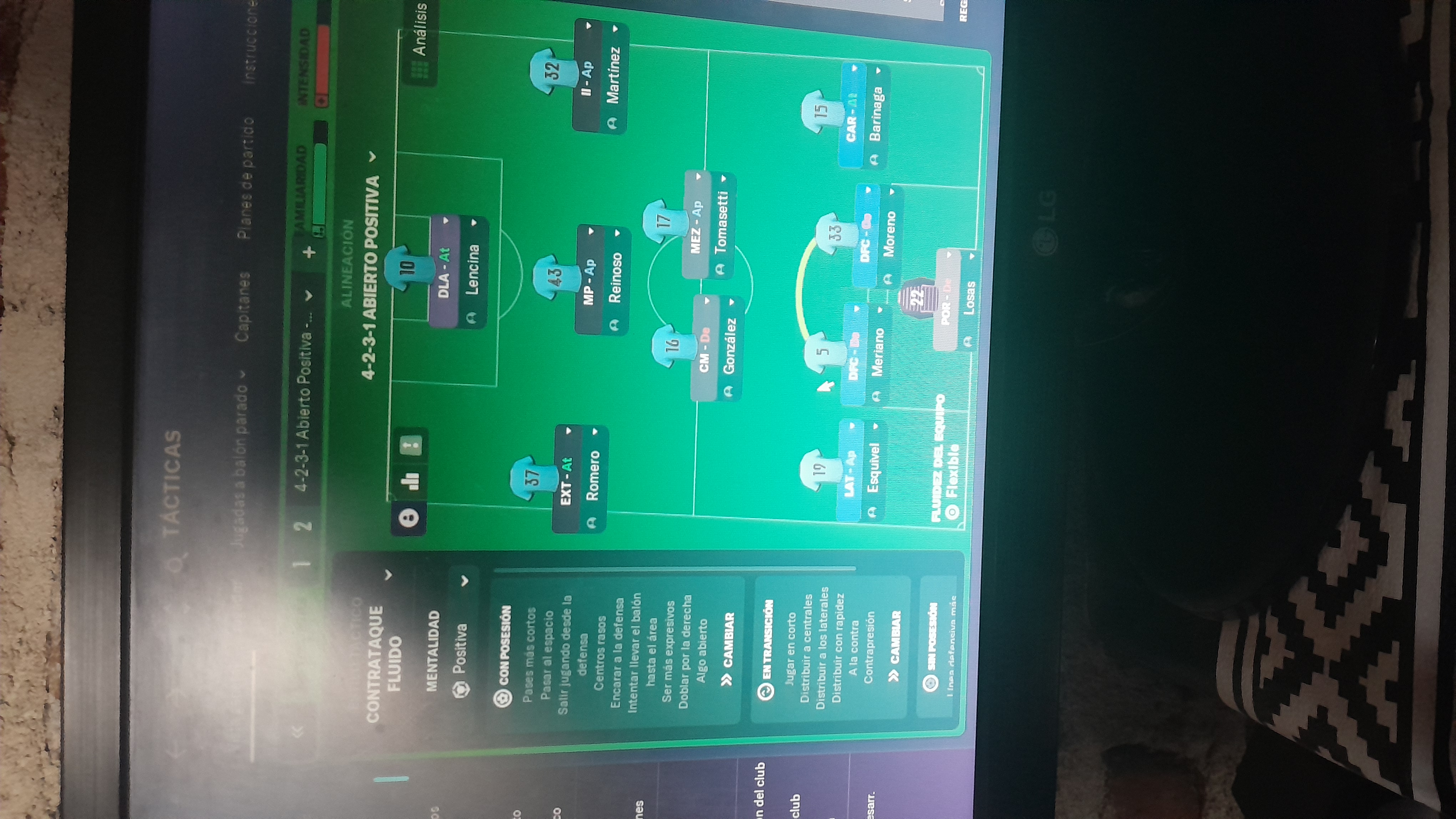
More Tiki-Taka tactics
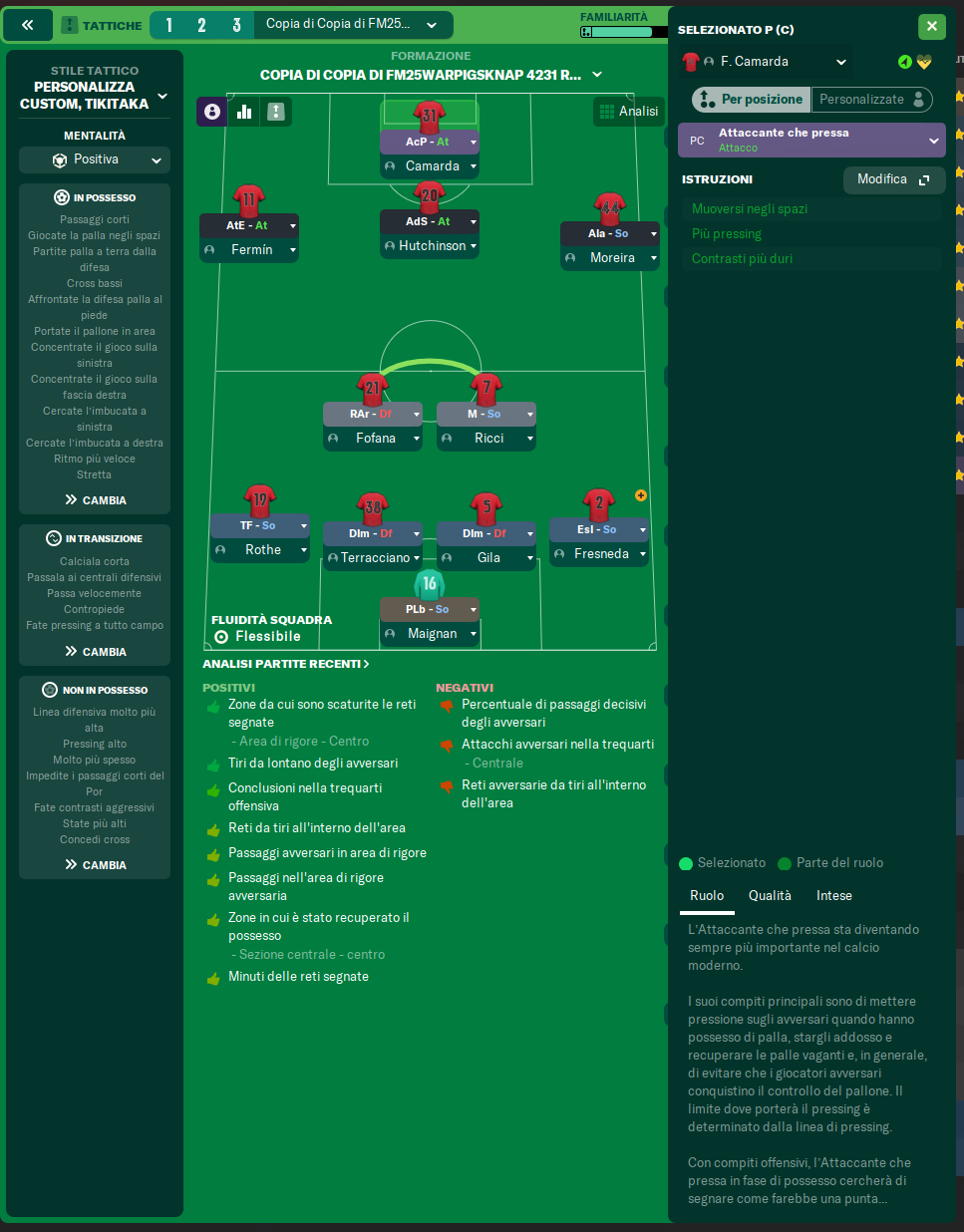
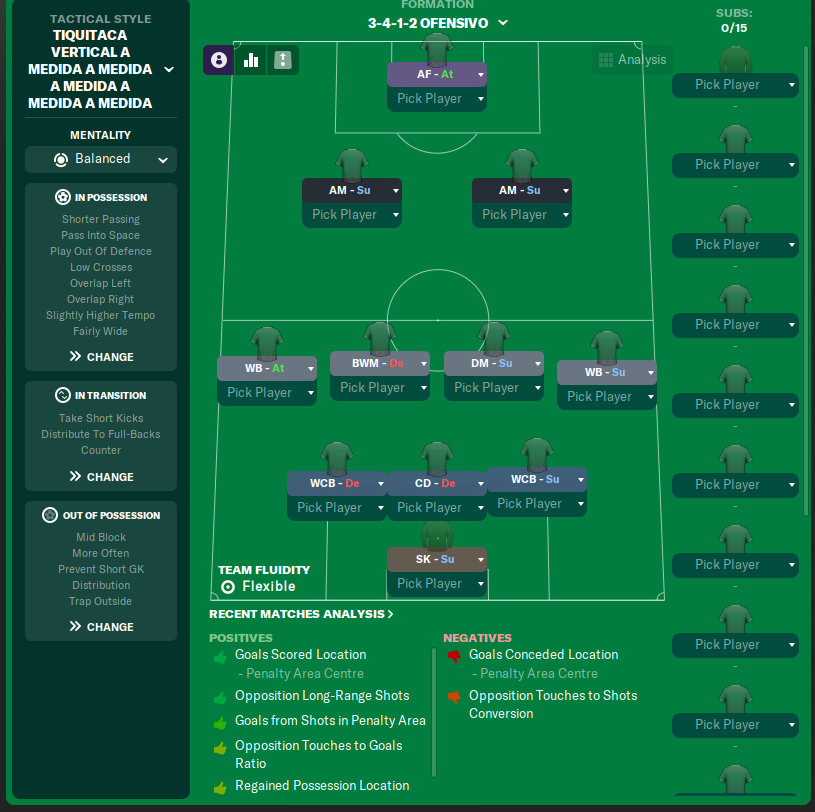
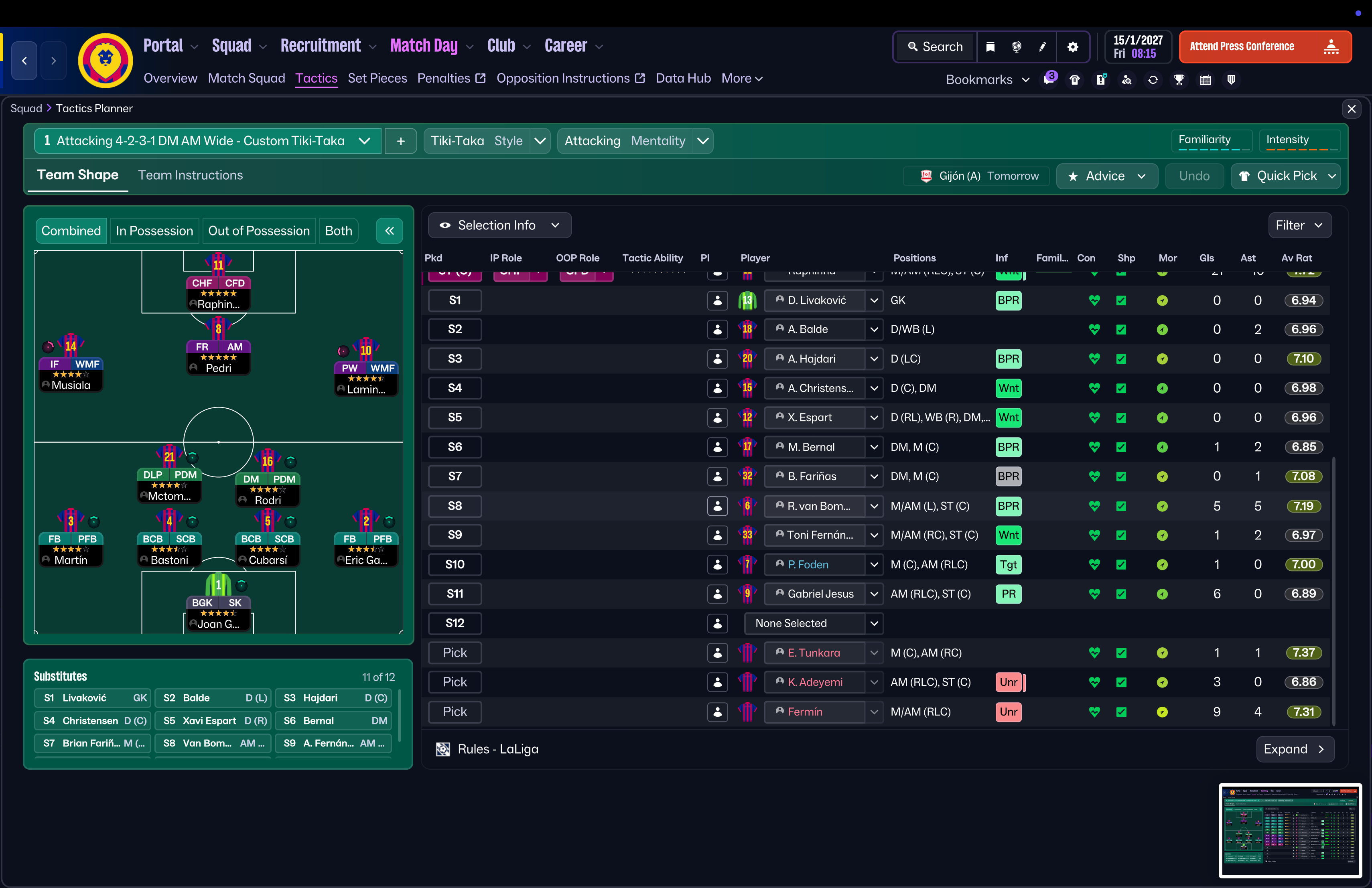
Guides for this formation
The tactical theory behind the 4-2-3-1: roles, instructions, and the trade-offs that decide whether the system holds up.
Player pairings
Midfield Pairs in 4-2-3-1 and 4-4-2
Double pivots and flat pairs in 4-2-3-1 and 4-4-2: when each pairing works, when it collapses, and the AMC unicorn that rescues both.
Read guide
Playing styles
Gegenpressing: A Full Guide
Klopp-style gegenpressing in FM, including squad profile, line-and-press pairing, sustainable workload, and the antipatterns to avoid.
Read guide