Uploaded Tactic
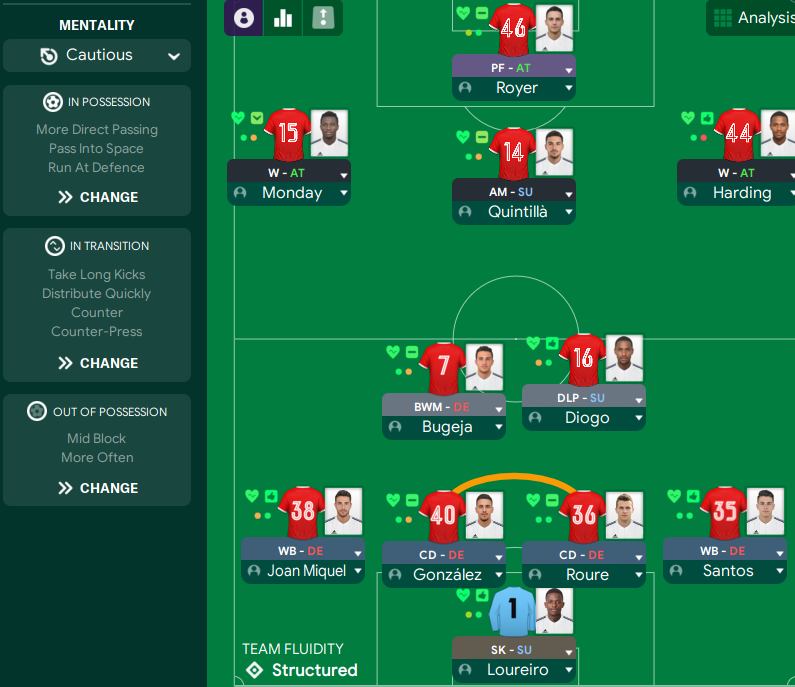
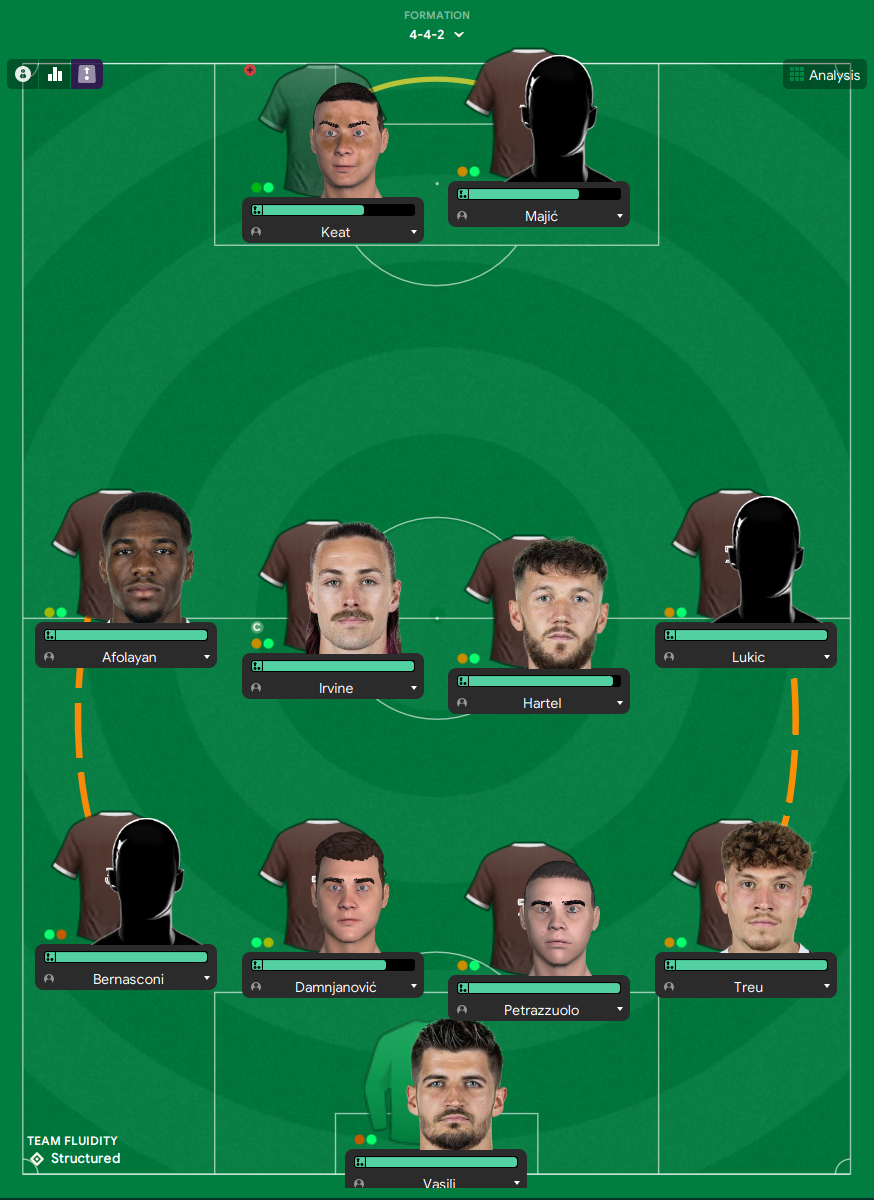
Formation & Style
Tactical Style:Structured
Mentality:Cautious
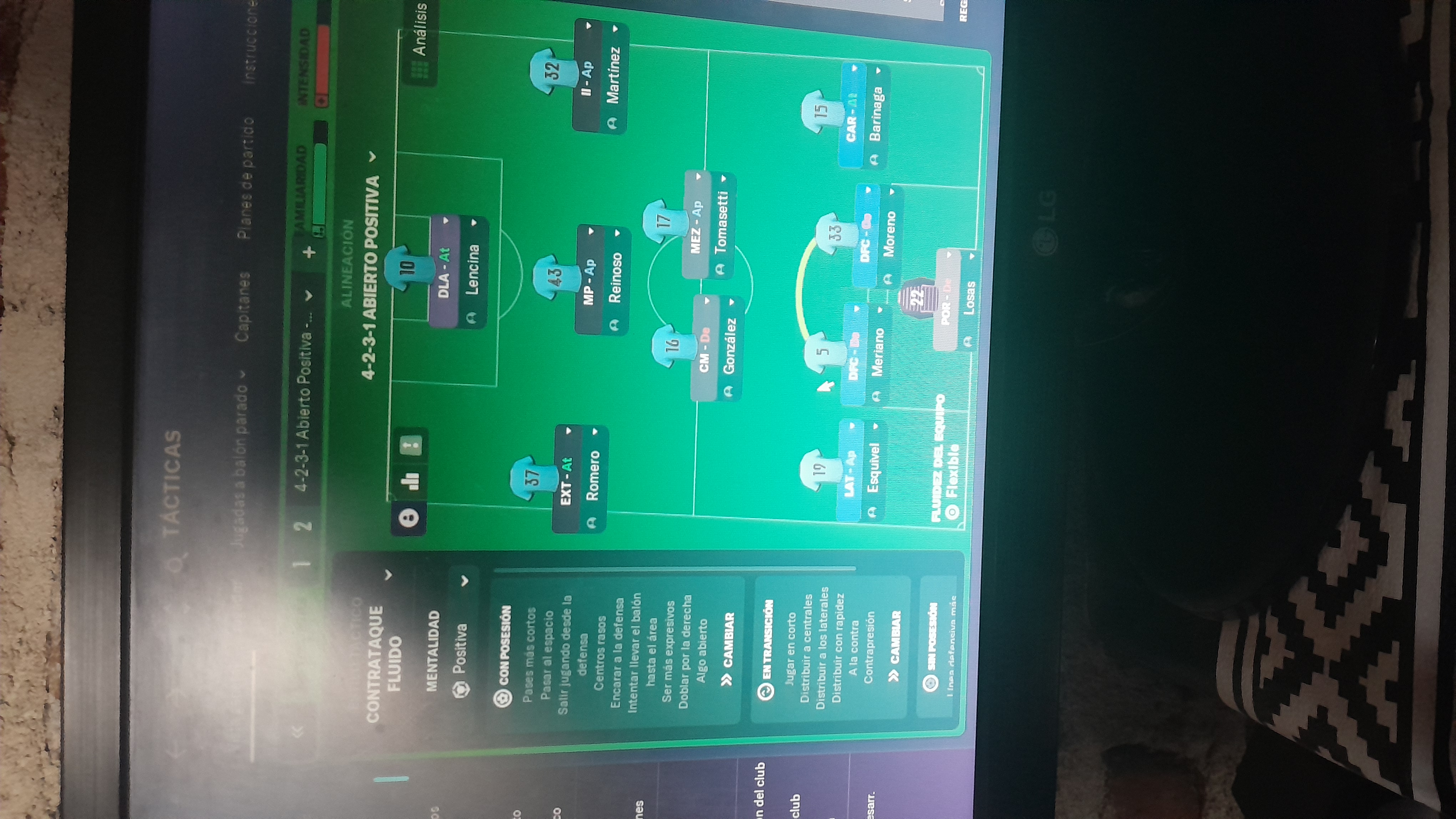
Formation:4-2-3-1
Team Fluidity:Structured
In Possession
More Direct Passing
Pass Into Space
Run At Defence
In Transition
Take Long Kicks
Distribute Quickly
Counter
Counter-Press
Out of Possession
Mid Block
More Often
Team Shape Without Ball
Shape:Mid Block
Description:The team focuses on compactness and organization without pressing high, ensuring a sturdy defensive shape.
Evidence:Mid Block instruction present, combined with BWM-D at [3,1] providing defensive cover.
Team Shape With Ball
Shape:Fluid
Description:Players are encouraged to run at defenders and create opportunities through quick passes into space.
Evidence:In-possession strategy includes 'Pass Into Space' and 'Run At Defence' emphasizing dynamic attacking movements.
Phase Description
Attacking Play
Utilizing direct passing and quick transitions, the team focuses on exploiting spaces in the defense.
Defensive Transition
Quickly fall back into a mid block to pressure opponents and regain possession.
Main Focus
A balanced approach that combines stability in defense with creativity in attack.
Key Strengths
Defensive Stability
The configuration of two solid centre-backs alongside a BWM helps maintain a strong defensive line.
Dynamic Attacking Threat
The presence of two wingers and an attacking midfielder creates options for wide play and through balls.
Effective Transitioning
The ability to quickly counter-attack using long distributions from the goalkeeper can catch opponents off guard.
Conflicting Directions
Inconsistent Pressing
The cautious mentality implies a defensive mindset, which may cause inconsistencies with the pressing forward's role.
Limited Creativity in Build-Up
While direct passing is beneficial, it can lead to over-reliance on counter-attacks rather than controlled build-up play.
Risk of Overexposure on Flanks
Defensive wing-backs may limit width in attack, potentially leading to over-reliance on central play.
Tactical Suggestions
Increase Attacking Support from Wing-Backs
Encouraging wing-backs to support the attack could improve width and create more options in the final third.
Adjust Pressing Strategy
Consider adjusting the pressing strategy to be consistent across players, which might align better with a cautious mentality.
Explore Alternative Mentality Options
Experimenting with a more balanced mentality could allow for better creativity while maintaining defensive structure.
Ask Questions About Your Lineup
Related Tactics
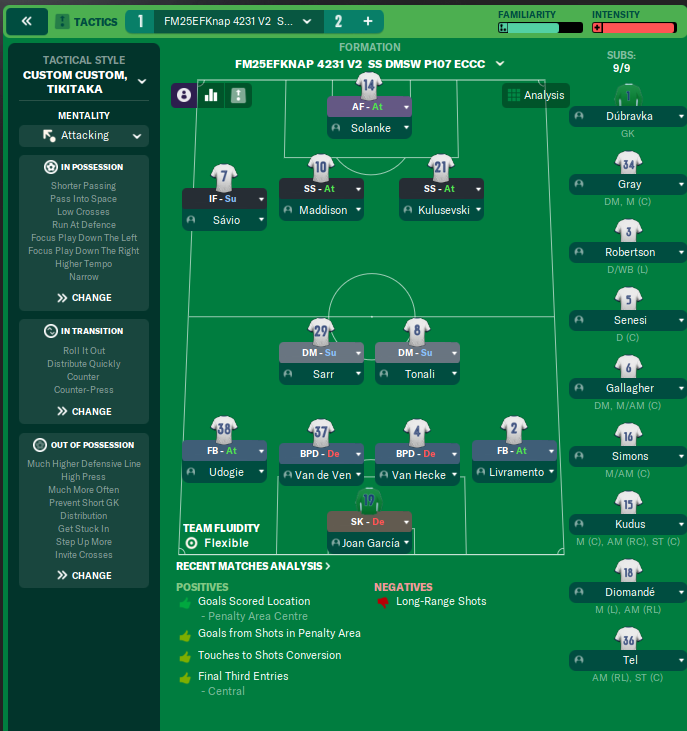
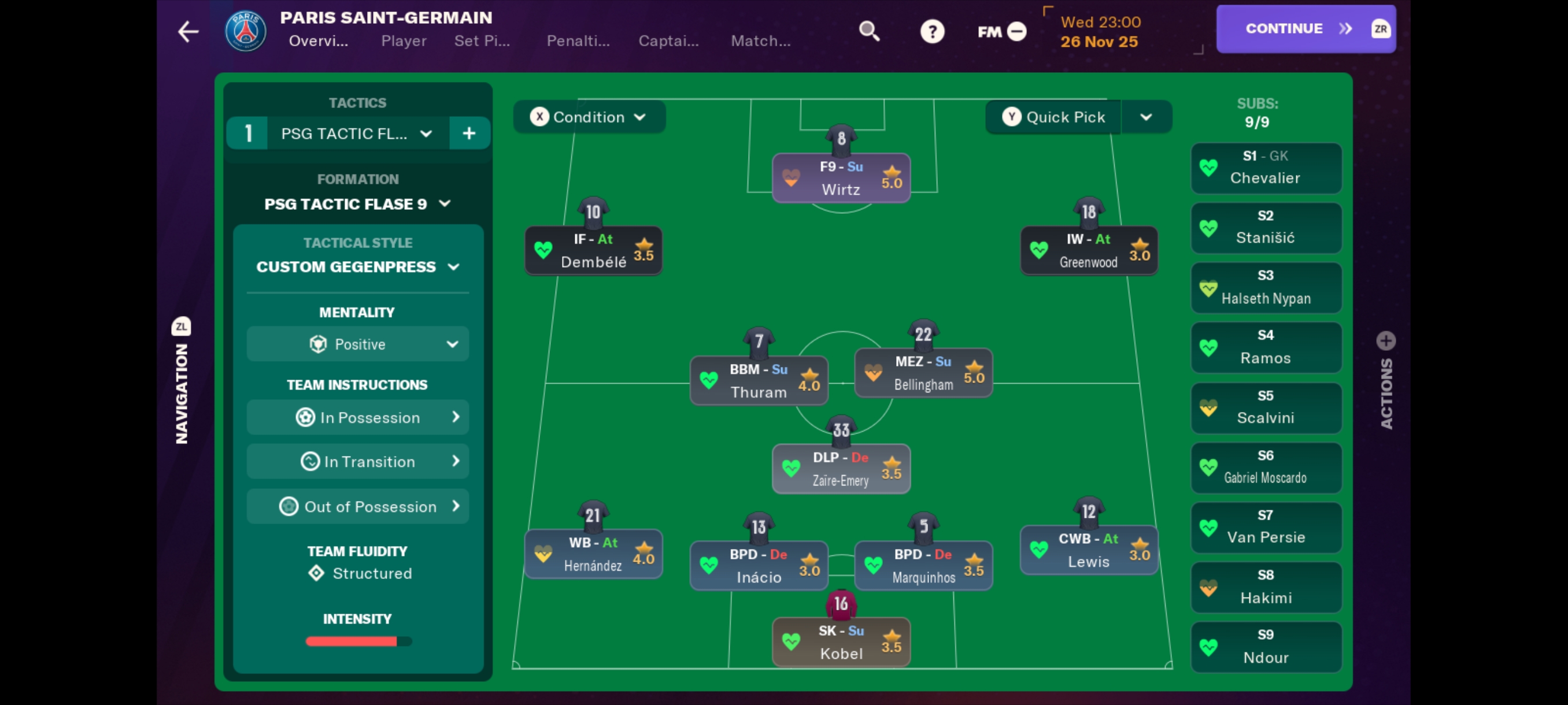
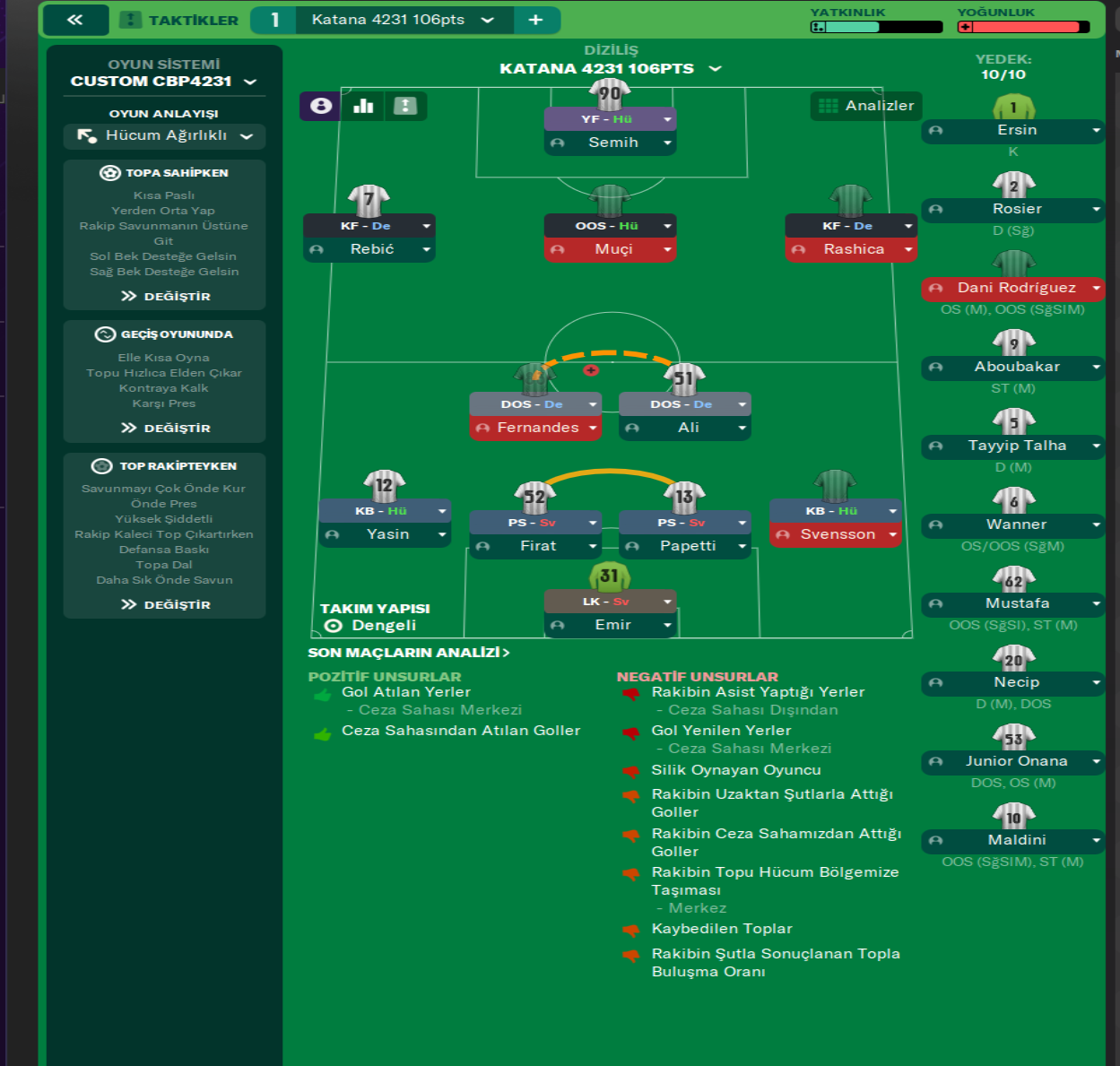
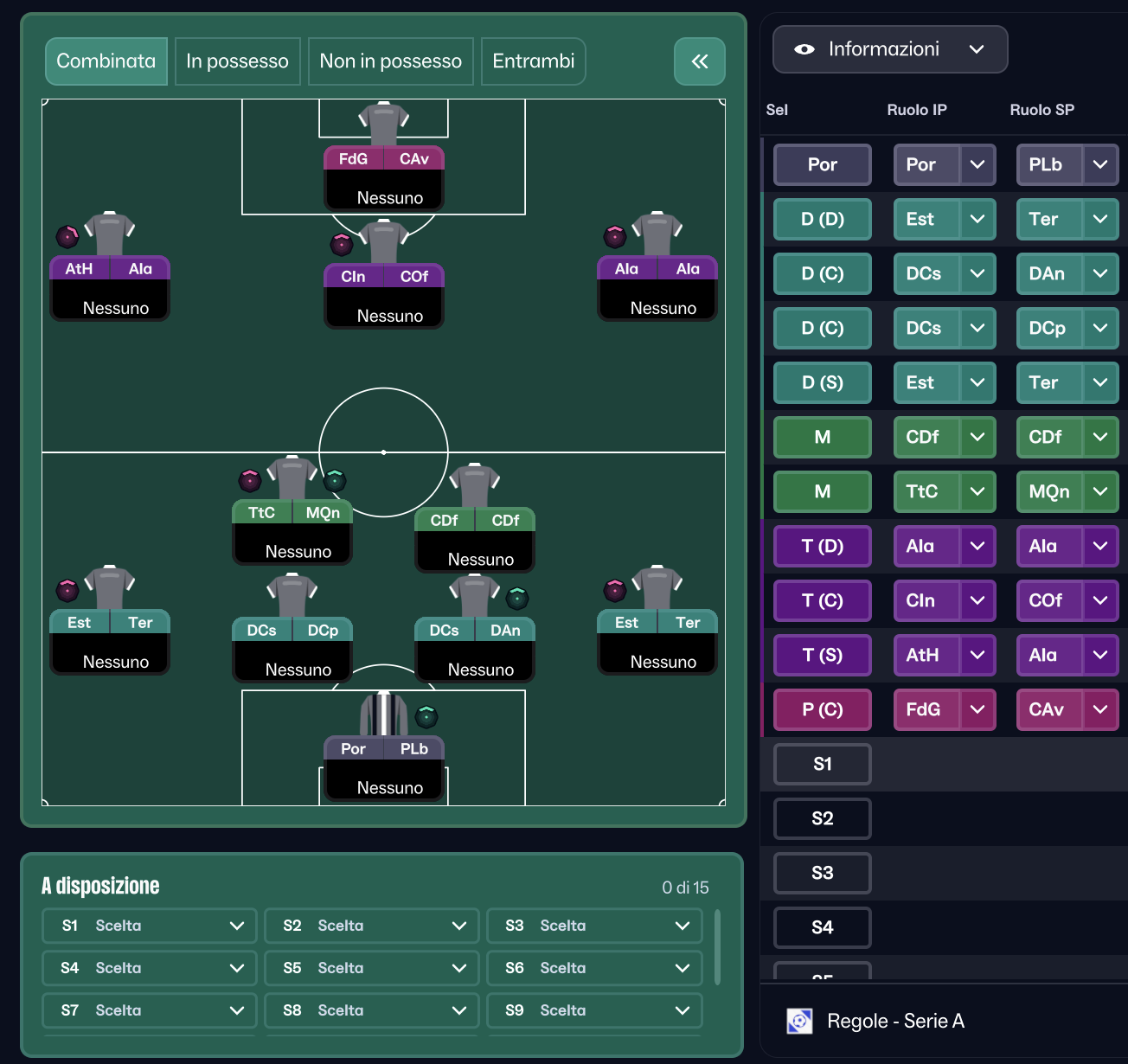
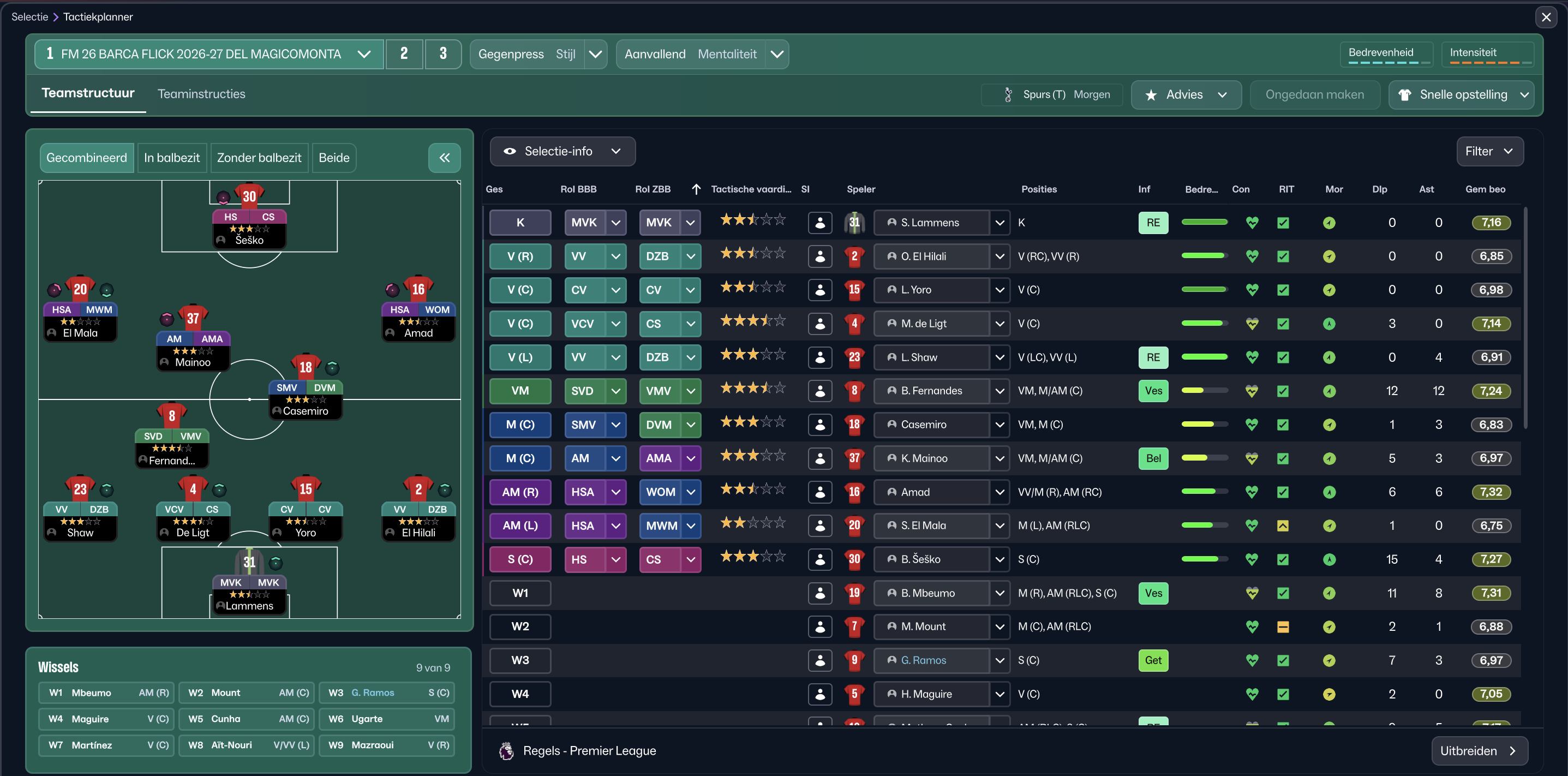
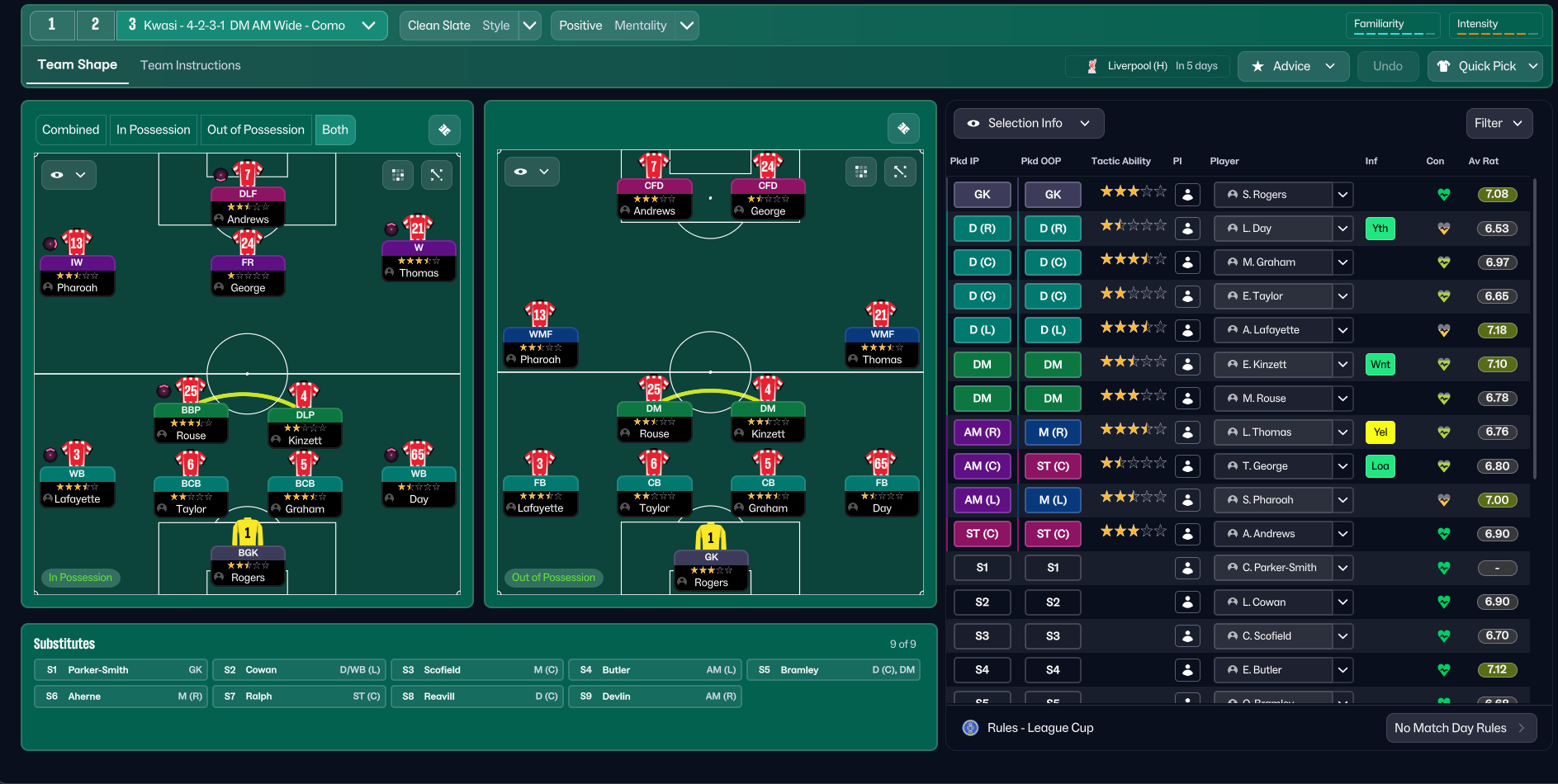
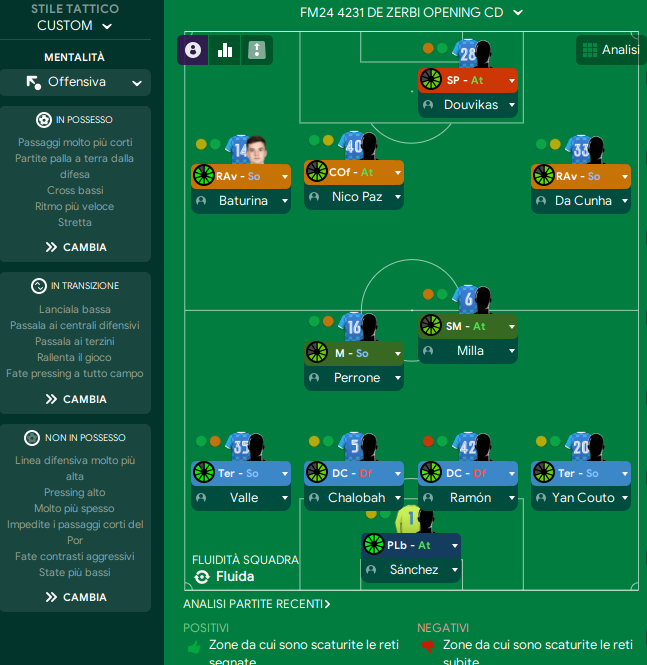
More Structured tactics
Guides for this formation
The tactical theory behind the 4-2-3-1: roles, instructions, and the trade-offs that decide whether the system holds up.
Player pairings
Midfield Pairs in 4-2-3-1 and 4-4-2
Double pivots and flat pairs in 4-2-3-1 and 4-4-2: when each pairing works, when it collapses, and the AMC unicorn that rescues both.
Read guide
Playing styles
Gegenpressing: A Full Guide
Klopp-style gegenpressing in FM, including squad profile, line-and-press pairing, sustainable workload, and the antipatterns to avoid.
Read guide