Uploaded Tactic
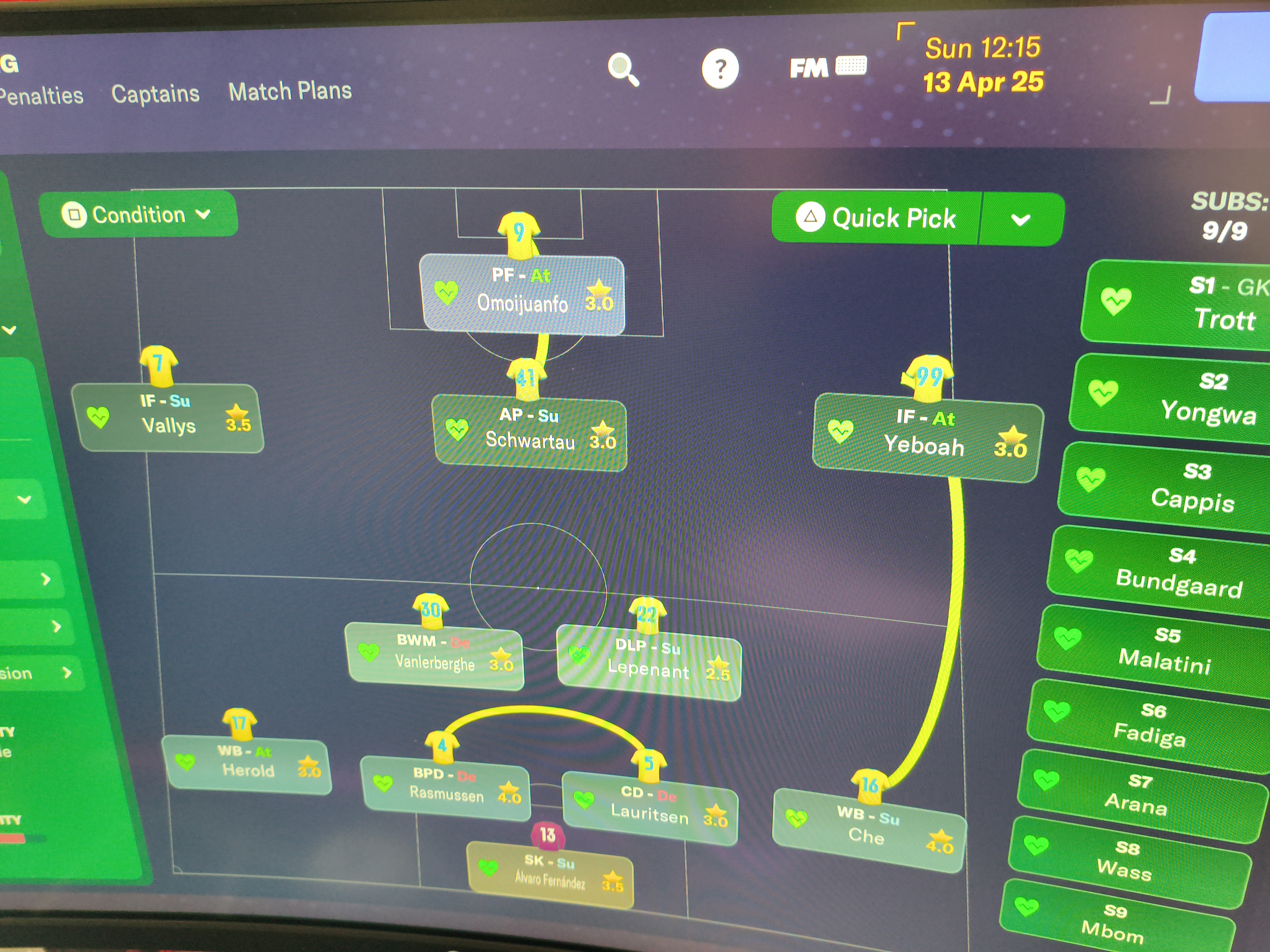
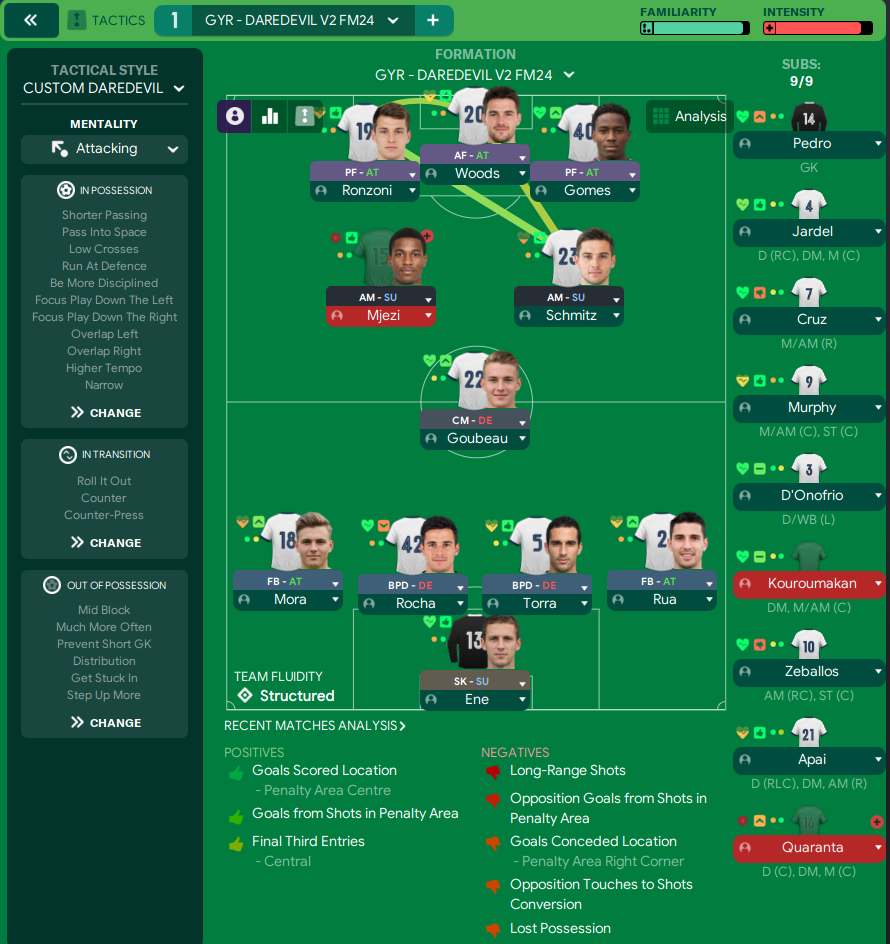
Formation & Style
Tactical Style:Balanced
Mentality:Positive
Formation:4-2-3-1
Team Fluidity:Structured
In Possession
Play out of defence
Work the ball into the box
Be more expressive
In Transition
Counter-press
Counter
Out of Possession
Higher defensive line
More urgent pressing
Team Shape Without Ball
Shape:Compact
Description:The team sets up compactly when out of possession, reducing space for the opposition while focusing on quick recovery.
Evidence:Higher defensive line and more urgent pressing tactics.
Team Shape With Ball
Shape:Fluid
Description:With wing-backs pushing high and midfielders interchanging positions, the shape becomes fluid, making it hard for opposition to predict.
Evidence:Inside forwards cutting in and a pressing forward leading the line.
Phase Description
Attacking Play
Transitioning quickly from defence with a focus on creating intricate plays through the middle, utilizing the advanced playmaker.
Defensive Transition
Counter-pressing to regain possession rapidly upon losing the ball, aiming to prevent counter-attacks from the opposition.
Main Focus
Exploit width through the wing-backs while maintaining a central threat with the advanced playmaker.
Key Strengths
Effective Wing Play
The wing-backs provide width and crossing opportunities, stretching the opposition's defensive shape.
Dynamic Midfield Pairing
The combination of a BWM and a DLP allows for a strong transition both defensively and offensively.
Attacking Depth
Having two inside forwards and a pressing forward increases the unpredictability of the attack.
Conflicting Directions
High Defensive Line with Urgent Pressing
Could leave gaps that fast attacking teams may exploit, especially against pacey forwards.
Fluid Movement vs. Structure
If players do not maintain structured positions, it may lead to disorganization during counter-attacks.
Wing-Backs’ Defensive Contribution
Aggressive wing play could leave flanks vulnerable when possession is lost.
Tactical Suggestions
Consider Alternating Wing Duties
Adjust one wing-back to a Support duty to maintain balance while ensuring defensive solidity.
Maintain Compactness
Encourage players to remain compact in defensive transition to cover against counter-attacks.
Develop Set-Piece Strategies
Utilize the height of the centre-backs for both offensive and defensive situations during set-pieces.
Ask Questions About Your Lineup
Related Tactics
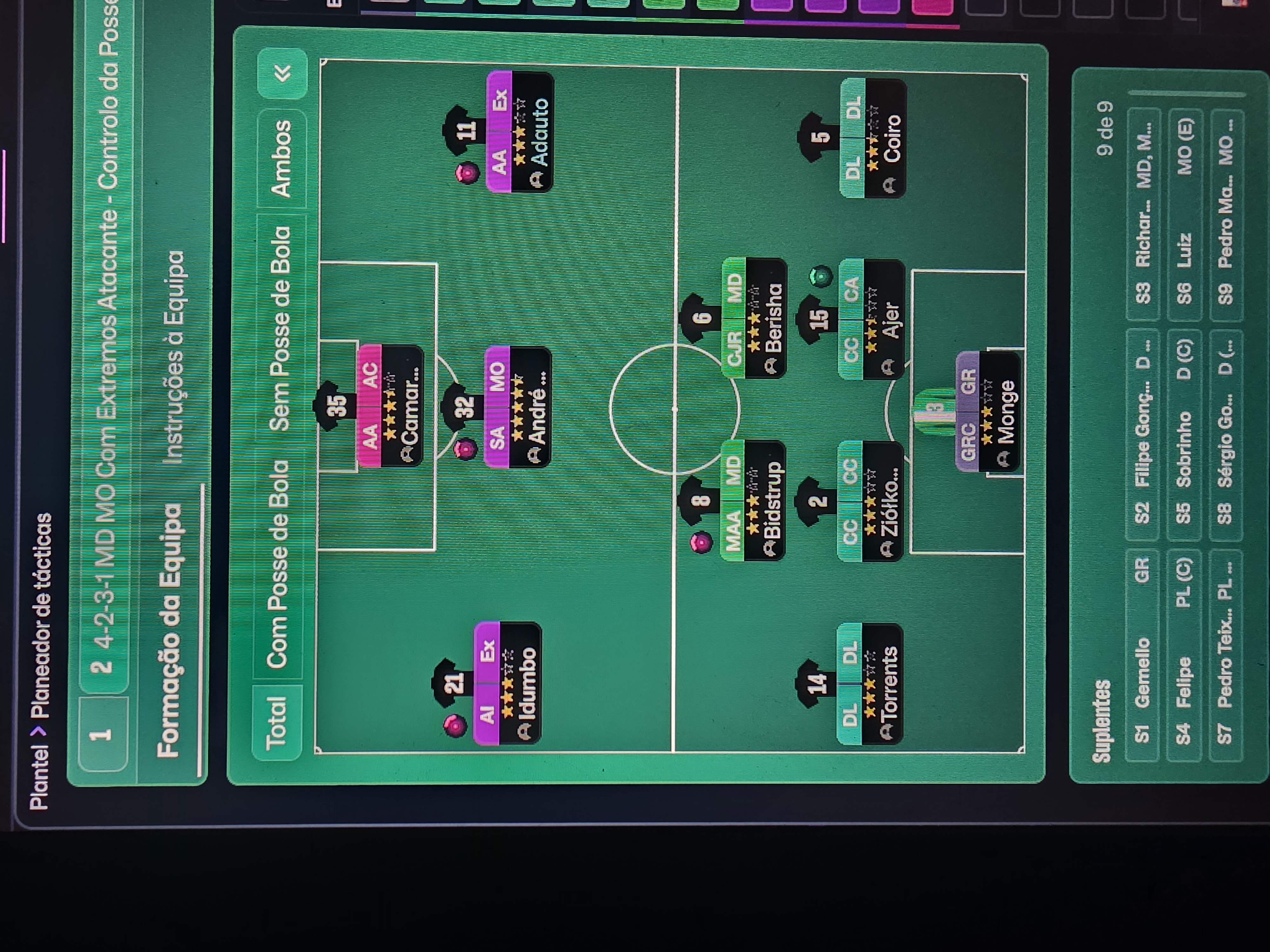
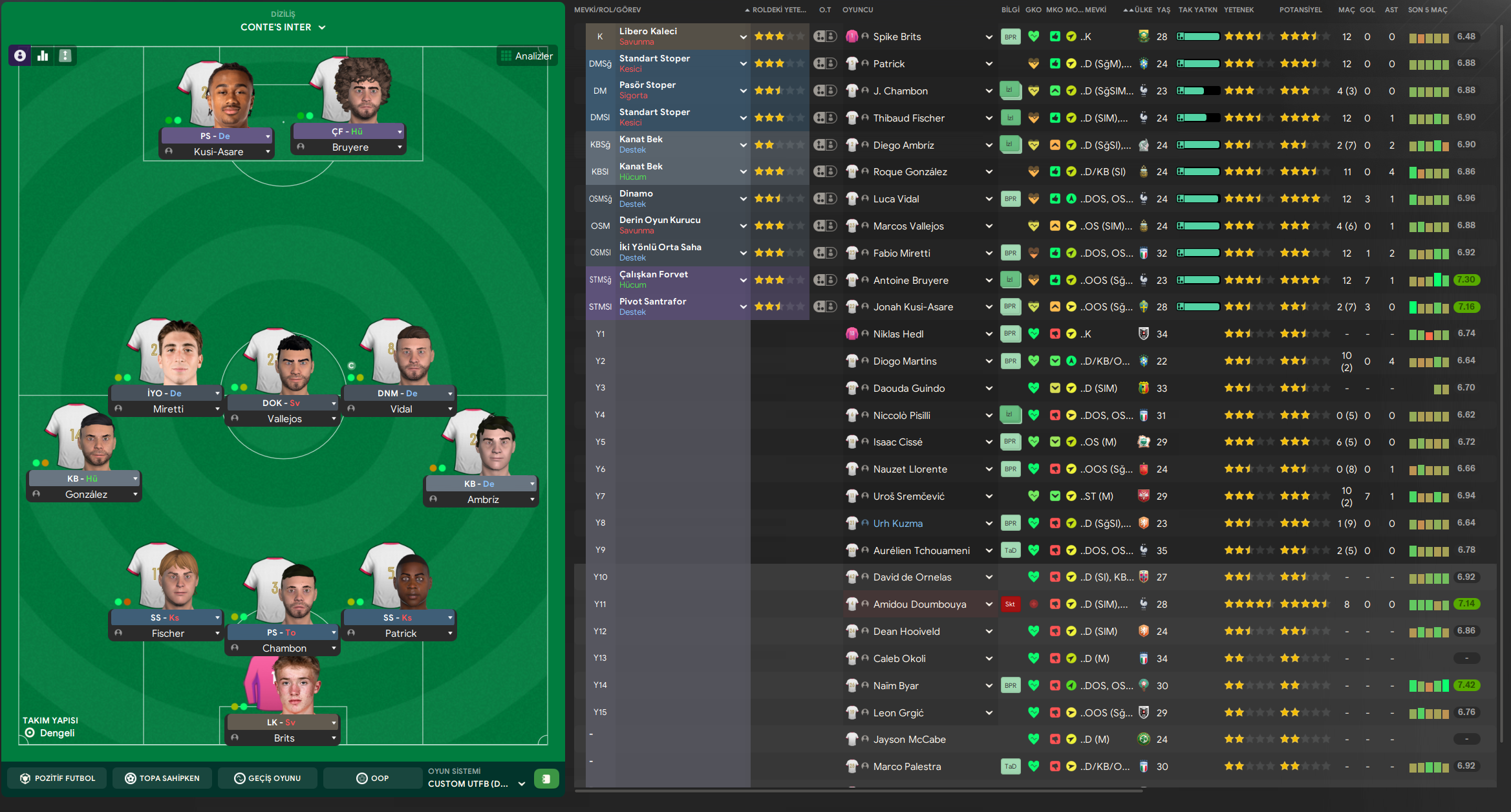
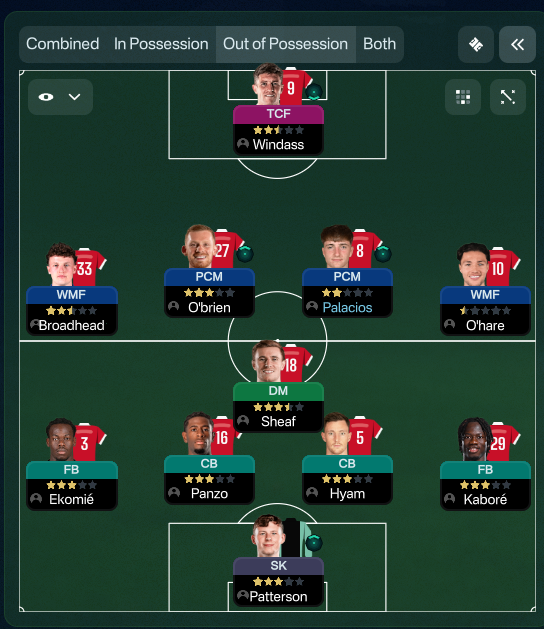
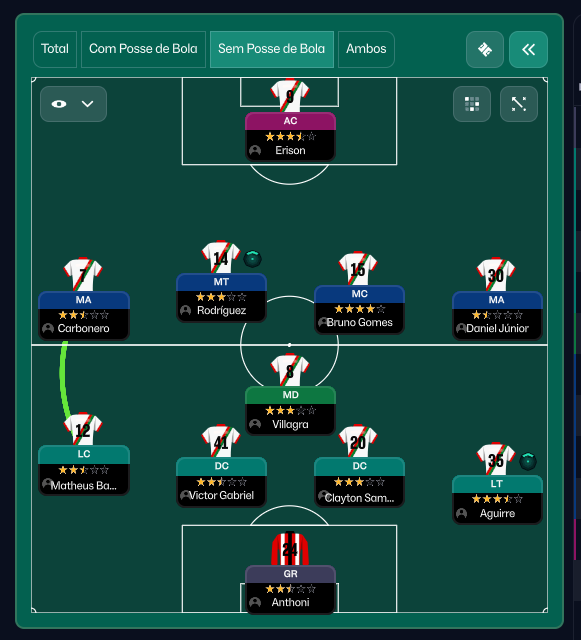
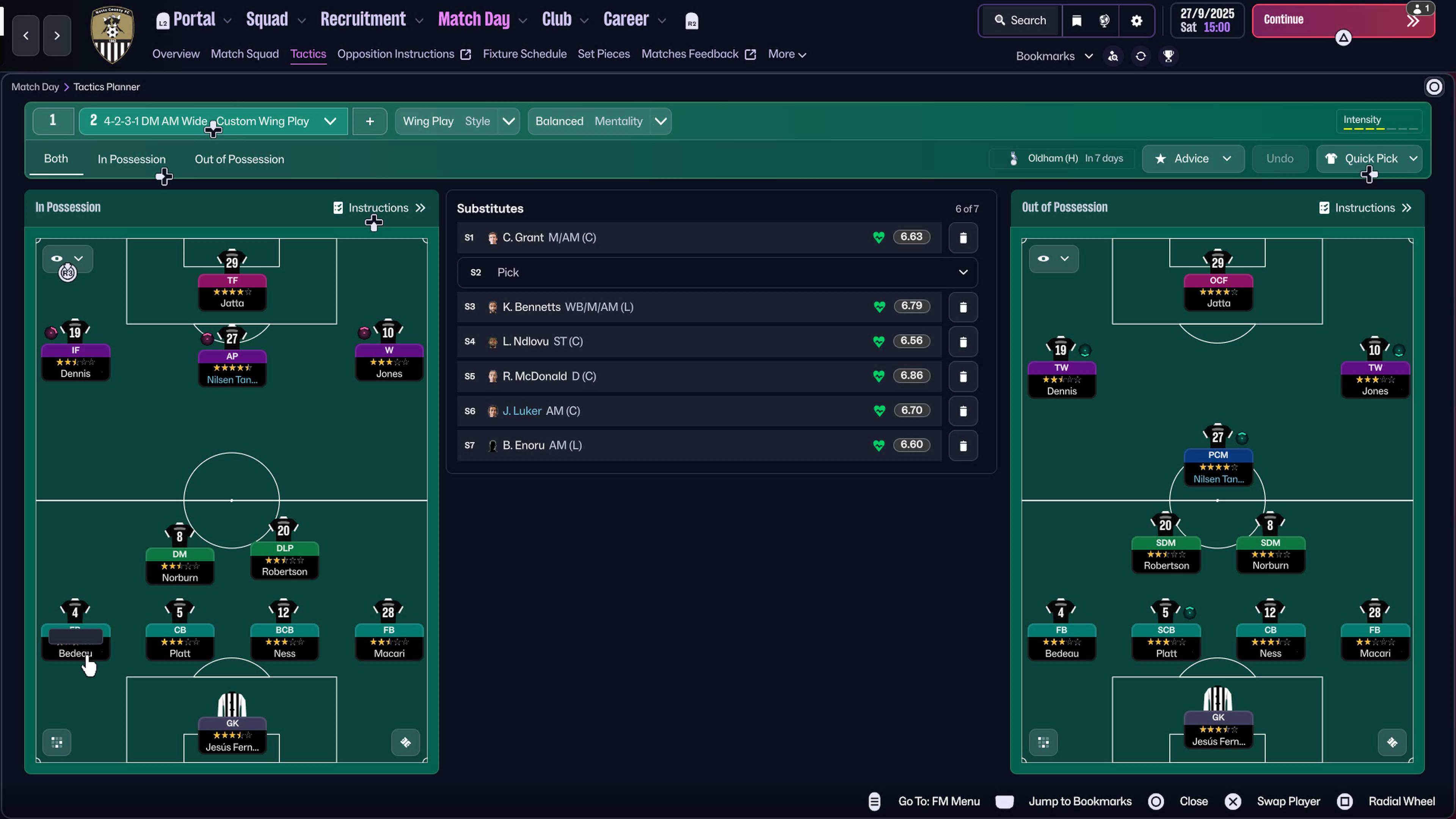
Guides for this formation
The tactical theory behind the 4-2-3-1: roles, instructions, and the trade-offs that decide whether the system holds up.
Player pairings
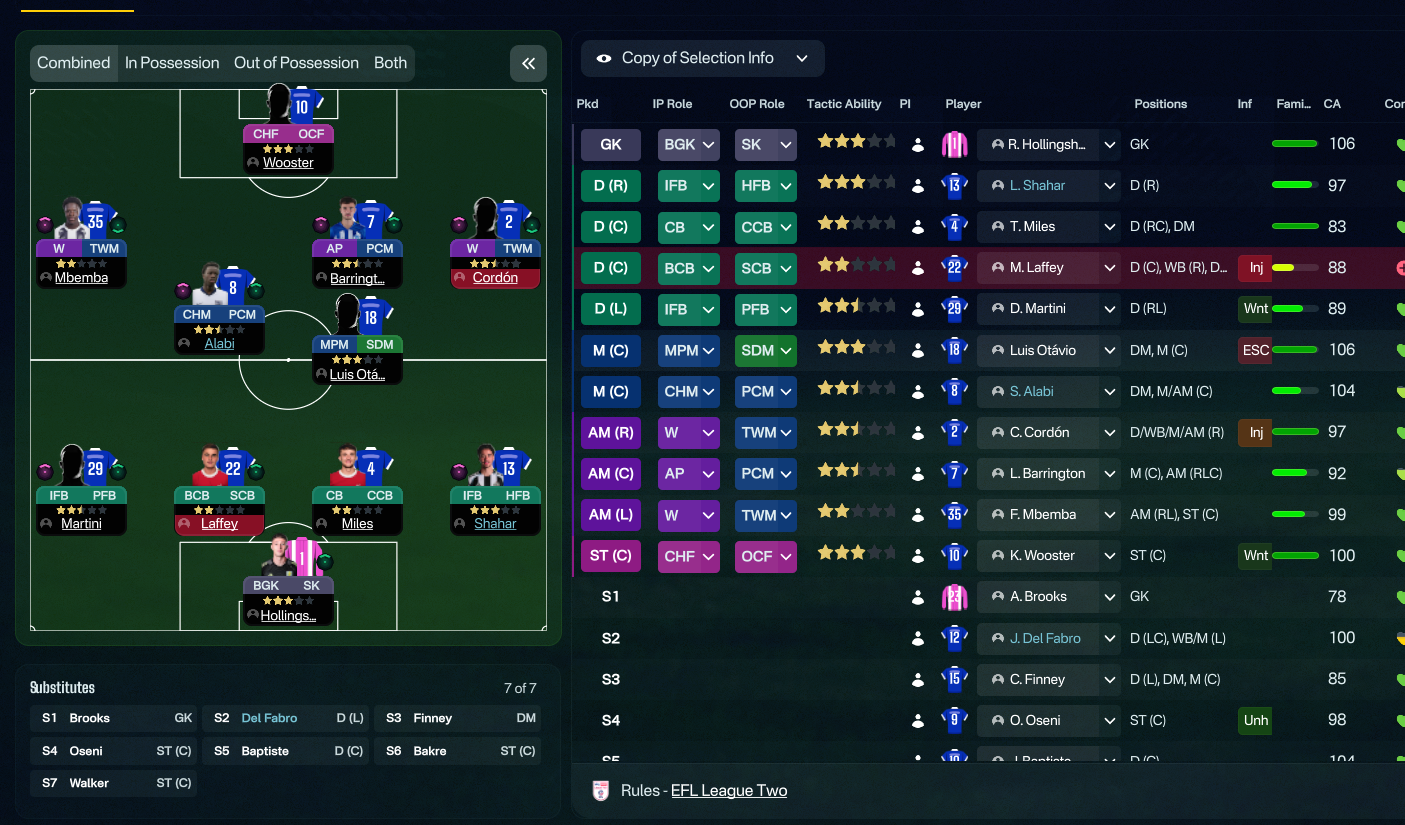
Midfield Pairs in 4-2-3-1 and 4-4-2
Double pivots and flat pairs in 4-2-3-1 and 4-4-2: when each pairing works, when it collapses, and the AMC unicorn that rescues both.
Read guide
Playing styles
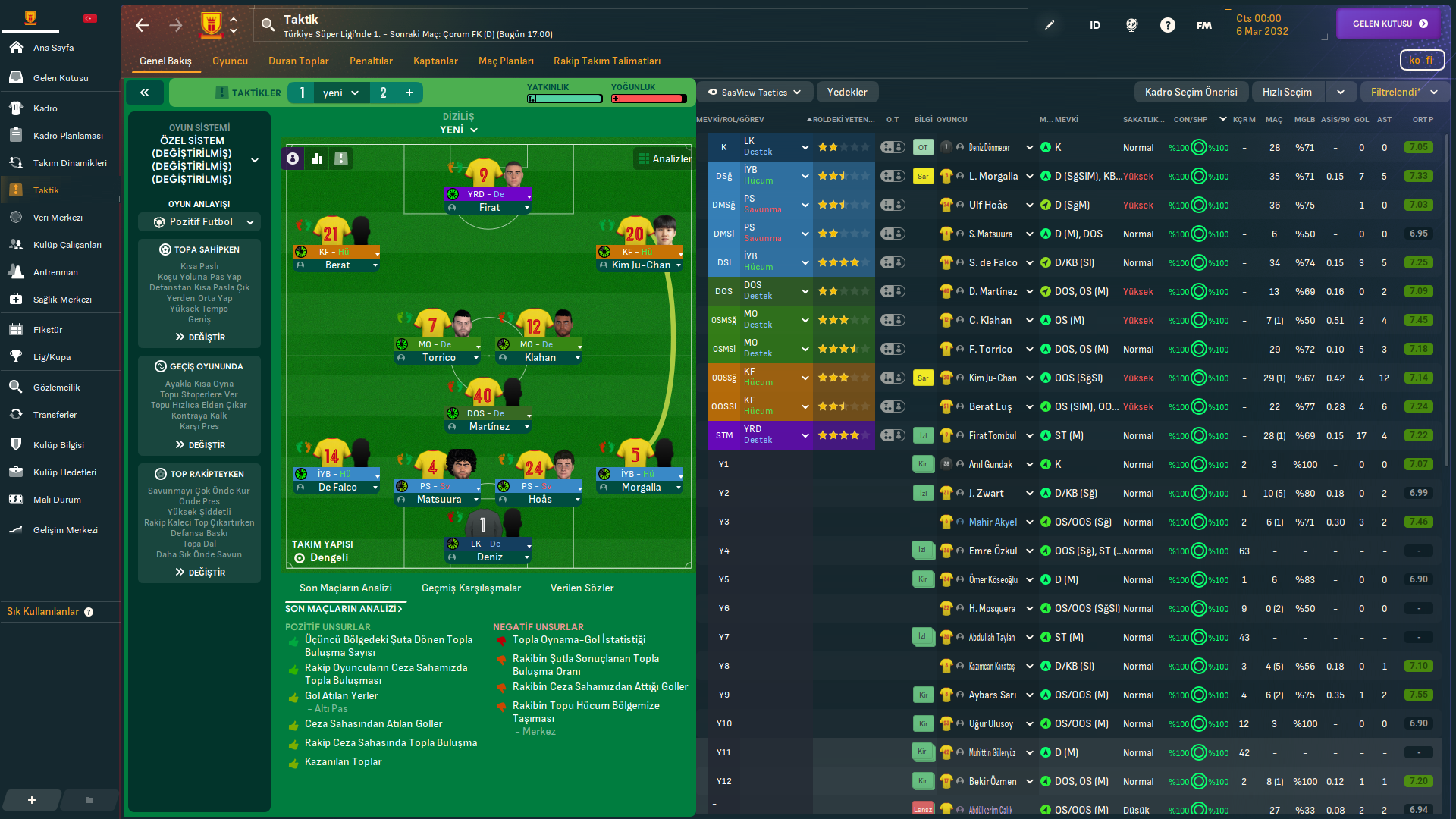
Gegenpressing: A Full Guide
Klopp-style gegenpressing in FM, including squad profile, line-and-press pairing, sustainable workload, and the antipatterns to avoid.
Read guide