Uploaded Tactic
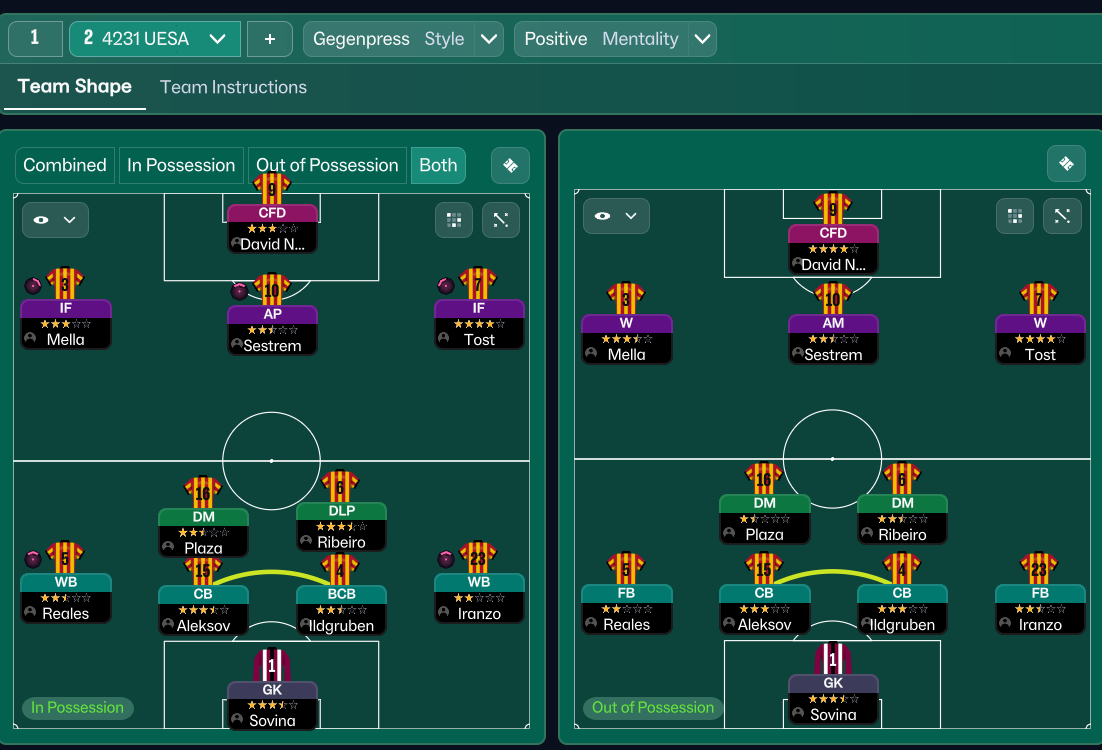
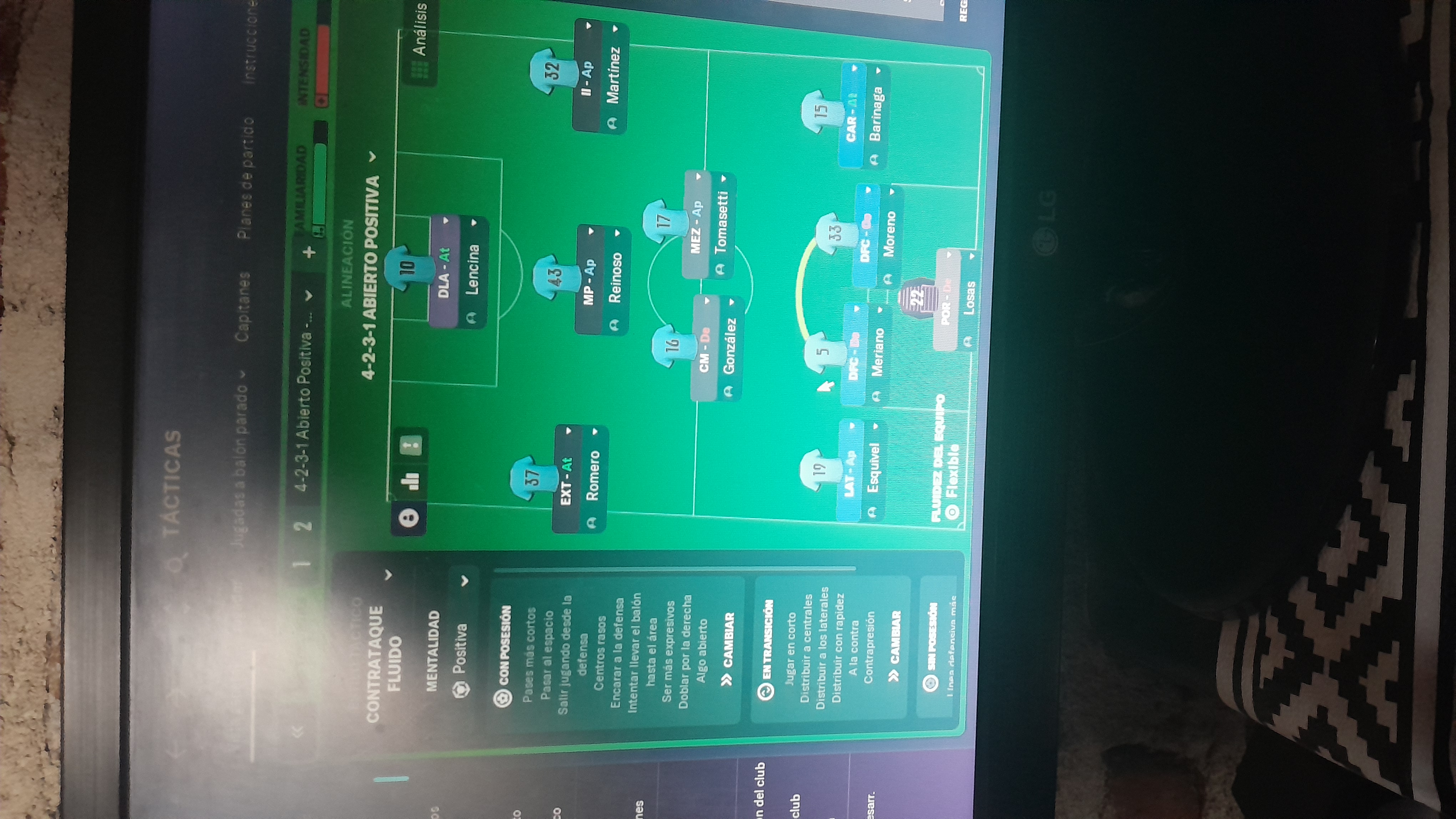
Formation & Style
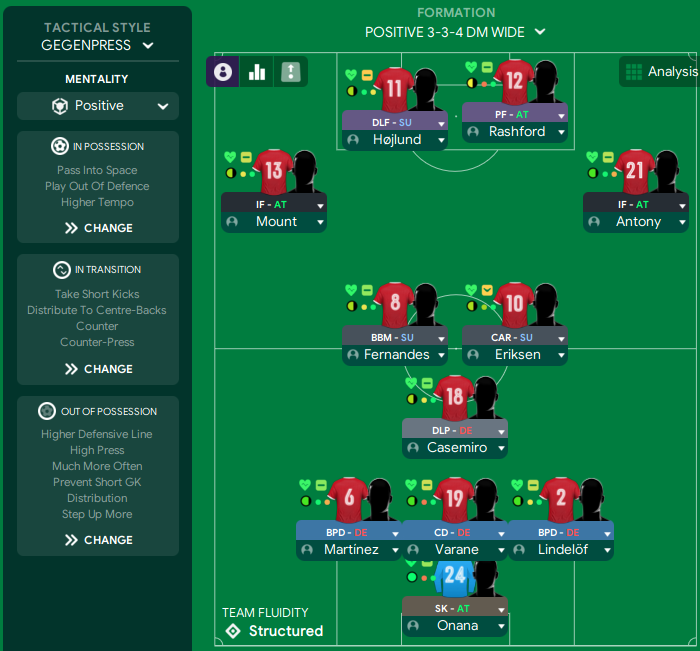
Tactical Style:Gegenpress
Mentality:Positive
Formation:4-2-3-1
Team Fluidity:Structured
In Possession
Play Out of Defence
Work Ball Into Box
Focus Play Through Middle
Run At Defence
In Transition
Counter Press
Counter
Out of Possession
Higher Defensive Line
Higher Line of Engagement
Prevent Short GK Distribution
Trigger Press More Often
Team Shape Without Ball
Shape:4-2
Description:A flat back four with two defensive midfielders pressing opponents.
Evidence:DM at [3,2] and DLP at [3,3] supporting the CBs.
Team Shape With Ball
Shape:3-2-1
Description:Three attacking players combining with the CF and supporting play.
Evidence:IFs at [6,1] and [6,2], with an AP at [5,3] behind the CF.
Phase Description
Attacking Play
Quick transitions prioritized through central play and individual dribbles.
Defensive Transition
Immediate counter-pressing to win back possession.
Main Focus
Aggressively winning the ball back and exploiting spaces quickly.
Key Strengths
Fluid Attacking Movement
The use of Inside Forwards and an Advanced Playmaker creates overloads in central areas, leading to numerous goal-scoring opportunities.
Defensive Solidity
A strong defensive line featuring a Ball-Playing Defender allows for both recovery and build-up from the back.
High Pressing Game
Effective gegenpressing tactics make it challenging for opponents to build from the back.
Conflicting Directions
Over-reliance on Width
With two Wingers and overlapping Full-Backs, the gameplay may become predictable, especially if the middle is congested.
Transition Vulnerabilities
Aggressive pressing may leave gaps at the back during failed attacks, exposing the defence.
Midfield Exposure
A double pivot requires proactive support from the full-backs to avoid isolation when possession is lost.
Tactical Suggestions
Enhance Midfield Support
Consider a more dynamic role for one of the midfielders, such as a Box-to-Box Midfielder, to assist in transitions.
Adjust Width Settings
Consider narrowing the focus on attacking to exploit midfield spaces instead of forcing wide play.
Manage Pressing Intensity
Adjusting the pressing intensity may help in conserving energy during matches.
Ask Questions About Your Lineup
Related Tactics
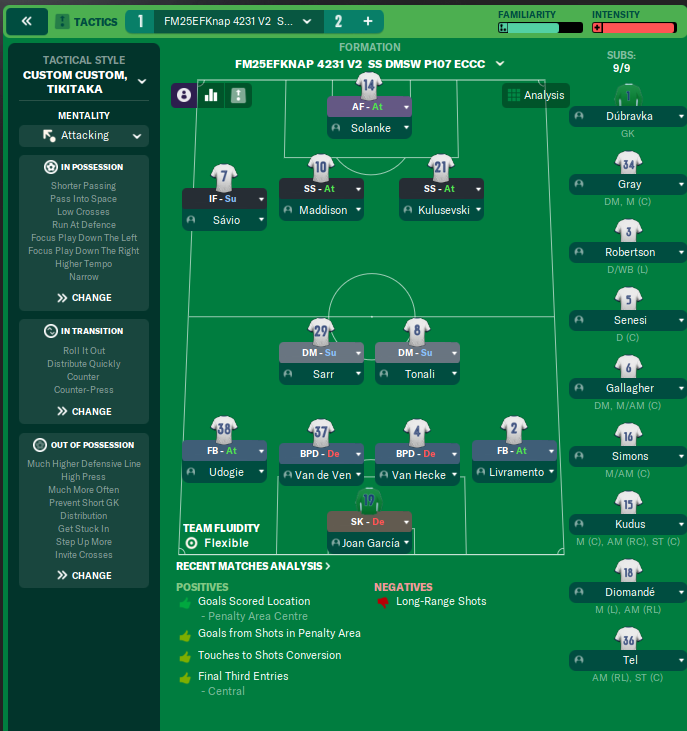
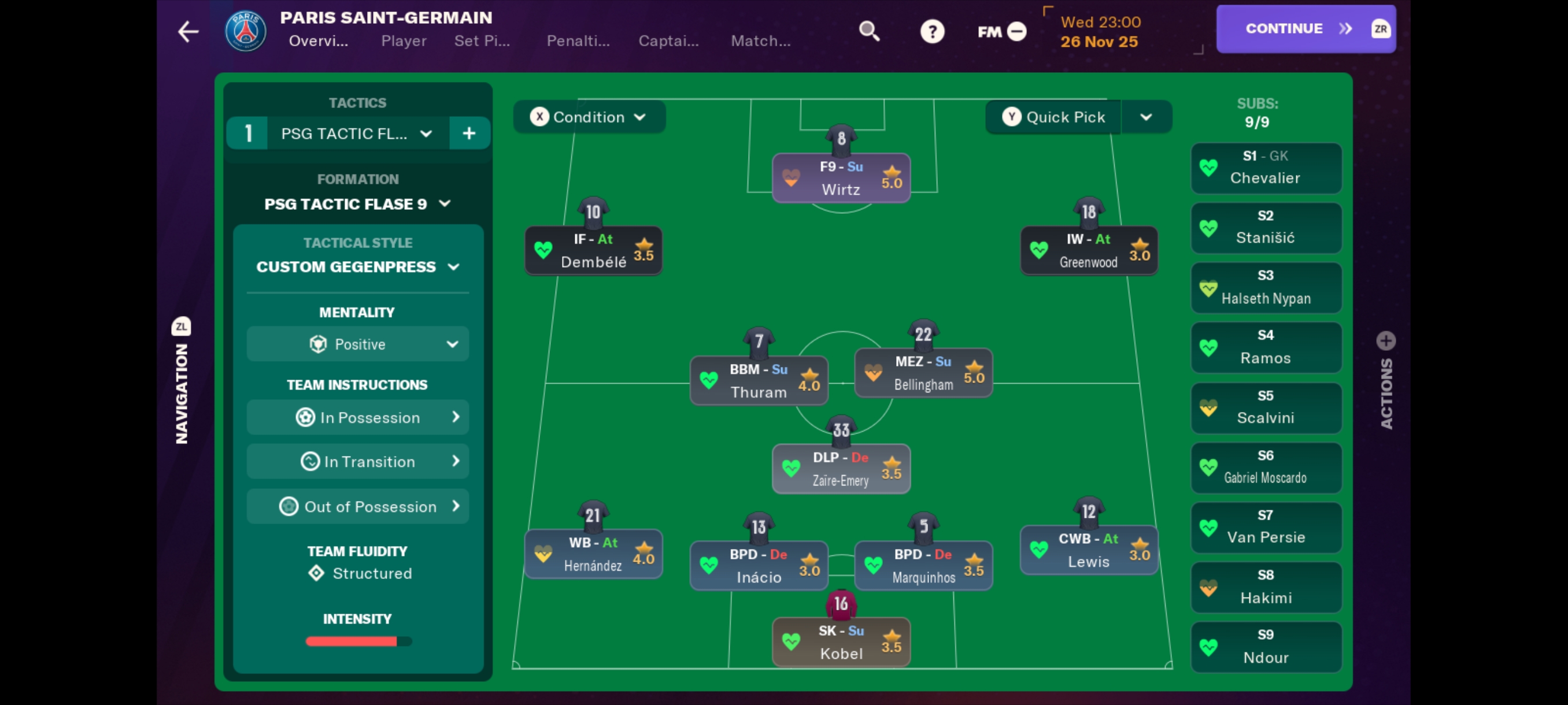
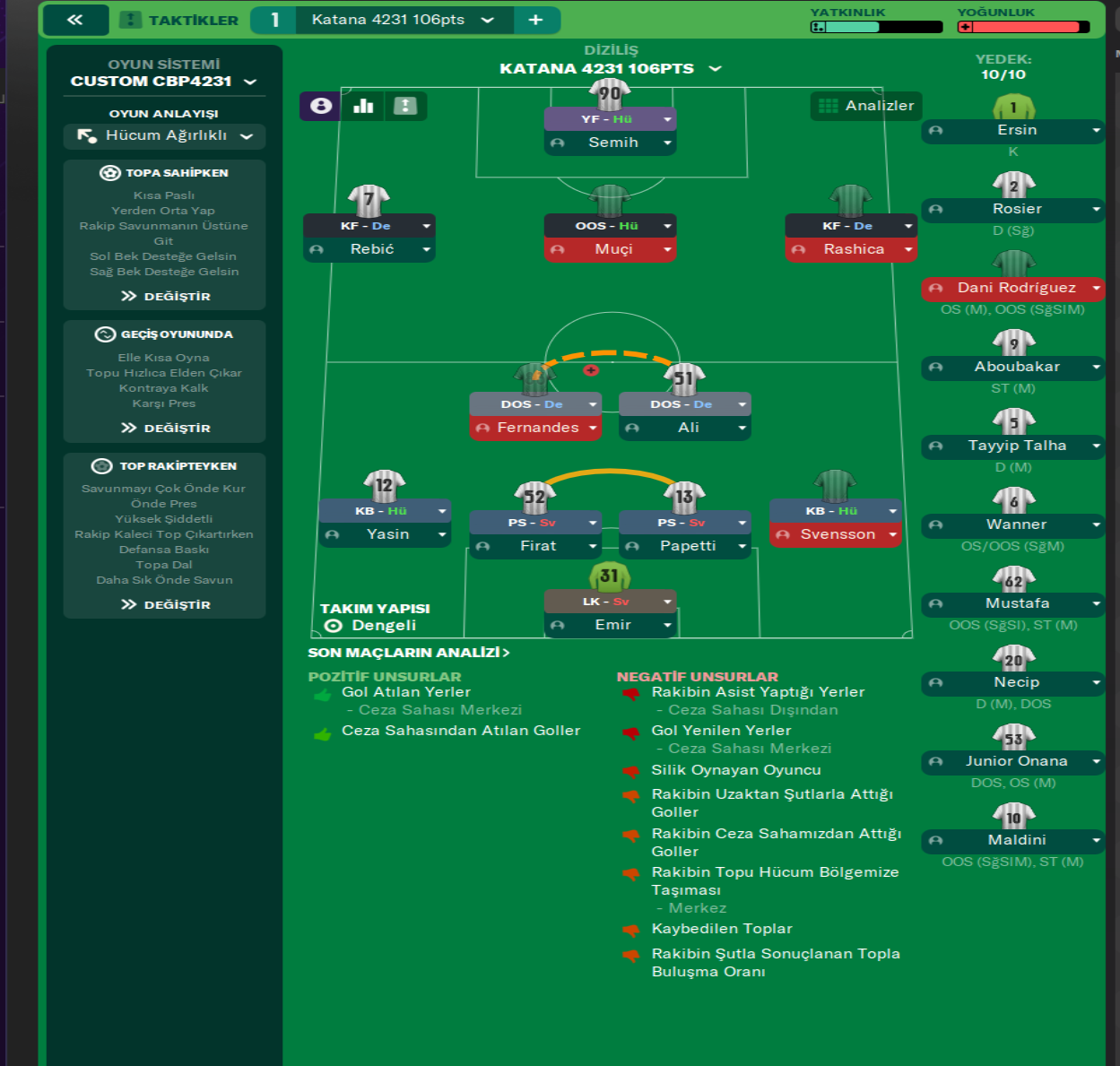
More Gegenpress tactics
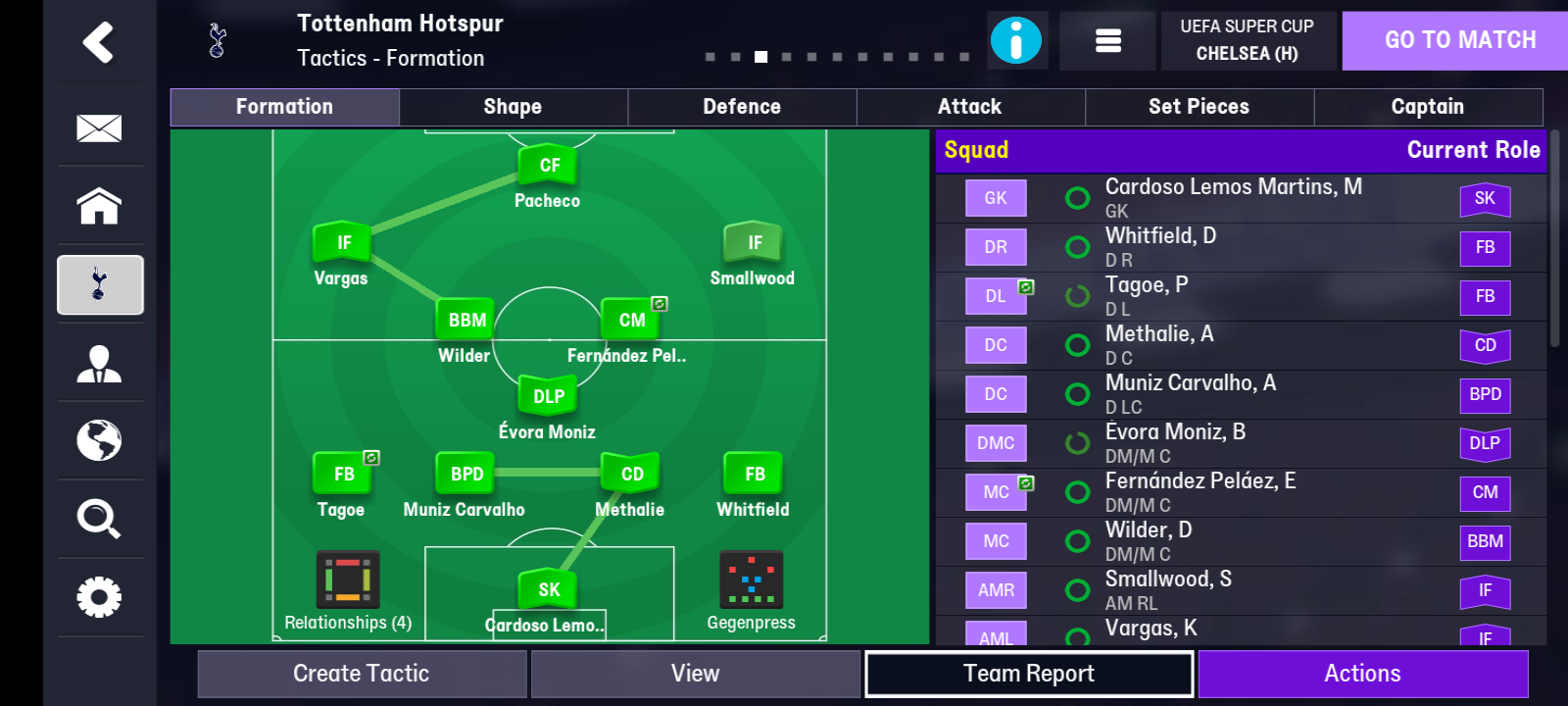
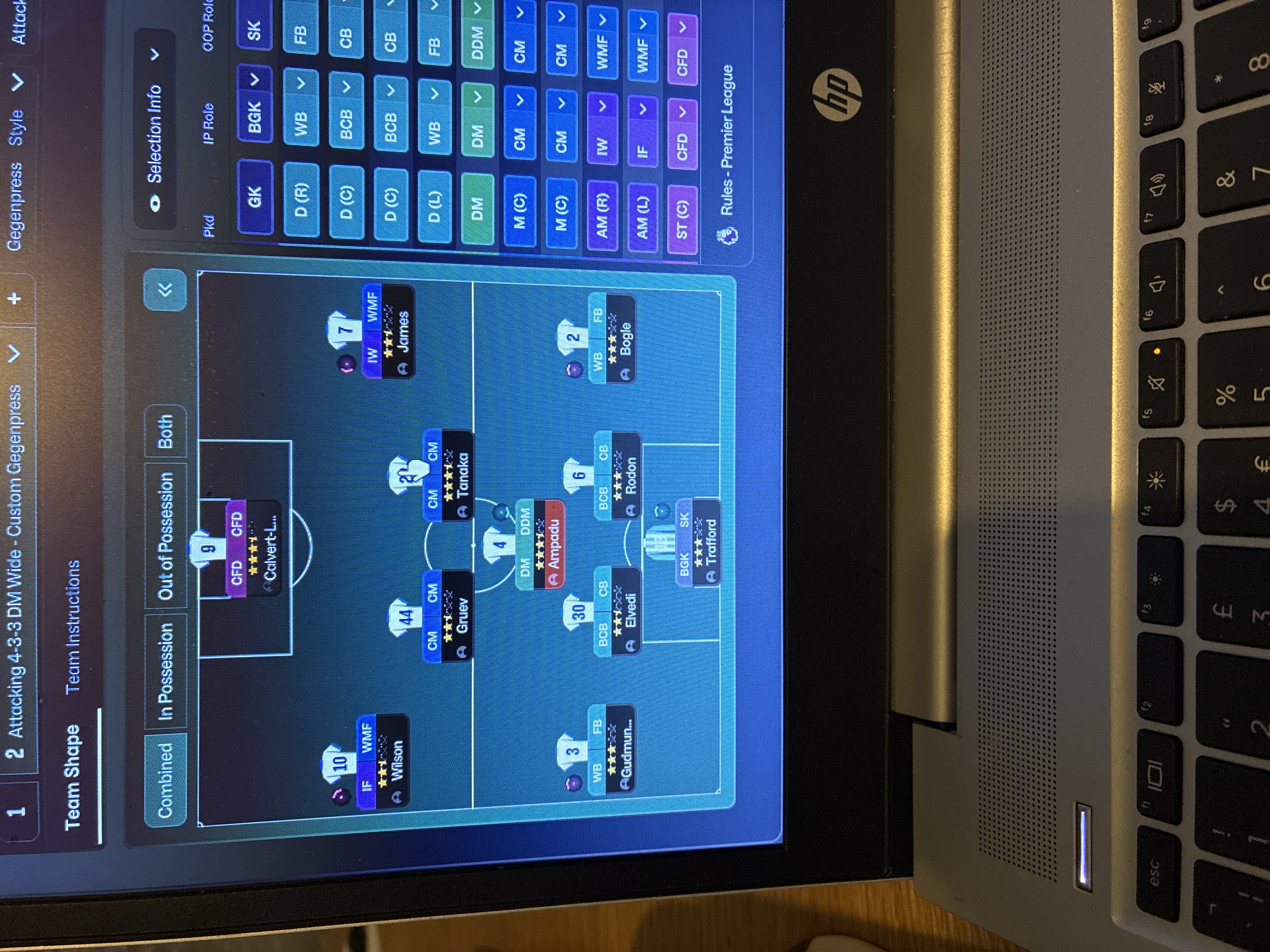
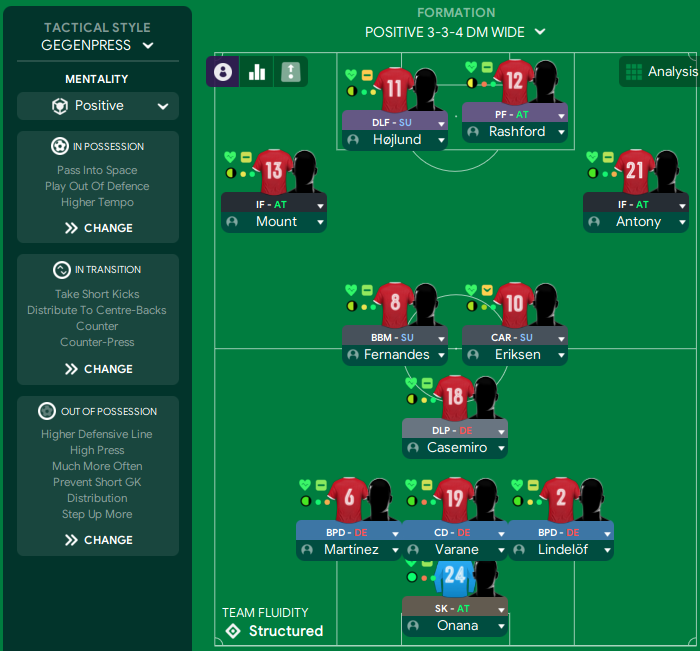
Guides for this formation
The tactical theory behind the 4-2-3-1: roles, instructions, and the trade-offs that decide whether the system holds up.
Player pairings
Midfield Pairs in 4-2-3-1 and 4-4-2
Double pivots and flat pairs in 4-2-3-1 and 4-4-2: when each pairing works, when it collapses, and the AMC unicorn that rescues both.
Read guide
Playing styles
Gegenpressing: A Full Guide
Klopp-style gegenpressing in FM, including squad profile, line-and-press pairing, sustainable workload, and the antipatterns to avoid.
Read guide