Uploaded Tactic
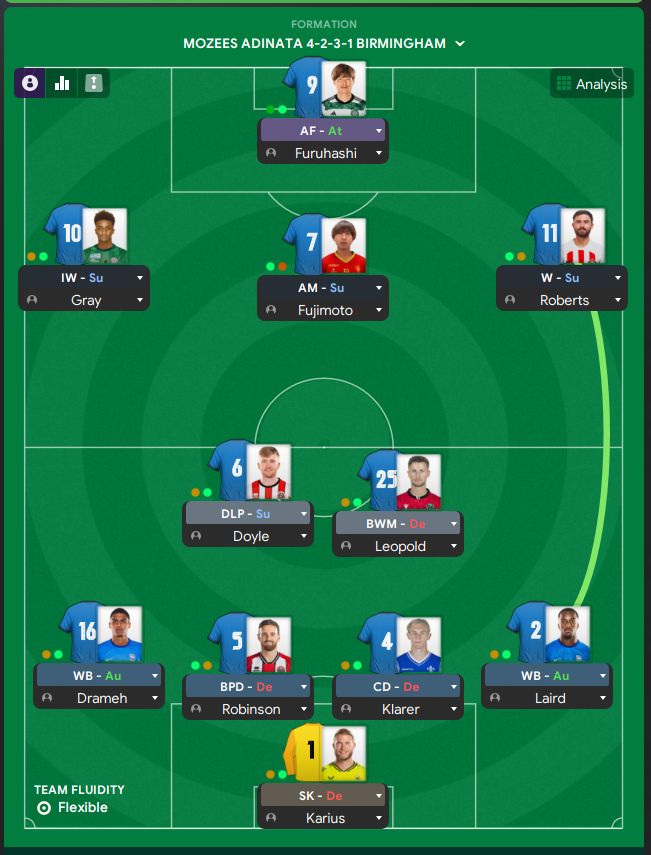
Formation & Style
Tactical Style:Balanced
Mentality:Positive
Formation:4-2-3-1
Team Fluidity:Flexible
In Possession
Focus on attacking through the wings
Quick transitions using full-backs
Utilize advanced forward to create space
In Transition
Counter-attack quickly upon regaining possession
Medium pressing intensity
Maintain shape when losing the ball
Out of Possession
Press from the front
Defend compactly
Utilize a mid-block structure
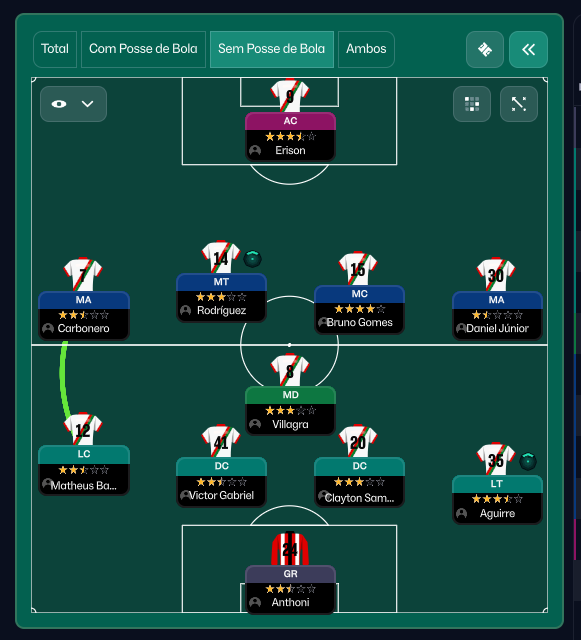
Team Shape Without Ball
Shape:4-2-3-1
Description:Team maintains a structured 4-2-3-1 formation defensively, with midfielders providing support.
Evidence:BWM at [4,2] and DLP at [3,3] create a solid two-man midfield.
Team Shape With Ball
Shape:4-2-3-1
Description:Fluid attacking shape with wingers and an advanced forward creating space for midfielders to exploit.
Evidence:IW at [6,1], AM at [6,3], and W at [6,5] provide width and depth.
Phase Description
Attacking Play
Utilizing width through wing-backs and inside wingers to stretch the opponent's defense.
Defensive Transition
Pressing quickly to regain possession, focused on preventing counter-attacks.
Main Focus
Creating goal-scoring opportunities through combination play in the attacking third.
Key Strengths
Strong Wing Play
Utilization of wing-backs and inside wingers allows for effective width in attack.
Midfield Control
Combination of DLP and BWM facilitates both defensive stability and ball progression.
Dynamic Forward Line
The advanced forward creates channels for oncoming midfielders and wingers.
Conflicting Directions
Pressing Intensity
Mid-block pressing may not fully exploit the defensive frailties of opponents.
Defending Width
With wing-backs pushed high, potential vulnerability exists on the flanks.
Countering Aggressive Play
May struggle to retain shape against teams that press aggressively.
Tactical Suggestions
Adjust Pressing Strategy
Consider a higher defensive block with more frequent pressing to capitalize on turnovers.
Increase Defensive Cover
Adjust wing-backs to a more balanced duty when facing stronger attacking opponents.
Utilize Counter-Attack Opportunities
Incorporate quick transitions to exploit vulnerable defenses when regaining possession.
Ask Questions About Your Lineup
Related Tactics
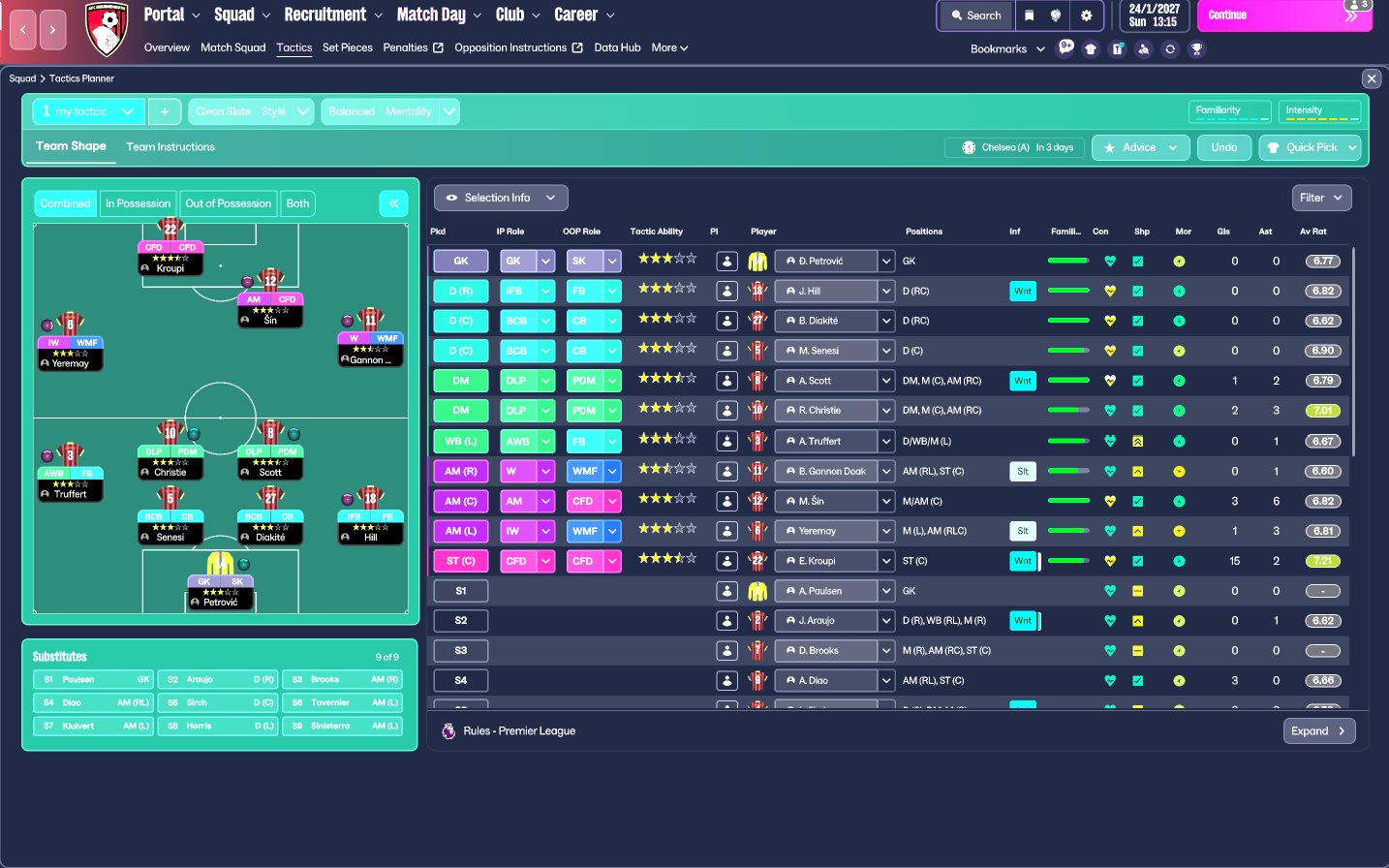
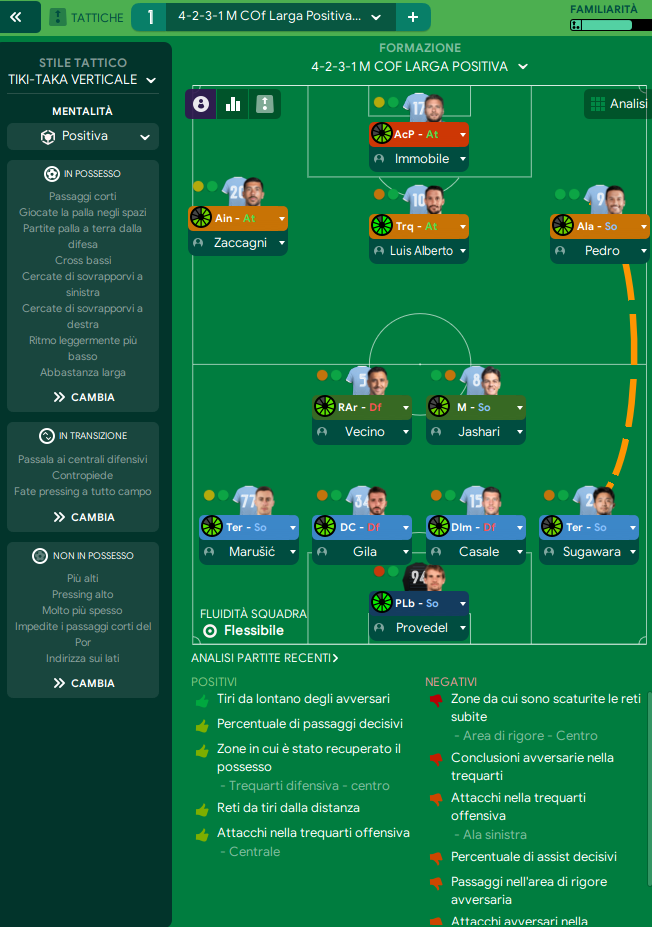
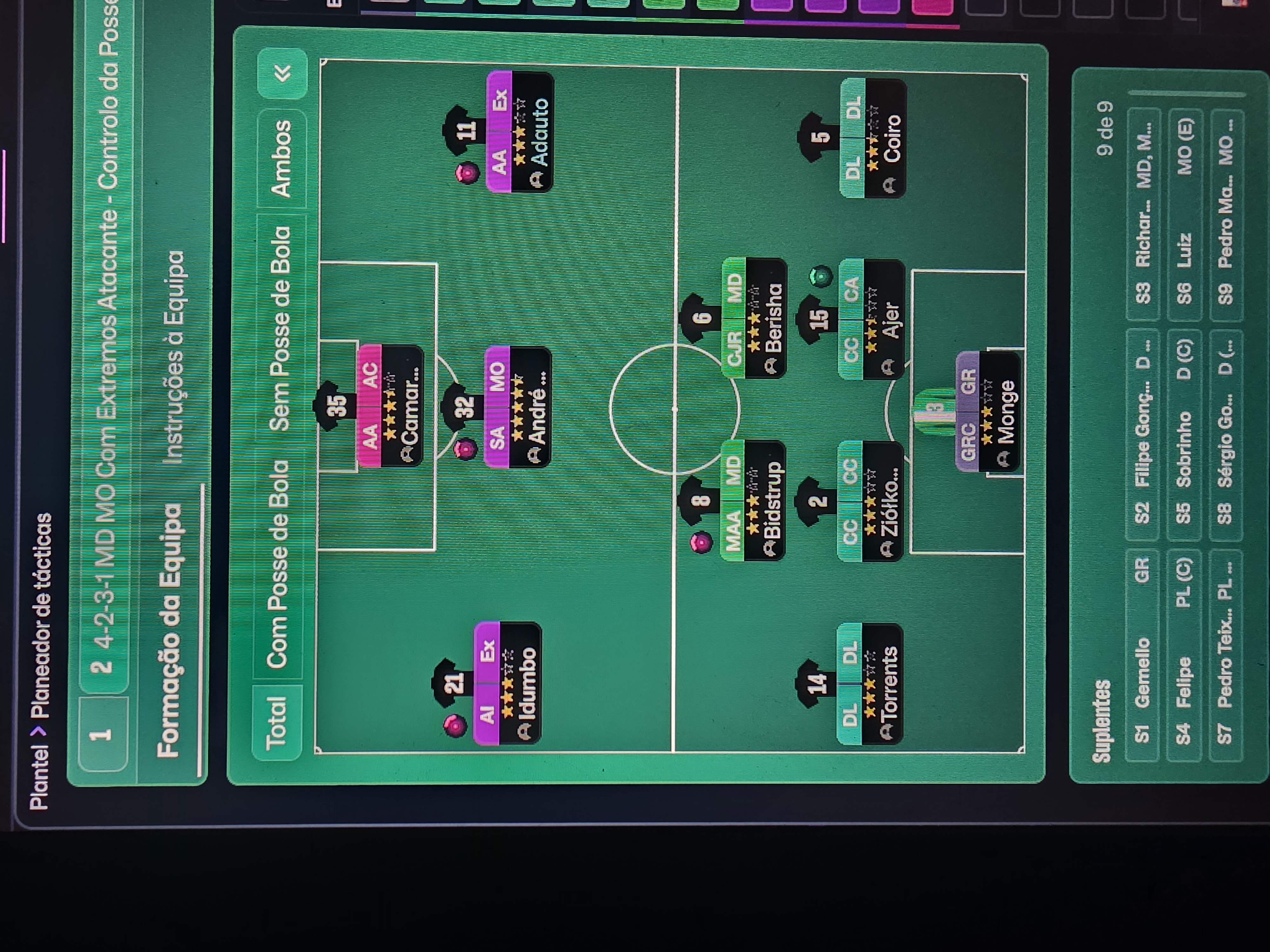
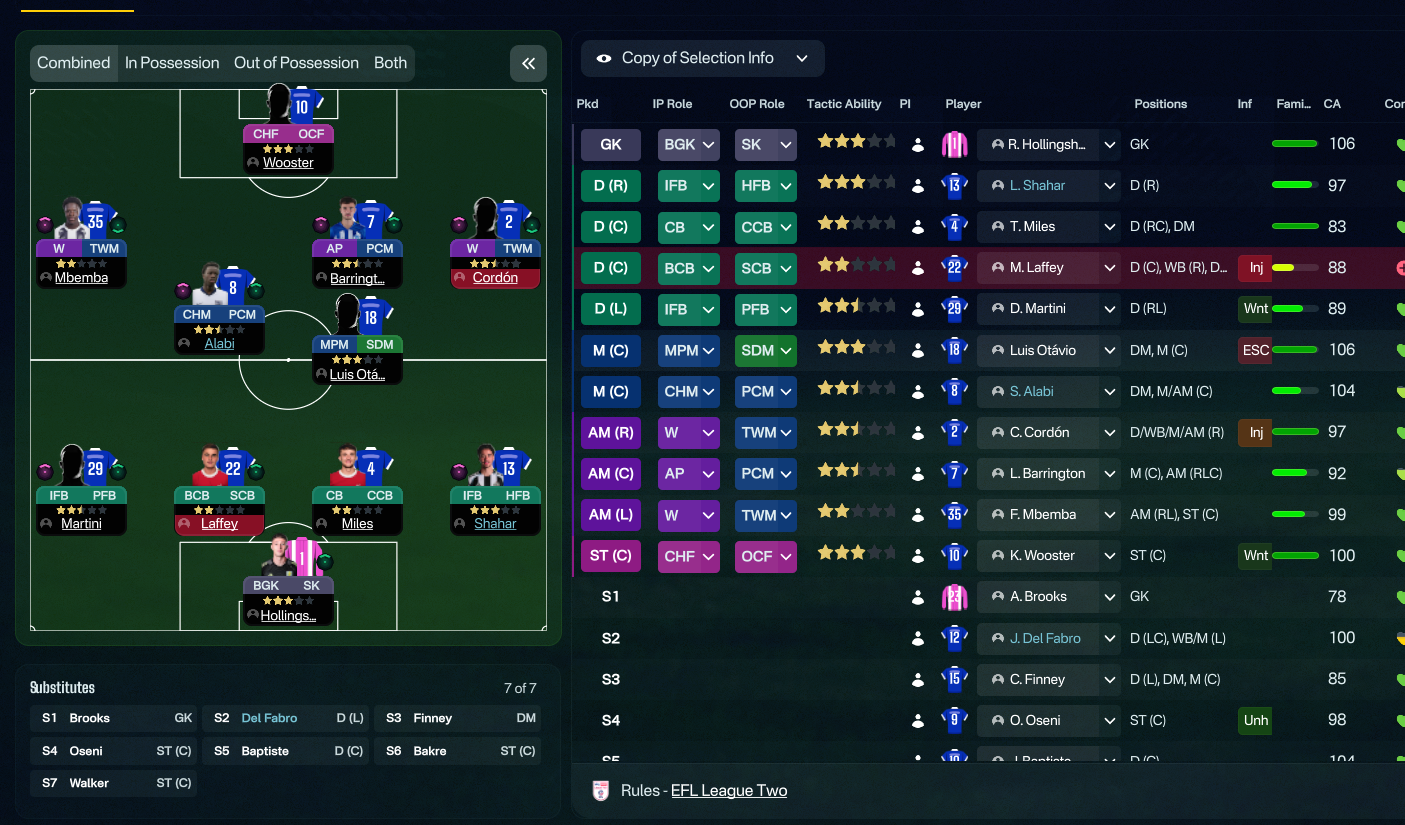
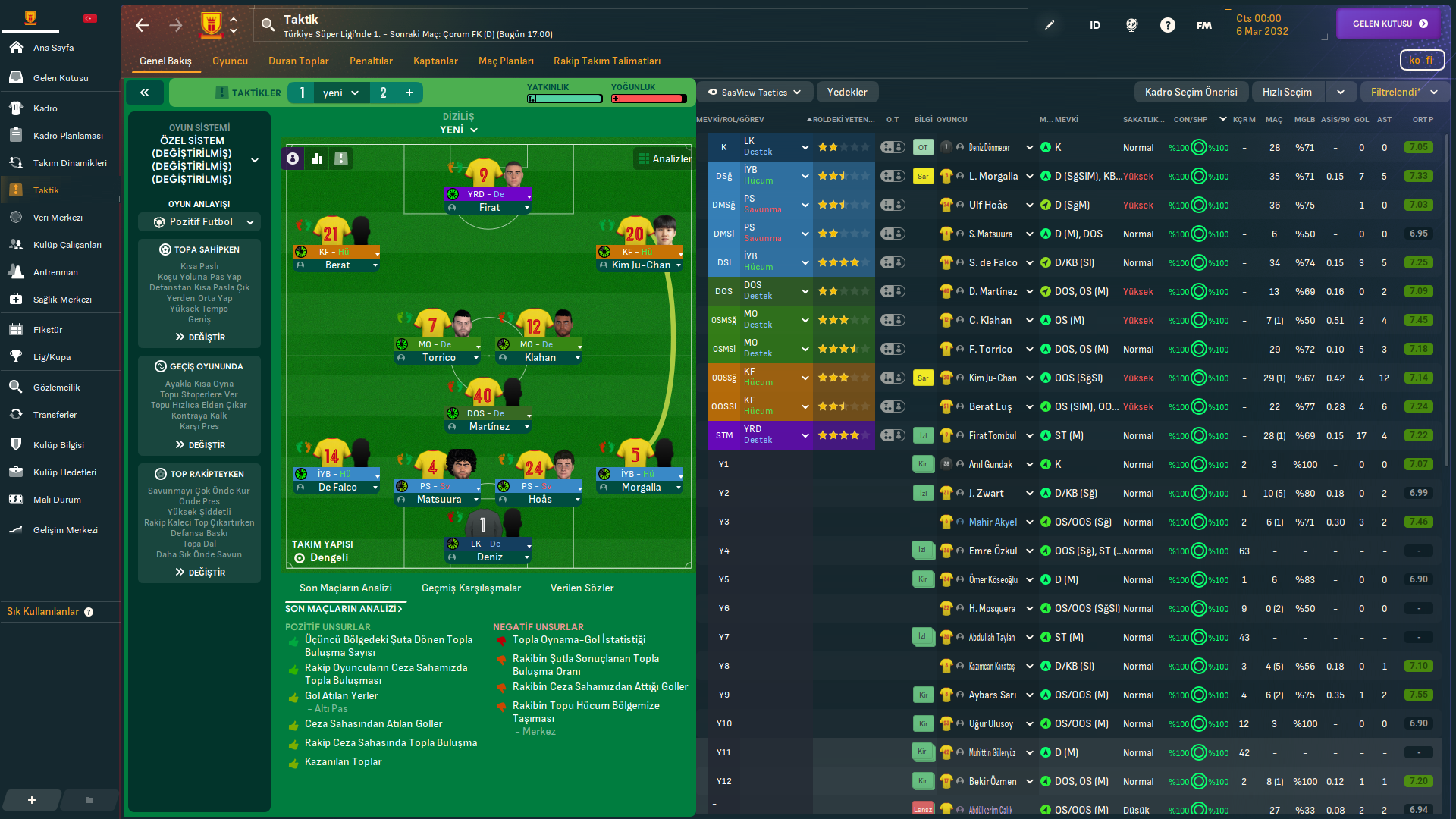
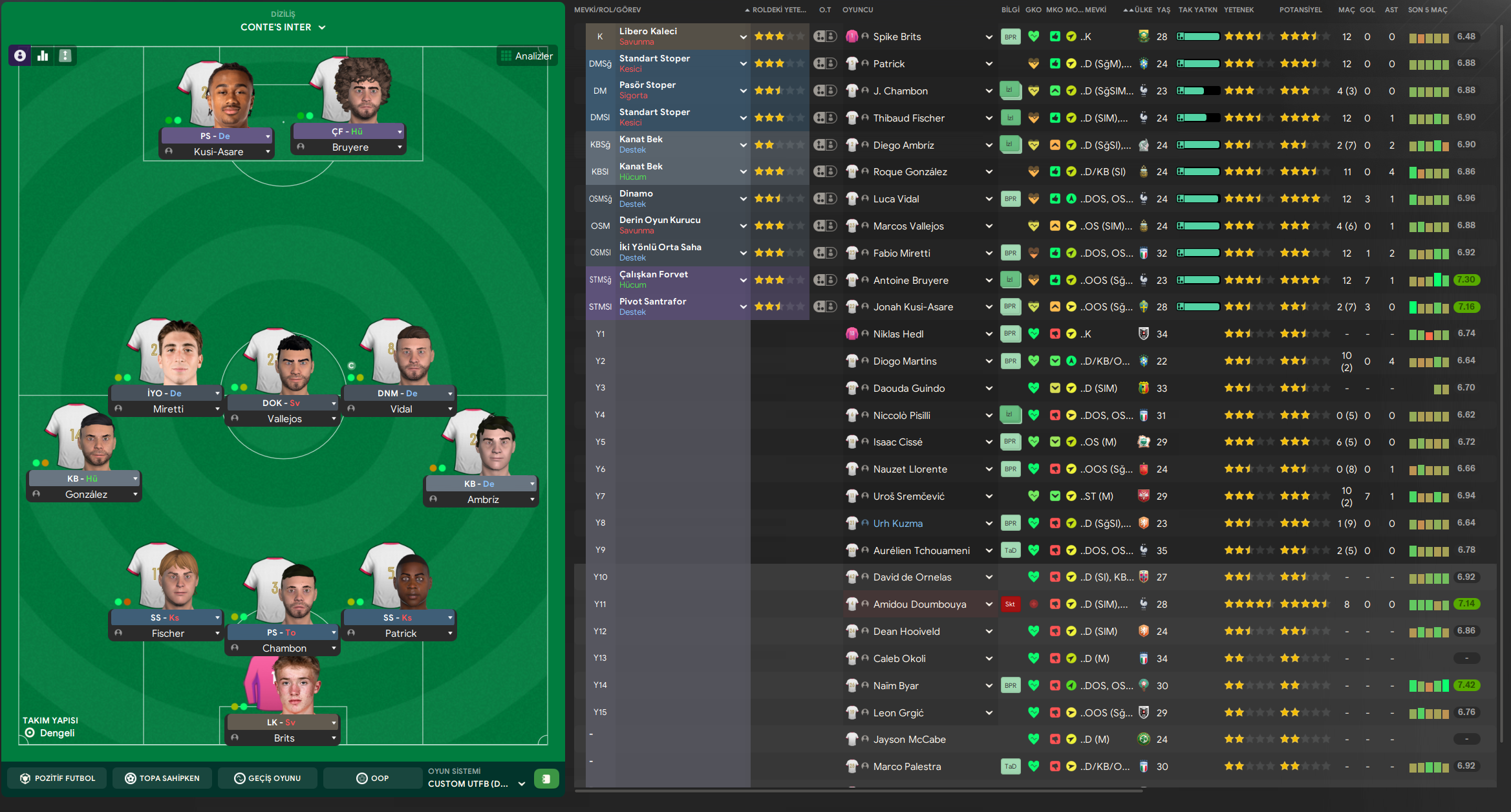
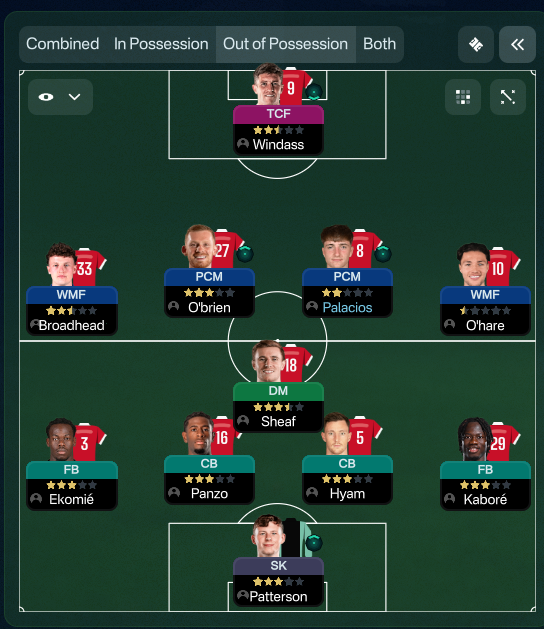
Guides for this formation
The tactical theory behind the 4-2-3-1: roles, instructions, and the trade-offs that decide whether the system holds up.
Player pairings
Midfield Pairs in 4-2-3-1 and 4-4-2
Double pivots and flat pairs in 4-2-3-1 and 4-4-2: when each pairing works, when it collapses, and the AMC unicorn that rescues both.
Read guide
Playing styles
Gegenpressing: A Full Guide
Klopp-style gegenpressing in FM, including squad profile, line-and-press pairing, sustainable workload, and the antipatterns to avoid.
Read guide