Uploaded Tactic
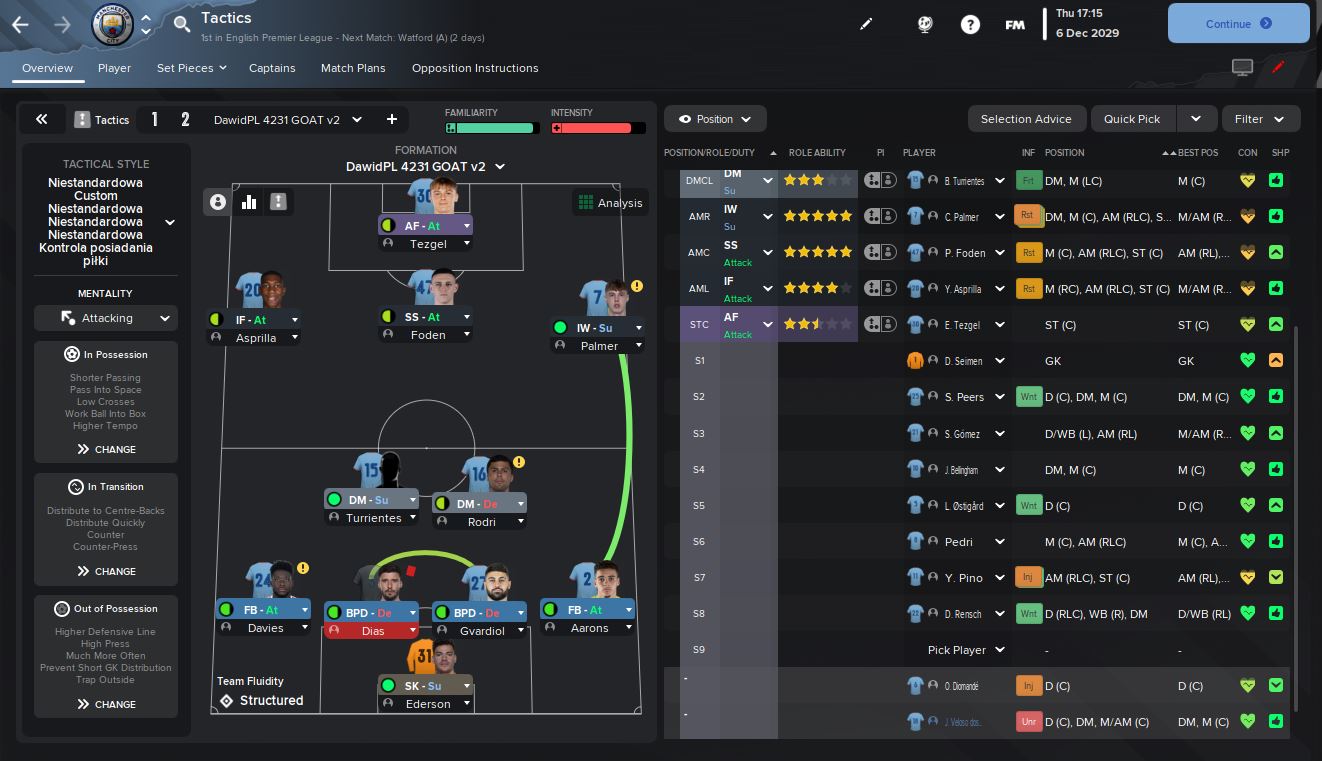
Formation & Style
Tactical Style:Custom
Mentality:Attacking
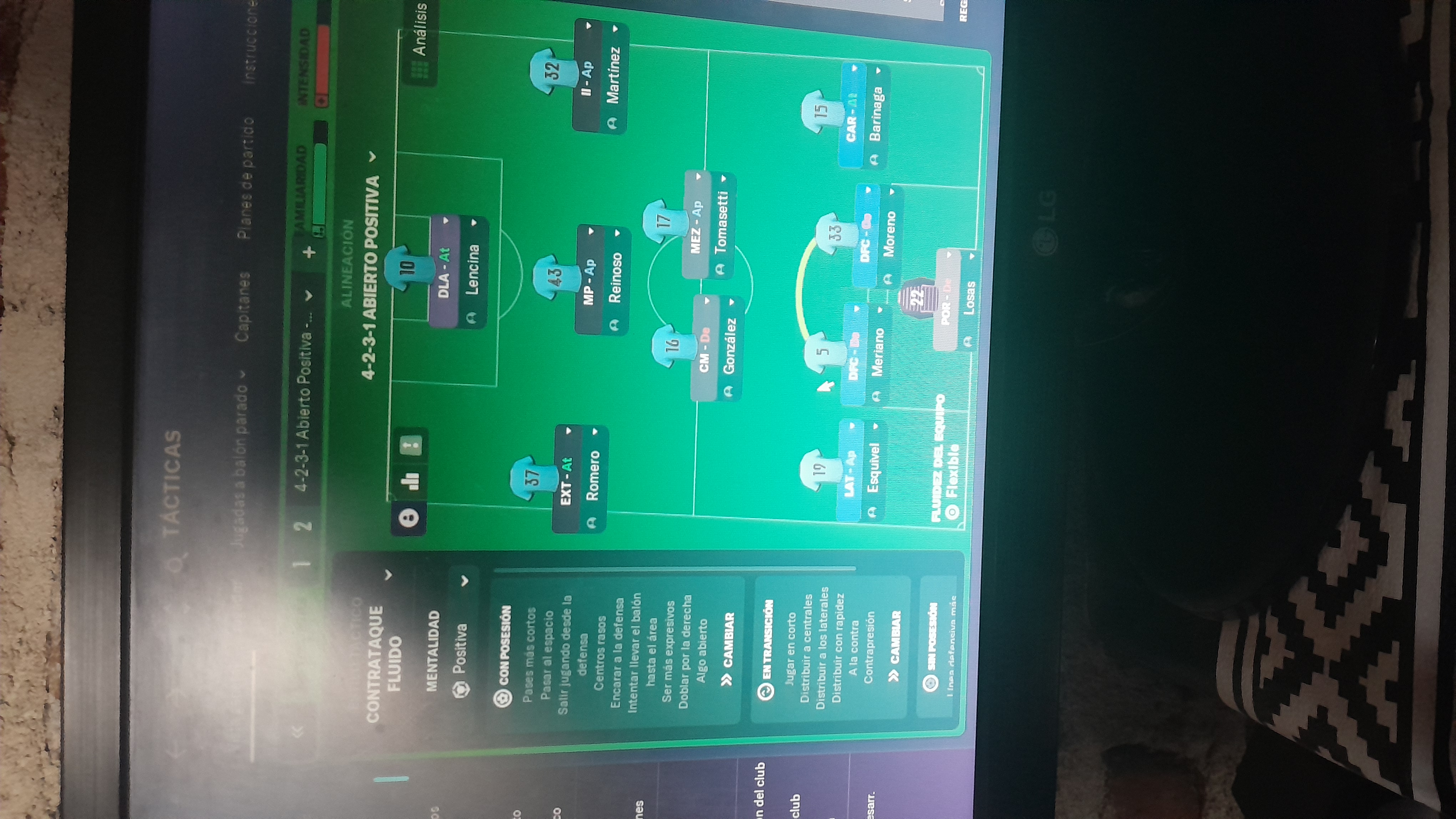
Formation:4-2-3-1
Team Fluidity:Structured
In Possession
Shorter Passing
Pass Into Space
Low Crosses
Work Ball Into Box
Higher Tempo
In Transition
Distribute to Centre-Backs
Distribute Quickly
Counter-Press
Out of Possession
Higher Defensive Line
High Press
Much More Often Prevent Short GK Distribution
Trap Outside
Team Shape Without Ball
Shape:4-2-3-1
Description:Compact shape to limit gaps while maintaining a high line.
Evidence:FB-A at [2,4] and [2,5] support width while BPD-D at [2,2] and [2,3] initiate play.
Team Shape With Ball
Shape:4-2-3-1
Description:Wide option with Inside Forwards cutting inside for goal-scoring chances.
Evidence:IF-A at [5,1] and IF-S at [5,3] combine with AF-A at [6,3] and SS-A at [5,2].
Phase Description
Attacking Play
Fluid attacking play utilizing width from Full-Backs and Inside Forwards, focusing on short passes and quick movements into space.
Defensive Transition
Aggressive pressing to regain possession quickly, utilizing the high defensive line to compress the space.
Main Focus
Dominating possession and creating goal-scoring opportunities through intricate passing sequences.
Key Strengths
Dynamic Attacking Threat
Utilizing Inside Forwards and a Shadow Striker to create overloads in the final third.
Ball-Playing Defenders
Facilitates switch to attack from the back, promoting possession-based play.
High Pressing Game
Forces opponents into mistakes by maintaining a high line and pressing aggressively.
Conflicting Directions
Inflexibility in Attack
While structured, may lack fluidity in attack leading to predictable movements.
Vulnerability on Counter
High defensive line can be exploited by direct counter-attacks.
Overreliance on Full-Backs
Heavy focus on full-backs for width might lead to predictable play.
Tactical Suggestions
Consider a Floating Central Midfielder
Introduce a player that can fluidly move between roles to provide creative options.
Increase Width with Wingers
Adding conventional wingers could stretch opponent’s defence.
Adjust Ball Distribution
Distributing to full-backs more liberally can create better build-up options.
Ask Questions About Your Lineup
Related Tactics
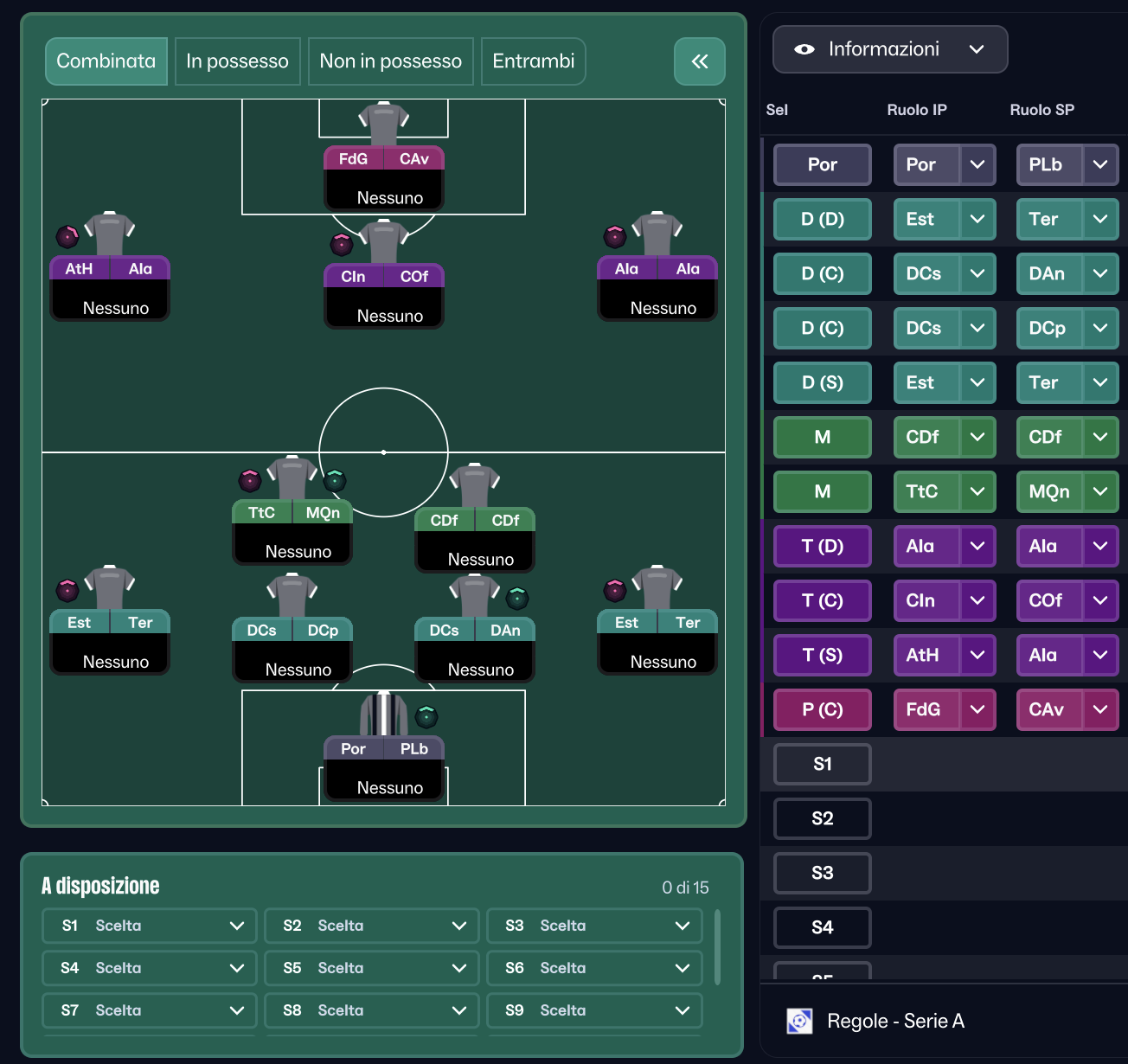
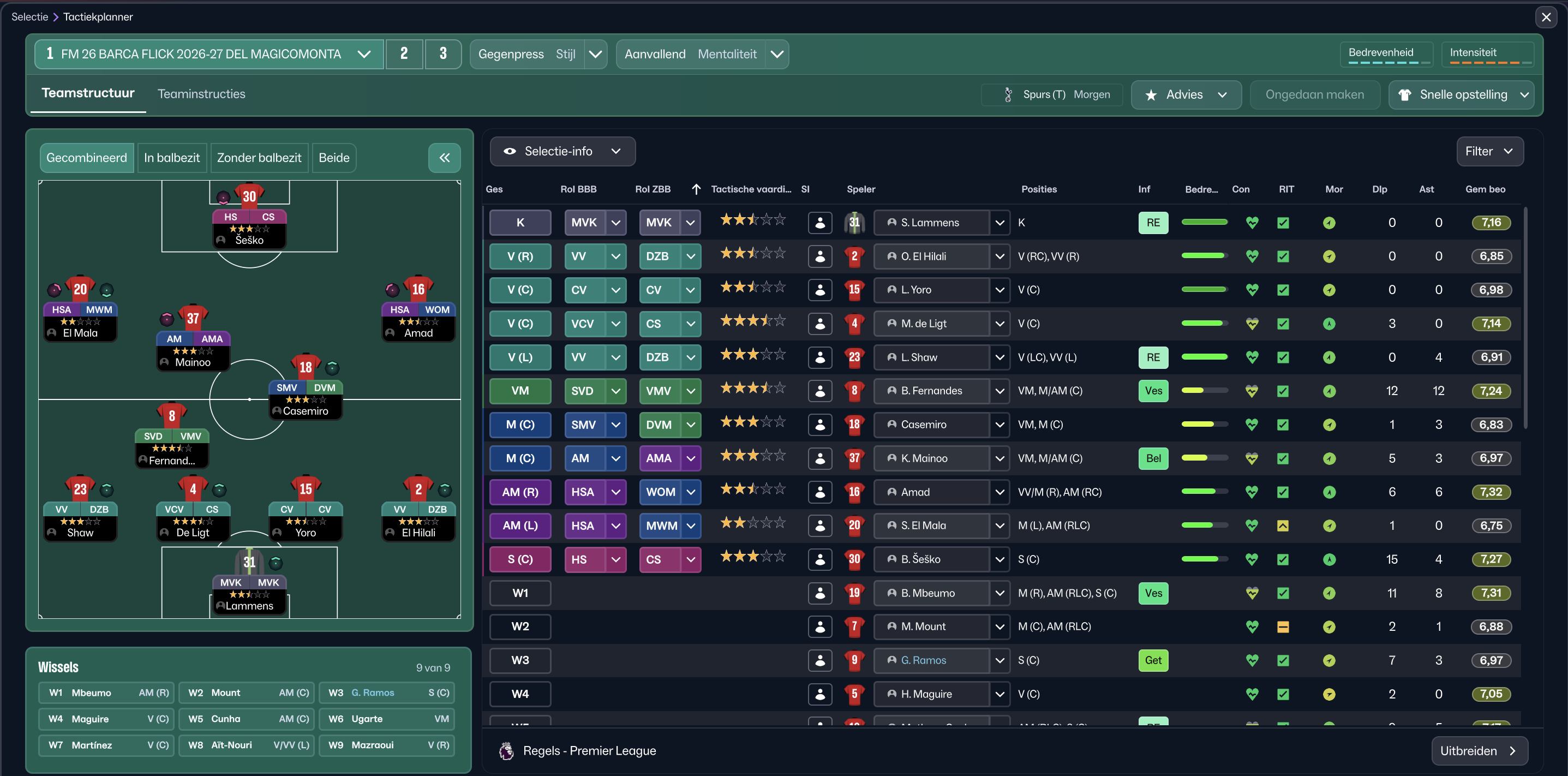
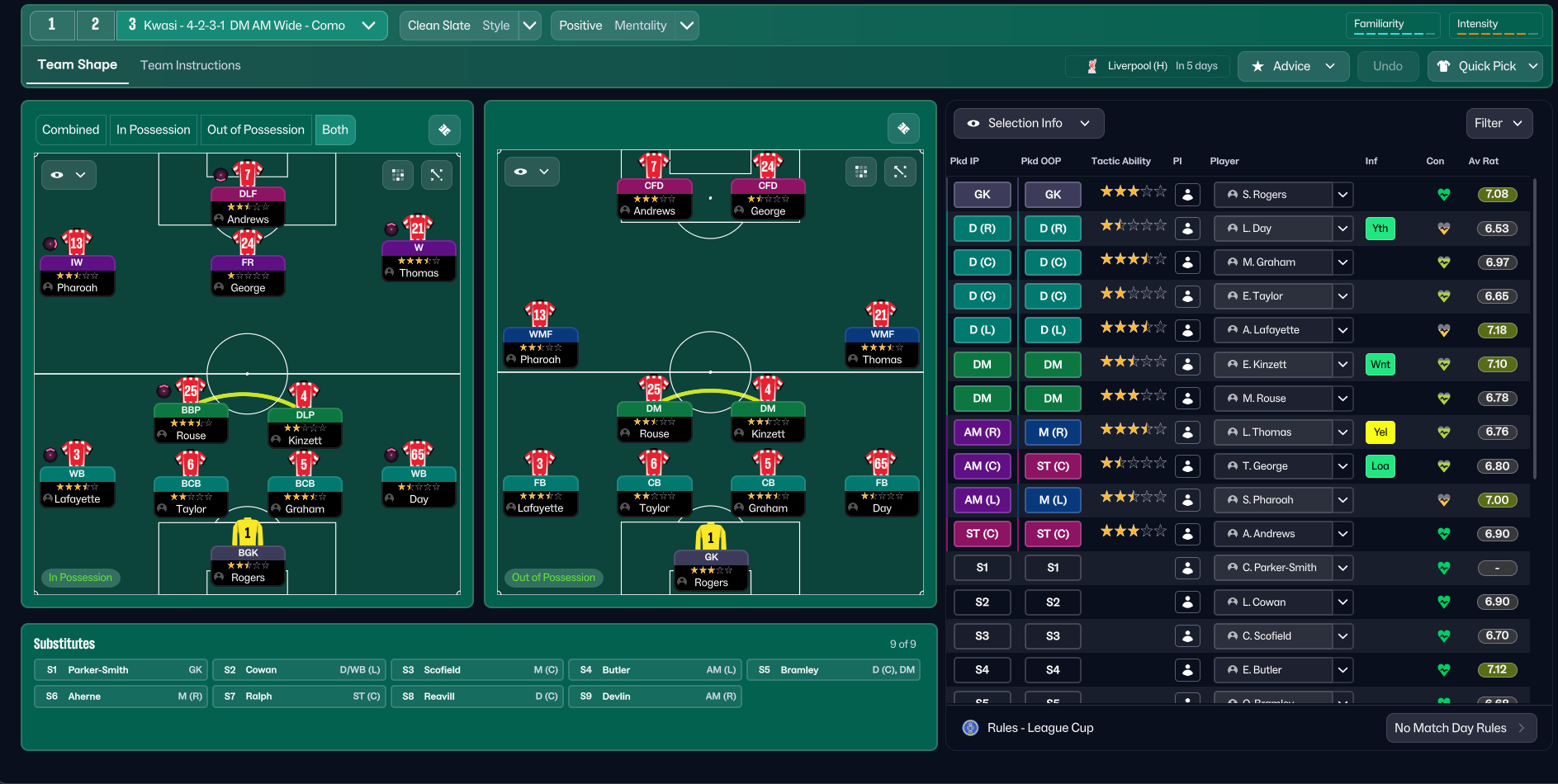
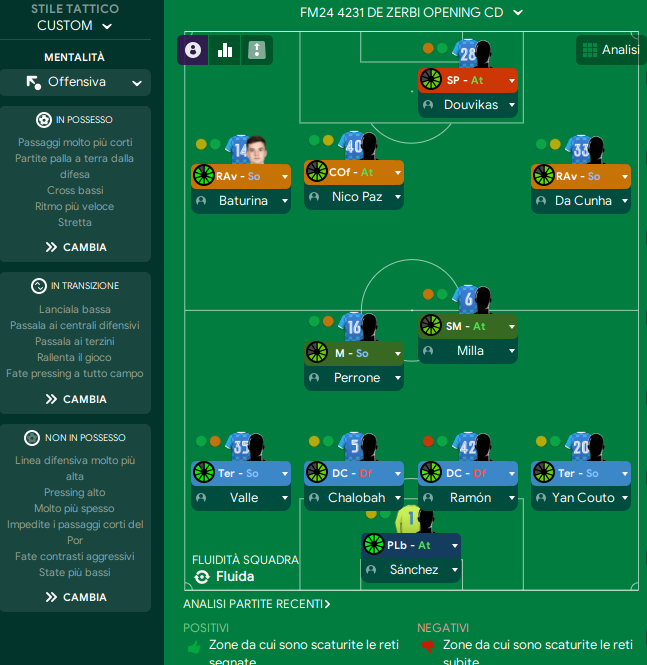
Guides for this formation
The tactical theory behind the 4-2-3-1: roles, instructions, and the trade-offs that decide whether the system holds up.
Player pairings
Midfield Pairs in 4-2-3-1 and 4-4-2
Double pivots and flat pairs in 4-2-3-1 and 4-4-2: when each pairing works, when it collapses, and the AMC unicorn that rescues both.
Read guide
Playing styles
Gegenpressing: A Full Guide
Klopp-style gegenpressing in FM, including squad profile, line-and-press pairing, sustainable workload, and the antipatterns to avoid.
Read guide