Uploaded Tactic
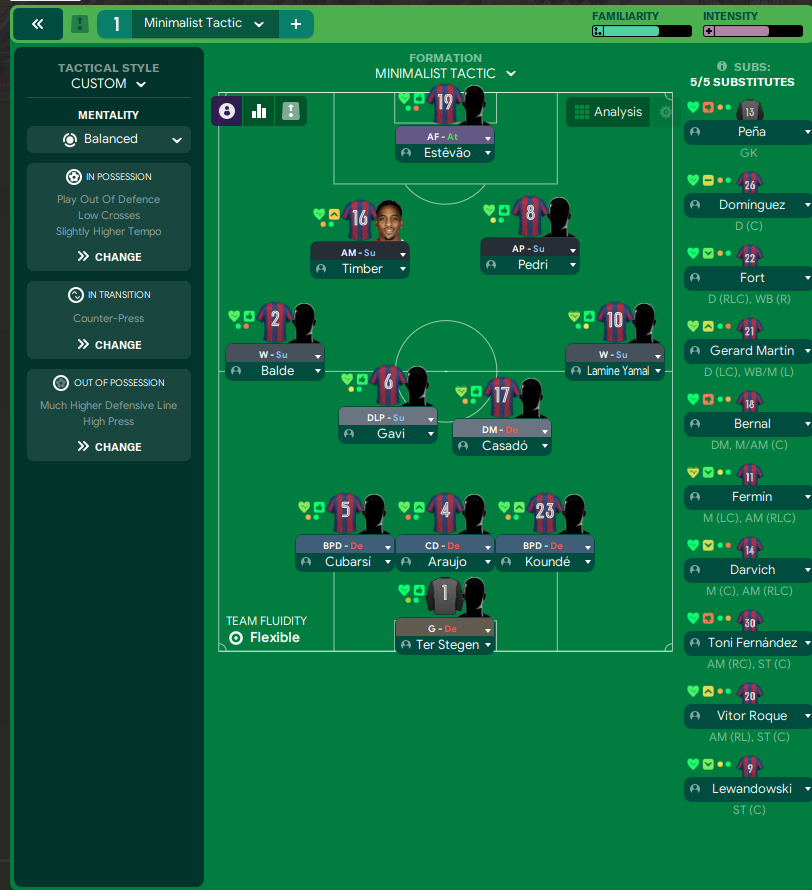
Formation & Style
Tactical Style:Custom
Mentality:Balanced
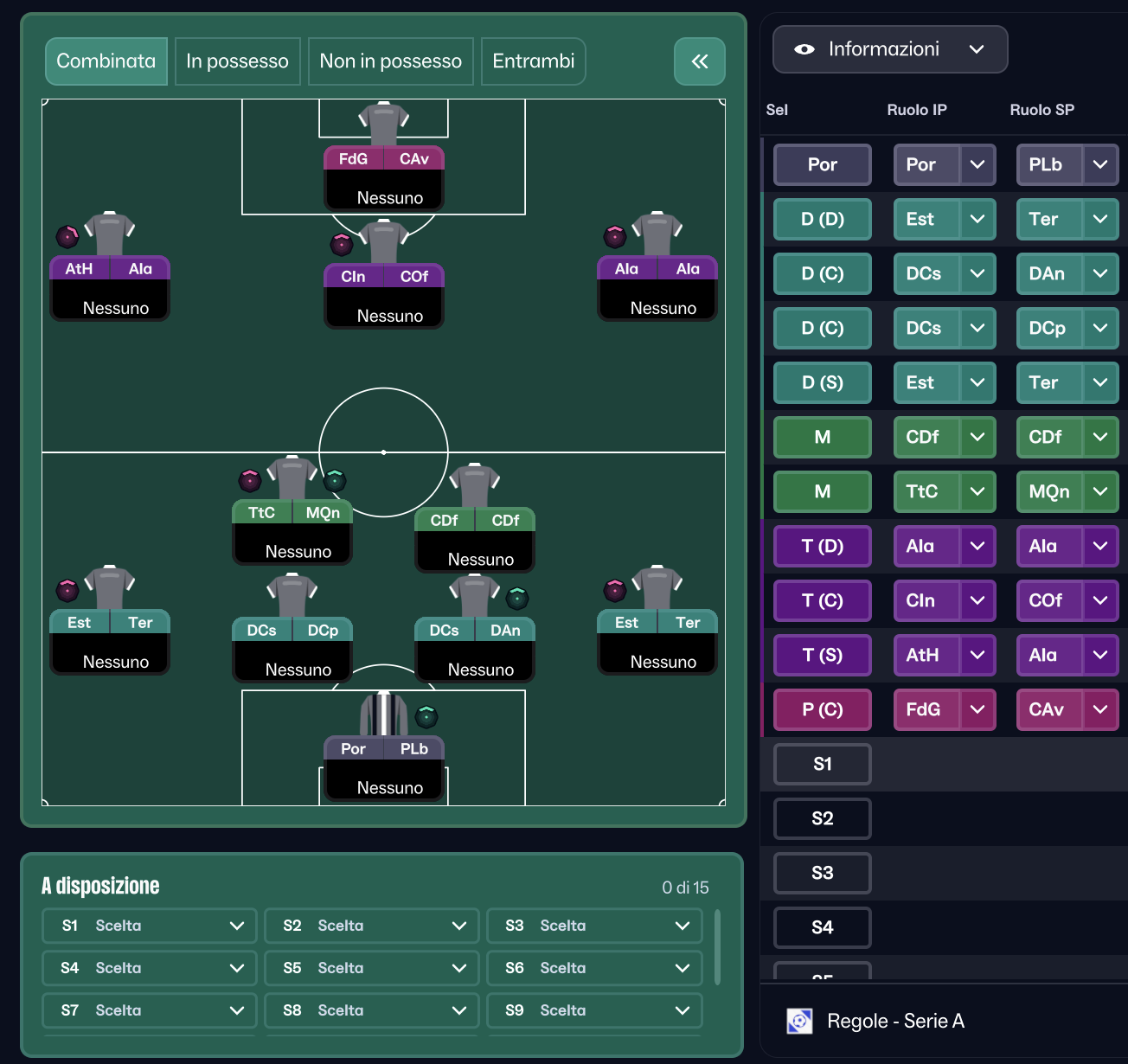
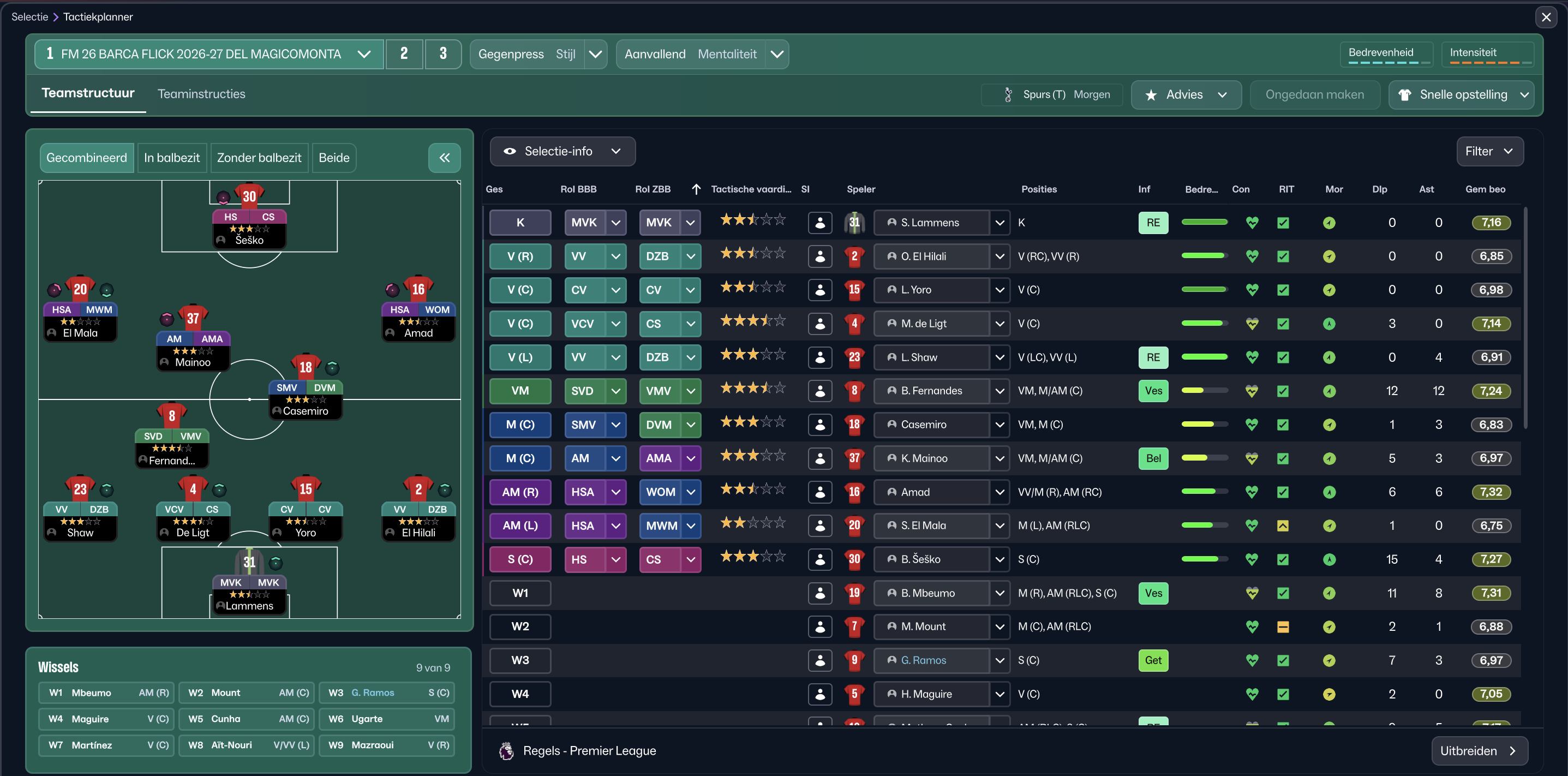
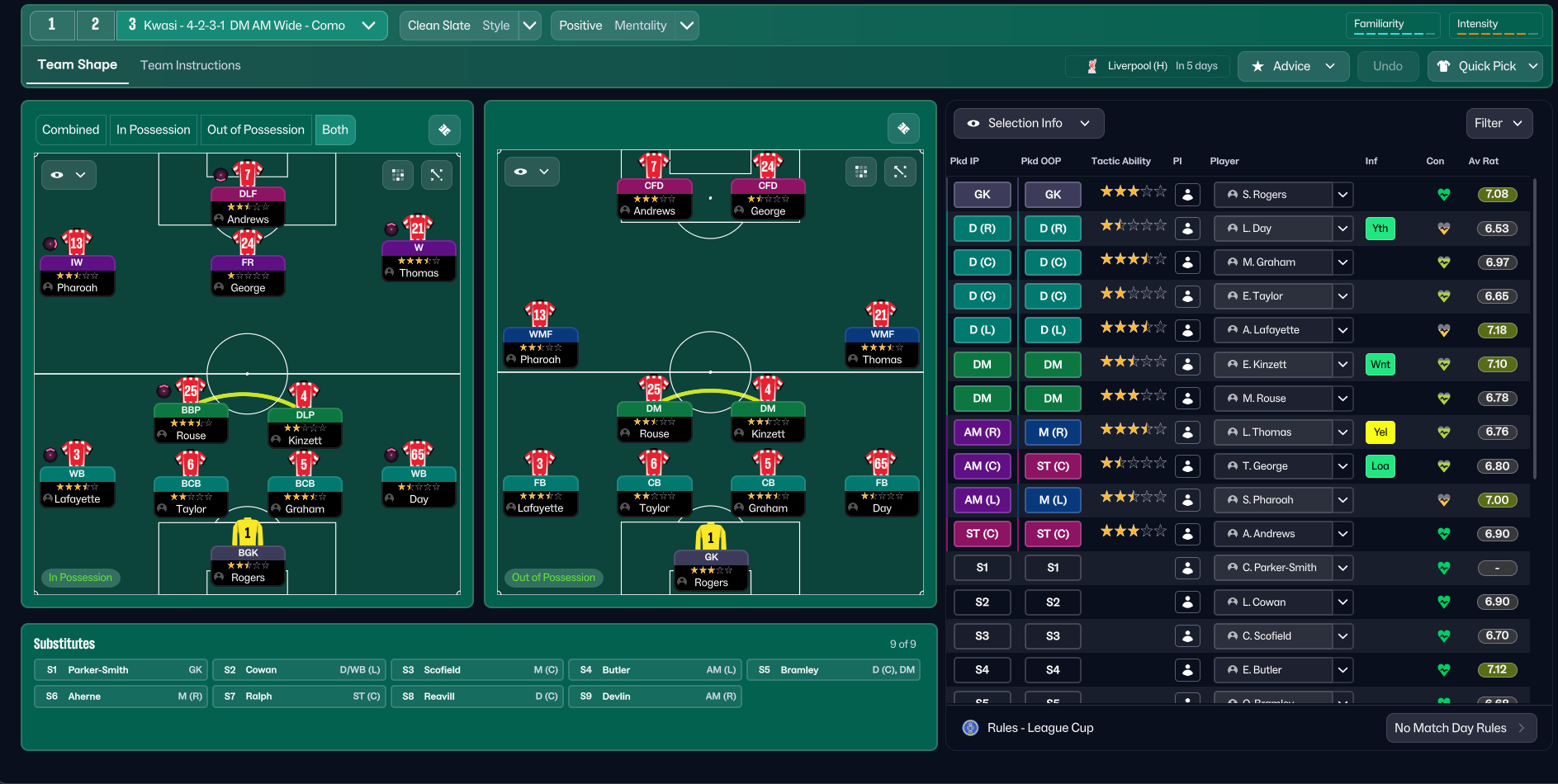
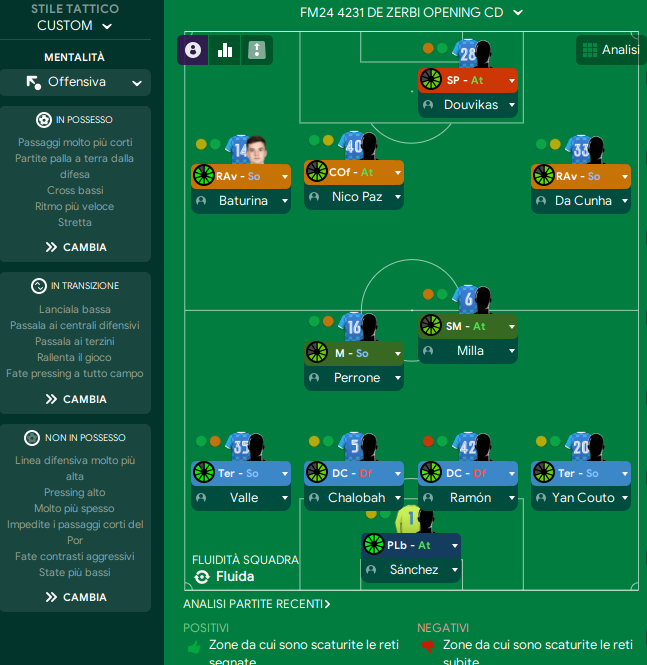
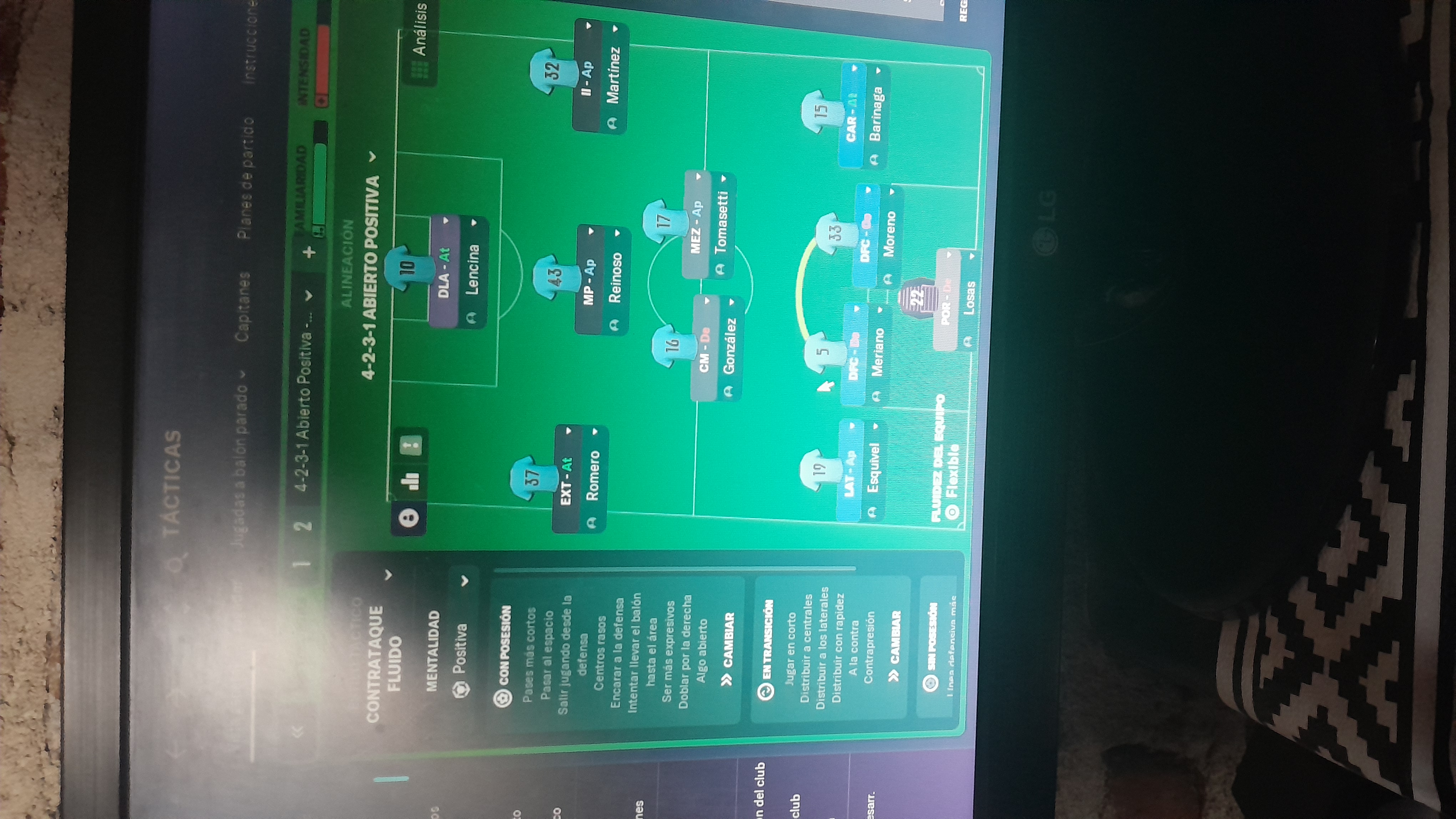
Formation:4-2-3-1
Team Fluidity:Flexible
In Possession
Play Out Of Defence
Low Crosses
Slightly Higher Tempo
In Transition
Counter-Press
Out of Possession
Much Higher Defensive Line
High Press
Team Shape Without Ball
No team shape without ball data available
Team Shape With Ball
No team shape with ball data available
Key Strengths
High Pressing Game
The high press combined with a much higher defensive line can disrupt the opponent's build-up play, often forcing errors in their defensive third.
Creative Midfield
The combination of an Advanced Playmaker and an Attacking Midfielder allows for fluidity and creativity in the middle, increasing chances of key passes.
Flexible Formation
The formation's flexibility allows for quick transitions both defensively and offensively, providing tactical versatility to adapt to opponents.
Utilization of Width
With two wingers and full-backs supporting attacks, the width can spread the defense, creating space for central attackers.
Conflicting Directions
High Press Risks
Implementing a high press may lead to vulnerabilities at the back, especially against counter-attacks, as defensive players might be caught out of position.
Player Role Balance
Having multiple support roles in midfield may dilute offensive threat, as it could lead to insufficient attacking presence in the final third.
Defensive Line Height
A much higher defensive line may expose central defenders, particularly against fast forwards, leading to one-on-one situations and goals.
Tempo vs. Possession
A slightly higher tempo may conflict with the intention to play out from the back, potentially leading to rushed plays and turnovers.
Tactical Suggestions
Adjust Defensive Line
Consider lowering the defensive line to reduce vulnerability against quick counter-attacks and to provide better cover for central defenders.
Change a Support Role to Attack
Switch one of the midfield support roles to an attacking duty to increase offensive threat and ensure a more cohesive attack.
Experiment with Width Adjustments
Consider altering the width setting to create more space for midfielders and to stretch the opposition, possibly leading to better crossing opportunities.
Enhance Counter-Press Strategy
Amplify the focus on counter-pressing to regain possession quickly, especially after losing the ball, to take advantage of defensive disorganization.
Ask Questions About Your Lineup
Related Tactics
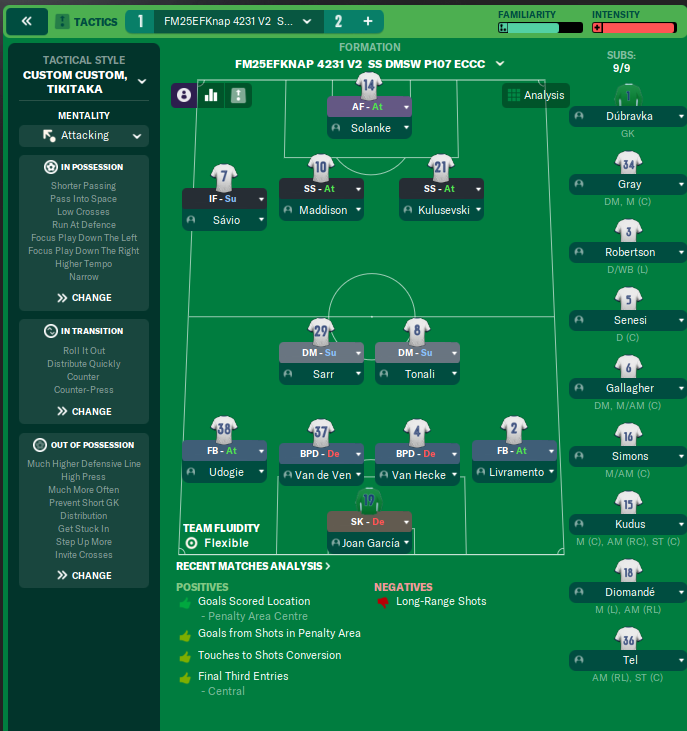
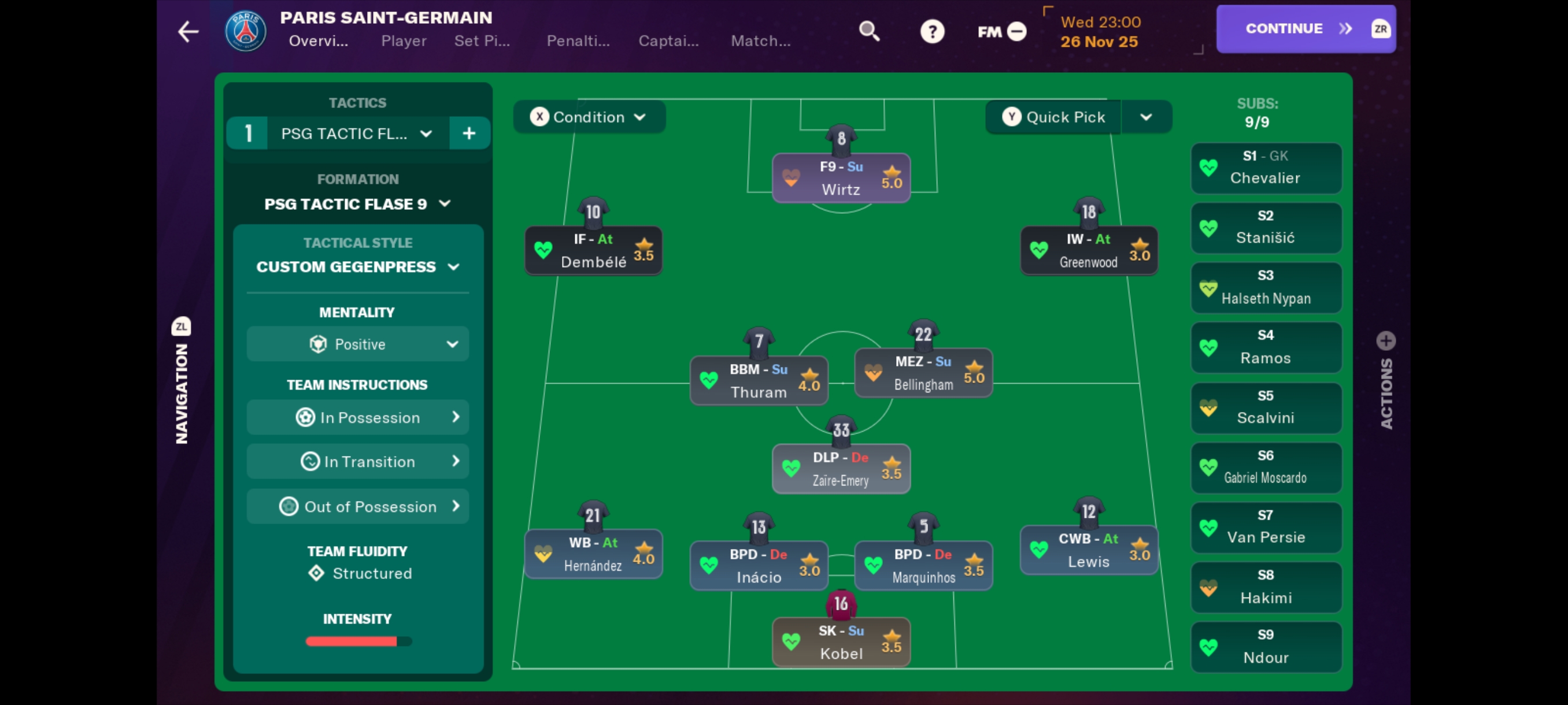
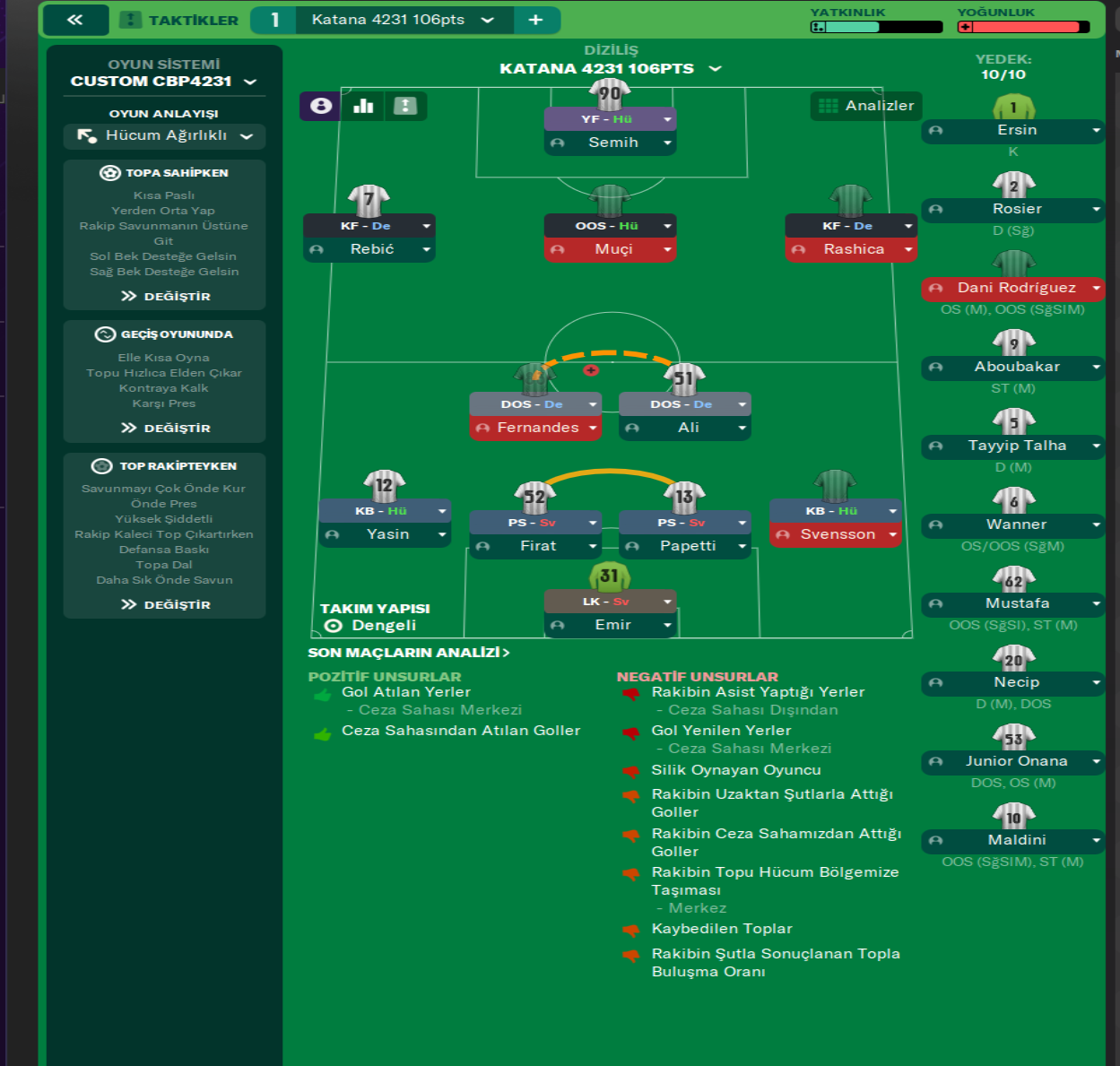
Guides for this formation
The tactical theory behind the 4-2-3-1: roles, instructions, and the trade-offs that decide whether the system holds up.
Player pairings
Midfield Pairs in 4-2-3-1 and 4-4-2
Double pivots and flat pairs in 4-2-3-1 and 4-4-2: when each pairing works, when it collapses, and the AMC unicorn that rescues both.
Read guide
Playing styles
Gegenpressing: A Full Guide
Klopp-style gegenpressing in FM, including squad profile, line-and-press pairing, sustainable workload, and the antipatterns to avoid.
Read guide