Uploaded Tactic
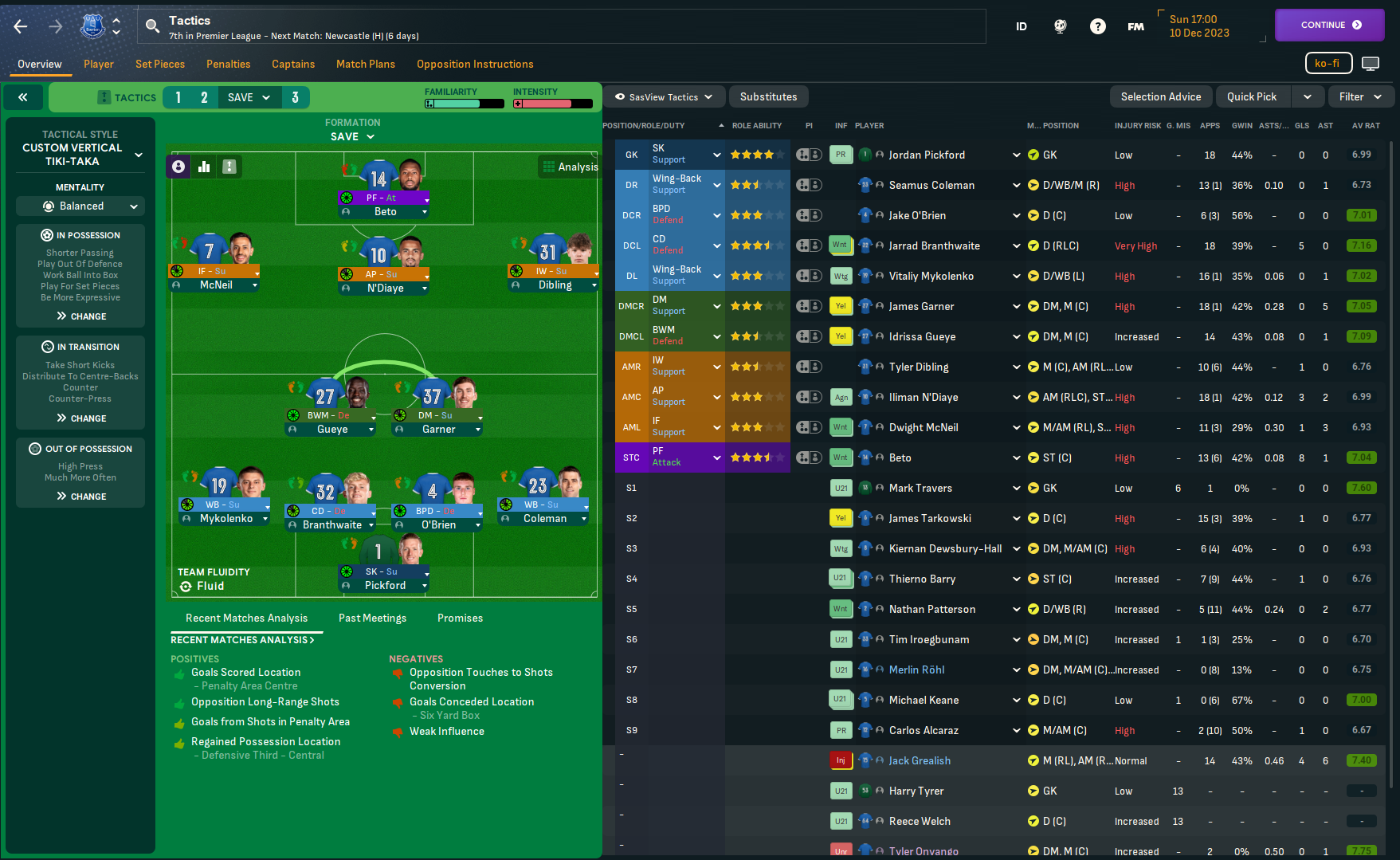
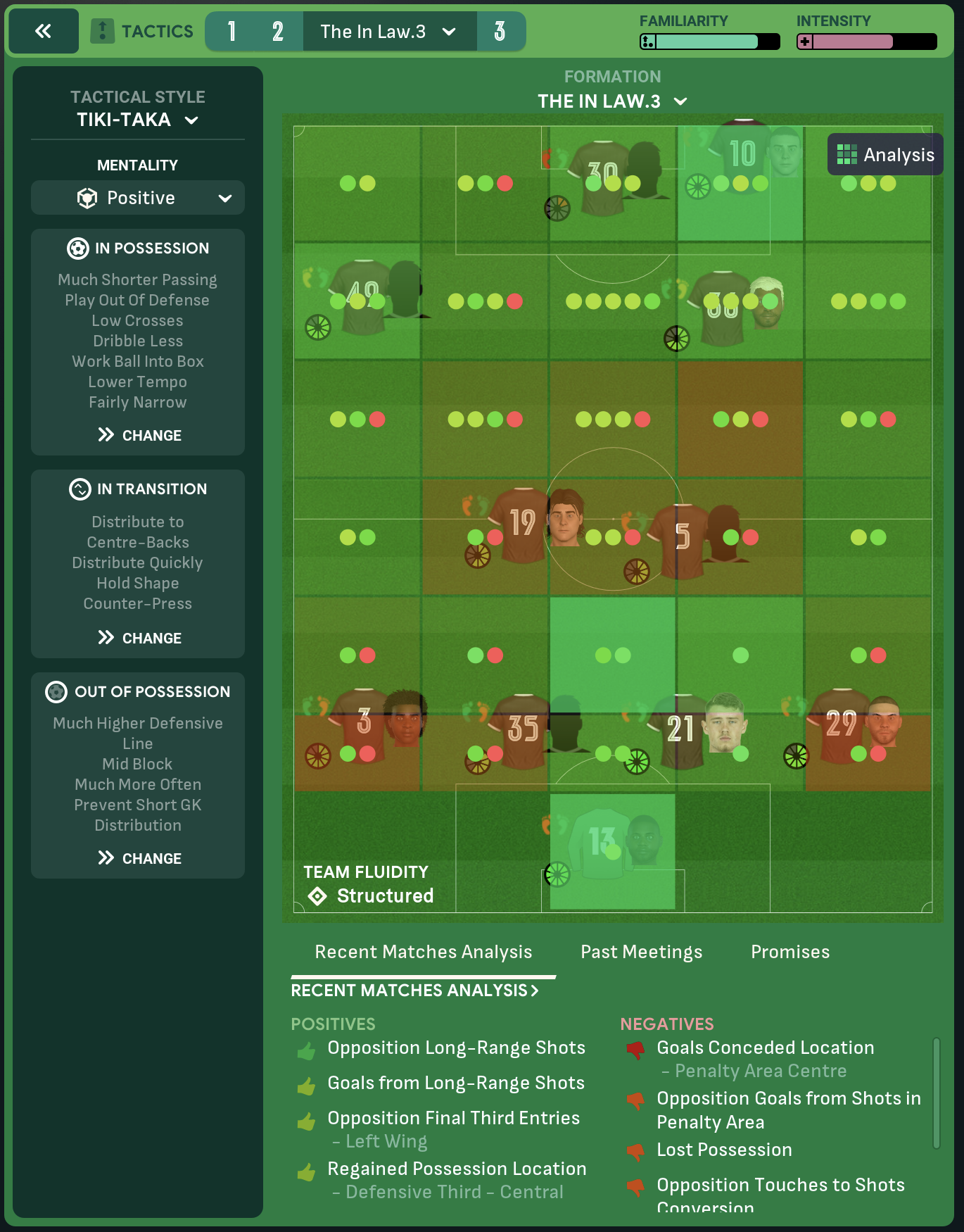
Formation & Style
Tactical Style:Tiki-Taka
Mentality:Balanced
Formation:4-2-3-1
Team Fluidity:Fluid
In Possession
Shorter Passing
Play Out Of Defence
Work Ball Into Box
Be More Expressive
In Transition
Take Short Kicks
Distribute To Centre-Backs
Counter
Counter-Press
Out of Possession
High Press
Much More Often Prevent Short GK Distribution
Team Shape Without Ball
Shape:4-2
Description:Compact defensive shape with two holding midfielders providing cover.
Evidence:BWM-D at [3,2] and DM-S at [3,3] forming a solid base.
Team Shape With Ball
Shape:4-3
Description:Fluid attacking structure pushed forward with wingers and a central playmaker.
Evidence:Inside Forward (IF-S) at [6,1] and AM (AP-S) at [5,3] stretching the pitch.
Phase Description
Attacking Play
The team seeks to maintain possession and create scoring opportunities by working the ball into the box.
Defensive Transition
Quickly transition to pressing to regain possession when the ball is lost.
Main Focus
Utilizing wide play through wing-backs and inside forwards to exploit defensive gaps.
Key Strengths
Possession Retention
The emphasis on shorter passing and working the ball into the box enhances retention.
Supportive Wing Play
Wing-backs offer width which can exploit opposing full-backs effectively.
Defensive Solidity
A strong central defensive pair and a defensive midfielder create stability.
Conflicting Directions
High Press Inconsistency
High pressing might leave gaps in midfield if not properly coordinated.
Usage of Two Playmakers
Having multiple playmakers could lead to confusion in attacking zones.
Counter-Press Timing
The timing of counter-press may not be effective against quick transitions by opponents.
Tactical Suggestions
Adjust Pressing Intensity
Lowering the pressing intensity could allow for better organization when losing the ball.
Rotate Playmaker Responsibilities
Consider rotating the roles of playmakers to avoid overlap.
Utilize a Second Striker
Introducing a second striker could increase goal-scoring options.
Ask Questions About Your Lineup
Related Tactics
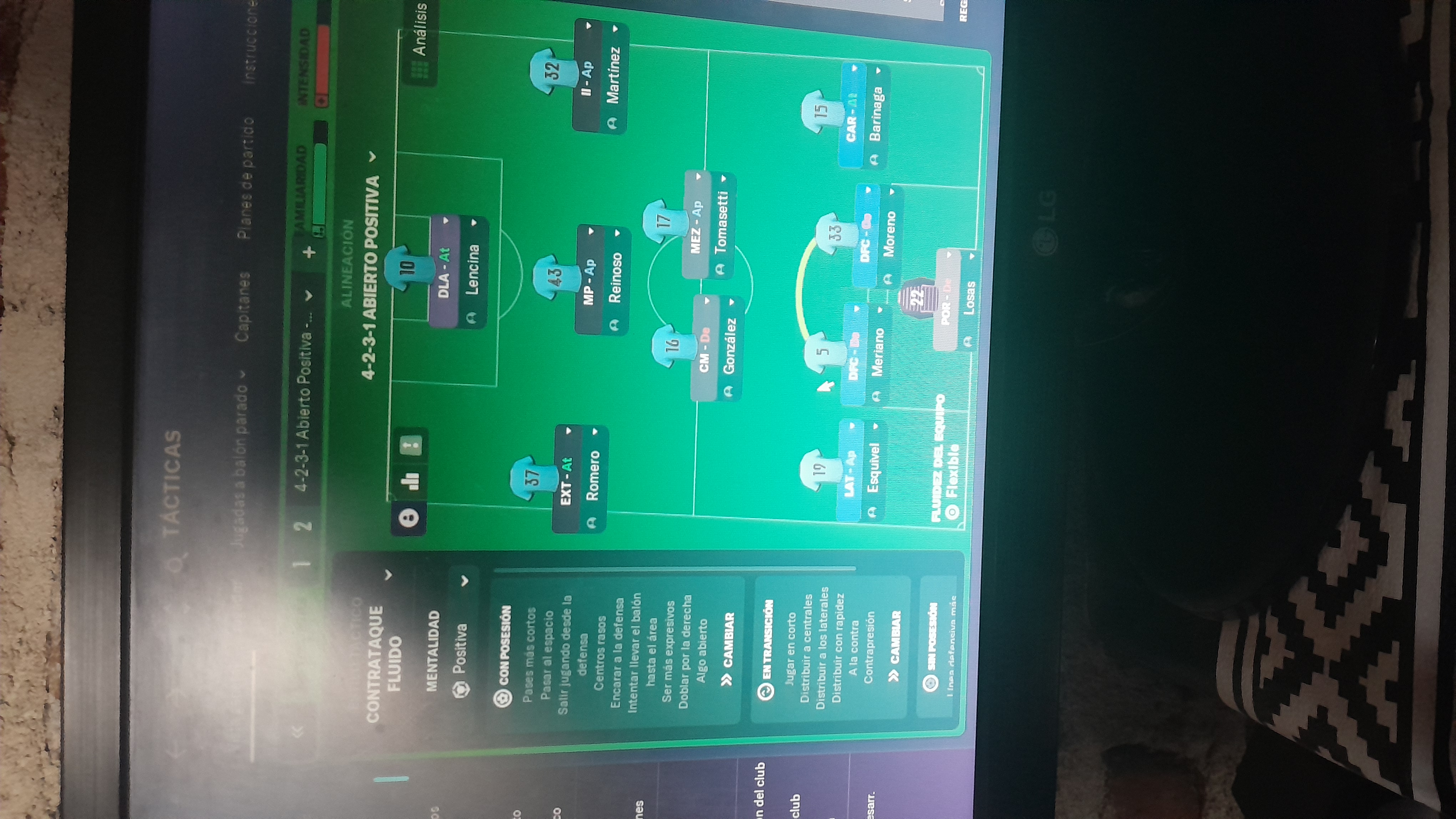
More Tiki-Taka tactics
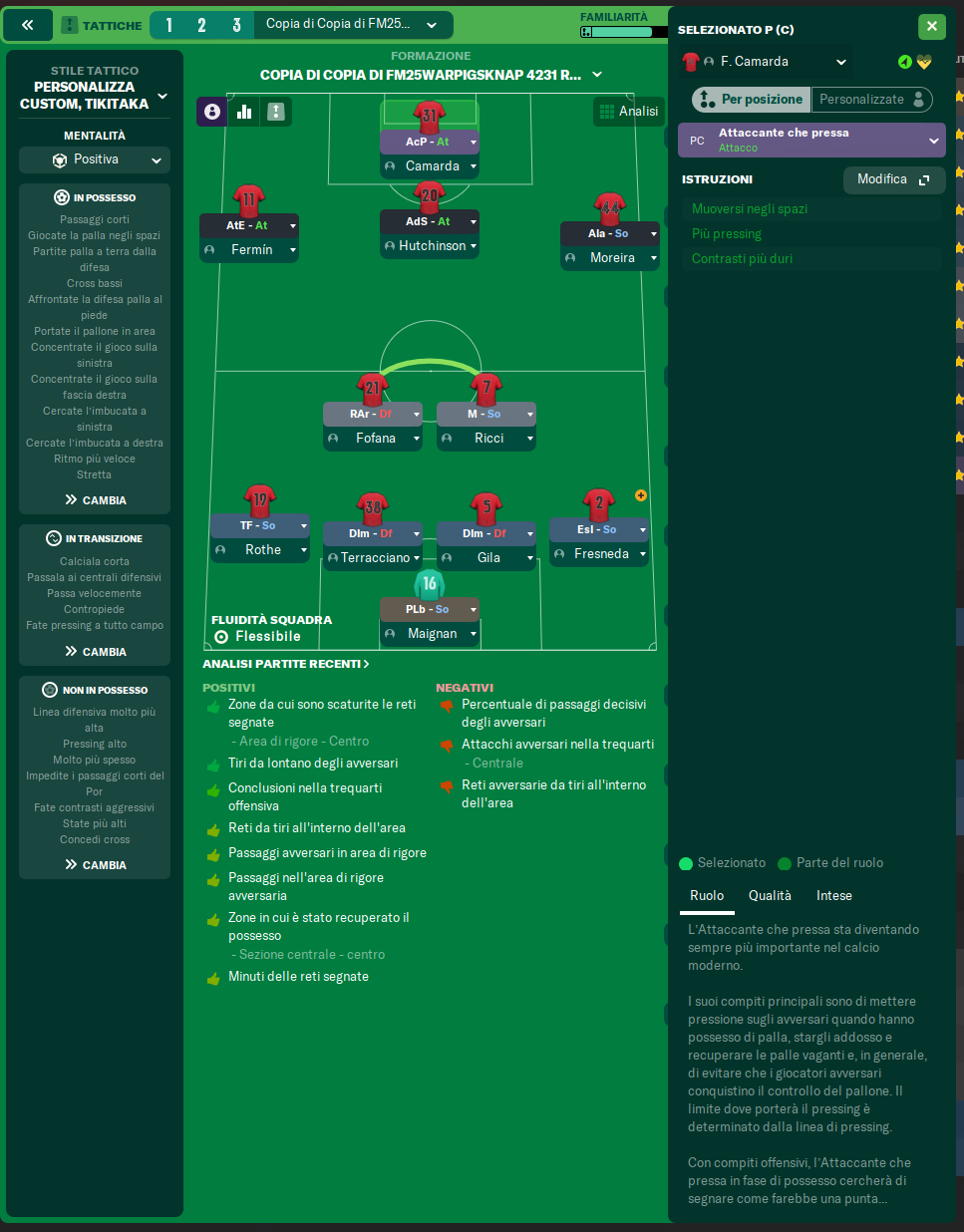
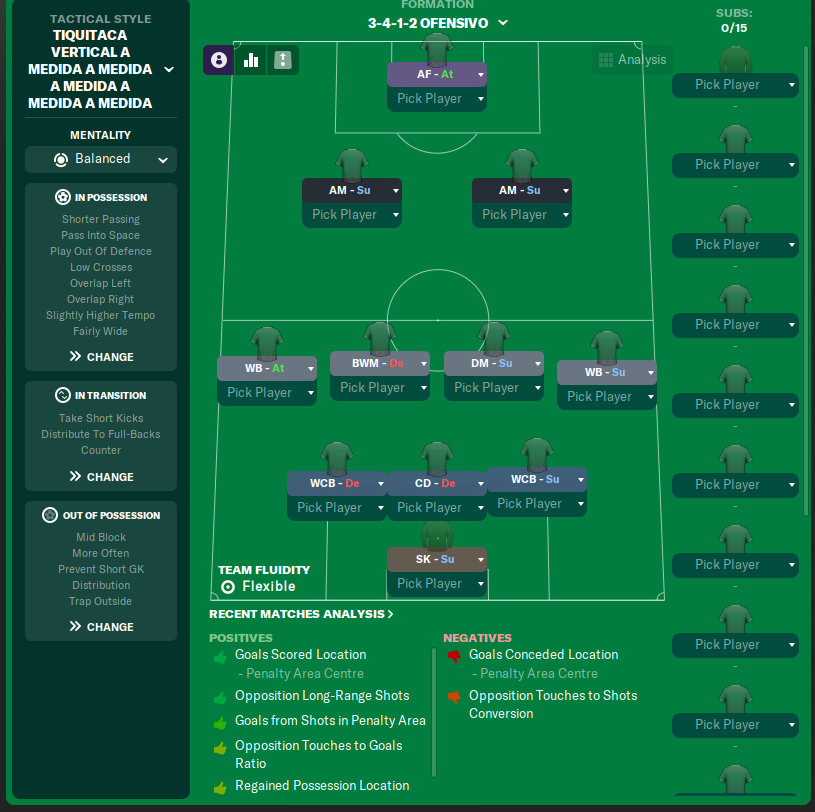
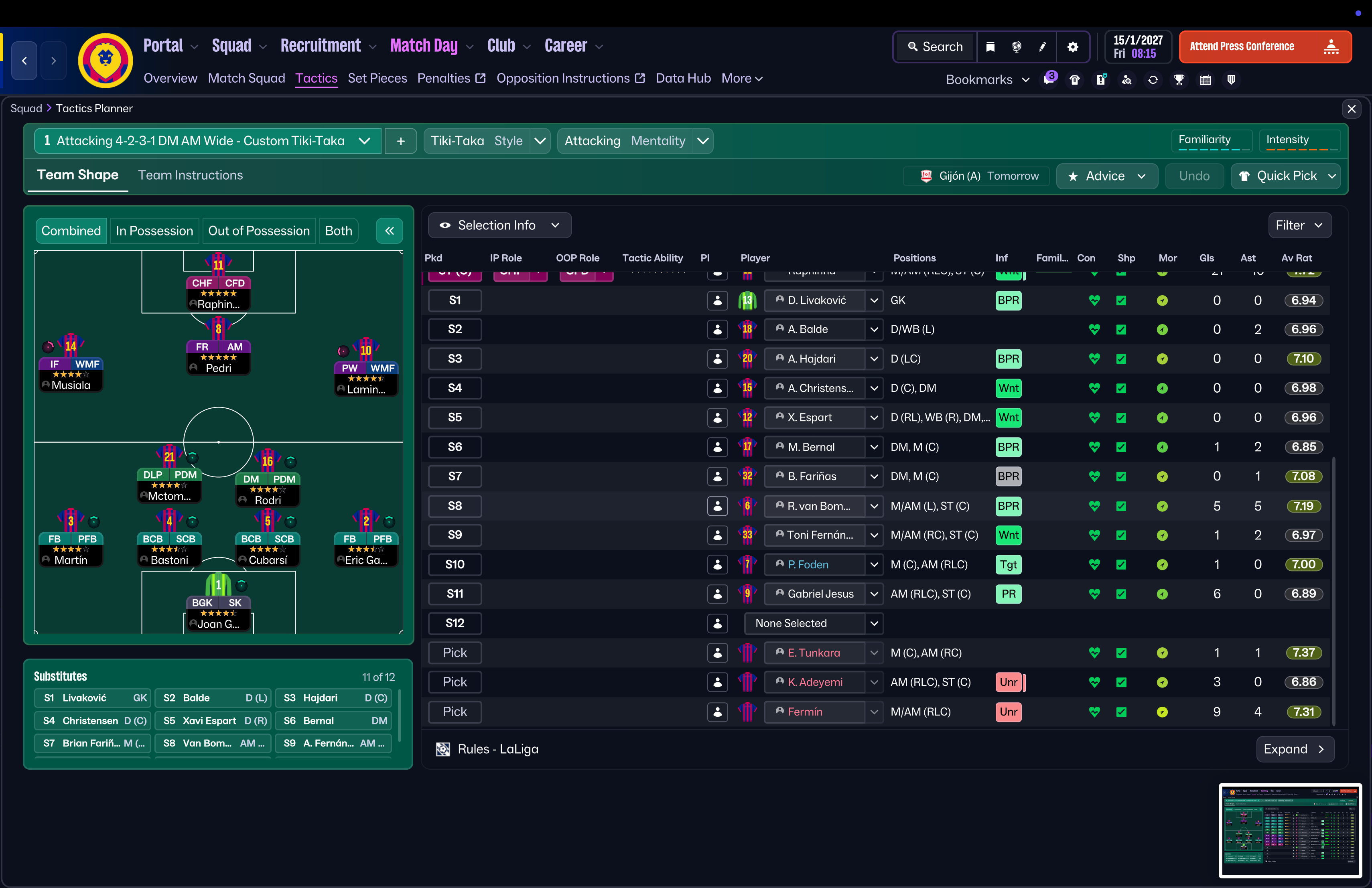
Guides for this formation
The tactical theory behind the 4-2-3-1: roles, instructions, and the trade-offs that decide whether the system holds up.
Player pairings
Midfield Pairs in 4-2-3-1 and 4-4-2
Double pivots and flat pairs in 4-2-3-1 and 4-4-2: when each pairing works, when it collapses, and the AMC unicorn that rescues both.
Read guide
Playing styles
Gegenpressing: A Full Guide
Klopp-style gegenpressing in FM, including squad profile, line-and-press pairing, sustainable workload, and the antipatterns to avoid.
Read guide