Uploaded Tactic
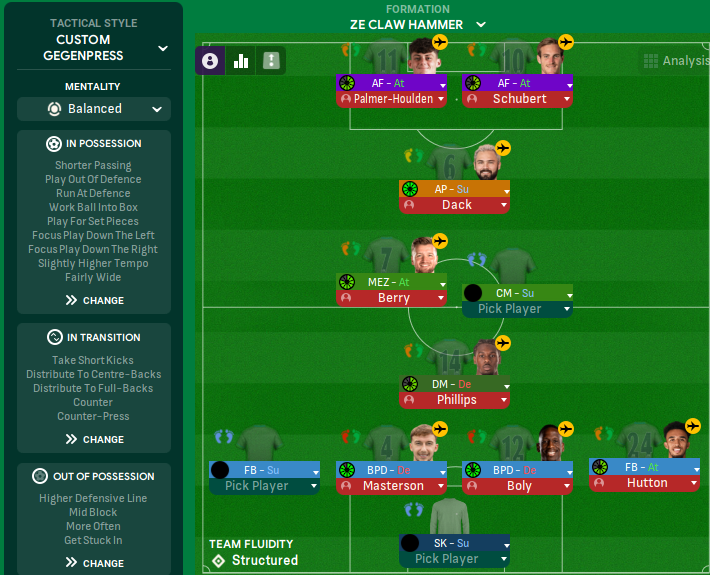
Formation & Style
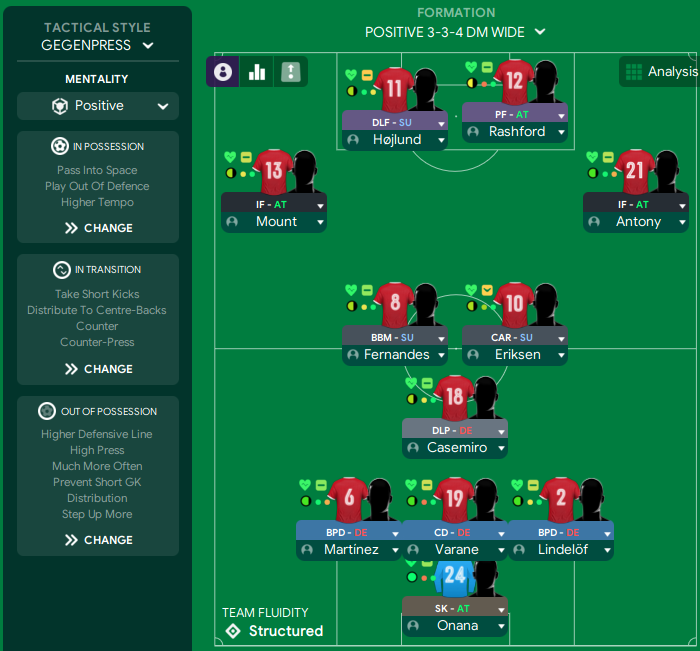
Tactical Style:Gegenpress
Mentality:Balanced
Formation:4-2-3-1
Team Fluidity:Structured
In Possession
Shorter Passing
Play Out Of Defence
Run At Defence
Work Ball Into Box
Play For Set Pieces
Focus Play Down The Left
Focus Play Down The Right
Slightly Higher Tempo
Fairly Wide
In Transition
Take Short Kicks
Distribute To Centre-Backs
Distribute To Full-Backs
Counter
Counter-Press
Out of Possession
Higher Defensive Line
Mid Block
More Often
Get Stuck In
Team Shape Without Ball
Shape:4-2
Description:A compact midfield ensuring coverage across the pitch, with full-backs supporting the wingers defensively.
Evidence:FB-S at [2,1], [2,5], BPD-D at [2,2], [2,4], and DM-D at [3,3].
Team Shape With Ball
Shape:4-1-3-2
Description:Utilizing wide players to stretch the opponent's defense while providing central options with an advanced playmaker.
Evidence:AF-A at [6,2], [6,3], AM-S at [5,3], and MEZ-A at [5,2], maximizing attacking potential.
Phase Description
Attacking Play
The team emphasizes a combination of short passing and direct attacking through the left and right flanks, focusing on creating space through wing play and set pieces.
Defensive Transition
The team quickly engages in counter-pressing after losing possession, aiming to regain control as soon as possible.
Main Focus
Maintaining a balanced approach, ensuring support in both defensive and attacking phases.
Key Strengths
Dynamic Wing Play
Focus on using the wings to create opportunities allows the team to stretch opposition defenses effectively.
Central Dominance
The combination of a defensive midfielder with attacking midfielders allows for quick transitions and central control.
Counter-Pressing
Effective retrieval of possession ensures that the team can capitalize on transitional phases.
Conflicting Directions
Defensive Solidity vs. Attacking Creativity
Balancing defensive duties while also encouraging midfielders to support attacks can lead to confusion in roles.
Higher Defensive Line with Mid Block
Inconsistency may arise in defensive shape between higher pressing and being structured.
Fluidity in Wide Play
Full-backs may need more attacking freedom, conflicting with their Support duty.
Tactical Suggestions
Consider a More Fluid Structure
A more fluid tactical shape could help alleviate some conflicting roles and maintain balance.
Adjust Full-Back Duties
Changing full-back duties to Attack might strengthen wing contributions.
Review Midfield Roles
Introducing a Box-to-Box Midfielder instead of the current CM role may improve threat and tempo.
Ask Questions About Your Lineup
Related Tactics
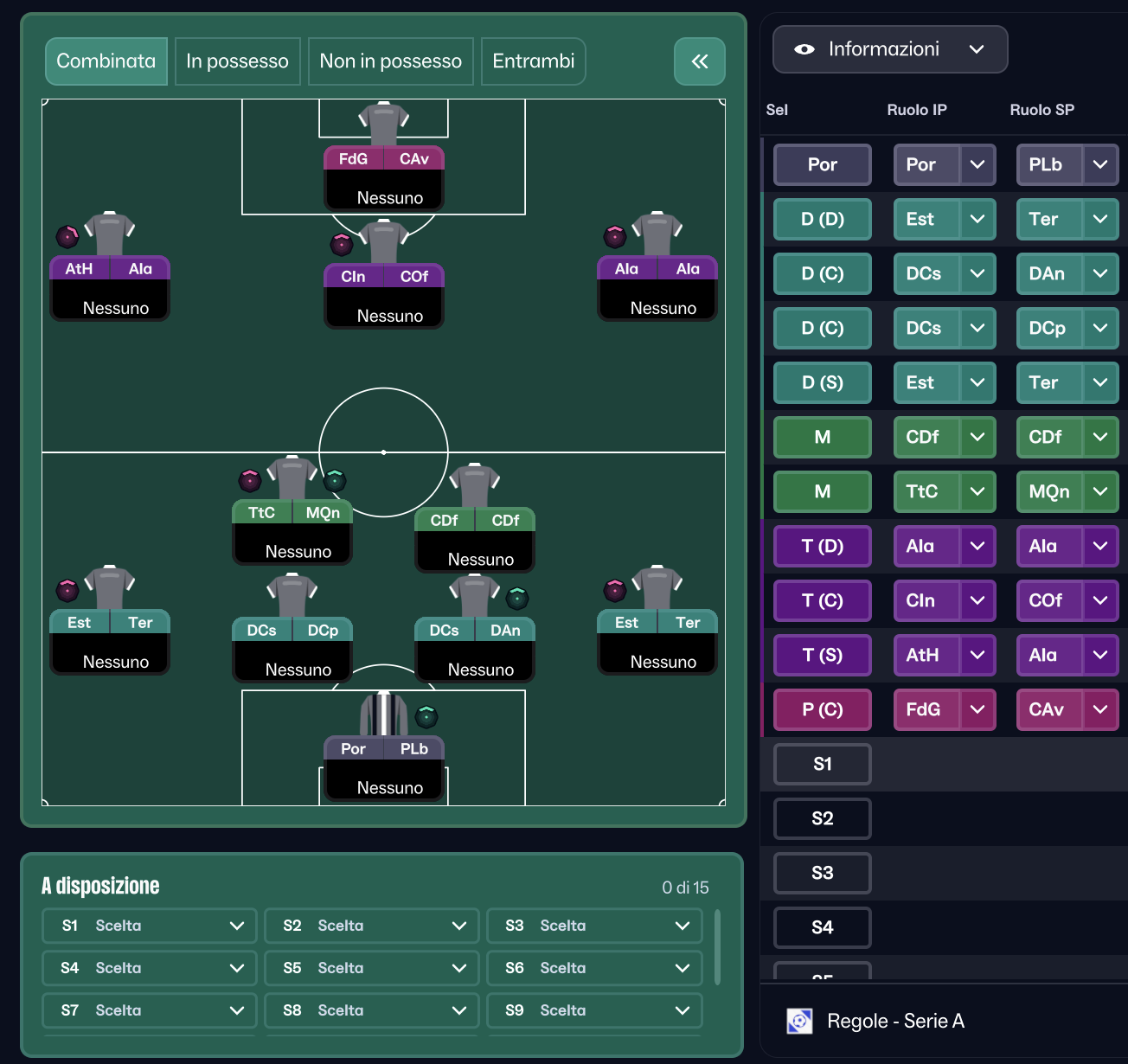
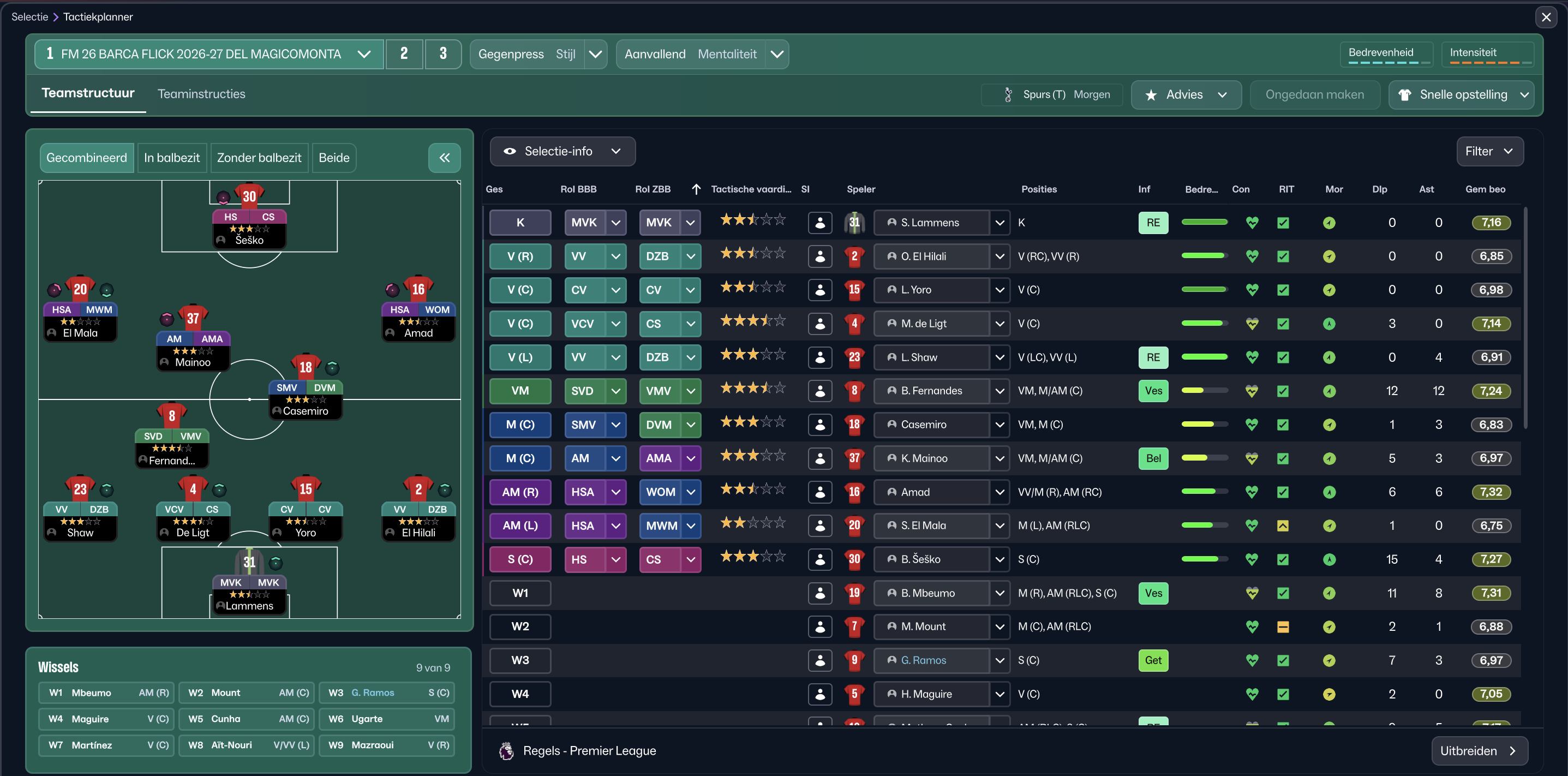
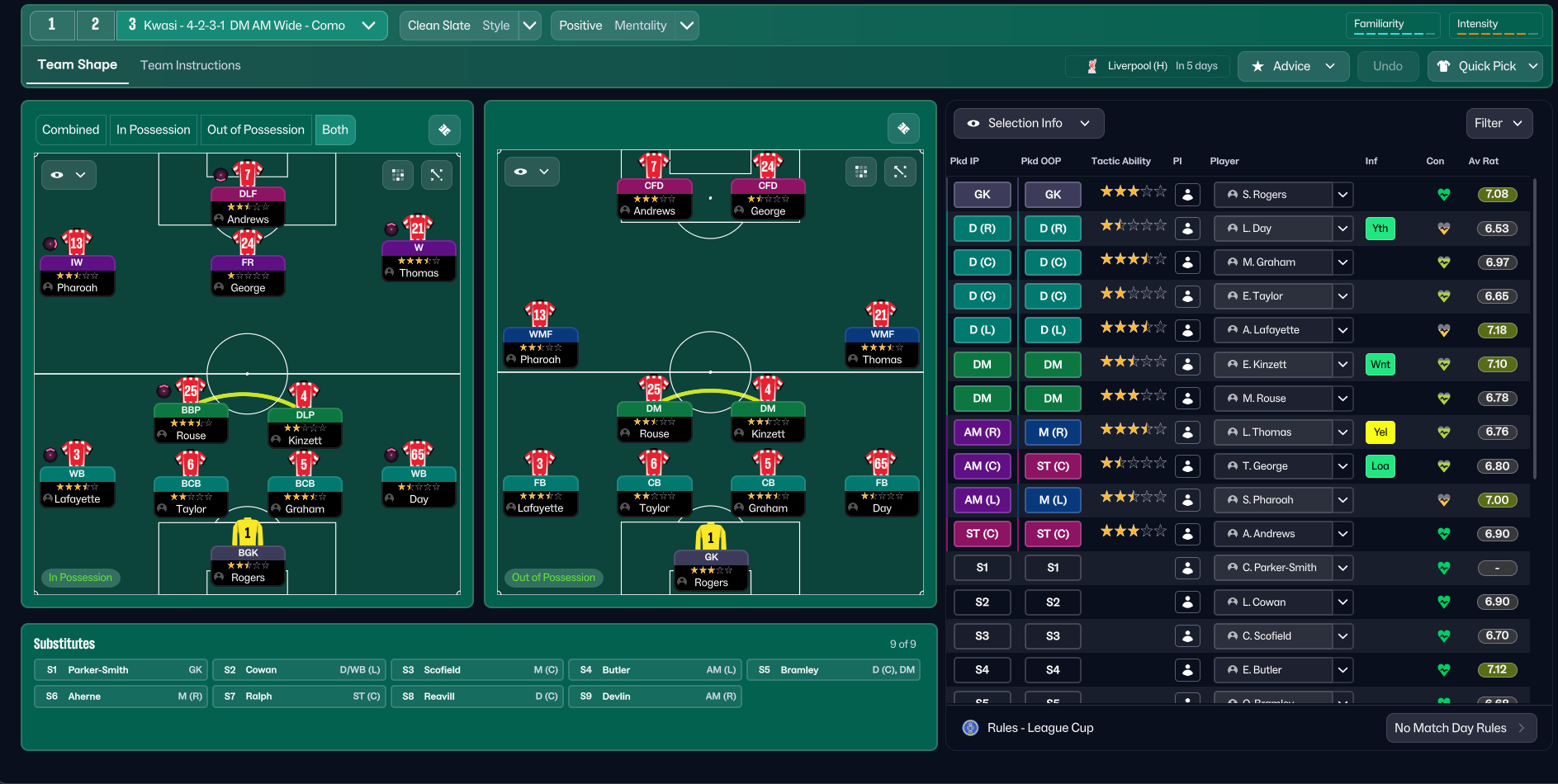
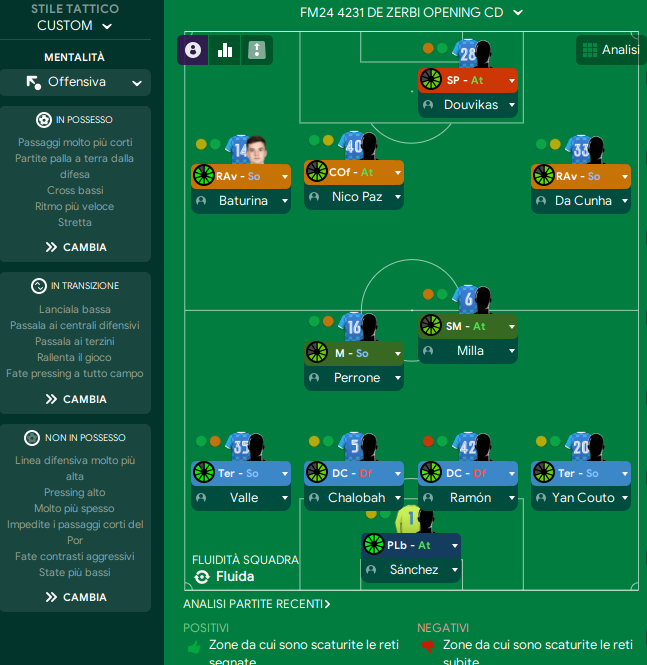
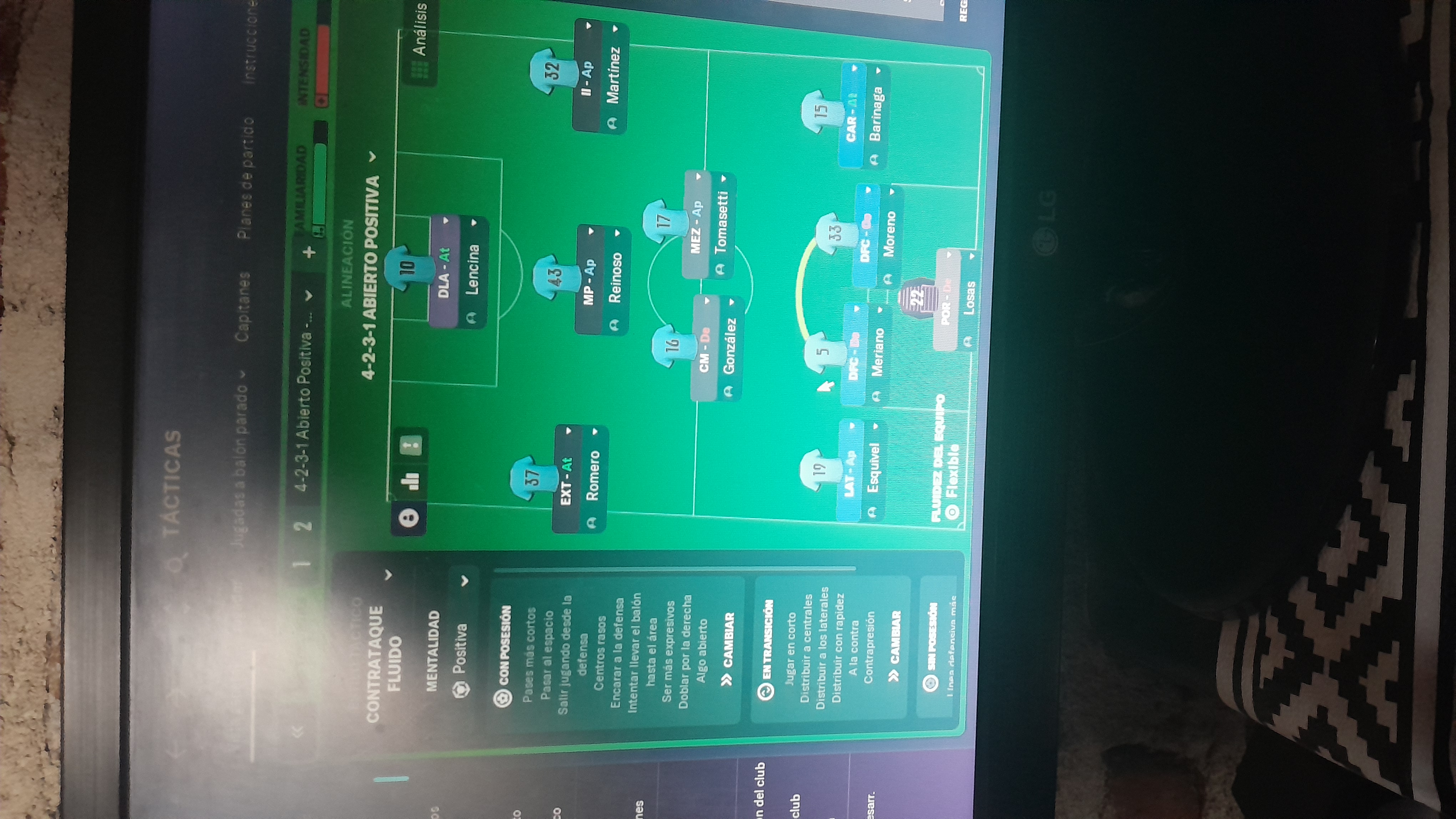
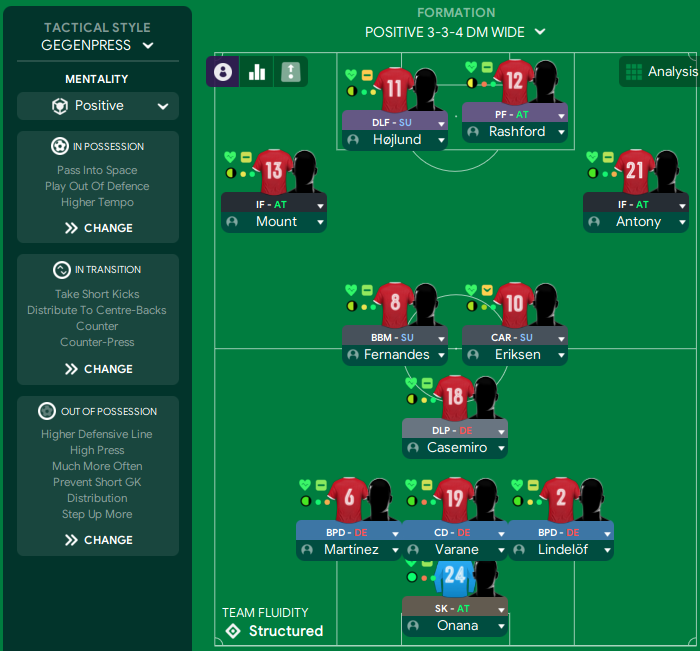
More Gegenpress tactics
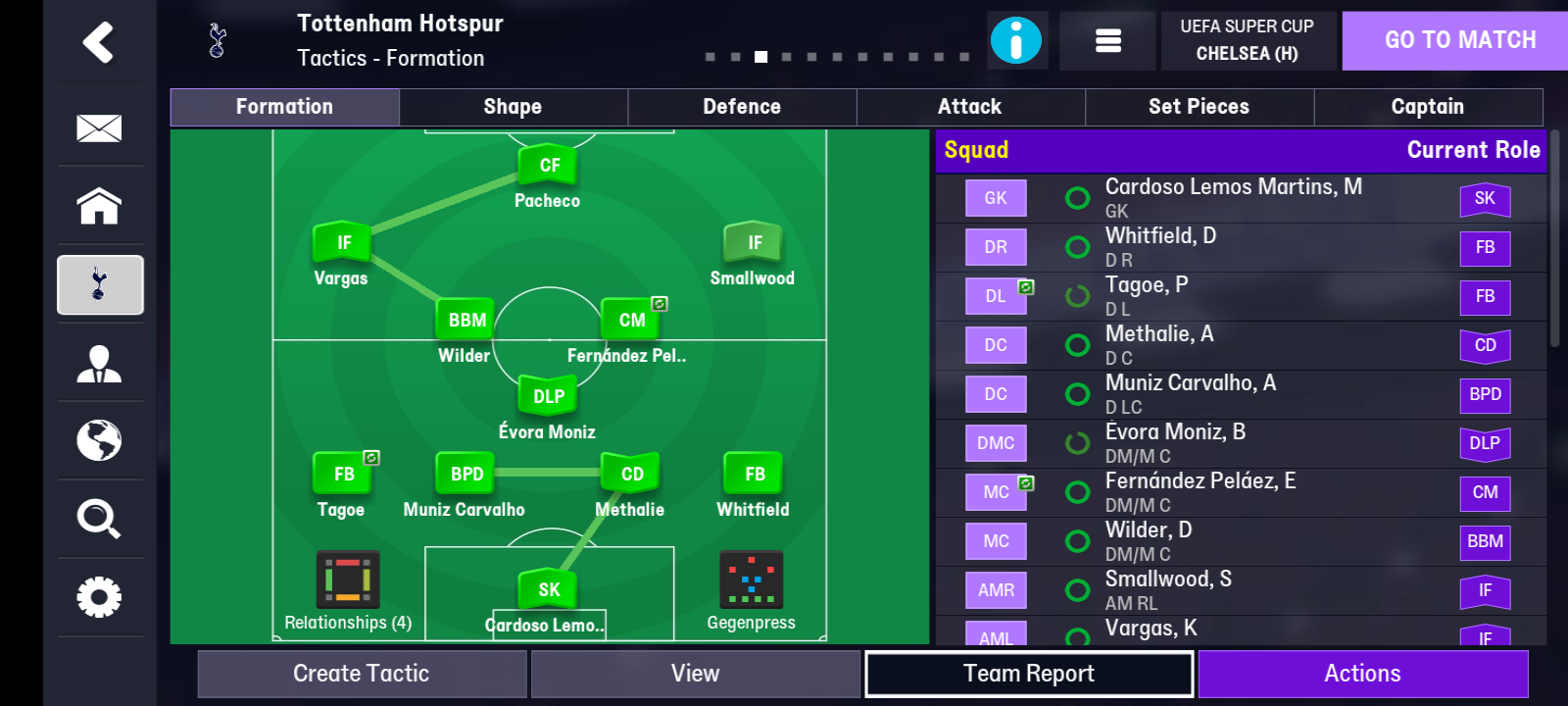
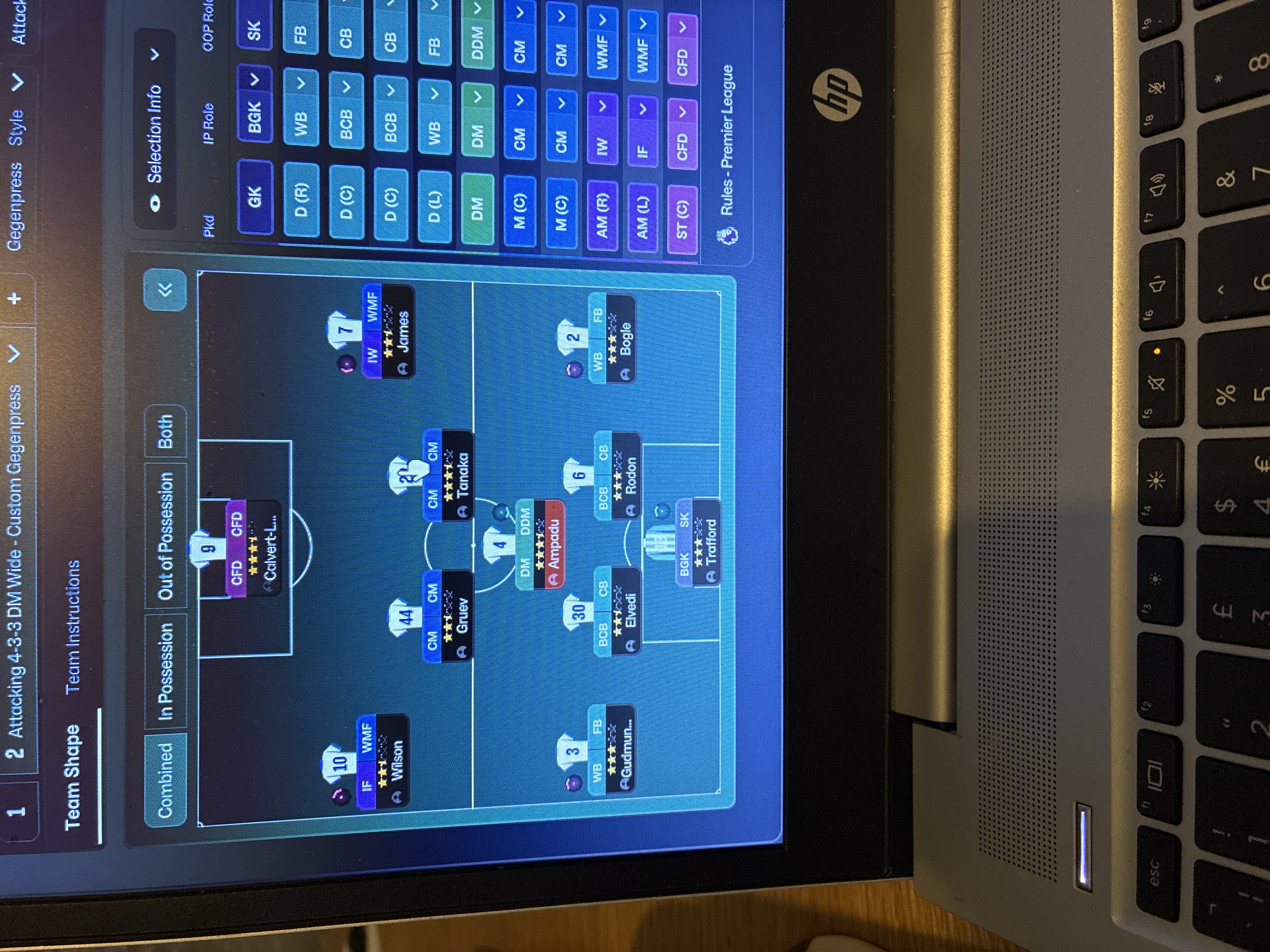
Guides for this formation
The tactical theory behind the 4-2-3-1: roles, instructions, and the trade-offs that decide whether the system holds up.
Player pairings
Midfield Pairs in 4-2-3-1 and 4-4-2
Double pivots and flat pairs in 4-2-3-1 and 4-4-2: when each pairing works, when it collapses, and the AMC unicorn that rescues both.
Read guide
Playing styles
Gegenpressing: A Full Guide
Klopp-style gegenpressing in FM, including squad profile, line-and-press pairing, sustainable workload, and the antipatterns to avoid.
Read guide