Uploaded Tactic
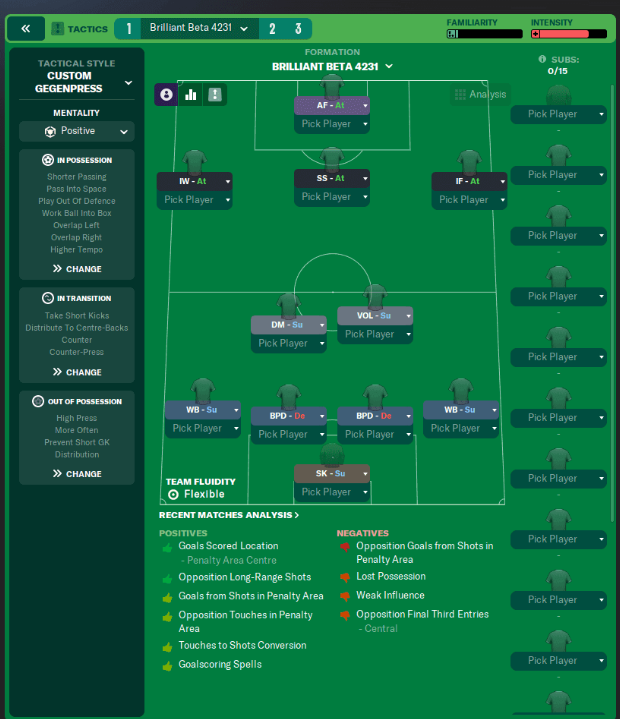
Formation & Style
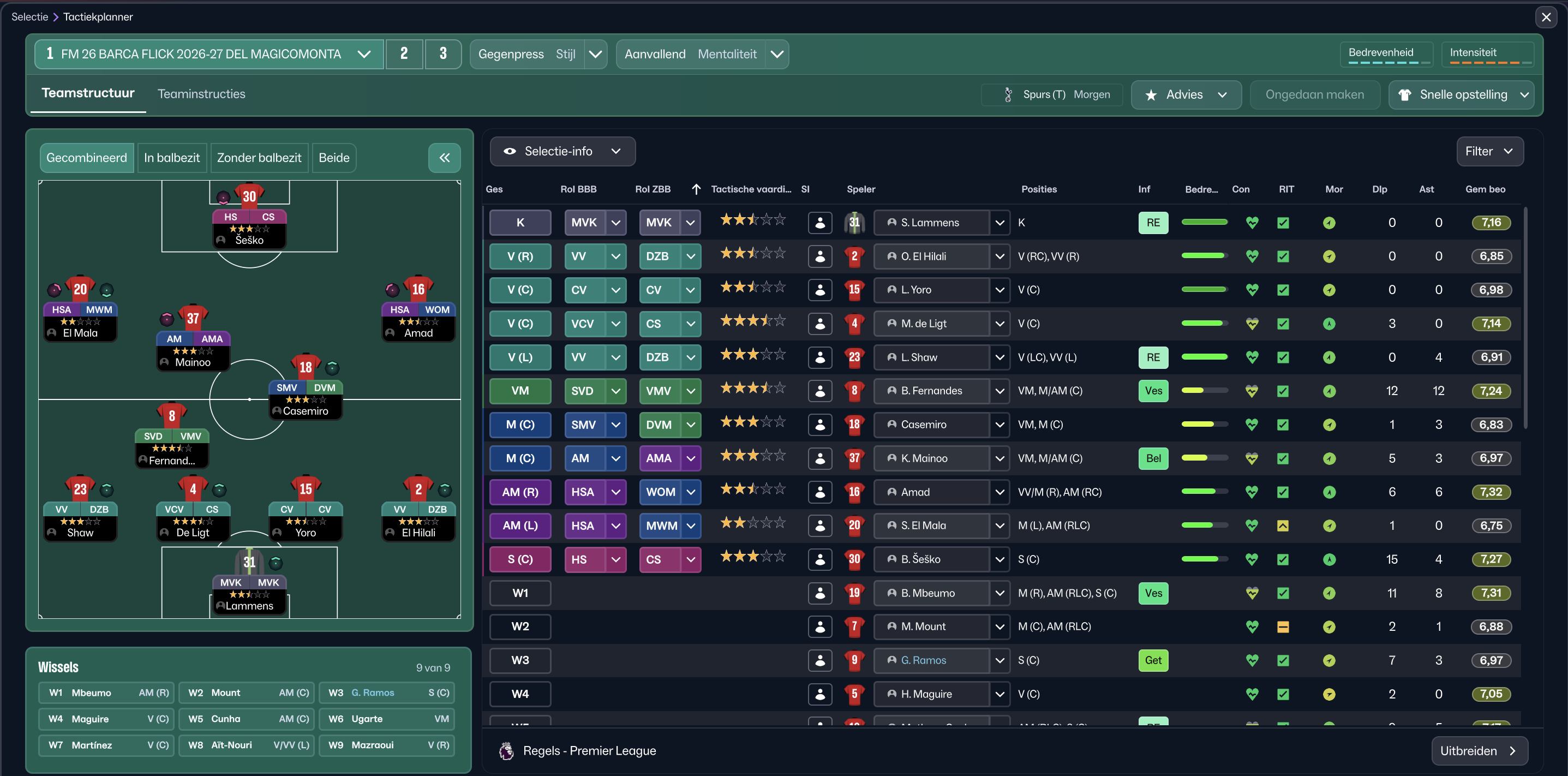
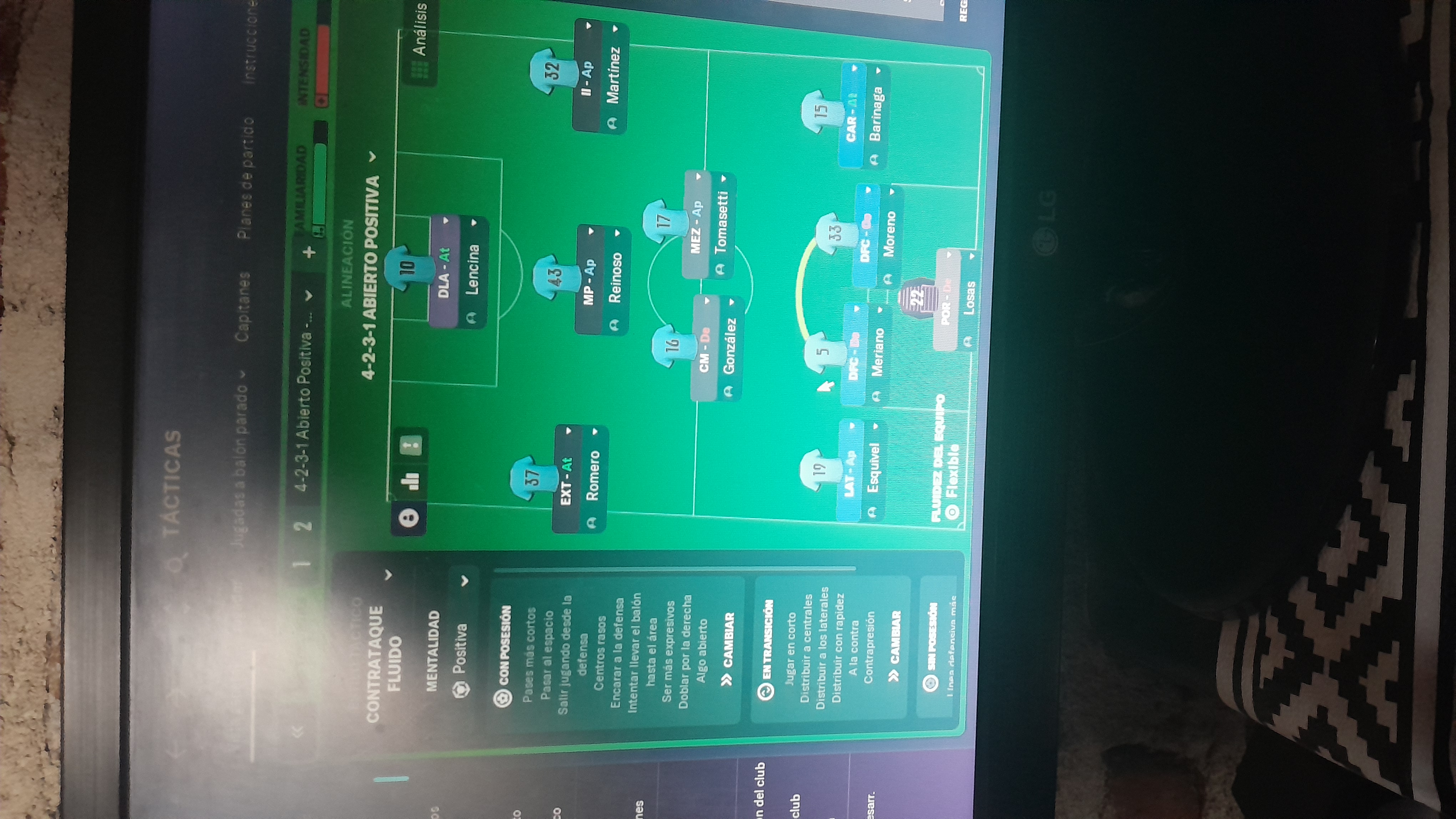
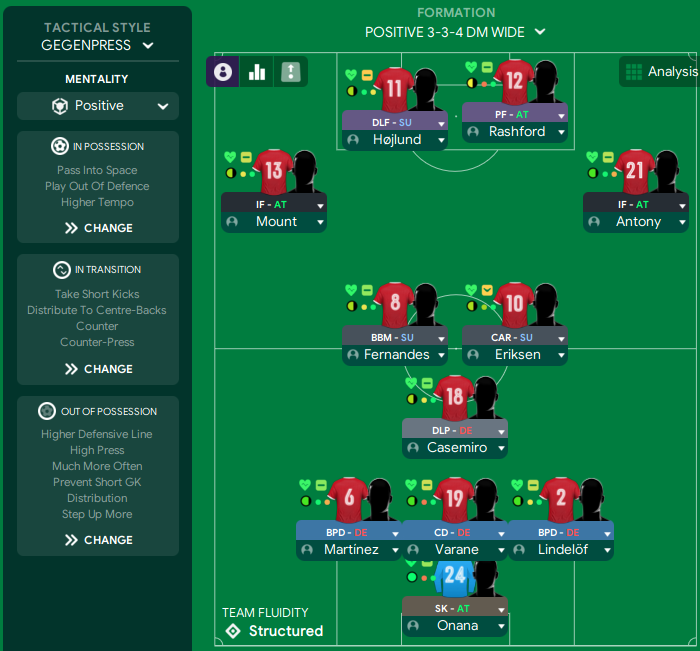
Tactical Style:Gegenpress
Mentality:Positive
Formation:4-2-3-1
Team Fluidity:Flexible
In Possession
Shorter Passing
Pass Into Space
Work Ball Into Box
Overlap Right
Higher Tempo
In Transition
Take Short Kicks
Distribute To Centre-Backs
Counter
Counter-Press
Out of Possession
High Press
More Often Prevent Short GK Distribution
Team Shape Without Ball
Shape:Compact
Description:Defensive units maintain a compact shape to minimize spaces.
Evidence:High Press strategy is implemented to disrupt the opposition's build-up.
Team Shape With Ball
Shape:Dynamic
Description:Fluid attacking shape allows players to exploit spaces effectively.
Evidence:'Overlap Right' instruction facilitates width, enhancing offensive options.
Phase Description
Attacking Play
Focus on intricate passing in the final third, using wide players to stretch the opposition.
Defensive Transition
Quick recovery runs to counter press opponents immediately after losing possession.
Main Focus
Utilizing quick transitions to exploit opponents' defensive frailties.
Key Strengths
Effective Use of Width
Wing-backs push forward to provide width, allowing for overlapping runs.
Dynamic Movement in Attack
Interchanging roles in the attack keeps opposition defenses guessing.
Strong Pressing Game
Utilization of high pressing puts pressure on opponents upon losing the ball.
Conflicting Directions
Slow Transition Play
Delay in transitioning from defense to attack can be mitigated to improve effectiveness.
Central Overreliance
Heavy focus on central play may lead to predictability.
Vulnerability to Long Shots
Midfield setup may expose the goal to longer range efforts.
Tactical Suggestions
Enhance Defensive Midfield Coverage
Consider utilizing a more defensive-minded DM role to strengthen central defense.
Introduce a More Balanced Attack
Possible adjustment to include a playmaker for better distribution.
Adjust Team Instructions
Experiment with lowering the intensity of pressing to maintain energy levels.
Ask Questions About Your Lineup
Related Tactics
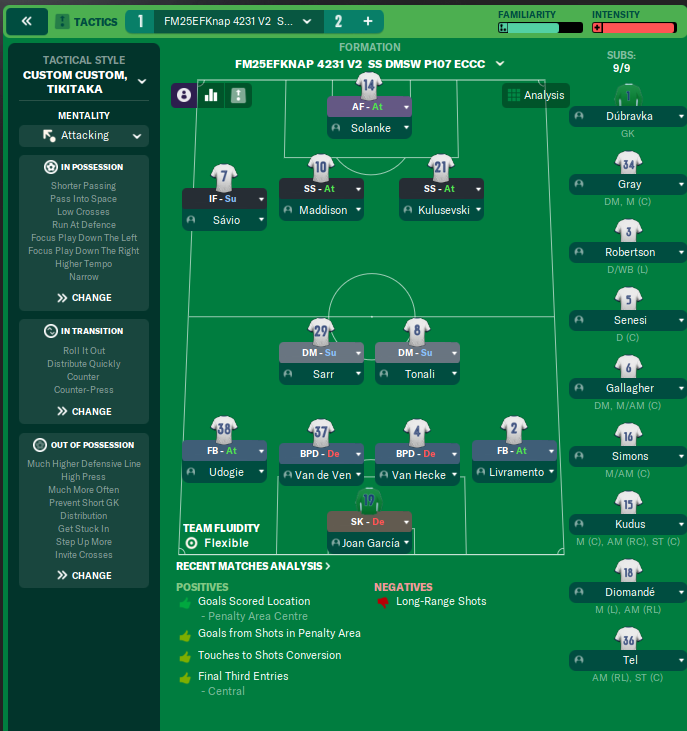
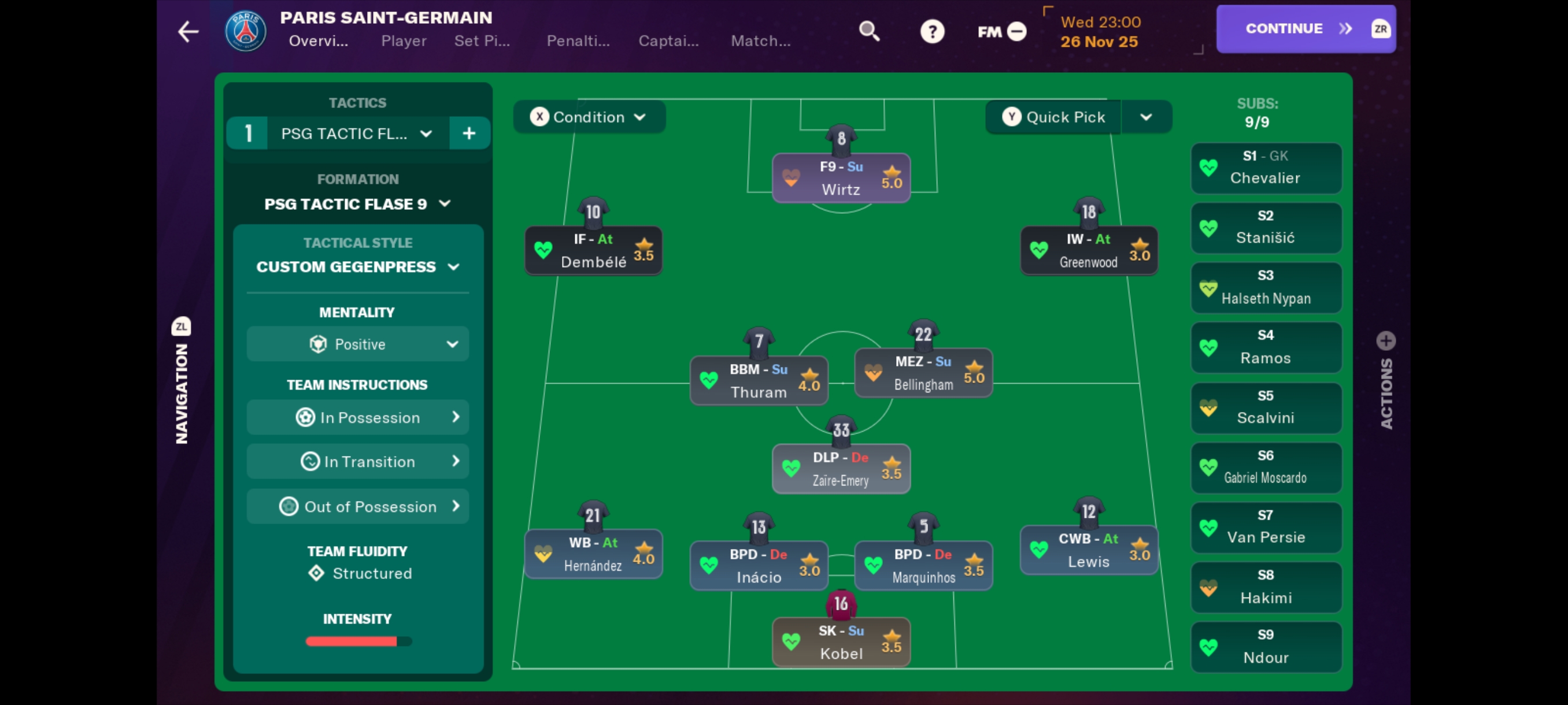
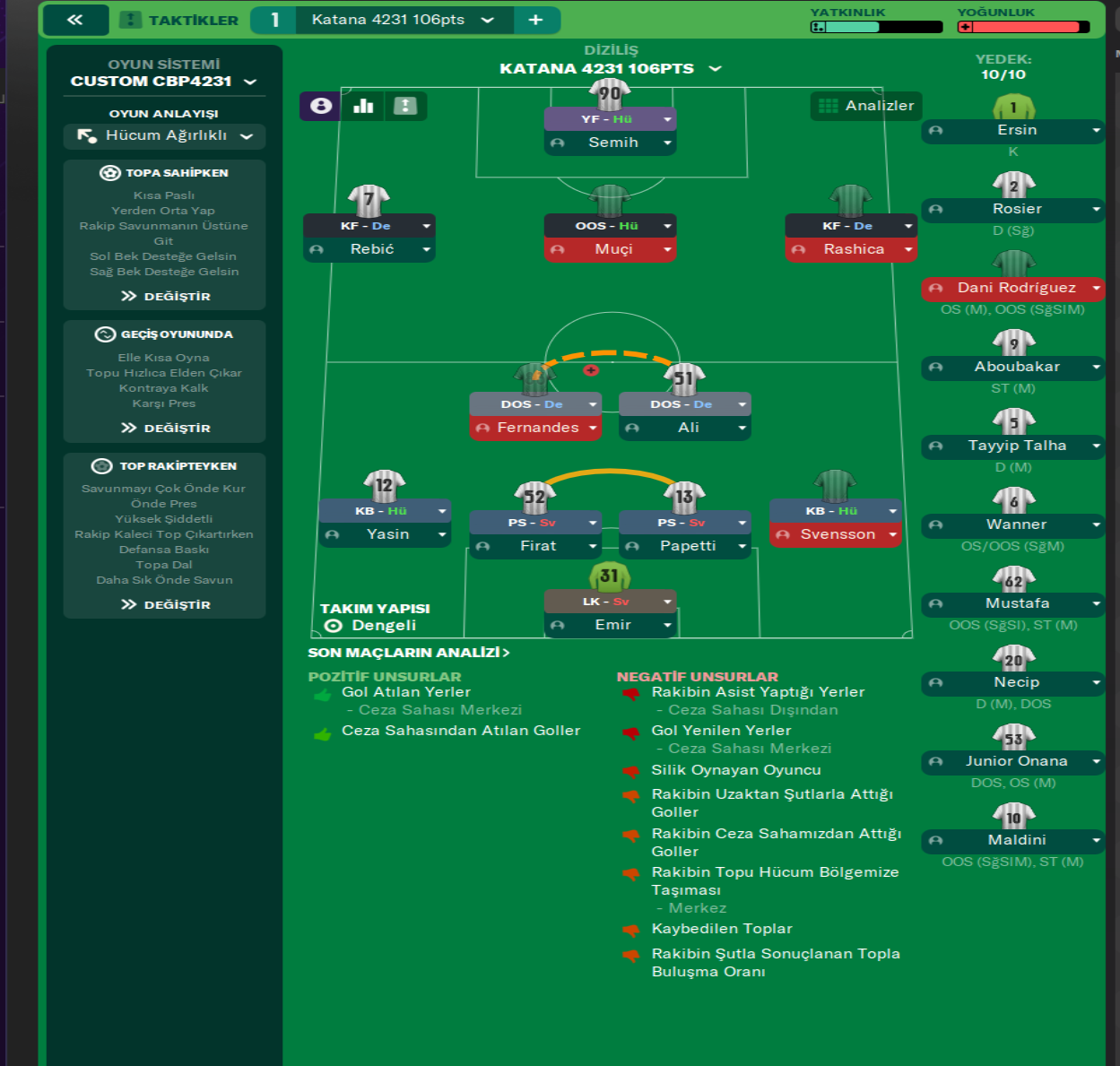
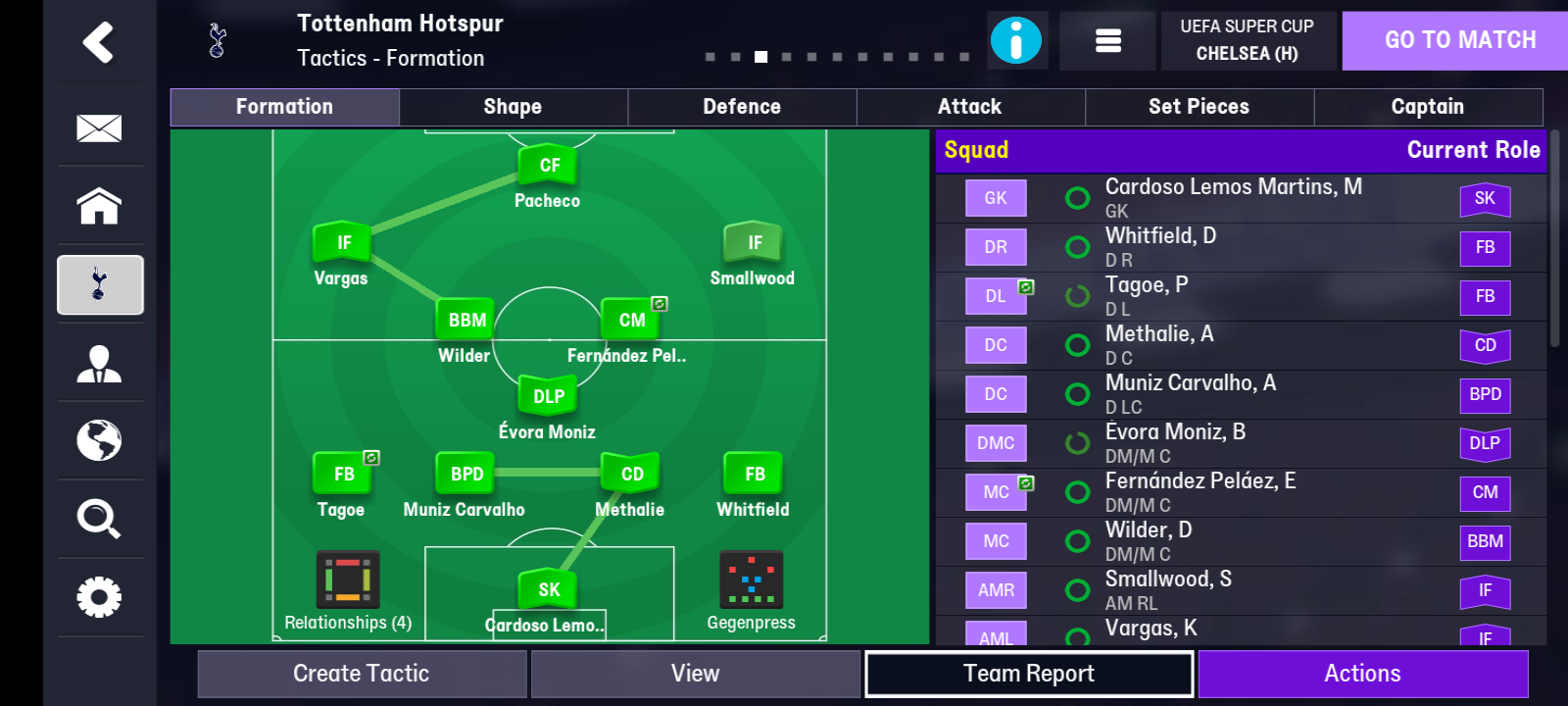
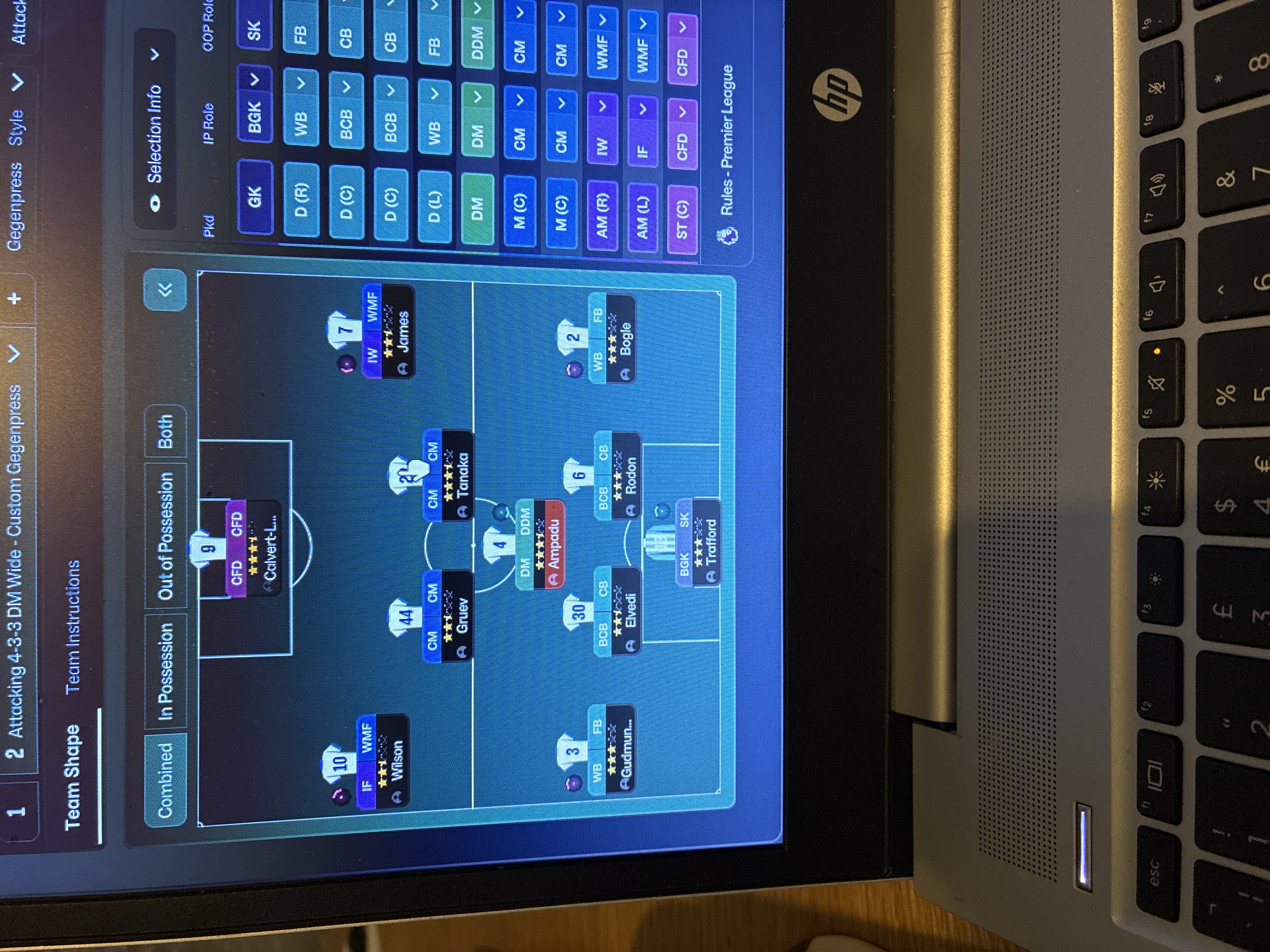
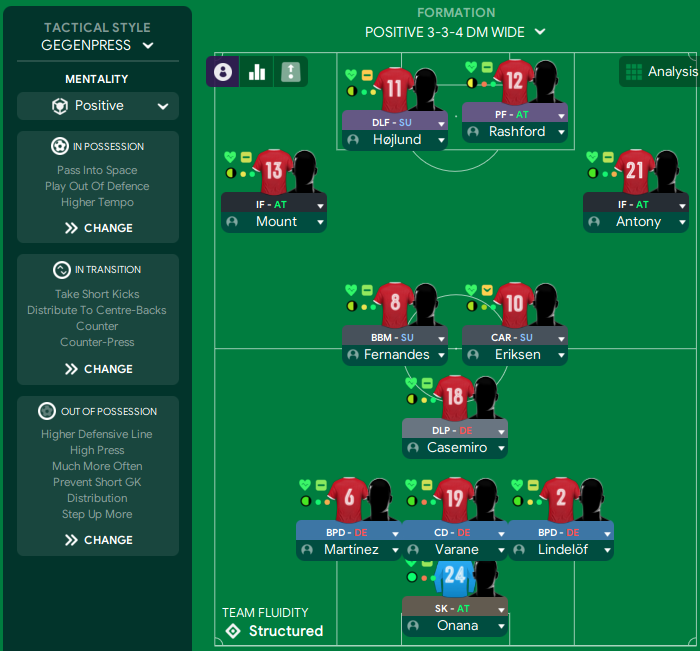
More Gegenpress tactics
Guides for this formation
The tactical theory behind the 4-2-3-1: roles, instructions, and the trade-offs that decide whether the system holds up.
Player pairings
Midfield Pairs in 4-2-3-1 and 4-4-2
Double pivots and flat pairs in 4-2-3-1 and 4-4-2: when each pairing works, when it collapses, and the AMC unicorn that rescues both.
Read guide
Playing styles
Gegenpressing: A Full Guide
Klopp-style gegenpressing in FM, including squad profile, line-and-press pairing, sustainable workload, and the antipatterns to avoid.
Read guide