Uploaded Tactic
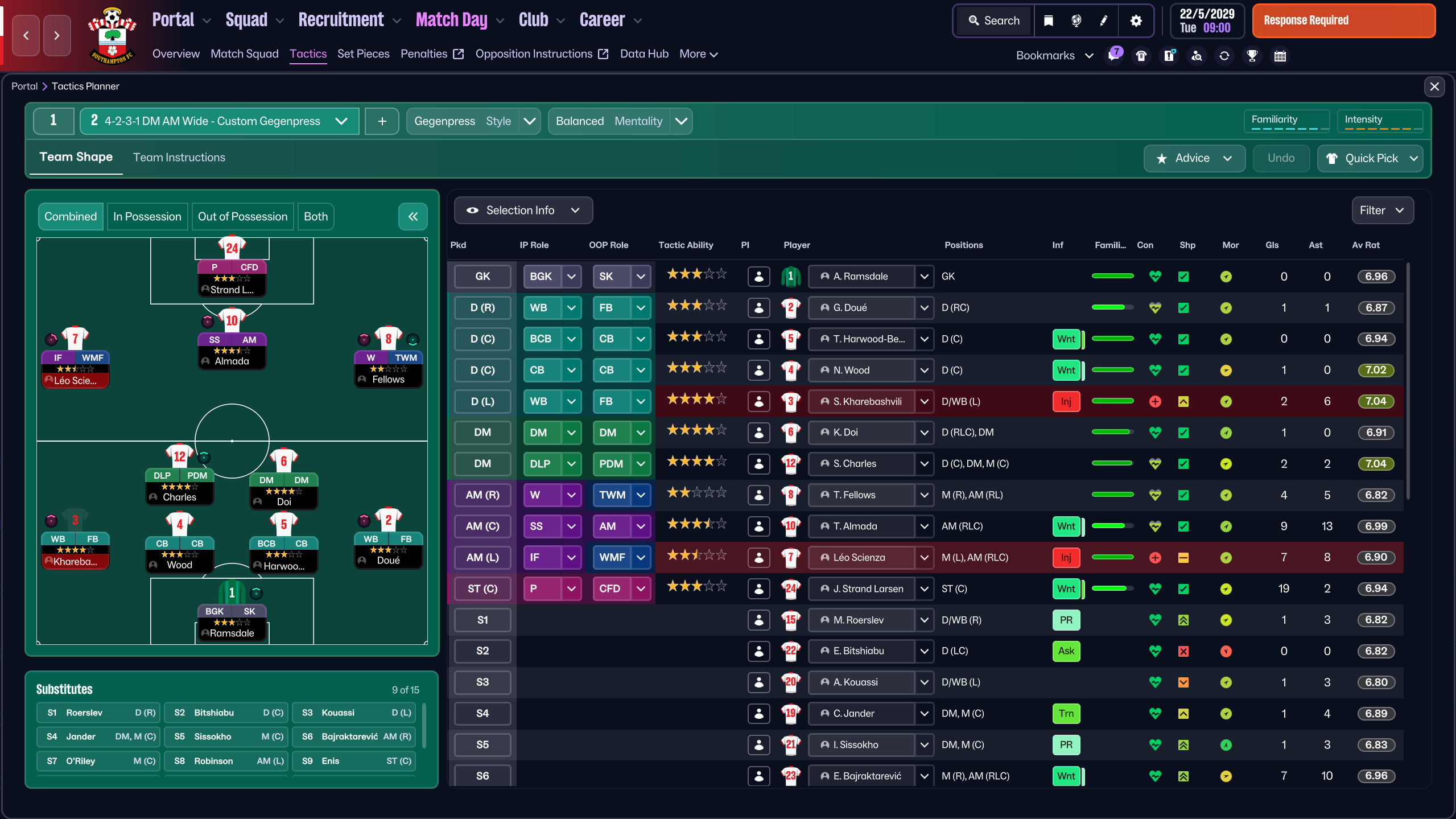
Formation & Style
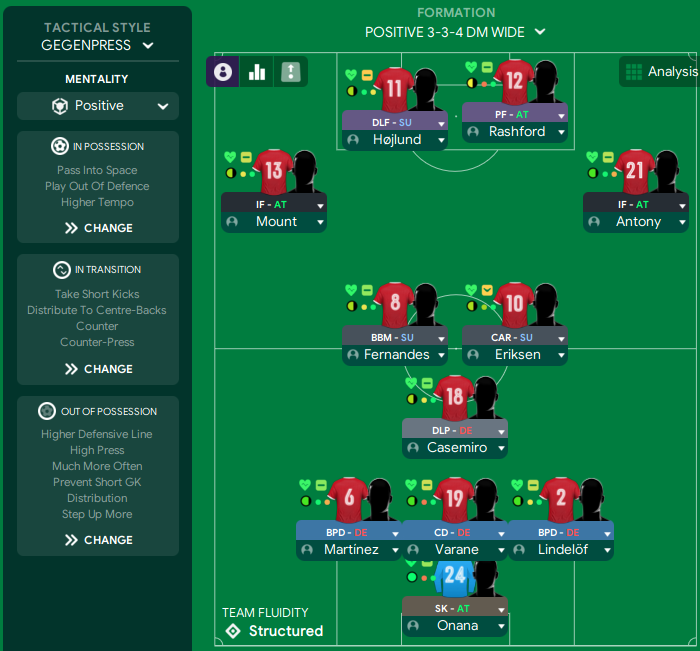
Tactical Style:Gegenpress
Mentality:Balanced
Formation:4-2-3-1 Wide
Team Fluidity:Structured
In Possession
Focus on quick passing to exploit spaces between the lines.
Utilize width for attacking through the wingers (TWM & WM).
Encourage overlaps from Full-Backs.
In Transition
Counter-press immediately after losing possession.
Quick transitions to exploit defensive gaps.
Out of Possession
High defensive line to compress space.
Pressing triggers on opposition when within 25 yards of goal.
Team Shape Without Ball
Shape:High press
Description:A compact and high defensive line designed to apply pressure high up the pitch.
Evidence:Pressing triggers indicated in 'in possession' with immediate counter-press after losing possession.
Team Shape With Ball
Shape:Exploit width
Description:Wingers stretch the play, enabling midfielders to exploit pockets of space.
Evidence:Roles of TWM and WM are created to harness width during attacking phases.
Phase Description
Attacking Play
Utilizing wingers and overlapping full-backs to stretch defenses and create crossing opportunities.
Defensive Transition
Immediately pressuring the opposition once possession is lost to regain the ball quickly.
Main Focus
Fast attacking transitions and solid defensive organization.
Key Strengths
Fluid Attack
The movement of the front three allows for unpredictable attacking patterns.
Pressing Efficiency
Quick recovery of possession due to high pressing tactics.
Width in Attack
Utilizing wide players effectively opens up the central channel.
Conflicting Directions
Defensive Stability
A high defensive line might expose the backline to counter-attacks.
Midfield Balance
The double pivot must ensure they are not outnumbered when transitioning to defense.
Wing Player Dependence
Heavy reliance on wide players could lead to struggles against tightly packed defenses.
Tactical Suggestions
Adjust Defensive Line
Consider lowering the defensive line to provide safety against counter-attacks.
Incorporate More Width
Utilize full-backs wider to enhance stretching the opposition's defense.
Rotate Attacking Positions
Encourage more rotation among attackers to disrupt defensive shape.
Ask Questions About Your Lineup
Related Tactics
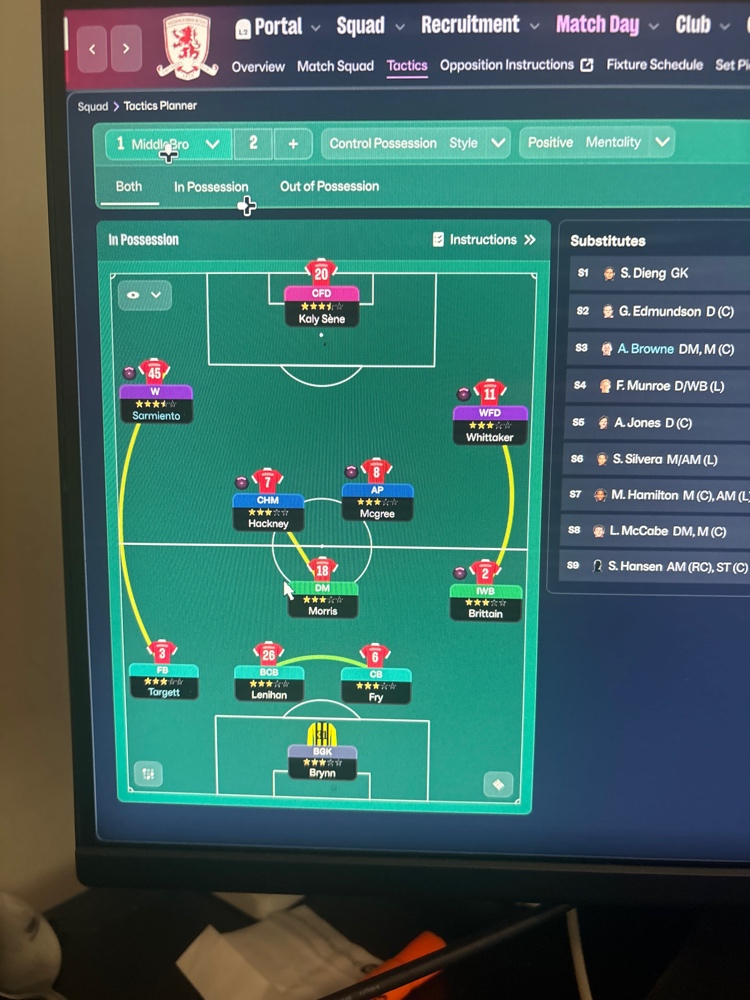
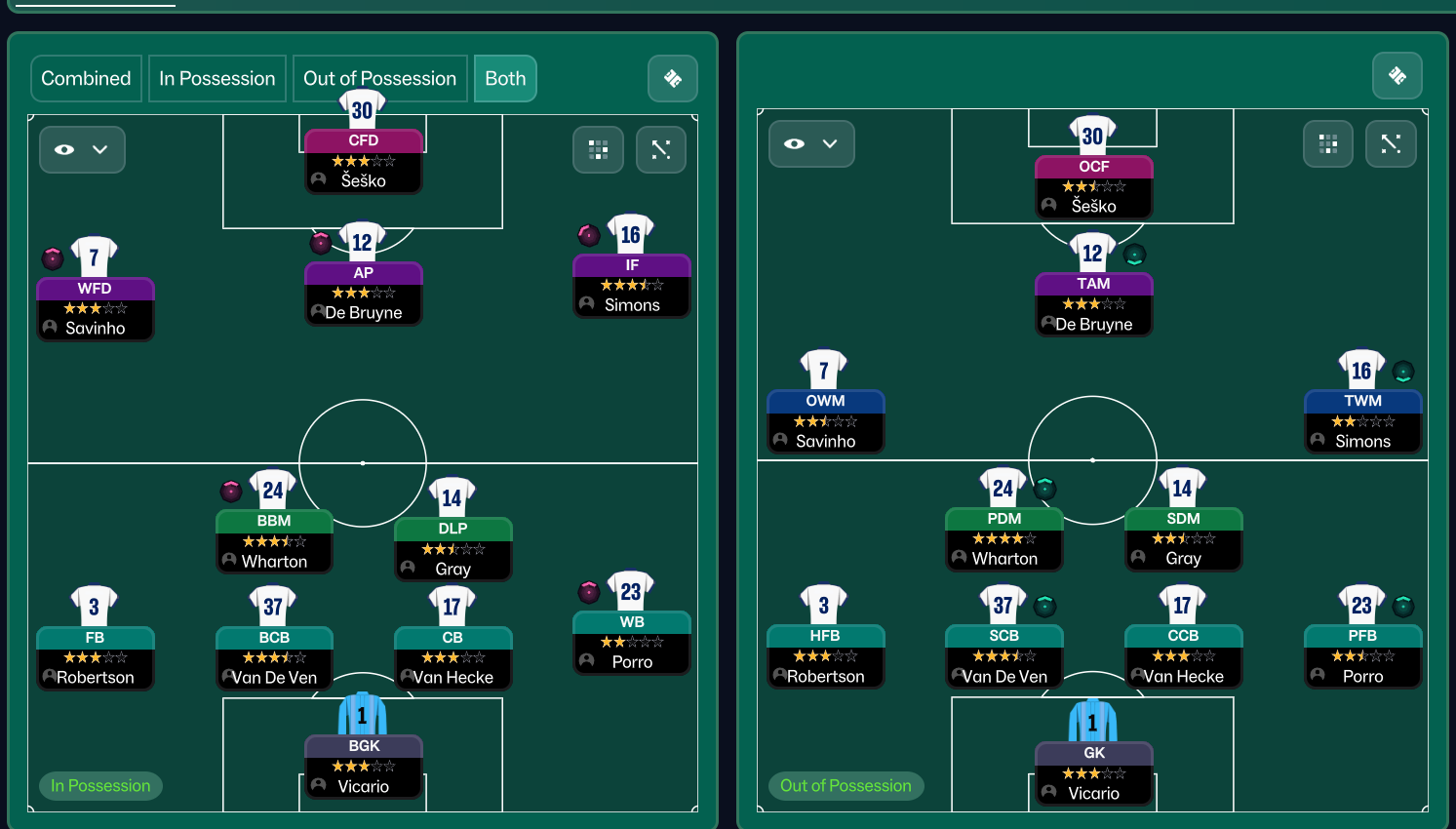
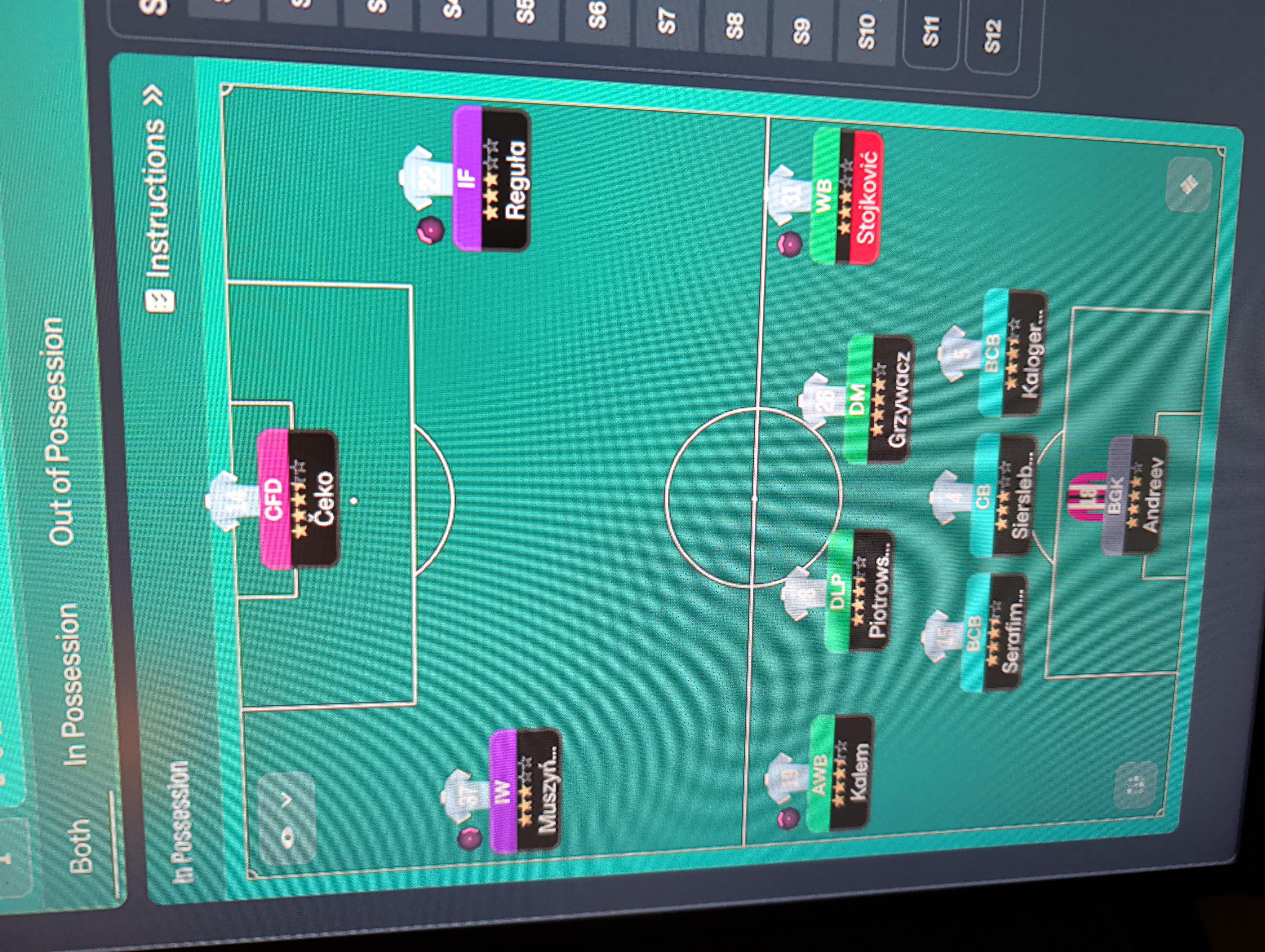
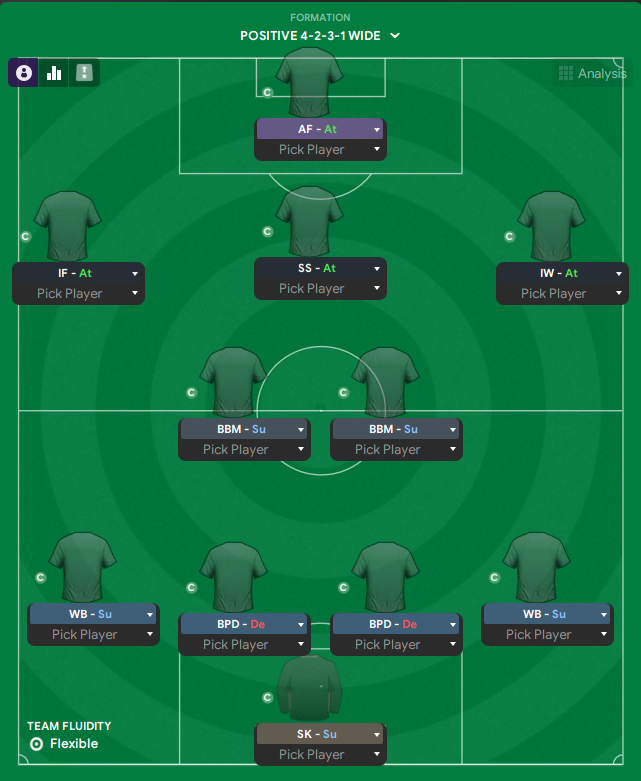
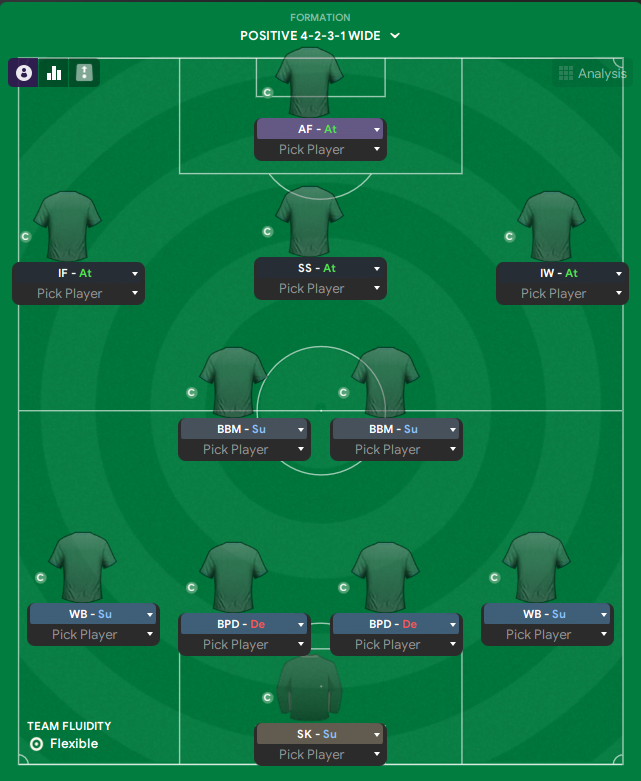
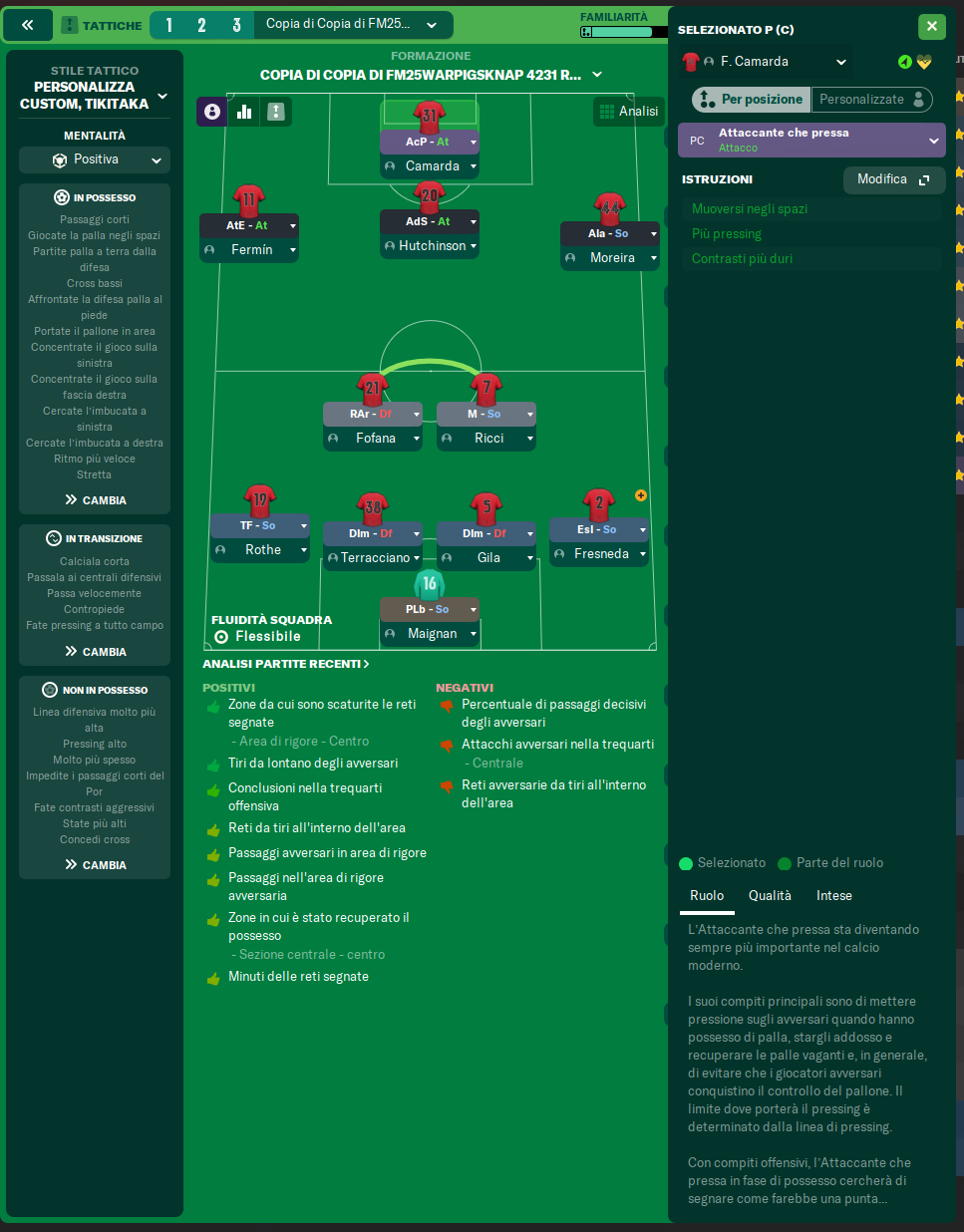
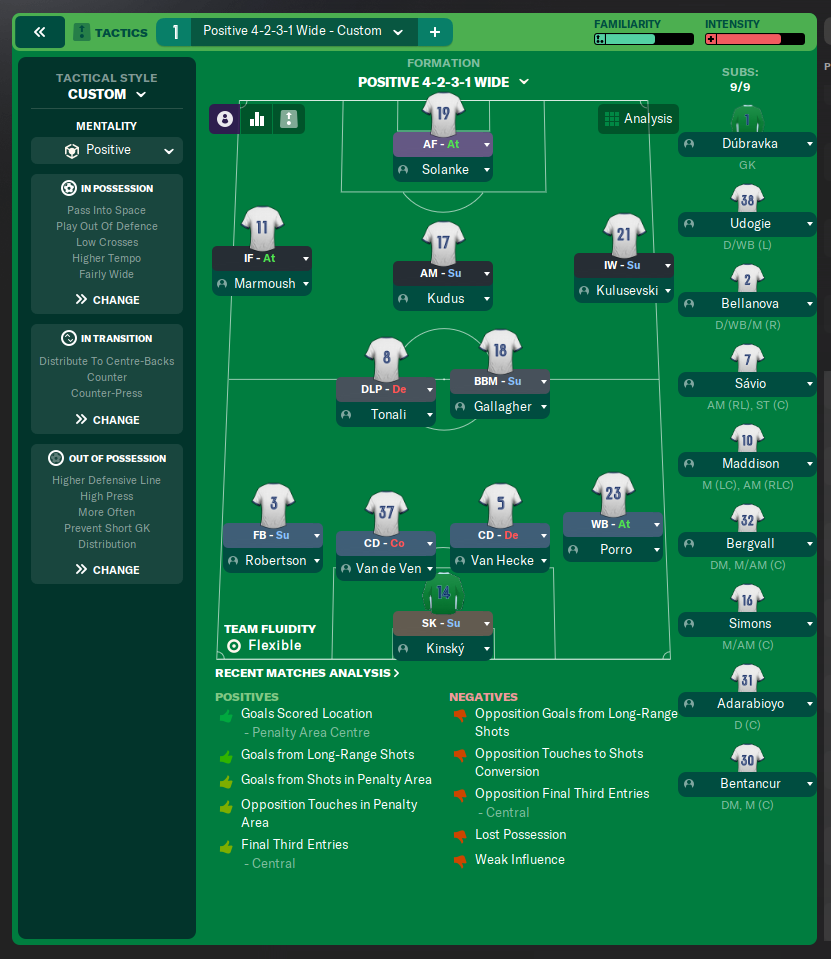
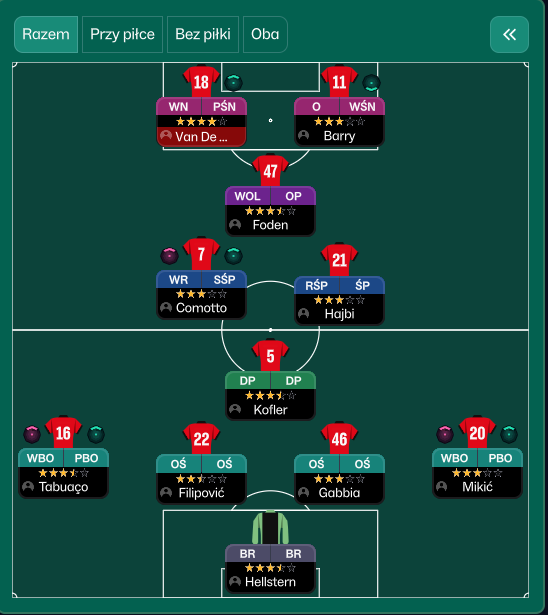
More Gegenpress tactics
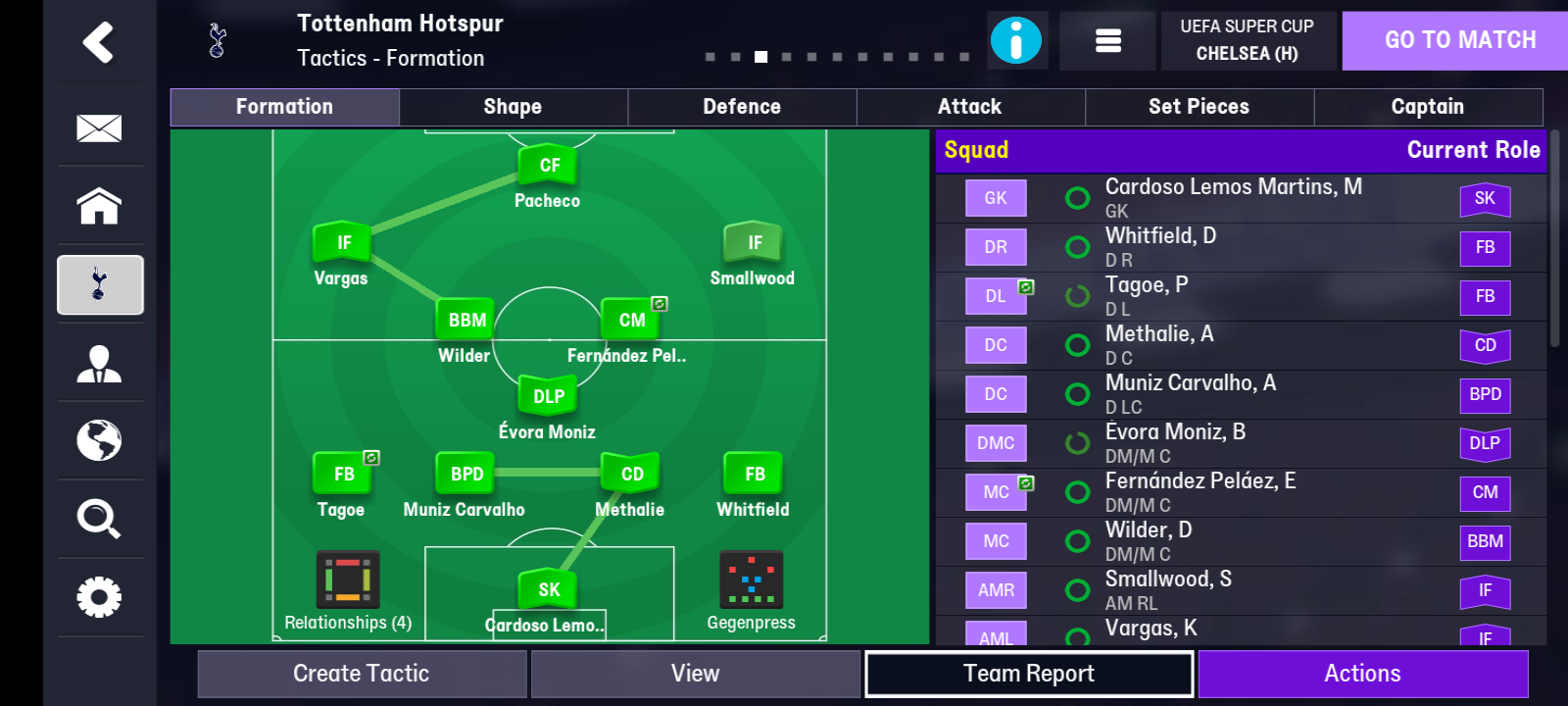
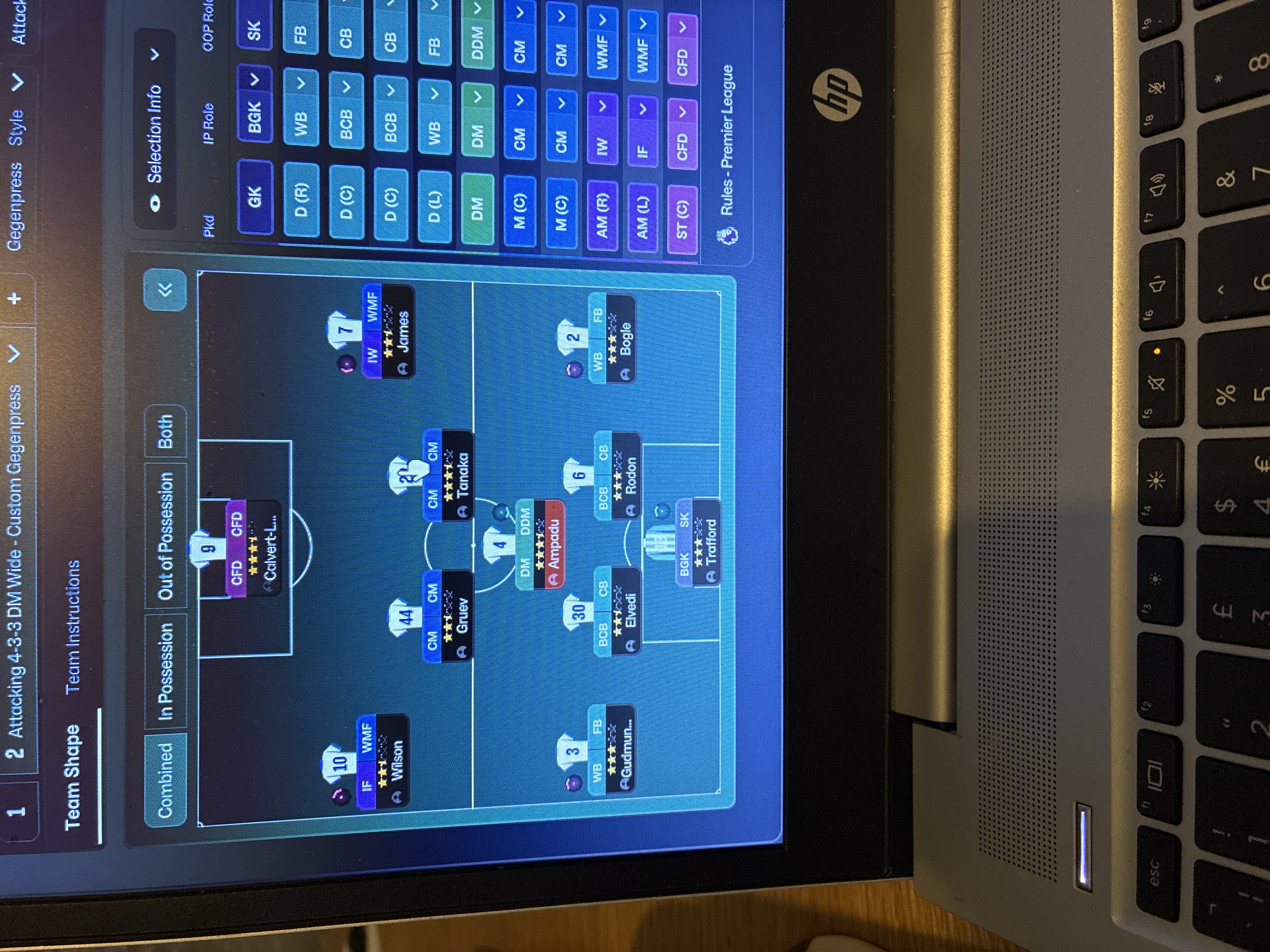
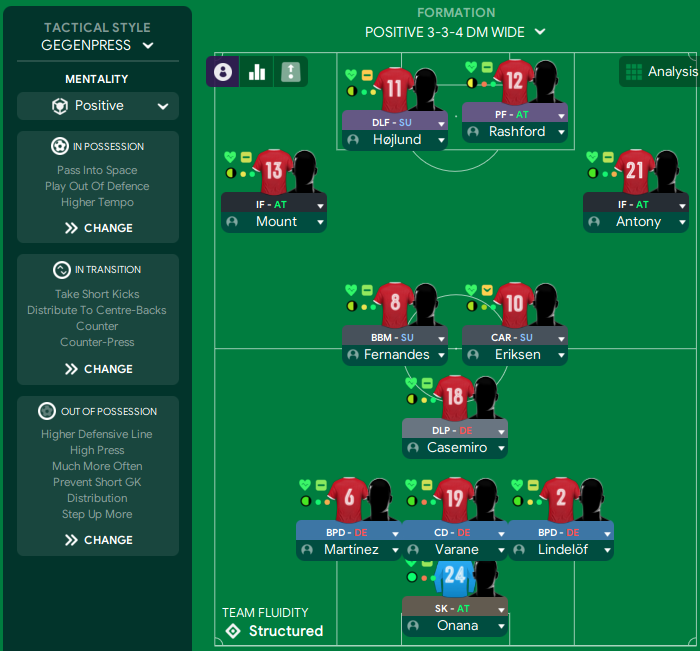
Guides for this formation
The tactical theory behind the 4-2-3-1 Wide: roles, instructions, and the trade-offs that decide whether the system holds up.
Player pairings
Midfield Pairs in 4-2-3-1 and 4-4-2
Double pivots and flat pairs in 4-2-3-1 and 4-4-2: when each pairing works, when it collapses, and the AMC unicorn that rescues both.
Read guide
Playing styles
Gegenpressing: A Full Guide
Klopp-style gegenpressing in FM, including squad profile, line-and-press pairing, sustainable workload, and the antipatterns to avoid.
Read guide