Uploaded Tactic
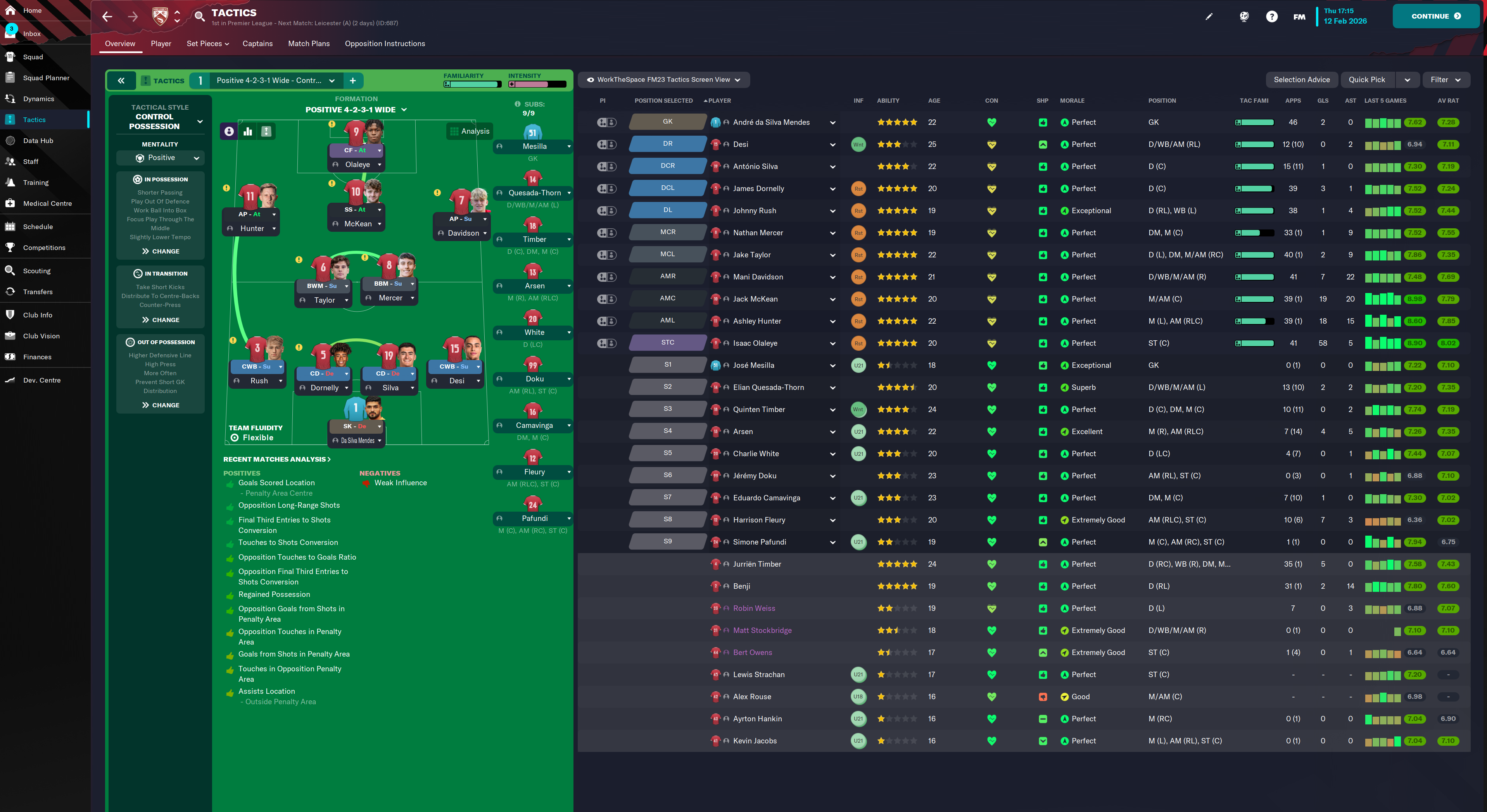
Formation & Style
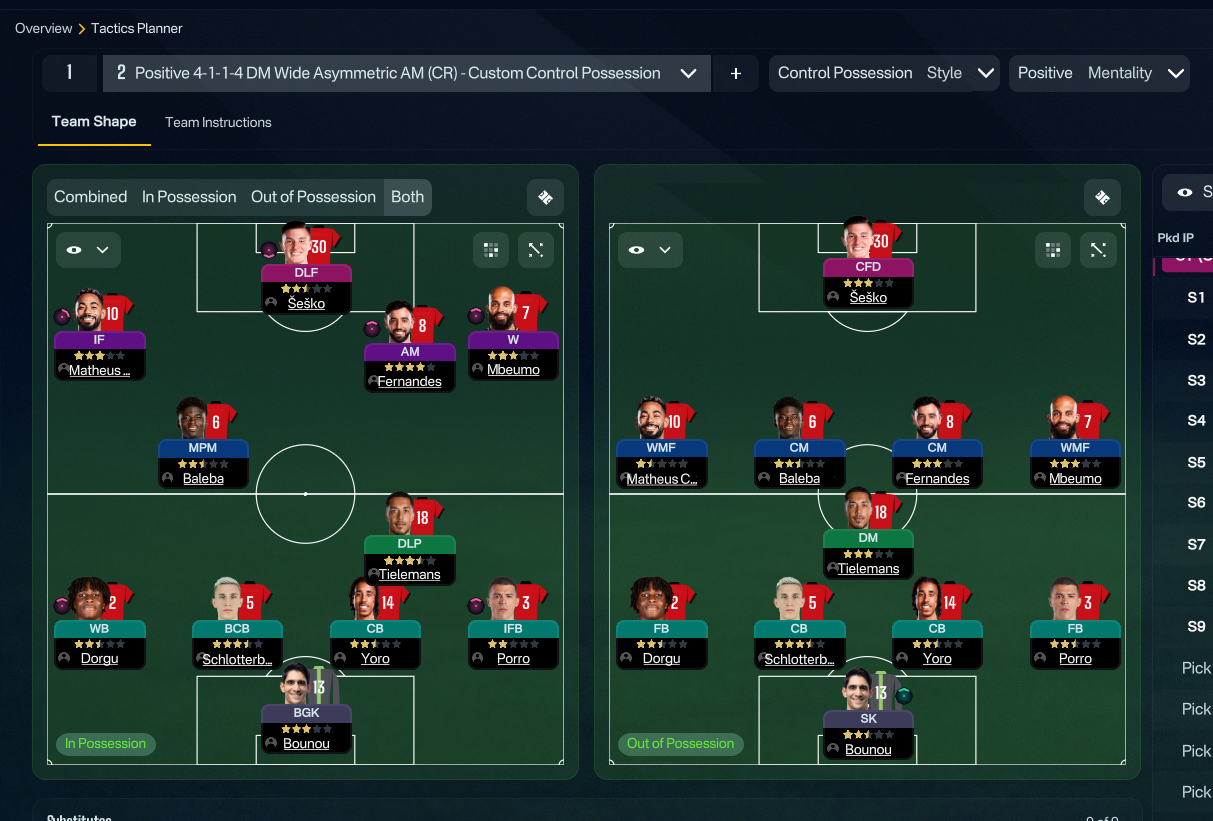
Tactical Style:Control Possession
Mentality:Positive
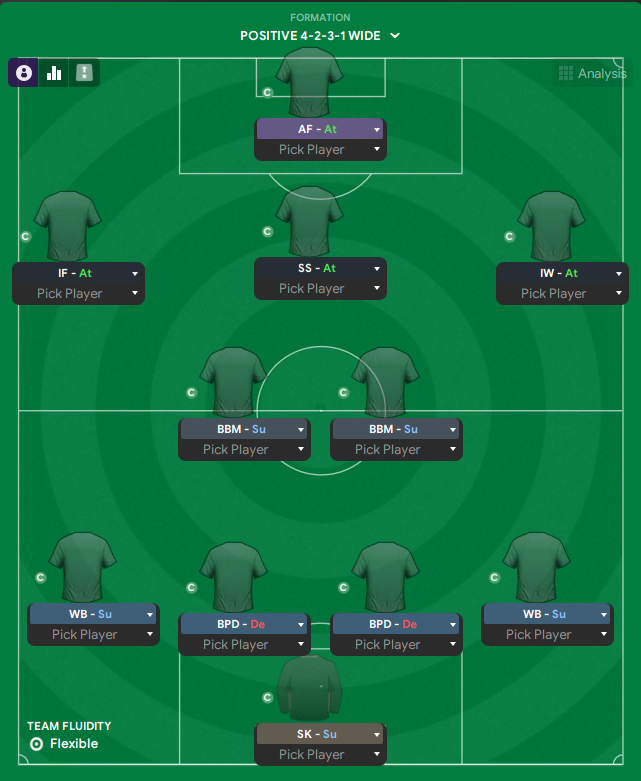
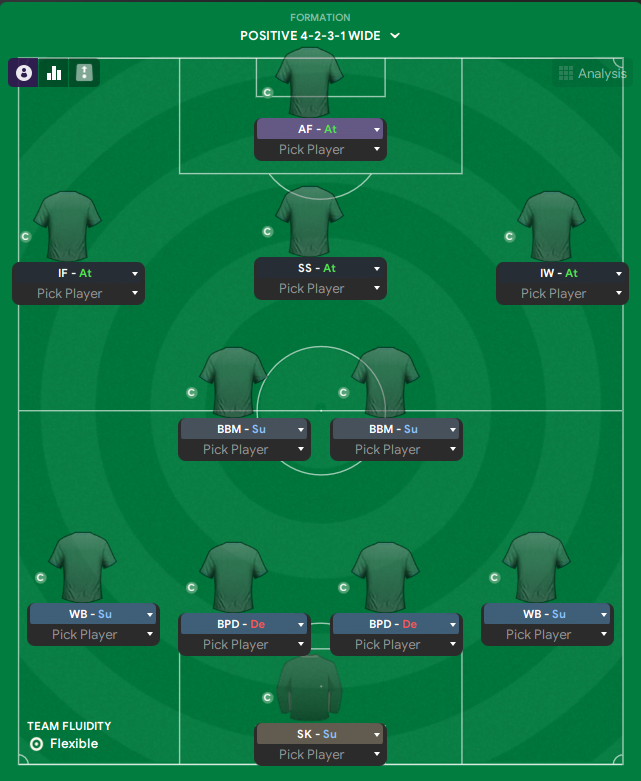
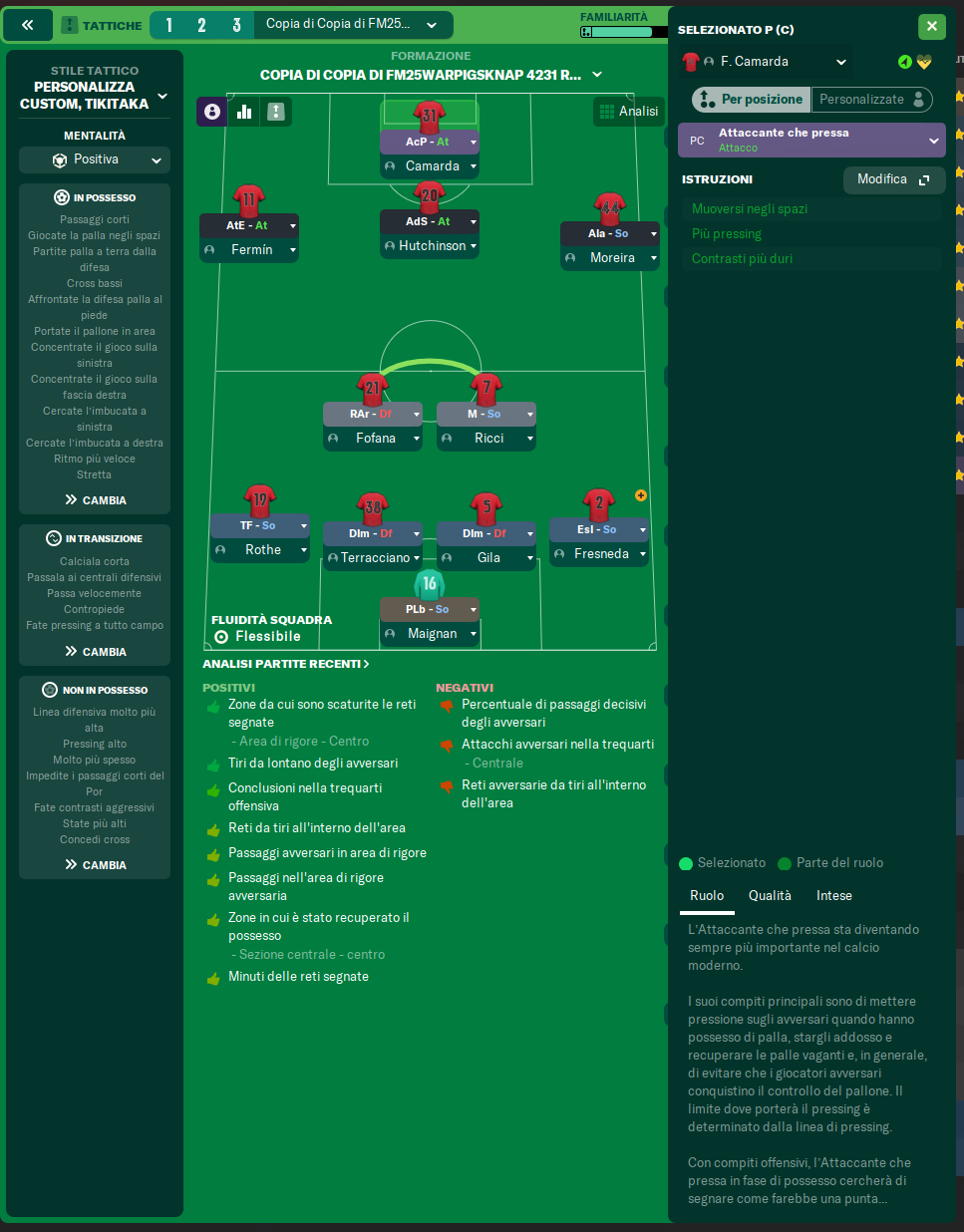
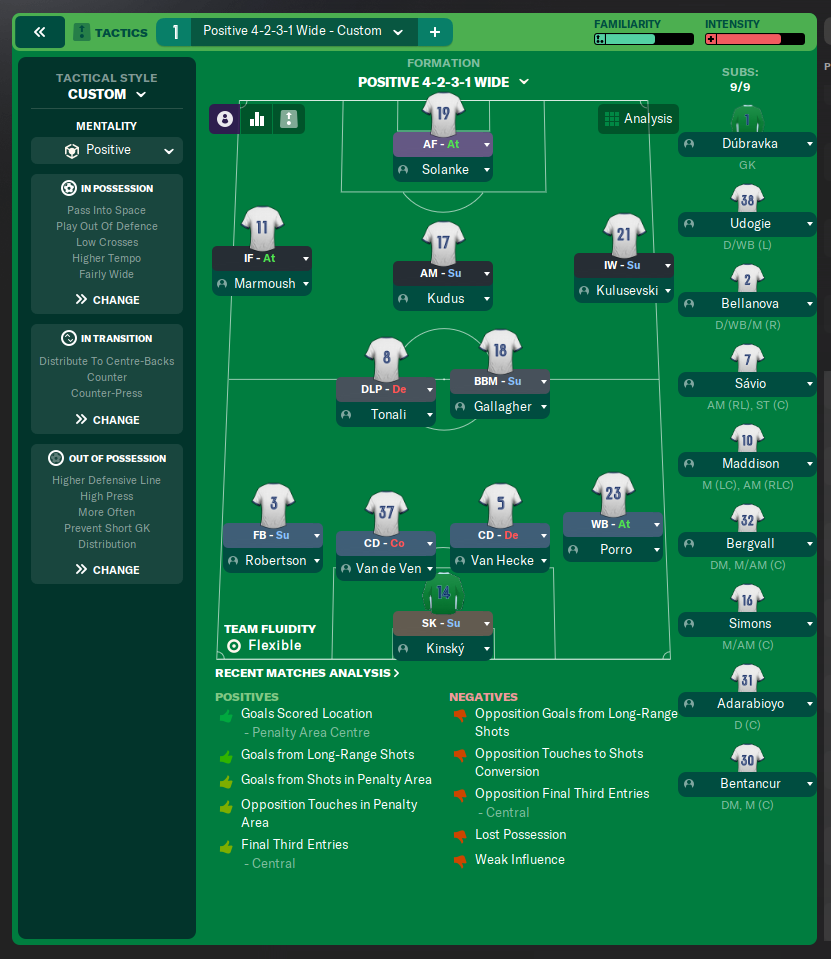
Formation:4-2-3-1 Wide
Team Fluidity:Flexible
In Possession
Shorter Passing
Work Ball into Box
Focus Play Down Both Flanks
In Transition
Counter Press
Counter
Out of Possession
Higher Defensive Line
More Urgent pressing
Team Shape Without Ball
No team shape without ball data available
Team Shape With Ball
No team shape with ball data available
Key Strengths
Fluid Midfield
The combination of a Box-to-Box Midfielder and Deep-Lying Playmaker provides balance and control in the midfield.
Width in Attack
Utilizing wingers and wing-backs ensures width, spreading the opposition defense and opening up spaces for central players.
High Pressing
The tactic encourages pressing, which can recover possession quickly and lead to immediate attacking opportunities.
Possession Retention
Short passing and playing out from the back promote ball retention and minimize turnovers.
Conflicting Directions
Wing Backs vs. Central Defenders
The high positioning of the wing-backs can leave the central defenders exposed if possession is lost swiftly.
Counter Pressing Risks
While pressing high can be effective, it may lead to issues if players are caught out of position during counter-attacks.
Box-to-Box Midfielder's Role
This player's attacking movements may conflict with the Deep-Lying Playmaker's role, potentially limiting passing options.
High Defensive Line Pressures
A high line can be risky against teams that excel in counter-attacks, exposing the defense to quick runs in behind.
Tactical Suggestions
Adjust Defensive Line
Consider dropping the defensive line slightly to reduce the risk of fast counters from opposition teams.
Modify Wing-Back Roles
Switch one of the wing-backs to a defend duty to balance the attacking threats from the flanks.
Positioning of Central Defenders
Instruct central defenders to hold their position more strictly to cover gaps left by advancing wing-backs.
Strengthen Defensive Midfield Role
Consider changing the duty of the Deep-Lying Playmaker to a Support role to provide better cover for the defense.
Ask Questions About Your Lineup
Related Tactics
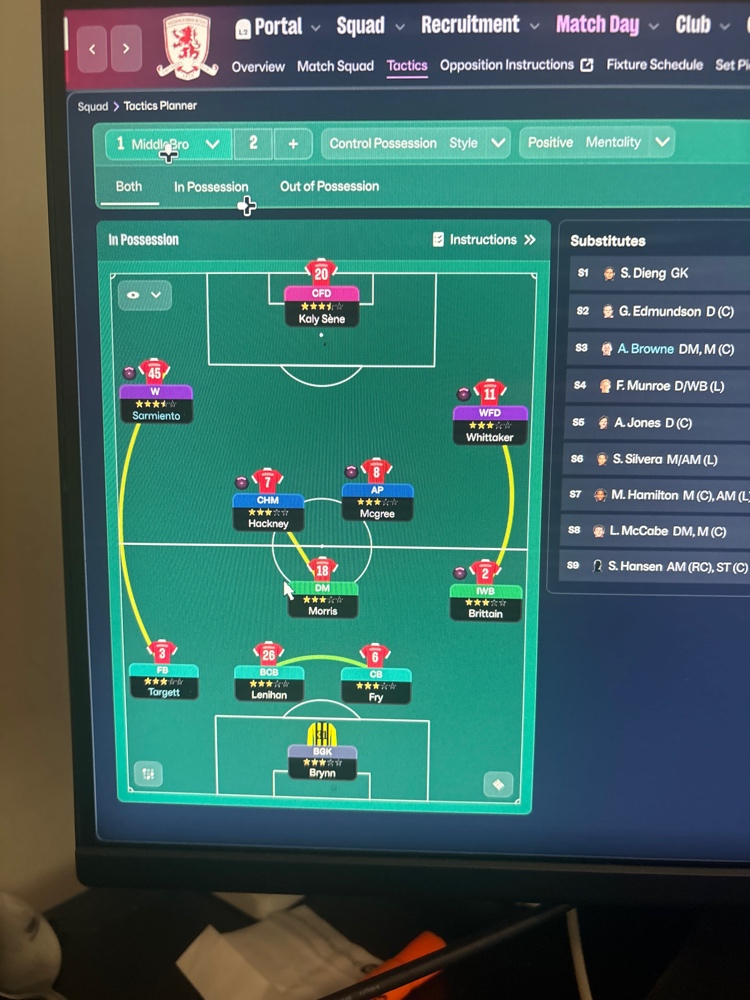
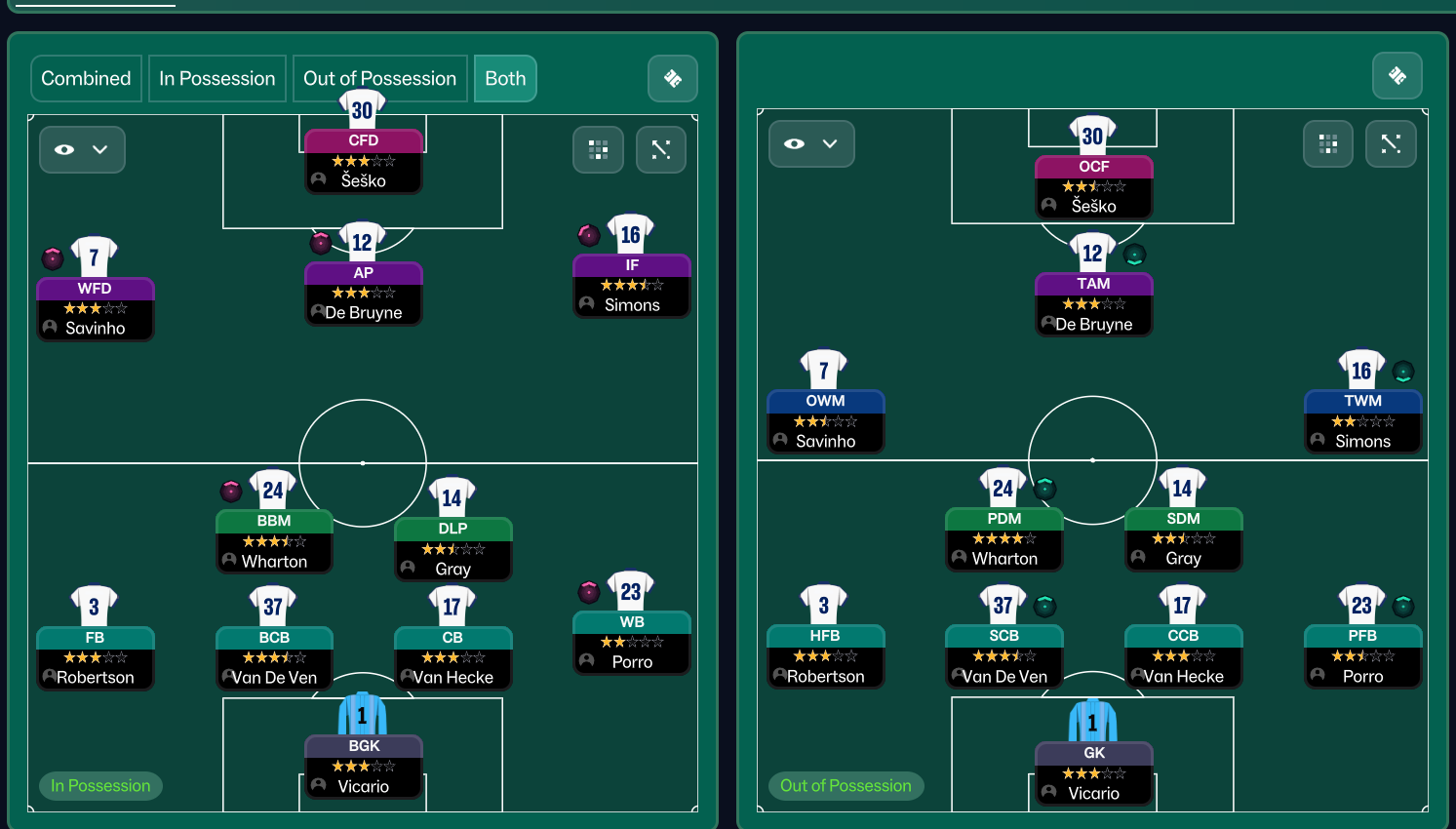
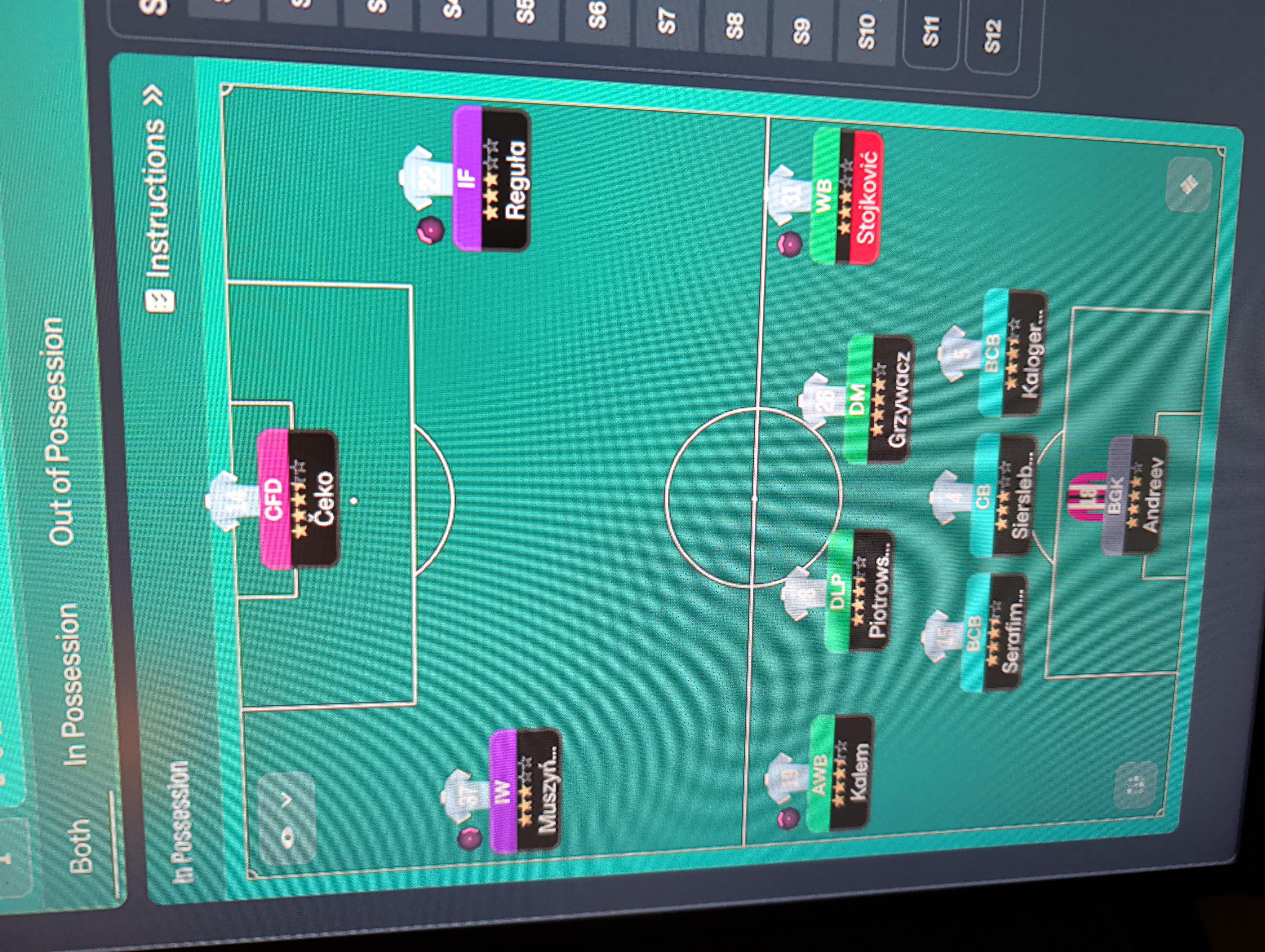
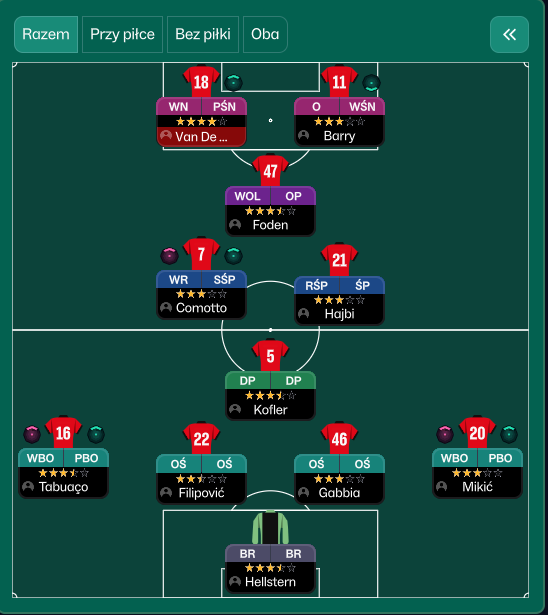
More Control Possession tactics
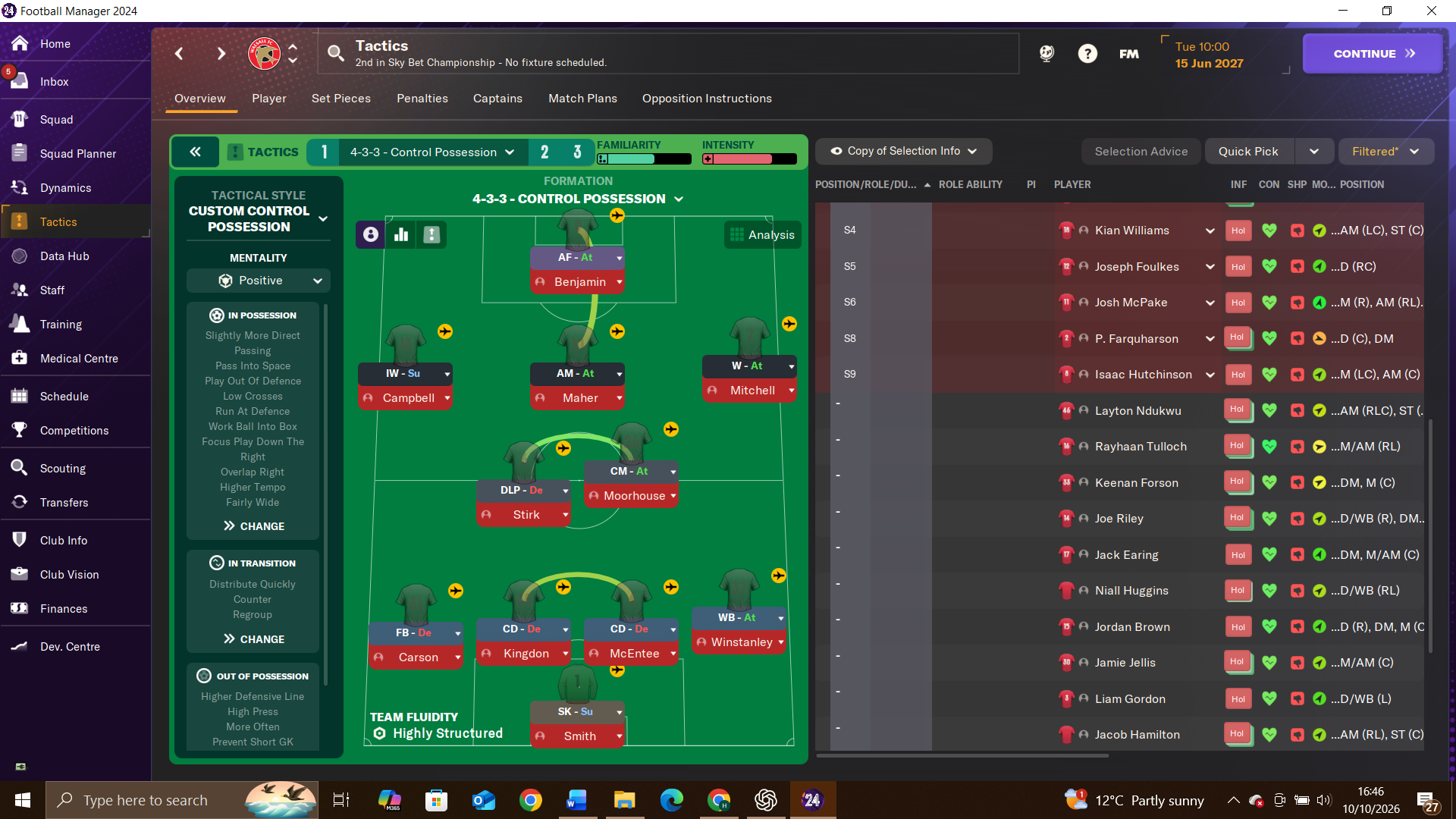
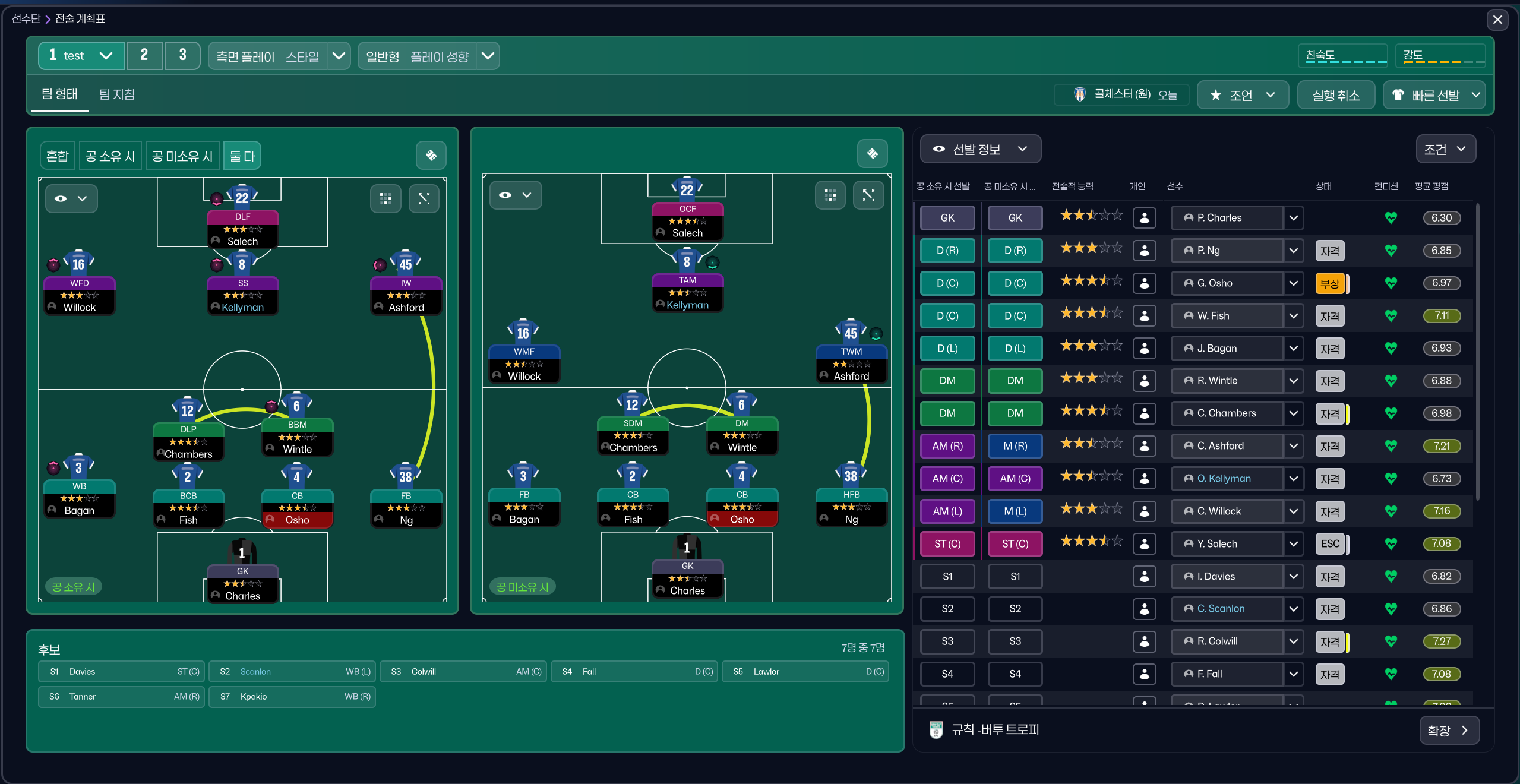
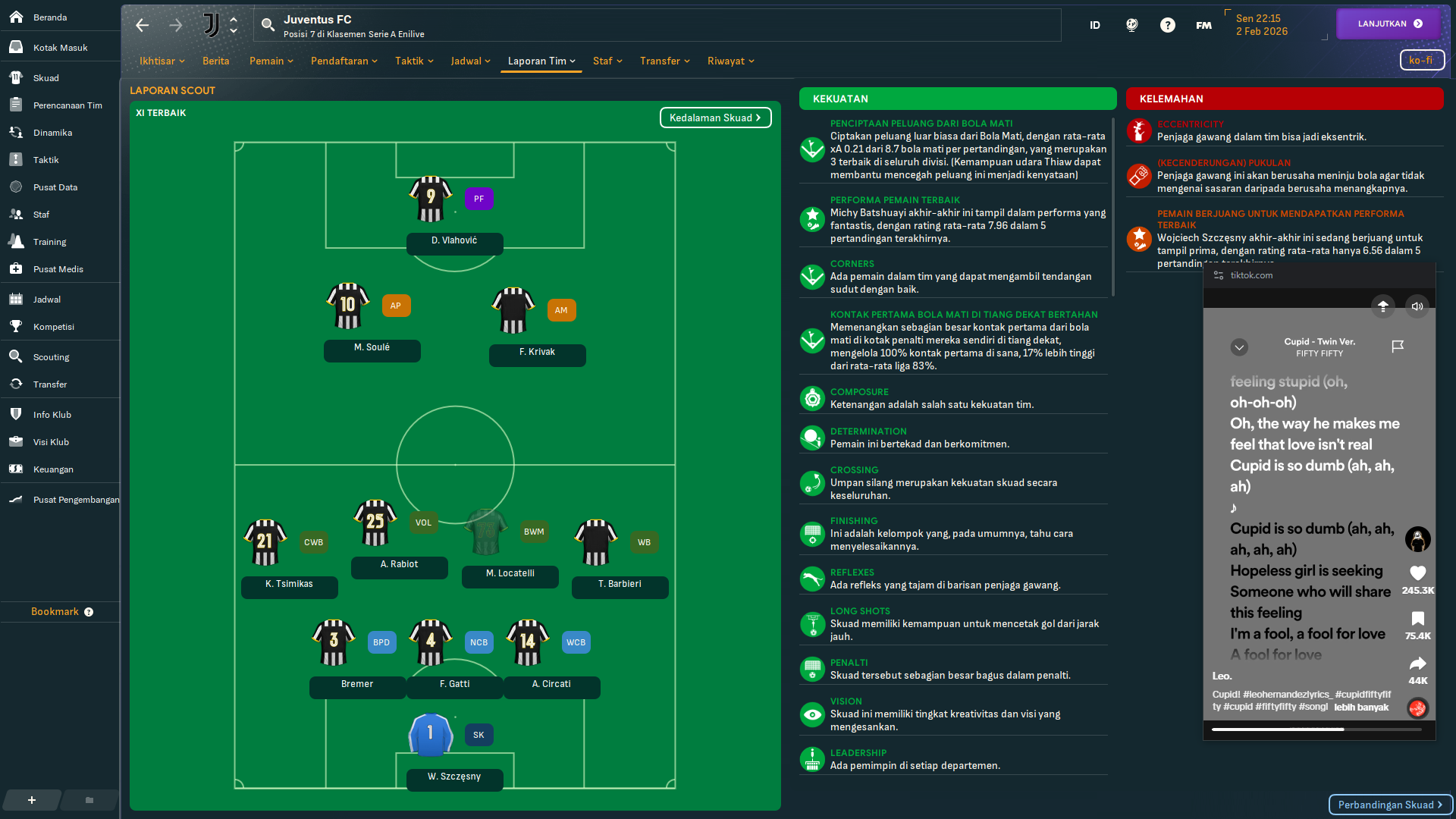
Guides for this formation
The tactical theory behind the 4-2-3-1 Wide: roles, instructions, and the trade-offs that decide whether the system holds up.
Player pairings
Midfield Pairs in 4-2-3-1 and 4-4-2
Double pivots and flat pairs in 4-2-3-1 and 4-4-2: when each pairing works, when it collapses, and the AMC unicorn that rescues both.
Read guide
Playing styles
Gegenpressing: A Full Guide
Klopp-style gegenpressing in FM, including squad profile, line-and-press pairing, sustainable workload, and the antipatterns to avoid.
Read guide