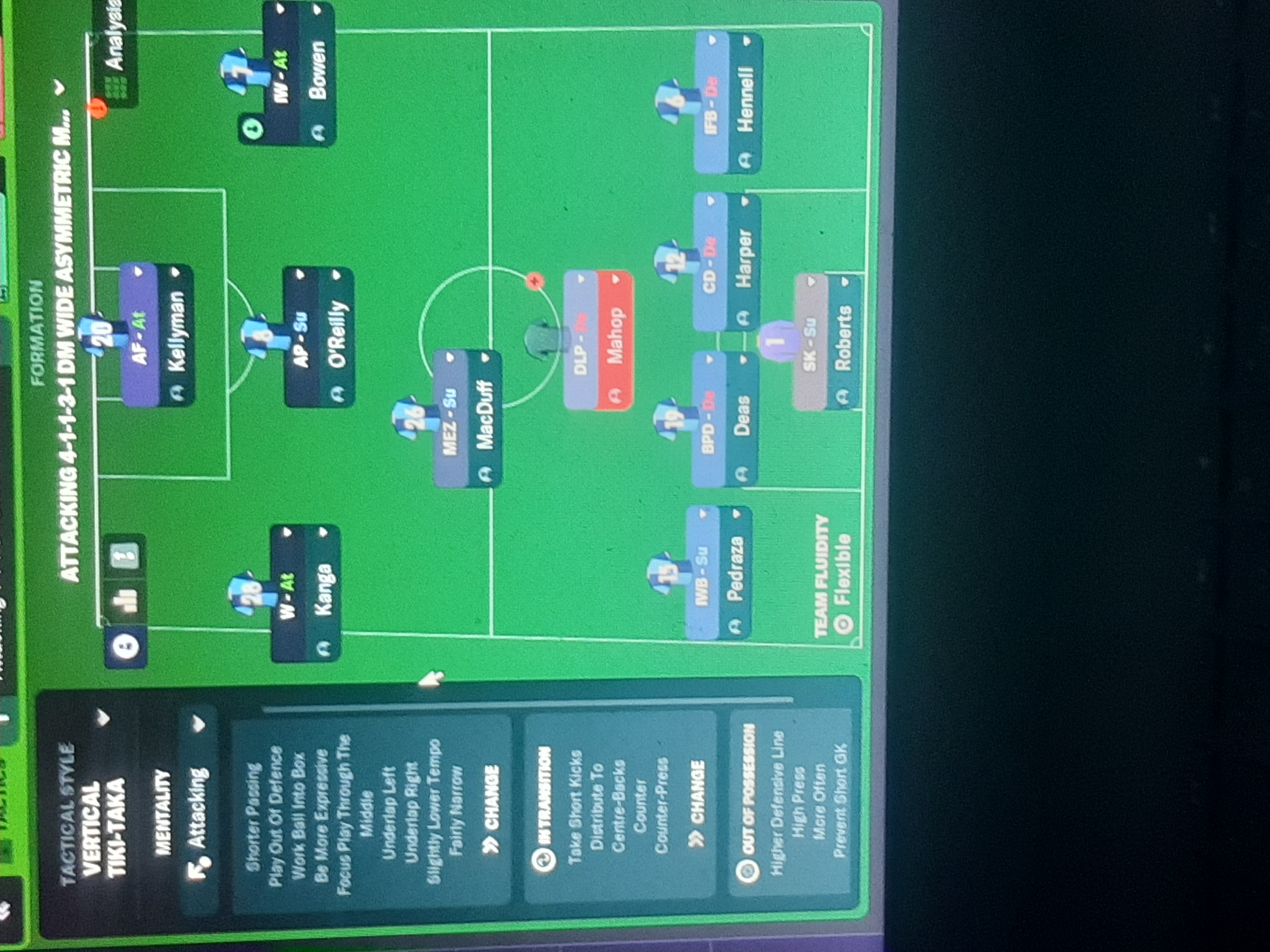
Uploaded Tactic
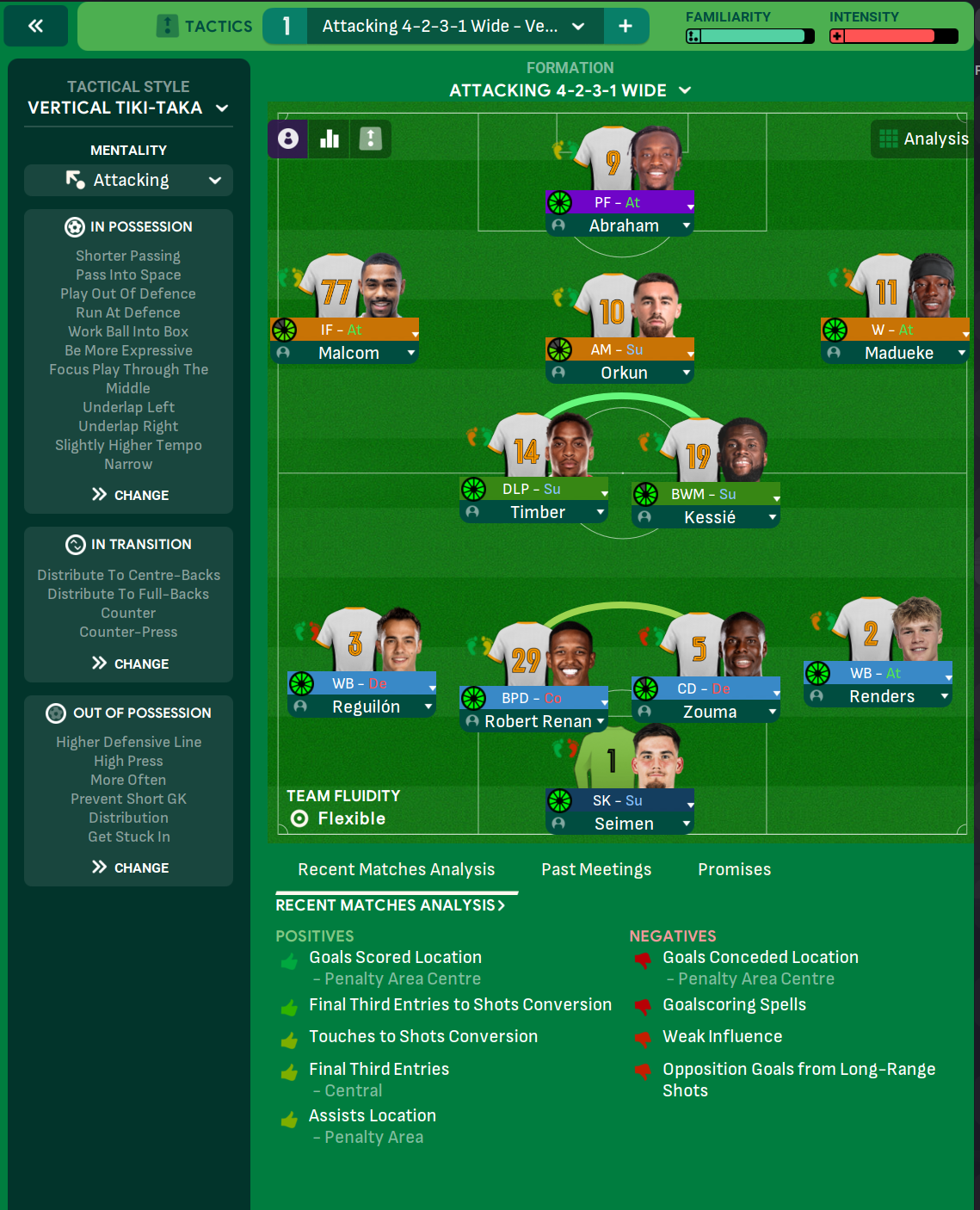
Formation & Style
Tactical Style:Vertical Tiki-Taka
Mentality:Attacking
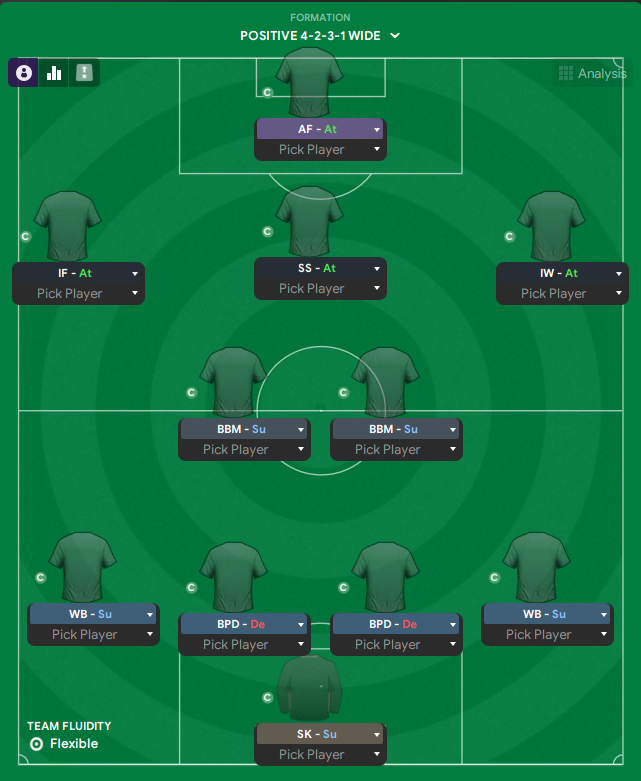
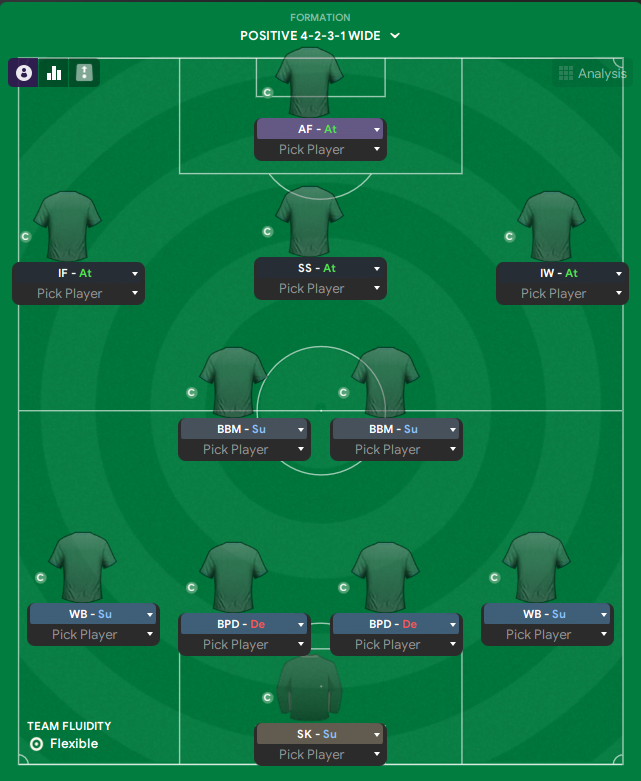
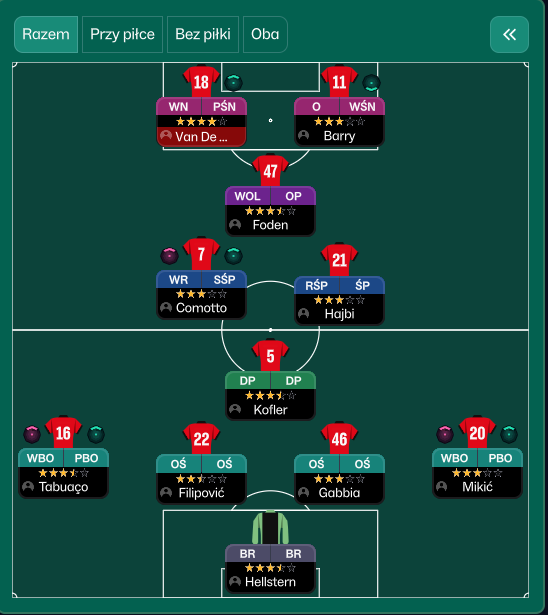
Formation:4-2-3-1 Wide
Team Fluidity:Flexible
In Possession
Shorter Passing
Pass Into Space
Play Out Of Defence
Run At Defence
Work Ball Into Box
Be More Expressive
Focus Play Through The Middle
Underlap Left
Underlap Right
Slightly Higher Tempo
Narrow
In Transition
Distribute To Centre-Backs
Distribute To Full-Backs
Counter
Counter-Press
Out of Possession
Higher Defensive Line
High Press
More Often Prevent Short GK Distribution
Get Stuck In
Team Shape Without Ball
Shape:4-2
Description:A compact shape that looks to cover central spaces while the full-backs track wide players.
Evidence:FB at [2,1], [2,5] and holding midfielders at [3,3], [3,4], indicating support in defensive duties.
Team Shape With Ball
Shape:4-3
Description:A fluid attacking setup with inside forwards and a pressing forward offering multiple angles of attack.
Evidence:IF at [6,2], AM at [6,3], and W at [6,4] create a diverse attacking presence.
Phase Description
Attacking Play
Focuses on quick, short passes to move the ball through the lines. The aim is to create space in tight areas with underlaps and overlaps from full-backs.
Defensive Transition
Engage in high pressing to win the ball quickly, transitioning to attacking play as soon as possession is regained.
Main Focus
Utilizing width through performances from the wide areas while ensuring central plays are effective.
Key Strengths
Effective Build-Up Play
Utilization of shorter passing and playing out of defense helps retain possession and creates dynamic attacking situations.
Utilizing Width
The wingers and full-backs provide width, drawing defenders out of position and opening central areas for attacking play.
Pressing High
Employing a high press to win the ball back quickly creates further attacking opportunities.
Conflicting Directions
Vulnerable to Counter-Attacks
The higher defensive line and aggressive pressing can lead to spaces being exploited by quick counter-attacks.
Overcommitting Full-Backs
Wing-Backs pushing forward may leave the defense exposed, especially if possession is lost.
Limited Central Presence
Creativity may suffer against tightly organized defenses due to reliance on wide play.
Tactical Suggestions
Consider More Balanced Defensive Duties
Incorporating one or two defenders with more secure defensive duties might mitigate vulnerabilities in defense.
Utilize a Deeper Midfielder
Introducing a more defensive-minded player in midfield could enhance protection during transitions.
Explore Alternative Attacking Options
Introducing a secondary striker or another creative midfielder could diversify attacks if facing stubborn defenses.
Ask Questions About Your Lineup
Related Tactics
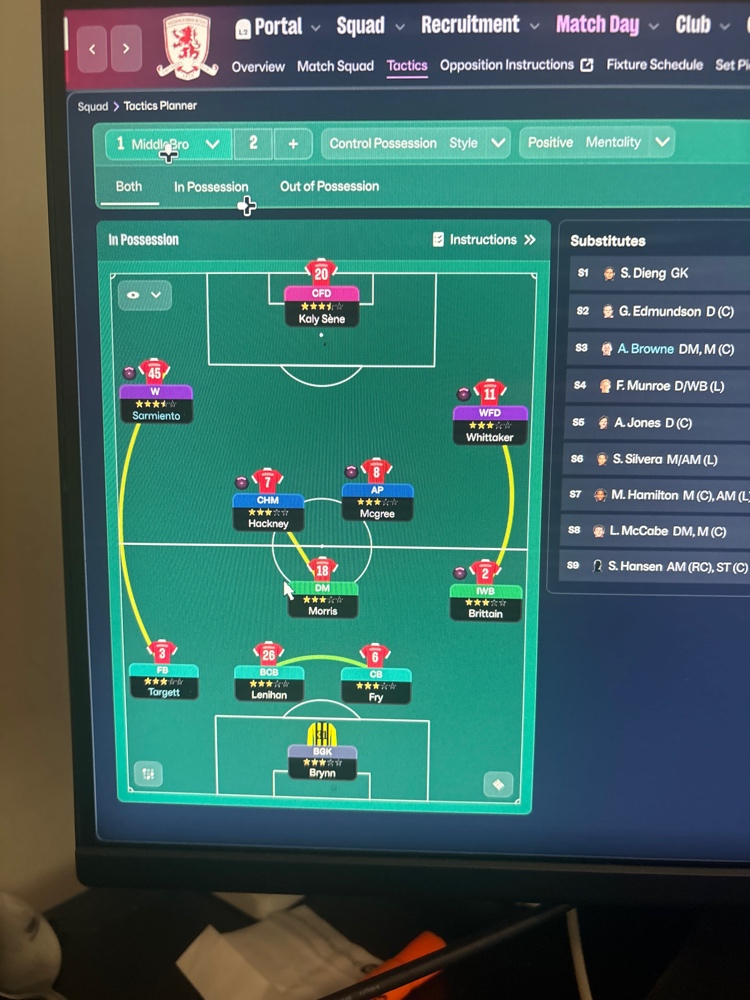
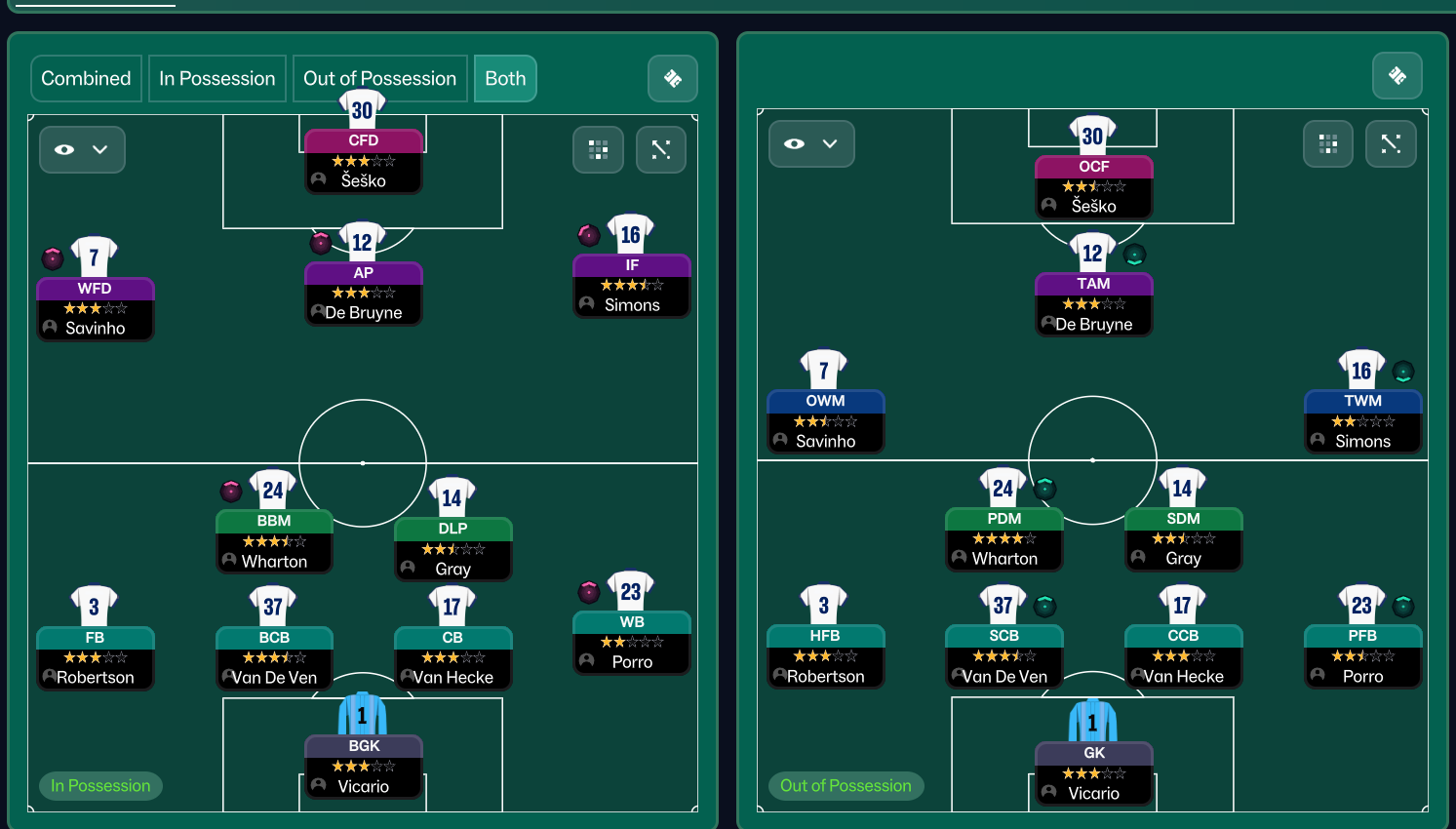
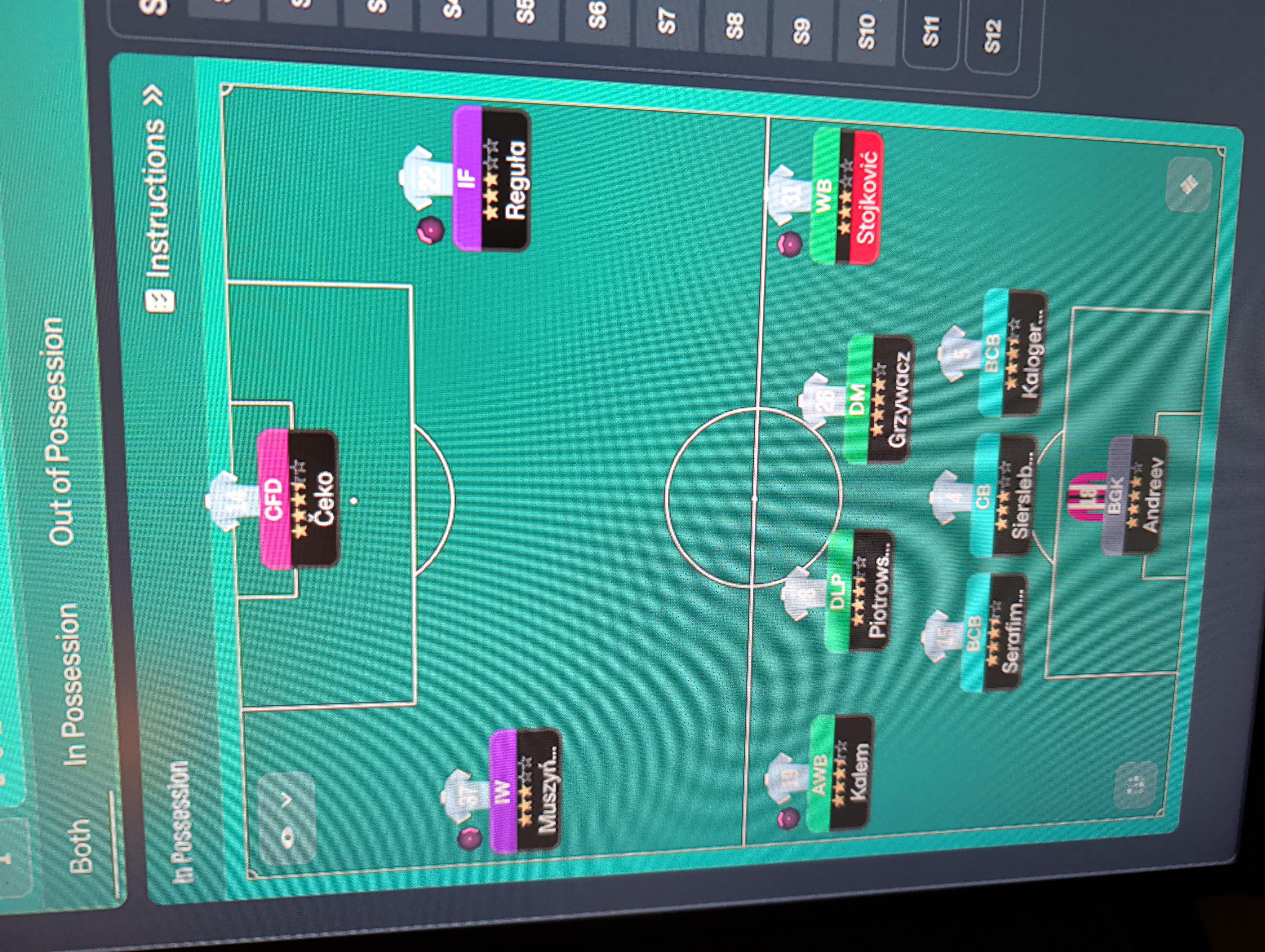
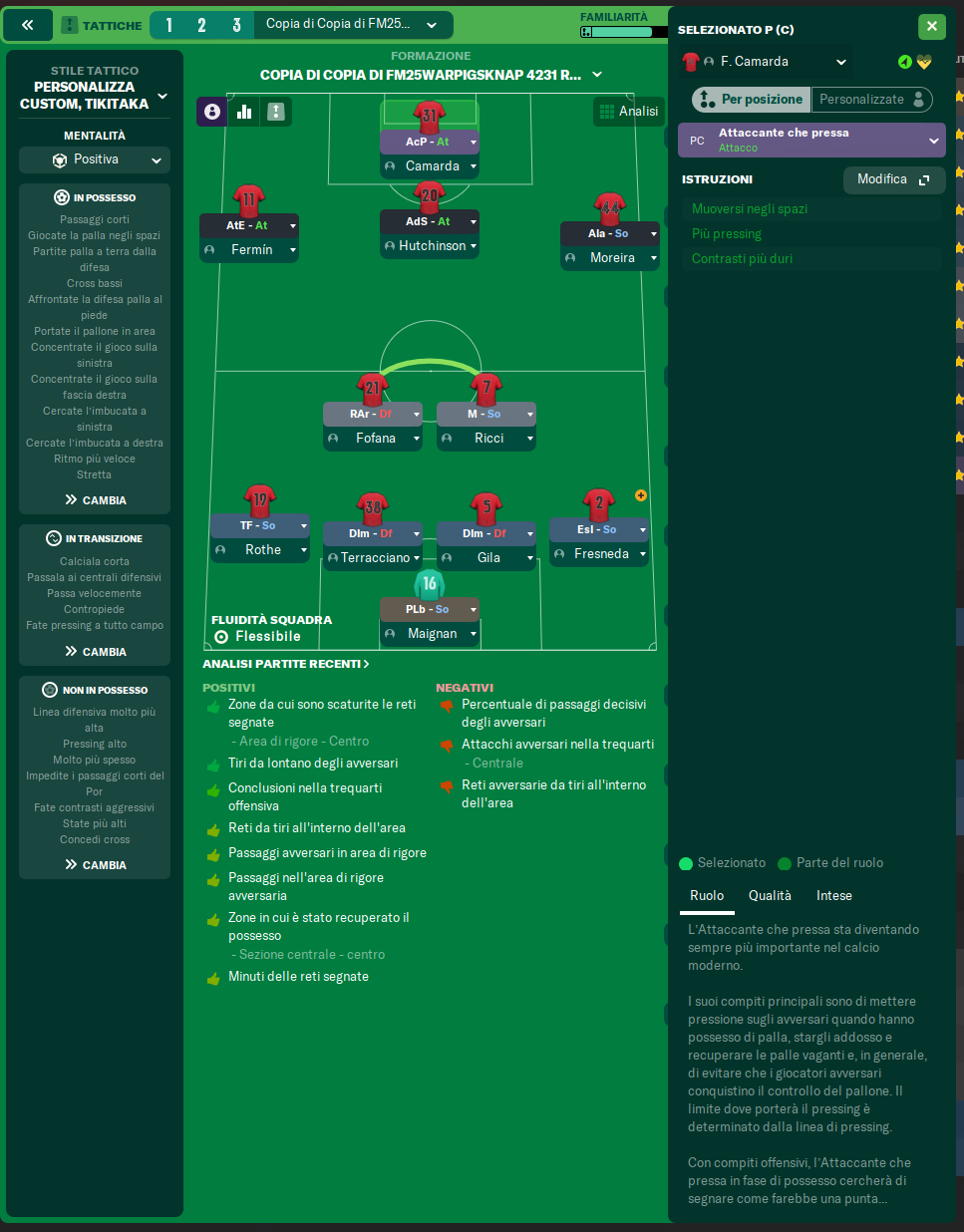
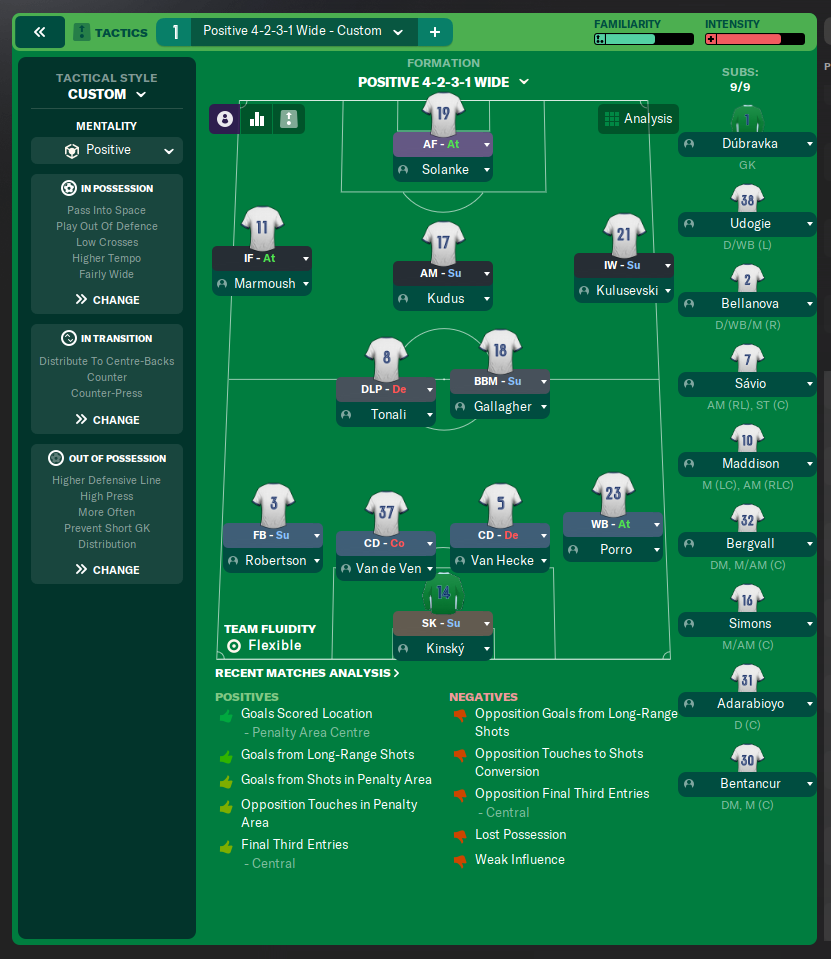
More Vertical Tiki-Taka tactics
Guides for this formation
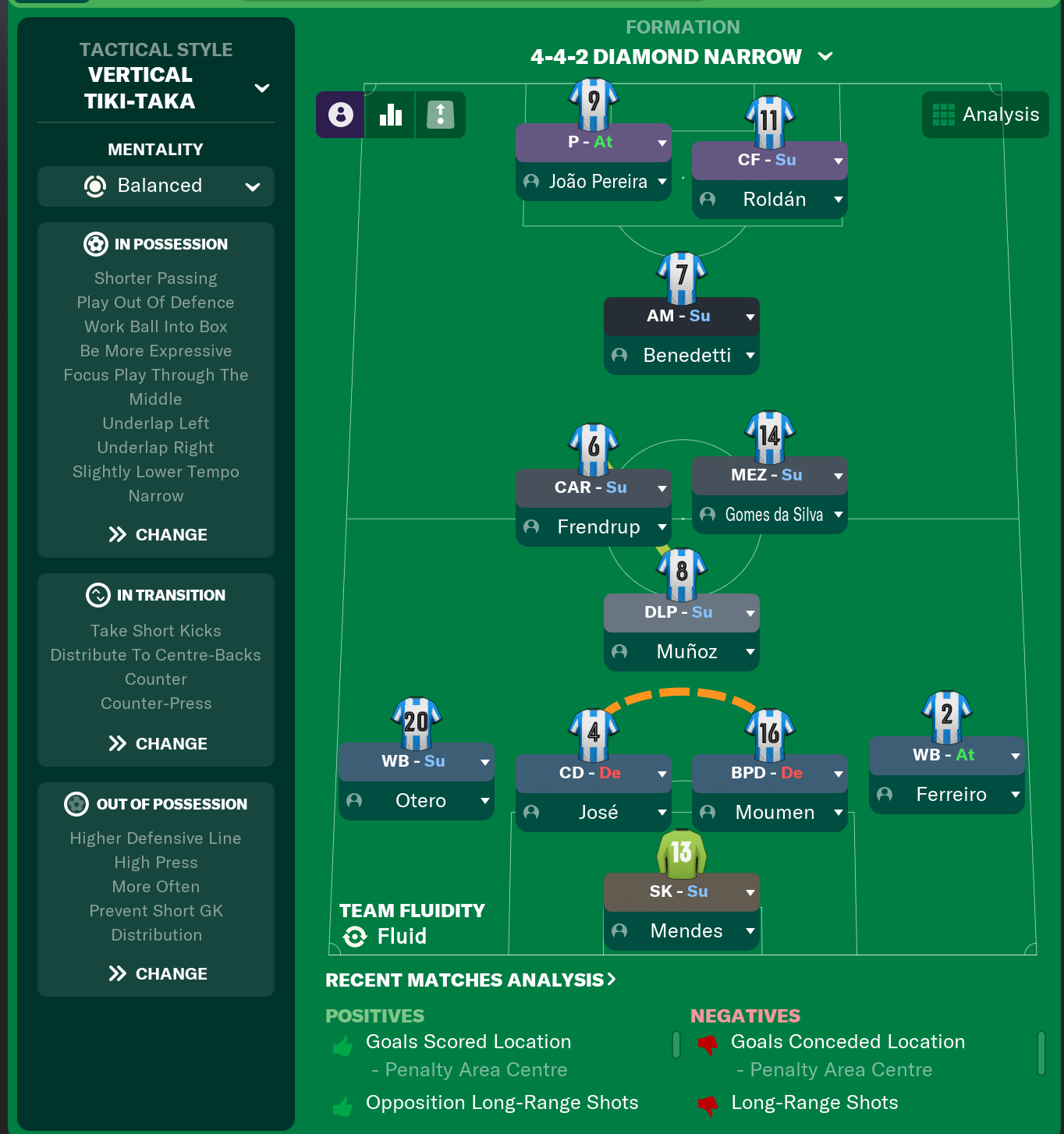
The tactical theory behind the 4-2-3-1 Wide: roles, instructions, and the trade-offs that decide whether the system holds up.
Player pairings
Midfield Pairs in 4-2-3-1 and 4-4-2
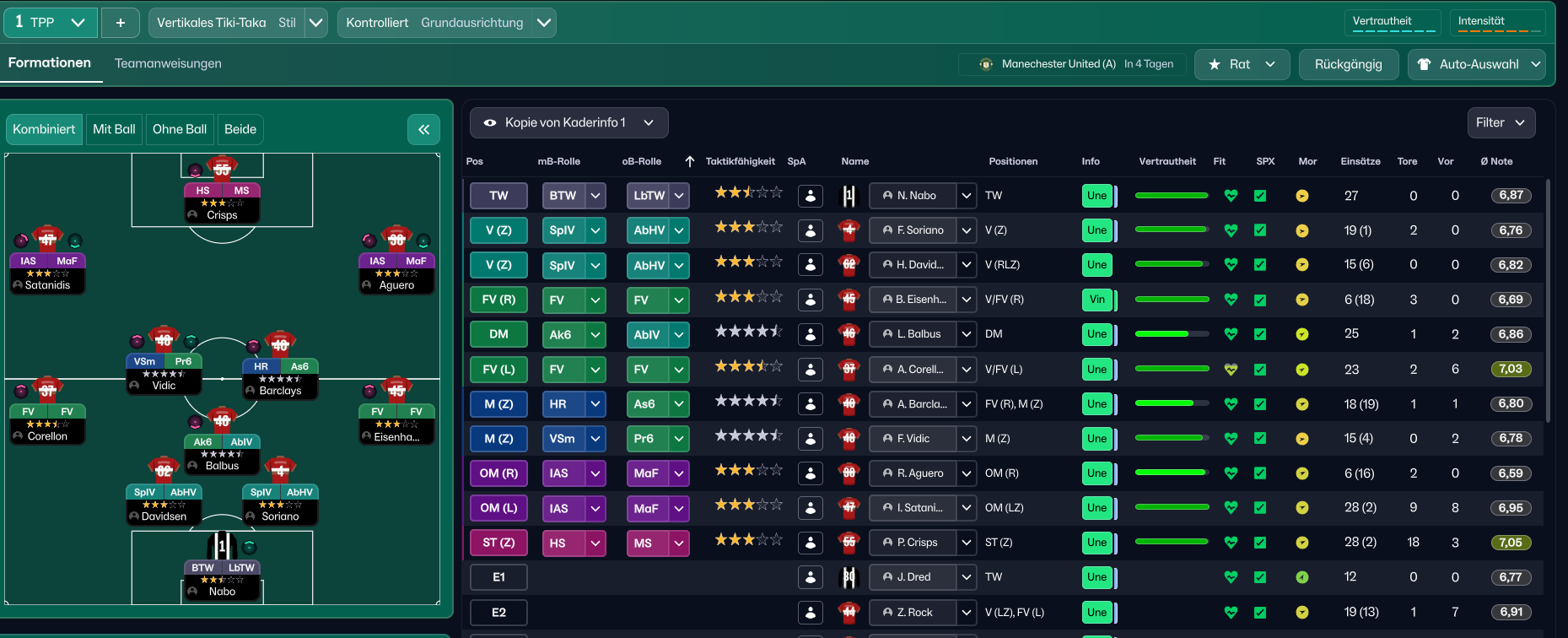
Double pivots and flat pairs in 4-2-3-1 and 4-4-2: when each pairing works, when it collapses, and the AMC unicorn that rescues both.
Read guide
Playing styles
Gegenpressing: A Full Guide
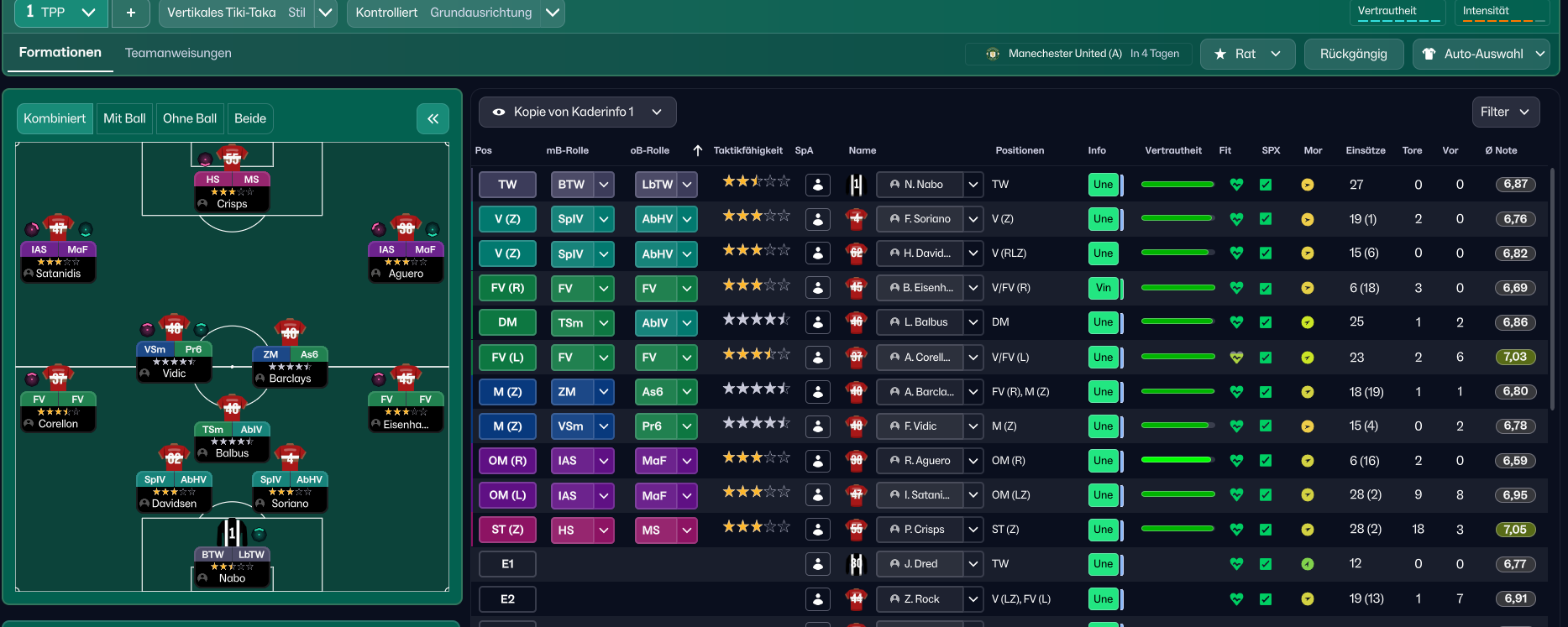
Klopp-style gegenpressing in FM, including squad profile, line-and-press pairing, sustainable workload, and the antipatterns to avoid.
Read guide