Uploaded Tactic
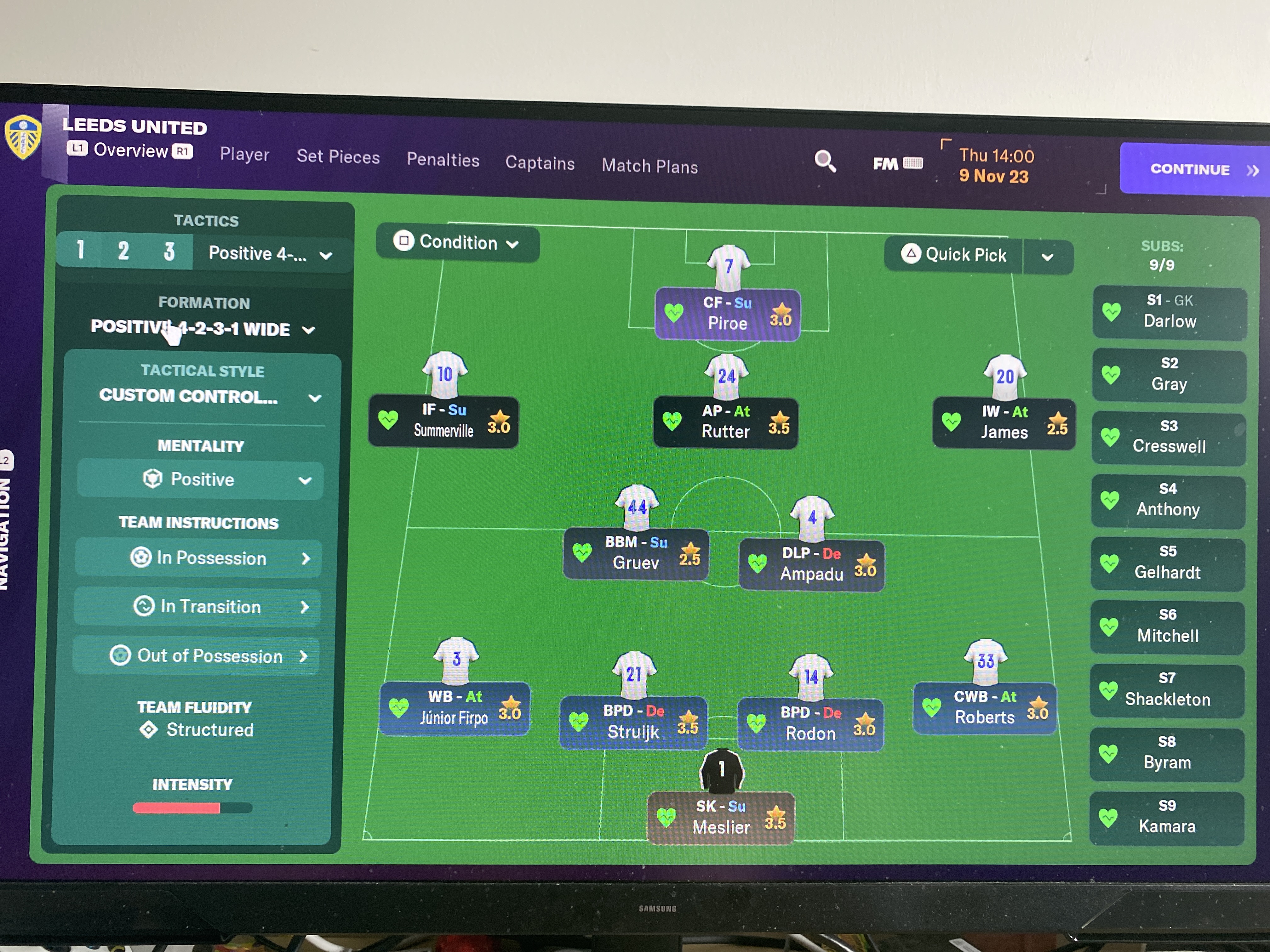
Formation & Style
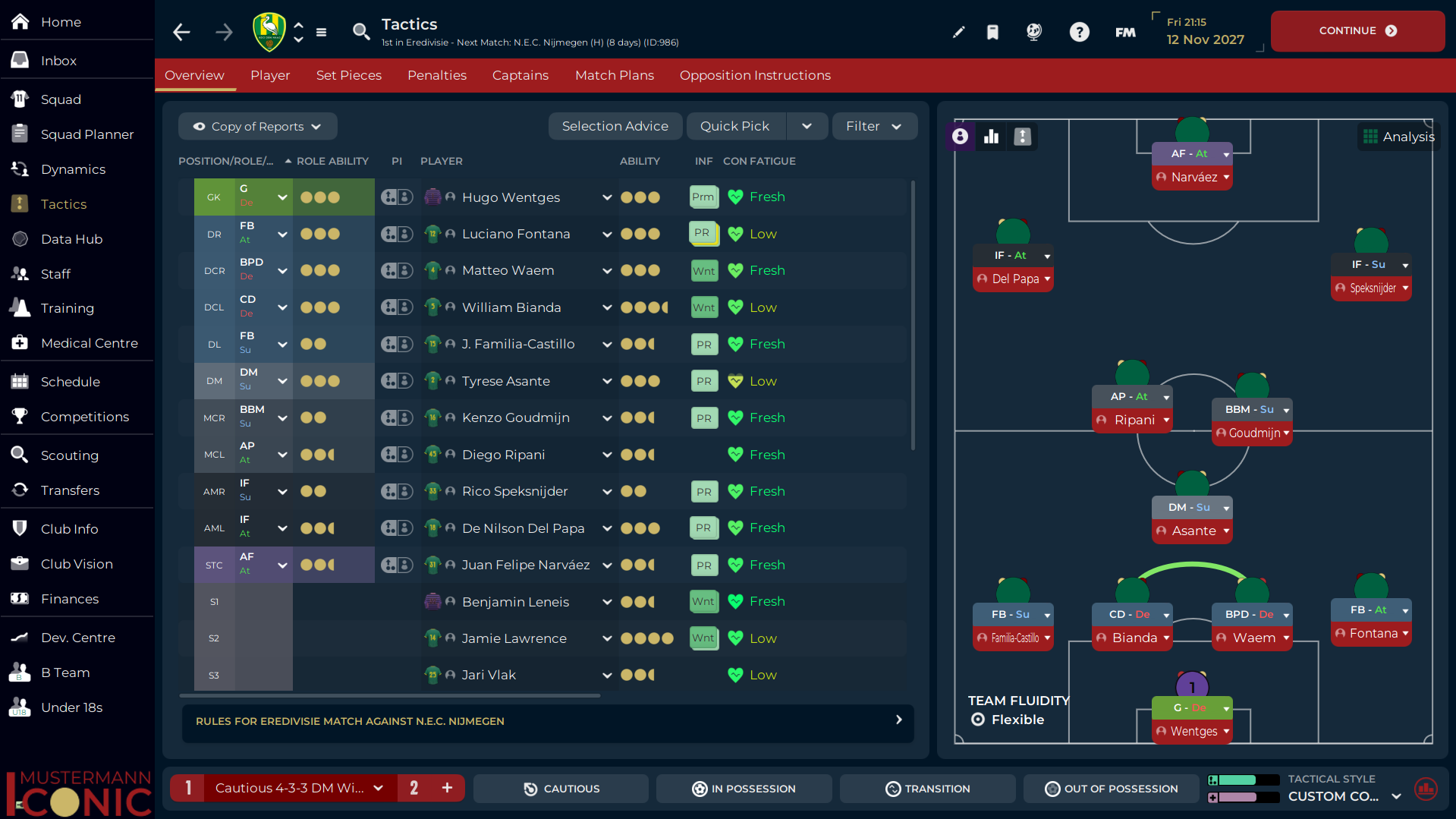
Tactical Style:Custom Control
Mentality:Positive
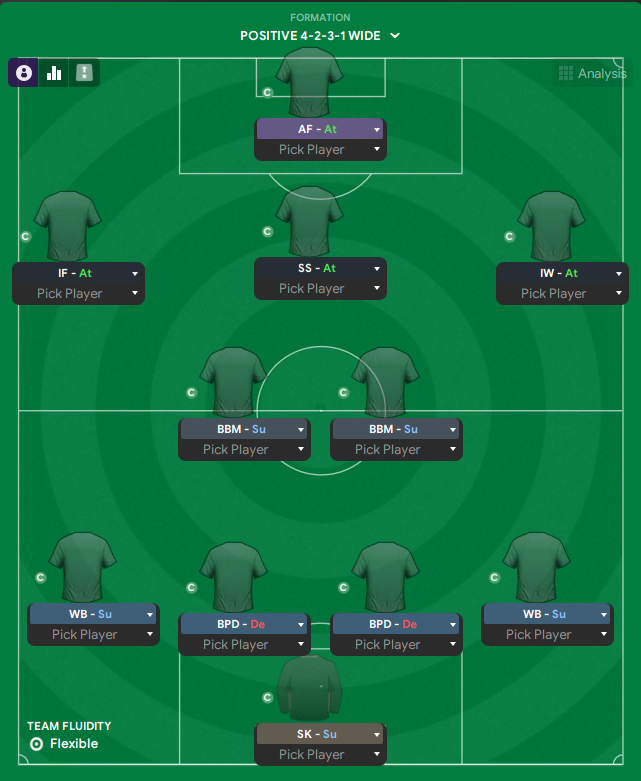
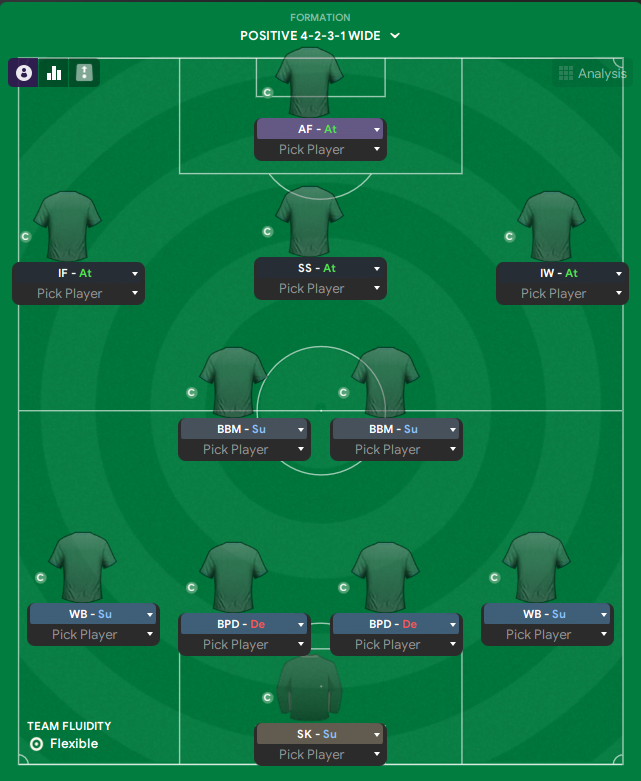
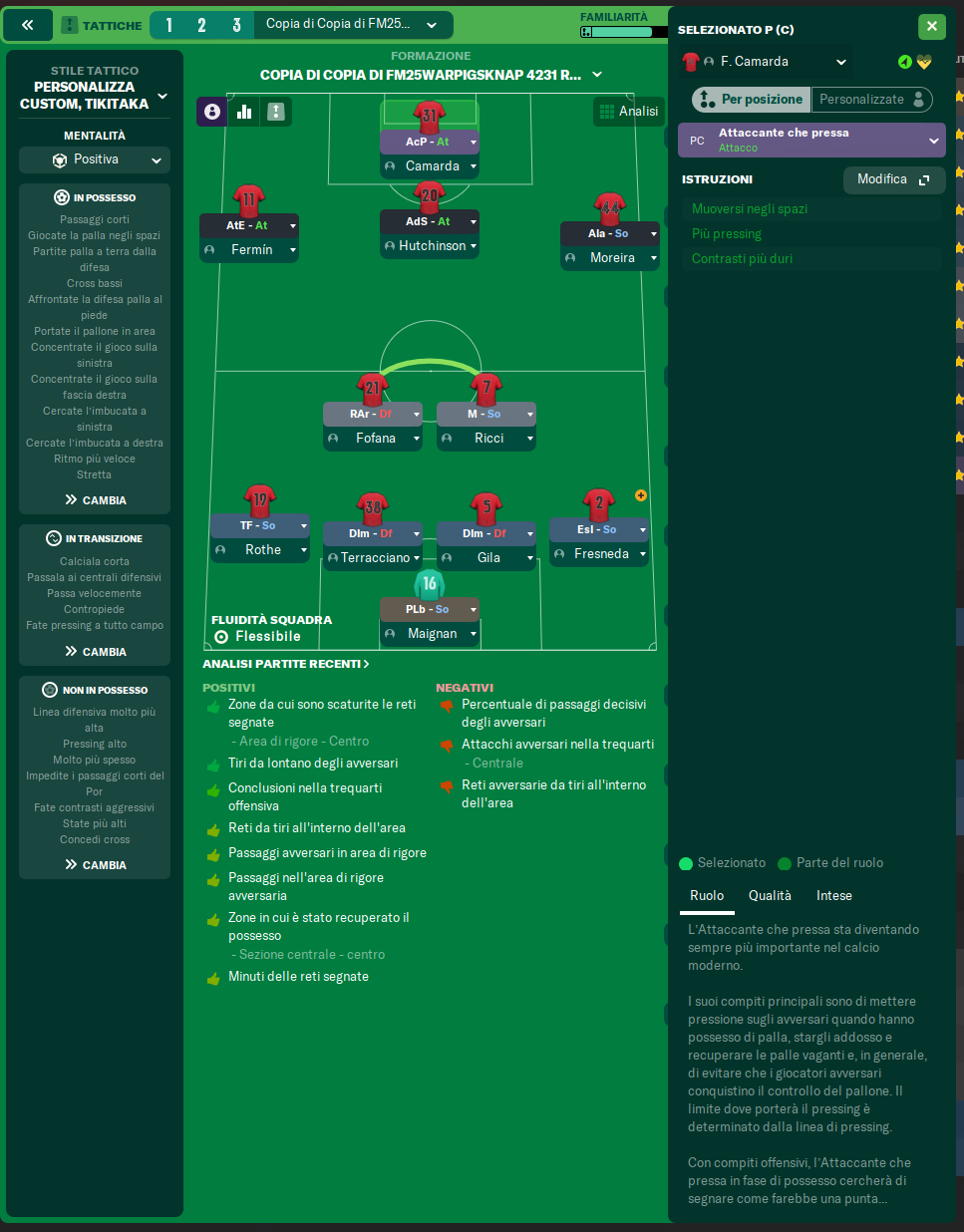
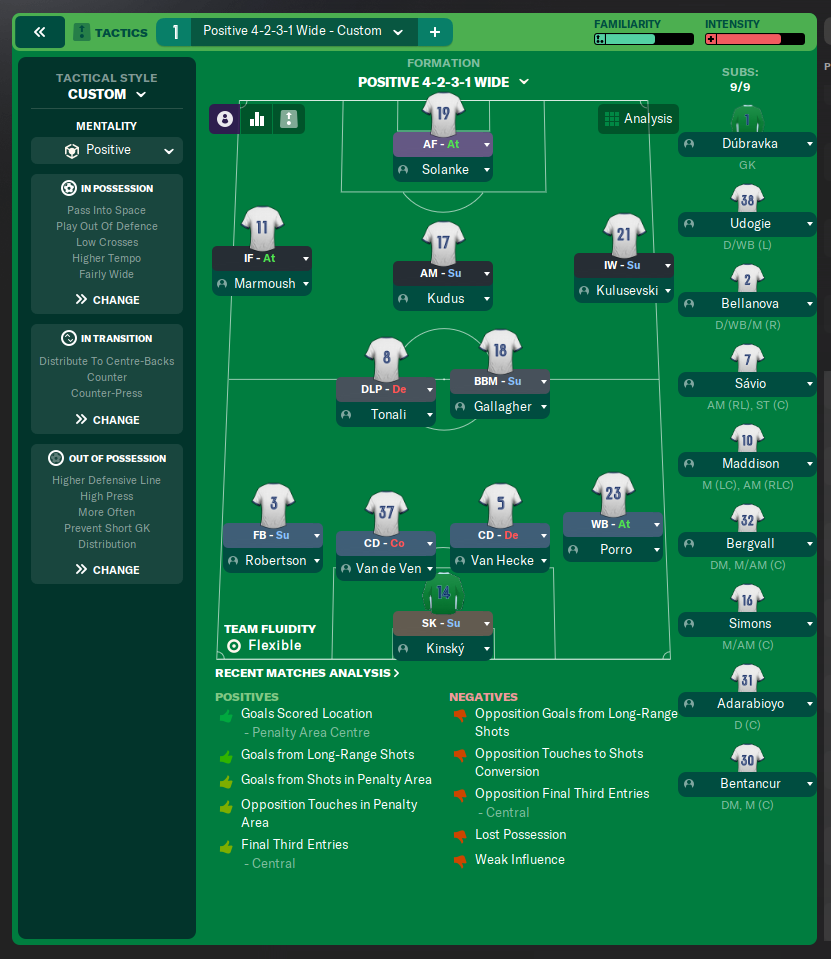
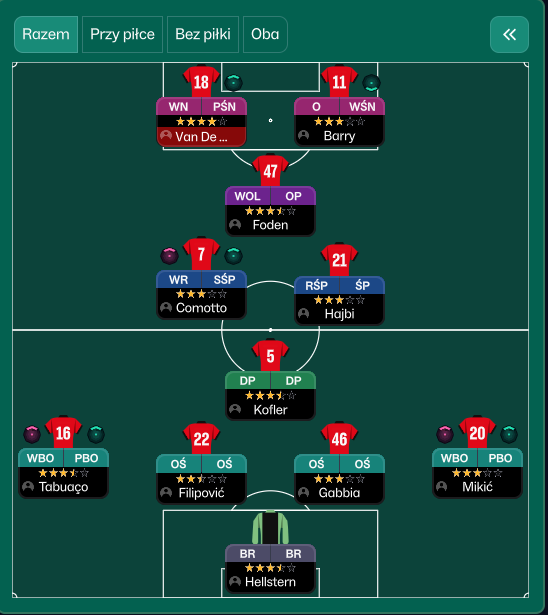
Formation:4-2-3-1 Wide
Team Fluidity:Structured
In Possession
Focus play down the flanks
Play out of defense
Work ball into box
In Transition
Counter-press
Counter
Out of Possession
Higher defensive line
Use offside trap
More urgent pressing
Team Shape Without Ball
No team shape without ball data available
Team Shape With Ball
No team shape with ball data available
Key Strengths
Wide Play
Utilizing the width of the pitch with wingers and wing backs can stretch opponents and create space in the central areas.
Midfield Control
The combination of the Advanced Playmaker and Deep-Lying Playmaker allows for effective ball distribution and control in midfield.
Counter-Attacking Threat
Quick transitions from defense to attack can capitalize on opponent's disorganization when recovering the ball.
Flexible Attacking Options
With players able to interchange positions, the fluidity in attack can keep opponents guessing.
Conflicting Directions
Pressing Intensity vs. Defensive Line
A higher pressing intensity may contradict with a higher defensive line, risking exposure to fast counter-attacks.
Full-Back Roles
Balancing the roles of Wing Backs and Complete Wing Backs may lead to conflicting duties in attack and defense.
Midfield Duties
Having an Advanced Playmaker and a Deep-Lying Playmaker could lead to overlaps in responsibilities, affecting overall midfield balance.
Structure vs. Fluidity
A structured approach may limit the natural fluidity in player movements that can occur within a more flexible tactical setup.
Tactical Suggestions
Adjust Defensive Line
Consider lowering the defensive line to reduce vulnerability to fast-paced counter-attacks, especially with high pressing.
Consider Player Roles
Evaluate whether a more defined role for the wing backs would enhance defensive stability and attacking support.
Increase Midfield Fluidity
Encourage midfielders to have overlapping responsibilities to strengthen ball movement and positioning.
Tweak set-piece positions
Utilizing tall players in attacking set pieces could enhance goal-scoring opportunities.
Ask Questions About Your Lineup
Related Tactics
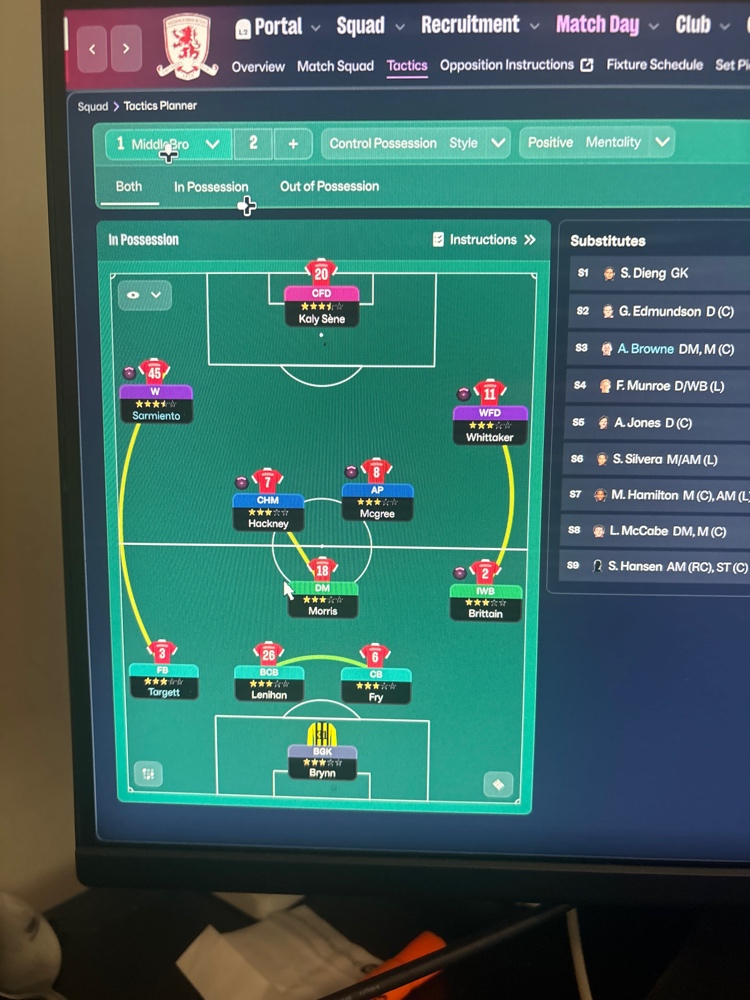
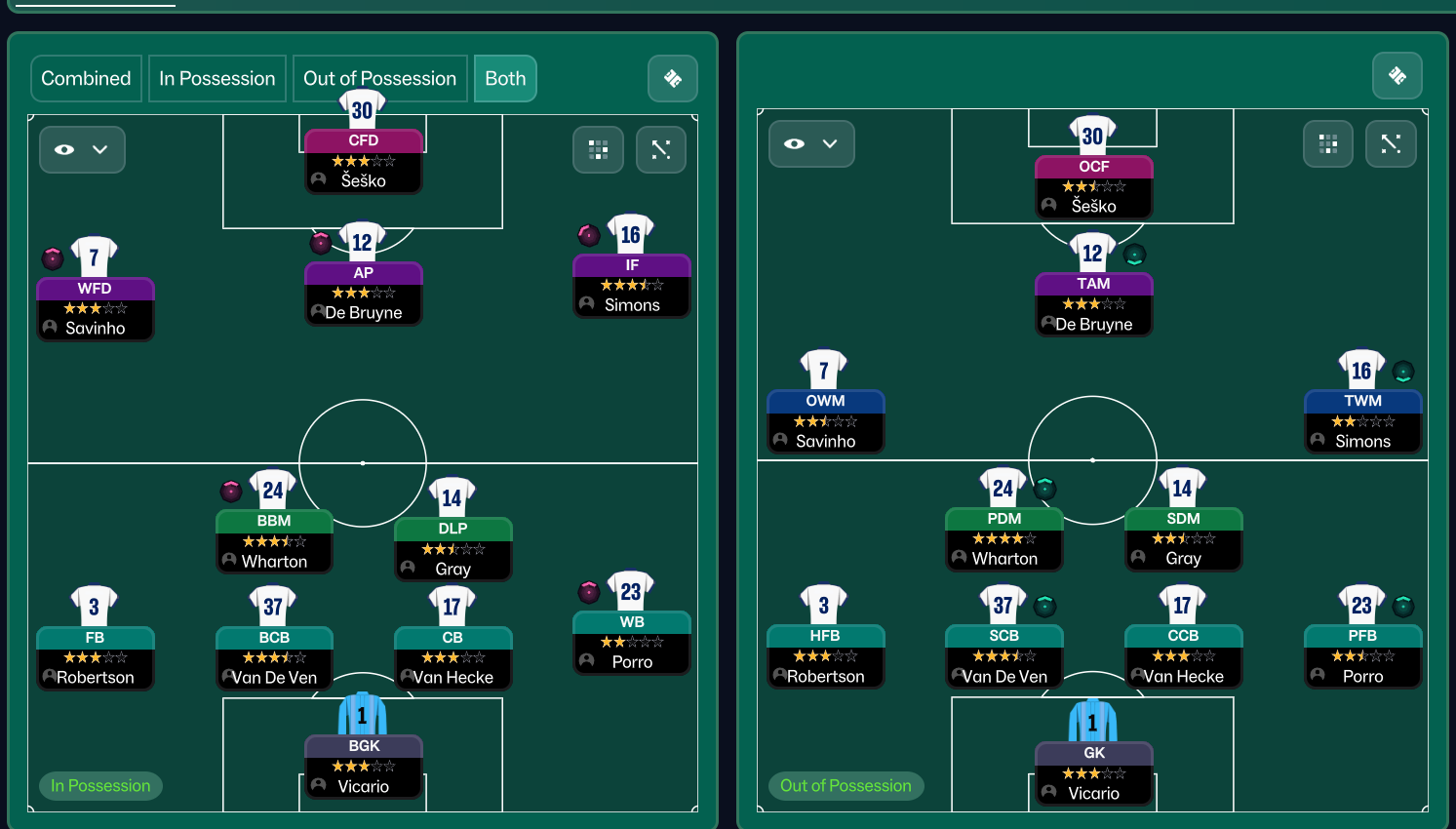
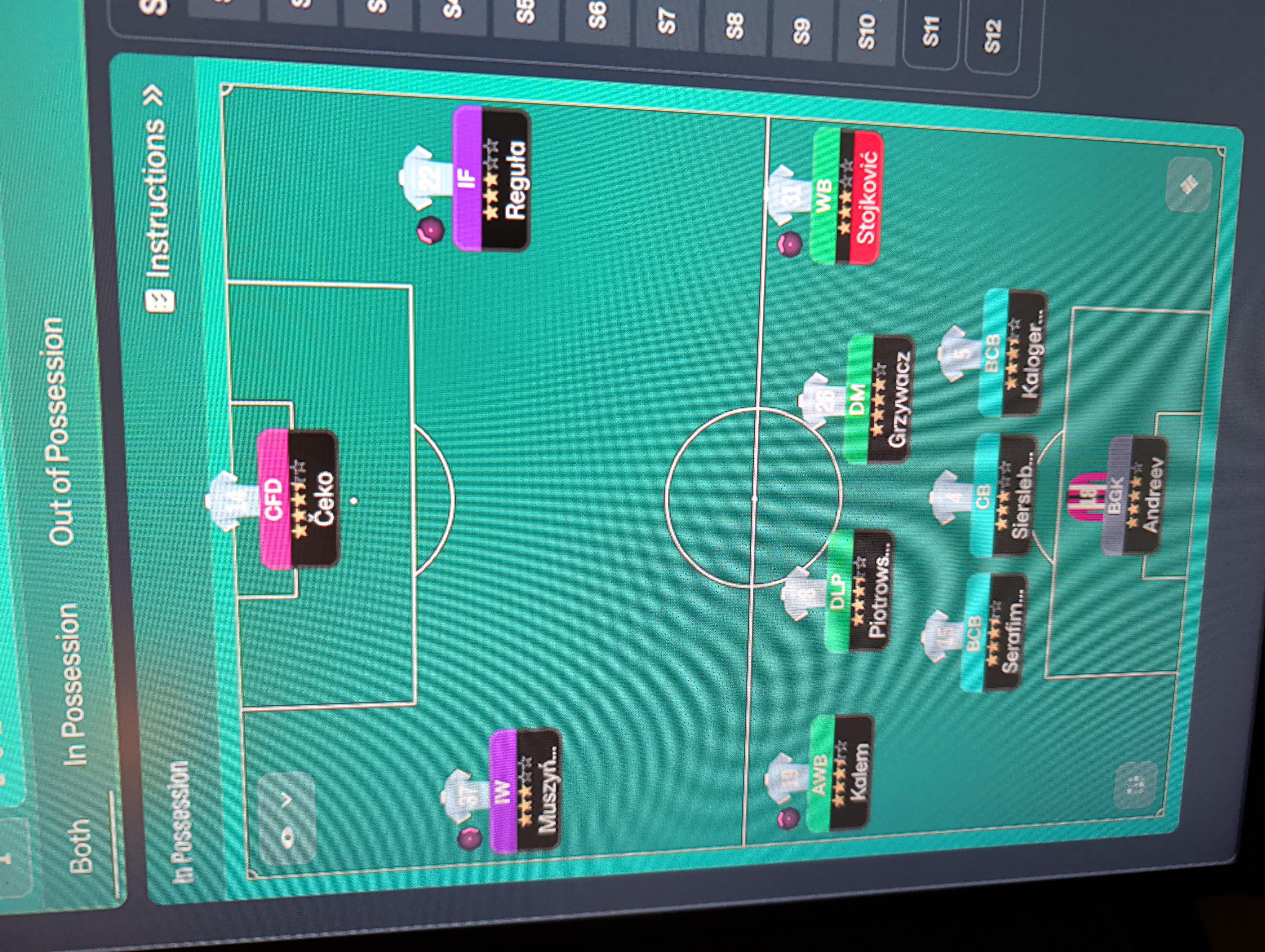
More Custom Control tactics
Guides for this formation
The tactical theory behind the 4-2-3-1 Wide: roles, instructions, and the trade-offs that decide whether the system holds up.
Player pairings
Midfield Pairs in 4-2-3-1 and 4-4-2
Double pivots and flat pairs in 4-2-3-1 and 4-4-2: when each pairing works, when it collapses, and the AMC unicorn that rescues both.
Read guide
Playing styles
Gegenpressing: A Full Guide
Klopp-style gegenpressing in FM, including squad profile, line-and-press pairing, sustainable workload, and the antipatterns to avoid.
Read guide