Uploaded Tactic
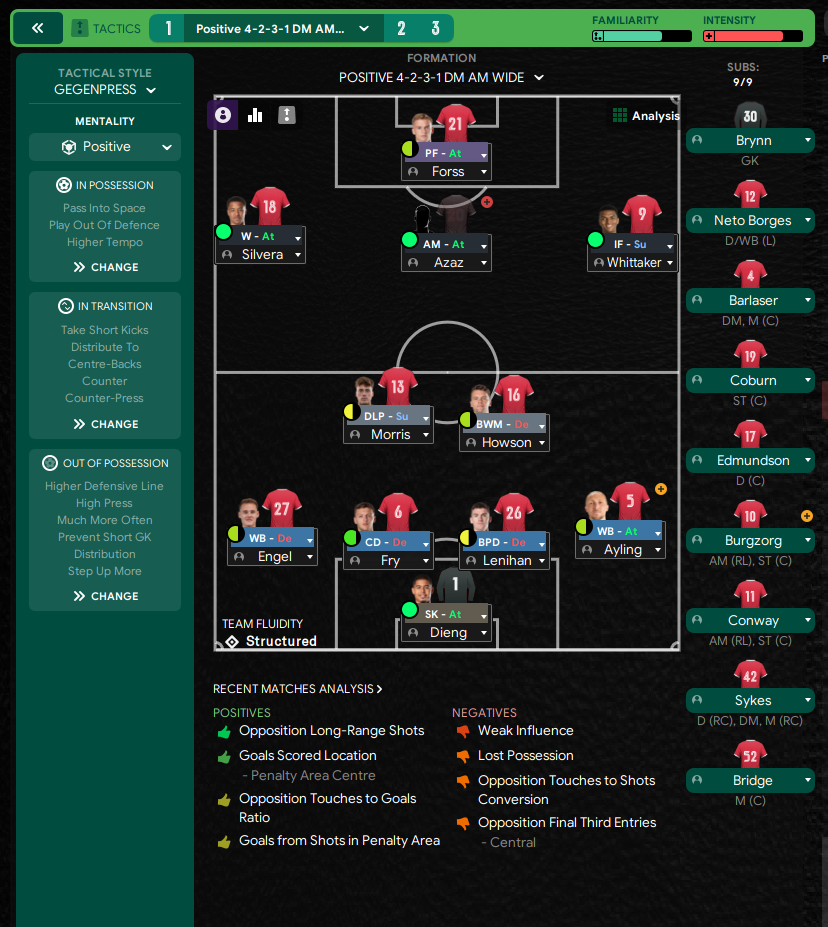
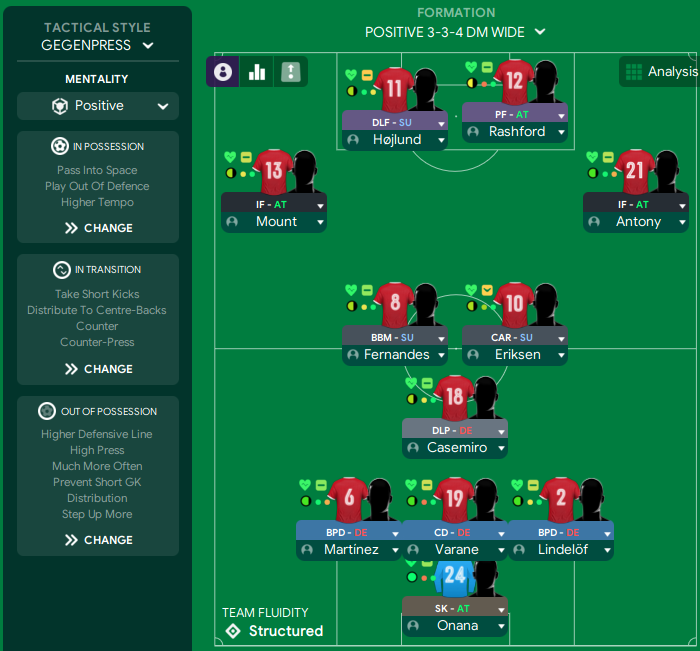
Formation & Style
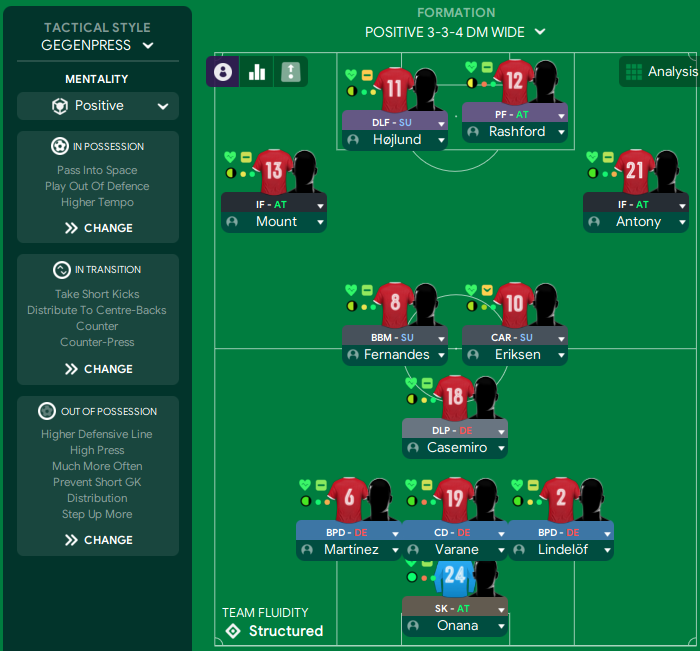
Tactical Style:Gegenpress
Mentality:Positive
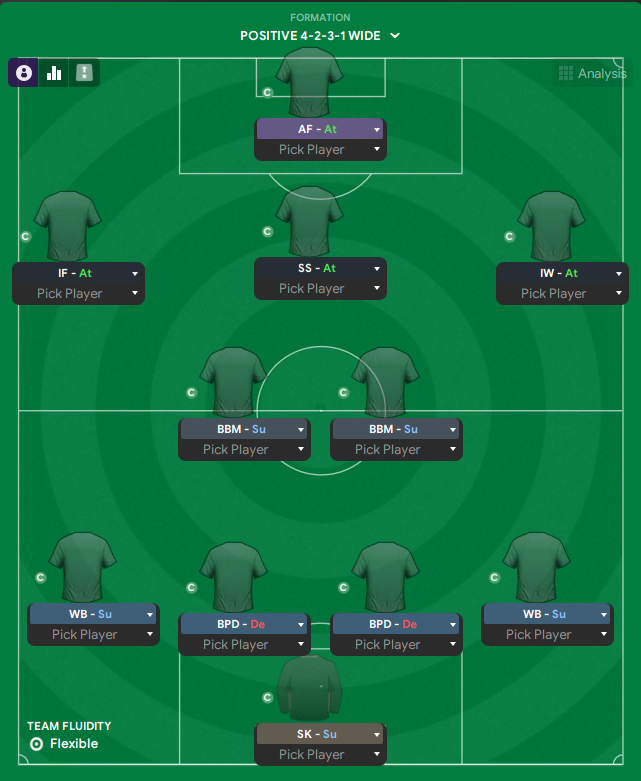
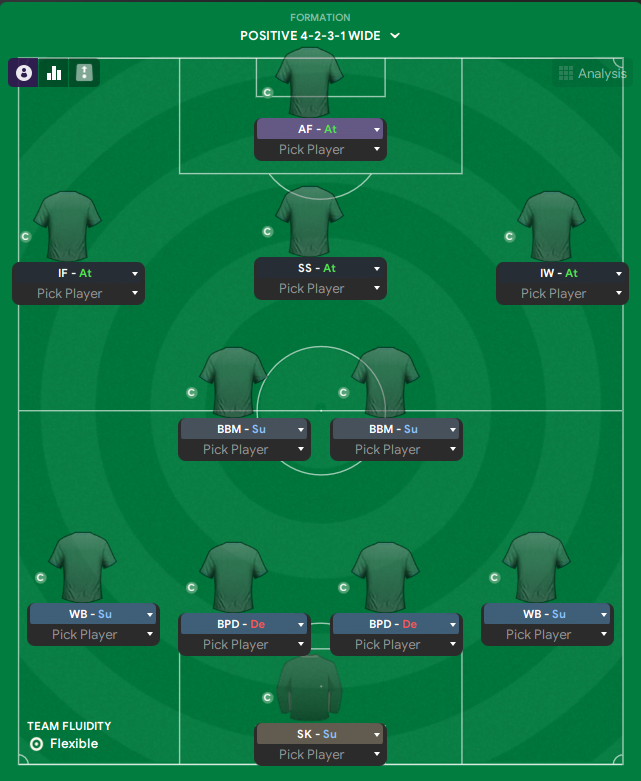
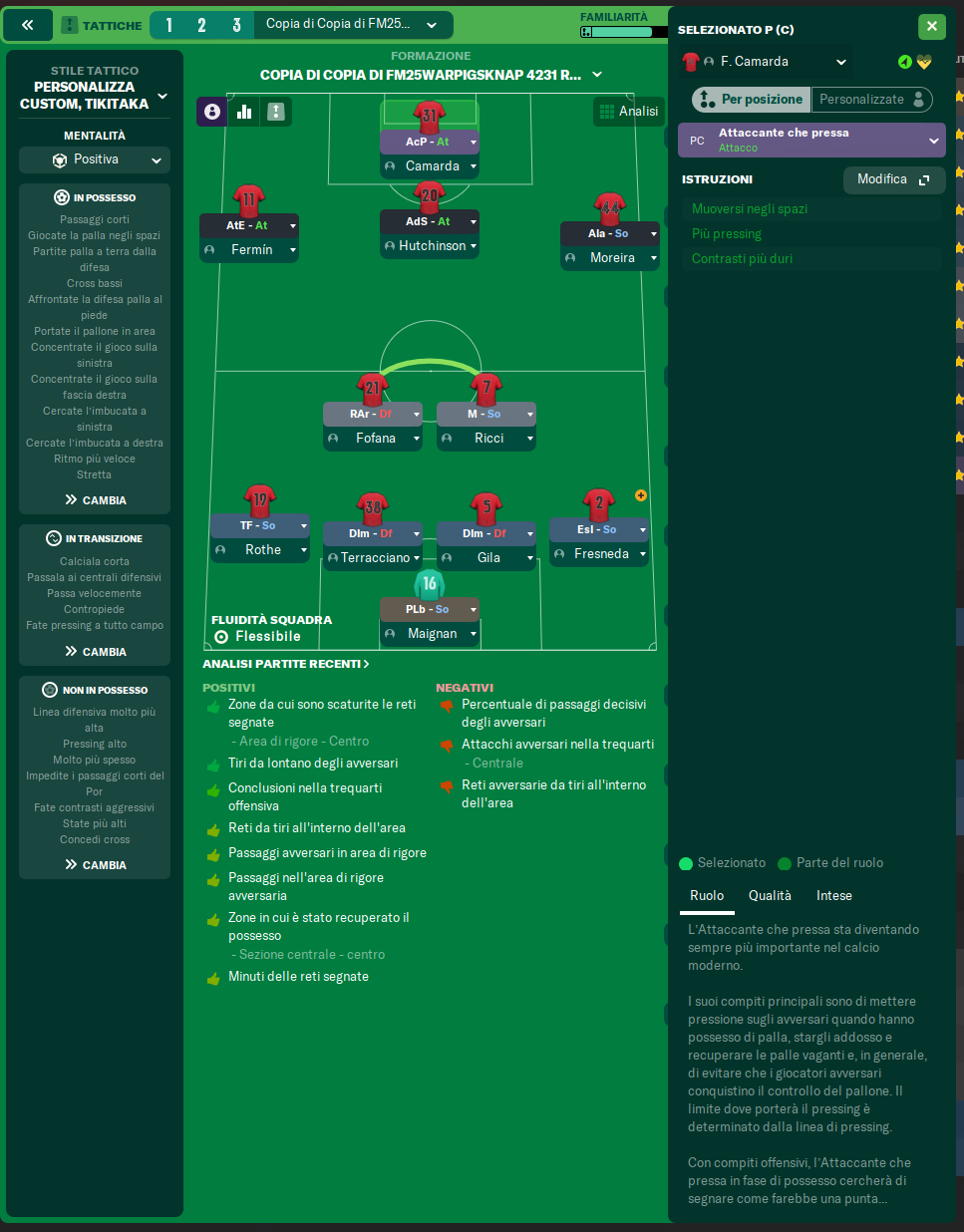
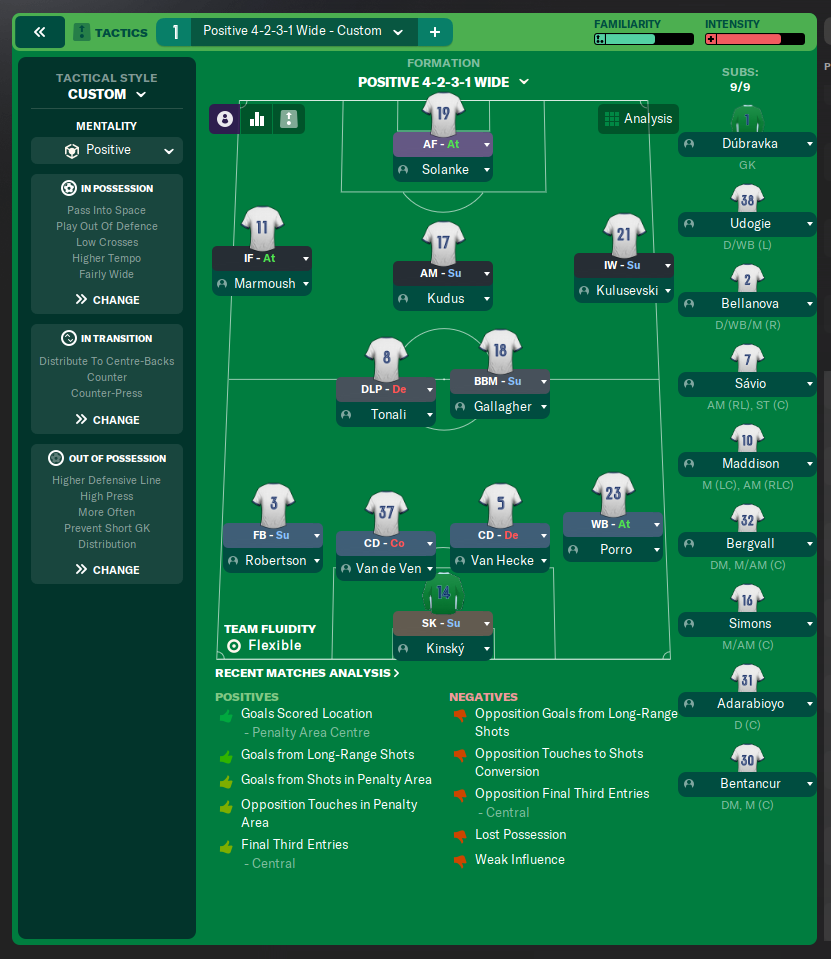
Formation:4-2-3-1 Wide
Team Fluidity:Structured
In Possession
Pass Into Space
Play Out Of Defence
Higher Tempo
In Transition
Take Short Kicks
Distribute To Centre-Backs
Counter
Counter-Press
Out of Possession
Higher Defensive Line
High Press
Much More Often Prevent Short GK Distribution
Step Up More
Team Shape Without Ball
Shape:High Defensive Line
Description:The team uses a high line, allowing for aggressive pressing and reducing space for opposition.
Evidence:High press is emphasized within the 'out of possession' instructions with a higher defensive line.
Team Shape With Ball
Shape:Fluid Attacking Structure
Description:The formation allows for fluid movement and support across the forward players, creating overloads.
Evidence:Players like the Wing-Backs and Inside Forward are instructed to support the attack, enhancing fluidity.
Phase Description
Attacking Play
Utilizes a higher tempo to transition quickly into attack, exploiting spaces behind the opposition's defensive line.
Defensive Transition
Rapid recovery of possession through counter-pressing, aiming to catch opponents off guard.
Main Focus
Creating and exploiting space through swift passing and positioning.
Key Strengths
Fluid Movement in Attack
The set up of attacking midfielder and inside forward allows for dynamic forward play with interchanging positions.
Strong Defensive Setup
A solid defensive structure with two screens in front of the backline minimizes opposition chances.
Effective Pressing
The pressing forward encourages an aggressive approach to regain possession quickly.
Conflicting Directions
Lost Possession
Higher pressing may lead to exhaustion and loss of possession against resilient opponents.
Weak Influence
The team's pressing style can sometimes result in a lack of control in midfield.
Central Control Issues
While the team presses high, it can leave central channels exposed.
Tactical Suggestions
Optimize Midfield Shape
Consider adjusting roles to improve midfield control and support during transitions.
Balanced Wing Play
Encouraging balance in wing play could foster better offensive penetration.
Adjust to Opposition Strengths
Consider modifying pressing intensity depending on the opponent's build-up play style.
Ask Questions About Your Lineup
Related Tactics
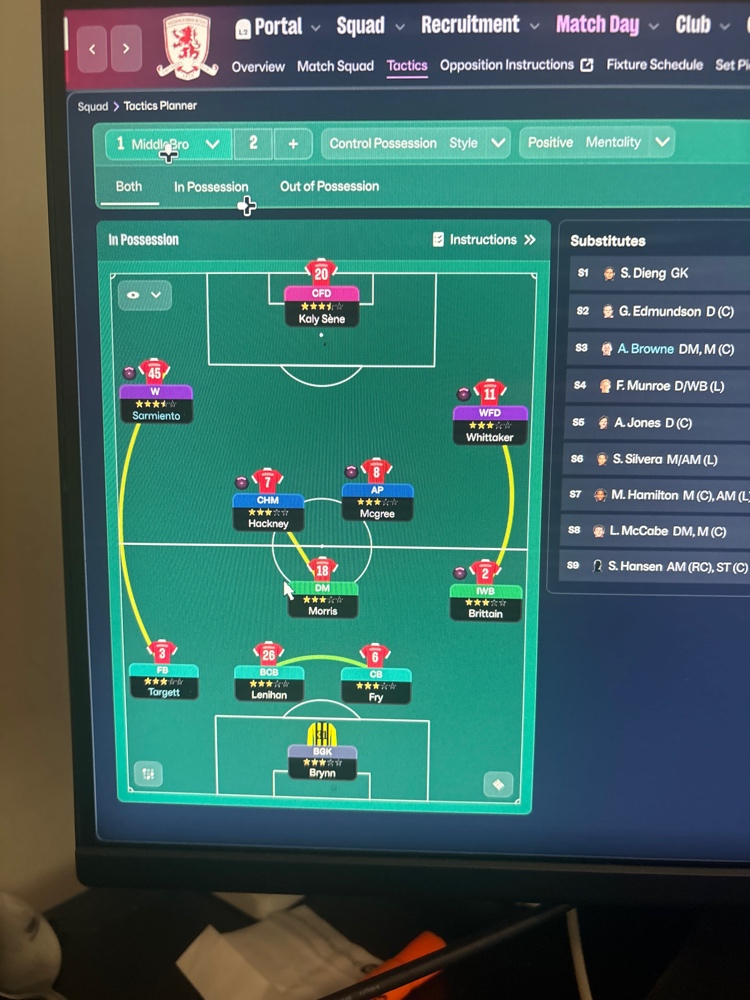
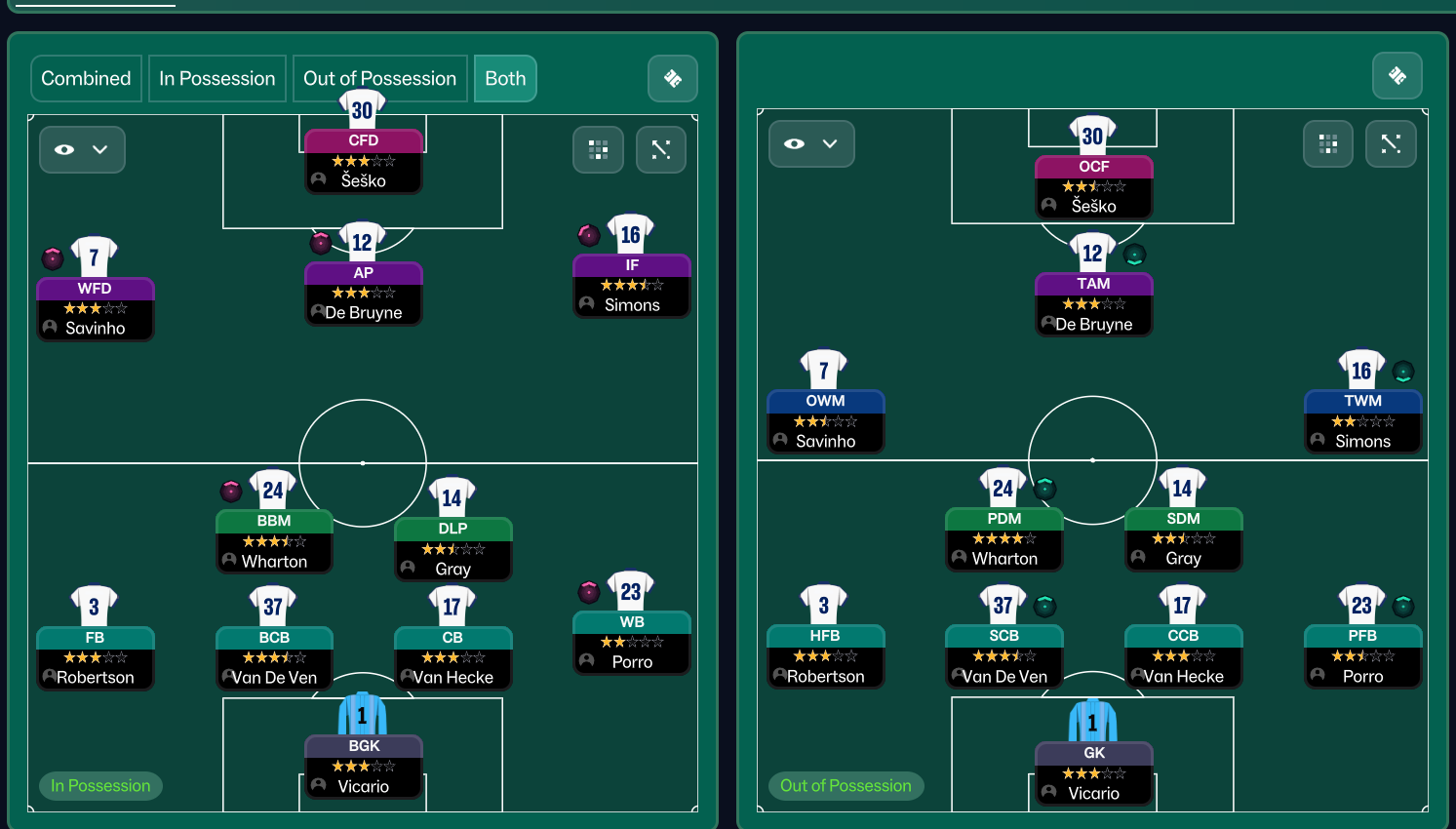
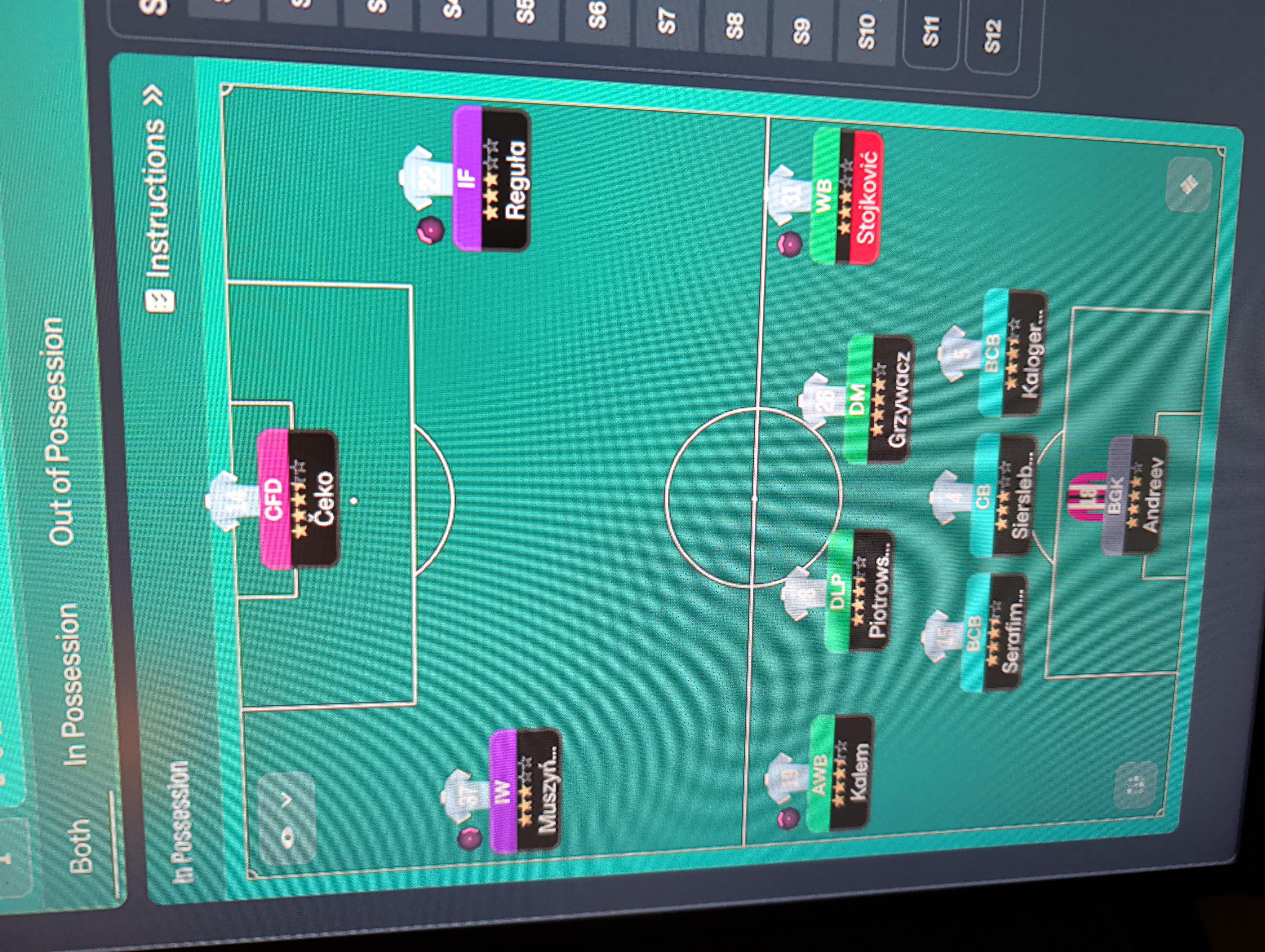
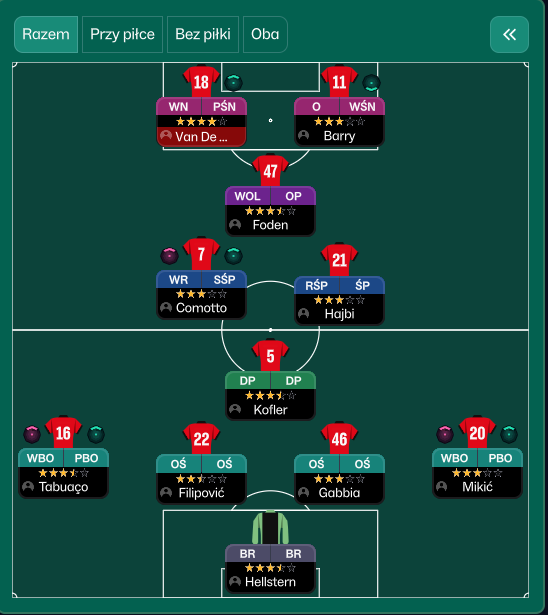
More Gegenpress tactics
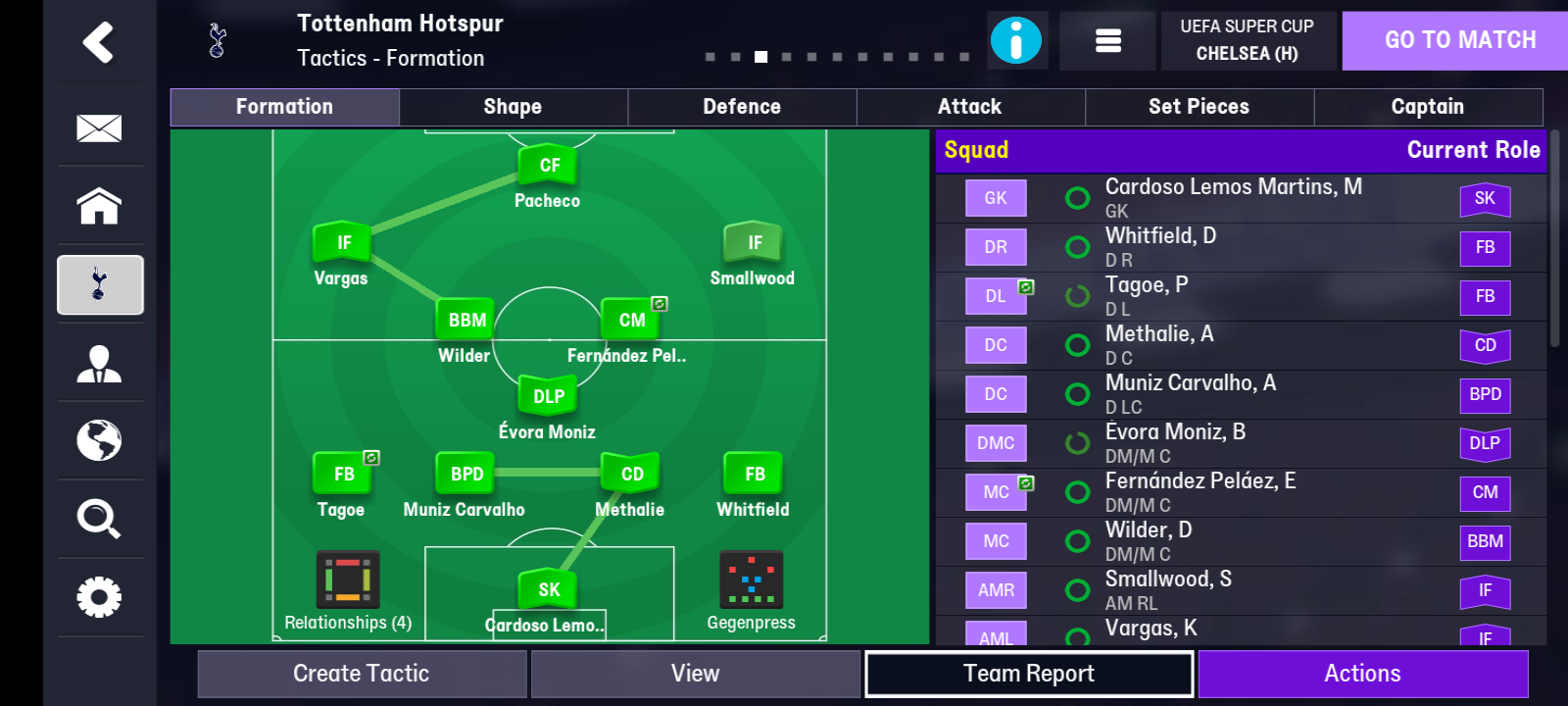
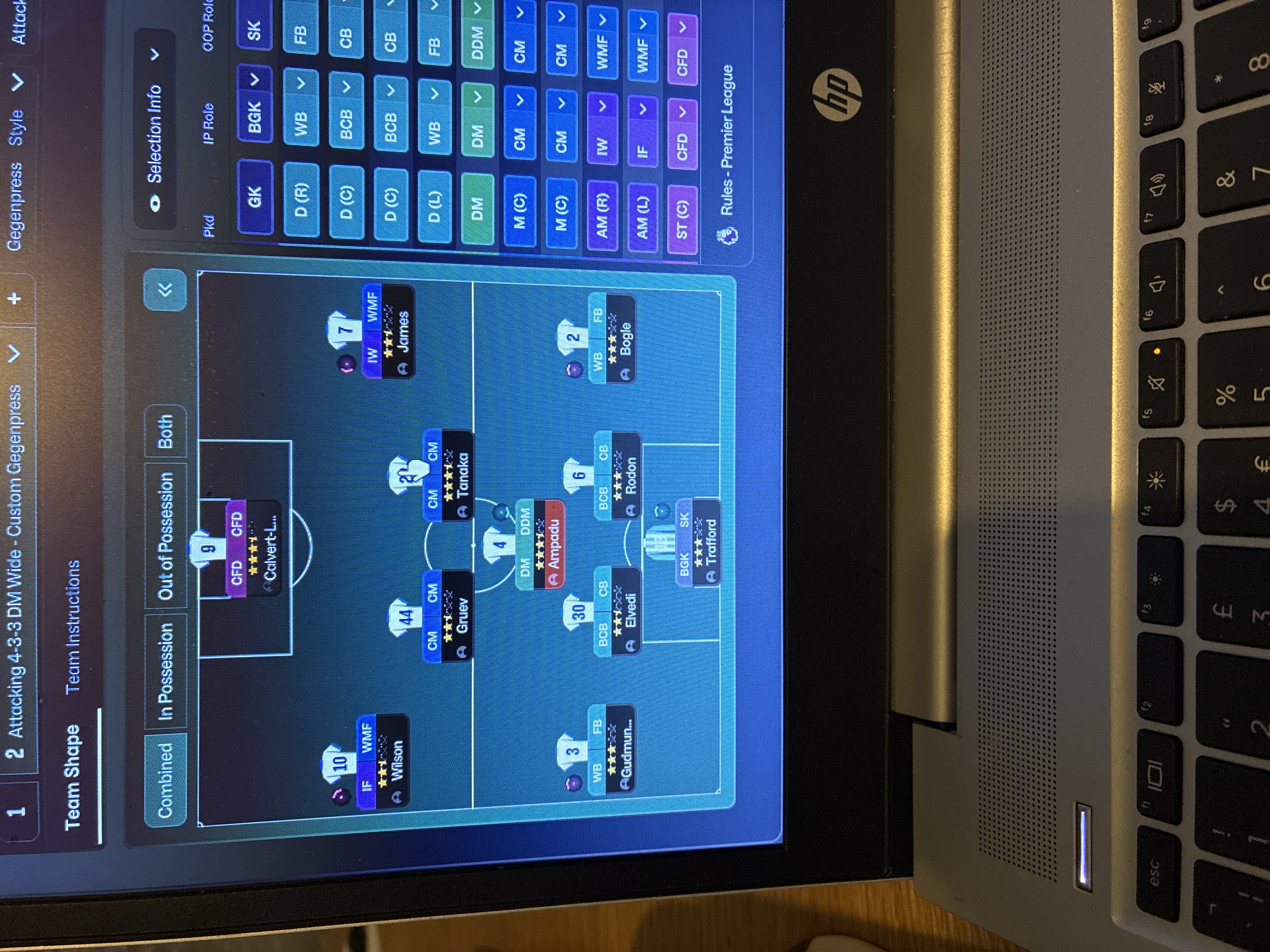
Guides for this formation
The tactical theory behind the 4-2-3-1 Wide: roles, instructions, and the trade-offs that decide whether the system holds up.
Player pairings
Midfield Pairs in 4-2-3-1 and 4-4-2
Double pivots and flat pairs in 4-2-3-1 and 4-4-2: when each pairing works, when it collapses, and the AMC unicorn that rescues both.
Read guide
Playing styles
Gegenpressing: A Full Guide
Klopp-style gegenpressing in FM, including squad profile, line-and-press pairing, sustainable workload, and the antipatterns to avoid.
Read guide