Uploaded Tactic
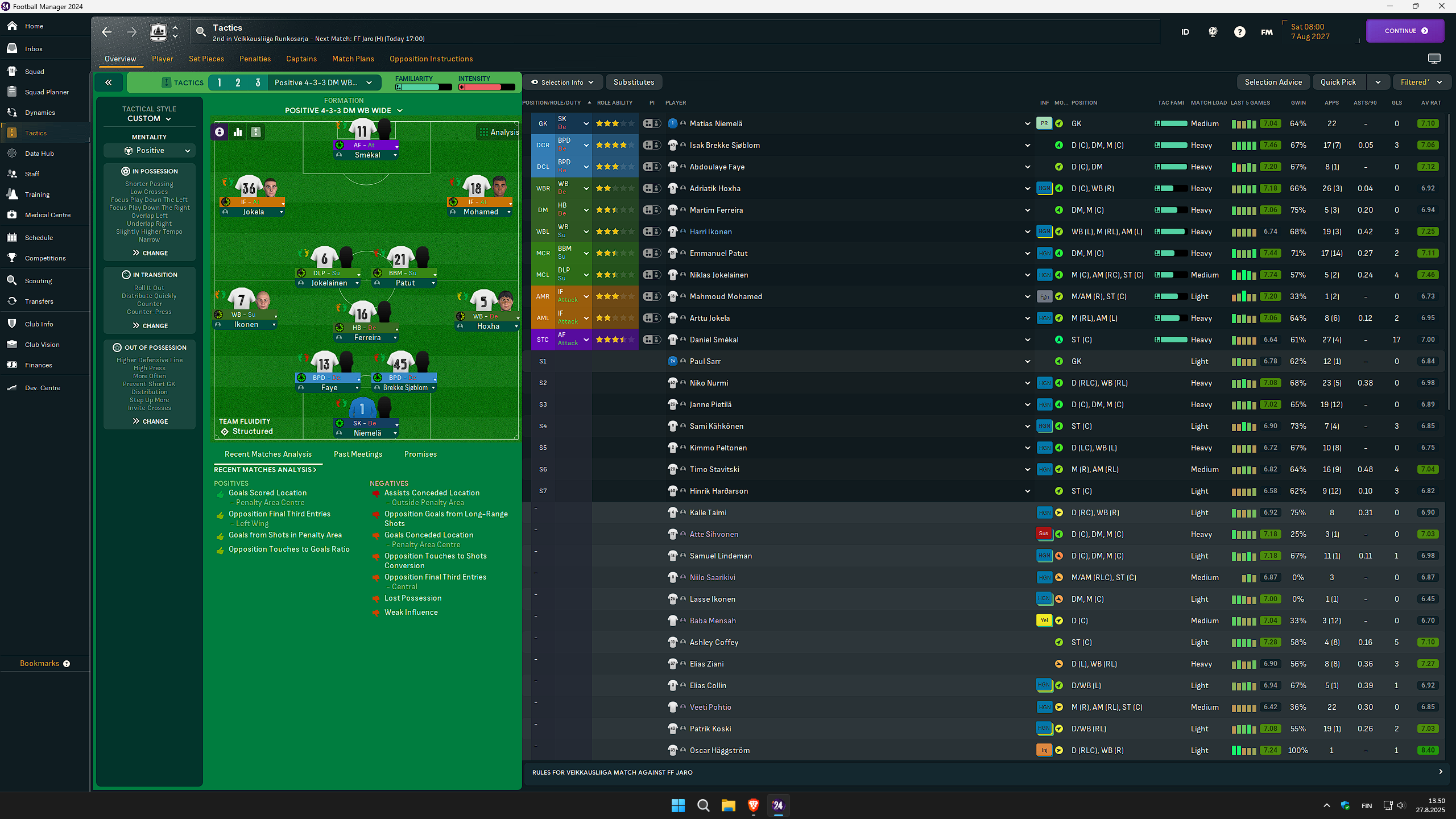
Formation & Style
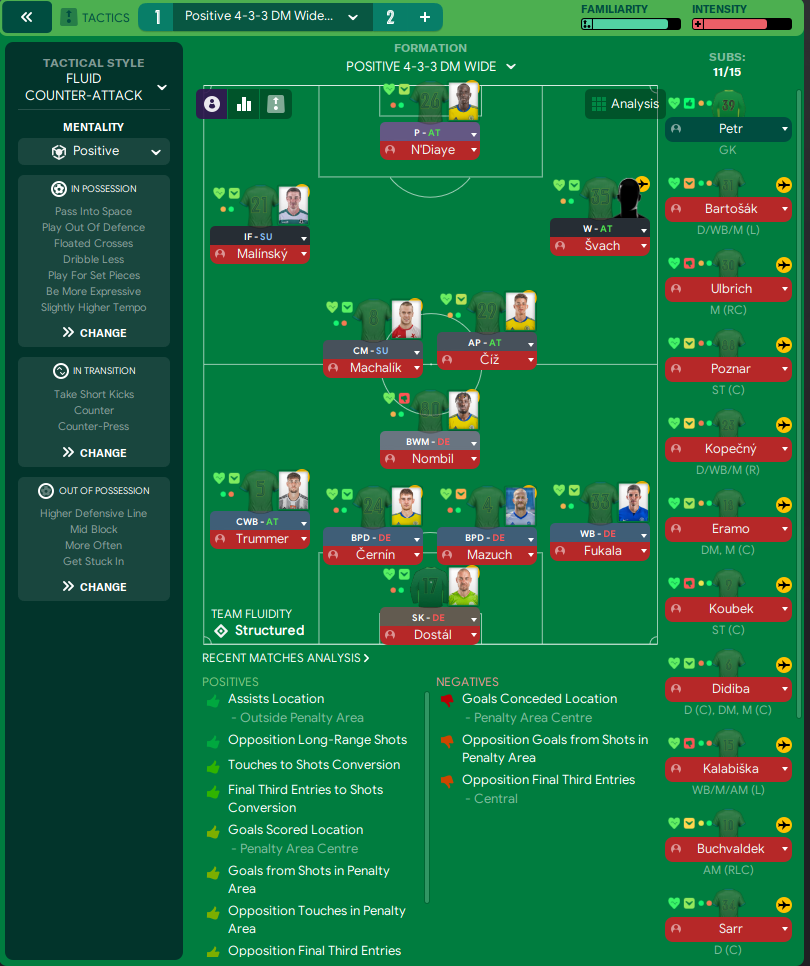
Tactical Style:Positional Play
Mentality:Positive
Formation:4-3-3 DM Wide
Team Fluidity:Structured
In Possession
Shorter Passing
Play Out of Defence
Focus Play Down the Wings
Overlap Left and Right
In Transition
Counter Press
Counter
Out of Possession
Higher Defensive Line
Higher Line of Engagement
Prevent Goalkeeper Distribution
Team Shape Without Ball
No team shape without ball data available
Team Shape With Ball
No team shape with ball data available
Key Strengths
Wide Play
Utilizing wingers allows for stretching the opposition and creating space for midfield runners.
Ball Retention
Shorter passing and structured fluidity lead to improved ball retention and control during matches.
Defensive Stability
The deep-lying playmaker and ball-playing defenders provide a strong foundation for initiating attacks.
Fluid Midfield
The combination of players roles in midfield promotes dynamic movement and interchangeability.
Conflicting Directions
Inconsistent Pressing
While high engagement is set, player roles may not facilitate a cohesive pressing strategy, especially if tired.
Width vs Compactness
Focusing on wide play may leave central areas vulnerable if wingers are isolated and unable to support.
Sweeper Keeper Role
Setting the goalkeeper as a sweeper keeper requires defenders that are comfortable with high lines; miscommunication can lead to issues.
Counter Attacking Conflicts
High defensive line may contradict counter-attacking intentions, creating vulnerability if ball is lost.
Tactical Suggestions
Adjust Mentality
Consider switching to a Balanced mentality in tougher matches to avoid overcommitting.
Enhance Pressing Instructions
Implement specific pressing triggers to create a more effective pressing trap.
Defensive Midfield Role
Evaluate switching the DM to a more defensive role to solidify the backline during transitions.
Utilize Full-Backs
Encourage full-backs to join attacks and provide width, creating overloads in wide areas.
Ask Questions About Your Lineup
Related Tactics
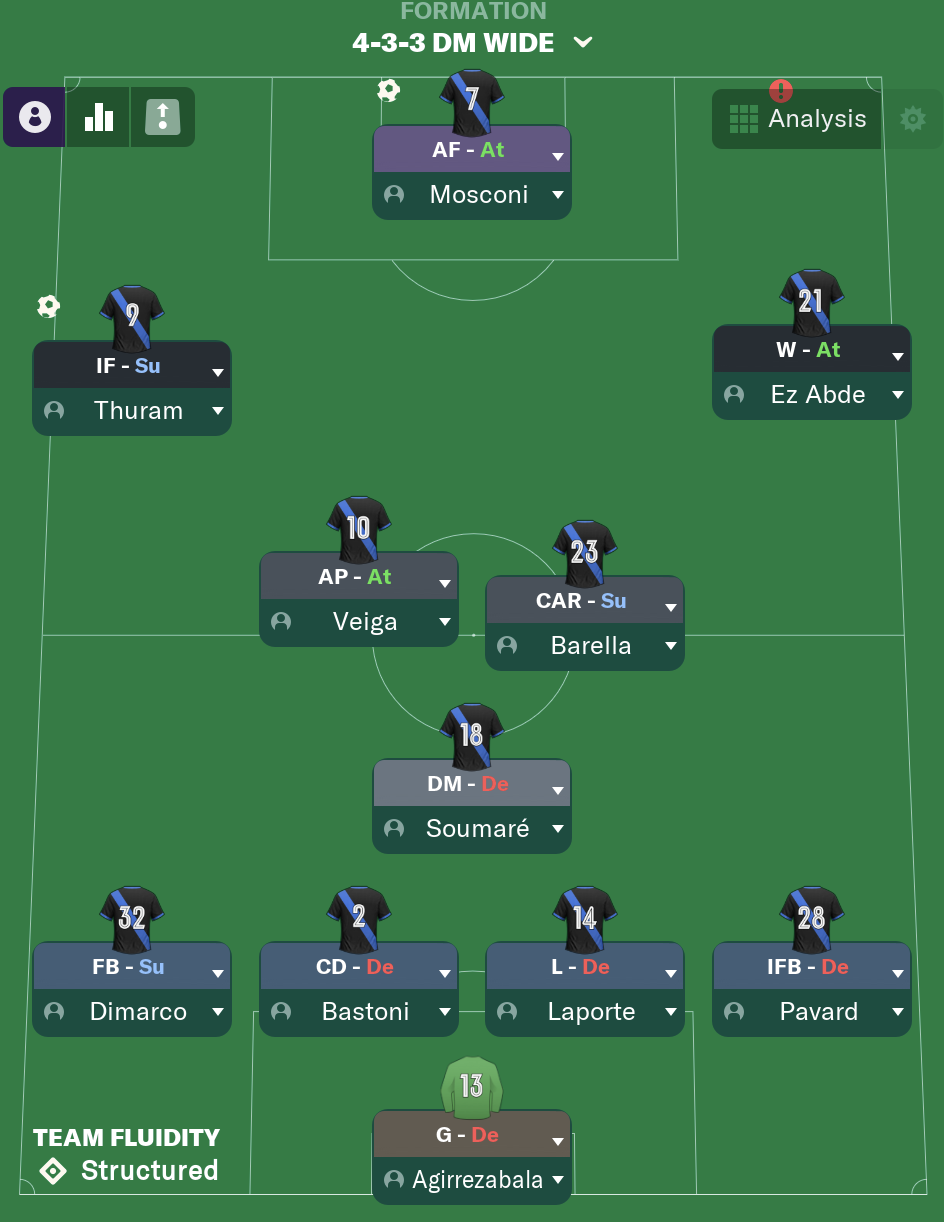
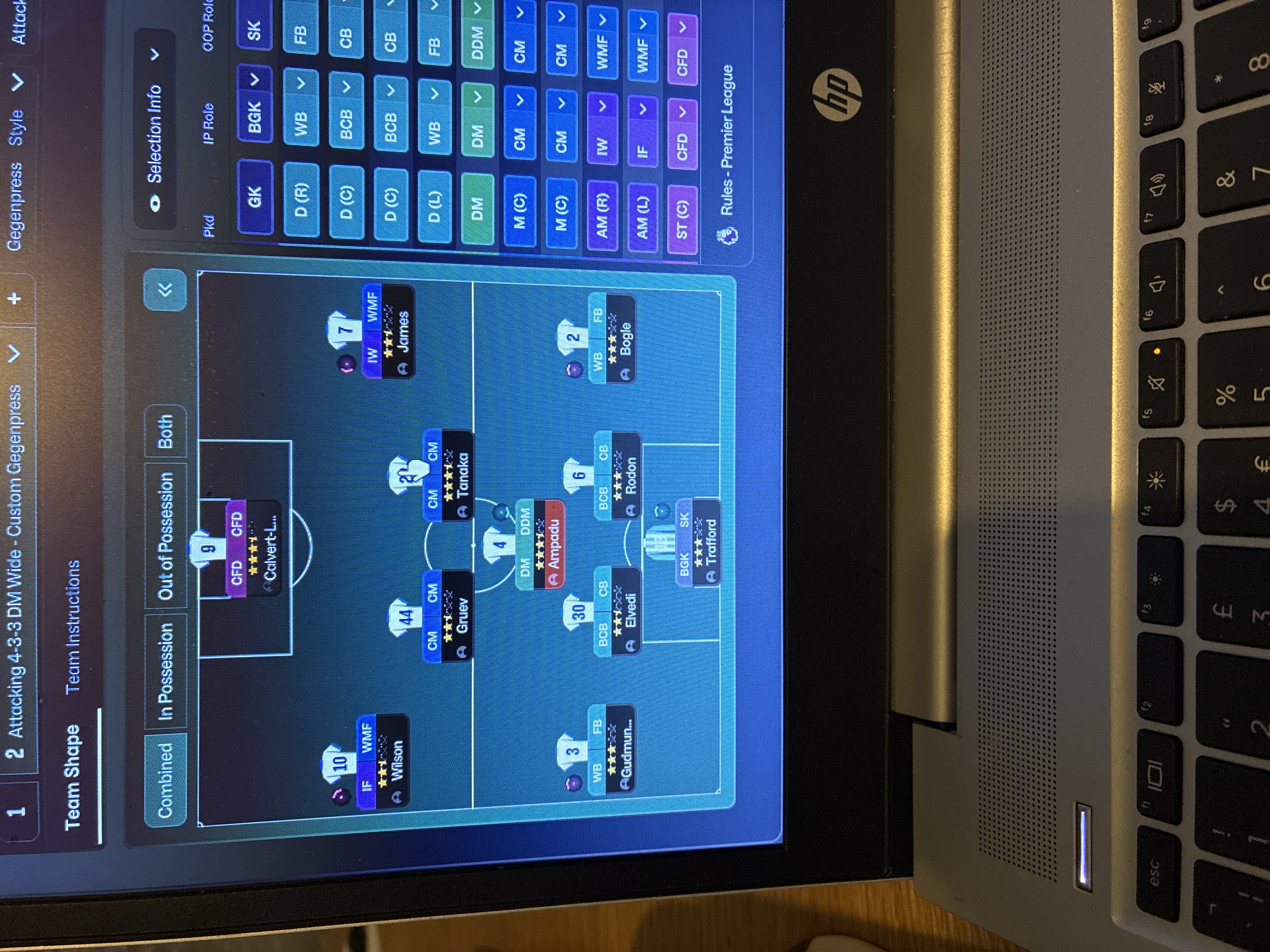
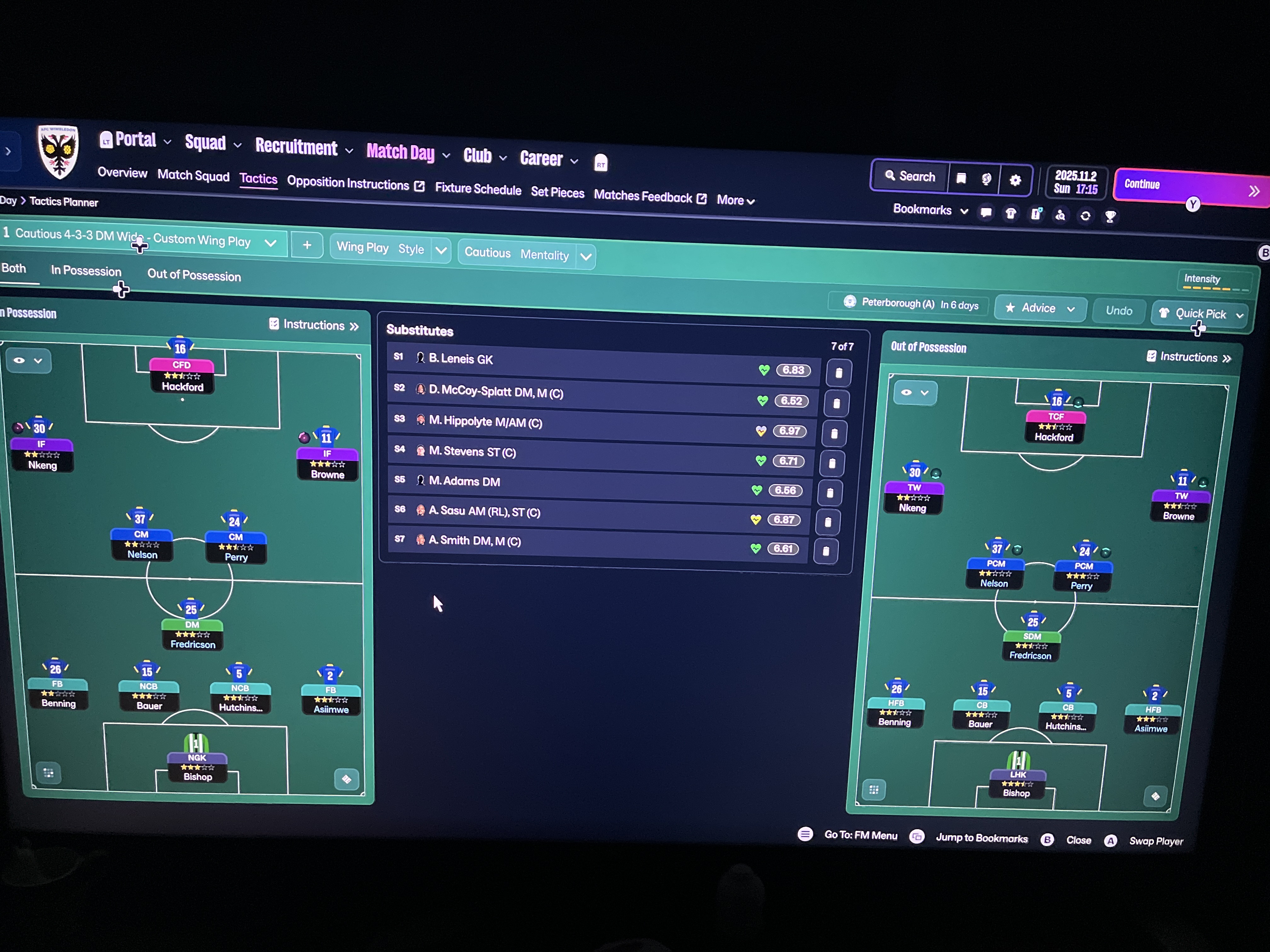
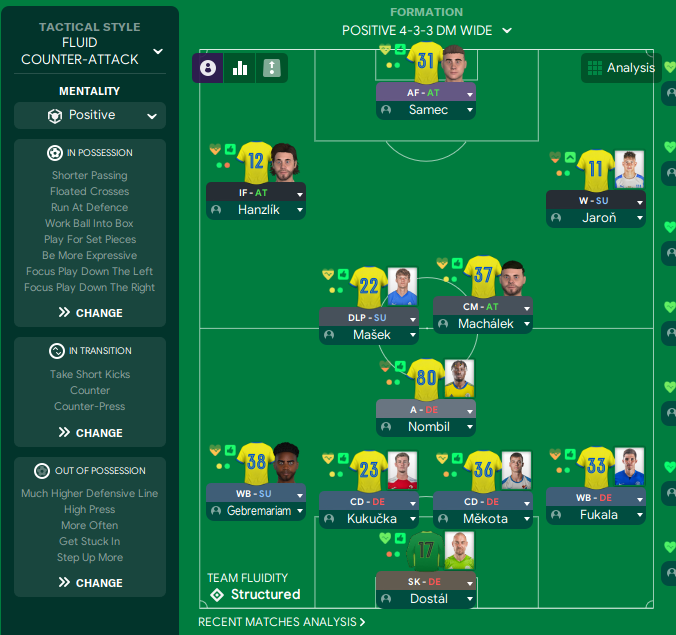
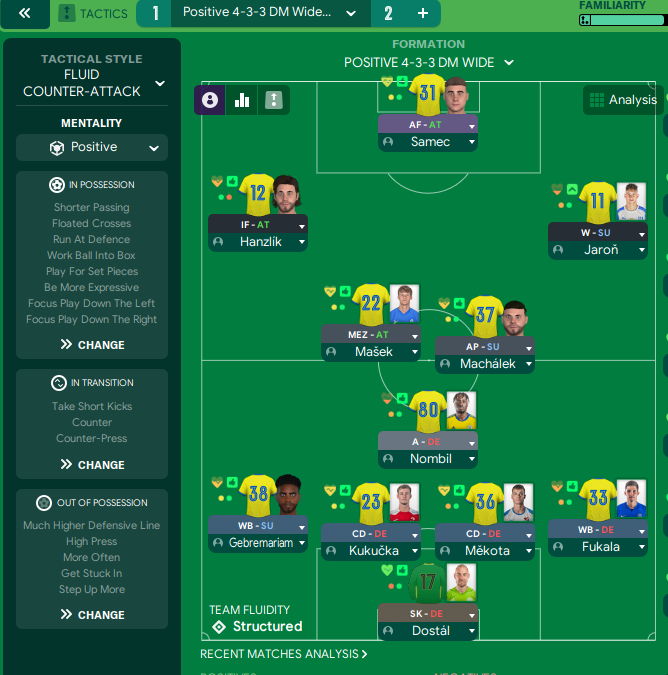
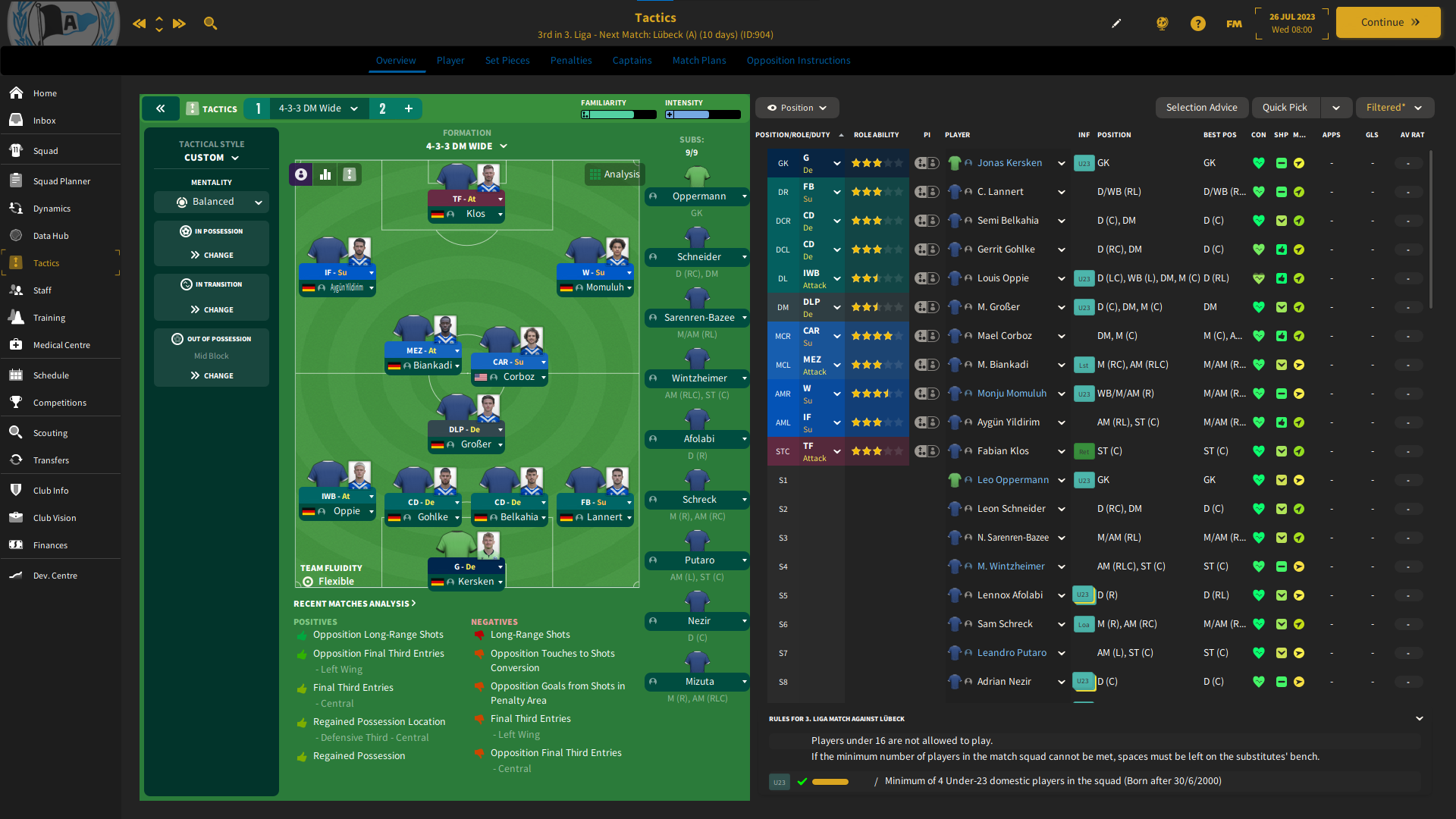
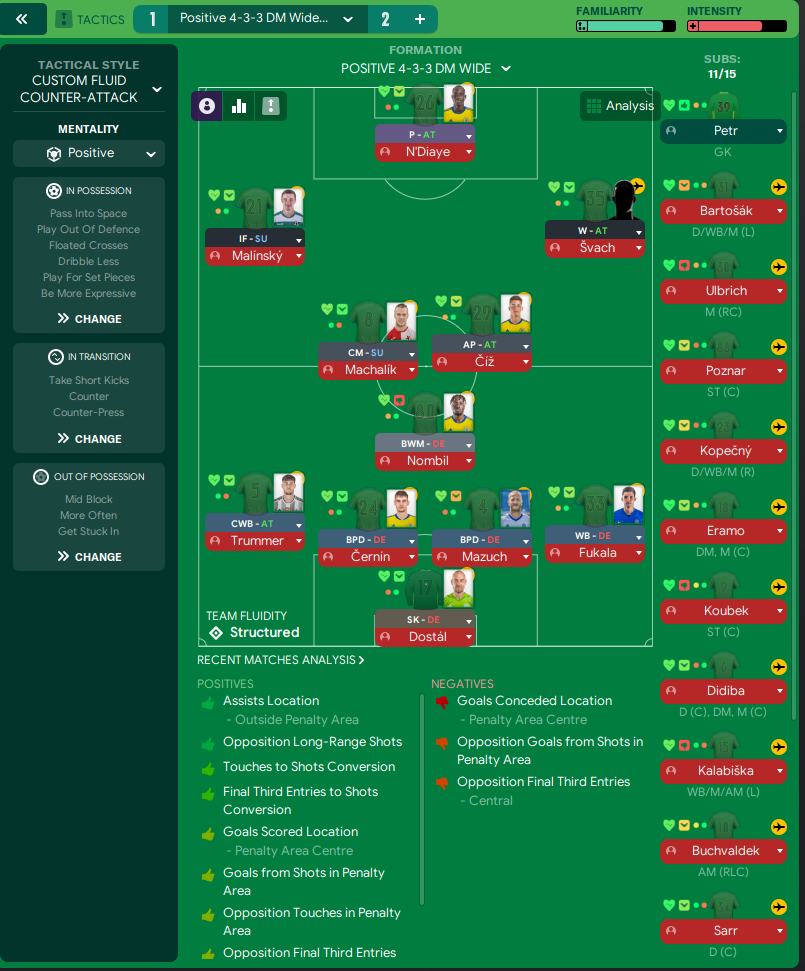
More Positional Play tactics
Guides for this formation
The tactical theory behind the 4-3-3 DM Wide: roles, instructions, and the trade-offs that decide whether the system holds up.
Foundations
Understanding the 4-3-3 Formation
Master the classic 4-3-3: player roles, tactical variations, and the trade-offs that decide whether it sings or stalls.
Read guide
Player pairings
Midfield Trios
Holder, runner, creator: the role distribution rule for three-man midfields, the AMC variants, and the antipatterns that break them.
Read guide
Playing styles
Gegenpressing: A Full Guide
Klopp-style gegenpressing in FM, including squad profile, line-and-press pairing, sustainable workload, and the antipatterns to avoid.
Read guide