Uploaded Tactic
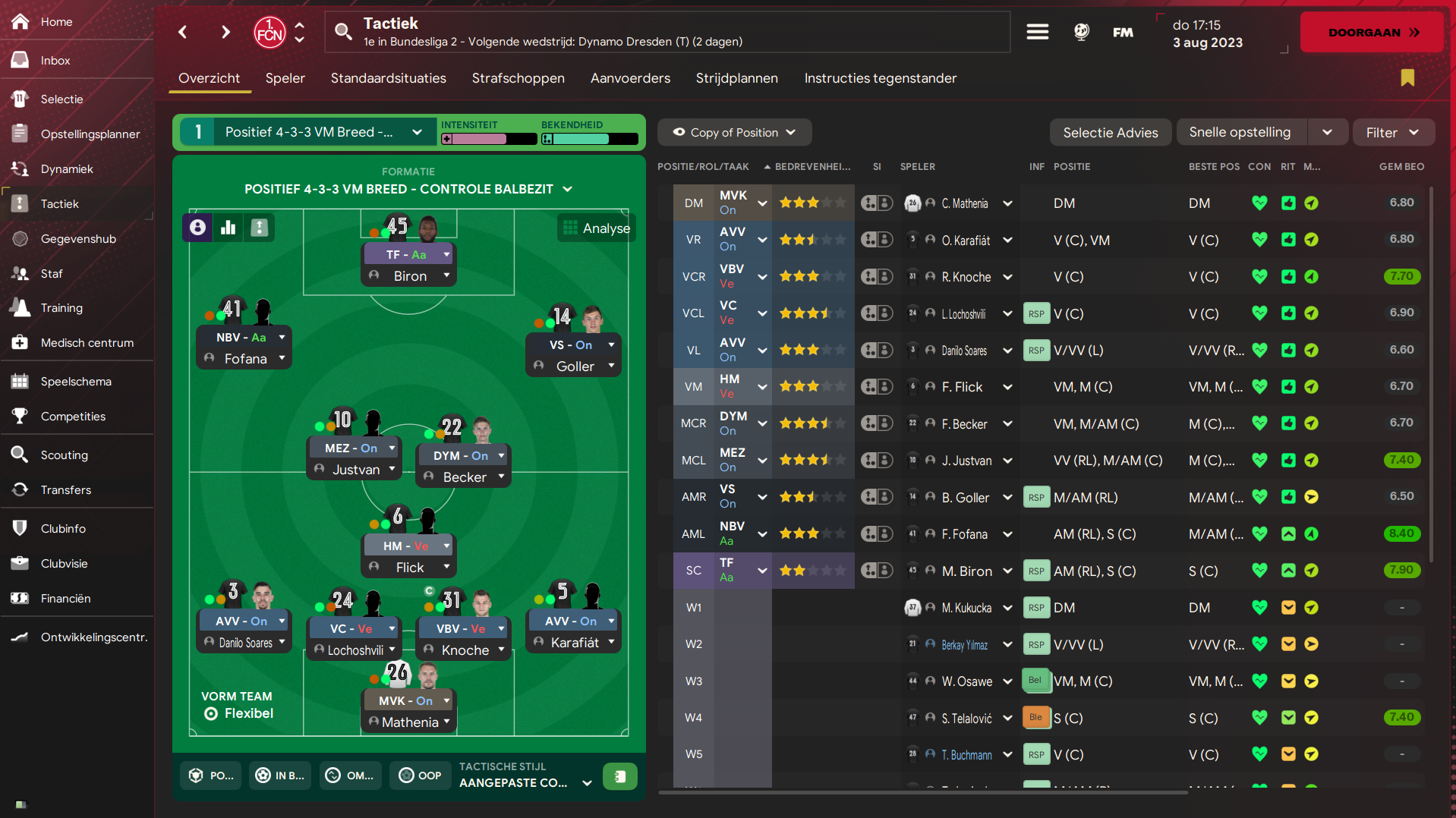
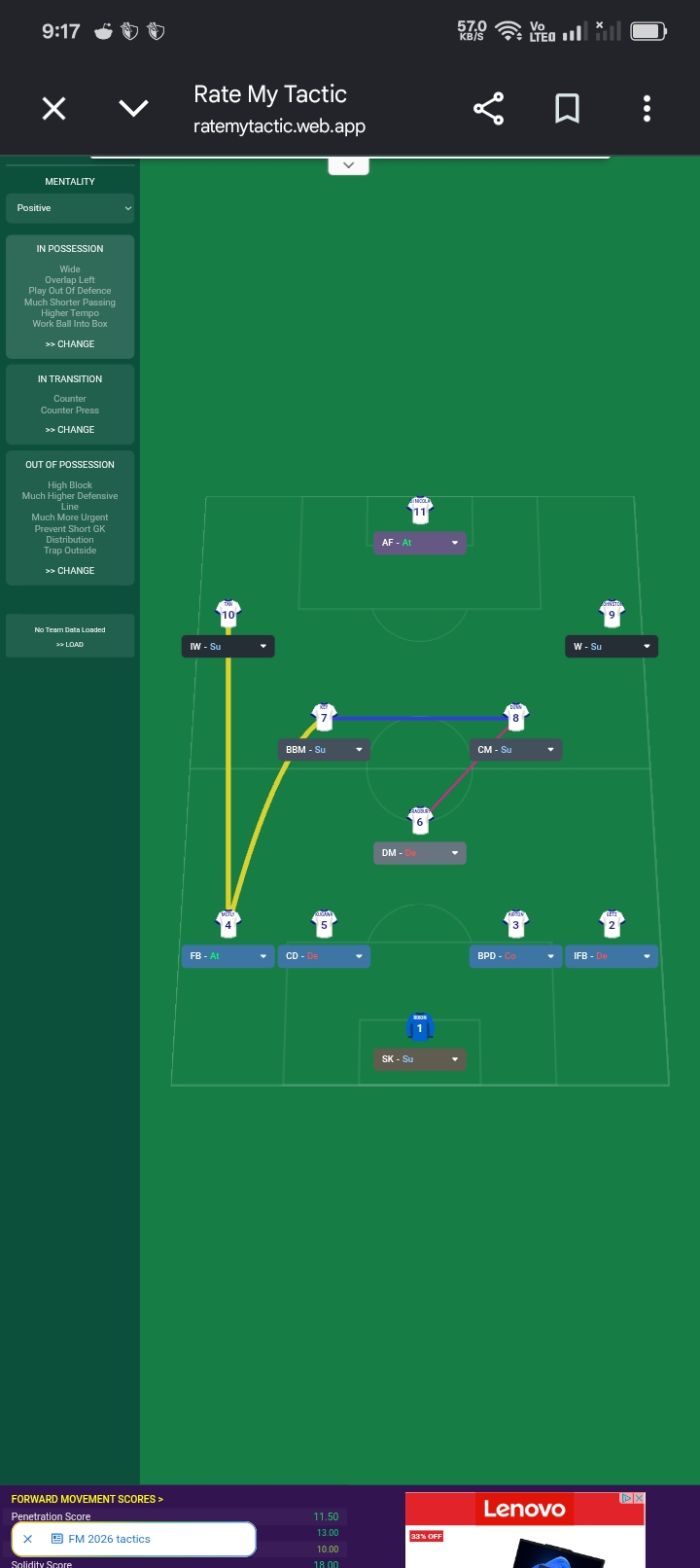
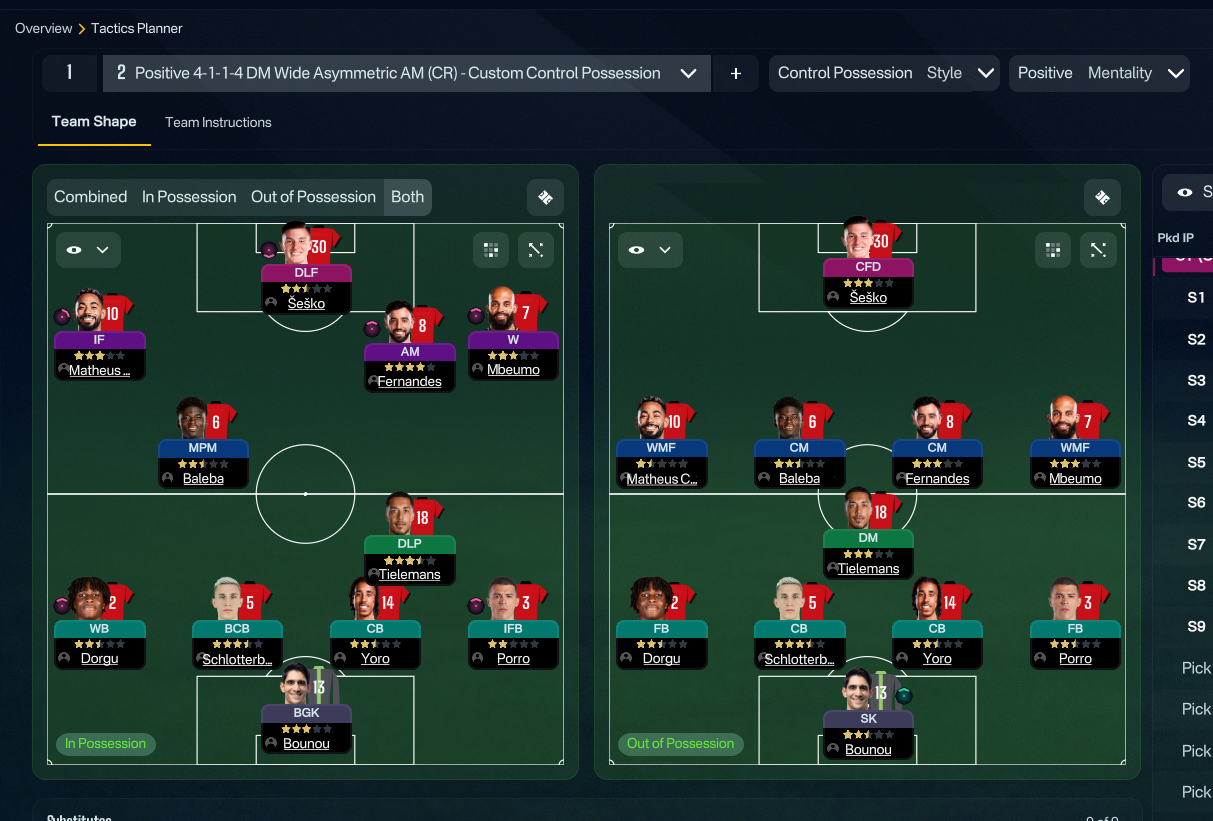
Formation & Style
Tactical Style:Control Possession
Mentality:Positive
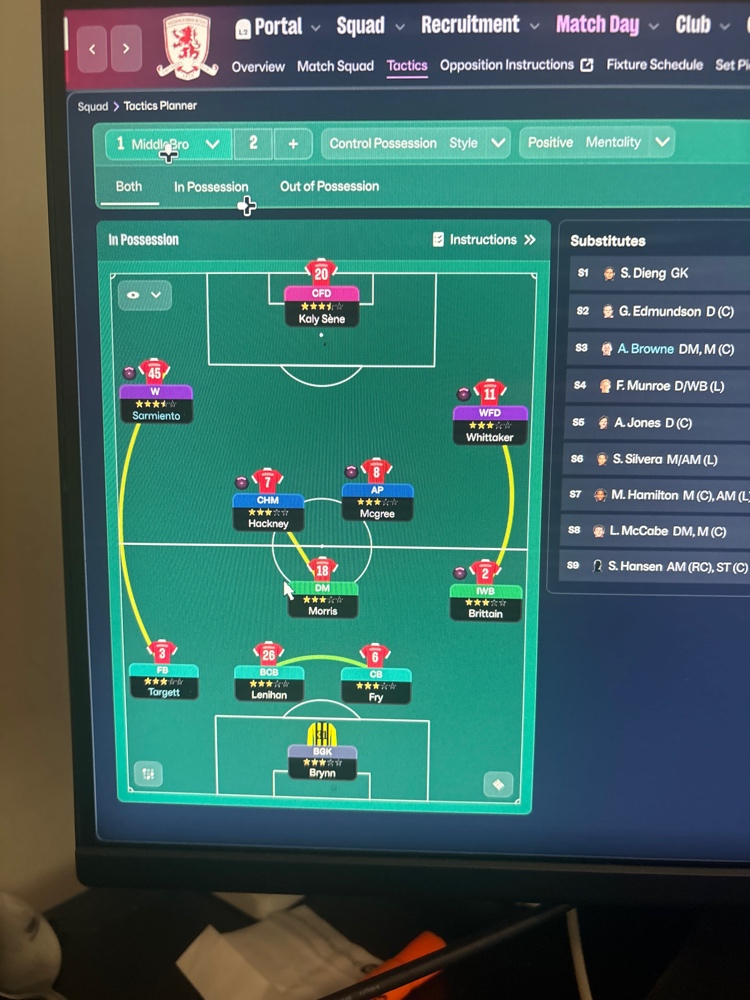
Formation:4-3-3
Team Fluidity:Flexible
In Possession
Play Out of Defence
Focus Play Down Both Flanks
Use Time Wasting
In Transition
Counter-Press
Counter
Out of Possession
Higher Defensive Line
Higher Line of Engagement
Prevent Short GK Distribution
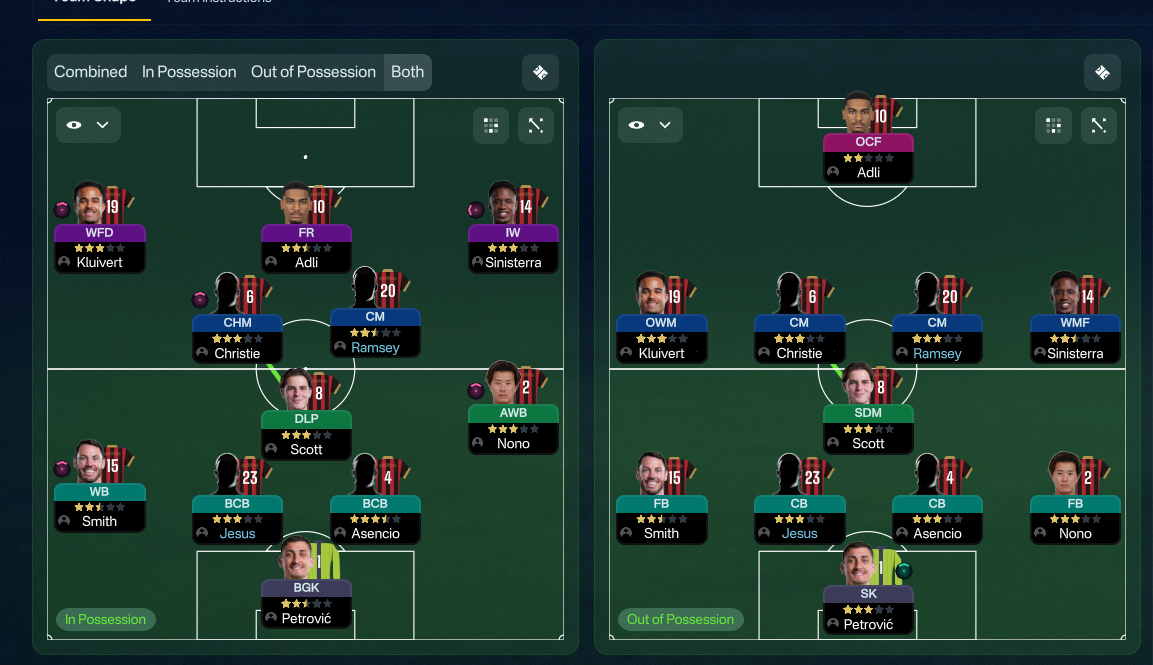
Team Shape Without Ball
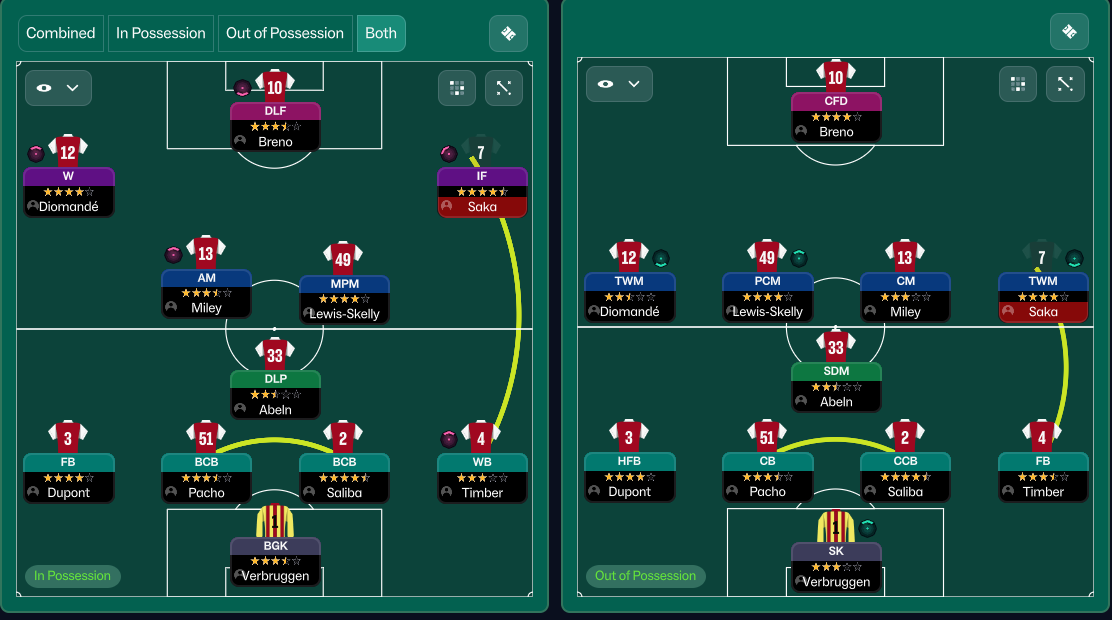
Shape:Compact 4-3-3
Description:Maintains a balanced shape with emphasis on closing down spaces and controlling the middle.
Evidence:Higher Defensive Line combined with proactive pressing.
Team Shape With Ball
Shape:Fluid 4-3-3
Description:Utilizes width and interchanging positions to create space and passing lanes.
Evidence:Focus Play Down Both Flanks and the use of Wingers.
Phase Description
Attacking Play
The team aims to control possession with short passes while utilizing width to stretch opposing defenses.
Defensive Transition
Quickly transitions to press when possession is lost, focusing on winning the ball high.
Main Focus
Balancing between maintaining control and creating high-quality chances.
Key Strengths
Positional Versatility
Players can fill multiple roles and adapt during phases of play.
Pressing Ability
Strong pressing setup to win the ball back quickly.
Creative Midfield
Strong midfield presence with creativity and ball control.
Conflicting Directions
High Defensive Line Risk
Leaves susceptible to pacey counter-attacks.
Over-Reliance on Width
May become predictable if not balanced with central options.
Player Fatigue
Intensive pressing may lead to fatigue over time.
Tactical Suggestions
Consider a More Balanced Defensive Line
A slightly lower defensive line could mitigate counter-attack vulnerabilities.
Integrate Central Playmaker
Adding a central player to facilitate ball movement could diversify attacking options.
Rotate Players to Manage Fatigue
Due to the high intensity, ensure squad rotation is utilized throughout the season.
Ask Questions About Your Lineup
Related Tactics
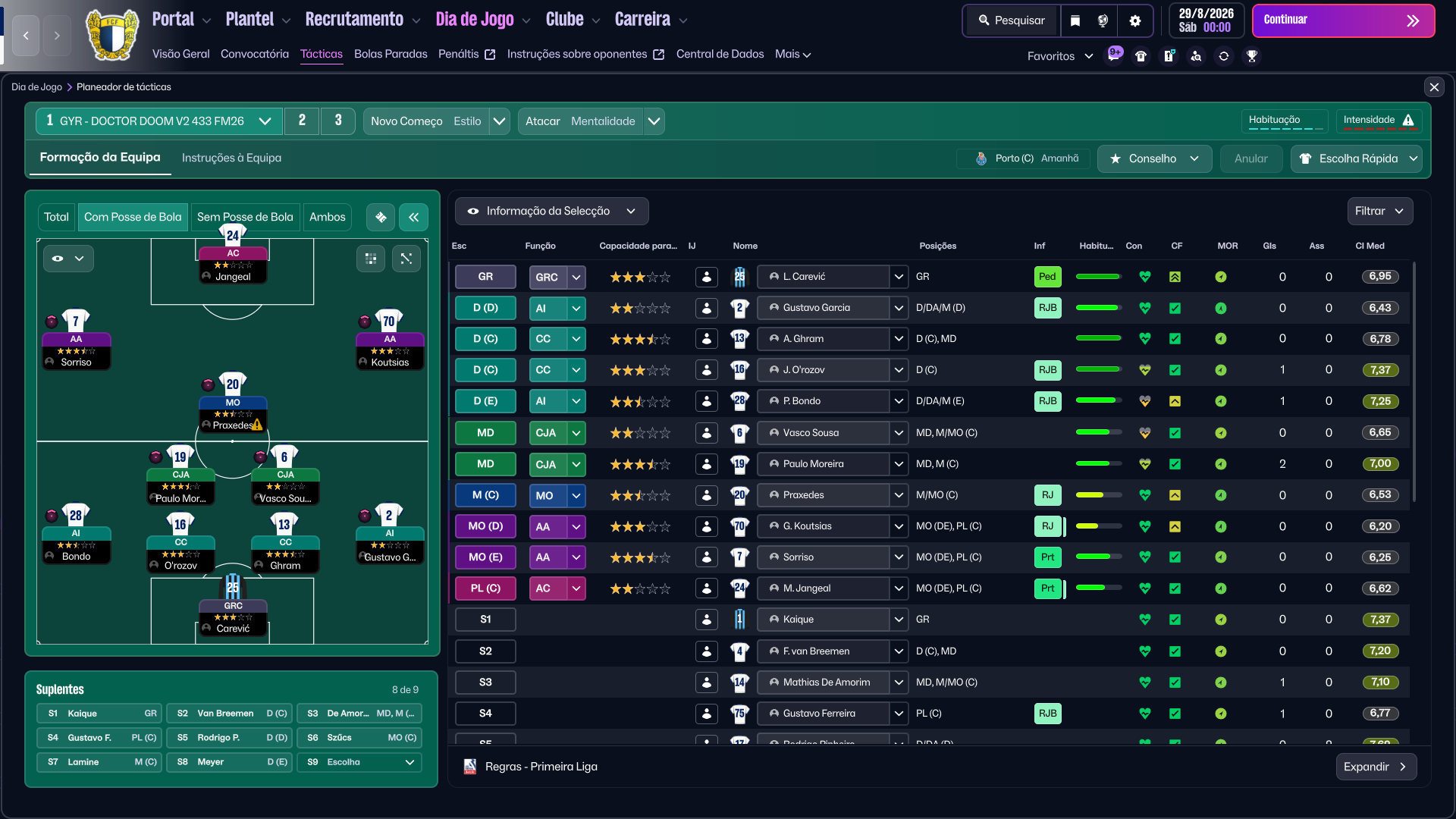
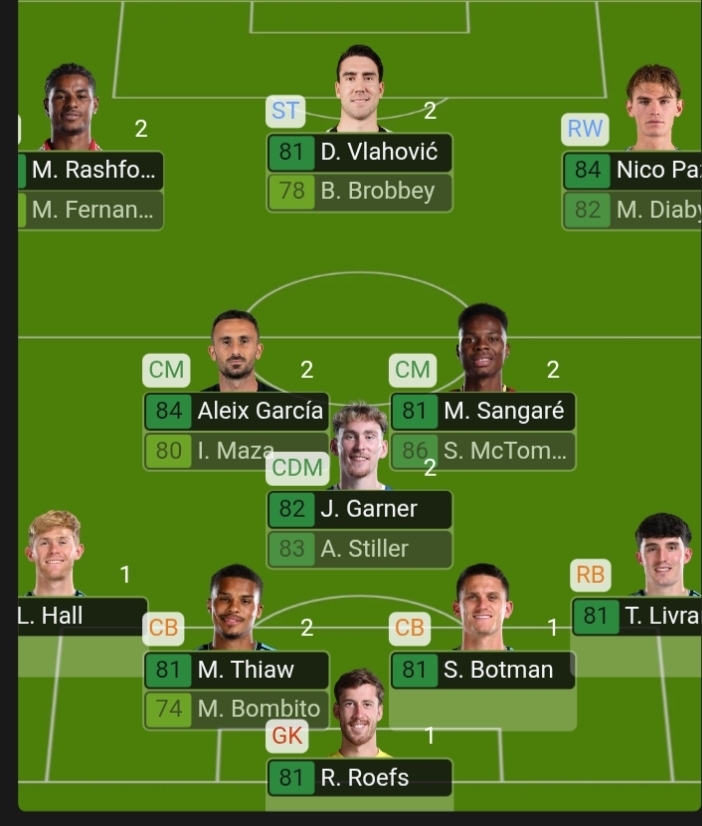
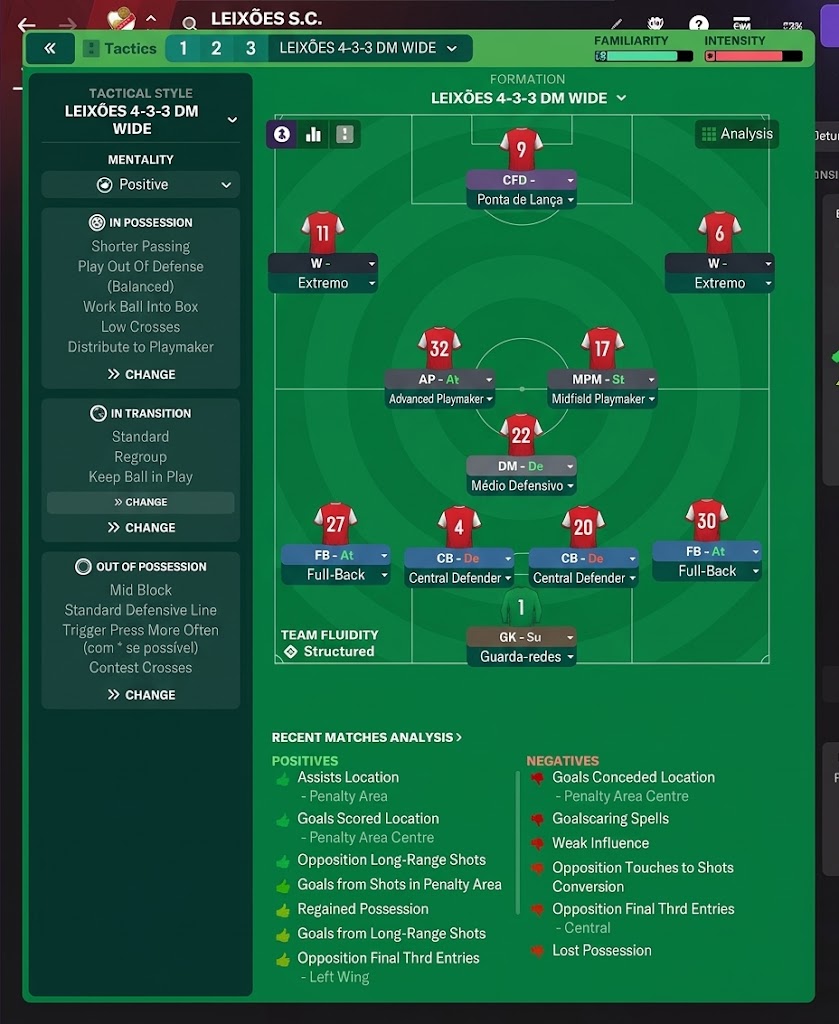
More Control Possession tactics
Guides for this formation
The tactical theory behind the 4-3-3: roles, instructions, and the trade-offs that decide whether the system holds up.
Foundations
Understanding the 4-3-3 Formation
Master the classic 4-3-3: player roles, tactical variations, and the trade-offs that decide whether it sings or stalls.
Read guide
Player pairings
Midfield Trios
Holder, runner, creator: the role distribution rule for three-man midfields, the AMC variants, and the antipatterns that break them.
Read guide
Playing styles
Gegenpressing: A Full Guide
Klopp-style gegenpressing in FM, including squad profile, line-and-press pairing, sustainable workload, and the antipatterns to avoid.
Read guide